

You know the basics. Your pup can sit when you ask, maybe even stay for a solid minute before those paws start shuffling. That’s wonderful, truly. Those foundational commands are the bedrock of good behavior.
Yet here’s the thing most dog lovers don’t realize until it’s almost too late: knowing just sit and stay is like learning only two words in a foreign language. You can get by in very specific situations, but the moment life throws something unexpected your way, you’re stuck. Dogs are capable of so much more than we give them credit for, and the right commands can literally save their lives or make your daily walks infinitely more peaceful. Let’s explore the commands that take your relationship with your four-legged friend from basic to brilliant.
Come (Reliable Recall)
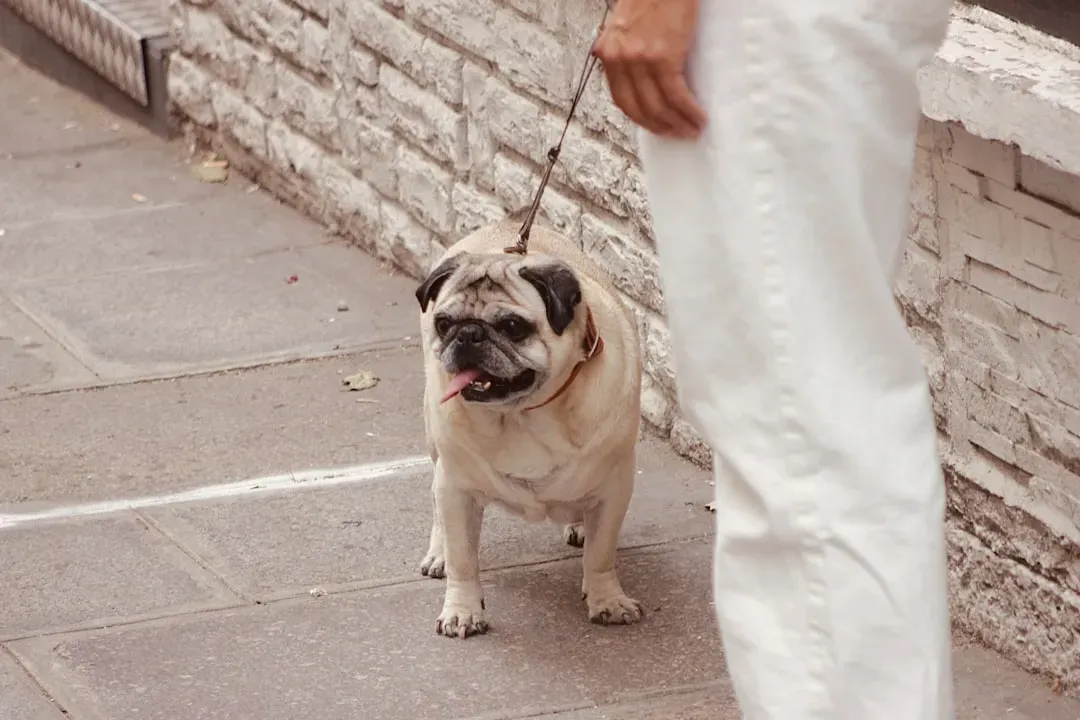
The come command is probably one of the most important ones to master, useful within the home and yard and essential when out on trails, parks, or public places for recalling your dog from chasing animals or running off. Think about it this way: if your pup slips their collar at the park and bolts toward the parking lot, this single word could be the difference between a close call and absolute heartbreak.
The most challenging skill for most dogs is coming when called, so start practicing the day you get your dog and always reward them with tasty food for coming to you. I’ve seen too many owners get frustrated because their dog ignores them outdoors. The secret lies in making yourself more exciting than whatever distraction is out there, which honestly takes creativity and high-value treats.
Down (The Calm Button)

The down command is another useful tool similar to sit but used for longer duration, helping eliminate unwanted behaviors such as jumping up and relaxing over-excited dogs. Picture this scenario: you’re at a friend’s house and your dog is bouncing around like a kangaroo on espresso. Down becomes your reset button.
Being able to have your dog relax at your feet at the vet’s office, the park, or a friend’s house will make for a much more enjoyable experience. Here’s something important though: be careful not to create confusion by using the down command for instances such as getting down off the couch or down from jumping on someone, use the off command for these. Consistency matters more than you might think.
Leave It (The Lifesaver)
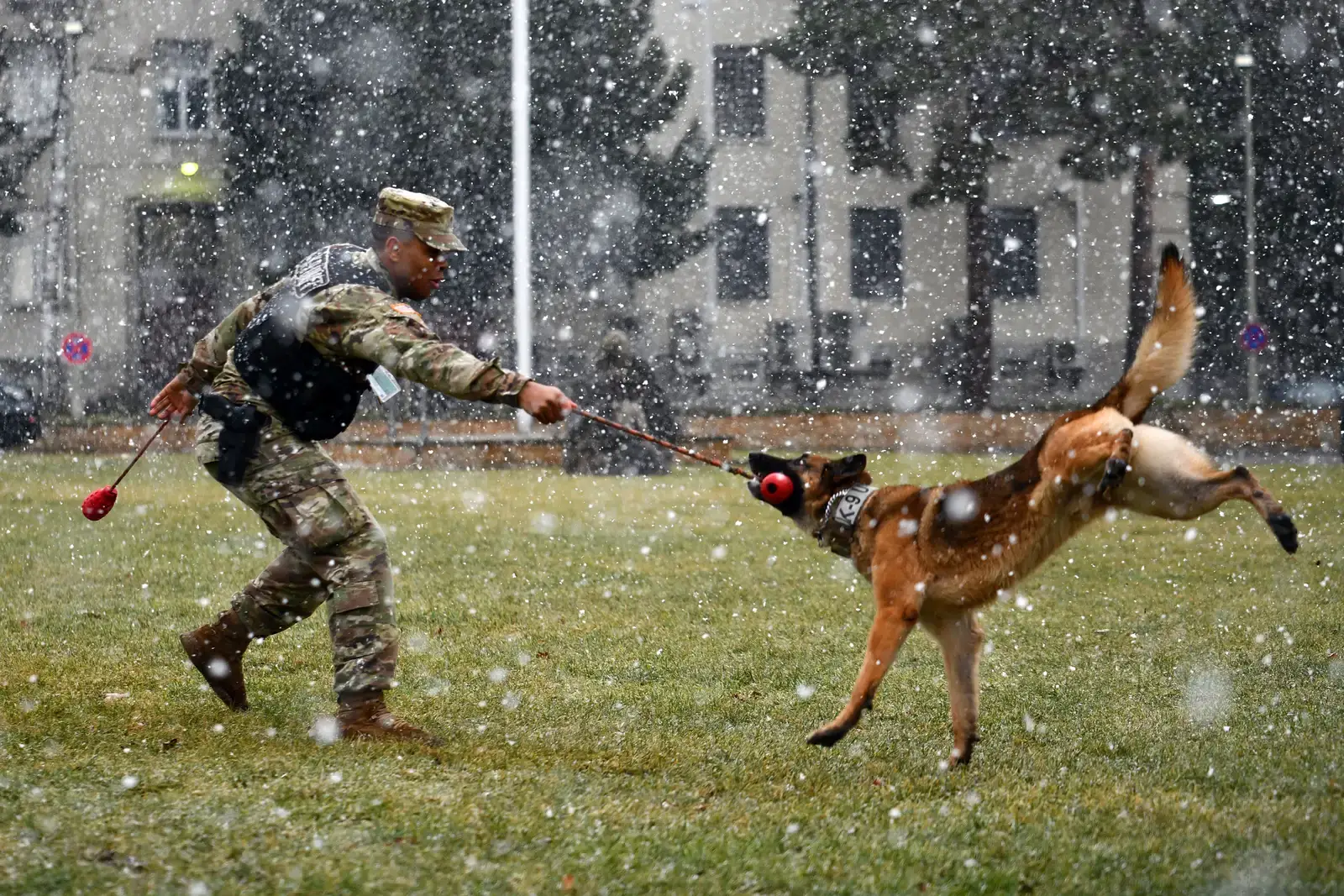
This command is non-negotiable if you ever walk your dog anywhere near civilization. The leave it command can prevent your dog from picking something up that may either be harmful or something you don’t want chewed and destroyed, teaching important self-control that can save possessions and keep your dog safe.
Dogs who haven’t learned reliable leave it or drop it commands frequently face life-threatening situations by consuming harmful substances like medications, cleaning products, or toxic foods. I know someone whose dog nearly died from eating a discarded chicken bone on the sidewalk. Teaching leave it beforehand would have prevented that terrifying emergency vet visit and thousands in bills.
Watch Me (Focus Command)
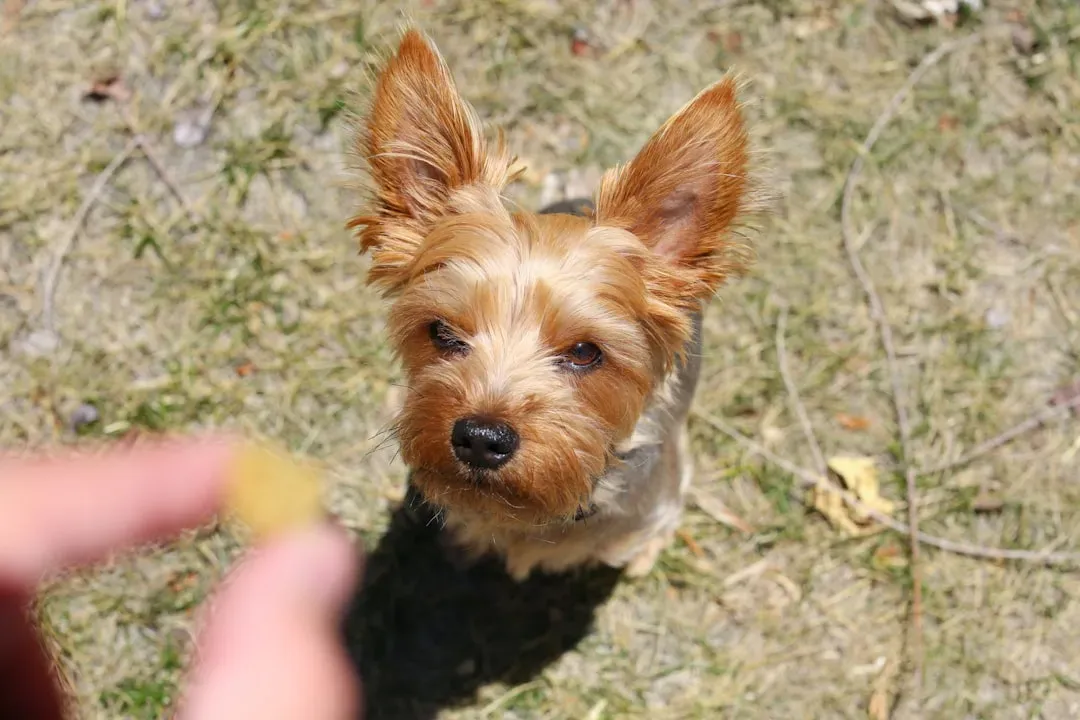
The look or watch me command is a great way to teach your dog to focus on you, beneficial for training in general by teaching them to keep attention on you despite whatever distractions there may be. Honestly, this one transformed my walks more than any other command.
When a reactive dog approaches or a squirrel darts across the path, getting your dog’s eyes on you breaks their fixation on the trigger. This is very helpful when teaching your dog other commands. It’s like having a magic attention magnet in your back pocket. Start simple at home, reward generously, then gradually add distractions as your pup improves.
Heel (Loose Leash Walking)

The heel or stay with me command is used to provide a comfortable and relaxed walking pace so your dog doesn’t pull on the leash, making walking a much more fun and enjoyable experience for both you and your dog. Let’s be real, nobody enjoys being dragged down the street by an overenthusiastic retriever.
There are alternative terms you can use for this command such as no pull or easy, use whatever you feel works as long as you’re consistent. This command takes patience to teach properly. You’ll need to stop every single time your dog pulls, which can make a fifteen-minute walk take forty minutes at first, but the payoff is absolutely worth it.
Wait (Impulse Control at Doors)

Similar to stay, wait is used specifically for when people enter the door of your home, important because no matter how well behaved your dog is, they’ll most likely get excited when someone enters your house. This prevents the chaotic door-charging that embarrasses you in front of guests.
To teach wait, it’s best to have two people train your pup, with one outside and the other inside with your dog, opening and closing the door while saying wait when your dog moves toward it, repeating multiple times and rewarding when they don’t move toward the door. It takes repetition, but eventually your dog will understand that doors opening doesn’t mean they get to explode through them.
Drop It (Emergency Release)
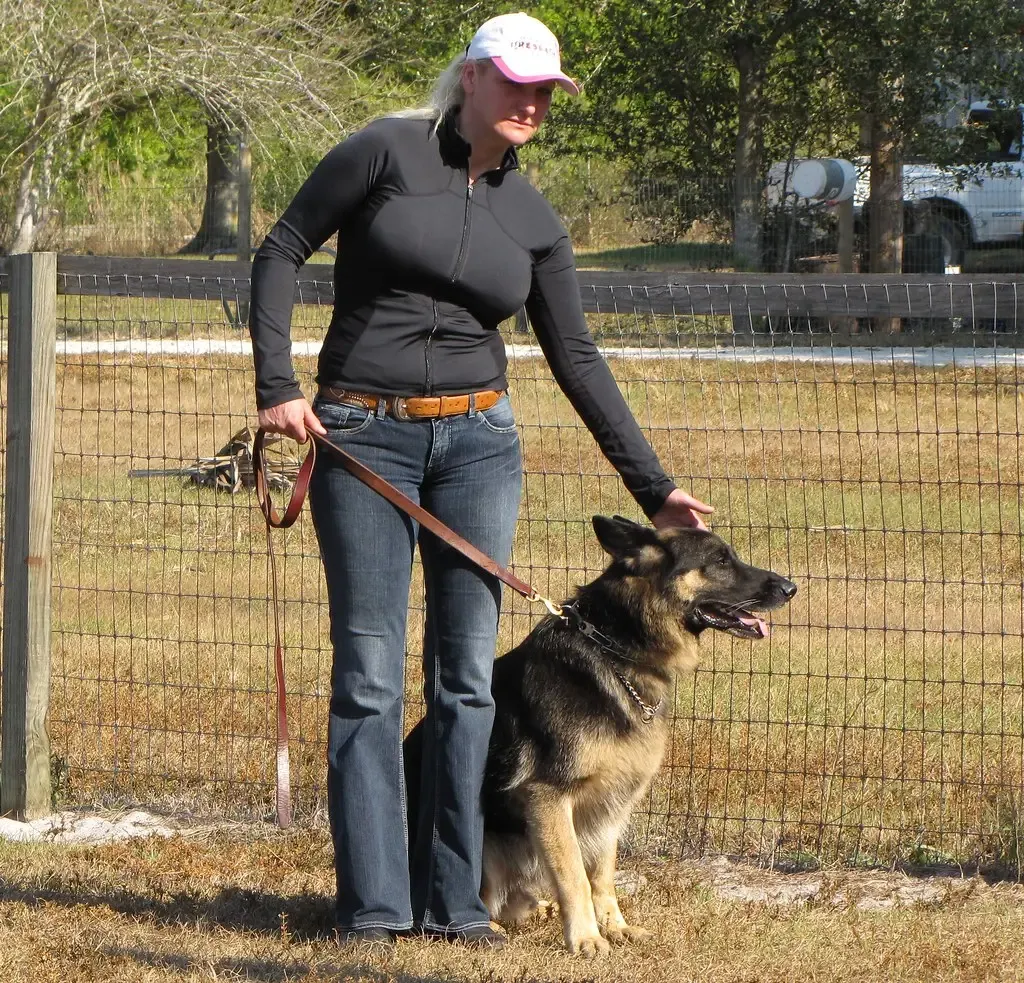
Drop it is used to get your dog to spit something out of its mouth immediately, when your dog has something in her mouth that you need to get out right away so you can get it back and discard it. This saved my friend’s beagle when he grabbed a chocolate bar wrapper with chocolate still inside.
This is a command therapy dogs understand and for those who work in hospital settings, if a pill drops on the floor, you will want him to drop it if he picks it up. Teaching this early prevents so many panicked situations. Start by trading your dog for something better, never chase them or you’ll create a fun keep-away game that defeats the entire purpose.
Emergency Recall (The Nuclear Option)
A safety command is taught so that your dog will respond to a recall one hundred percent of the time, because in an emergency, a ninety-nine percent response rate is not good enough. This is different from your regular come command and should be reserved for genuine emergencies only.
One of the most important things you can teach your dog is an emergency recall command, a literal lifesaver that should be at the top of every pet parent’s list of must-do items. Choose a word such as eureka or triangle, something odd you don’t use regularly, then choose a hand signal to accompany it, making sure not to use a word or hand signal you use for other commands as they need to be unique. Train this with jackpot rewards every single time.
Place (Go to Your Spot)

The go to your spot command helps your dog go to a designated place such as a mat or bed, using a treat to guide your dog to the chosen spot, and practicing increasing the time they stay there to reinforce this command. This becomes invaluable during meal prep when your dog is underfoot or when guests arrive who aren’t comfortable around dogs.
The place command requires your dog to take himself to a designated area when asked and remain there until released, incredibly useful in situations involving guests in your home or any time you don’t want your dog underfoot for convenience or safety. Teaching your dog to settle on their bed while you eat dinner eliminates begging and creates peaceful mealtimes. It gives them a job to do, which most dogs actually appreciate.
Training doesn’t end once your dog masters these commands in your living room. The real work happens when you practice in different locations with varying levels of distraction. Remember that dogs don’t automatically generalize behaviors, meaning the down they know at home might not translate to the down at the busy dog park without additional practice. Keep training sessions short and positive, ending on success rather than frustration. Your dog wants to understand you, truly, and these commands give you both a shared language that strengthens your bond while keeping them safer in an unpredictable world.
So tell us, which command surprised you the most? Have you tried teaching any of these beyond the basics, and what difference did it make in your daily life with your dog?


