
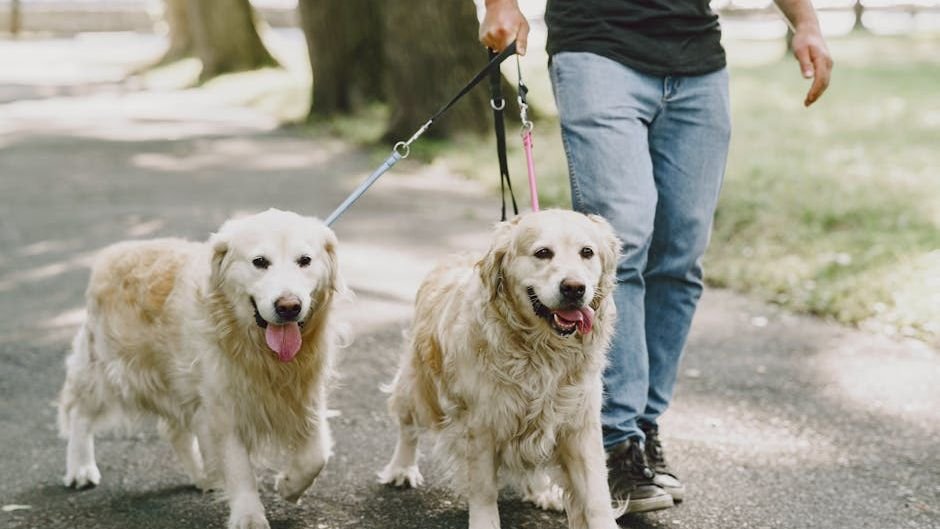
Imagine coming home one day to find a stranger has moved into your bedroom, rearranged your things, and taken a spot on your favorite couch. No warning. No invitation. Just… there. That’s pretty much what it feels like for your dog when a new pet suddenly walks through the front door. And honestly? Your dog’s reaction makes total sense.
The good news is that with a little preparation, patience, and the right approach, you can set both animals up for a beautiful friendship. It won’t always be seamless, it won’t always be fast, but it absolutely can be done. The steps you’re about to read aren’t just tips – they’re a real roadmap that has helped countless pet owners navigate one of the most exciting, nerve-wracking moments in dog parenting. Let’s dive in.
Step 1: Know Your Dog Before You Choose Your New Pet

Before anything else, let’s be real: not every dog is dying to have a roommate. It’s important to consider whether your dog is even interested in meeting new friends – while some dogs crave canine companionship, some older dogs or those who didn’t have thorough socialization as a puppy might not need, or want, a buddy. That’s not a failure on your part. It’s just who they are.
Give some thought to choosing a new dog who can be compatible with your present dog. Conflict is least likely to occur between a male dog and a female dog. Male with male is the next best combination, and female with female is the combination most likely to result in conflict. Think of it like setting up a roommate situation – compatibility matters enormously from the start.
When you choose a new dog, consider your present dog’s needs. For example, try not to bring a very active young dog into a home with an older dog who already has health problems such as osteoarthritis. A boisterous puppy pestering a senior dog with creaky joints is a recipe for tension, not friendship.
Step 2: Prep Your Home Before the New Pet Arrives
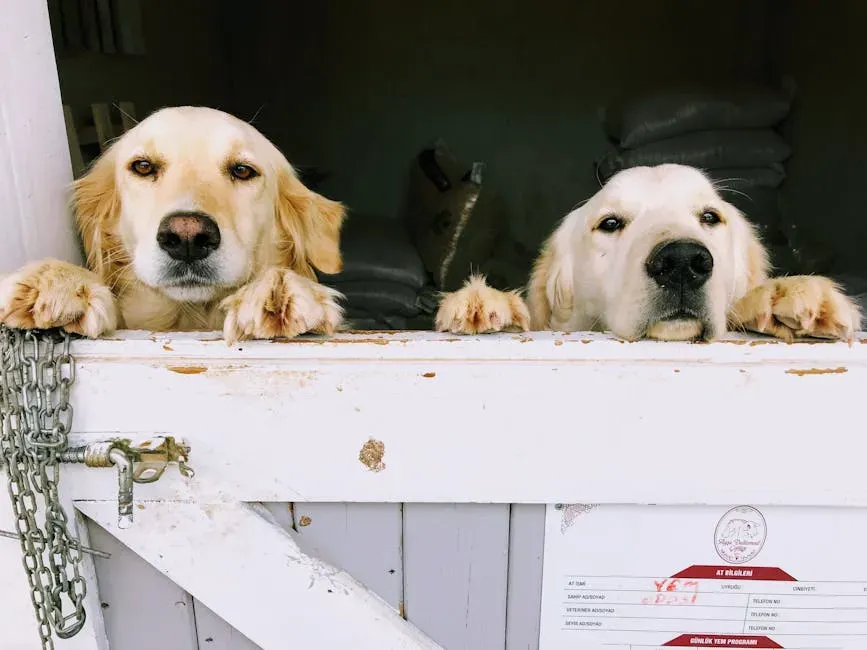
Think of your home as a stage. Before the new actor walks on, the set needs to be ready. Before bringing in the new addition, prepare your home. A crate, an exercise pen, and dog gates are all helpful tools when you need to quickly separate the dogs. Having these tools already in place saves you from scrambling in a stressful moment.
Prior to bringing your new dog or puppy home, place anything your resident dog might guard in one area – this may include food bowls, bones, beds, and toys. Make sure the new dog has a separate area for all of their items. Separate spaces from day one signal to each pet that there’s no need to compete. Think of it as giving each of them their own lane on the highway.
Make sure there is an environment of plenty. There should be more than one water bowl and more than one comfortable place to lie down, plus plenty of toys – especially kinds your dog likes – so there’s no reason for conflict over access to them. Abundance reduces competition. Simple as that.
Step 3: Do a Scent Introduction First

Here’s something truly fascinating about dogs: their noses process the world in ways our brains can barely comprehend. Before a face-to-face meeting even happens, you can let both animals “meet” through smell alone. Start by putting towels in the beds of each of the dogs you are planning to introduce. When the dogs lie down in their bed, their scent will transfer onto the towel, and after a night or two of sleeping with the towels, switch them so that each dog is lying on the other dog’s towels.
Continue to switch the same towels back and forth (without washing them) so that the dogs’ smells combine on the towels, and do this for a few days before the first introduction. It’s a low-pressure, stress-free way for your resident dog to process that a new animal exists – before they’re standing nose-to-nose in the yard.
Step 4: Choose a Neutral Meeting Ground

This step is one I honestly think people underestimate all the time. Where the first meeting happens matters enormously. First impressions matter, so it’s important to properly introduce your current dog to a new dog. You don’t want to walk a new dog into your home with your current dog waiting inside because your dog will naturally feel that the newcomer is an intruder, not a new friend.
A spacious, neutral area, preferably outdoors, for the introduction to take place helps avoid territorial behaviors and allows plenty of distance between the dogs. A local park, an empty parking lot, or even a quiet street corner all work well. Dog introductions are more likely to go well when the dogs meet on a walk in neutral territory with plenty of distractions, because dogs can behave territorially in areas they are very familiar with, and walks in “sniffy” areas give the dogs something to think about other than each other.
Step 5: Master the Parallel Walk Technique
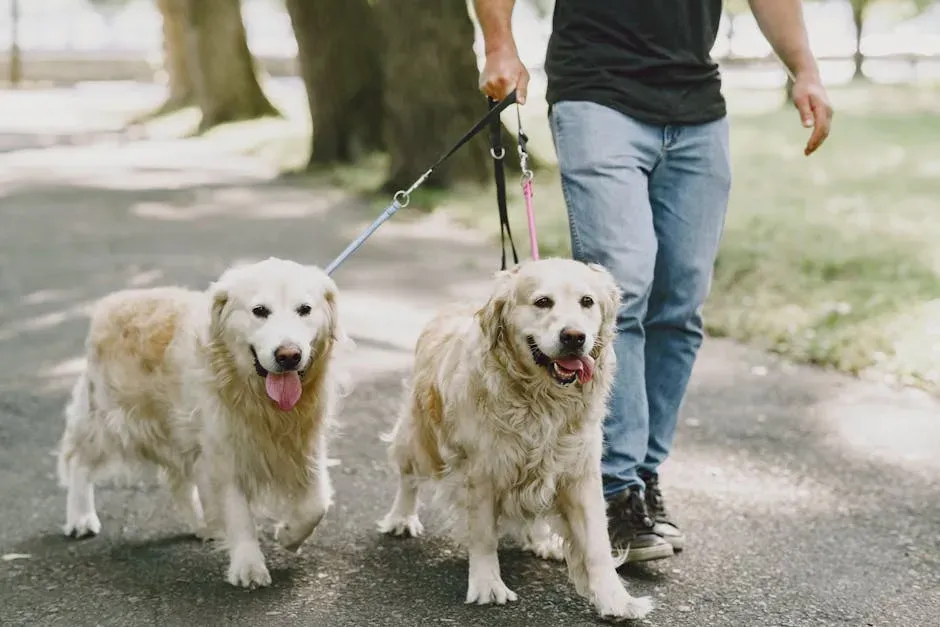
Now comes the actual hello – and the smartest way to do it is through a parallel walk. The first step is for two people to walk the dogs in parallel, keeping them at least 30 feet apart – this way, they are aware of one another but not close enough to focus on trying to reach each other. Think of it like two strangers seated at neighboring tables in a café. They’re aware of each other without being in each other’s space.
Walk the dogs in the same direction with this wide buffer between them, offering a small treat when each dog looks away from the other and toward their walker. Over time, you can gradually close that gap. Once the dogs can walk calmly at this distance, trade places so each dog has a chance to sniff where the other just walked. The goal is to gradually close the distance between the two dogs until they can walk side by side, though a smooth introduction might require several parallel walking sessions before both dogs are calm enough to get closer.
Step 6: Read the Room – Know Your Dog’s Stress Signals

Your dog is always talking to you. The question is whether you’re fluent in their language. Just like people, dogs communicate using body language. Dog body language involves a dog’s entire body, not just their vocalizations or tail, and it’s important to look at all aspects of their body because just one component can mean different things.
Be on the lookout for signs either dog is anxious or uncomfortable, such as growling, snapping, showing teeth, back-hunching, long stares, and raised fur. If your dog displays these signs, be ready to distract or separate the dogs to avoid conflict and continue monitoring their interactions. On the flip side, a relaxed body, a loose tail wag, and a softly open mouth are your green lights to keep going.
The introduction of a new person or pet can stress your dog. Signs of stress include whining, shaking, pacing, yawning, shedding, drooling, and panting, and you may also notice that your dog doesn’t make eye contact with you or has dilated pupils. Catching these early saves you from a meltdown later.
Step 7: Bring Them Home – Together, Slowly
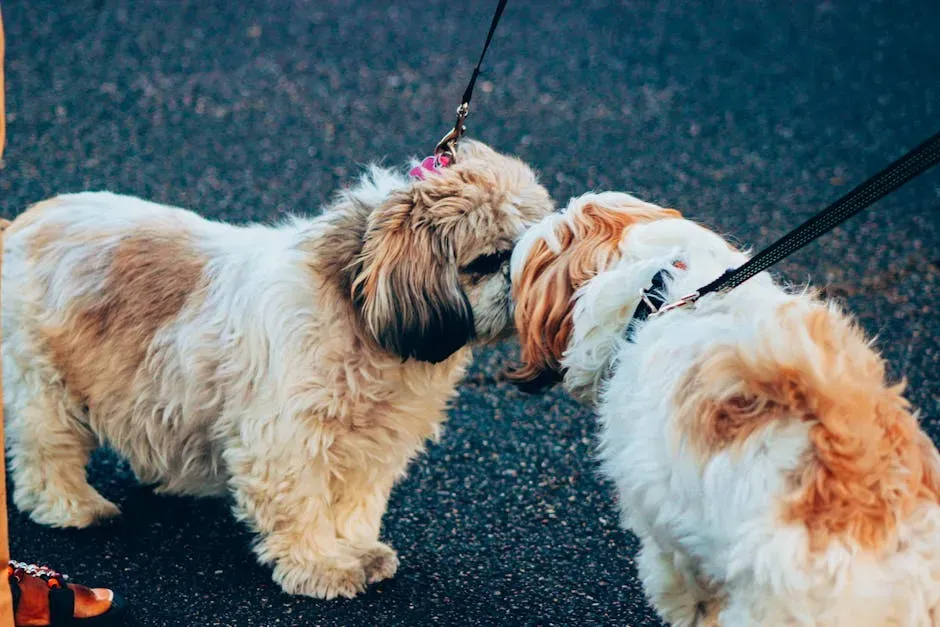
The first entry into the home is a pivotal moment. When everyone is home, take them out, walk them around on leashes in the front yard, and walk inside together. An unknown puppy barging in the front door can seem like an invasion to even the friendliest, most mellow dog, so if you can’t take the older dog along, the dogs should still meet outside the home and walk in together.
If your dogs have gotten along well at the park and in the yard, allow the resident dog to be off the leash first. Let the new dog or puppy explore the house on the leash, and if the resident dog demonstrates friendly manners, remove the new pet’s leash as well. Keep the energy calm and breezy. Your mood absolutely sets the tone – dogs are very sensitive to human emotions and can easily pick up on stress or frustration.
Step 8: Manage Feeding, Sleeping, and Resources Separately

Food is one of the biggest flashpoints in a multi-pet home. Don’t underestimate it. At first, feed your dog the way you always have done and feed the new dog in a different room – your dog should not have to worry about feeding time leading to problems. Mealtime should feel safe and drama-free for both animals.
Separate the dogs with a barrier like a dog gate or closed door during feeding time to avoid conflicts over meals. At night, it’s best to keep the dogs separate for bedtime the first night to allow them to decompress and calm down away from each other. Think of this like giving two new coworkers their own desks before they start sharing a workspace.
It is okay to crate your new dog when you cannot supervise, even if the resident dog is allowed free roam. It is best to place the crated dog in a room behind a closed door away from the other dog so they cannot interact through the crate door. Structure and predictability are gifts you give your dogs during this transition.
Step 9: Be Patient – Friendships Take Time
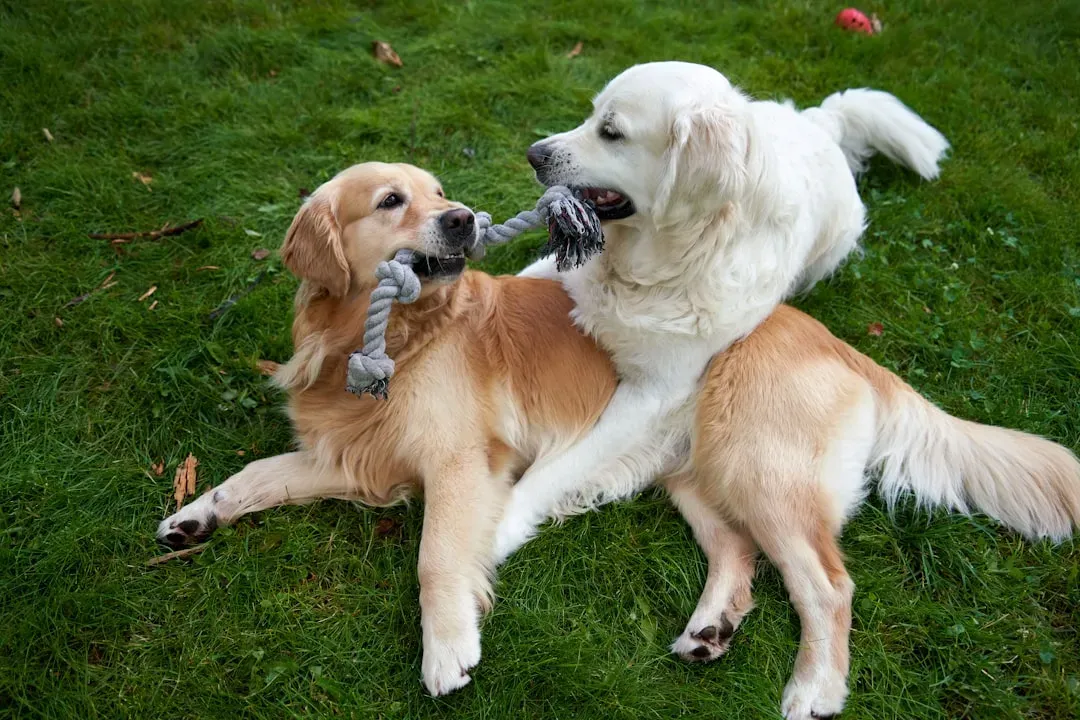
Here’s the thing: real friendships, even between dogs, don’t happen overnight. For some dogs this process can be as quick as a day or two, while for others it can last weeks or even months. Remember that every dog gets comfortable at their own pace, and that rushing them can backfire and cause them to take even longer to accept their new friend. Patience here isn’t just a virtue – it’s the whole game plan.
Keep the dogs’ interactions closely supervised for the first two weeks, until both dogs are fully accustomed to each other. Avoid leaving the dogs alone together until you’re sure they’re comfortable, and reinforce positive behavior with lots of treats and pets. Celebrating the small wins – a calm side-by-side nap, a shared toy moment, a casual tail wag – matters more than you know.
And if things don’t go smoothly? Don’t panic. If either dog shows signs of fear, reactivity, or aggression, working with a certified trainer or veterinary behaviorist can help ensure a safer introduction. Asking for help is never a sign of failure. It’s one of the most loving things you can do for your animals.
Conclusion: Two Hearts, One Happy Home
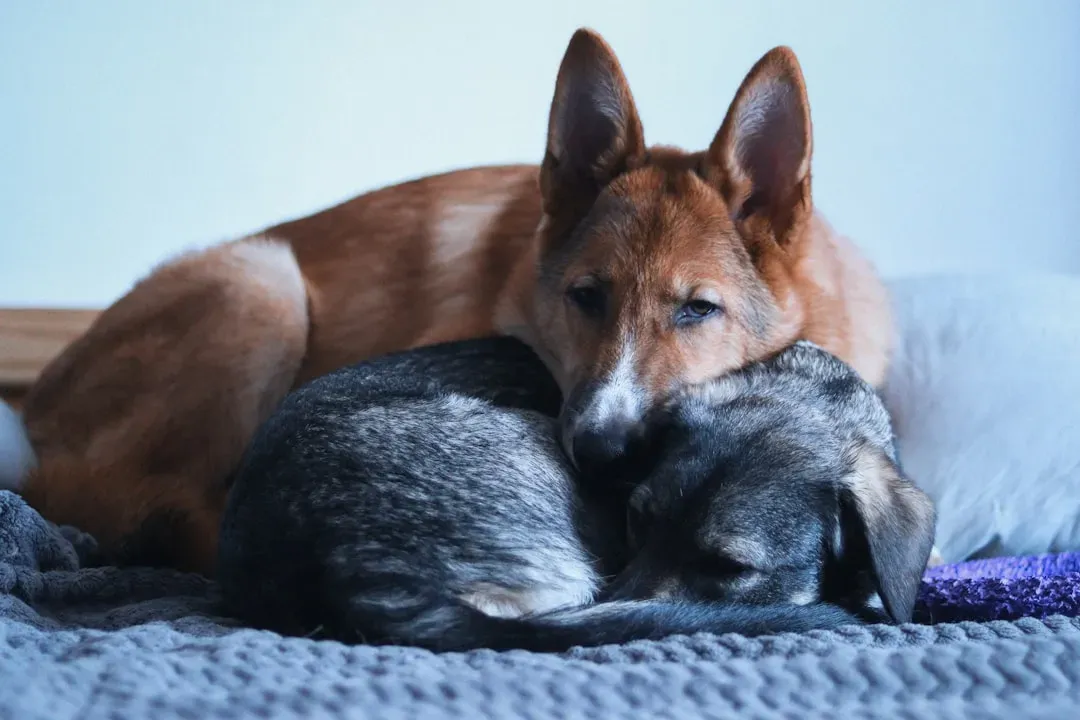
Introducing a new pet into your dog’s world is one of those parenting moments that’s equal parts exciting and nerve-wracking. It asks a lot of you – your time, your attention, your ability to read body language and stay calm when things feel uncertain. But done with care and intention, it can be one of the most rewarding experiences you and your dogs will share together.
Every dog is different. Some will be best friends within a week, others will need months to find their rhythm. What matters most is that you show up for both of them, every single day, with patience and love. The bond they eventually build? It’ll make every careful step you took completely worth it.
So take a breath, trust the process, and remember: you’re not just introducing two pets. You’re building a family. What’s been the trickiest part of introducing a new pet in your home? Tell us in the comments – we’d love to hear your story.


