
There’s something heartbreaking about the idea that your dog could be hurting right now, and you might not even know it. Not because you’re not paying attention. Not because you don’t care. But because dogs are remarkably, almost unfairly, good at hiding pain. They’ll still wag their tails. They’ll still greet you at the door. They’ll still beg for a bite of your sandwich.
Dogs have spent thousands of years evolving alongside humans, but their instinct to hide weakness runs deeper than domestication. In the wild, showing pain means vulnerability to predators or loss of pack status. Your couch-dwelling golden retriever still carries these survival instincts, masking discomfort until it becomes unbearable. That’s a sobering thought, isn’t it?
The good news? Once you know what to look for, the signs become much harder to miss. Let’s dive into the nine overlooked clues , so you can give them the care they so deeply deserve.
The Morning Warm-Up That Takes Just a Little Too Long
You probably know the scene: your dog wakes up, stretches, and is ready to bounce around within seconds. That’s normal. One of the earliest and most subtle signs of arthritis is a dog who appears stiff after lying down for some time. It’s that slow, creaky get-up that looks a little too labored for a healthy pup.
Dogs with joint pain may show stiffness, especially after resting or upon waking up in the morning. Think of it like an older person who needs a few minutes to “get going” after sitting too long. The key is noticing whether this is new behavior compared to six months ago. If your dog used to spring up and now shuffles cautiously, that difference matters enormously.
Reluctance to Jump, Climb Stairs, or Hop in the Car
Is your dog reluctant to jump on the couch or climb stairs? Are they sitting or lying differently than usual? These small shifts can be early indicators of discomfort, especially in the back, joints, or abdomen. It’s easy to assume your dog is being dramatic or lazy. Honestly, it’s one of the most common mistakes dog owners make.
The moderate stage of dog arthritis is characterized by more pronounced symptoms. Your pet may show significant reluctance to move, climb stairs, or jump. If your Lab used to leap into the truck and now stands at the door staring up at you, that’s your dog asking for help in the only language they have.
Subtle Changes in How They Walk or Stand

Silent pain builds up slowly over time and is often interpreted as signs of aging, slowing down on walks, showing stiffness on lying down or getting up, changing how they stand and sit, changes in fur patterns. These shifts are so gradual that they become the new normal before you realize anything has changed.
Dogs may shift their weight or sit awkwardly to reduce joint pain. Hunched backs or stiff movements can signal discomfort in the hips or spine. Adult dogs in pain often shift their weight in subtle ways, putting more pressure on certain legs or body parts. Watch for a rocking gait, a slightly dropped head, or back legs that seem to drag just a touch.
Sleeping More, But Not Resting Well
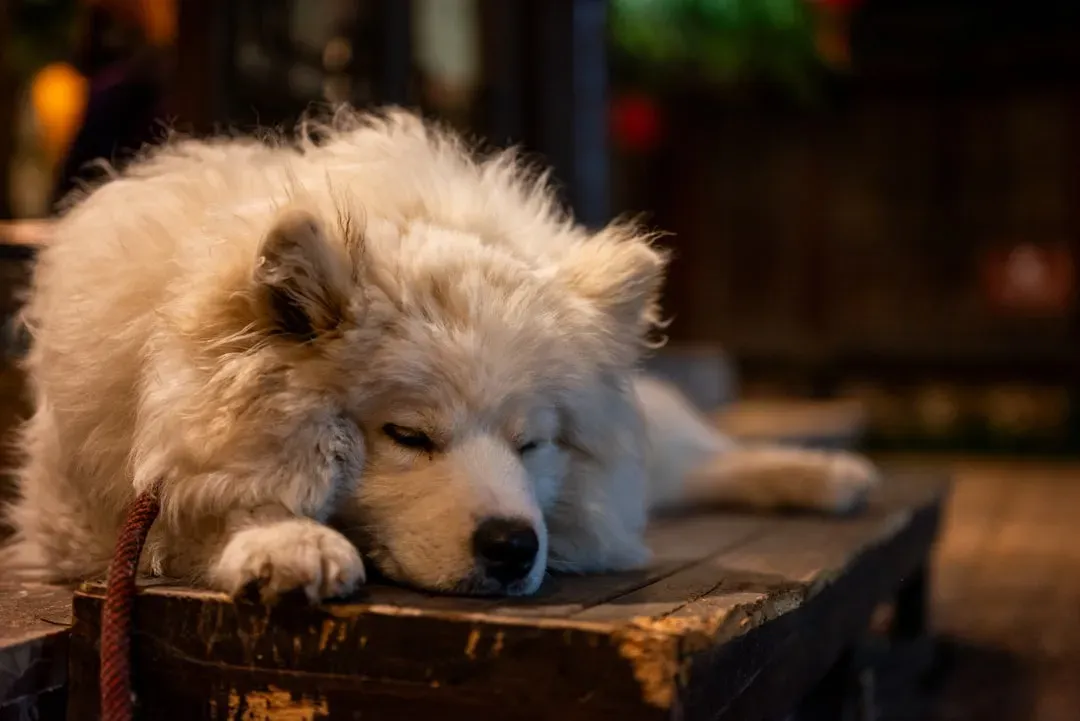
If your dog is suffering from chronic pain, he may feel exhausted and require more rest. Likewise, he may experience new sleeping patterns. When your dog sleeps, his joints can stiffen and cause him to feel pressure and pain that he would not experience or notice while moving. More sleep doesn’t always equal good rest.
More or less, you know your dog’s normal sleep pattern, so if they’re pacing at night, changing positions frequently, or can’t seem to settle, they may be dealing with pain or discomfort that’s hard to get comfortable with. In order to alleviate the pain, your dog may frequently adjust his sleeping position or change the locations where he sleeps. In addition, your dog may get up and down frequently during periods of sleeping, and he may pace around the house before he tries to rest again. A dog that can’t find comfort is a dog in pain.
Sudden Mood Shifts or Unexplained Grumpiness
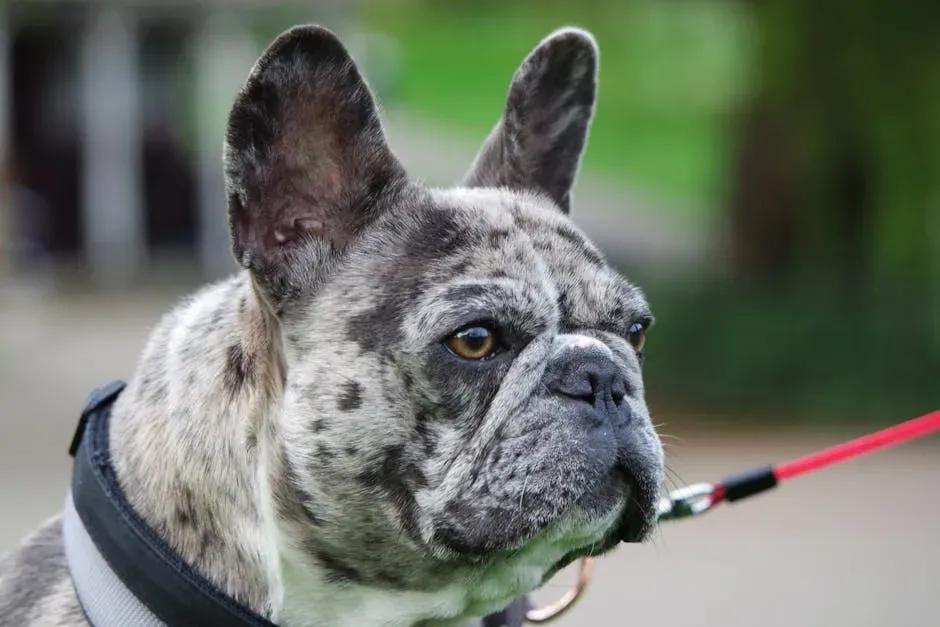
Let’s be real, if you were walking around with aching joints and nobody noticed, you’d be a little cranky too. Pain can make dogs irritable, withdrawn, or unusually quiet. Some dogs may also show signs of anxiety or sleep disruption due to joint discomfort. This is often one of the first things owners write off as “just getting older.”
Behavior changes are often the earliest and most overlooked indicators of pain in dogs. While these symptoms may appear common, they are easily misunderstood. Pain can also interfere with training and behavior modification, making dogs appear stubborn, anxious, or reactive when discomfort is actually the root cause. So if your once-happy dog seems short-tempered with the kids or snaps when touched, please don’t dismiss it as attitude.
Excessive Licking or Chewing at Specific Joints
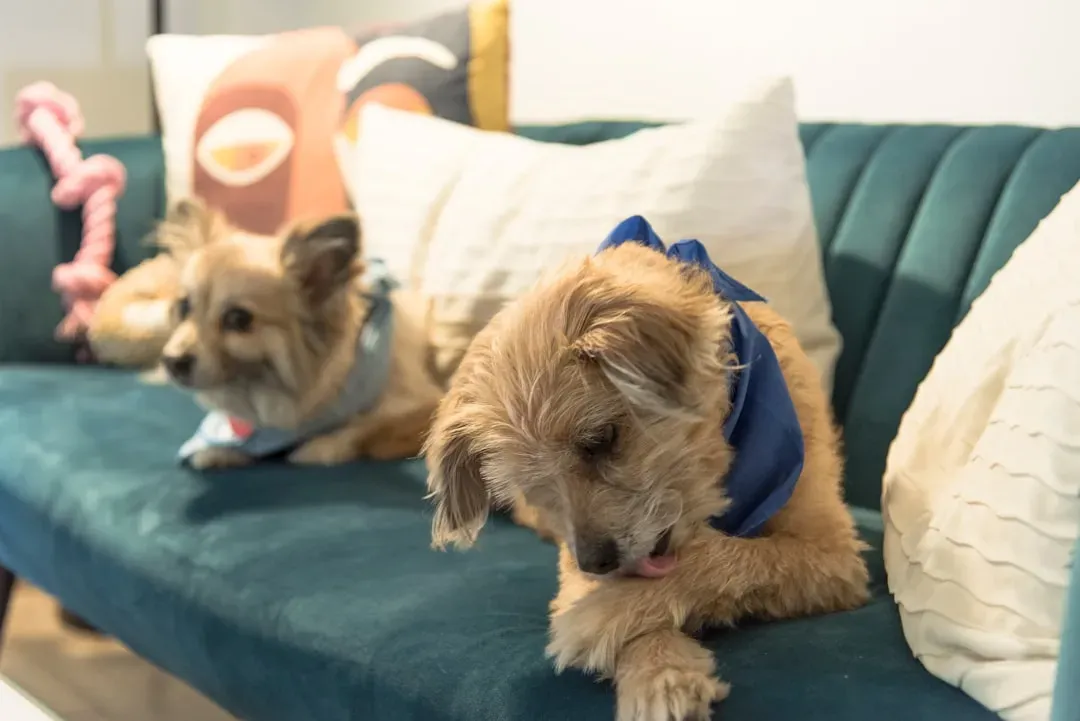
Some dogs obsessively lick or chew at the area that hurts, even if there’s no visible injury. This self-soothing behavior can be focused on joints, paws, or their stomach area. Over time, it can even lead to skin damage or infections. It’s their version of rubbing a sore knee.
An arthritic dog may lick or chew on a sore joint to try to soothe it. Licking a joint is an inconsistent and variable sign of arthritis in dogs. Excessive licking or chewing at the joints can be another subtle sign of joint pain as dogs may instinctively try to alleviate the discomfort. If you notice bald patches or redness forming near a joint with no obvious skin issue, joint pain could be the hidden culprit.
Losing Interest in Play and Daily Activities They Once Loved

A reluctance to exercise can be considered a sign of laziness or aging in a dog. However, an active dog who appears to lose interest in running and jumping may actually be protecting himself from pain. This is one of the most heartbreaking signs, because it often looks like your dog is simply “getting old.”
It also takes a lot of mental and emotional energy to live in constant pain and this may be seen over time as a slow reduction in activity, more reluctance to get on the sofa or in the car, lower mood and perhaps even more grumpiness or other behaviour changes. If your typically active and playful dog becomes less enthusiastic about physical activities they once enjoyed, it could be a sign of joint pain. They might show reluctance to go on walks, play fetch, or run and jump. The dog who used to sprint to the door with their leash is now waiting quietly by the couch. That’s not just aging. Pay attention.
Visible Muscle Loss Around the Hips or Legs
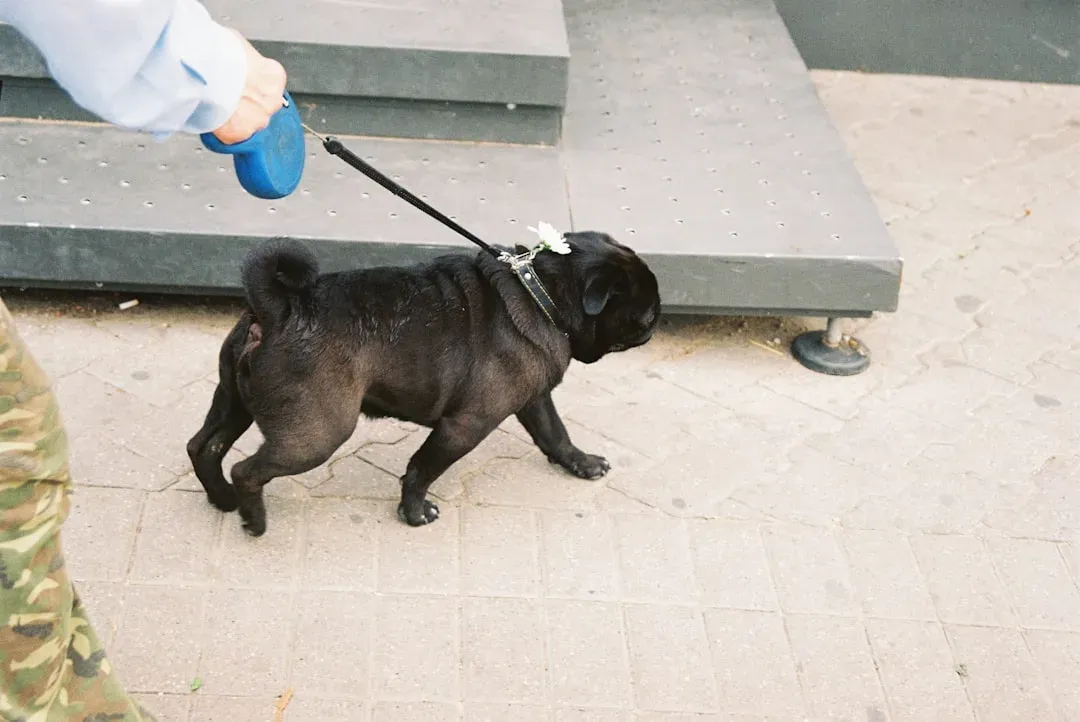
Just like exercise helps to build muscle, disuse leads to atrophy. When a dog has stiff, painful joints, he or she will move them less. Muscle mass is very much “use it or lose it.” When dogs move less, guarding themselves from arthritic pain, their muscles will shrink. It sounds extreme, but it happens slowly and quietly.
The dog may also show signs of muscle atrophy due to decreased activity and exercise. Run your hands gently along your dog’s hindquarters and compare both sides. Muscle atrophy takes time. We generally see the other signs earlier in the progression of arthritis, so it’s very important to pay attention to those changes to catch it early. Marked muscle wasting is generally a sign of advanced or end-stage arthritis in dogs. Catching this early can change everything.
Choosing Hard Floors Over Soft Beds, or Vice Versa
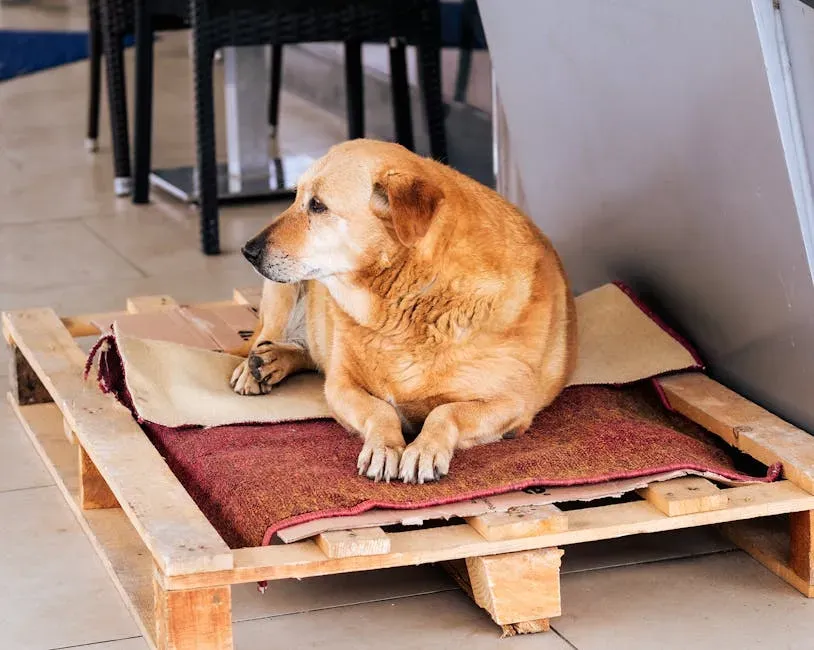
This one surprises a lot of people. It’s not always dramatic. Sometimes it’s as small as where your dog chooses to lie down. A dog who suddenly prefers hard floors over soft beds might have joint pain that makes it difficult to get up from sinking surfaces. Conversely, a dog who seeks out soft areas when they used to prefer harder surfaces might be trying to cushion painful joints.
While veterinary care is essential for diagnosing and treating pain, there are ways to support your dog’s comfort at home. Provide orthopedic beds or memory foam surfaces for dogs with joint pain. Use ramps or steps to help dogs reach favorite spots without jumping. It’s a small change that can make an enormous difference in your dog’s day-to-day comfort. Notice where they choose to rest. Their body is trying to tell you something.
What You Can Do Right Now: Your Next Steps
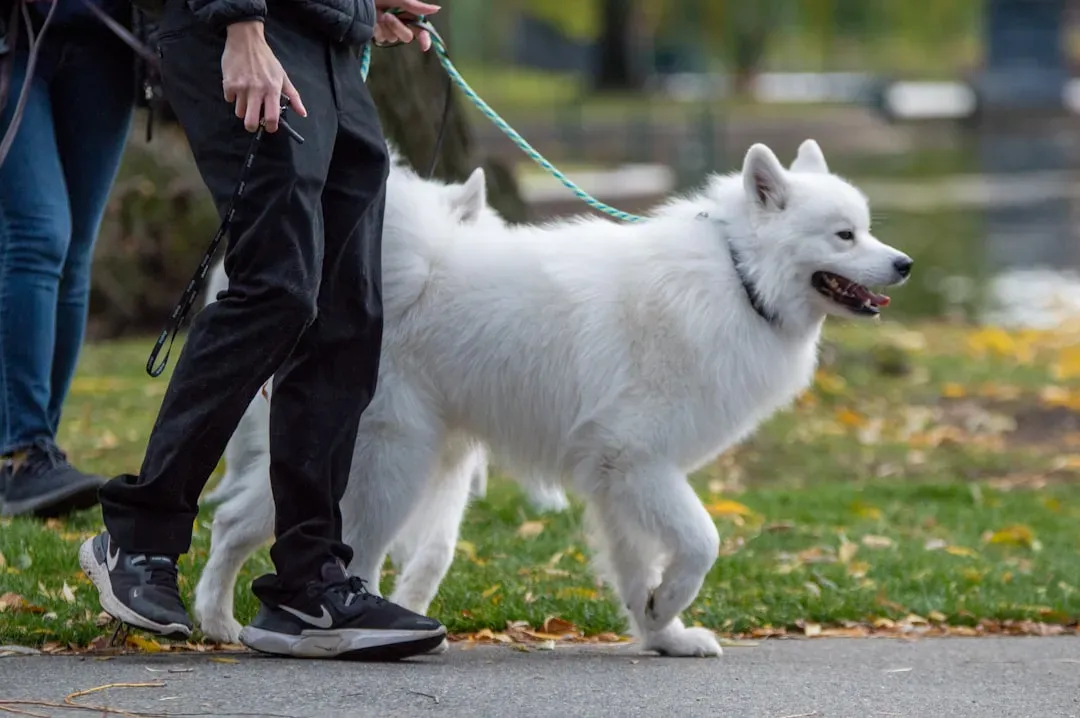
First, take a breath. Noticing these signs doesn’t mean your dog is at the end of the road. Far from it. Recognizing pain early doesn’t just prevent suffering, it often leads to better treatment outcomes and longer, healthier lives. Dogs whose arthritis is caught in early stages often respond dramatically to treatment. Weight management, joint supplements, and appropriate exercise can slow progression significantly.
Learning to identify the early signs of discomfort is one of the most valuable things you can do for your dog. Addressing pain early not only prevents further injury but can also improve mobility, behavior, and quality of life. Start by recording a short video of your dog walking and rising from rest. A dog’s behavioral changes caused by chronic pain can develop so slowly that they become the “new normal.” Some dog experts even recommend videotaping your dog periodically so that you have a reference for comparison. Bring that video to your next vet appointment.
Beyond prescription medications, evidence-based supplements like omega-3 fatty acids, glucosamine and chondroitin, or green-lipped mussel can help support joint health. Continue gentle activity as recommended by your veterinarian. Complete rest often worsens joint stiffness. A little movement, done gently and consistently, can be genuinely healing.
Conclusion: You Know Your Dog Better Than Anyone

Here’s the most important thing to hold onto: you are your dog’s greatest advocate. Silent pain in dogs is common. Many will continue to walk, play, and even wag their tails despite significant pain. For pet parents, this can make it challenging to recognize when something is wrong. That’s why being observant matters so deeply.
Your dog can’t call you over and say “hey, my hip has been killing me for weeks.” They rely entirely on you to notice the small things: the hesitation before the stairs, the quiet groan when they settle down, the toy they used to chase but now ignore. Your dog can’t tell you when something’s wrong, but they can show it. Behavioral changes often signal pain, and catching these signs early can make a big difference.
So trust your gut. If something feels off, it probably is. Acting early can prevent a cascade of complications, from joint deterioration to behavioral issues. Your dog has given you their whole heart. Returning the favor means paying attention to the whispers before they become cries. Did any of these signs sound familiar to you? Share your experience in the comments, because your story might just help another dog get the care they deserve.


