
Your dog has been trying to talk to you all along. Not with words, of course, but with a rich and surprisingly nuanced set of signals, sounds, and physical gestures that most owners either misread or miss entirely. The gap between what a dog is actually saying and what we think they’re saying can be surprisingly wide, and that gap matters more than most people realize.
Dogs communicate how they feel through body language, including their ears, eyes, mouth, posture, and tail. They’re constantly “talking” with their bodies. The challenge is that humans often misread these signals, or focus on just one cue, like a wagging tail, instead of the whole picture. Understanding what your dog is genuinely expressing each day isn’t just a curiosity. It’s one of the most practical, empathy-building skills you can develop as a dog owner.
1. The Direction and Speed of That Tail Wag
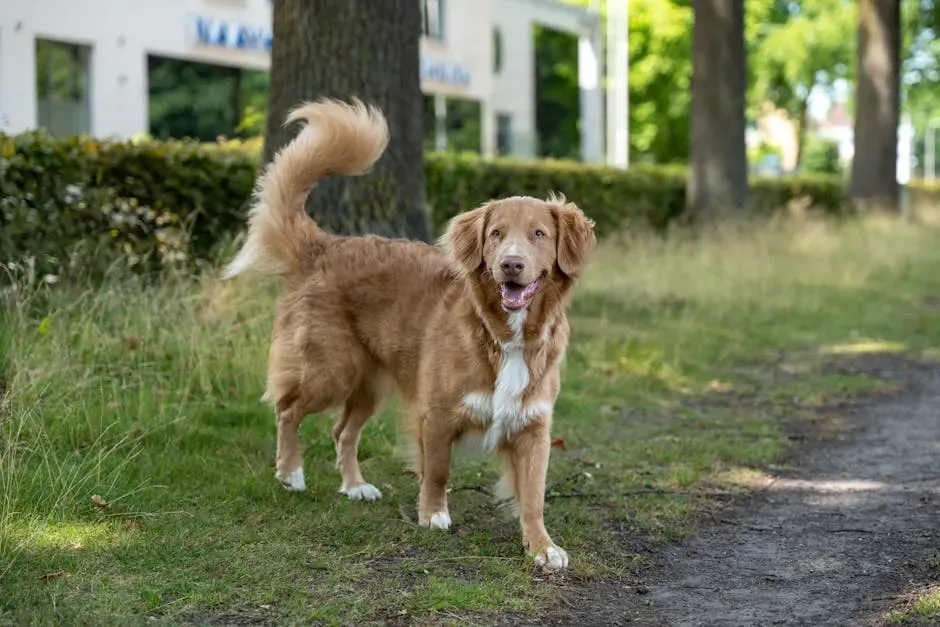
Most of us treat a wagging tail as a simple green light. Happy dog, safe dog. Done. The reality is considerably more layered. All a wagging tail means is that the dog is emotionally aroused. It could be excitement, but it could be frustration or worse. To interpret your dog’s emotions and intentions, you need to look at the speed and direction of the wag, as well as the position of the tail.
The faster the wag, the more aroused the dog. Those long, slow, side-to-side tail sweeps your dog makes when greeting you, the type that wags the dog’s whole body, signal a relaxed dog. A faster, twitch-like wag indicates a higher level of arousal, possibly in a negative way. Direction adds another layer of meaning too. Research has shown that dogs tend to wag their tails more to the right when they’re feeling positive about something, such as interacting with their owner. So next time your dog greets you at the door, pay attention to the whole tail story, not just whether it’s moving.
2. The Telling Language of Their Eyes

Dogs can communicate emotional states by having “soft” eyes or “hard” eyes. Soft eyes are used when a dog feels relaxed and not threatened. Hard eyes are used when feeling tension and unease about a potentially threatening situation. This soft-versus-hard distinction is one of the clearest emotional windows your dog offers you throughout the day, and most people never consciously register it.
The whites of the eyes are another key indicator. Known as “whale eye,” when a dog shows the whites of the eyes, it’s a signal that they’re feeling anxious or stressed in a situation. You might see them when you make your dog uncomfortable, like when you pat your dog on the head, or when they’re afraid someone will steal a bone or toy. If you spot whale eye during what you think is a fun moment, pause and reassess what’s actually happening around your dog. They’re telling you something important.
3. Yawning When They’re Not Tired
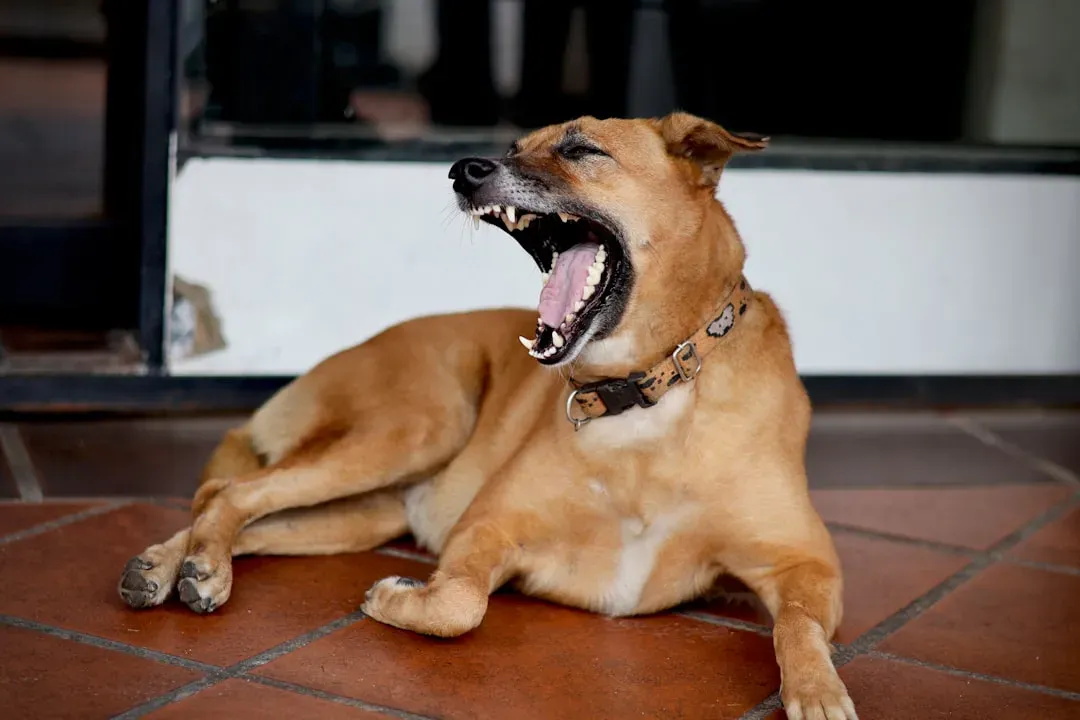
Consider yawning. People yawn when they’re tired or bored, but dogs yawn when they’re stressed. According to canine behavior research, dogs use yawning to calm themselves in tense situations and to calm others, including their owners. It’s called a “calming signal,” and it shows up frequently in situations that make your dog uneasy, like crowded spaces, vet waiting rooms, or when strangers approach too quickly.
Yawning is a subtle behavioral signal that often indicates a dog is feeling scared or uncomfortable, not that they’re tired. The practical tip here: if your dog yawns repeatedly during an interaction or outing, they may be asking for a little breathing room. Don’t be surprised if your dog yawns back at you when you yawn, either. Just as yawning is contagious in people, dogs can “catch” yawns, too. That’s a small but genuine sign of emotional connection between you both.
4. Lip Licking That Has Nothing to Do With Food
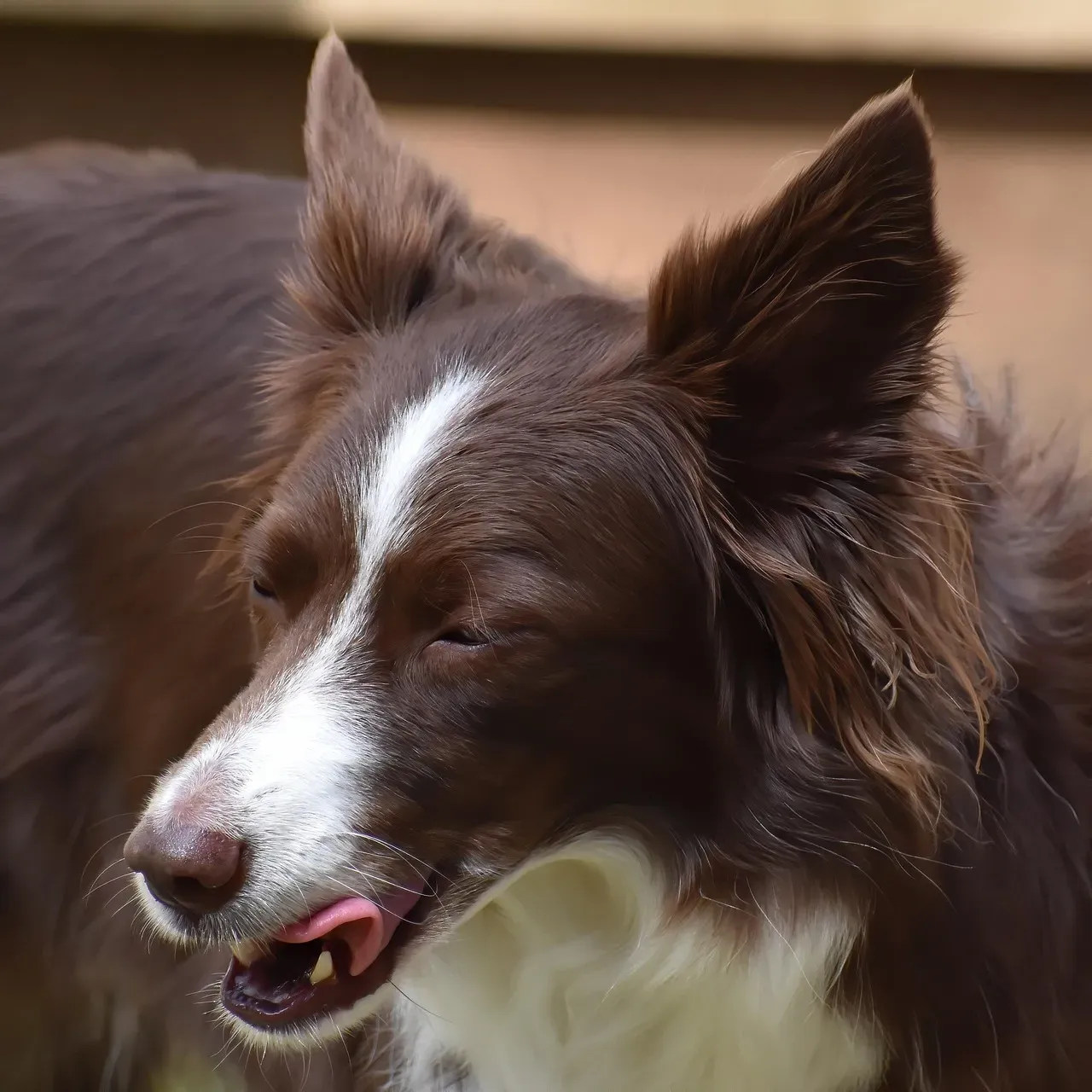
Lip-licking is a bit of dog body language that people often misinterpret. Just like people, dogs will lick their lips after a delicious meal, but they’ll also do it when they feel anxious. Sometimes the tongue flick is so quick it’s tricky to notice. Your dog isn’t signaling a desire to lick your face. Rather, it’s a sign of discomfort with a given situation.
The same goes for a dog that’s licking its lips. They’re probably not after a tasty treat but are more likely letting you know they’re finding the situation uncomfortable. You’ll often see lip-licking paired with other stress signals. If a dog avoids interactions or hides from people or other animals, it may indicate fear or discomfort. Most likely, the dog will display various calming signals like lip licking, looking away, crouching, or pawing to express their stress level and to de-escalate the frightening situation. Catching the lip lick early means you can remove your dog from discomfort before it escalates.
5. The Meaningful Sigh You Keep Dismissing
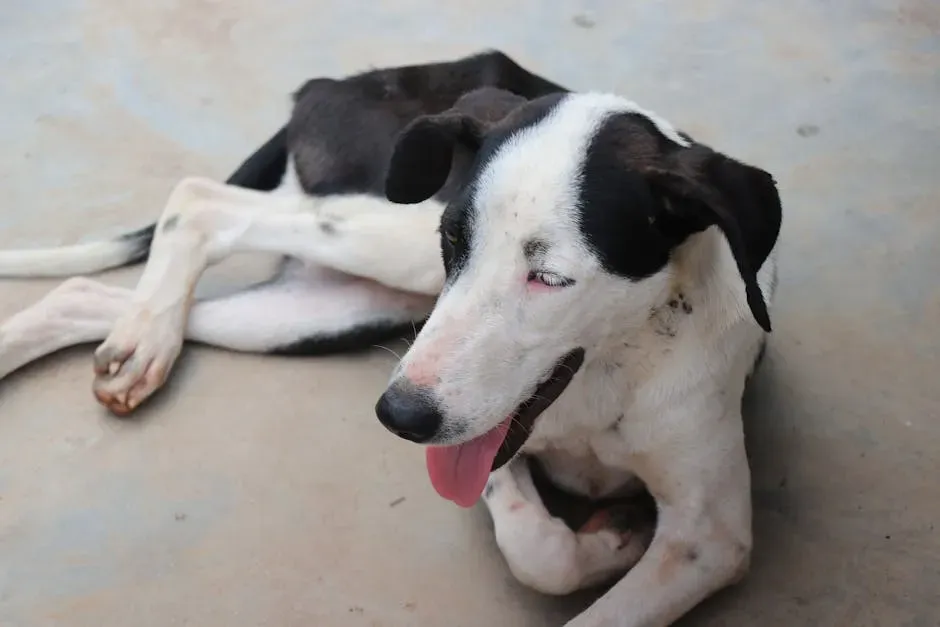
That dramatic sigh your dog lets out when you sit down to work instead of grabbing the leash? It’s not just theater. When your dog sighs, it’s actually a way for them to communicate their emotions, needs, or comfort level. A dog’s sigh can indicate everything from contentment to frustration. If you notice your dog letting out a long, dramatic sigh, take it as a hint that they’re trying to tell you something.
When the sigh is combined with half-closed eyes, it communicates pleasure. With fully open eyes, it communicates disappointment, as if saying, “I guess you are not going to play with me.” Context is everything here. Stress can have a big impact on your pet’s behavior, and sighing is one of the ways they express it. The sound is like a release of built-up tension and an attempt to calm down. If your dog sighs frequently, it could be a sign they’re feeling overwhelmed or anxious, which might happen when they’re in an unfamiliar situation, like a trip to the vet or the dog park. Persistent sighing paired with other symptoms like limping or restlessness warrants a vet visit.
6. A Raised Paw That Signals Insecurity
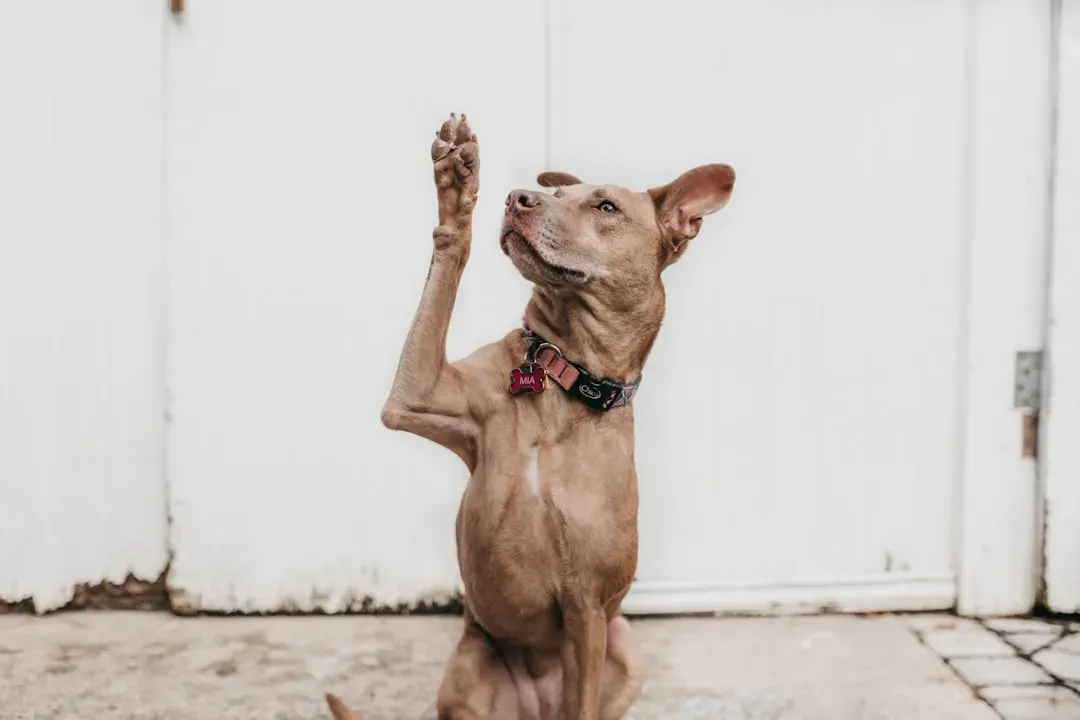
A less easily understood signal is the paw raise. In pointing breeds like the English Setter, the paw raise is part of pointing behavior, where the dog indicates nearby prey. Outside of this context, a raised paw often indicates that a dog is uncertain about a situation or perhaps feels a bit insecure. It’s one of the quieter distress signals, easy to mistake for a cute quirk when it’s actually an emotional check-in.
The dog might also raise a front paw in an appeasement gesture. Their overall movement is slow, and their weight will be shifted backward to appear less threatening. If you see your dog raise a paw while meeting a new person, or during a boisterous play session, they may be pumping the brakes and asking for a calmer pace. Other stressed-out signals that can accompany a lifted paw include moving away from someone, sniffing the ground, and body shaking. Reading these clusters together gives you a much clearer picture than any single signal alone.
7. Rolling Over: Comfort or Conflict?
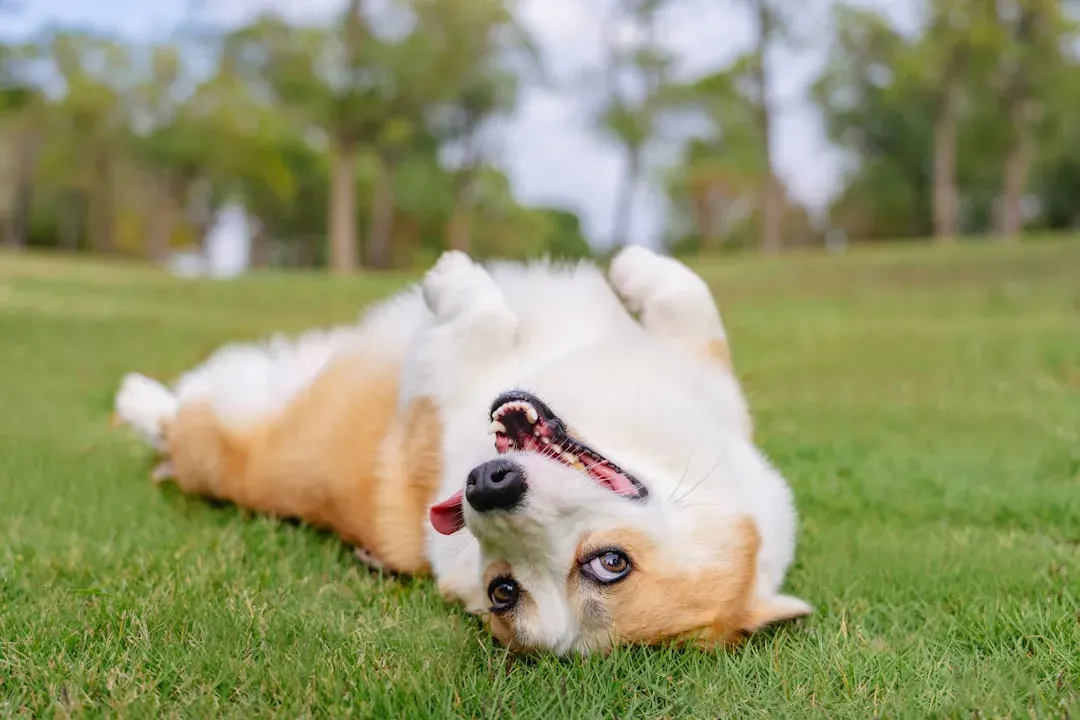
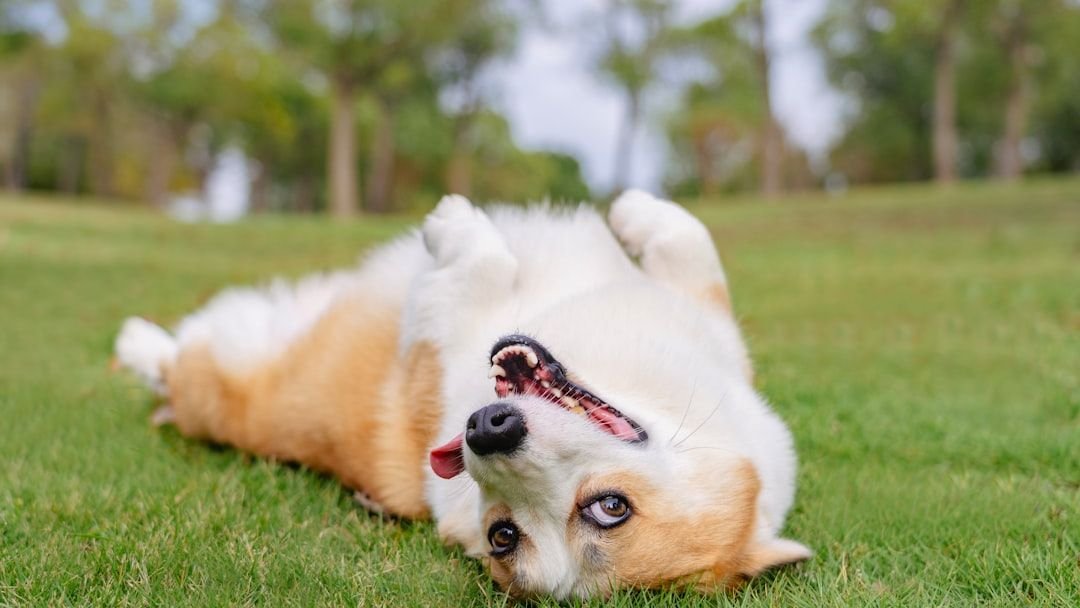
People usually think that when dogs roll over and show their belly, they are asking for a belly rub. While sometimes this is true, other times dogs do this when they are nervous and want you to stay away. It’s an easy one to misread, especially because we’re often so pleased by the gesture that we reach in immediately for that belly scratch.
What used to be known as “submissive” behavior is now what we call appeasement body language. With appeasement gestures, the dog tries to appear small and as less of a threat. They might lower their body to the ground, or even flip over on their back to expose their stomach. The key is to read the rest of the body. A relaxed invitation to a belly rub comes with a mouth slightly open, a tongue that’s relaxed and possibly lolling to one side, and a relaxed facial expression with ears neutral or back just a little. If any of those signals are absent and the body looks tense, hold back and give your dog space instead.
8. Ear Position as an Emotional Barometer
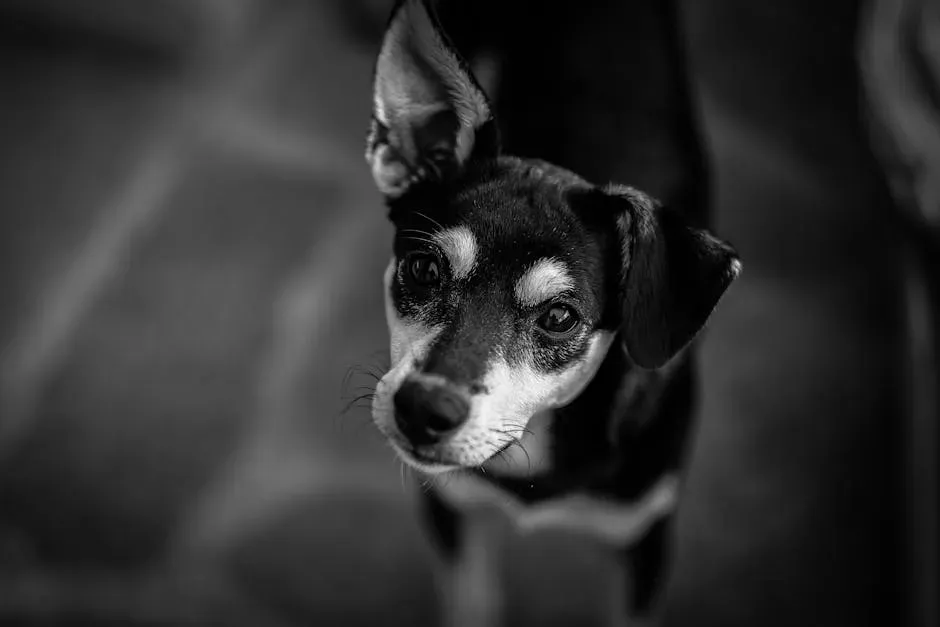
Ears are one of the most reliable real-time emotional indicators on a dog’s body, yet owners rarely pay close attention to them during daily interactions. Ears pulled close to the head to give a “round face” can serve as a calming signal. Ears pulled back in varying angles express arousal. Ears flattened or pressed down indicate fear, anger, or frustration. Ears pressed tightly to the head express extreme fear.
A dog with an open and relaxed mouth that is breathing normally, with relaxed ears and body, is a calm dog. When their mouth closes, their ears perk up, and their body stiffens, that tells us that the dog has become alert to something. When their ears go back and their mouth closes, it can be a sign of appeasement, nervousness, or fear. Think of your dog’s ears as a live mood meter. Checking in on them throughout your day together costs nothing and tells you so much about how your dog is actually feeling in that specific moment.
9. Gaze Alternation: When Your Dog Is Asking for Help

One of the most intentional and often overlooked communication behaviors a dog displays is what researchers call gaze alternation. Dogs commonly use gaze alternations between a human and a desired target out of their reach as an attention-grabbing and directional behavior. In everyday life, this shows up as your dog looking at you, then looking at the back door, then back at you. They’re not confused. They’re directing you.
When dogs want to draw attention to something, they will hold a gaze. In contrast, dogs will avoid eye contact if trying to decrease tension. They communicate emotional states through both soft and hard eye contact. A dog in distress reaching for your eyes is reaching for you in the only way they can. There is evidence that dogs can open a door to gain access to their guardian when they sense distress, and research has explored whether dogs attempt to communicate with a person to request help in accessing someone who needs it. Your dog’s gaze isn’t incidental. It’s one of the clearest, most deliberate signals in their whole communication toolkit.
Understanding Your Dog Changes Everything
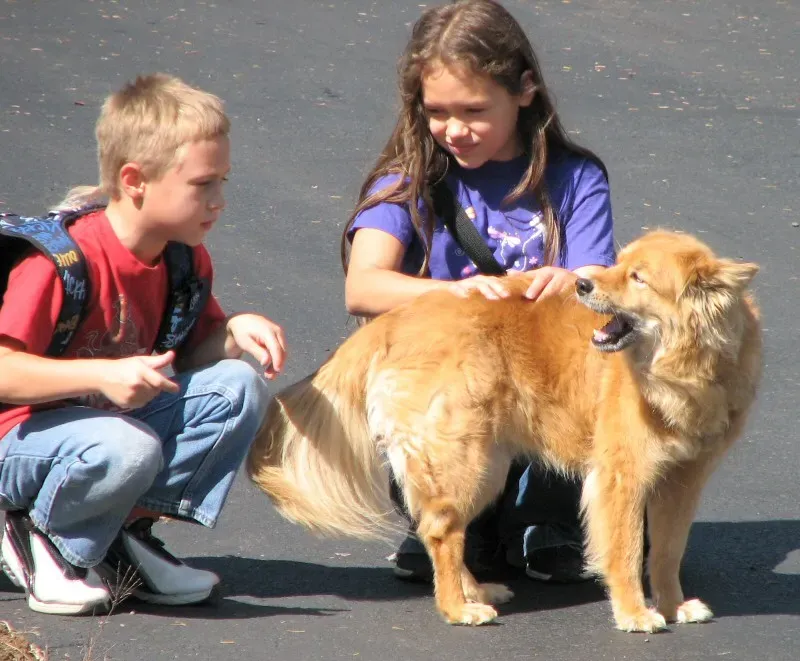
Once you start noticing these signals, you can’t really unsee them. The yawn during a walk, the tail direction at the dog park, the raised paw when a child rushes over, they all carry meaning. Your dog is “talking” to you all the time. If you learn what your dog is saying, you will develop a deeper bond of trust and respect. Your understanding of your dog’s emotional state can help you predict their behavior and prevent problems before they arise.
Every dog is individual and has different needs and past experiences. Each dog’s behavior should be interpreted within the context of their unique personality, breed tendencies, and specific circumstances. Understanding a dog’s body language and respecting their boundaries are crucial factors for building a positive and trusting relationship with them. The most impactful thing you can do for your dog isn’t a new toy or a fancier treat. It’s simply paying closer attention to the conversation they’ve been trying to have with you every single day.


