
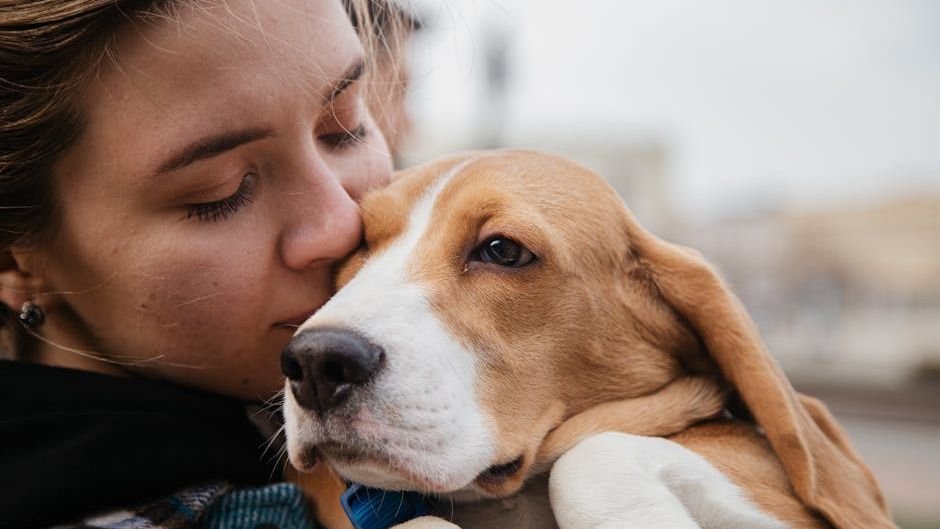
You wake up, shuffle to the kitchen, and before you’ve even thought about coffee, there’s a warm, wiggly body pressed against your legs, tail wagging like the world just became perfect. Sound familiar? If you live with a dog, that scene probably plays out every single morning, and honestly, it never gets old.
There’s something deeply moving about the way dogs orient their entire existence around the people they love. It’s not random. It’s not just about treats or belly rubs, though those certainly don’t hurt. The truth is far more layered, more scientific, and more emotionally powerful than most of us realize. So why exactly does your dog treat you like the sun around which everything orbits? Let’s find out. Prepare to be moved, maybe surprised, and hopefully a little more in awe of the incredible creature sharing your home.
1. Your Scent Is Literally Hardwired into Your Dog’s Brain as Pure Joy
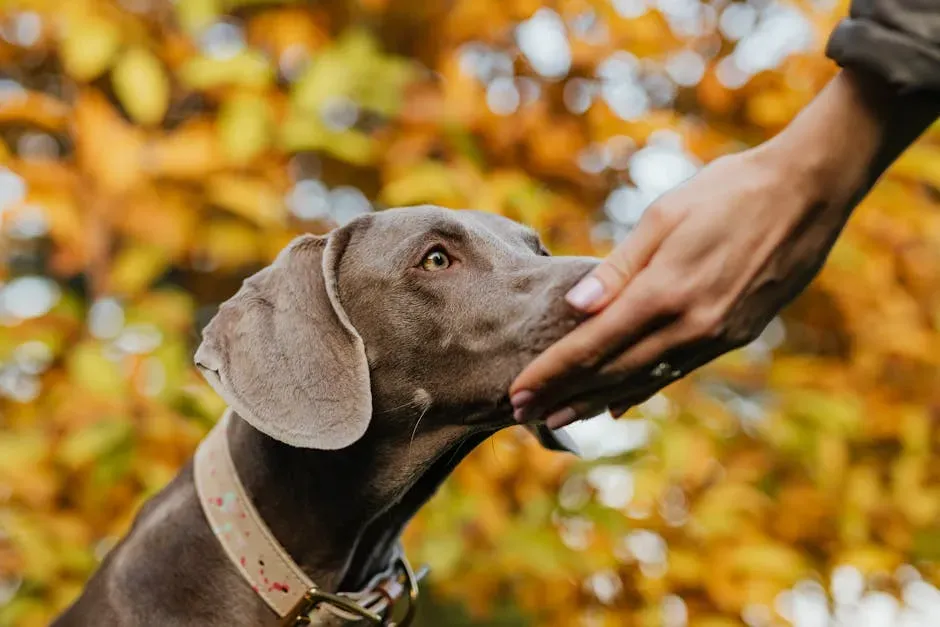
Here’s something that genuinely blew my mind when I first learned it. Researchers found that dogs’ caudate nucleus, an area of the brain associated with positive expectations, was most activated by the scent of the familiar person. Think about that. Out of every smell in the world, it’s you that lights up your dog’s reward center like a Christmas tree.
The stronger caudate activation suggested that not only did the dogs discriminate the familiar human scent from the others, they had a positive association with it. While we might expect that dogs should be highly tuned to the smell of other dogs, it seems that the “reward response” is reserved for their humans. That’s not just loyalty. That’s neuroscience confirming what you’ve felt all along.
Leaving a recently worn shirt or blanket with your dog can help ease mild separation anxiety. Your scent provides a form of reassurance even in your absence, precisely because it activates that same reward pathway in their brain. Next time you feel guilty leaving for work, toss your worn hoodie on their bed. It genuinely helps.
2. Eye Contact Between You Two Is a Chemical Love Story
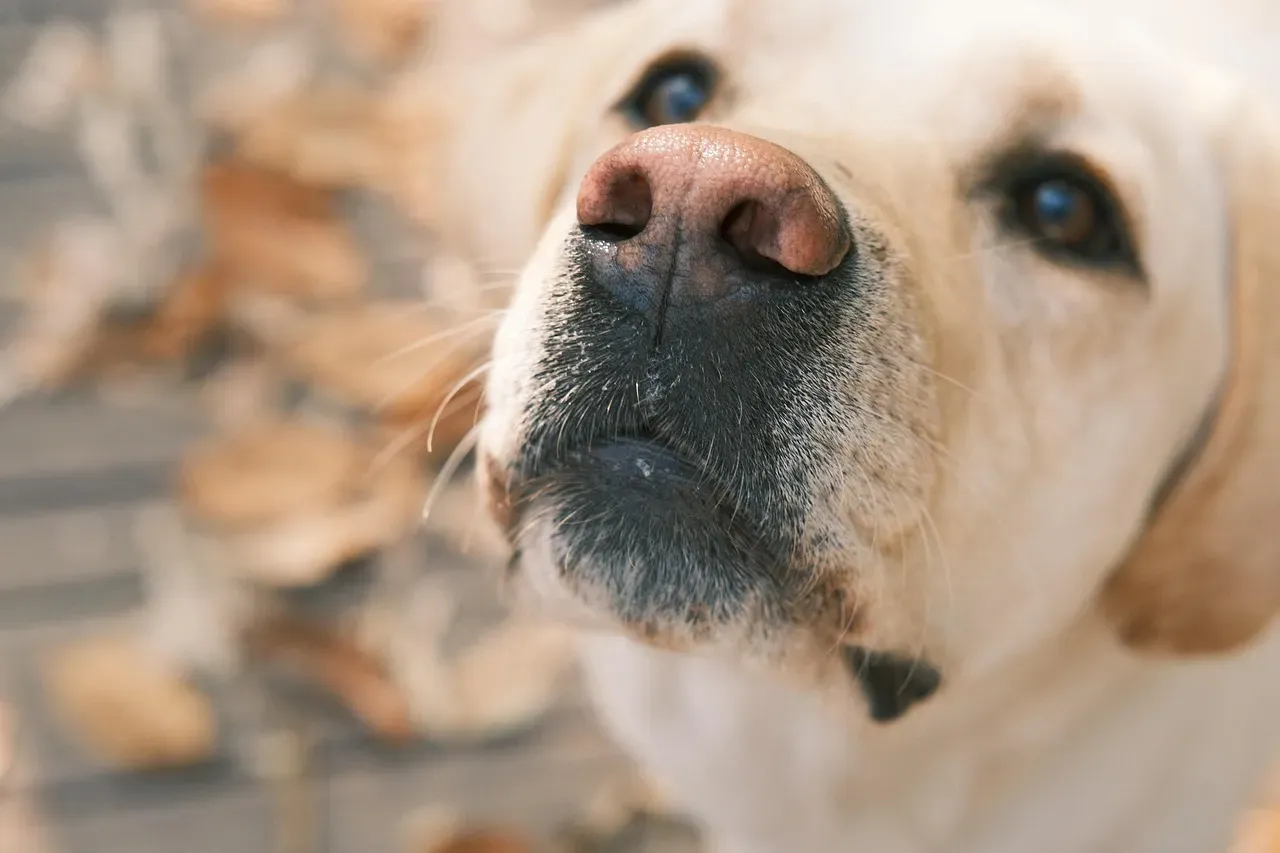
You’ve probably caught yourself gazing into your dog’s soft brown eyes and felt something shift inside you. Well, that feeling is mutual, and it’s chemical. Dogs that are emotionally attached to their owners tend to maintain eye contact, looking at them with soft, relaxed eyes. Eye contact releases oxytocin, often referred to as the “love hormone,” in both dogs and humans, which helps further foster a sense of connection and affection.
Research suggests that human-dog interactions elicit the same type of oxytocin positive feedback loop as seen between mothers and their infants. Let that sink in. The hormonal bond you feel with your dog is biologically comparable to what a mother feels gazing at her newborn. It’s not “just a dog.” Science says so.
The practical takeaway? Don’t rush past those quiet moments of eye contact. Oxytocin is released during bonding moments, like when your dog cuddles with you. When it’s released, it helps strengthen attachment and makes your pup feel safe and connected. Every soft gaze you share is literally strengthening your bond.
3. Your Dog Has Developed a Bond That Mirrors Infant Attachment
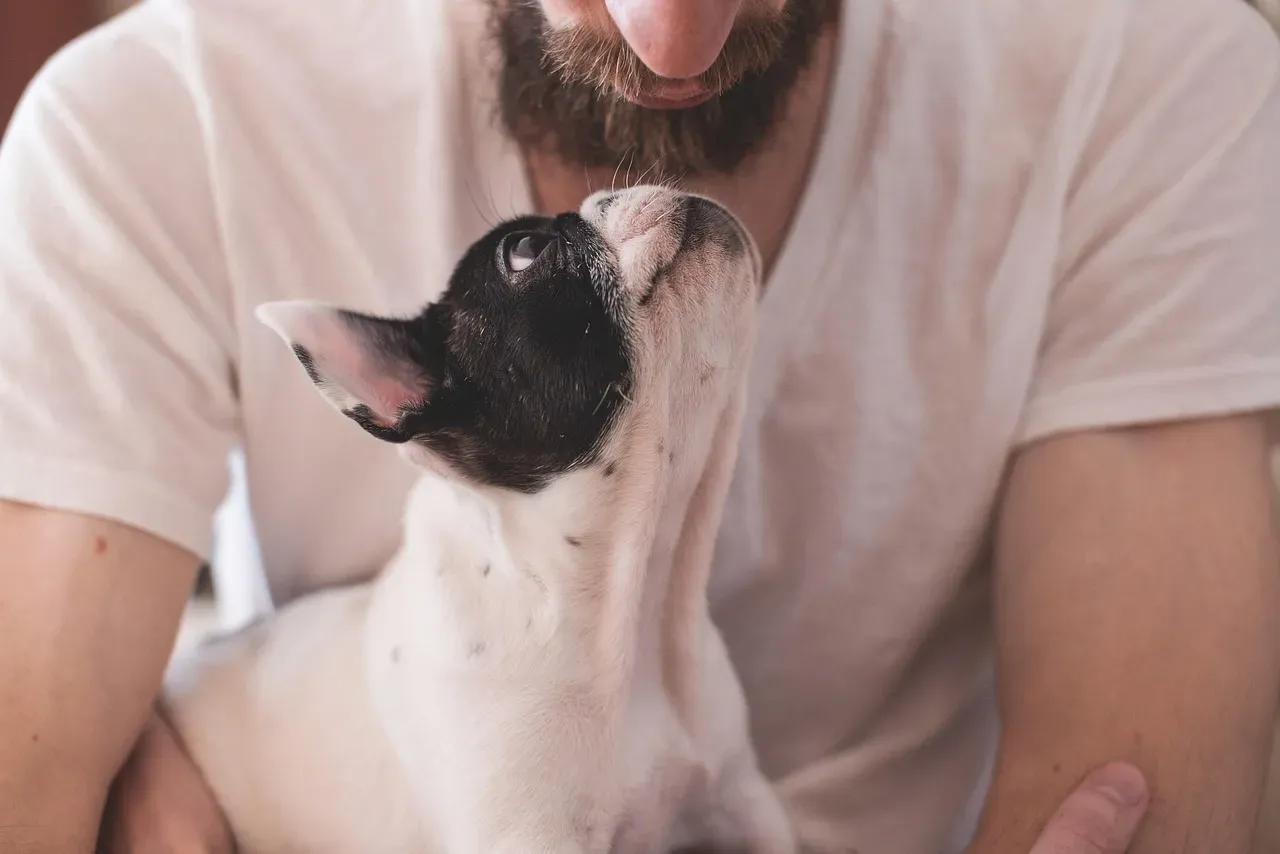
Let’s be real, there’s a reason dog owners often refer to themselves as “dog moms” or “dog dads.” It turns out your instinct is scientifically grounded. The dog-owner relationship shows some similarities to the human caregiver-infant relationship. Dogs show similar behaviors of attachment, such as approaching, following, clinging, or vocalizing towards their owners.
Dogs have shown behaviors indicative of an attachment relationship, where one such behavior is proximity seeking, where the animal will seek out the attachment figure as a means of coping with stress. The absence of an attachment figure can trigger behaviors indicative of separation-related distress. Sound familiar? That’s your dog treating you with the emotional weight of a primary caregiver.
Owners that have a secure attachment style with their dog will respond to their dog’s signals and acknowledge their need for closeness and safety. You, the owner, need to provide a secure base from which your dog can explore their environment, while also acting as a safe haven to return to when your dog faces danger. It’s honestly one of the most profound responsibilities of dog ownership.
4. You Are Your Dog’s Entire Social World
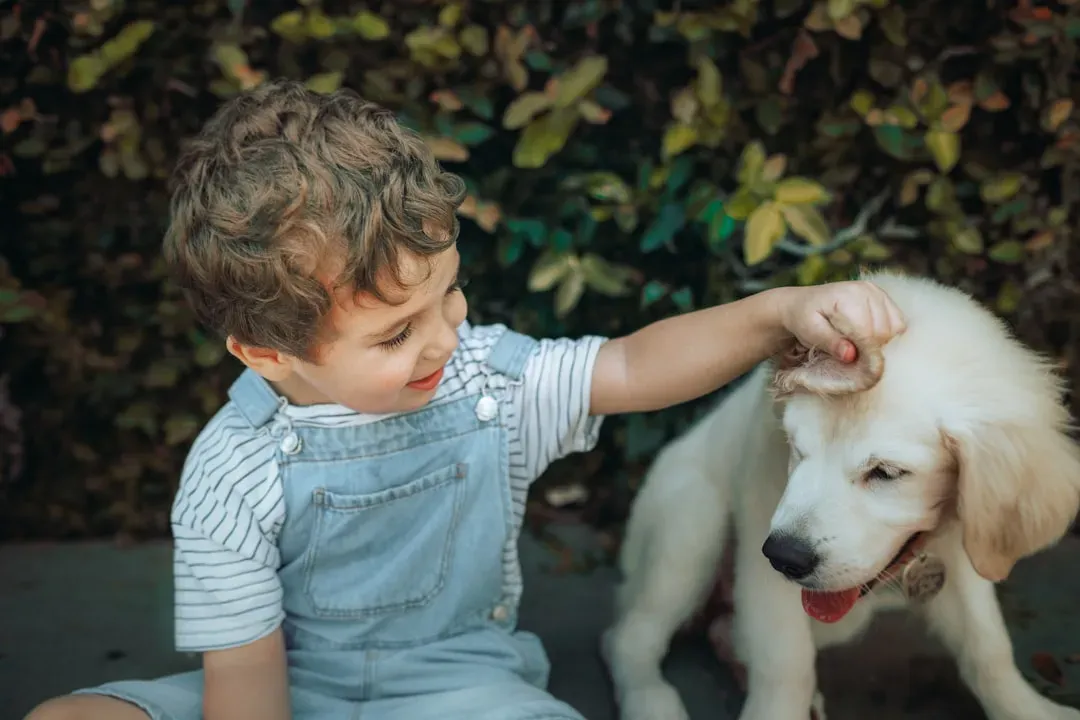
Dogs see humans as part of their families. In fact, dogs may rely more on humans than they do on other dogs for companionship and affection. Read that again. More than other dogs. More than members of their own species. You are your dog’s preferred social companion, full stop.
Dogs are, in fact, highly social animals who become reliant on their humans for affection and protection. Dogs can function and be perfectly content in a relationship with humans, even when isolated from others of their own kind. That’s an extraordinary testament to how deeply the human-dog relationship has evolved over millennia.
Practically speaking, this means your daily presence, your attention, your voice during an ordinary Tuesday afternoon, matters enormously to your dog. An emotionally attached dog will follow their human around the house from the moment they wake up, making sure that they are always within sight. Whether you’re brushing your teeth, washing the dishes, or doing a workout, your four-legged friend wants to be involved. That shadow trailing you to the bathroom? Pure devotion.
5. Your Dog Can Read Your Emotions Better Than Most People Can
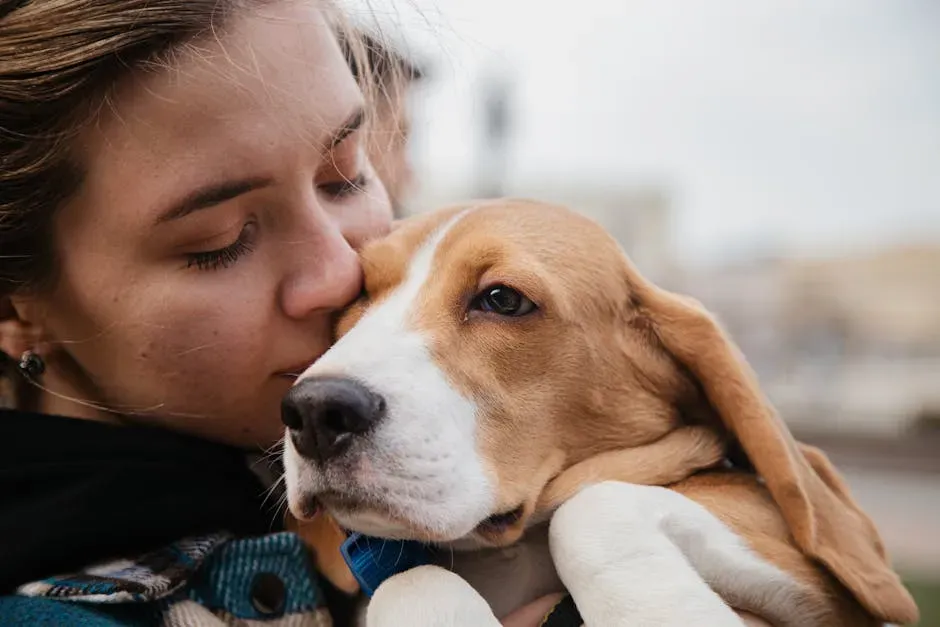
I think one of the most underappreciated superpowers of dogs is their emotional intelligence. According to psychologist and canine behavior expert Stanley Coren, dogs have an emotional capacity similar to that of a two-year-old child, allowing them to experience and express basic emotions such as joy, fear, anger, and surprise, visible through their posture, gaze, and even changes in heart rate.
Dogs are incredibly in tune with your moods and emotions. Because of this, emotional contagion, the tendency to reflect the feelings or behaviors of someone you’re close to, can also show up in dogs. For example, if they yawn when you yawn, it can be a sign that you’re emotionally connected. It’s a tiny, oddly touching thing to notice.
Dogs may not understand every word you say, but they become attuned to your tone of voice and body language. That’s why they make such fantastic service animals. They lend a therapeutic ear that offers comfort in troubling times. On the hard days, your dog isn’t just “being cute.” They’re actively trying to help you feel better.
6. Physical Touch Is How Your Dog Says “I Love You”
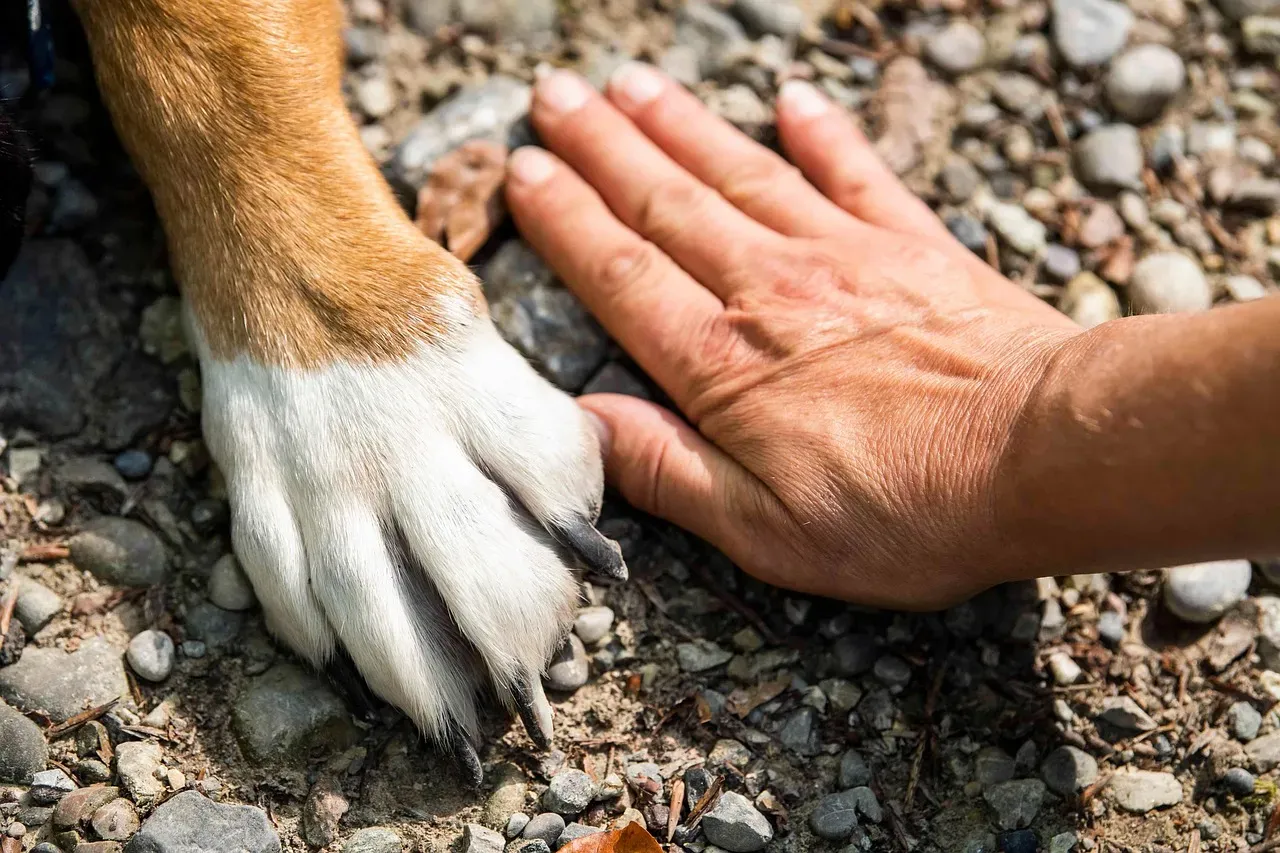
Not every “I love you” comes in words. Dogs are masters of expressing devotion through physical contact, and the body language cues are worth knowing. If your dog leans their body weight against you or rests their head on your lap, it’s a sign of trust and attachment. They only do this with people they feel comfortable and secure around.
Offering their belly for rubs, sleeping belly-up, and sleeping near or with you are all signs that they are totally and completely devoted to you. A belly-up dog is essentially showing you their most vulnerable spot. That’s a profound declaration of trust.
Dogs tend to sleep where they feel most secure, so choosing to sleep by your side is a sign of trust and attachment. This shows a deep level of emotional closeness. So yes, that 40-pound lump wedged against your knees at 2am? That’s love. Inconvenient, warm, slightly breathtaking love.
7. Your Dog Actually Remembers You Across Time and Distance
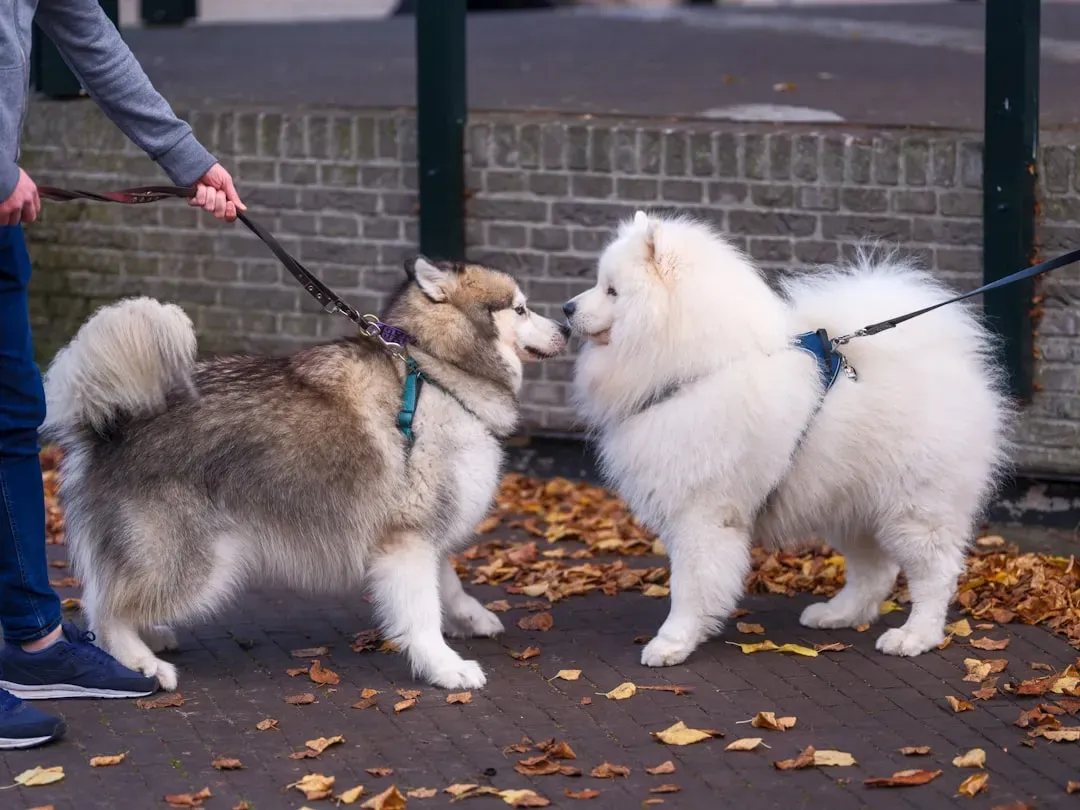
Here’s the thing about dogs that gets me every single time. Their memory of you is not casual. It’s deep, durable, and emotionally charged. Dogs don’t forget your smell quickly, and possibly not at all. Research on detection dogs has shown that canine olfactory memory is remarkably durable. In one study, dogs were trained to identify up to 40 distinct odors, then tested after gaps of up to 12 months with no exposure to those scents. They recalled every one with 100% accuracy.
The scent donors were not physically present during the experiment. That means the canine brain responses were being triggered by something distant in space and time. It shows that dogs’ brains have these mental representations of us that persist when we’re not there. Your dog carries you with them, even in your absence. That’s something.
Your scent is stored in long-term memory, tied to emotional associations that persist even without reinforcement. Anecdotal reports of dogs reuniting with owners after years of separation and showing immediate recognition are entirely consistent with what we know about how robust canine scent memory is. Those viral reunion videos aren’t just cute. They’re a window into something genuinely profound.
8. Thousands of Years of Co-Evolution Have Made You Irreplaceable to Them
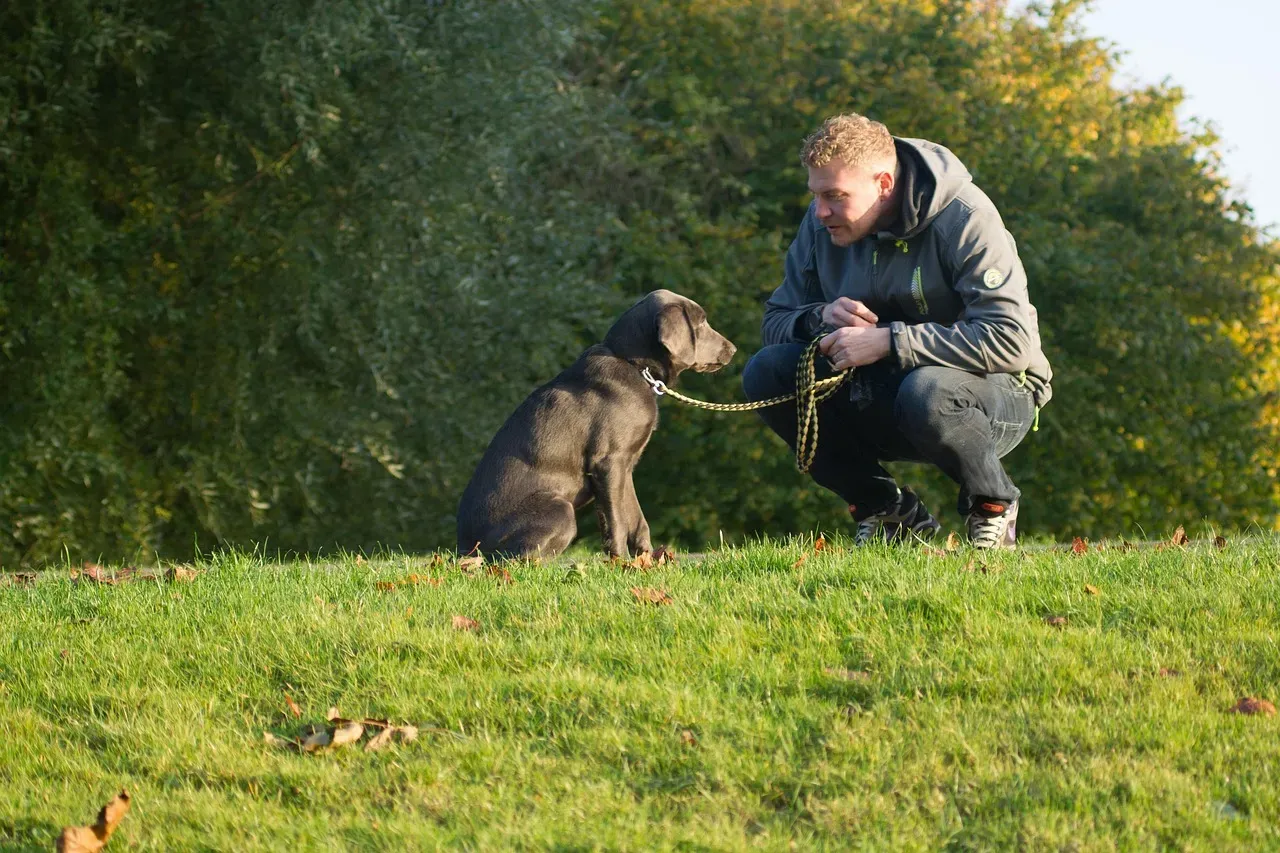
It’s easy to forget that the bond you share with your dog is the product of an astonishing stretch of history. The human-canine bond is rooted in the domestication of the dog, which began occurring through their long-term association with hunter-gatherers more than 30,000 to 40,000 years ago. Your dog’s devotion isn’t a modern invention. It’s baked into their DNA.
Some scientists suggest that rather than humans domesticating dogs, dogs domesticated humans, with wolves seeking out the company of our ancestors, purely for companionship. I find that idea quietly wonderful. They chose us, too. It was mutual from the very beginning.
As wolves were morphing into dogs, only those that could bond with humans would have received care and protection. Every generation since, the most human-connected dogs thrived. So when your dog stares at you like you hung the moon, they are expressing the accumulated devotion of tens of thousands of years. That’s not melodrama. That’s evolutionary biology.
9. The Way You Care for Them Shapes the Depth of Their Universe
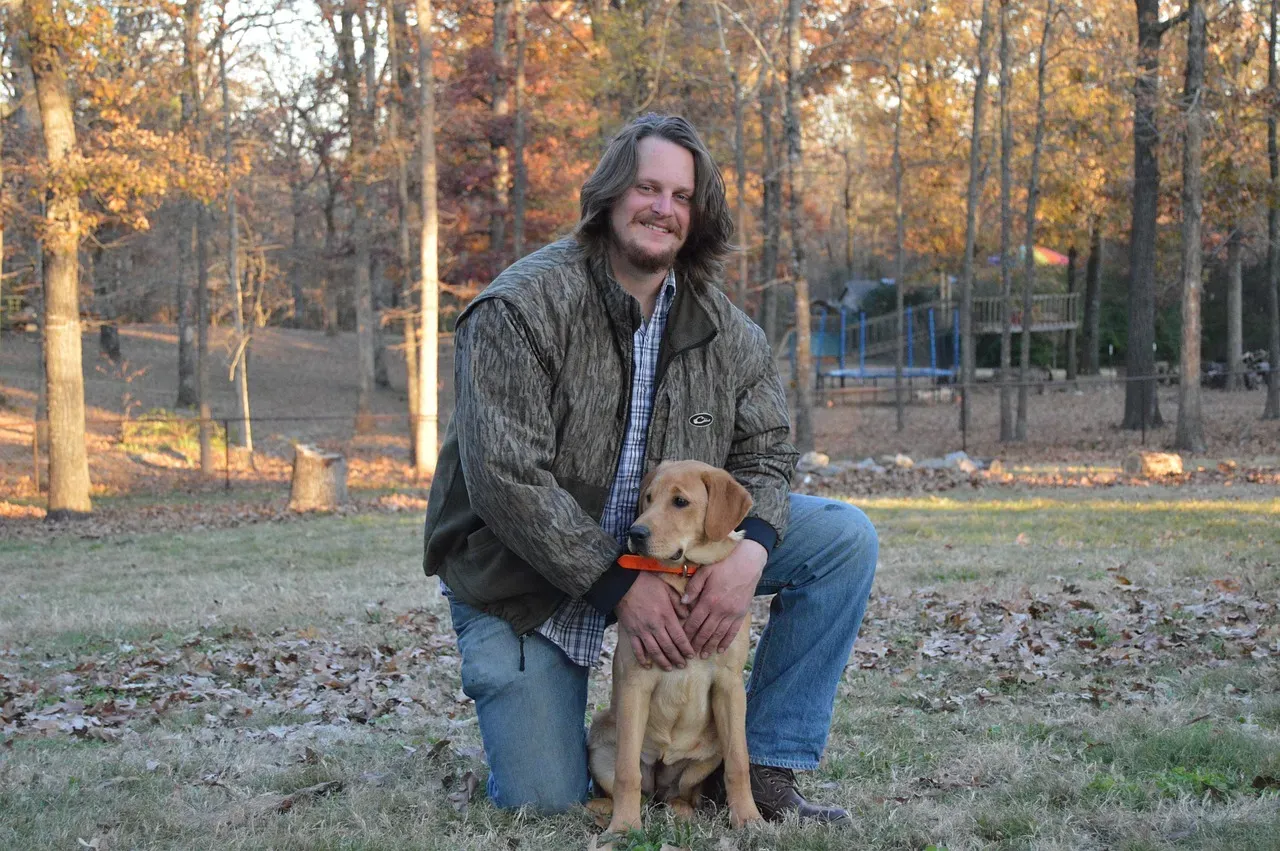
Here’s the honest part. Your dog adores you, yes. However, the depth and health of that devotion is also shaped by how you show up for them. Many human interventions, such as use of positive reinforcement and affiliative interactions, are likely to produce a positive affective state in a dog, leading to more favorable behavioral responses. How you treat your dog matters more than you might think.
Dogs often attach most strongly to the person who feeds them, trains them, or simply spends the most time with them. This is both humbling and empowering. You hold enormous influence over the quality of your dog’s emotional life.
One word of care here. Strong attachment is beautiful, but it’s worth watching for signs it tips into distress. Dogs with hyperattachment experience true panic when separated from their chosen person, often exhibiting behaviors linked to separation anxiety, including nonstop vocalizing, destruction, escape attempts, and inability to rest or eat. If you notice these signs, a certified trainer or behaviorist using positive reinforcement can genuinely help. Supporting your dog during a stressful situation is important to fulfill your dog’s need for closeness and safety and promotes a healthy attachment.
A Final Thought Worth Carrying With You
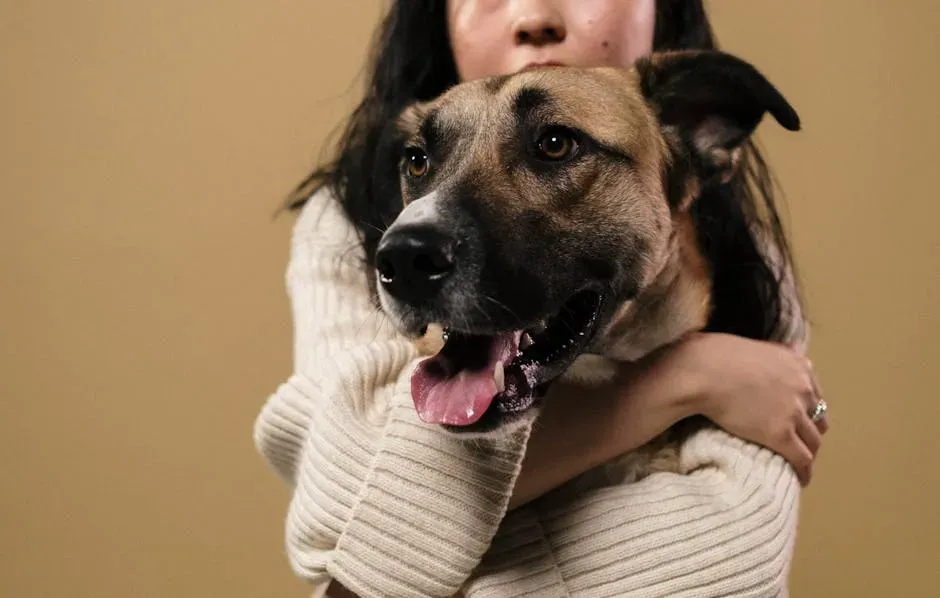
The relationship between a dog and their person is one of the most scientifically studied, emotionally resonant, and genuinely ancient bonds in the natural world. The remarkable bond between humans and dogs spans millennia, crossing cultural and geographical boundaries. Nearly every scientific discipline, including biology, anthropology, sociology, psychology, and linguistics, has something to tell us about the value of the bond between our two species.
Your dog doesn’t need grand gestures. They need you, consistently present, emotionally available, and willing to understand what they’re trying to say through every lean, every gaze, every toy dropped at your feet. Through smell, sight, sound, and emotional connection, your dog has a holistic, multisensory understanding of you. They don’t just recognize your face. They know your smell, your voice, your presence, and your heart.
So the next time your dog follows you to the kitchen for the fourth time today, or rests their chin on your knee during a hard moment, pause. Let it land. You are genuinely, measurably, irreplaceably their whole world. What will you do with that kind of love? Share your thoughts in the comments, we’d love to hear how your dog makes you feel like the center of their universe.


