
You glance over at your dog and notice it – again. That repetitive, rhythmic licking at their paws. It sounds harmless at first, like a cat washing its face after dinner. But something tells you this is more than a quick clean-up session. Your gut is right to pay attention.
Excessive paw licking is one of those behaviors that sneaks up on you. One day it’s occasional, the next it feels constant. When licking becomes constant, intense, or causes redness, hair loss, or sores, it is considered excessive – and it is usually a symptom, not the problem itself. There are actually quite a few possible reasons behind it, and some of them might genuinely surprise you. Let’s dive in.
1. Environmental Allergies: The Invisible Itch
Here’s the thing – your dog might be reacting to the very ground beneath their paws. Atopic dermatitis is an inflammatory chronic skin disease caused by an allergic reaction, and the allergens that trigger it are often the same ones implicated in human hay fever, including grass, mold spores, and house dust mites. So that lovely afternoon walk in the park? It might be leaving more behind than muddy prints.
If your dog’s licking is seasonal or happens after walks, allergies might be to blame. A simple habit to build is keeping a damp cloth by the door and wiping your dog’s paws every time they come inside. Washing and thoroughly drying your dog’s paws immediately after coming in removes environmental allergens like pollen and grass.
2. Food Allergies: When Dinner Is the Problem

Food allergies are known to cause itchy paws, and these types of allergies can be difficult to pinpoint. It’s a frustrating puzzle, honestly. Your dog might have been eating the same food for years before an intolerance quietly develops, and the paws are often the first place the reaction shows up.
To rule out an allergy to a specific food ingredient, an appropriate elimination diet can be selected. Your veterinarian will want a complete medical history, including a thorough history of what foods and treats your pet has eaten. An elimination diet will contain a new protein and carbohydrate source that your dog has not eaten before. It takes patience, but it can be a real game-changer for chronic paw lickers.
3. Bacterial or Yeast Infections: The Moisture Trap
Bacterial or fungal infections can lead to excessive paw licking in dogs. When dogs constantly lick their paws, it creates a moist environment that is susceptible to bacterial infections and fungal growth, and these infections can occur as a result of underlying allergies, environmental factors, or sometimes for unknown reasons. Think of it like this: the licking causes the infection, and the infection causes more licking. It’s a vicious cycle.
Moisture and irritation from constant licking can lead to bacterial or yeast infections, which usually cause a musty smell, redness, and even pus or scabbing. If you notice a yeasty or rotten odor coming from your dog’s feet, yeast infections are fairly common, especially in warmer climates, occurring when the skin overproduces yeast cells and causing the paws to itch between the pads. If your dog has an infection, their paws may smell rotten or rancid.
4. Injury or Pain: Something Physically Hurts
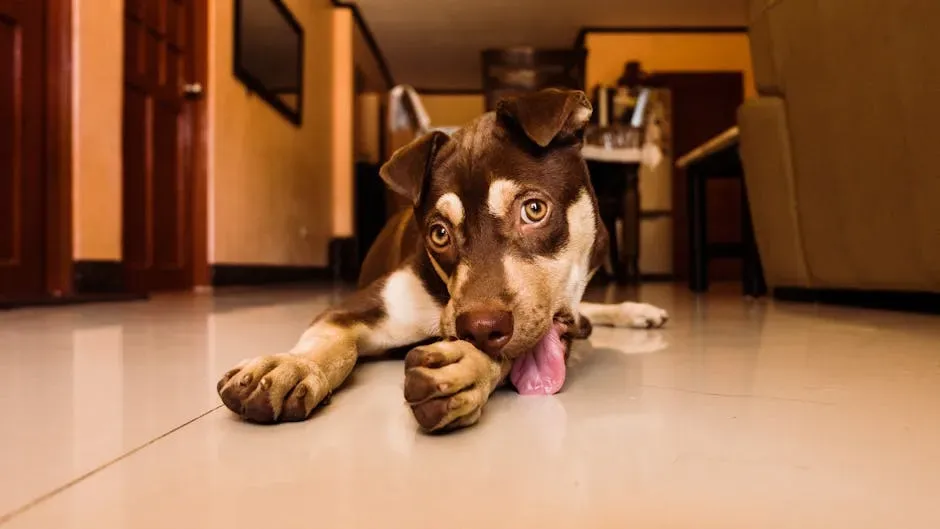
Sometimes paw licking is a response to pain or injury. Small cuts, thorns, or even a sore paw pad can prompt your dog to lick the area. Dogs are incredibly stoic creatures. They won’t always whimper or limp dramatically – sometimes they just quietly lick the spot that hurts.
Dogs may lick their paws as a response to pain or discomfort even if the source of the pain is not in the paw itself. Dogs have an instinct to hide their pain, making it challenging to pinpoint the exact cause. Check the tops and bottoms of their foot, inspect their toenails and nail beds, and look at the spaces in between each digit – you’re trying to find any cuts, bruises, foreign objects, redness, scabs, broken nails, or anything else that seems abnormal.
5. Parasites: The Tiny Troublemakers
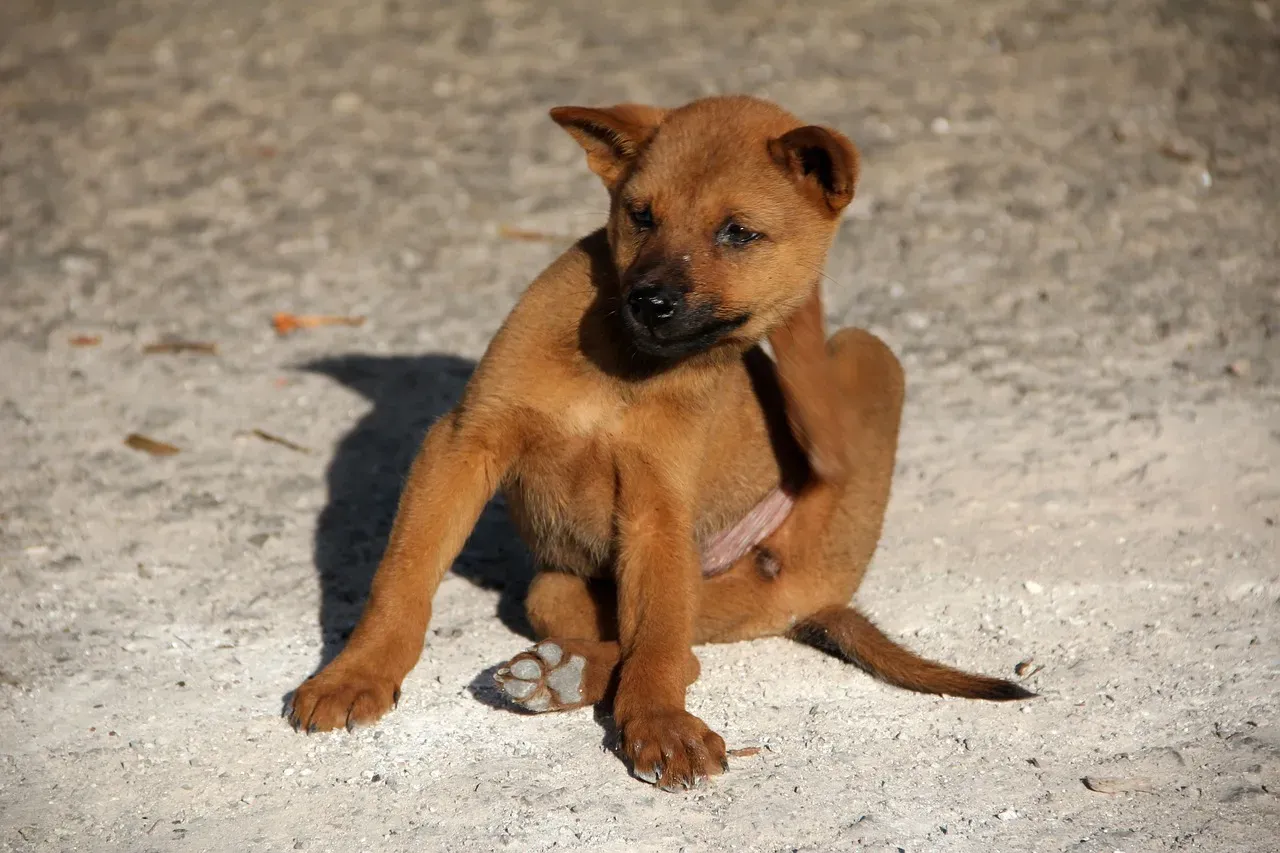
Fleas, mites, and ticks can cause intense itching around the paws and legs, and even indoor dogs can be exposed, making parasite prevention essential. This one catches a lot of dog parents off guard. You’d think an indoor dog is safe, but parasites are sneaky hitchhikers.
When removing a tick, ensure the entire tick is removed, including the mouth parts, as a tick can cause a serious skin infection if any parts of it are left behind embedded in the skin. The good news? Parasites such as fleas and ticks can easily be prevented and treated with a vet-recommended flea and tick preventative medication for dogs. Keeping your dog on a regular preventative schedule is one of the simplest, most powerful things you can do.
6. Dry or Cracked Paw Pads: When the Skin Just Needs Help
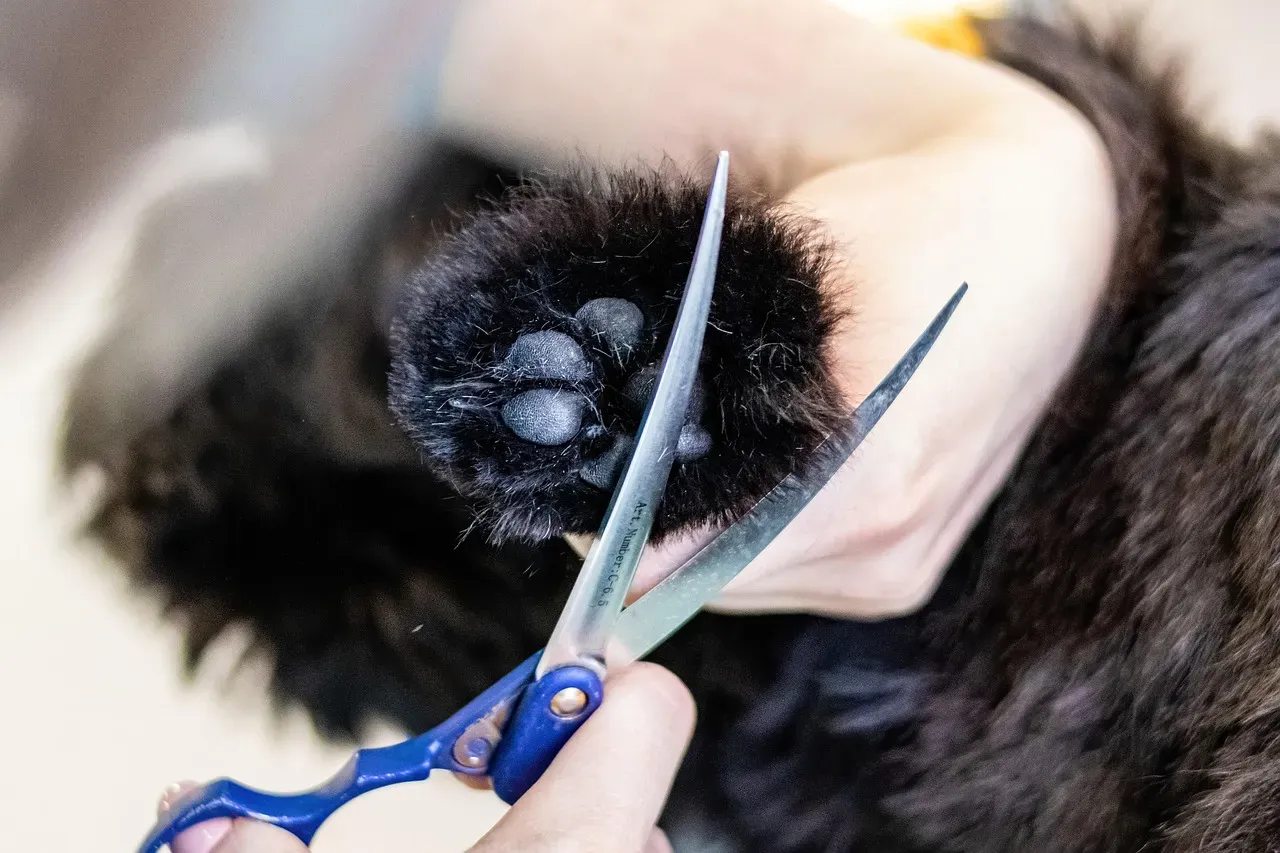
Dry or cracked paw pads can make your dog uncomfortable and lead to frequent paw licking. Factors like cold weather or lack of humidity can contribute to dry skin. Imagine walking barefoot on a rough, dry surface every single day. That is essentially what your dog experiences during harsh winters or scorching summers without proper paw care.
Extreme temperatures, rough terrain, and environmental irritants can all contribute to paw discomfort. In hot weather, avoid walking your dog on scorching pavement, and in winter, protect their paws from ice, salt, and de-icing chemicals. Consider using dog booties or applying a protective paw balm before heading outside. Keeping your dog’s paws moisturized with vet-recommended products can provide real relief.
7. Anxiety and Stress: Licking as a Coping Mechanism
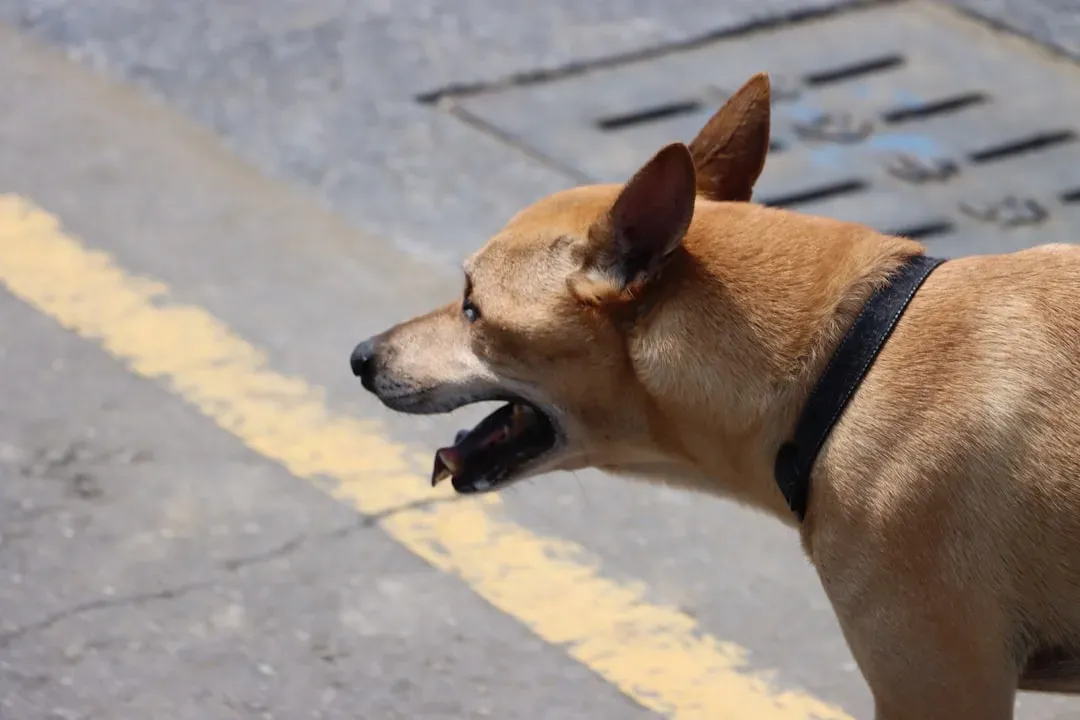
Sometimes paw licking isn’t physical – it’s emotional. Dogs may develop compulsive licking when they’re anxious or under-stimulated, and this is common in dogs left alone for long hours or going through changes at home. A new baby, a house move, a change in your work schedule – dogs feel all of it, and paws often bear the brunt of their emotional unrest.
When dogs lick, they release endorphins that help them feel calmer, at least for a while. If your dog isn’t getting enough exercise or mental stimulation, it might lick as a way to pass the time or seek comfort. Separation anxiety can also cause licking, especially when you leave the house or change routines unexpectedly. Try increasing daily walks, puzzle toys, and quality bonding time before reaching for any other solution.
8. Arthritis and Joint Pain: An Older Dog’s Hidden Struggle
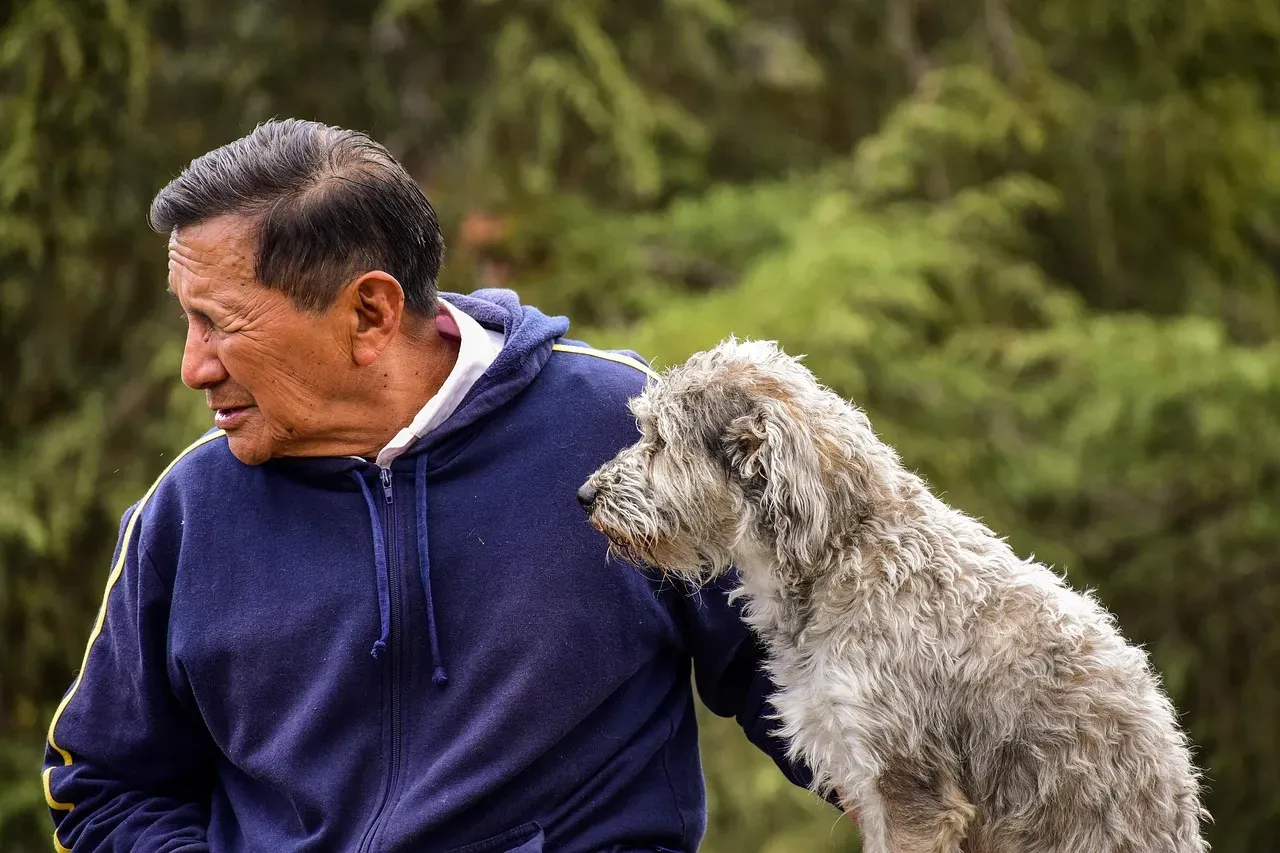
Arthritis is a common condition in older dogs. It can affect not just large joints like hips and legs, but also the toes. This progressive disease occurs when joint cartilage breaks down, leading to pain, inflammation, and difficulty using the affected paws or limbs. Honestly, this one breaks my heart a little. Your senior dog may simply be trying to soothe a pain they can’t express in words.
Arthritis is a common pain-related reason for licking. Even though this joint condition usually causes pain in multiple areas, dogs frequently lick one of their paws to cope with achiness. Excessive grooming over joints could also indicate soft tissue injury like sprains or strains, fractures, or degenerative joint disease. If your aging dog has started licking persistently at one specific paw, a vet visit is absolutely warranted.
9. Compulsive Behavior and Lick Granulomas: When Licking Becomes Obsessive
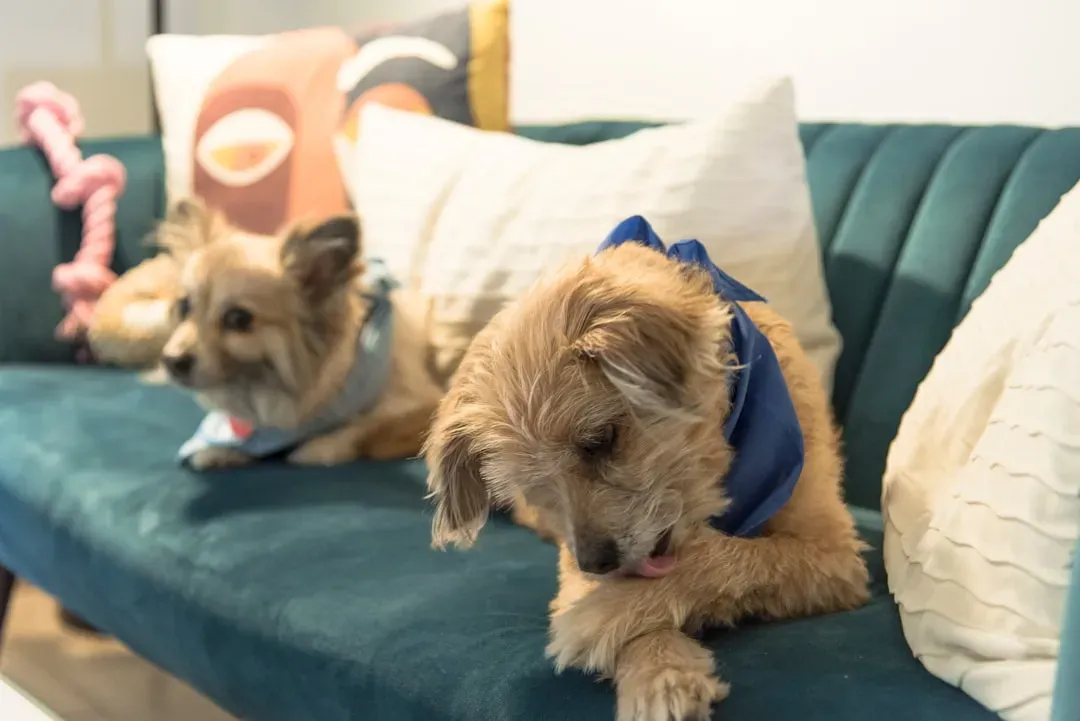
Some dogs will obsessively lick a paw or a nearby area – usually the front part of the carpus or wrist – over and over until a large, hairless, inflamed area develops. This is called a lick granuloma, or acral lick dermatitis. It often starts as a mild habit and gradually escalates into something that looks genuinely alarming. Think of it like a nervous habit in humans that becomes second nature over time.
Paw licking in dogs can become a compulsive disorder driven by stress, anxiety, or boredom, turning into a self-soothing mechanism. Constant licking may be a sign of compulsive behavior due to anxiety issues like separation anxiety or noise phobia, and a veterinary behaviorist can diagnose anxiety issues and prescribe anxiety medication and behavior therapy. The earlier you catch this pattern, the better the outcome for your dog.
When to See Your Vet: Trust Your Instincts
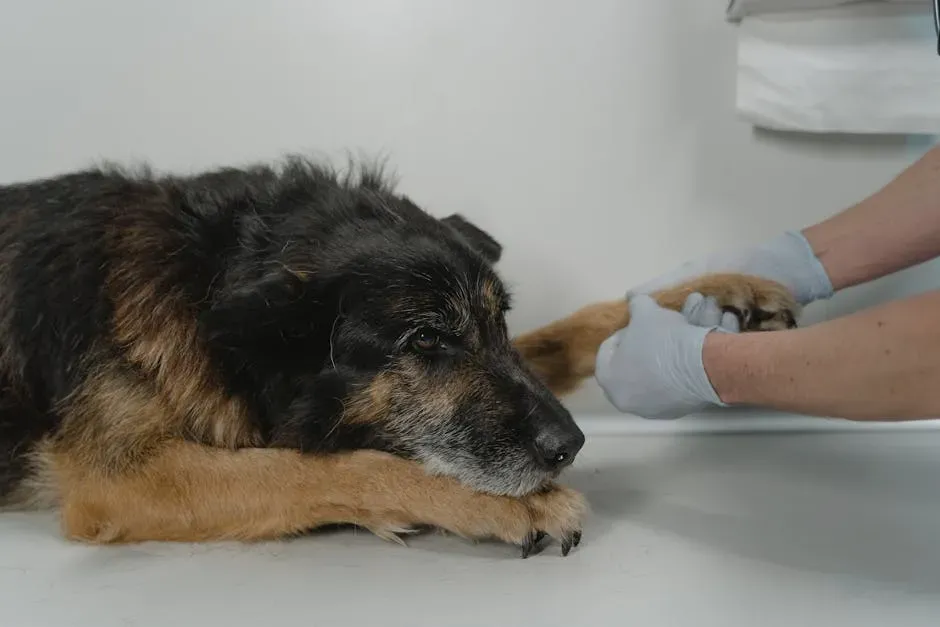
If something feels off, it probably is. Licking becomes a real problem when it interferes with your dog’s daily routine, causes skin damage, or indicates discomfort – watch for signs like raw skin, thinning fur, open sores, limping, swelling, or a bad smell. These are not things to wait and see about.
Don’t wait too long, because the moisture of constant foot licking can cause a secondary bacterial or yeast infection, causing even more itching, redness, swelling, and licking. Early intervention helps prevent infections and long-term discomfort. A simple phone call to your vet can set you on the right path far faster than any amount of Googling.
Wipe your dog’s paws with a clean, damp cloth after outdoor activities to remove any potential allergens or irritants, and regularly trim your dog’s nails to prevent overgrowth, which can cause discomfort and increase the likelihood of paw licking. Small, consistent habits like these make an enormous difference over time.
Final Thoughts: Your Dog Is Telling You Something
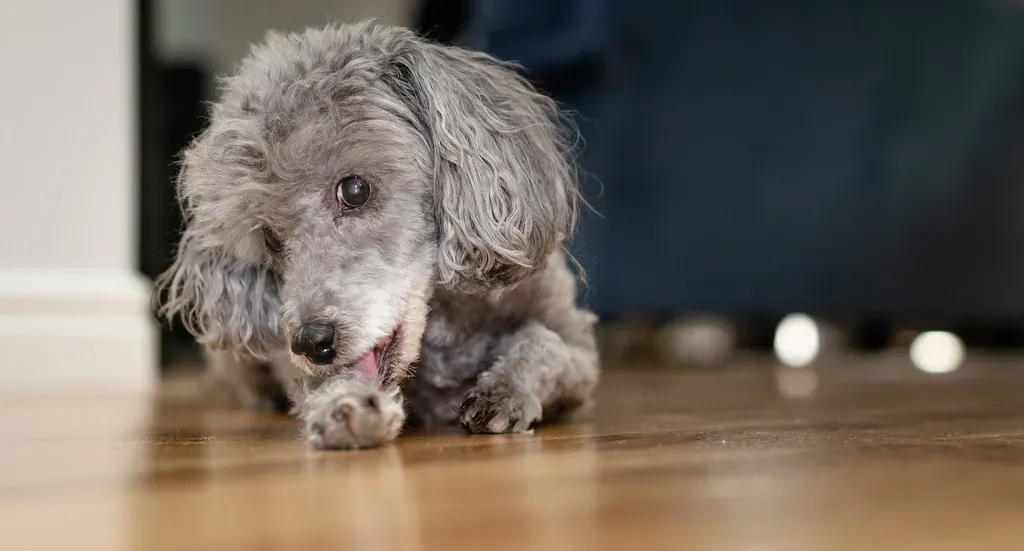
Paw licking is never just a quirk. It is your dog’s way of communicating that something needs attention – whether it’s a hidden splinter, an itchy allergy, creeping anxiety, or aging joints that ache on rainy mornings. Dogs cannot use words, so they use behavior. It’s up to us to listen.
The beautiful thing is that once you identify the cause, there is almost always something meaningful you can do about it. More walks, a diet change, a vet visit, a paw balm – these are small acts of love that add up to a much happier, more comfortable dog. And isn’t that the whole point?
Take a moment today to check those paws. You might just catch something early enough to make all the difference. What would you have guessed was behind your dog’s paw licking? Let us know in the comments – your experience might help another dog parent too.


