

You’re right there on the couch. Your dog is a few feet away. Everything looks fine. So why does something feel… off? Here’s a truth most dog owners don’t immediately consider: your physical presence alone doesn’t always fill a dog’s emotional tank.
Dogs can feel lonely even when humans are present, and this loneliness may come from being the only dog or animal in the house. It’s a quiet kind of sadness that can sneak up on even the most loving, attentive pet parents. Your dog isn’t ungrateful. They’re just wired for deep, active connection – and sometimes, life gets in the way of giving them that.
So before you brush off that strange whine or weird new behavior, read on. What your dog is trying to tell you might surprise you.
Sign 1: They Follow You Everywhere – Like a Furry Shadow
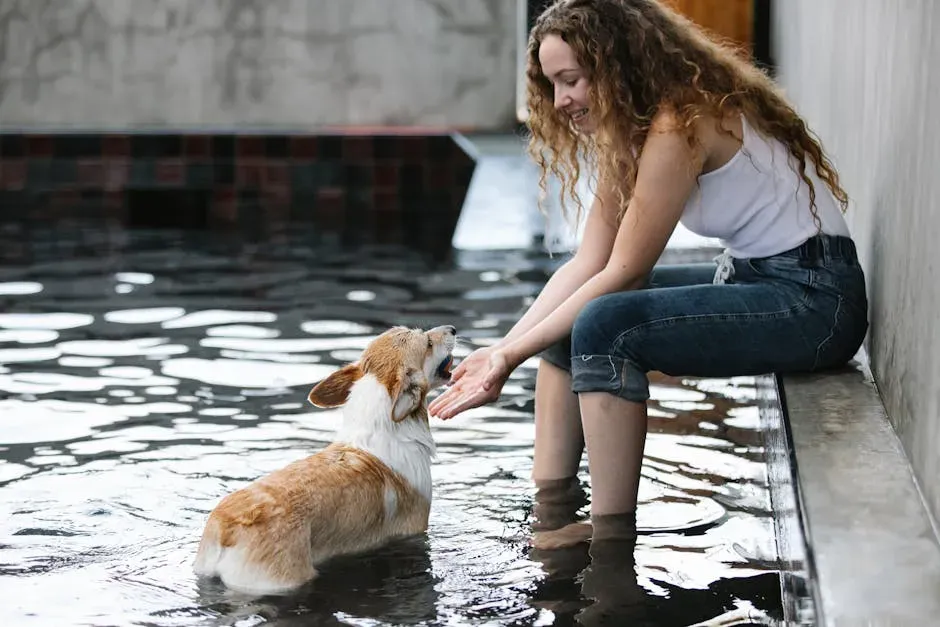
We’ve all laughed about the dog who won’t even let you go to the bathroom alone. It’s cute, right? Well, sometimes. Some dogs follow their owners around the house constantly, and some might even sit outside the bathroom door whining. Dogs with separation anxiety or loneliness issues often do this because they are scared of being left alone.
Dogs love to play follow-the-leader with you, but a lonely dog may follow you from room to room to soak up all your attention when you’re home. Think of it like a toddler who keeps tugging at your sleeve. They’re not being annoying on purpose – they’re asking for something they genuinely need.
If your dog has recently started doing this more than usual, pay attention. It’s worth asking whether they’re getting enough focused, quality interaction – not just shared space, but real engagement. A short daily play session can sometimes make a world of difference.
Sign 2: Destructive Behavior That Seems to Come Out of Nowhere
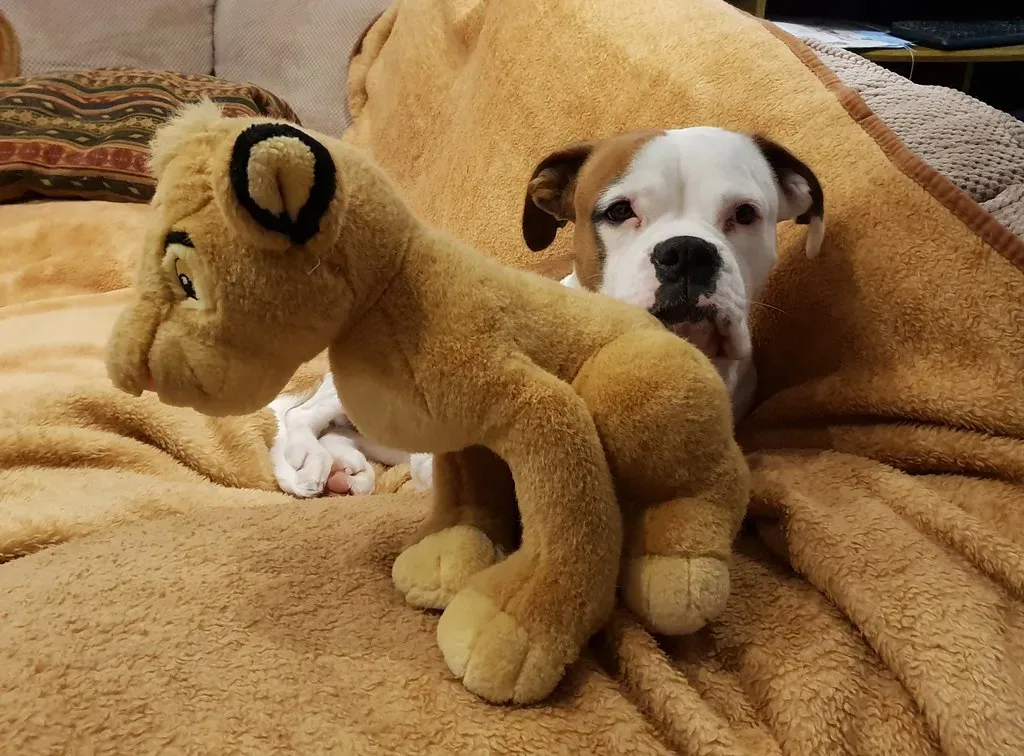
A sudden emergence of destructive behavior is a key indicator of loneliness. If you have a dog that has never chewed a shoe in her life and is suddenly destroying parts of your home, she is definitely trying to tell you something. It’s not revenge, I promise. It’s desperation dressed up as chaos.
Dogs left alone too long need something to do to break their boredom, loneliness and frustration they feel. Chewing is a natural solution for them, and when you don’t give your dog activities to do throughout the day, they end up finding their own activities, which are often problematic actions, like destroying your things.
Here’s the thing – even if you’re home, if you’re heads-down in work all day, your dog can feel just as understimulated as if you were gone. Try rotating their toys, giving them a puzzle feeder, or even a quick tug-of-war session. Small doses of engagement go a very long way.
Sign 3: Excessive Barking, Whining, or Howling
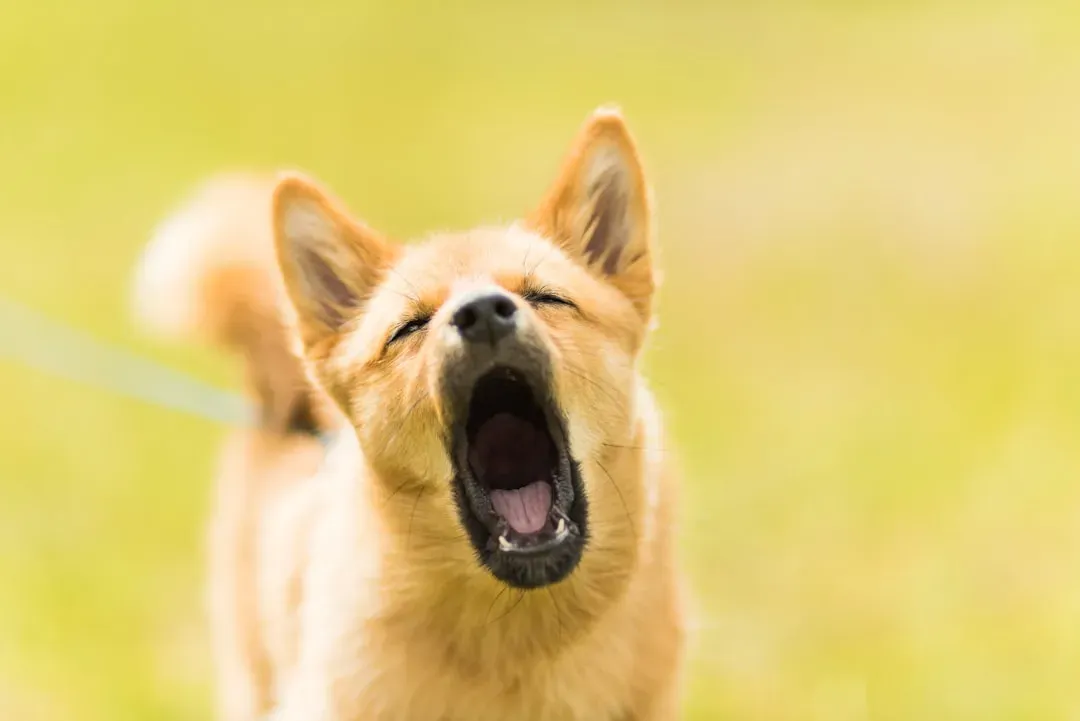
Howling and barking are some of the more common ways your dog might let you know they’re feeling lonely. But here’s what trips up a lot of owners: these sounds don’t only happen when you leave. They can happen while you’re home, especially if your dog feels emotionally disconnected or ignored.
Panting, whining, crying and howling are symptoms of anxiety which can occur when dogs are left alone too long or isolated and confined. Think of it as your dog literally calling out for connection. It’s the canine equivalent of texting a friend and getting no reply – over and over again.
Dogs can become either more or less vocal. Sometimes it may appear your pet is calling for attention. Other times, they may be more silent and not respond to stimuli as you would expect. Both ends of that spectrum deserve your attention.
Sign 4: Restlessness and Constant Pacing
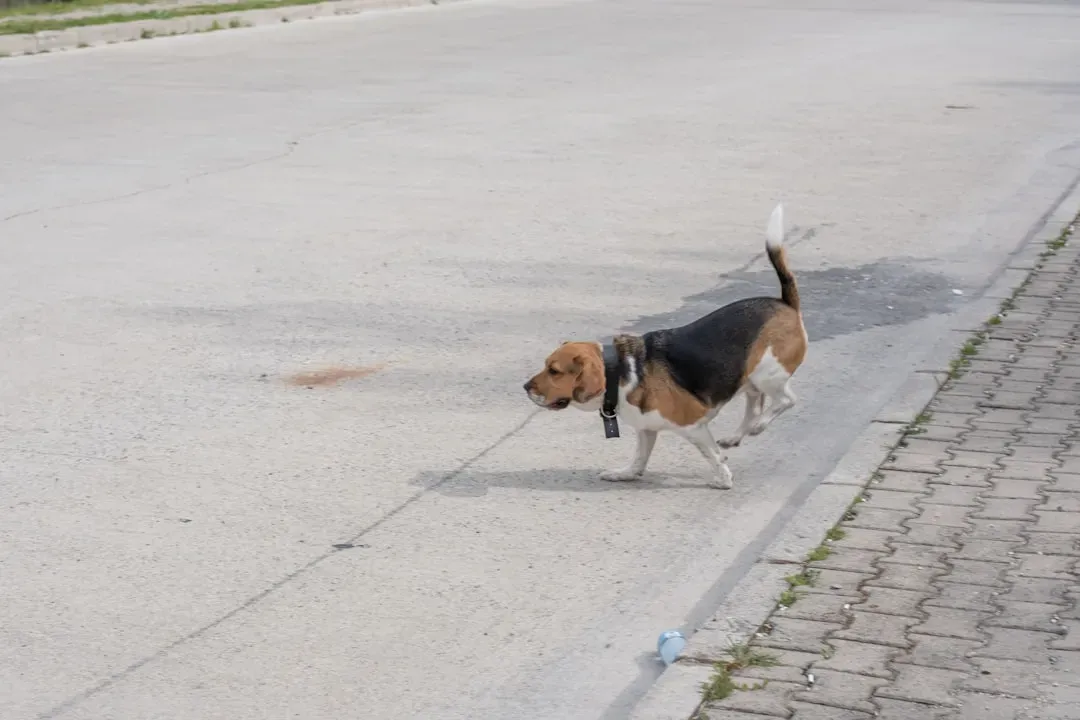
You know that feeling of being so antsy you just can’t sit still? Dogs feel that too. Restlessness or pacing – where your pup is moving from various spots around your home without feeling settled – is a notable sign, especially if they know you’re about to leave. Even when you’re not leaving, a dog with unmet emotional needs can fall into this loop of aimless wandering.
If your dog seems to be wearing a track into the floor, that’s a sign they can’t settle. It could be lying down for a second, getting up, walking to the window, pacing along the windows, going back to bed for two minutes, then getting up again. It looks restless because it is restless.
A dog that is always pacing around or appears restless shows signs that they need more physical and mental stimulation than you alone can provide. Adding a longer walk or a brain-stimulating activity like a sniff game in the backyard can break this cycle quickly.
Sign 5: Sudden Loss of Appetite or Eating Irregularly

This one sneaks up on owners because it feels like a health issue – and sometimes it is. But don’t rule out emotions. Changes in behavior like a loss of appetite can indicate loneliness. The unsettling feeling loneliness causes may trigger a physical response, like a pup losing interest in eating or feeling hungry at times that differ from their normal schedule.
Eating more or less than normal, or eating much more slowly than normal, can be signs of loneliness. Appetite is controlled by hormones, and if your pet is feeling low, appetite is commonly affected. Honestly, it’s not so different from how humans lose their appetite when they’re sad or stressed.
If your dog starts skipping meals or suddenly inhaling food ravenously, it’s worth paying attention to what else has changed in their routine. More screen time for you? Less playtime for them? It adds up.
Sign 6: Low Energy, Lethargy, and Too Much Sleeping

Yes, dogs sleep a lot – that’s normal. But there’s a difference between a content, sleepy dog and one that seems to have lost their spark. Dogs may seem more tired and down when they are lonely. If you realize your pet is sleeping more than usual, it could be a sign they aren’t feeling 100%.
If your dog has been sleeping more than average, not playing or interacting as much, or not responding to your calls, they could be depressed and lonely. It’s a subtle shift – like a light dimming rather than switching off – and that’s exactly why it’s so easy to miss.
Your dog may appear less keen to go on walks and generally have less energy. In extreme cases, they may not even come to greet you at the door anymore. It may feel like your pet is withdrawing from you. When that joyful tail-wagging greeting disappears, something is definitely worth exploring.
Sign 7: Obsessive Licking or Fur-Pulling

This is one of those signs that often gets written off as allergies or skin conditions. Sometimes it is. But emotional distress can absolutely show up on your dog’s coat. Loneliness can induce anxiety in pets, which could trigger them to pull or lick at their fur. Sometimes lonely pets will have damaged fur or even spots of missing hair, and sometimes emotional distress can even change the texture of your pet’s fur.
One sign that can mean your dog is lonely actually has to do with their appearance. Often, dogs who are bored will engage in repetitive grooming, and they can lose hair that way. Think of it like nail-biting in humans – a self-soothing behavior born from unresolved stress.
Pay close attention because changes to fur could also be signs of a health issue. If you see any physical changes like this, you should schedule a veterinary visit. Rule out medical causes first, then look at whether your dog’s emotional needs are being fully met.
Sign 8: Clinginess From a Dog Who Was Never Clingy Before

Sudden personality shifts in dogs are always worth noticing. Dogs who are not typically clingy might try to get as close to you as possible if they are feeling lonely. If you have a pet that is typically stand-offish who suddenly wants to be your shadow, it could be an indicator that he or she is in need of extra attention.
Dogs can feel lonely even when humans are present, and that loneliness may come from being the only dog or animal in the house. Even the most independent dog breeds have moments where they crave connection on a deeper level than simple proximity. There’s a difference between sitting near someone and truly being seen by them.
If your stoic, independent pup is suddenly pawing at you for attention or leaning into your leg for comfort, honor that signal. You can exercise together, have more play time, increase grooming time, and more. Even small things such as petting them more will be appreciated by your dog if they’re feeling lonely.
Sign 9: Disinterest in Toys and Play They Once Loved
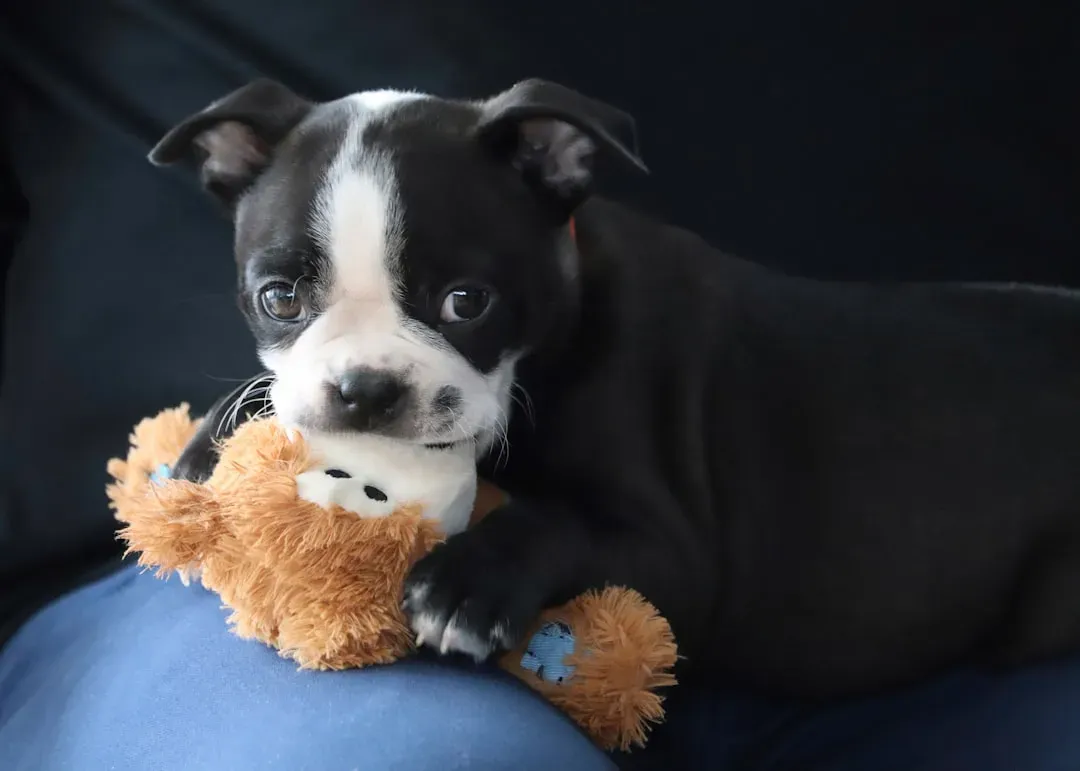
Remember when your dog used to lose their mind over that squeaky toy? If that same toy now sits untouched in the corner, take note. A dog that isn’t feeling well or is feeling lonely may also experience a lack of interest in activities they usually enjoy. If your pup isn’t as enthusiastic about their walks or playing with their toys, it could also be a sign of loneliness.
To live their best lives, dogs need physical and mental stimulation as well as opportunities for social interaction. When one of those pillars collapses, the others start to crack too. A dog who no longer plays is a dog who has stopped expecting good things to happen – and that’s heartbreaking to witness.
All dogs need regular interactions with their favorite people. Playing or cuddling with us decreases their cortisol levels – the stress hormone. As pack animals, dogs also need play time with other dogs to ease stress, fight boredom, and practice good social skills. Even a ten-minute session of fetch can genuinely restore a dog’s emotional balance.
What You Can Do: Start Small, Start Today
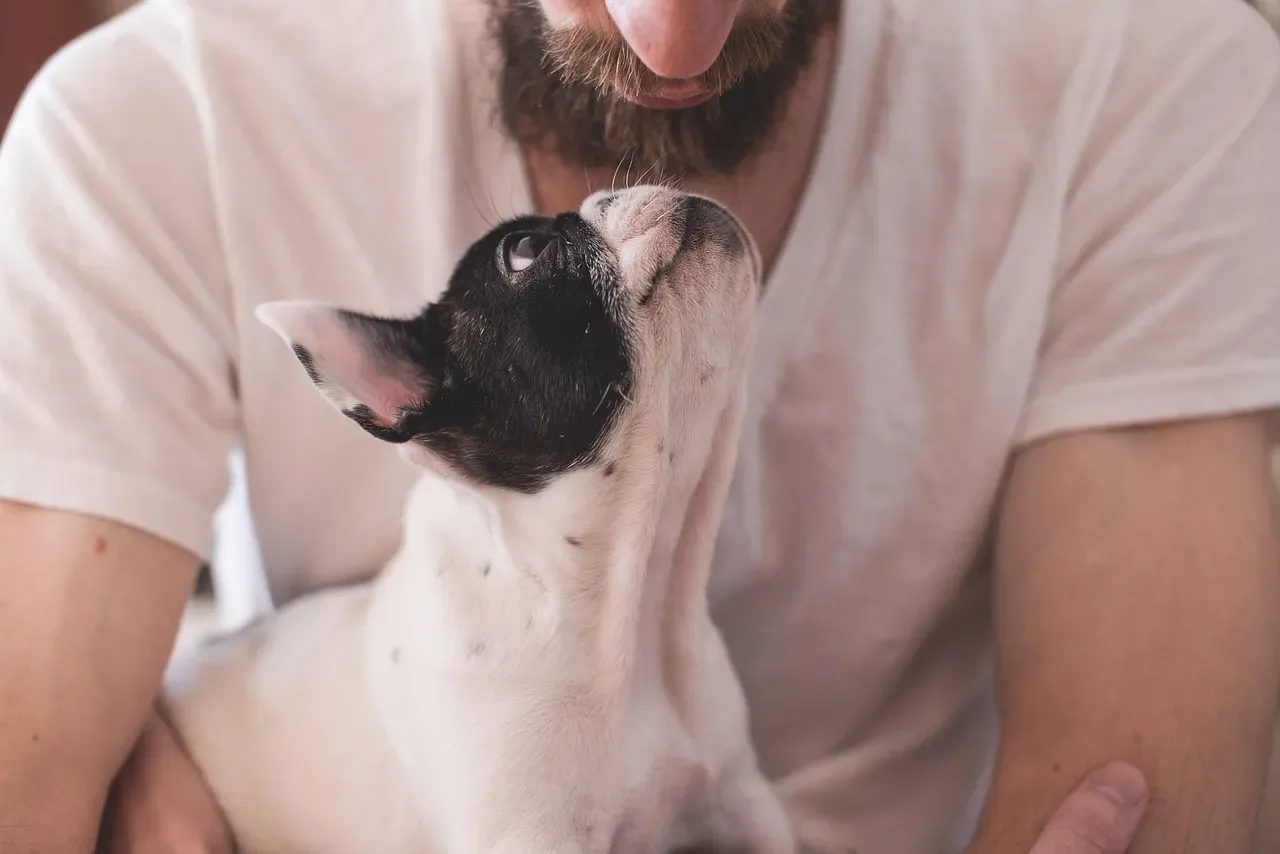
Here’s the good news: you don’t need to overhaul your entire life to help a lonely dog. If you think your dog is lonely, you can help them out by dedicating time to interactive play and giving extra cuddles to increase the quality time you spend together. Quality beats quantity every single time.
Adding more physical exercise and mental stimulation into their routine with indoor or outdoor obstacle courses, treat puzzles, or snuffle mats can help. Expanding your dog’s friend group so they can interact with other pups and tap into their natural pack instinct is also a great step forward.
Practicing calm exits and arrivals so your pup doesn’t associate you leaving with stress, and maintaining a routine to help keep their schedule predictable, can offer genuine comfort. Dogs are creatures of pattern. Knowing what to expect next is itself a form of emotional security for them.
Your dog watches you more carefully than you’ll ever fully realize. They notice when you put the phone down and look at them. They notice when you call their name just because. Those small moments of genuine attention are the antidote to loneliness that no toy or treat can fully replace. So the real question is: when did you last truly stop, look at your dog, and just… be with them? That might be the best place to start.


