
A foul smell from your dog or cat’s mouth often reveals periodontal disease, one of the most widespread yet underrecognized threats to pet health.
Nearly 80% of Dogs Affected by Age Three
Periodontal disease strikes close to 80 percent of dogs and 70 percent of cats by their third birthday. This condition festers below the gumline, sparking infections, tooth loss, and widespread inflammation that reaches beyond the mouth.
Veterinarians encounter it routinely, yet many owners overlook early cues. The disease inflicts genuine pain on pets, compromising their ability to eat and enjoy life. Dr. Michael Q. Bailey, president of the American Veterinary Medical Association, noted that dental issues extend far past odor, leading to substantial health complications.
Spot These Critical Warning Signs
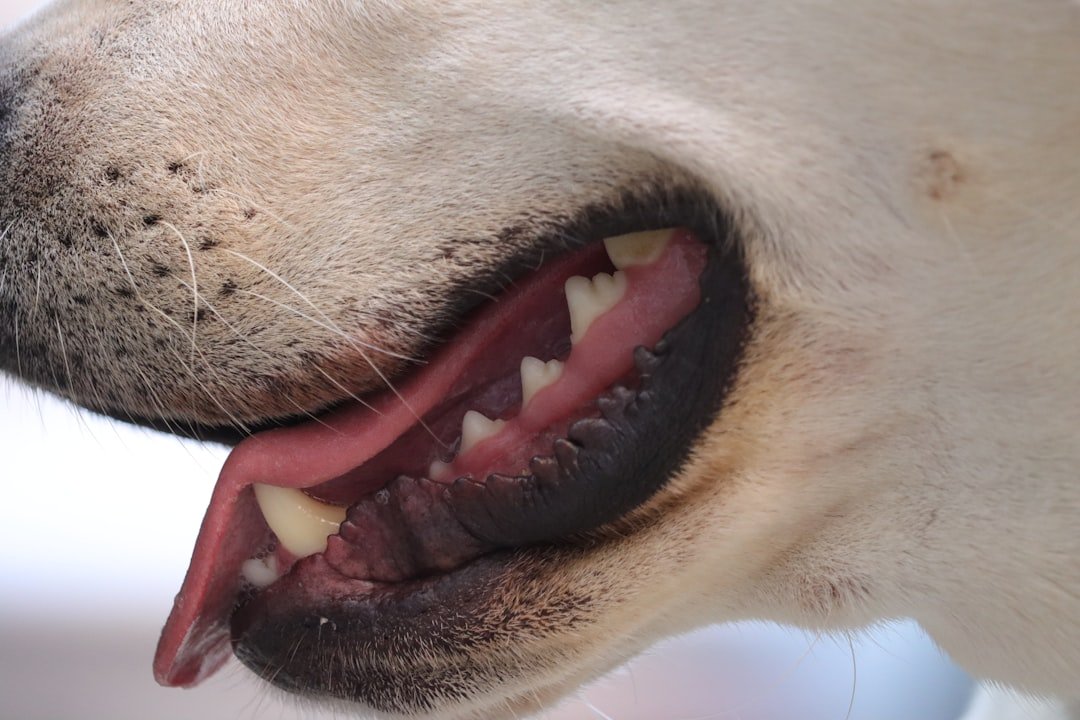
Spot These Critical Warning Signs (Image Credits: Unsplash)
Owners should schedule a veterinary check if they notice specific symptoms tied to oral distress. Early detection prevents escalation into costlier treatments.
- Persistent bad breath
- Broken or loose teeth
- Extra teeth or lingering baby teeth
- Discolored teeth or heavy tartar buildup
- Unusual chewing, excessive drooling, or food dropping
- Diminished appetite or outright refusal to eat
- Pain evident around the mouth
- Bleeding from the mouth
- Swelling near the mouth area
Dr. Susan Crowder, president-elect of the American Veterinary Dental College, stressed the value of routine exams and cleanings in boosting pet well-being.
Prevention Offers Real Savings and Benefits
Proactive steps like home brushing and professional cleanings yield impressive returns. A 2013 Veterinary Pet Insurance analysis showed preventive dental care costs roughly one-third as much as addressing advanced disease.
Studies reveal only 2 percent of dog owners brush their pets’ teeth daily, despite recommendations for regular practice. Owners can start simple routines with veterinary guidance, incorporating approved products, treats, or diets. The AVMA provides a helpful video on home dental care to ease pets into brushing.
Inside a Professional Pet Dental Cleaning
Veterinary dental procedures begin with a detailed oral exam, often including X-rays to inspect roots and jaws hidden below the surface. Cleaning occurs under anesthesia to ensure thorough scaling of plaque and tartar, followed by polishing.
Anesthesia proves essential for safety and precision, as pets resist procedures without it. Most recover quickly and return home the same day. Modern techniques minimize risks, allowing vets to address issues pain-free. For a walkthrough, view the AVMA’s pet dental cleaning video.
Pet owners hold the power to curb this silent epidemic through vigilance and routine care. Preventive measures not only extend comfort but also trim future expenses. Explore more resources at AVMA’s pet dental page, AVDC owner tools, or VOHC guidance.
Key Takeaways
- Periodontal disease hits most pets young, causing pain and systemic risks.
- Watch for nine common signs and act swiftly with vet visits.
- Home brushing and pro cleanings slash costs and enhance life quality.
Simple habits today safeguard tomorrow’s tail wags. What steps will you take for your pet’s smile? Share in the comments.


