

Your dog cannot tell you when something is wrong. They can’t tap you on the shoulder and say, “Hey, I’m struggling.” Instead, they yawn a little too long, they tuck their tail, they pace the hallway at 2 a.m., or they press their whole body against your leg when a stranger walks by. These are whispers, not shouts. Most of us miss them entirely.
The truth is, just because a dog lives in a loving home doesn’t mean the dog feels at home. Dogs can have beds softer than clouds, toy bins overflowing with squeaky things, and bowls filled with premium food, yet still tremble during thunderstorms, bark frantically when left alone, and treat the front door like a portal to doom. In other words, they don’t feel safe. The good news? You can change that, one small habit at a time. Let’s dive in.
1. Build a Predictable Daily Routine
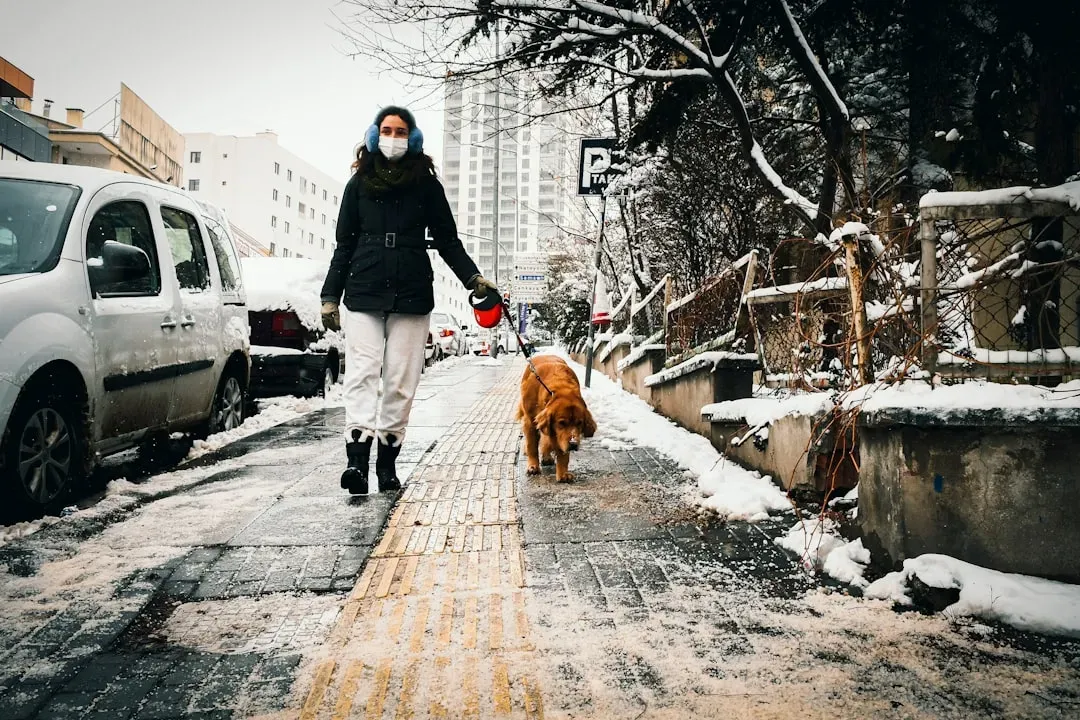
Think of your daily schedule as your dog’s emotional north star. Dogs thrive on routine. The predictability of knowing when they will be fed, walked, or played with gives them a comforting sense of stability. It’s almost like how you feel better on a Monday when you know exactly what the week looks like, versus winging it entirely.
When your pup feels like they can count on you to follow through with their routine, it becomes easier for them to trust you. A consistent schedule also reduces anxiety and can make it easier to train your dog, including potty training. Start simple: same wake-up time, same feeding windows, same walk hours. You’ll notice the difference within days.
2. Create a Dedicated Safe Space
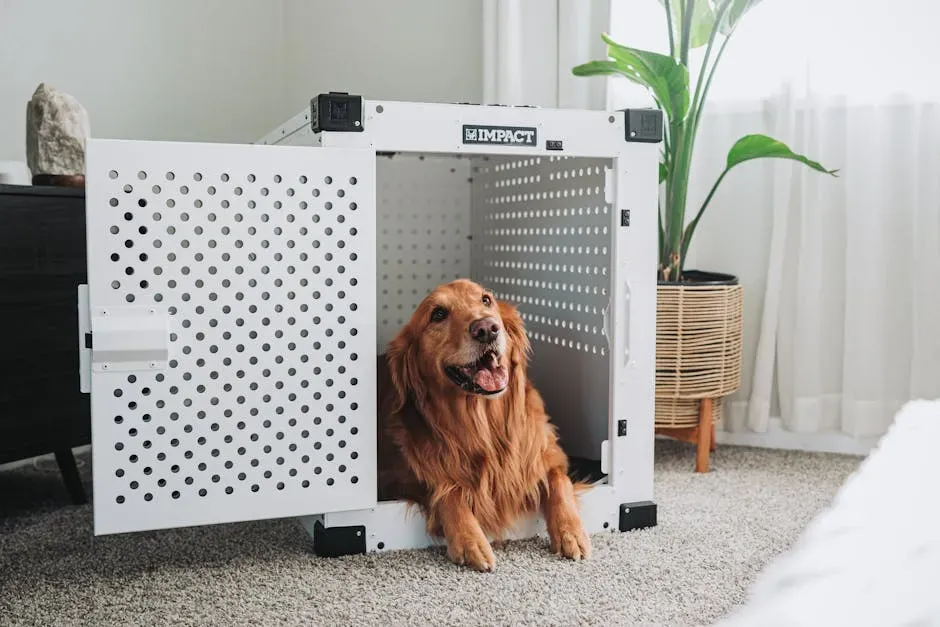
Every dog should have a designated safe zone where they can retreat to feel secure. This could be a cozy corner with a comfortable bed, away from loud noises and high-traffic areas. Providing a sanctuary where they can relax undisturbed is essential for their peace of mind. Think of it as their personal off-duty zone, no chaos allowed.
Crate training is known to make a dog feel more secure. Crates, when used correctly, have the potential to become your pup’s safe haven. It’s a little den for your furry friend. Make sure the area is quiet, away from heavy foot traffic or loud noises, and spacious enough for your dog to stretch out comfortably. Ensure the bedding you choose is soft, durable, and the right size for them.
3. Use Positive Reinforcement Training Every Day
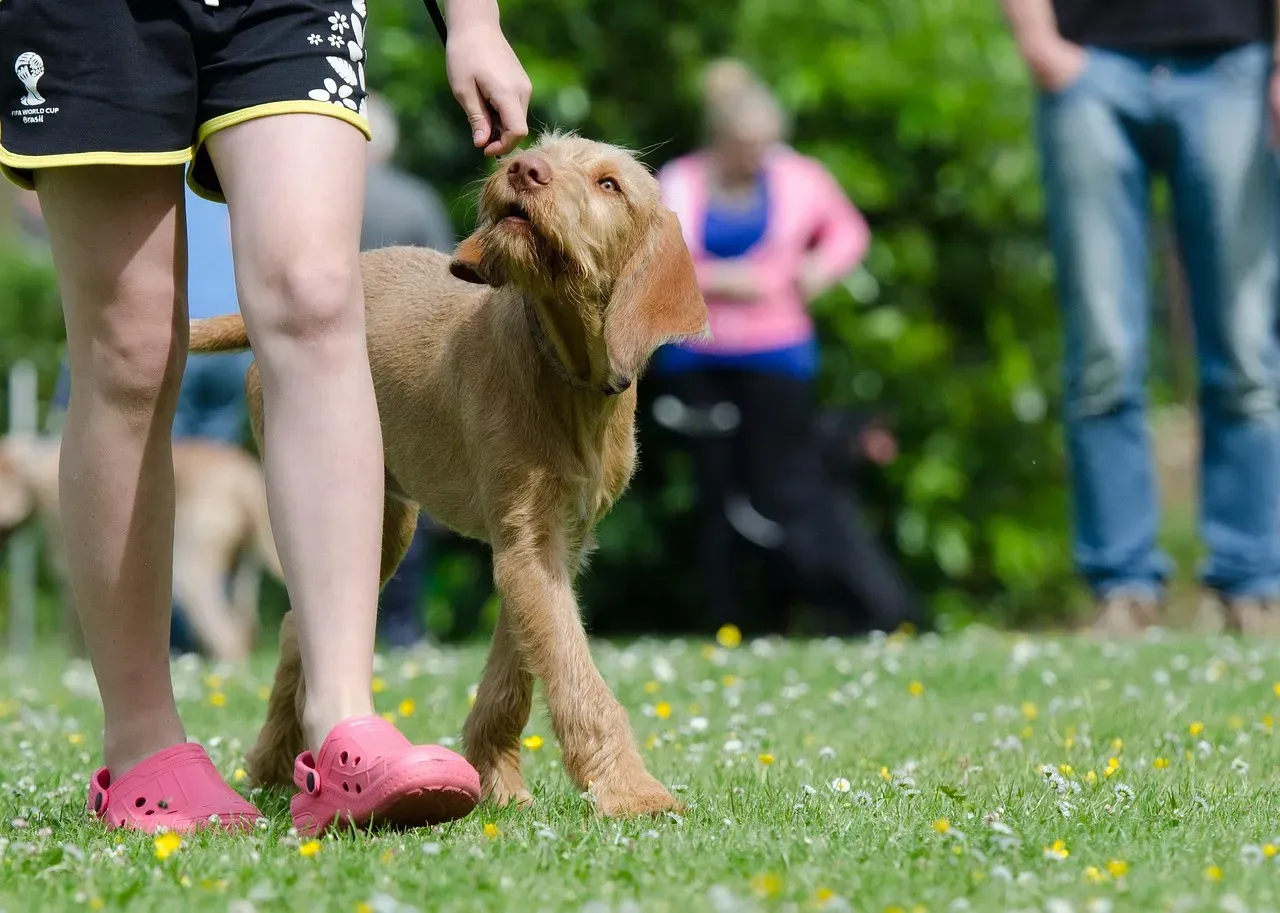
Training your dog using positive reinforcement is not only effective, but it’s also a relationship builder. Rewarding good behavior with treats, praise, or playtime reinforces your bond and creates a safe space for learning. Avoid punishment-based methods, which can damage trust and create confusion or fear. Honestly, nothing erodes a dog’s sense of safety faster than being punished for something they don’t fully understand.
Incorporating training sessions into your dog’s routine is crucial for their mental stimulation and behavior management. Positive reinforcement training, where you reward good behavior with treats or praise, helps build your dog’s confidence and solidifies their understanding of your expectations. Short daily sessions of just five to ten minutes are all it takes.
4. Learn to Read Your Dog’s Stress Signals

Here’s the thing: your dog is talking to you all the time. Dogs yawn when they are tired or bored, and they also yawn when stressed. A stressful yawn is more prolonged and intense than a sleepy yawn. Dogs may also drool and lick excessively when nervous. Learning these subtle cues is genuinely one of the most powerful things you can do for your dog’s wellbeing.
Changes in the eyes and ears are also telling. Stressed dogs may have dilated pupils and blink rapidly. They may open their eyes wide and show more sclera than usual, giving them a startled appearance. Their ears may be pinned back against their head. Recognising fear or anxiety in your dog can help you resolve or avoid situations they find difficult. If you can spot the first signs early, you can help your dog avoid the things that worry them.
5. Commit to Regular Exercise and Mental Stimulation
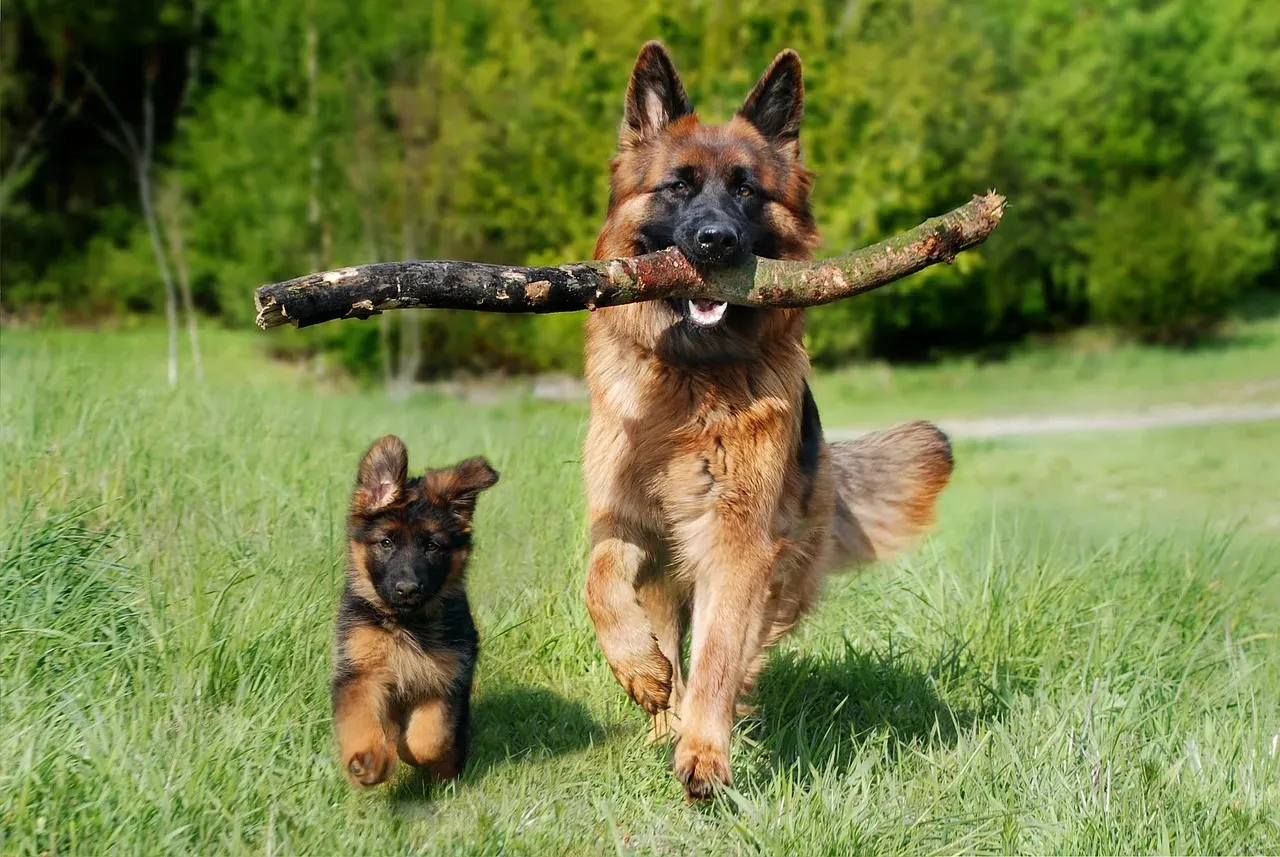
A well-exercised dog is generally a happier and more content dog. Regular physical activity can reduce stress and anxiety, helping them feel more secure. Make sure your dog gets enough exercise each day through walks, playtime, or interactive toys. Think of exercise as therapy without a co-pay. It works for them the same way a good run works for you after a stressful day.
Consistency and predictability in routine, paired with plenty of exercise and mental stimulation appropriate to the dog’s age, breed, interests, and health, are all key to preventing anxiety and chronic stress. Puzzle feeders, scent games, and new walking routes are all great mental workouts. A tired, stimulated dog is a secure dog.
6. Socialize Thoughtfully and Consistently

Proper socialization is crucial to ensuring your dog feels comfortable around different people, animals, and environments. A well-socialized dog is less likely to develop behavioral issues such as fear or aggression. From a young age, introduce your dog to a variety of situations, such as meeting new people, other dogs, or visiting different places. Think of it as expanding their comfort zone, one gentle experience at a time.
Throughout a dog’s life, even for senior dogs, it’s important to continually work on socializing. Positive interactions with other dogs, children, and new situations will make them much more trusting and adaptable, and less prone to behavioral problems. Socialization should always be done in a controlled, positive manner. Introduce new experiences gradually to avoid overwhelming your dog. Slow and steady genuinely wins this race.
7. Make Physical Touch a Positive Experience
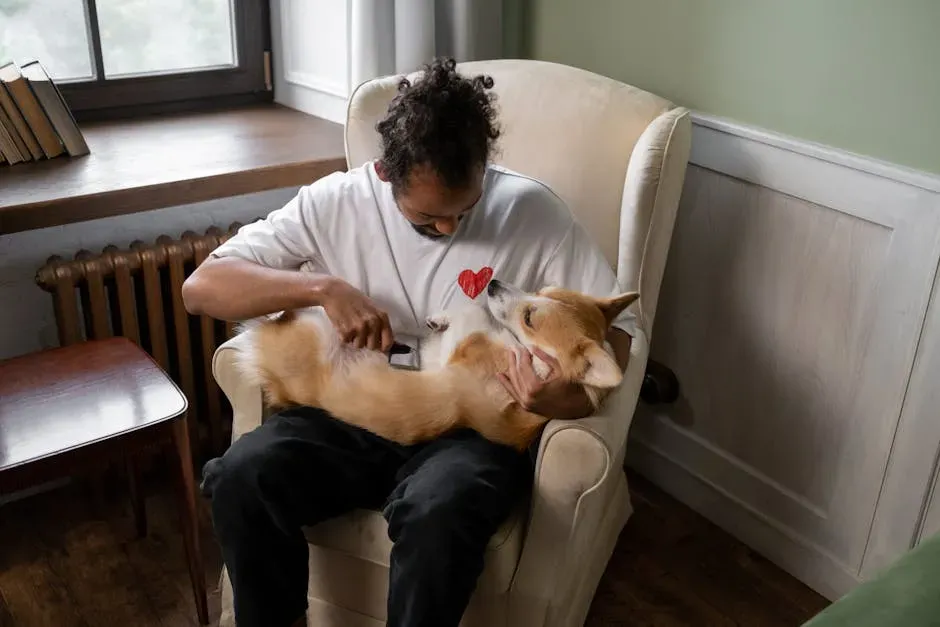
Regular brushing, gentle petting, or massage not only keeps your dog healthy, but it also reinforces your bond. Touch builds trust and comfort, especially when it’s paired with positive experiences. Take time to learn how your dog likes to be handled. Some love belly rubs, while others prefer ear scratches or just being near you. It sounds simple, but getting this right matters more than most people realize.
The best time to practice handling is when your dog is calm, like after playtime or a meal. Watch for signs of stress, like yawning, lip licking, or a stiff body, and stop if they seem uncomfortable. Always keep handling positive by using treats and going slow. Helping your dog feel relaxed and comfortable with touch makes vet visits, baths, and everyday care much easier for both of you.
8. Be Your Dog’s Emotional Anchor

Research has found that dogs’ attachment to their human caregivers functions similarly to how a child forms attachments to a parent. This makes perfect sense, considering how dogs rely on us to meet their basic needs. When dogs form a healthy bond with their caregivers, they feel confident enough to explore the world, knowing they have a trustworthy base to return to when things get overwhelming or scary. You are literally their safe place.
A dog who is domesticated and lives in a loving home isn’t automatically emotionally secure. A dog’s sense of safety isn’t something that comes factory-installed. It must be built, moment by moment, through a relationship grounded in trust. Stay calm during storms. Stay consistent during hard weeks. Your regulated energy communicates safety to them louder than any treat ever could.
9. Play Calming Music and Manage the Home Environment

A 2017 study found that playing soft rock or reggae helped kenneled dogs reduce stress. It sounds almost too easy, right? Yet the science backs it up. If you live in a chaotic home with young children, people constantly coming and going, or other pets present, there is a good chance your dog will take on that stress and may start to exhibit insecure behaviors.
Supplying a suitable environment for your pet is a great way to make them feel safe. Make sure you are setting your dog up for success by providing an environment that will keep them safe. This should include a secure crate, a comfortable dog bed, and effective ventilation and temperature control. Small adjustments to your home environment, like reducing clutter, lowering noise, and offering a scented blanket, can make an enormous difference to your dog’s overall sense of calm.
The Takeaway: Safety Is Built, Not Bought
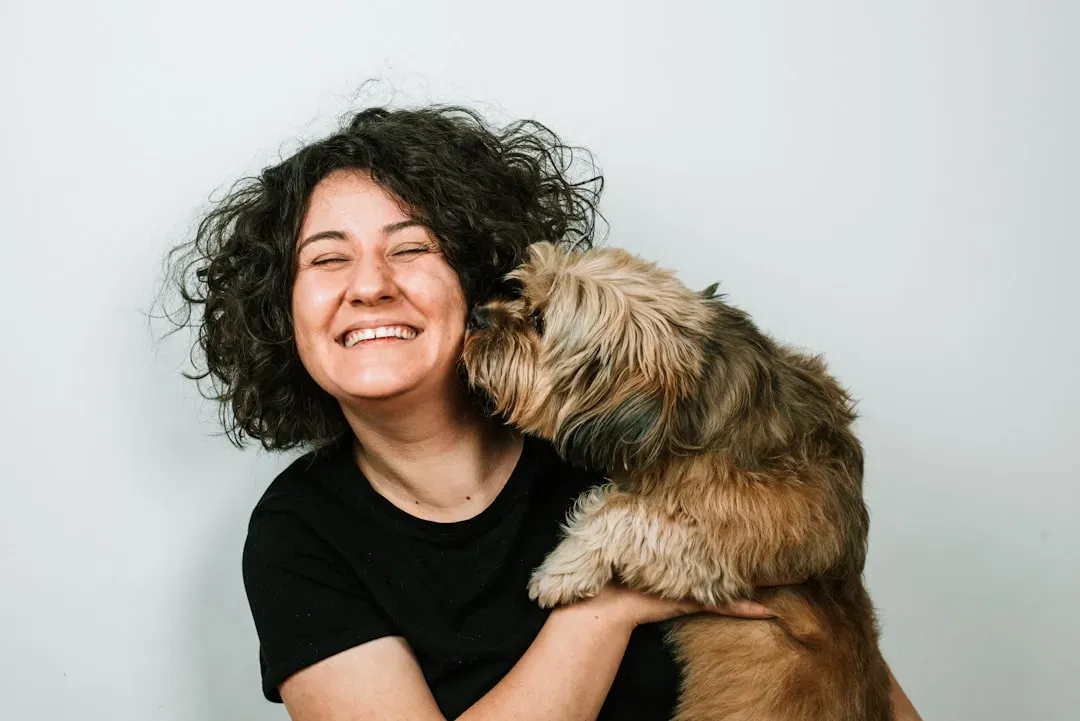
You don’t need expensive gadgets or complicated training programs to make your dog feel genuinely safe. What you need is consistency, empathy, and a willingness to see the world through their eyes. Dogs are remarkably resilient and forgiving. They can bounce back, and their secure attachment can be rebuilt with patience and empathy.
Every walk you take at the same time, every calm voice during a thunderstorm, every moment you let them retreat to their cozy corner without interruption, all of it adds up. The bond between you and your dog is built on trust, communication, and love. By understanding their language, training with kindness, and showing up every day as their advocate and friend, you’ll create a connection that lasts a lifetime.
Your dog is already trying to feel safe. All they need is you to meet them halfway. So here’s a question worth sitting with: which of these nine habits will you start with tonight?


