
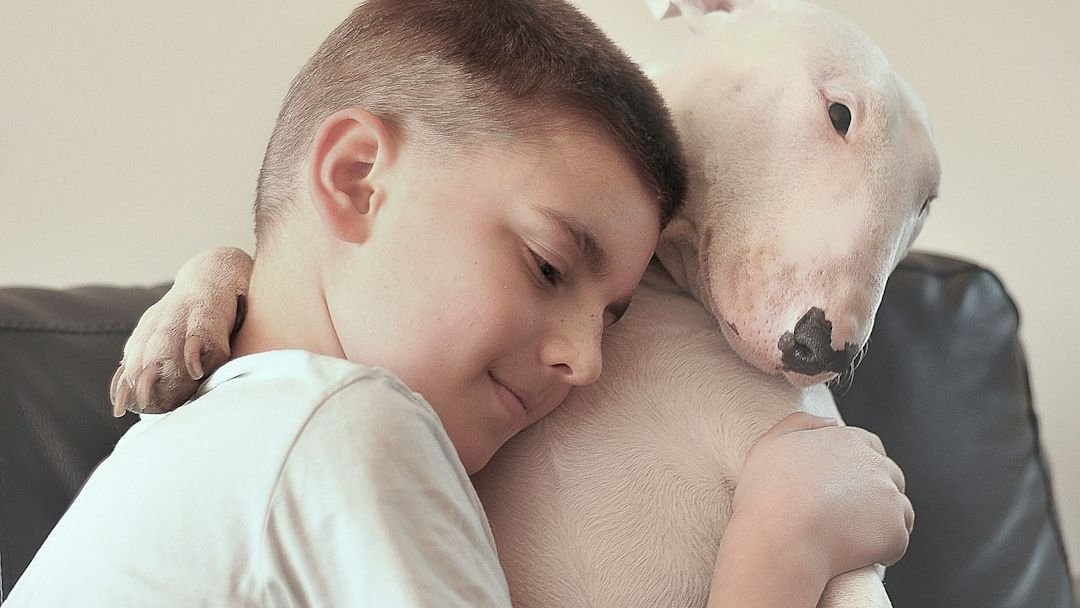
Have you ever looked into your dog’s eyes and felt that there’s so much more going on behind them than you could ever fully understand? Our dogs live such full lives in the time we share with them, packing years of devotion into what feels like a heartbeat. When their final days approach, something shifts. They seem to know, on some instinctual level, that their journey is ending. What happens next is both heartbreaking and beautiful.
Let’s be real here. Talking about our dog’s final days isn’t easy. Most of us would rather avoid the subject altogether, preferring to focus on the happy moments of belly rubs and enthusiastic tail wags. Yet understanding what your dog might do as they near the end helps you recognize these precious moments for what they truly are: gifts of love, wrapped in behaviors both subtle and profound. So let’s dive in and explore these touching acts.
They’ll Seek Your Presence Like Never Before
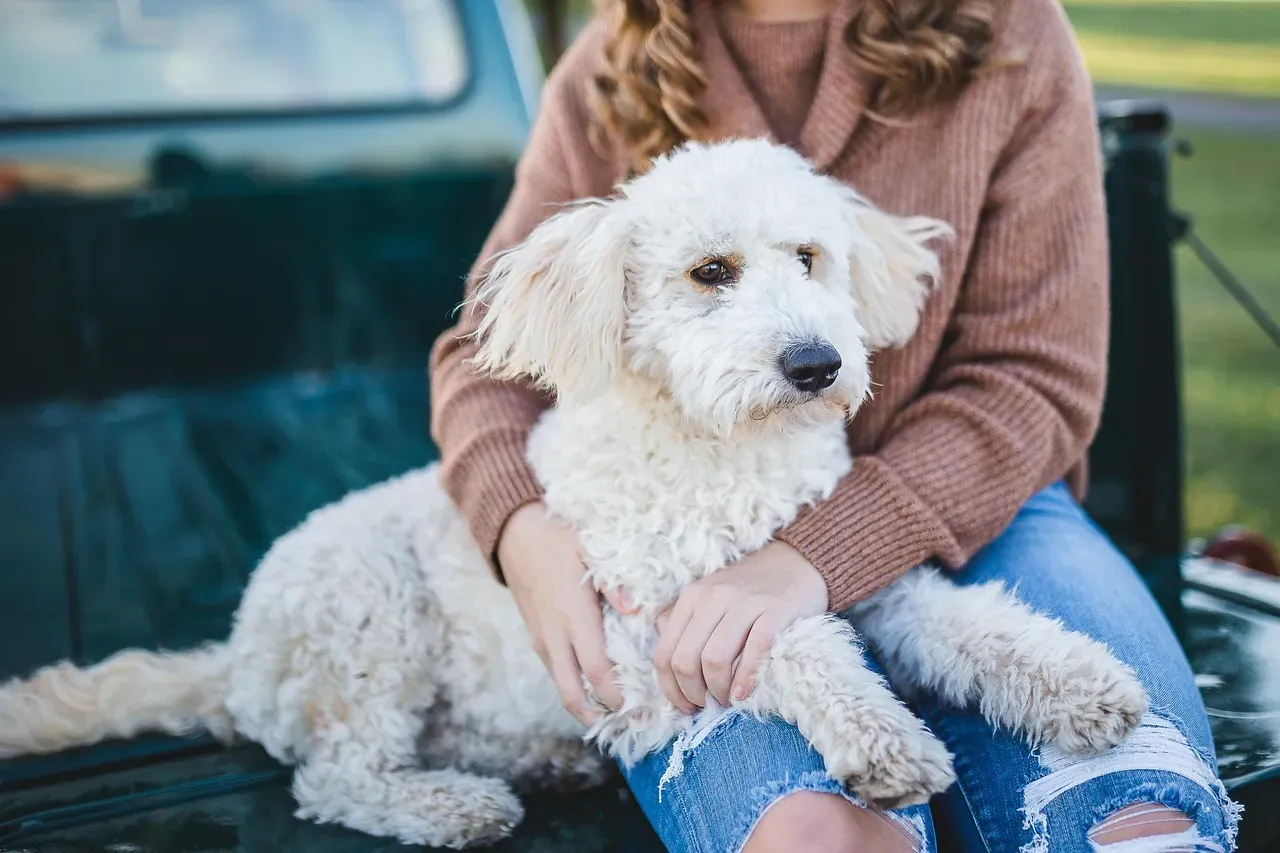
Some dogs become excessively clingy in their final days, constantly seeking attention and following you from room to room. It’s hard to miss this shift when it happens. Your previously independent companion suddenly can’t bear to let you out of their sight. They might press themselves against your legs while you’re cooking dinner or paw at your hand when you stop petting them for even a moment.
This increased need for security and comfort is a natural response to their weakening state. Think of it as your dog’s way of saying they need you now more than ever. They’re not being needy in an annoying way; they’re reaching out for the comfort only you can provide. Your touch, your voice, your scent – these become anchors in a world that’s growing increasingly uncomfortable and confusing for them.
Or They’ll Find a Quiet Corner to Be Alone

Here’s the thing that surprises many dog owners: not all dogs become clingy at the end. Some dogs seek out the comfort and company of their humans, while others become more solitary and seek quiet corners to be alone, with some seeming to know when they are about to die and wandering off to a secluded location. You might find your beloved companion tucked under a bed, behind the couch, or in a closet they’ve never shown interest in before.
As their body temperature regulation changes or their urge to feel safer increases, dying dogs start seeking unusual places to rest, including under furniture, in closets, and in other secluded spots. This behavior traces back to their ancestral roots. If a wolf was sick or slowed by old age, staying with the pack could endanger the rest, so they would go off alone to die. Your dog isn’t trying to hurt your feelings by withdrawing. They may actually be trying to protect you in their own way.
They’ll Stop Eating Their Favorite Treats
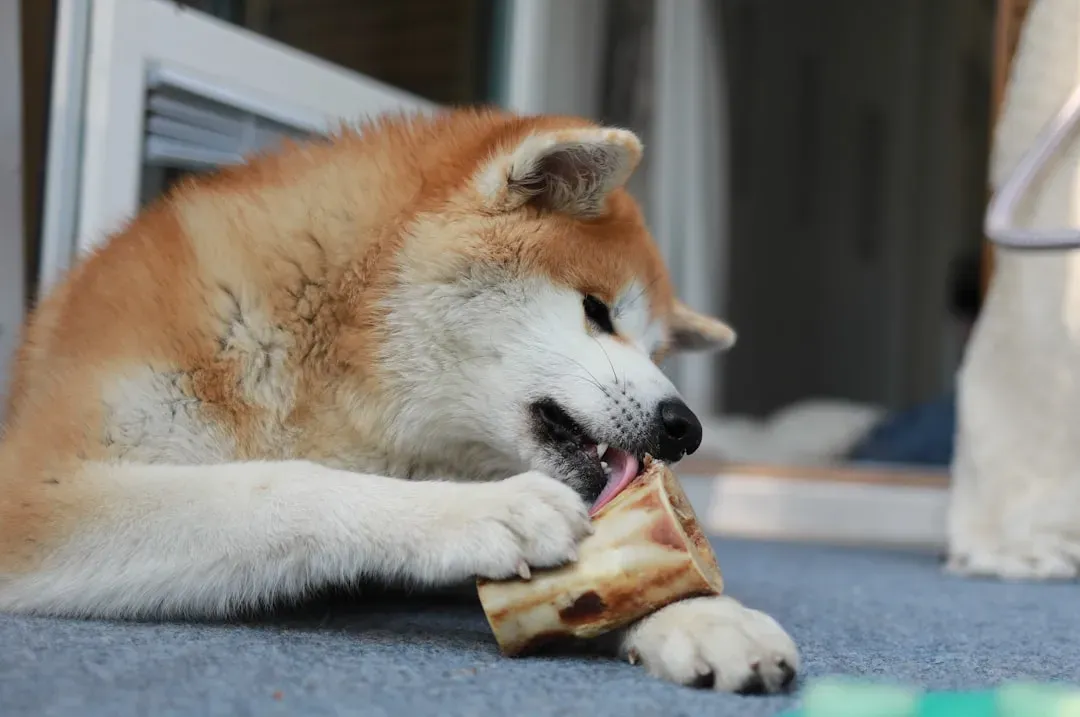
Remember how your dog used to go absolutely bonkers for that special treat or their dinner time? It is common for dogs to lose interest in food and water in their final days, particularly if they are experiencing nausea or pain. When a dog who’s always been food motivated suddenly turns their nose up at even the most tempting offerings, it’s one of the clearest signals that something has fundamentally changed.
At the end of life, organs start shutting down, and as a result, the brain just stops sending hunger and thirst signals because there’s no point in taking in food and water that can’t be digested. You might try everything – warming up their food, offering different textures, even breaking all your usual rules about table scraps. Still, they just can’t muster the interest. It’s not stubbornness. Their body is simply preparing for what comes next.
They’ll Show You They’re Uncomfortable Without Complaining
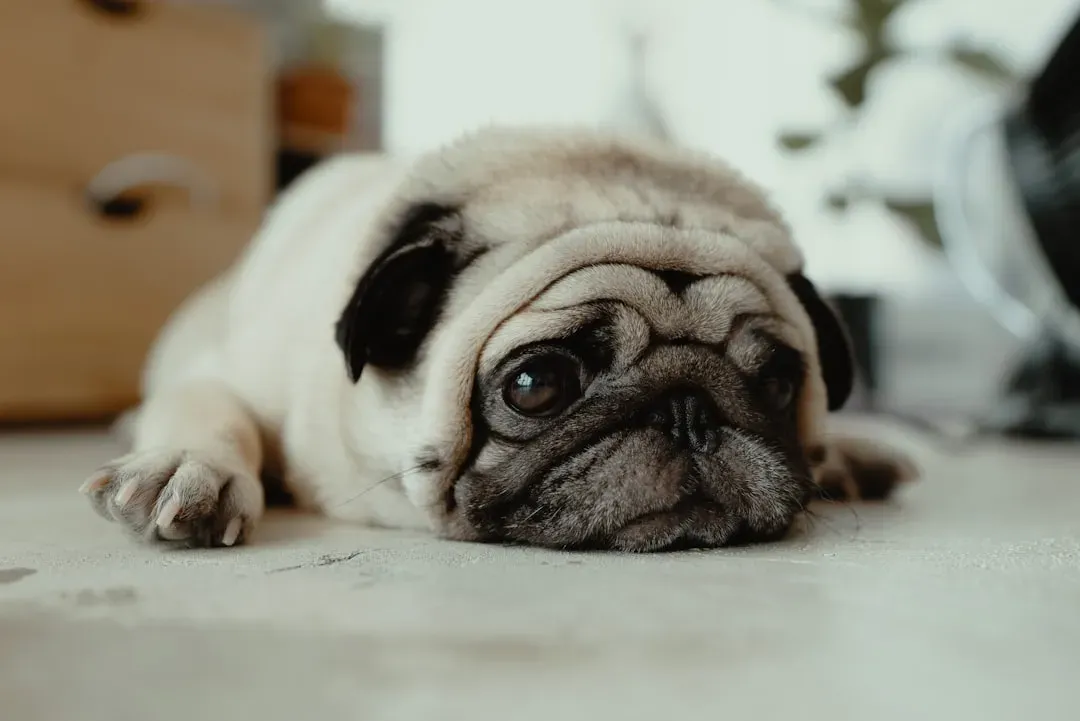
If your dog is in pain, they may remain hidden or become reluctant to interact with the family, seem to be panting more than usual or trembling, and you may notice other signs of pain like irritability, restlessness or aggression. Dogs are remarkably stoic creatures. They’ve evolved to hide pain and weakness, which means by the time you notice discomfort, they’ve likely been dealing with it for a while.
Watch for the subtle signs. Maybe they shift positions more frequently than usual, unable to get comfortable. Perhaps they’re panting when they shouldn’t be, or their eyes have taken on a distant, glazed quality. When feeling discomfort, some dogs may sleep more than usual or seek out new resting places for comfort, which they may then be reluctant to leave. They’re trying to tell you something without words, hoping you’ll understand and help ease their suffering.
They’ll Lose Control of Bodily Functions
This one is tough for both dog and owner. Incontinence is fairly common in senior dogs and can occur for a variety of reasons, with some dogs peeing or pooping in their sleep, while others may dribble urine or even defecate as they walk without seeming to notice. Your house-trained companion who took such pride in their good behavior suddenly can’t make it outside in time, or worse, doesn’t even seem aware it’s happening.
Incontinence can be upsetting for dogs because they naturally don’t want to soil the house, so be compassionate and never scold your dog for these accidents, as that will only increase their distress. Honestly, your dog is probably more embarrassed about this than you are frustrated. They remember the rules. Their body just can’t follow them anymore. This is your chance to show them the same patience and understanding they’ve shown you throughout their life.
They’ll Struggle With Movement That Used to Be Easy
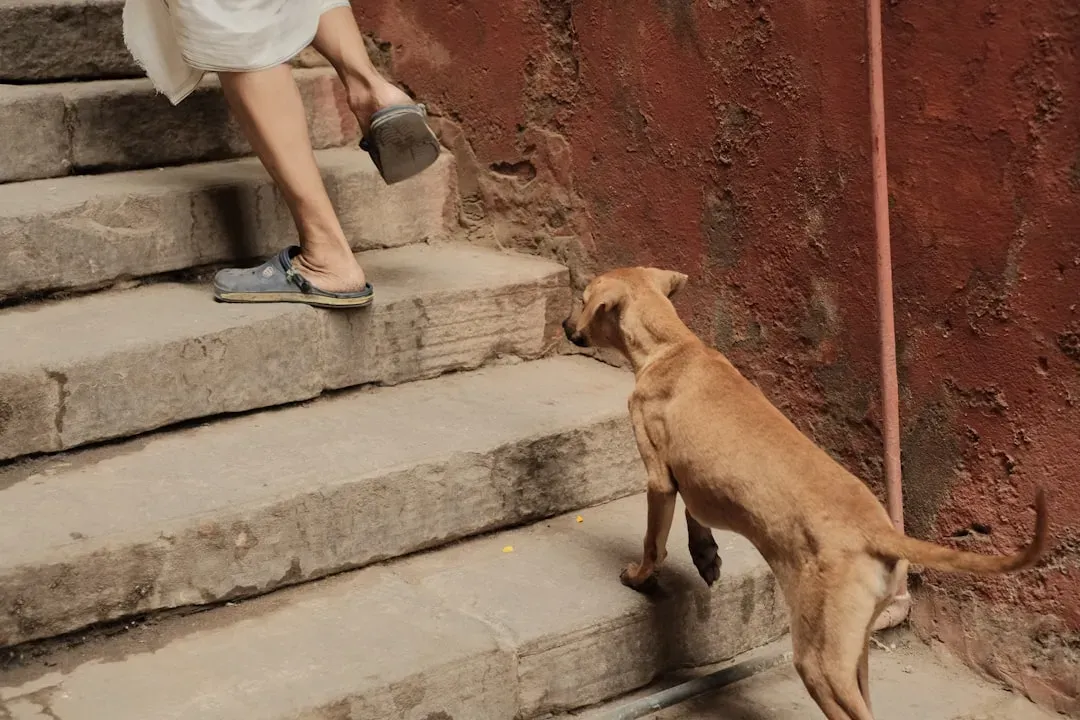
Decreased mobility and coordination often worsen with age, but this can be exacerbated as a dog grows weaker in their final days, as they may struggle to keep up with daily routines or be unable to get up to participate in their usual activities, with many dogs needing assistance from their owners during this time. That jump onto the couch they’ve made a thousand times becomes impossible. Walking to their water bowl takes tremendous effort.
Dogs that are near the end of their life often become very disoriented, so if your dog does get up and move around, they may stumble, wobble, or collapse. You might need to support them when they go outside or even carry them. It’s heartbreaking to watch your once-energetic companion reduced to such frailty. Yet in accepting your help, they’re showing you trust and love. They’re letting you care for them the way they’ve always cared for you.
They’ll Sleep More and More Each Day
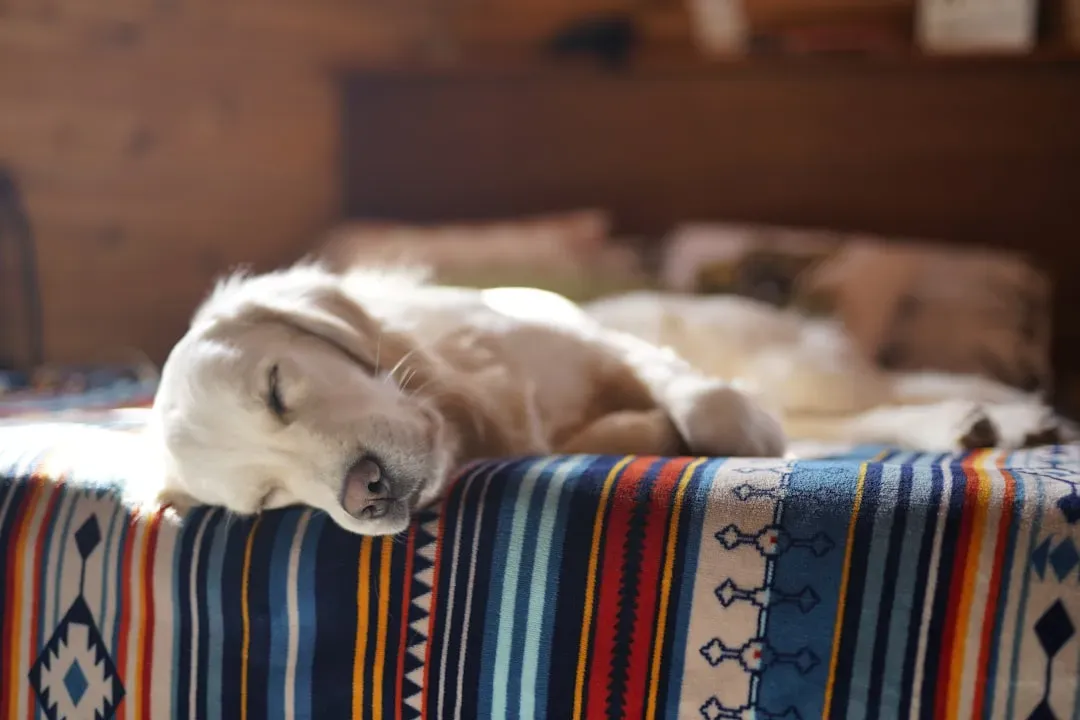
As a dog nears their end of life, they will usually sleep more and become disinterested in going for walks or other usual activities. The walks get shorter. The playtime dwindles. Eventually, your dog spends most of their day sleeping, conserving what little energy they have left.
Dogs may sleep more frequently and for longer durations, reflecting their increasing fatigue and decreasing energy levels, though some dogs may experience restlessness and difficulty settling down, with these changes due to discomfort, pain, cognitive decline, or disrupted physical functions. You might find yourself sitting beside them, just watching them breathe. Those quiet moments together, even when they’re asleep, become incredibly precious. They’re resting, but they still know you’re there.
They’ll Look at You With Those Unforgettable Eyes
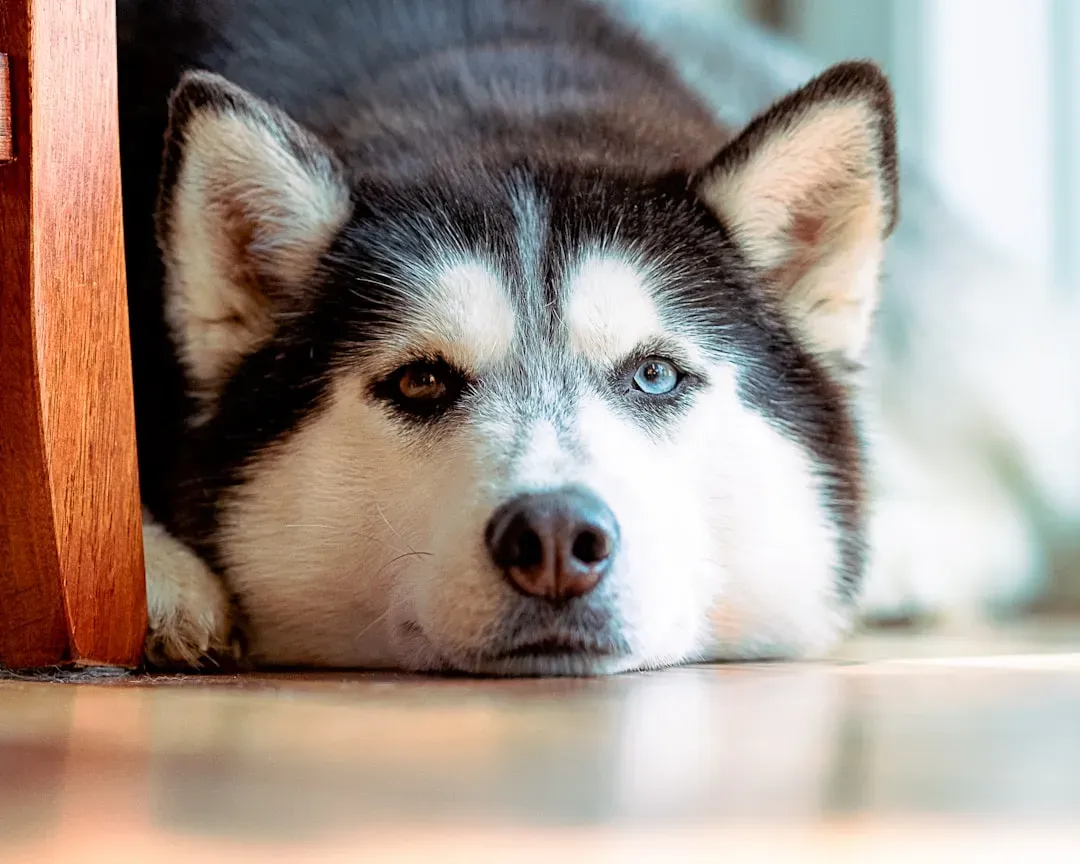
There’s something about the gaze of a dying dog that stays with you forever. Experts say some dogs may be seeking out their owners to say goodbye before they go, and they may come with renewed energy they haven’t been demonstrating for a few days, but their eyes are sad. It’s almost like they’re trying to memorize your face, to hold onto the image of the person who meant everything to them.
Hearing is the last sense to go, with smell being the strongest sense in dogs and possibly the last sense to go for them. Even when they can barely move, they’ll track you with their eyes. They want to see you, to know you’re near. These looks aren’t asking for anything except your presence. They’re thanking you, remembering you, loving you with every fiber of their being.
They’ll Give You One Last Moment of Connection
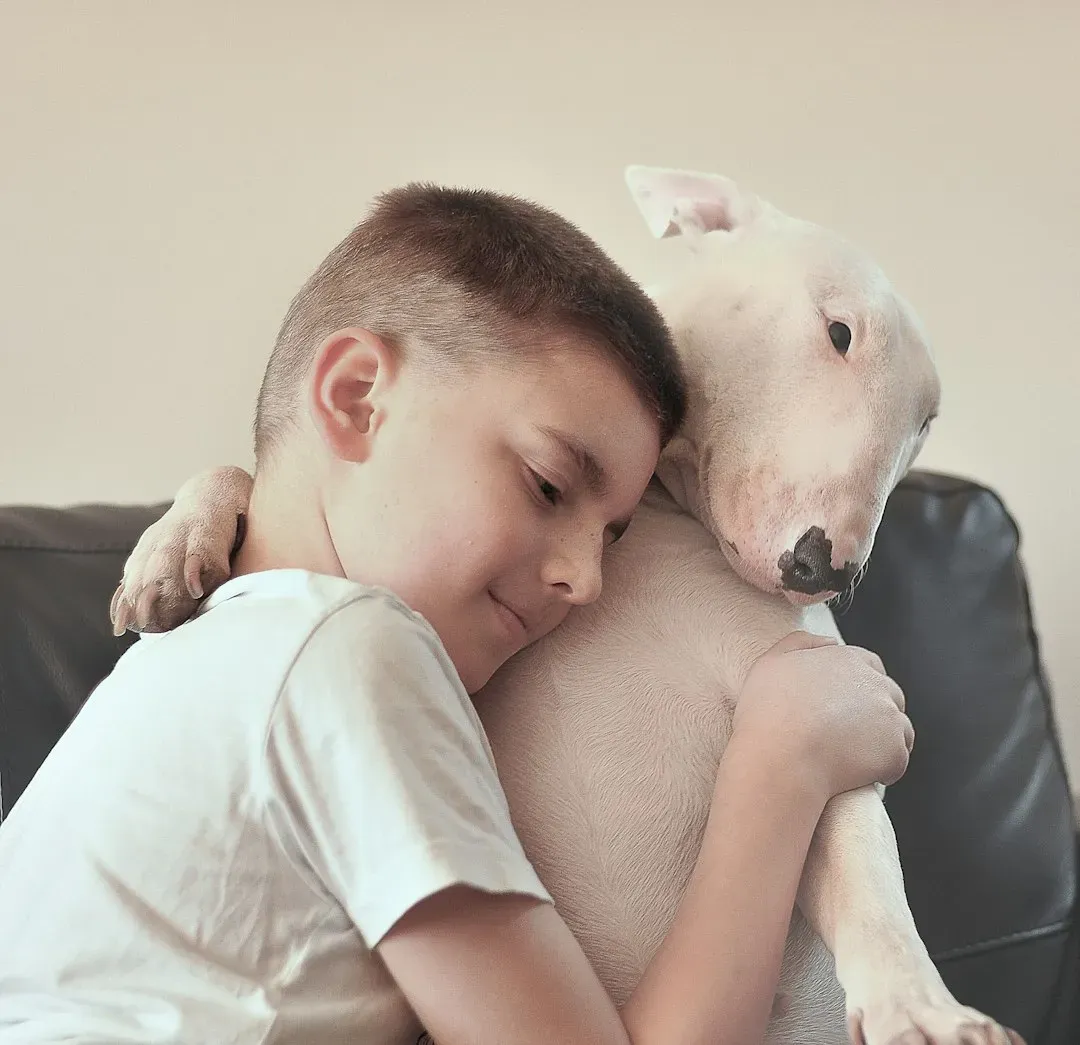
Some pet owners have observed behavior at the end of life that could be a dog communicating their goodbye, like seeking out extra companionship or solitude. Sometimes there’s a final lucid moment, a brief return of the dog you’ve always known. Their eyes brighten. They might wag their tail weakly or lick your hand one more time. It’s fleeting but unmistakable.
They may seek out comfort as they are fading away, with some dogs wanting you to pet them before they die, or cuddle them until the last moment, though in some cases, dying dogs can withdraw from their surroundings and avoid attention. This is their way of saying goodbye, of letting you know that despite everything, the love between you remains unbroken. Hold onto that moment. Let it sustain you through the grief that follows.
Conclusion: The Gift of Goodbye
Dogs are likely not scared or sad as they pass, and may even feel bliss or awe. There’s comfort in that thought, isn’t there? While we ache with the loss, they may be experiencing something peaceful, even beautiful.
The behaviors your dog shows at the end aren’t random. They’re messages, each one a testament to the bond you’ve shared. When you recognize these signs for what they are, you give yourself the gift of presence. You show up for your dog in their most vulnerable moments, just as they’ve shown up for you countless times before.
Remember your dog not just for how they died, but for how they lived and loved. What do you think is the most meaningful way to honor your dog’s memory? Share your thoughts in the comments below.


