
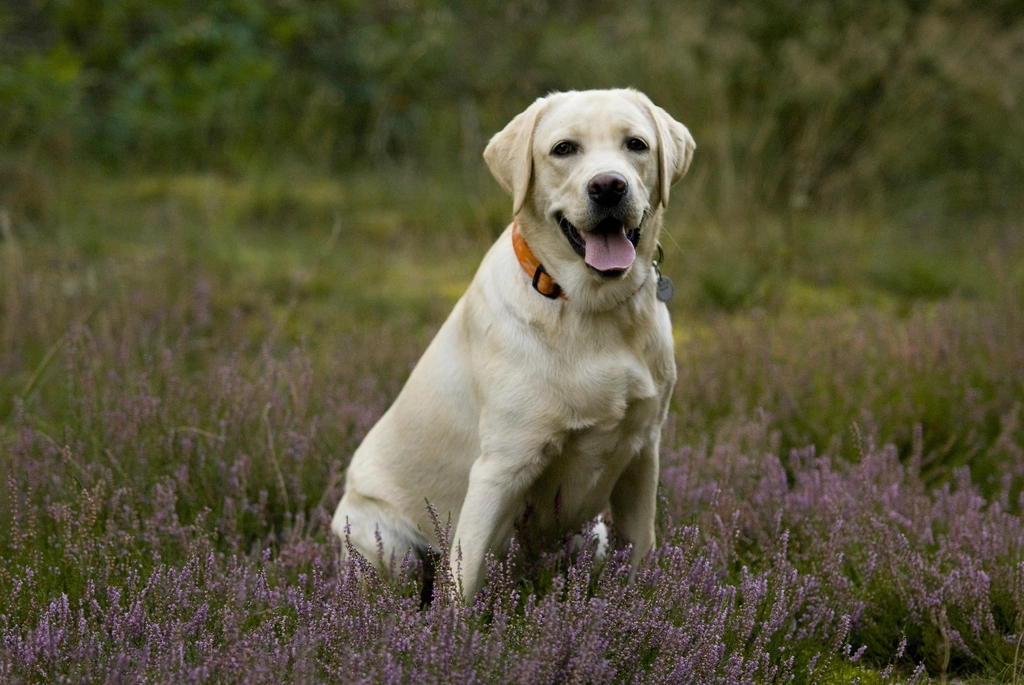
Is your Labrador bouncing off the walls one moment and flopping down the next? Labradors are famous for their boundless energy, wagging tails, and playful spirits, but sometimes their enthusiasm can be a handful. Every Labrador lover knows the struggle—keeping that energy balanced so your furry best friend stays happy, healthy, and out of trouble. Imagine a day where your Lab enjoys playtime, relaxes calmly by your side, and sleeps soundly at night. Sounds like a dream? It’s absolutely possible! Let’s dive into practical, heartwarming tips to help keep your Labrador Retriever’s energy levels just right, nurturing both their mind and body while making your bond even stronger.
Understand Your Labrador’s Unique Needs

Labrador Retrievers are bursting with enthusiasm, loyalty, and a zest for life that’s hard to match. Whether they’re chasing tennis balls, exploring trails, or just wagging their tails at the sound of your voice, their energy seems endless. But even Labs need balance—too little activity can lead to boredom and mischief, while too much can wear them down. The key? Finding the sweet spot between mental stimulation, physical exercise, and proper rest.
Labradors are not just any dogs—they’re athletes at heart, bred for retrieving and hard work. It’s crucial to recognize that their energy isn’t a flaw, but a natural part of who they are. Every Lab has its own rhythm, but most need more activity than the average pup. Recognize the difference between playful excitement and restless boredom. Watch for signs like chewing, barking, or digging, which often signal unspent energy. By understanding your Lab’s individual temperament, age, and health, you can tailor their daily routine for the perfect balance. Remember, a one-size-fits-all approach rarely works for this lively breed. Tune into your dog’s signals and adjust accordingly.
Establish a Consistent Exercise Routine
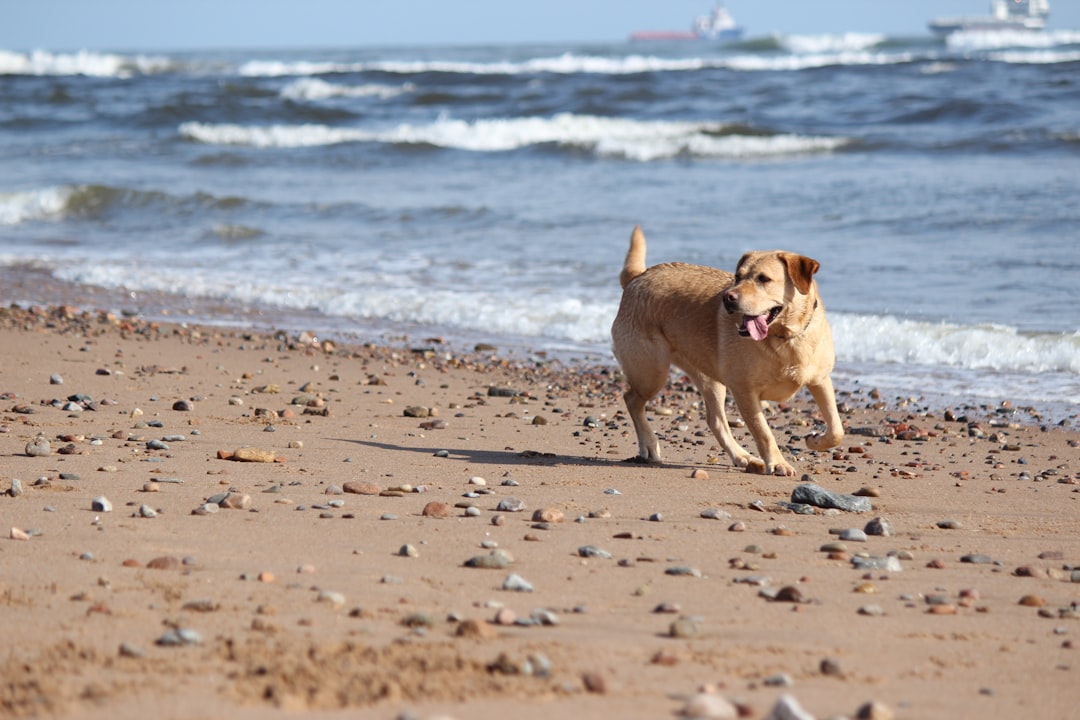
Consistency is the secret ingredient for a balanced Lab. These dogs thrive on routine, so aim for at least two brisk walks or active sessions every day. Exercise isn’t just about burning off steam—it helps regulate hormones and keeps your Lab’s mind sharp. Vary your walks with different routes and speeds to keep things interesting. If possible, add swimming to the mix—most Labs adore the water! Think of exercise as a daily “reset button” for your dog’s mood and energy. Skipping regular activity can quickly lead to pent-up energy, making your Lab harder to handle. Find a rhythm that fits your lifestyle and stick to it, rain or shine.
Mix Up Playtime with Mental Challenges
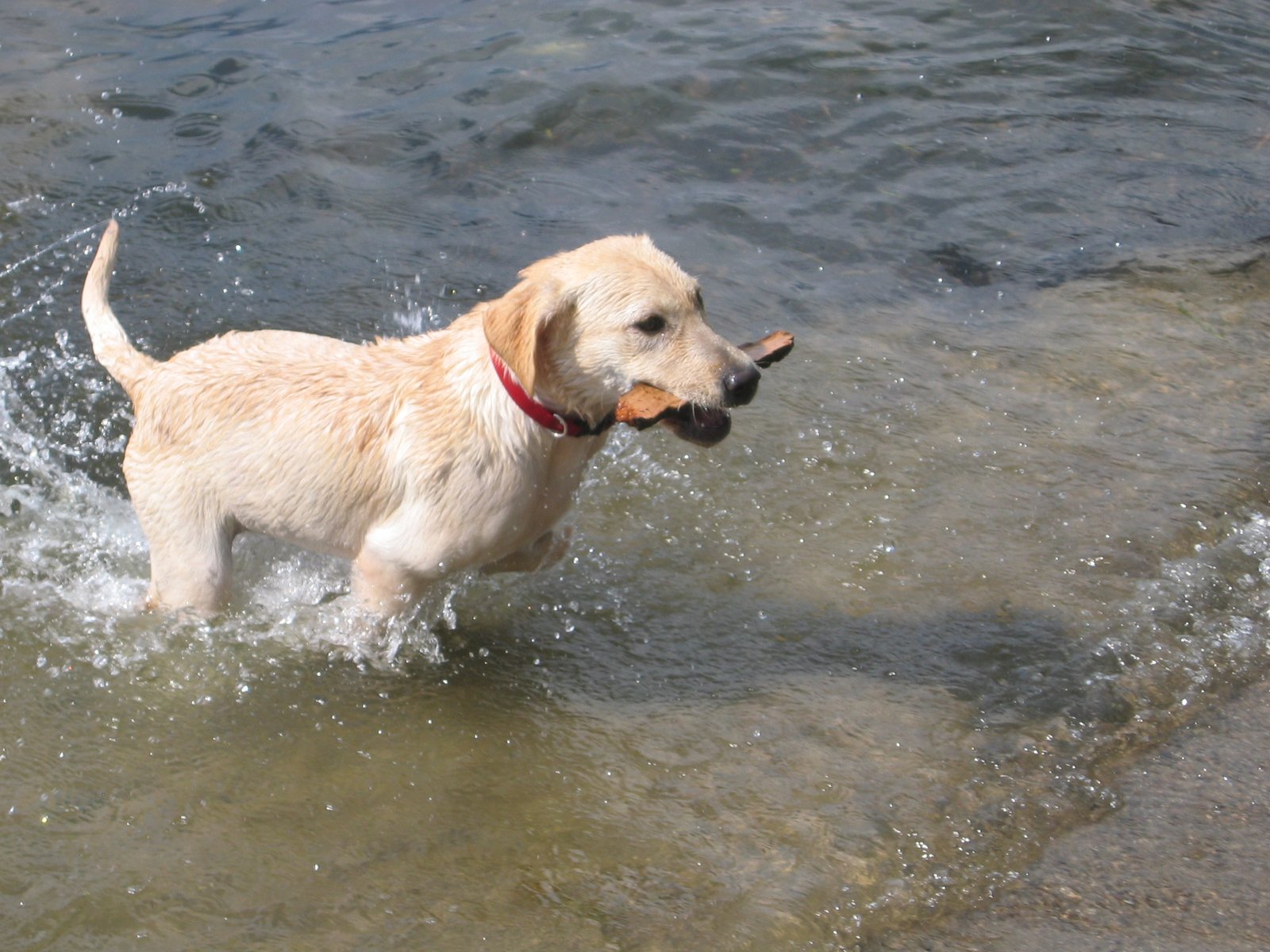
Physical activity is important, but don’t forget your Lab’s brain is just as hungry for stimulation. Switch up fetch or tug-of-war games with puzzles and interactive toys. Hide treats around the house or teach new tricks to keep their mind engaged. Even five minutes of training games can tire them out more effectively than a long walk. Labs are incredibly smart and eager to please, so mental challenges make them feel accomplished and calm. Rotate toys and puzzles often to keep things fresh and exciting. When their brain is working, their body relaxes—imagine it like solving a tricky riddle before enjoying a cozy nap.
Set Clear Boundaries and Rules
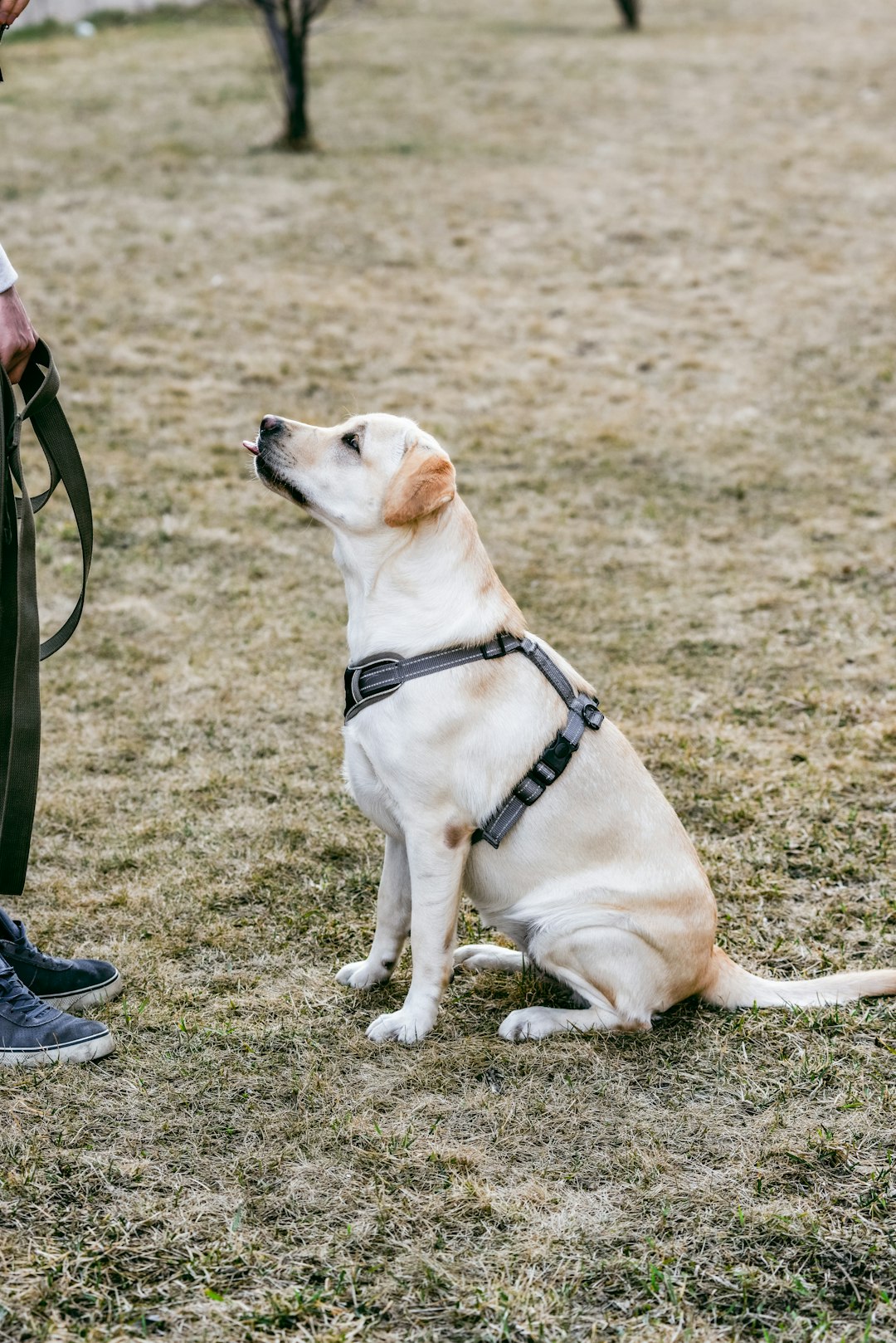
Labradors are friendly and eager, but they need guidance to understand what’s expected of them. Set clear boundaries in the home, such as not jumping on guests or waiting patiently at the door. Consistent rules help reduce anxiety and hyperactivity because your Lab knows exactly what will happen next. Use positive reinforcement like treats or praise when your Lab follows the rules. Avoid harsh discipline—Labradors respond so much better to encouragement and patience. When boundaries are clear, your dog can relax, knowing you’re in charge. Think of it as giving your Labrador a “safe lane” to run in, rather than letting them zigzag all over the place.
Feed a Nutritious, Balanced Diet

What your Labrador eats has a massive impact on their energy levels. Choose high-quality dog food with the right balance of proteins, fats, and carbohydrates. Avoid foods with lots of fillers or artificial ingredients, which can lead to energy spikes and crashes. Portion control is important too—overfeeding can make your Lab sluggish, while underfeeding might leave them restless and hungry. Ask your vet about the best diet for your dog’s age, weight, and activity level. Treats are great for training but keep them healthy and in moderation. Remember, just like people, Labs feel and behave better when they eat well.
Give Plenty of Social Interaction

Labradors are famously social, loving nothing more than spending time with their family and friends. They crave connection—whether it’s cuddling on the sofa or romping with other dogs at the park. Regular socialization helps burn off excess energy and keeps them emotionally balanced. Invite friends with dogs for playdates, or visit dog-friendly spots where your Lab can meet new pals. Be sure to supervise interactions to keep things safe and positive. A lonely Labrador often becomes bored and mischievous, while a well-socialized one is happier and calmer. Think of social time as “emotional exercise” for your Lab.
Schedule Downtime and Rest Periods

It might sound surprising, but rest is just as important as activity for your Labrador. All that play can leave them overstimulated if they don’t have time to unwind. Create a cozy, quiet spot where your Lab can relax undisturbed. Encourage downtime after meals or walks, using gentle cues like a soft voice or a favorite blanket. Don’t worry if your Lab seems to nap a lot—that’s perfectly normal after a busy day. Balancing active moments with calm ones reduces stress and helps your dog recharge. Think of it as the “yin and yang” of Labrador life—play hard, rest well.
Watch for Signs of Overexertion or Understimulation
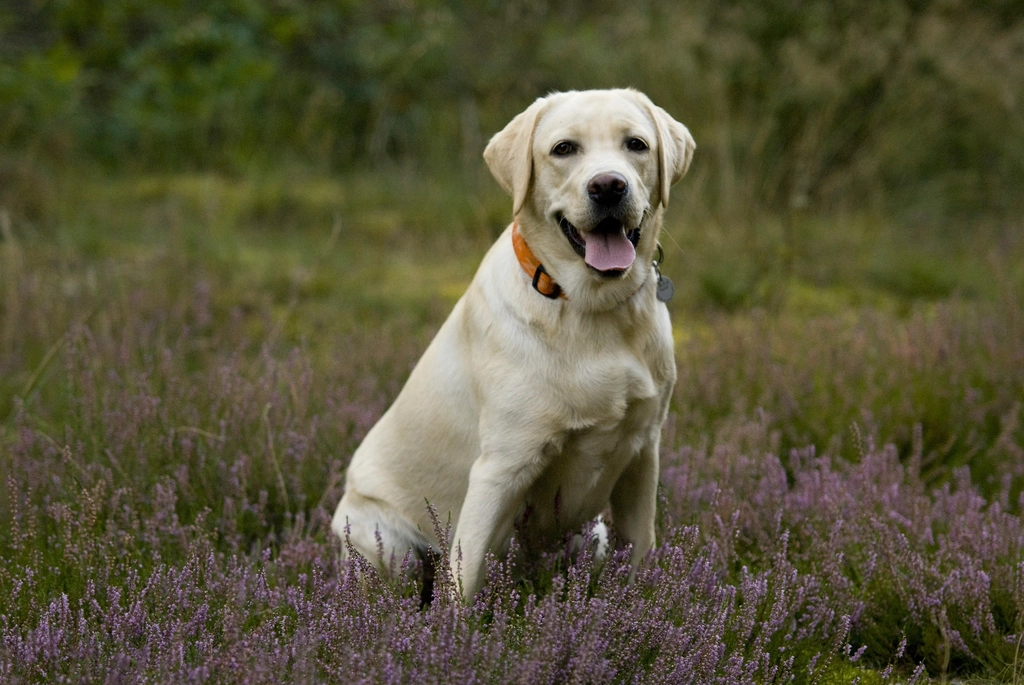
Finding the perfect balance means being vigilant for subtle clues from your dog. Overexertion might show up as excessive panting, limping, or reluctance to move. On the flip side, understimulation can appear as destructive behavior or constant begging for attention. Adjust your routine if you notice these signs, adding or reducing activity as needed. Check in with your vet if you’re unsure what’s normal for your dog’s age and health. Remember, every Labrador is unique—what works for one may not suit another. Stay flexible and ready to adapt as your dog grows and changes.
Make Time for Bonding and Affection
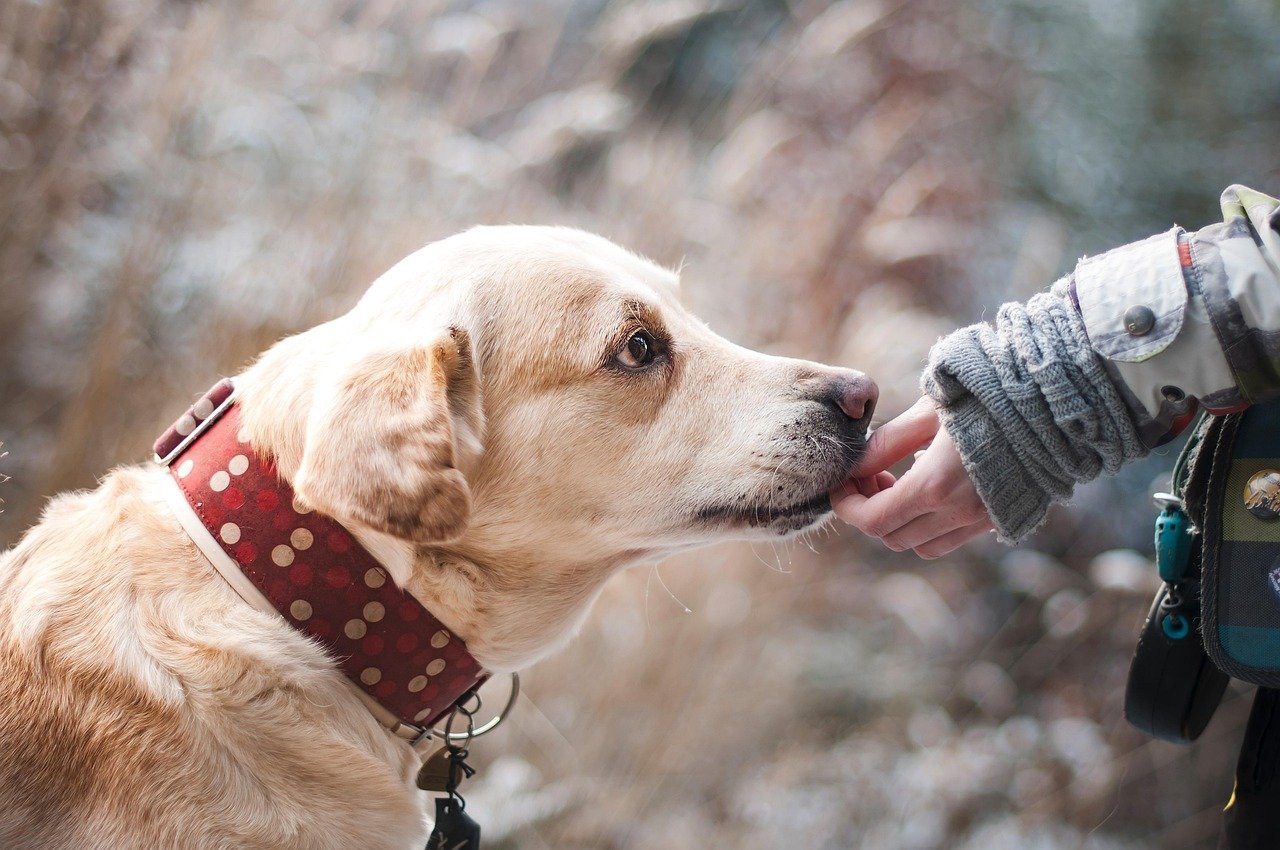
Never underestimate the power of love! Labradors thrive on affection and look to their humans for comfort and security. Spend quality time together, whether that’s brushing their coat, sharing a quiet moment, or simply talking to them. These bonding moments help your Lab feel safe and valued, which naturally balances their energy. When they know they’re loved, Labs are more likely to listen, relax, and settle down after a busy day. Think of affection as the golden thread that ties all your routines together, creating a sense of peace and happiness for both you and your Labrador.


