

Have you ever noticed your dog coming over to comfort you before you even realize you’re upset? Or maybe they start acting differently right when you’re feeling stressed, even though you haven’t said a word. It’s not magic, though it certainly feels like it sometimes. Dogs possess an extraordinary ability to tune into our emotional states in ways that continue to amaze scientists and dog lovers alike. Let’s be real, they’re reading us like an open book, picking up on signals we don’t even know we’re sending.
It’s hard to say for sure exactly how much they understand, but research reveals they’re using a sophisticated combination of senses to decode what’s going on inside us. From subtle changes in our scent to the tiniest shifts in our facial expressions, dogs are gathering emotional intelligence long before we open our mouths. Ready to discover just how deeply your furry friend understands you? Let’s dive in.
They Detect Stress Through Your Scent

Dogs can sense rising cortisol levels in our sweat or breath using their super-sensitive noses. Think about that for a second. Your body releases cortisol when you’re stressed, and your dog can actually smell that chemical change happening in real time.
Research published in PLOS One showed that dogs can detect stress from sweat and breath samples alone. In these studies, people were put through stressful tasks like public speaking and math tests, and dogs could distinguish between samples taken during calm moments versus stressed ones. Dogs exposed to stress-scent samples were less likely to approach a bowl in ambiguous locations, indicating a more pessimistic mood.
Here’s the thing: your dog isn’t just detecting stress, they’re emotionally responding to it. When dogs smell stress, they seem to feel downhearted and become more pessimistic about uncertain situations. It’s like emotional contagion happening through scent alone.
They Read Your Facial Expressions Like a Book

Dogs can recognize six basic emotions from facial expressions: anger, fear, happiness, sadness, surprise, and disgust. Your dog watches your face constantly, cataloging every microexpression you make throughout the day.
Dogs are more sensitive to changes in facial expressions of other dogs, but they show different responses to human expressions too, whether positive, negative, or neutral. Scientists have tested this by showing dogs images of different emotional expressions while measuring their reactions. Most dogs tilted towards their left when they observed angry, fearful and happy faces, and higher behavioral and cardiac activities were recorded when humans clearly expressed emotional cues.
Dogs look more often at the ears, mouth, and eyes in dog faces, and the frontalis, eyes, nose, and cheeks in human faces. They’ve developed a unique viewing strategy specifically for reading human faces. Try this yourself: sit facing your dog and smile broadly, then switch to a frown. Watch how quickly they adjust their body language in response.
They Combine Multiple Senses to Understand You
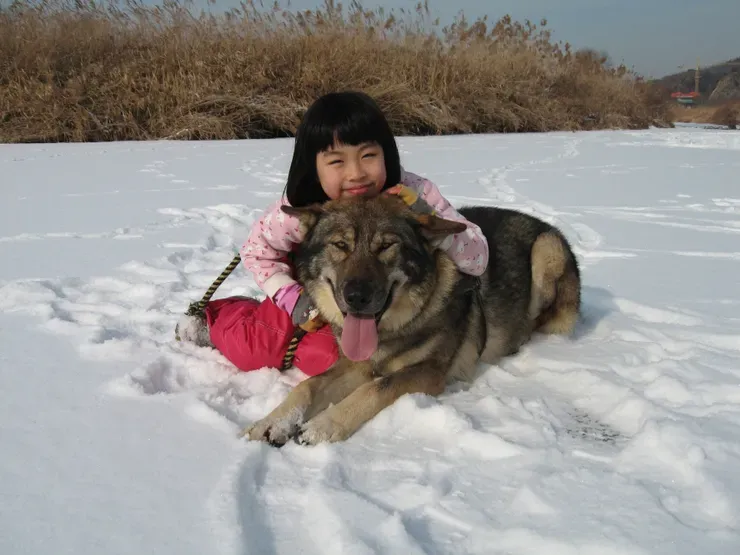
Dogs can recognize emotions in humans by combining information from different senses, an ability that has never previously been observed outside of humans. This is honestly mind-blowing when you think about it. Your dog isn’t just listening to your voice or watching your face in isolation.
Dogs looked significantly longer at faces whose expression was congruent to the valence of vocalization, for both conspecifics and heterospecifics. In simpler terms, when dogs heard a happy voice paired with a happy face, or an angry voice with an angry face, they paid more attention. They were matching the audio to the visual, just like we do.
They discriminate and show differential responses to emotional cues expressed through body postures, facial expressions, vocalisations and odours. Your dog is constantly cross-referencing what they’re seeing, hearing, and smelling to build a complete picture of your emotional state. It’s a multimodal approach to understanding you that operates at a level most of us never consciously notice.
They Monitor Your Body Language Constantly

Non-verbal posture, gestures, body carriage, and facial expressions communicate 90% of what we have to say, so dogs have learned to monitor these physical actions very closely. Your dog notices everything: how you hold your shoulders, the speed of your movements, the tension in your muscles.
Dogs behaved differently depending on the owner’s emotional state: they gazed and jumped less at owners when they were sad, and their compliance with the sit command was also diminished. When genuine emotions were studied in natural settings, dogs showed clear behavioral changes based on what their owners were experiencing.
Think about the last time you came home upset versus excited. Your dog probably responded completely differently before you even acknowledged them. They know when we are rushed or relaxed, happy or mad, focused or available for play time, and realize our moods affect them.
They Use Social Referencing to Read Situations
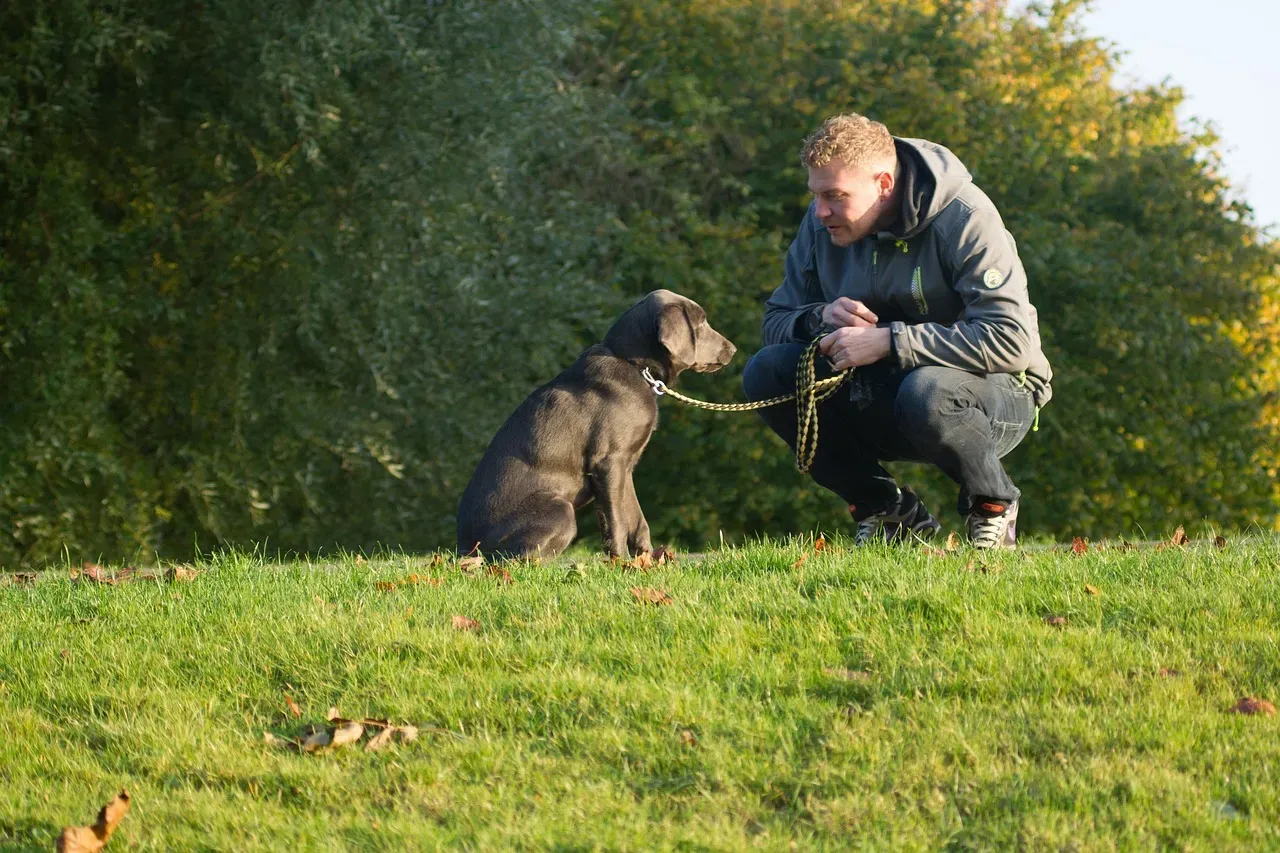
When dogs are exposed to an ambiguous or threatening situation, they gaze at humans to look for information about the situation and react according to the emotion cues expressed by their owners. This behavior, called social referencing, shows just how much dogs rely on our emotional reactions to understand their world.
When owners are anxious, dogs inhibit their movements toward an object, whereas if owners are relaxed, dogs move toward it and interact with it sooner. Your emotional state literally guides your dog’s decisions about what’s safe and what isn’t.
Picture walking your dog past something unfamiliar. If you tense up, they’ll likely become wary too. If you stay relaxed, they’ll probably investigate with confidence. Dogs can utilize emotional information to find food, as seen in studies where dogs chose boxes that humans pretended to be happy about. They’re using your emotions as a roadmap for navigating daily life.
They Respond to Changes in Your Voice
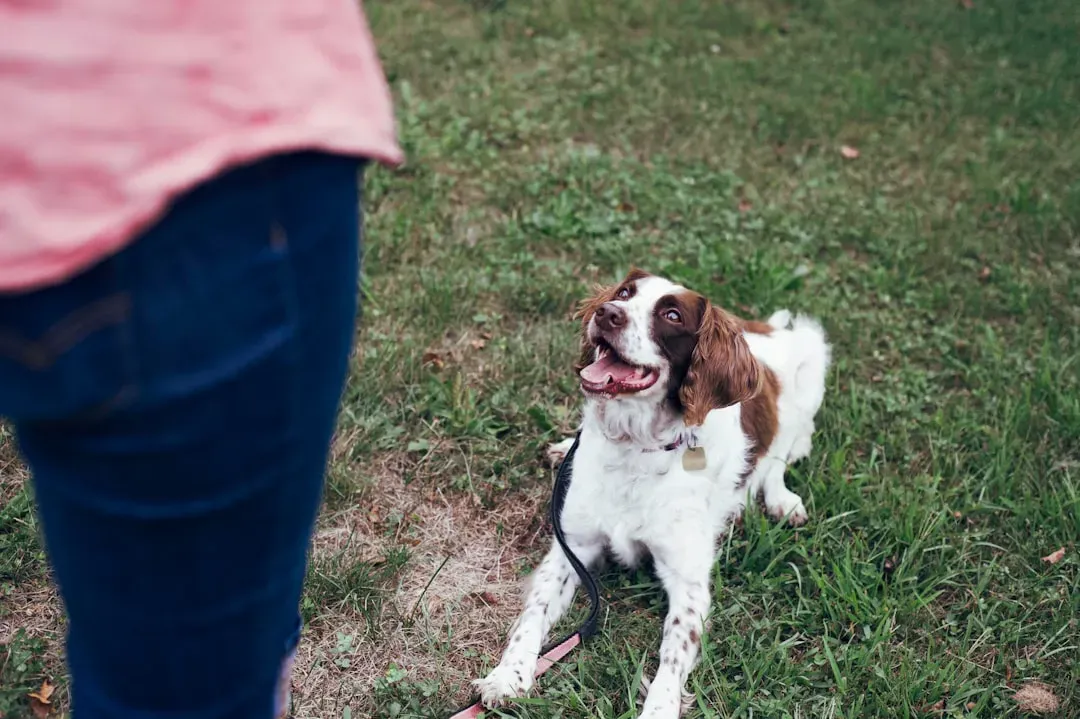
Upon testing 30 dogs, researchers discovered that they could understand human emotions by simply listening to them. The tone, pitch, and rhythm of your voice carries enormous amounts of emotional information that your dog decodes effortlessly.
Dogs behaved differently after hearing non-emotional sounds compared to emotional sounds, and they could also distinguish between positive and negative valence of the emotion. They’re not just hearing words; they’re analyzing the emotional content behind those words with remarkable accuracy.
Your dog can tell the difference between when you’re calling them excitedly versus sternly, even if you use the same words. They can observe your facial expressions and body language and listen to the tone of your voice. The vocal cues work together with everything else they’re picking up to create a complete emotional picture.
They Pick Up on Emotional Contagion

If you are sad, dogs are affected by it and come close to nuzzle you, as your dog is comforting you while seeking comfort themselves. This isn’t just empathy; it’s emotional contagion. Your feelings literally transfer to your dog through various sensory channels.
Dogs learn to read our emotions because it might be helpful to them to know if there’s something threatening in the environment or some stressor that they need to be aware of. From an evolutionary perspective, being emotionally attuned to pack members increased survival chances. If one member sensed danger, others could pick up on that emotional signal.
When exposed to fear sweat samples, dogs’ heart rates went up and they sought comfort from their owners, while exposed to happy samples, dogs were more relaxed and less wary. The emotional state transfers even through scent alone, showing just how deep this connection runs.
They Distinguish Authentic Emotions from Fake Ones

Dogs are clearly able to perceive genuine human emotions, in particular those of their owners. This is where it gets really interesting. Dogs aren’t just recognizing practiced expressions; they can tell when emotions are real.
Through detailed analysis of dog behavior in naturalistic settings, researchers investigated whether dogs show behavioral responses to genuine human emotions. Studies where owners were manipulated to genuinely experience happiness, sadness, or neutrality revealed that dogs responded differently to authentic emotional states compared to simulated ones.
Let’s be honest, you probably can’t fake being happy around your dog when you’re actually miserable. They see through it. Dogs are clearly able to perceive genuine human emotions, and this unique sensitivity might be adaptive for dogs. They’ve evolved to detect the real deal, not just what we’re trying to project.
They’ve Co-Evolved With Us Over Thousands of Years

Dogs and humans have existed side by side for thousands of years and during that time dogs have evolved as a species, picking up human tendencies and relating to us innately. This isn’t learned behavior from puppyhood alone; it’s baked into their DNA through generations of living alongside us.
Dogs’ ability to recognize human emotions appears to exceed the ability of other taxa, including wolves and chimpanzees, and it may be the result of the domestication process having selected for dogs that most proficiently communicate with humans. Domestication literally shaped their brains to be better at reading us than any other species.
For thousands of years, dogs have learned to live with us, and a lot of their evolution has been alongside us, with both humans and dogs being social animals experiencing emotional contagion. Think about that the next time your dog seems to understand you without any words. They’re drawing on fifteen thousand years of evolutionary partnership to decode your emotional state.
Conclusion: A Bond Beyond Words

The relationship between humans and dogs runs deeper than most of us realize. Your dog isn’t just guessing how you feel; they’re using an incredibly sophisticated array of sensory tools to understand your emotional landscape before you even speak. From detecting microscopic changes in your body chemistry to reading subtle facial cues and combining information from multiple senses simultaneously, dogs have mastered the art of emotional intelligence.
This remarkable ability isn’t just fascinating from a scientific perspective. It has real implications for how we interact with our dogs daily. Knowing that they’re picking up on our stress, anxiety, happiness, and fear means we need to be more mindful of the emotional environment we’re creating for them. Your emotional state doesn’t just affect you; it profoundly impacts your dog’s wellbeing and behavior.
The next time your dog comes to comfort you before you even realize you need it, remember: they’re not psychic. They’re just incredibly, wonderfully attuned to you in ways that science is only beginning to fully understand. What other secrets do you think your dog knows about you? Tell us your experiences in the comments.


