

For dog owners, maintaining a garden goes beyond aesthetics and sustainability. The choice of plants can directly affect the well-being of your furry companion. Many common garden plants are toxic to dogs, potentially leading to severe health problems or even fatalities. Being informed about which plants to avoid can help protect your pet from harm.
The Science Behind Plant Toxicity

Plants produce a variety of chemical compounds as a defense mechanism against herbivores. While these compounds serve to deter or harm insects and other animals that might feed on them, they can also pose a risk to pets. Dogs, being naturally curious, may chew on or ingest plants in your garden, bringing them into contact with potentially harmful substances. Understanding the science of plant toxicity can help in identifying which plants are most dangerous.
Plants Known for High Toxicity Levels
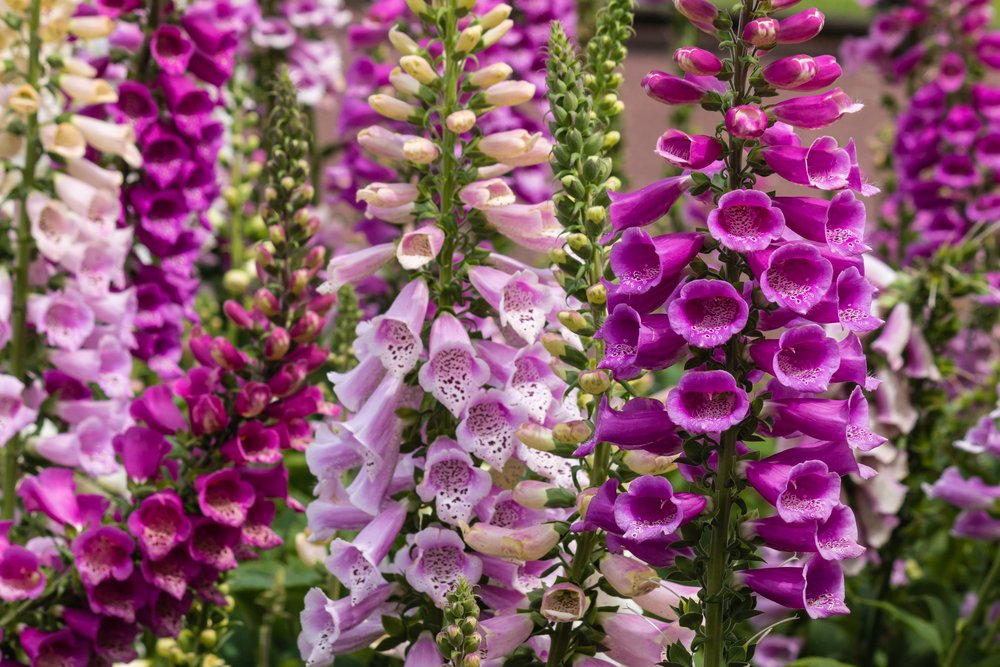
Some plants are universally recognized as highly toxic to dogs, including oleander, foxglove, and castor bean. Oleander contains cardiac glycosides, which can cause symptoms like vomiting, diarrhea, and even heart failure. Foxglove is another plant with cardiac effects, while the castor bean contains ricin, one of the most potent natural poisons. Such plants should be strictly avoided in gardens accessible to dogs.
Common Garden Flowers That Pose a Threat

Many popular garden flowers are beautiful but toxic to dogs. Among these are lilies, daffodils, and tulips. Lilies can cause gastrointestinal distress and more severe symptoms such as renal failure, while daffodils and tulips contain alkaloids and glycosides leading to vomiting and diarrhea. These flowers should be replaced with safer alternatives if you have dogs.
Trees and Shrubs: Innocuous Looking but Dangerous
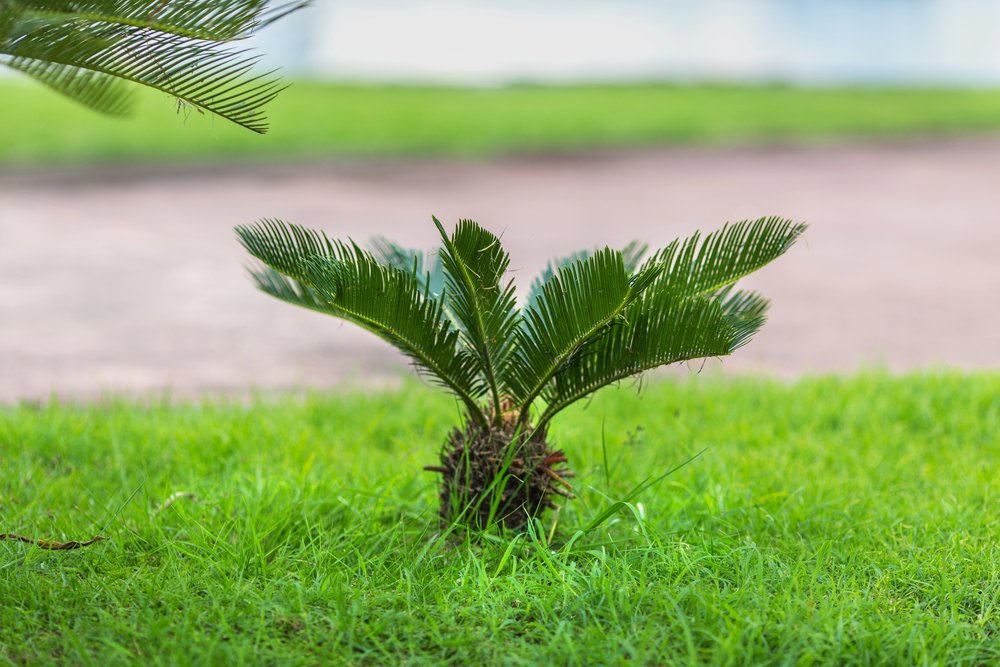
Some trees and shrubs can also pose risks. The yew tree, beloved for its dense evergreen foliage, contains taxines that are highly toxic to dogs, affecting their cardiovascular system. Similarly, the seeds and leaves of the sago palm contain cycasin, leading to liver failure. It’s important to exercise caution with trees and shrubs, or better yet, select dog-friendly species.
Fruits and Vegetables: Not All Are Safe

While fruits and vegetables are common in many gardens, not all are safe for pets. Grapes and raisins, for instance, are highly toxic to dogs and can cause kidney failure. Tomato plants have solanine in their leaves and stems, which can lead to gastrointestinal upset. Familiarity with safe and unsafe edible plants is crucial for a dog-friendly garden.
Recognizing Signs of Plant Poisoning in Dogs
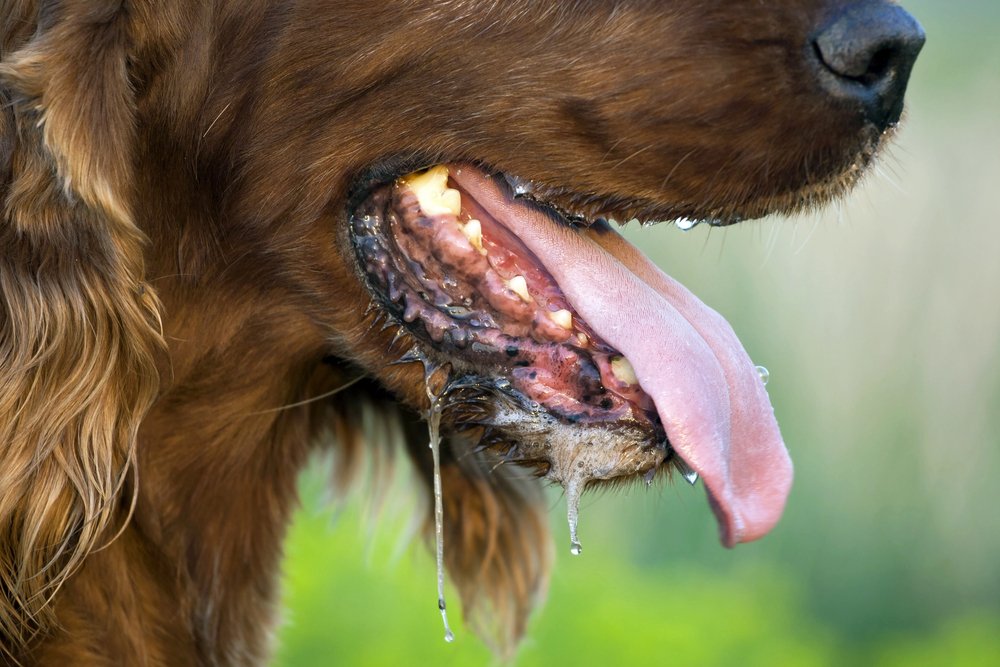
To act quickly in the event of exposure, it’s important to recognize the signs of plant poisoning in dogs. Symptoms vary based on the plant but may include drooling, vomiting, diarrhea, weakness, seizures, and difficulty breathing. If you suspect your dog has ingested a toxic plant, immediate veterinary intervention is essential.
Creating a Safe Garden Environment for Dogs

Designing a dog-friendly garden involves using non-toxic plants, securing access to potentially hazardous plants, and regularly checking your garden for any new, invasive species that could pose risks. Incorporating dog-friendly features such as designated play areas or installing physical barriers around toxic areas can further enhance safety.
By choosing the right plants and being aware of potential dangers, dog owners can cultivate a beautiful and safe garden, ensuring that their pets can enjoy the outdoor environment without risk.


