

How hard is it to control a heart melt when your dog looks at you with sad eyes, perhaps even whimpering, pawing, or begging? While it is nearly impossible, every dog owner knows deep down that their little fur-balls are being manipulative. Asking for treats is an art perfected by some dogs like my Indie Spitz Yuki, who will stop at nothing for one. As if on cue, a treat is due for peeing in the toilet, or finishing his food. Dogs are intelligent in picking up cues, and rather than you training them to behave for treats, they are perfecting such cues, even behaving accordingly, knowing you will give them a treat. Without further do, here are ten ways dogs can manipulate you for treats.
1. Puppy Eyes: The Power of the Gaze
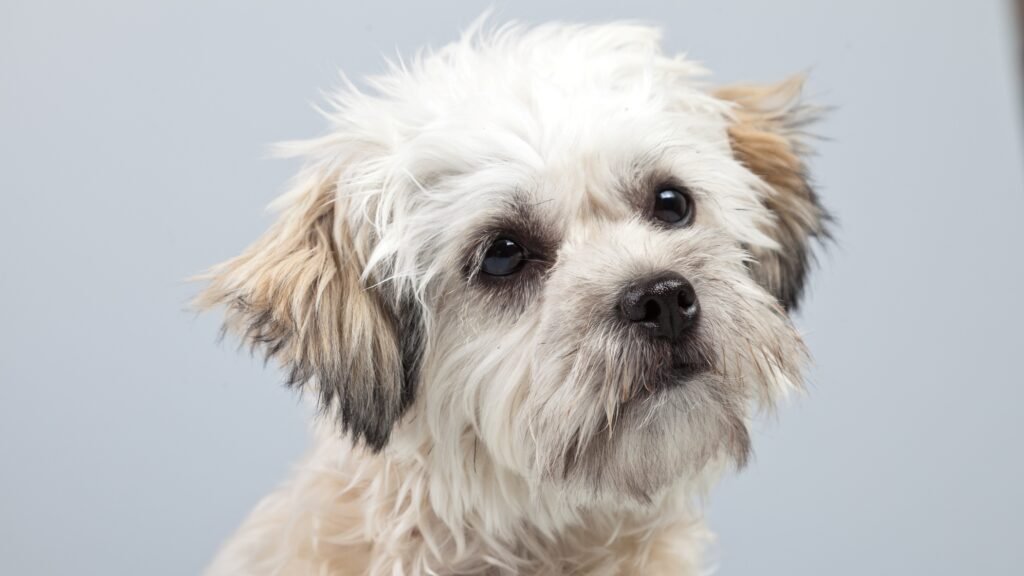
One of the most adorable yet cunning ways a dog may try to manipulate you for a treat is through “puppy eyes.” This technique involves the dog widening their eyes to appear more innocent and in need of attention. Scientific studies have shown that this behavior triggers a nurturing response in humans, making it hard for us to resist their plea. Dogs have evolved this gaze as a tool, leveraging their bond with humans for a tasty reward.
2. The Paw Tap: A Gentle Reminder
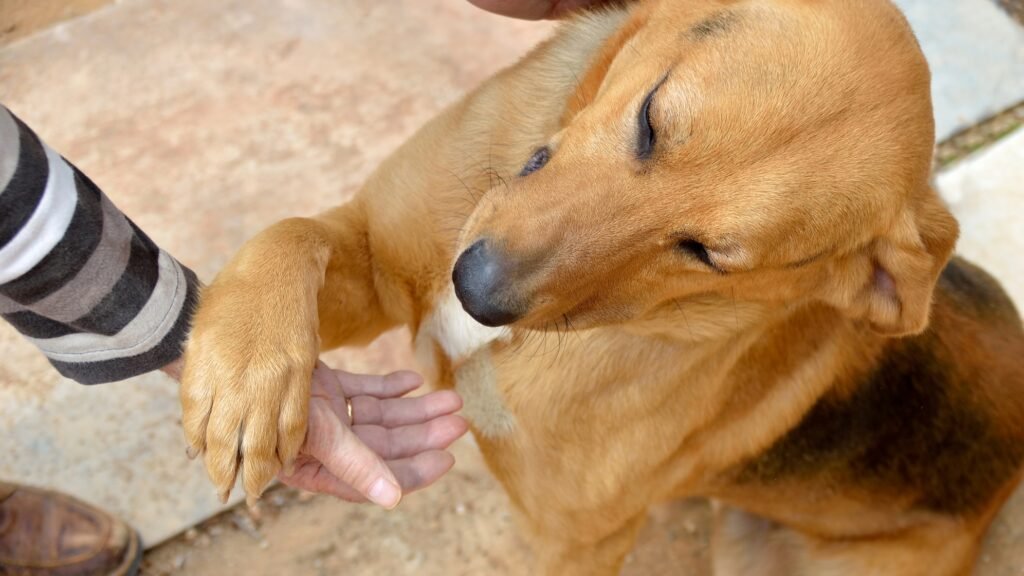
Another subtle manipulation tactic employed by dogs is the “paw tap.” By gently placing their paw on your leg or arm, dogs remind you of their presence and their desire for a treat. This physical contact is a dog’s non-verbal way of communicating immediate needs, effectively grabbing attention in a gentle manner. The paw tap is often accompanied by a longing gaze or a slight whimper for added effect.
3. Barking: The Vocal Demand

While some dogs use silent gestures, others opt for a more vocal approach. Barking can be a straightforward demand for a treat, especially if the dog knows this has worked in the past. Over time, dogs can train their humans to respond to specific types of barks. Understanding the difference between attention-seeking barking and barking due to hunger or other necessities can help manage this behavior.
4.The Sit-Stay Stare: Silent Communication

Dogs are masters of body language, and the “sit-stay stare” is a testament to this skill. In this scenario, a dog will sit patiently at your feet, maintaining eye contact in a quiet but persistent manner. This unwavering focus is intended to convey their expectations clearly. This behavior exploits the human inclination to reward patience and good behavior, often resulting in a well-deserved treat.
5. Begging Pose: Unleashing Cuteness Overload

The classic begging pose—sitting upright with front paws in the air—is deliberately cute, designed to win over even the most stubborn human. The dog pictured above is Yuki and Indian mixed Pomeranian Spitz who has perfected the art of the begging pose without even being asked. It is always deployed to ask for treats. This posture showcases the dog’s balance and agility, reinforcing the idea that a treat is earned. Often used strategically during meal times, this pose is a sure way to draw sympathetic smiles and, more often than not, a treat.
6. Nudging and Nudging Again
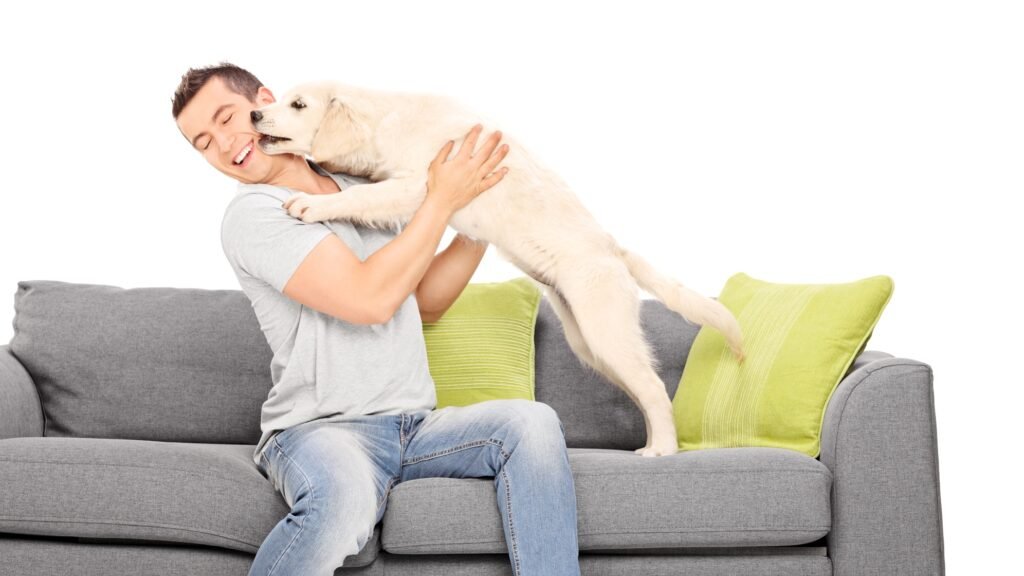
Nudging, either with the nose or head, or even with paws is another physical tactic dogs use to manipulate their way to a treat. This persistent prodding is hard to ignore and serves as a reminder of their presence. Combined with a hopeful look, this technique effectively communicates a dog’s desire for attention—or an edible reward. The persistence often pays off, convincing reluctant owners to part with a treat.
7. The Roll-Over Trick: Flaunting Skills
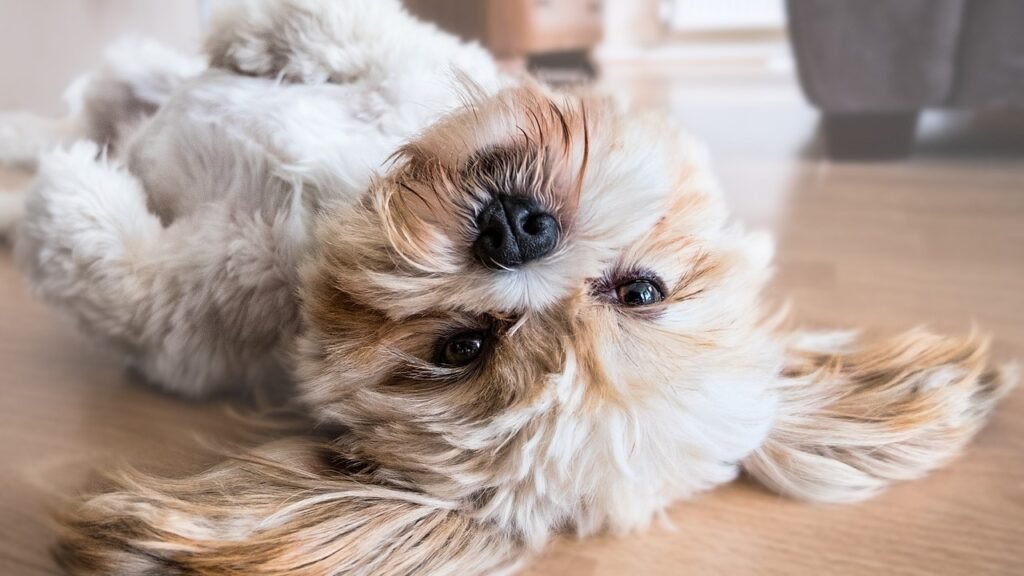
Dogs that know simple tricks often use these skills strategically to earn treats. The roll-over trick is a favorite among many breeds, showcasing not only their ability to learn but also their willingness to perform for a reward. By preemptively performing a trick without being asked, dogs manipulate the situation, knowing full well that humans often cannot resist rewarding these spontaneous displays of skill.
8. The Sad Whimper: Instant Sympathy

To pull at your heartstrings, some dogs employ the sad whimper. Soft and pitiful, this sound is designed to evoke instant sympathy from their human companions. Dogs have learned that this sound conveys neediness and vulnerability, compelling a response that is usually accompanied by a treat. Distinguishing between genuine discomfort and manipulative whimpering is essential for proper training and response.
9. Nailing the Perfect Timing
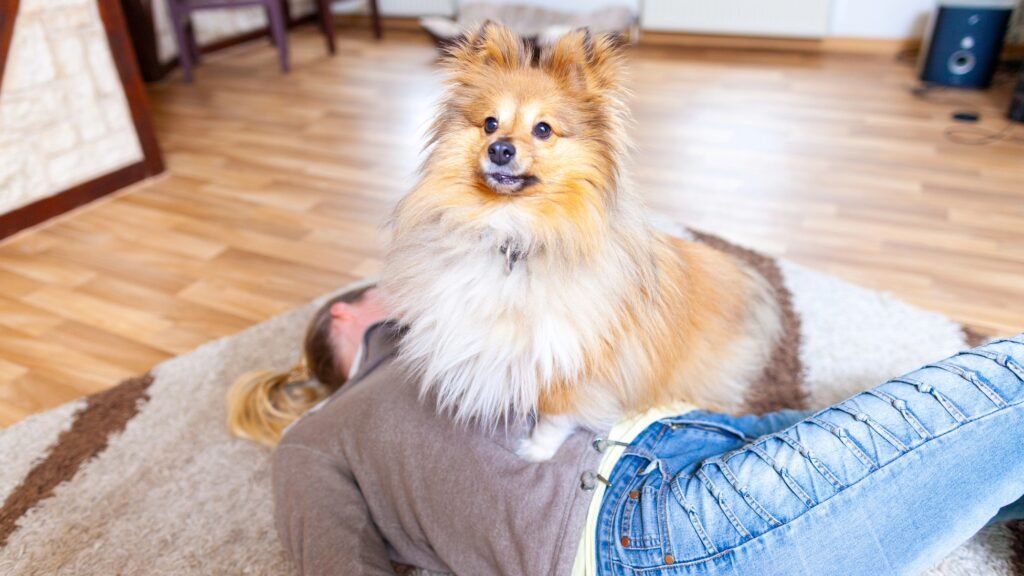
The art of timing is not lost on dogs. Many have learned the optimal moments to approach for treats, such as after you’ve sat down to relax or when you’re busy with a task and might indulge them for a moment of quiet. This strategic timing often leads to successful treat extraction as people may prioritize giving a quick, peaceful resolve over maintaining disciplinary resolve.
10. Positive Behavior

If you have been giving your dog a treat for certain positive behavior like peeing in the toilet or finishing its food, there is a big possibility that it will pick up on the cue. Soon you might see your dog asking you for a treat as soon as it does any of these actions even without your observation. However, this type of manipulation works in your favor, and everyone’s happy.
Understanding Their Needs vs. Wants

While it’s clear our furry friends have many tactics for getting treats, it’s important to understand the difference between their real needs and their treat-driven manipulations. Properly set boundaries can ensure that your dog remains healthy and their dietary habits are conducive to long-term wellness. By recognizing these manipulation techniques, dog owners can better balance their pet’s desires with necessary behavioral boundaries.


