
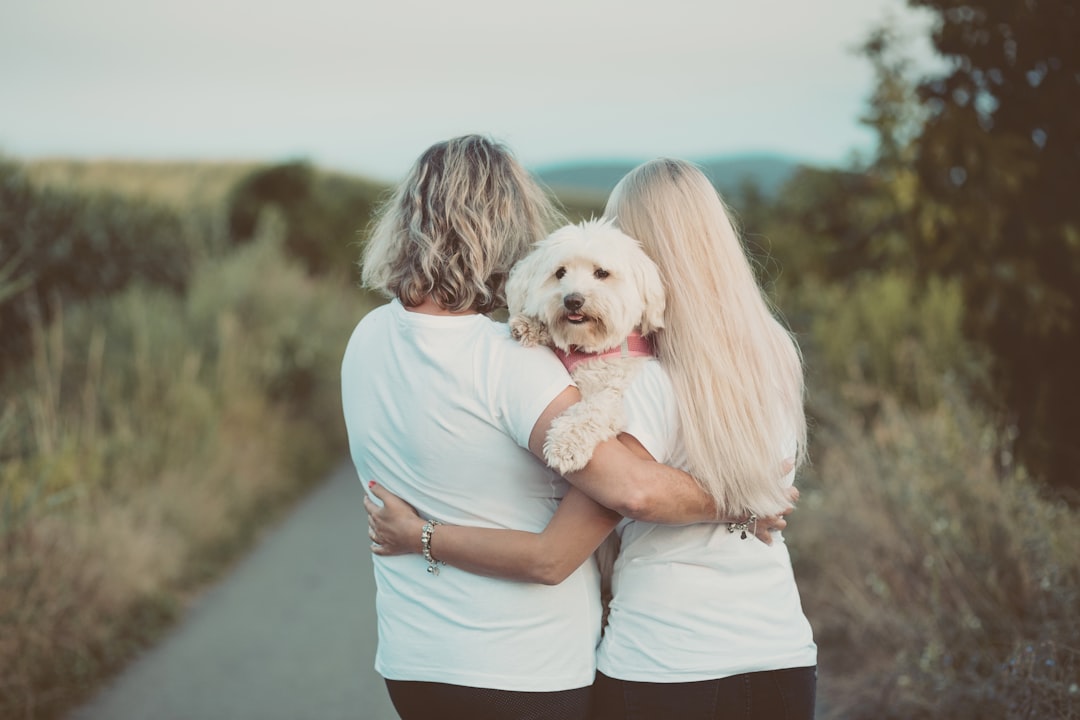
The Emotional Connection Between Humans and Dogs
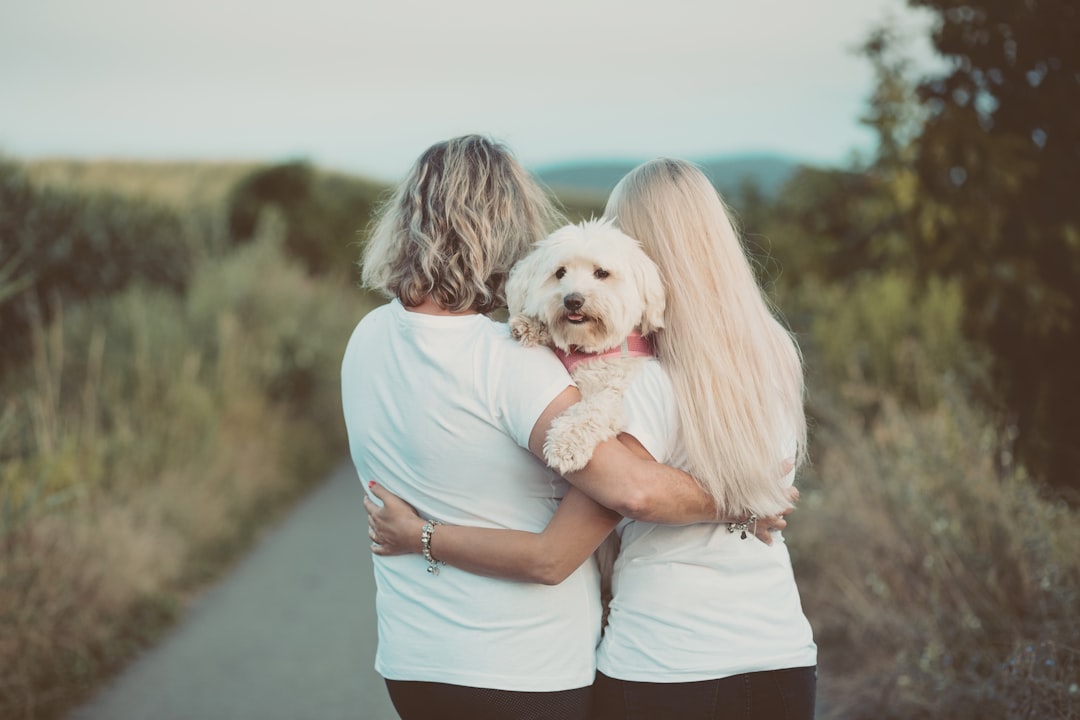
Dogs have been by our side for thousands of years, evolving from wild wolves into our loyal companions. This evolution has created a unique bond between humans and dogs. Many dog owners view their pets as more than just animals; they see them as integral members of their family. This connection is often emotional, rooted in shared experiences and mutual affection. Dogs, with their wagging tails and expressive eyes, have a way of understanding our moods and emotions. They greet us with joy, provide comfort during tough times, and share in our happiness. In essence, they become confidants and friends, offering a form of companionship that’s hard to find elsewhere.
On the other side, some argue that despite this connection, dogs are still animals with instinctual behaviors. While we may anthropomorphize them, attributing human-like qualities, it’s essential to remember their nature. Recognizing them as animals doesn’t diminish their value but rather respects their inherent traits. This perspective emphasizes the importance of understanding canine behavior and needs, ensuring they receive appropriate care and boundaries. Thus, the emotional connection can be seen as a balance between love and respect for their animal nature.
The Role of Dogs in Modern Society
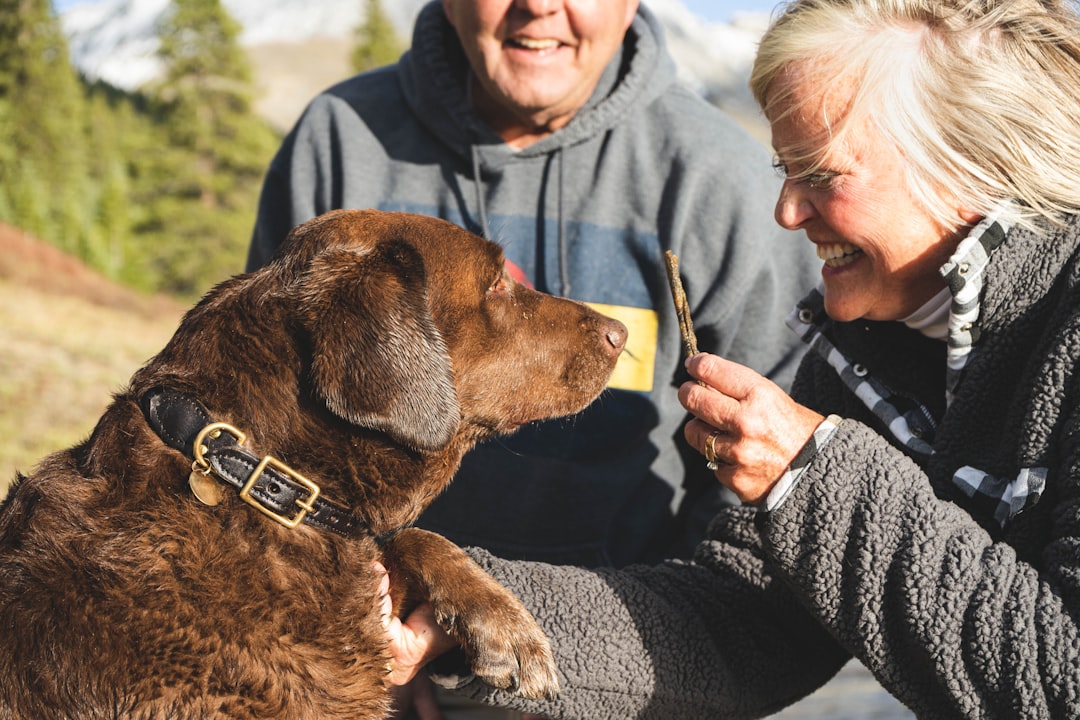
In today’s world, dogs play diverse roles that extend beyond companionship. They are service animals, assisting people with disabilities, search and rescue dogs saving lives, and therapy dogs providing comfort in hospitals and nursing homes. These roles highlight the incredible capabilities and adaptability of dogs, showcasing their importance in society. Their ability to perform such tasks stems from their intelligence, loyalty, and eagerness to please. This has resulted in a growing appreciation for dogs, advocating for their treatment as family members.
Conversely, some believe that placing dogs on a pedestal can lead to unrealistic expectations and neglect of their natural behaviors. Dogs need structure, training, and understanding of their instincts to thrive. Treating them solely as family members might overlook these needs, potentially leading to behavioral issues. It’s crucial to find a balance between honoring their contributions to society and acknowledging their nature as animals. This balance ensures they are valued for their roles while being provided with the care they require.
Cultural Perspectives on Dog Ownership
Cultural attitudes towards dogs vary significantly around the world. In some cultures, dogs are revered and celebrated, often involved in festivals and ceremonies. For example, in Nepal, the Kukur Tihar festival honors dogs, acknowledging their loyalty and companionship. Such cultural practices highlight the deep-rooted connection between humans and dogs, treating them as cherished family members. These traditions emphasize gratitude and respect, fostering a harmonious relationship between humans and their canine companions.
However, in other cultures, dogs are viewed more traditionally as working animals. In rural areas, dogs may be used for herding, hunting, or guarding livestock. These roles reflect the utilitarian perspective, where dogs are valued for their abilities rather than emotional bonds. This outlook doesn’t diminish their importance but rather emphasizes their functional contributions. Understanding these cultural differences is crucial for appreciating the diverse ways dogs are integrated into human societies and how they are perceived.
The Impact of Treating Dogs as Family Members

For many, treating dogs as family members enhances the bond and quality of life for both the pet and the owner. Dogs often receive better care, including regular veterinary visits, nutritious diets, and mental stimulation. This approach can lead to longer, healthier lives for dogs, benefiting from the love and attention they receive. Moreover, considering dogs as family members can foster empathy and compassion, encouraging responsible pet ownership.
On the flip side, this perspective may lead to humanizing dogs excessively, which can create problems. Dogs may develop behavioral issues if treated as humans, such as separation anxiety or aggression. They require a balance of affection and discipline, respecting their animal instincts. Ensuring they have structure and training is vital for their well-being. Thus, while treating dogs as family members can be beneficial, it’s essential to maintain a balanced approach that respects their nature.
Challenges in Defining the Human-Dog Relationship
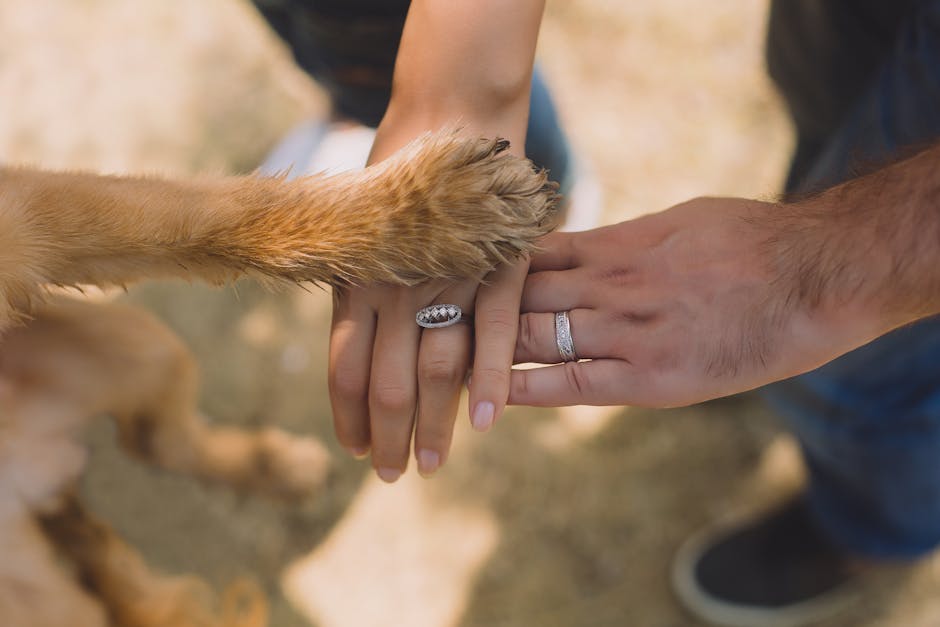
Defining the relationship between humans and dogs can be challenging due to the emotional complexities involved. People often project their feelings onto their pets, shaping their perceptions and interactions. This projection can blur the lines between seeing dogs as family members or animals. The challenge lies in balancing emotional attachment with practical understanding of canine behavior and needs. It’s important to acknowledge the love we have for dogs while recognizing their distinct nature.
Moreover, societal norms and personal beliefs can influence how individuals perceive this relationship. Some may prioritize emotional bonds, while others focus on the functional roles dogs play. These differing viewpoints can create debates on the appropriate way to treat dogs. Navigating these challenges requires empathy, open-mindedness, and a willingness to learn about canine behavior. By doing so, we can foster a harmonious relationship that respects both emotional connections and animal instincts.
Benefits of Treating Dogs as Animals

Viewing dogs as animals rather than family members can offer significant benefits, particularly in understanding their behavior and needs. This perspective encourages owners to learn about canine instincts, body language, and communication. By respecting their animal nature, owners can provide an environment that caters to their well-being. This understanding can lead to better training, socialization, and overall care, creating a balanced and healthy relationship.
Additionally, treating dogs as animals can prevent over-dependence and behavioral issues. Recognizing their need for boundaries and structure helps maintain a harmonious household. It ensures dogs have clear expectations and a sense of security, contributing to their mental health. This approach doesn’t diminish the love and affection shared but rather enhances it by respecting the dog’s nature. Ultimately, treating dogs as animals can lead to a more fulfilling and sustainable relationship.
Striking the Balance: Family Member or Animal?

Finding the right balance between treating dogs as family members and animals is key to a healthy relationship. This balance involves recognizing the emotional bonds while respecting their natural instincts. It means providing love and affection alongside training, structure, and boundaries. A balanced approach ensures dogs receive the care they need while being valued for their companionship.
Understanding this balance requires education and empathy. Owners should seek to learn about canine behavior, ensuring they meet their dog’s needs. By doing so, they can create an environment where dogs thrive both emotionally and physically. Striking this balance allows for a relationship built on mutual respect, love, and understanding.
Conclusion

The debate on whether dogs should be treated as family members or animals is complex and multifaceted. It reflects the diverse ways people connect with their pets and the roles dogs play in society. Ultimately, the most important aspect is the love and care provided to dogs, ensuring they live happy and healthy lives. Whether viewed as family members or animals, dogs hold a special place in our hearts, enriching our lives with their presence.


