

The decision to euthanize a beloved pet is one of the most heart-wrenching choices any dog owner might face. It’s a topic fraught with emotion, ethical concerns, and personal beliefs. Yet, it is a decision that many pet owners encounter, often without clear guidance. As dog lovers, we must navigate this complex issue with compassion and understanding, seeking to ensure the best outcomes for our furry friends. This article delves into the various aspects of dog euthanasia, exploring whether it is always the right choice.
Understanding Dog Euthanasia

Euthanasia, often referred to as “putting a dog to sleep,” is a procedure designed to end a pet’s life humanely. The intention is to provide relief from suffering, especially in cases of terminal illness or severe injury. However, the process itself, which involves administering a lethal dose of medication, can be emotionally taxing for both the owner and the veterinarian. It’s essential to understand that euthanasia is not about giving up on a beloved pet but rather a compassionate decision made out of love. Many vets emphasize the importance of considering the animal’s quality of life when making this choice.
The decision to euthanize is never taken lightly and often involves discussions with family members and veterinary professionals. Each case is unique, and what might be the right decision for one dog may not be for another. Factors such as the dog’s age, health condition, pain levels, and overall happiness must be considered. Euthanasia should always be seen as a last resort, once all other treatment options have been exhausted or deemed ineffective.
The Emotional Impact on Dog Owners

For many dog owners, the emotional toll of deciding to euthanize a pet is immense. Dogs are not just pets; they are family members, confidants, and companions who provide unconditional love. The thought of losing them is painful and can lead to feelings of guilt, doubt, and grief. It’s crucial to recognize these feelings as a natural part of the grieving process and seek support from loved ones or professional counselors if needed.
The decision-making process can also be complicated by mixed emotions and differing opinions within a family. While some may see euthanasia as a compassionate choice, others might view it as giving up too soon. Open communication and mutual support are vital in navigating these emotional waters. Remembering the joyful moments shared with the pet can offer comfort and help in honoring their memory.
Ethical Considerations

Euthanizing a pet raises ethical questions that often leave dog owners in a moral quandary. Is it right to decide when a life should end? This question does not have a simple answer, as it involves personal beliefs, religious views, and ethical considerations. Some view euthanasia as a humane act of mercy, while others see it as an unnatural intervention. The key is to weigh the ethical implications carefully and make a choice that aligns with one’s values and beliefs.
Many animal welfare organizations advocate for euthanasia when it is clear that an animal’s suffering cannot be alleviated. They emphasize that the decision should be based on the best interest of the pet, prioritizing their well-being. Consulting with veterinary professionals can provide insights into the ethical aspects of euthanasia, helping pet owners make informed decisions.
Alternatives to Euthanasia

While euthanasia is often considered in cases of severe illness or injury, there are alternatives that dog owners might explore. Palliative care, for instance, focuses on improving the quality of life for pets with chronic conditions. This approach involves managing pain and symptoms to allow the pet to live comfortably for as long as possible. It can be an option for those who are not ready to say goodbye.
Another alternative is hospice care, which provides a peaceful environment for pets nearing the end of life. This care option allows dogs to spend their final days surrounded by love and comfort. It may involve in-home care and support from veterinary professionals who specialize in end-of-life care. Exploring these alternatives can offer peace of mind to pet owners, knowing they’ve considered all possible options.
The Role of Veterinarians
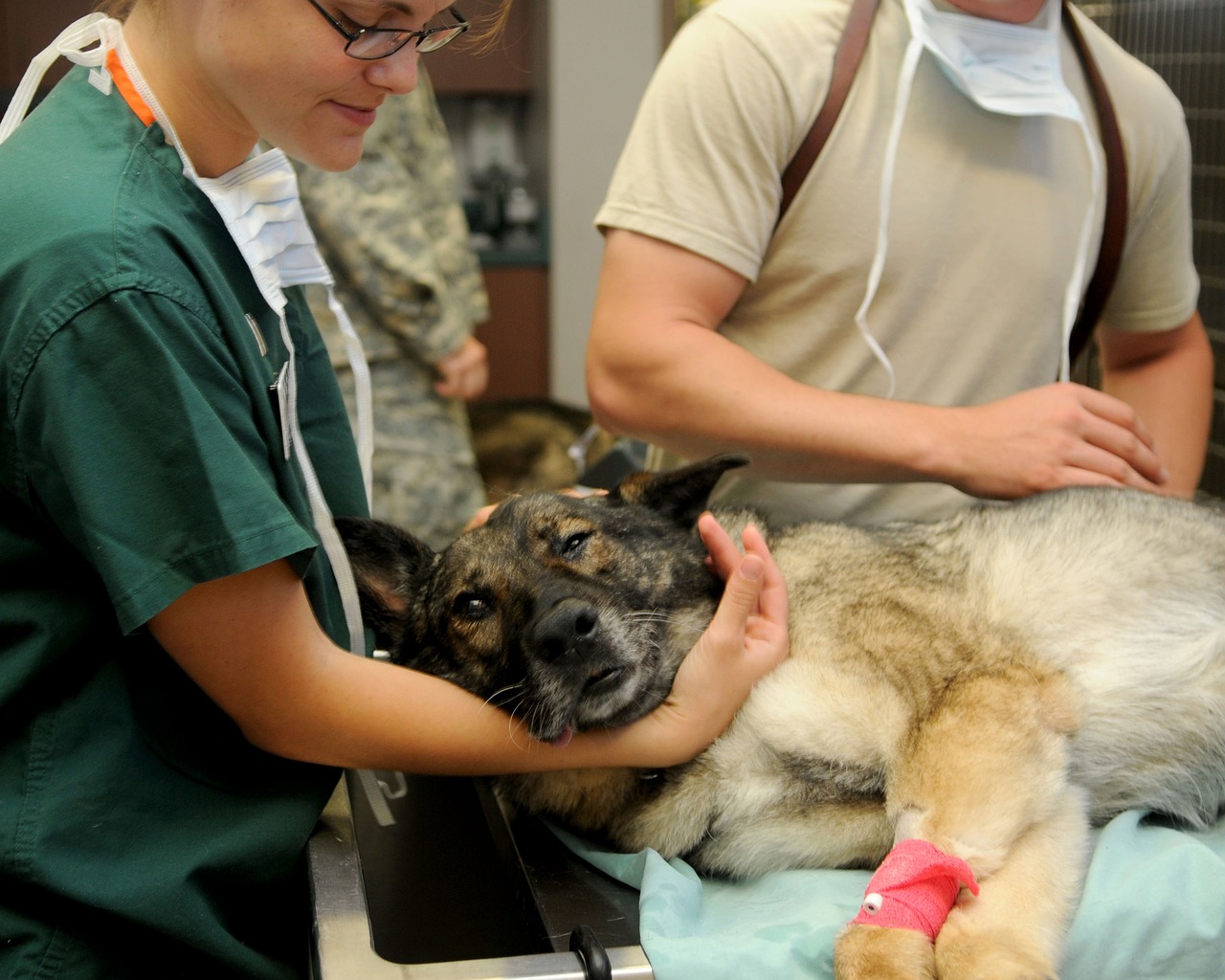
Veterinarians play a crucial role in the euthanasia decision-making process. They are not only medical professionals but also empathetic guides who understand the emotional weight of the decision. Vets can provide valuable insights into a pet’s condition, prognosis, and potential treatment options. Their expertise allows them to help pet owners evaluate the quality of life and determine whether euthanasia is the most humane choice.
Building a trusting relationship with a veterinarian can ease the decision-making process. Open communication with the vet can clarify doubts and provide reassurance, knowing that the decision is made with the pet’s best interest at heart. Veterinarians can also offer guidance on how to prepare for the procedure and what to expect during and after euthanasia.
Recognizing When Euthanasia May Be Necessary

One of the most challenging aspects of pet ownership is recognizing when euthanasia may be necessary. This decision requires careful consideration of the pet’s quality of life and overall well-being. Signs that a dog may be suffering include chronic pain, inability to eat or drink, loss of mobility, and a lack of interest in activities they once enjoyed. It’s essential to observe these signs and consult with a veterinarian to evaluate the situation.
Quality of life assessment tools can aid in determining whether a pet’s suffering outweighs their enjoyment of life. These tools often include questions about the pet’s behavior, pain levels, and overall happiness. Making an informed decision requires balancing the desire to prolong a pet’s life with the responsibility to prevent unnecessary suffering.
Coping with Grief and Loss

Saying goodbye to a beloved pet is undoubtedly one of the hardest parts of being a dog owner. The grief that follows can be overwhelming, and it’s important to allow oneself to mourn. Each person’s grieving process is unique, and there is no right or wrong way to cope with the loss of a pet. It’s essential to seek support from friends, family, or pet loss support groups who understand the depth of this loss.
Creating a memorial or tribute to the pet can be a comforting way to honor their memory. This could be as simple as planting a tree in their memory or creating a photo album of cherished moments. Remembering the joy and love the pet brought into one’s life can help in healing and moving forward.
Conclusion

The debate over dog euthanasia is a deeply personal and complex issue, one that requires careful consideration of ethical, emotional, and practical factors. Ultimately, the decision should be made with the pet’s best interest in mind, prioritizing their comfort and well-being. While the choice is never easy, understanding the options and seeking guidance can provide clarity and peace of mind. As dog lovers, our responsibility is to ensure that our furry companions live with dignity and, when the time comes, leave us with love.


