
Why Pit Bulls Are the Most Controversial Breed in the United States

Pit Bulls, a name that sparks emotion, debate, and intrigue. Known for their muscular build and loyal nature, they have become one of the most discussed dog breeds in the United States. Whether you are a dog lover or merely curious, understanding why Pit Bulls hold such a controversial status is essential. It’s a topic that encompasses history, media portrayal, legislation, and personal experiences. Let’s delve into the complexities of this breed and uncover the layers that make them both admired and feared.
The History of Pit Bulls

The history of Pit Bulls is as rich and complex as their reputation. Originally bred in the 19th century in England for bull-baiting, a cruel sport that was later banned, these dogs were brought to the United States where they took on new roles. In America, Pit Bulls became farm dogs, guarding livestock and helping with hunting. They were celebrated for their strength, loyalty, and determination. However, their past in blood sports left a lingering stigma that persists to this day. Their history is a testament to their adaptability, but it also explains some of the biases they face.
Pit Bulls were once known as “nanny dogs” due to their gentle nature with children. This nickname paints a contrasting image to the aggressive reputation they often have today. As family companions, they were trusted and loved, a far cry from the fearsome image propelled by certain media narratives. Understanding their history helps in realizing that Pit Bulls are not inherently dangerous but have been shaped by human influence and societal changes.
Media Portrayal and Public Perception

The media has played a significant role in shaping public perception of Pit Bulls. Sensational headlines and dramatic news stories often focus on attacks attributed to this breed, even when the details are murky or the breed identification is incorrect. This selective reporting creates a narrative that Pit Bulls are inherently violent, overshadowing countless stories of loving and gentle Pit Bulls.
Public perception is influenced by what people see and hear, and unfortunately, negative stories tend to overshadow positive ones. This creates a cycle where fear and misinformation continue to thrive. It’s important to question the sources of these narratives and seek a balanced understanding of the breed. For every negative story, there are countless tales of Pit Bulls as therapy dogs, companions, and heroes, proving that they are far more than the stereotypes suggest.
The Role of Legislation
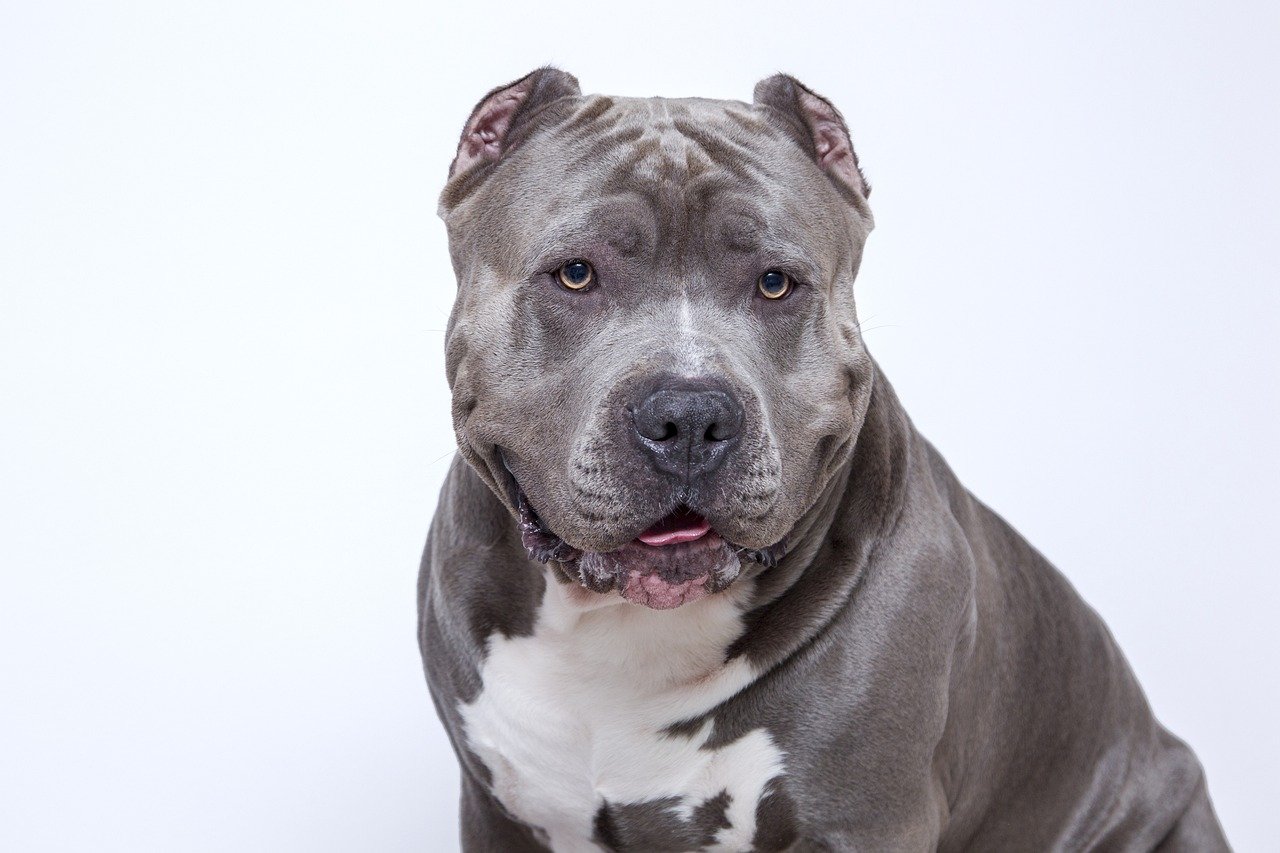
Legislation around Pit Bulls is a contentious issue. Breed-specific legislation (BSL) aims to restrict or ban the ownership of Pit Bulls in certain areas, fueled by the belief that they are more dangerous than other breeds. This type of legislation has been criticized for being based on fear rather than facts, as studies have shown that breed is not a reliable predictor of aggression.
Supporters of BSL argue that it protects the public, but opponents claim it punishes responsible dog owners and does little to address the root cause of dog attacks. Education and responsible pet ownership are often cited as more effective solutions. The debate over legislation highlights the complexities of balancing public safety with individual rights, a challenge that continues to stir emotions and opinions.
The Impact of Ownership and Training

Ownership and training play crucial roles in a Pit Bull’s behavior. Like any breed, Pit Bulls require proper socialization, training, and care to thrive. Responsible ownership can make all the difference in the temperament and conduct of these dogs. Many dog behaviorists emphasize that aggression is often a result of poor training, neglect, or mistreatment, rather than a breed-specific trait.
Owning a Pit Bull comes with responsibilities, but it also offers rewards. With the right guidance, these dogs can be affectionate, loyal, and well-behaved members of the family. Owners who invest time and effort in their Pit Bulls often find them to be loving companions, debunking the myth that they are uncontrollable or dangerous by nature.
The Influence of Personal Experiences

Personal experiences with Pit Bulls can significantly shape one’s view of the breed. Those who have had positive encounters often describe them as loving, affectionate, and protective. These personal anecdotes provide a counter-narrative to the fearful image often portrayed in the media. For many, a Pit Bull’s loyalty and playfulness are unforgettable traits that define them.
However, negative experiences can also leave a lasting impact. It’s essential to recognize that individual experiences vary, and one dog’s behavior should not define the entire breed. Understanding that Pit Bulls, like all dogs, have unique personalities and backgrounds helps in fostering a more nuanced view. Listening to diverse experiences can bridge the gap between fear and understanding, allowing for a more balanced perspective.
The Myth of Aggression

The myth that Pit Bulls are inherently aggressive is a common misconception. Studies have shown that aggression is not breed-specific but rather depends on various factors such as environment, upbringing, and training. This myth persists partly due to media portrayal and partly due to misinformation, creating a barrier to understanding the true nature of Pit Bulls.
Aggression in dogs is a complex behavior, influenced by genetics, environment, and human interaction. Many experts argue that labeling a breed as aggressive is misleading and unhelpful. Instead, focusing on responsible ownership and education can lead to safer and more harmonious relationships between humans and dogs. Dispelling this myth is a step toward appreciating Pit Bulls for who they truly are, rather than what they are perceived to be.
Advocacy and Support for Pit Bulls
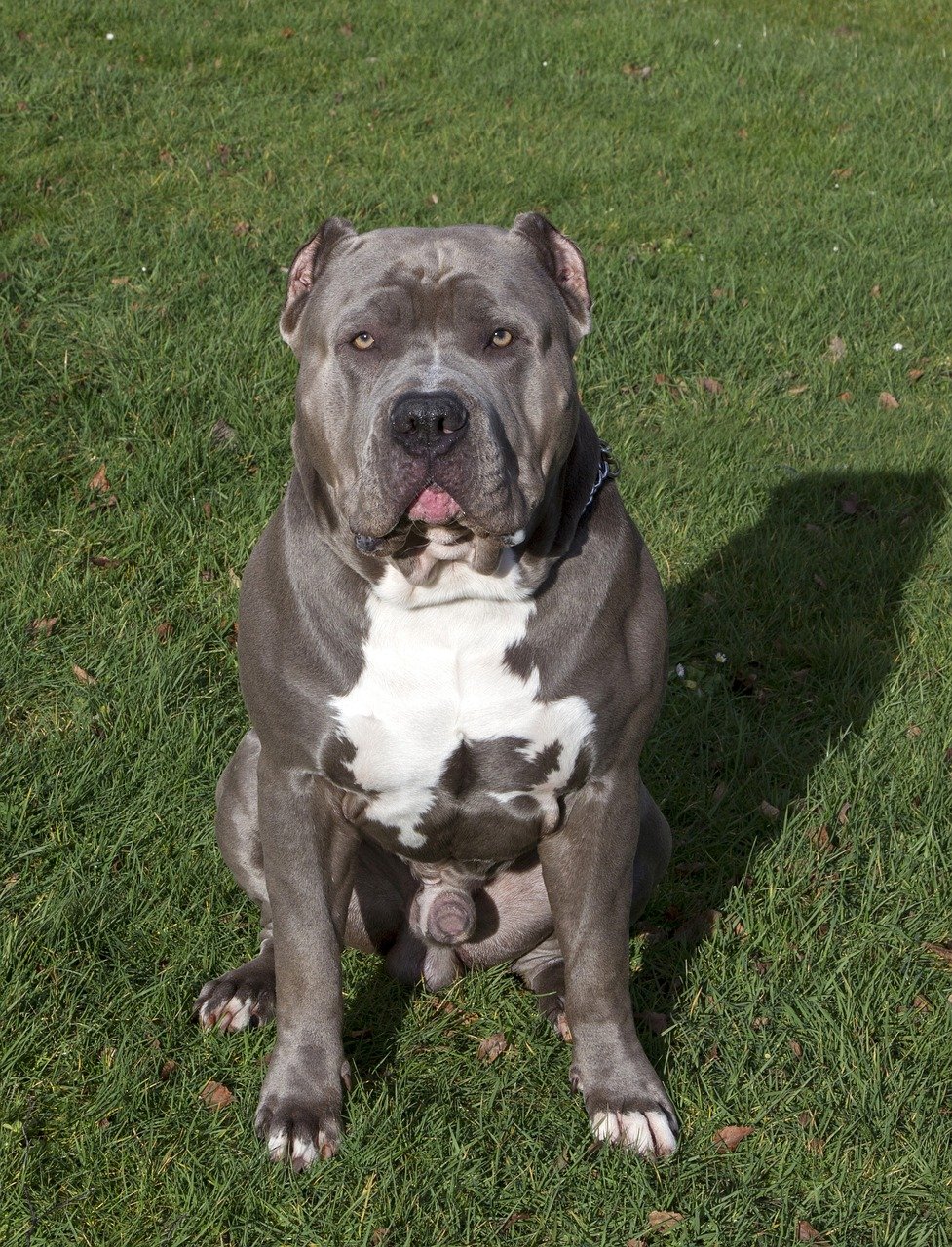
Advocacy for Pit Bulls has gained momentum, with many organizations and individuals working tirelessly to change perceptions and promote responsible ownership. Campaigns and initiatives aim to educate the public about the breed’s true nature, emphasizing their potential as loving companions. Advocacy groups often highlight success stories, showcasing Pit Bulls as therapy dogs, service animals, and cherished family pets.
Support for Pit Bulls also comes from community events, training workshops, and adoption fairs, all designed to foster understanding and compassion. These efforts are crucial in breaking down stereotypes and building a more inclusive environment for Pit Bulls and their owners. Advocacy is about creating a future where Pit Bulls are judged by their actions, not their appearance, paving the way for a more informed and empathetic society.
Conclusion

Pit Bulls remain one of the most controversial breeds in the United States, a status shaped by history, media, legislation, and personal experiences. By examining these factors, we can begin to understand the complexities that surround them. Dispelling myths, promoting responsible ownership, and advocating for fair treatment are essential steps in changing perceptions. As dog lovers, it’s our responsibility to look beyond stereotypes and appreciate the unique qualities that make Pit Bulls beloved by many.