

Understanding is crucial for dog owners and enthusiasts alike. Dogs, often regarded as man’s best friend, can sometimes exhibit behaviors that are unexpected and unsettling. The reasons behind these behaviors can be as varied as the breeds themselves. From environmental factors to health issues, understanding the roots of aggression in dogs can help in addressing and managing it effectively.
Genetics and Breed Specific Traits

Some dogs are predisposed to aggressive behaviors due to their genetic makeup. Certain breeds, like the Rottweiler or Pit Bull, have been historically bred for roles that require assertive traits. While this doesn’t mean all individuals from these breeds will be aggressive, the potential is there. It’s a bit like how some people may have a natural inclination towards a particular sport due to their physique or heritage. Breeders often select for traits that suit specific tasks, and sometimes, these tasks require a more assertive or protective nature.
However, it’s essential not to judge a book by its cover. Not all dogs of a specific breed will exhibit aggression. Factors such as upbringing, environment, and training play significant roles. A gentle upbringing and proper socialization can often counteract genetic predispositions. It’s a combination of nature and nurture that ultimately shapes a dog’s behavior.
Lack of Socialization
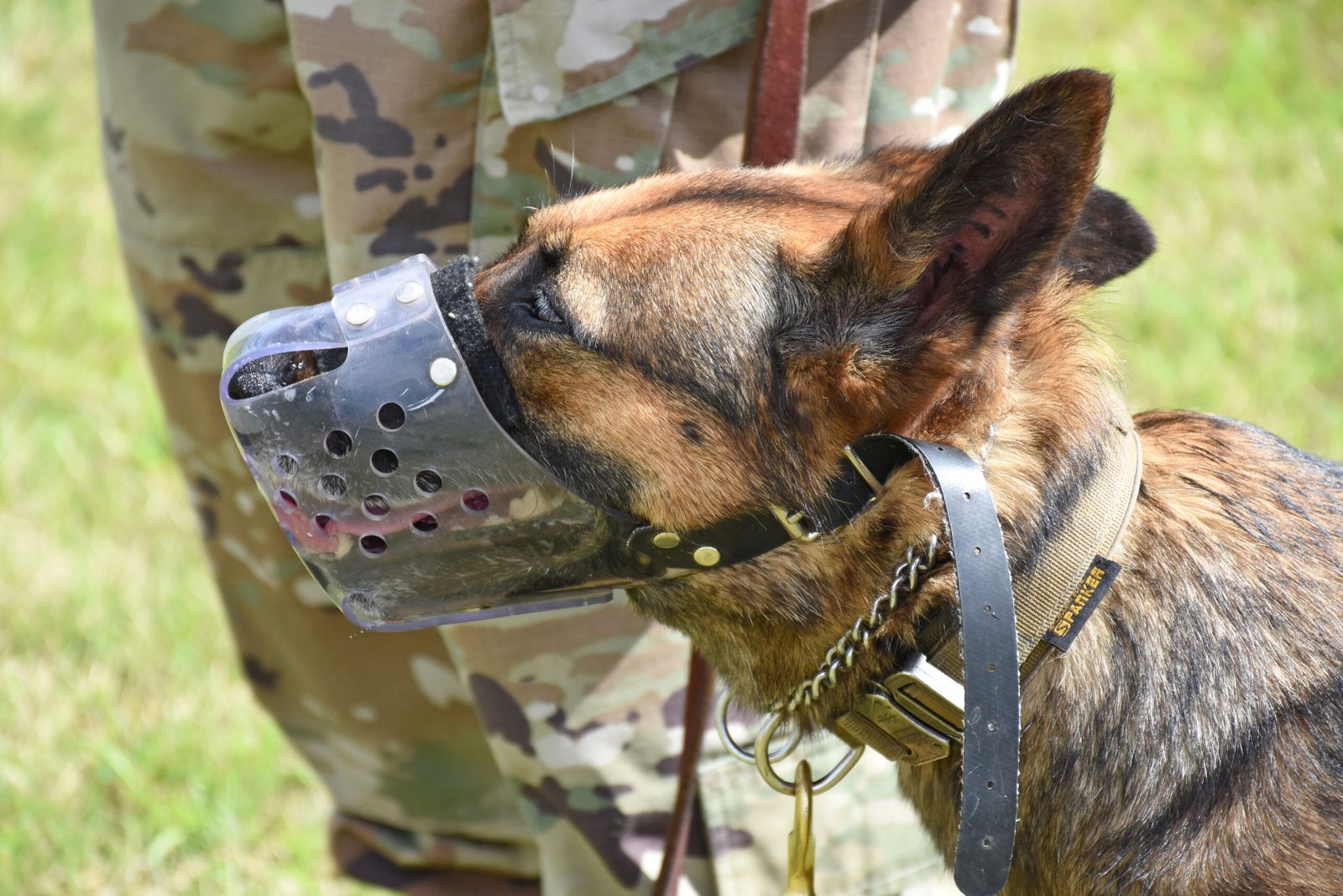
One of the leading causes of aggression in dogs is a lack of proper socialization during their formative puppy years. Just like humans, dogs need to experience a variety of environments, people, and other animals to develop a well-rounded personality. Imagine if you were never exposed to other people or situations beyond your home; it might be a bit daunting to suddenly face a bustling city street.
Dogs that haven’t been adequately socialized may react with fear or aggression when they encounter new experiences. They might see every unfamiliar situation as a potential threat. Owners can help mitigate this by introducing their dogs to new situations gradually and positively. Puppy classes, dog parks, and regular walks in varied environments can help a dog feel more comfortable and less reactive to the unknown.
Past Trauma or Abuse
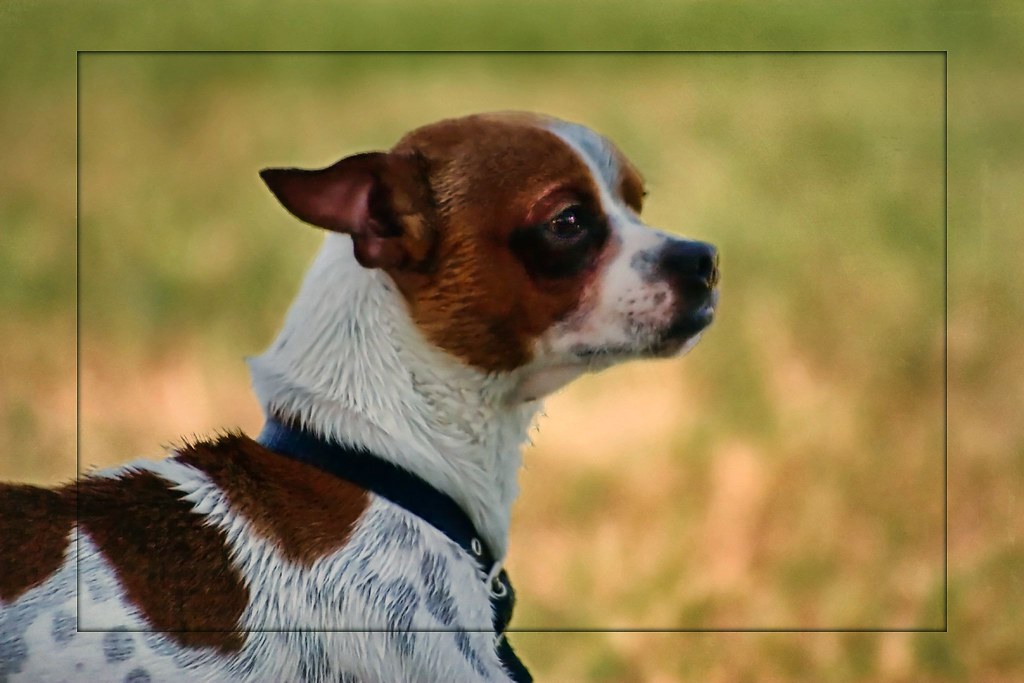
A dog’s past experiences can profoundly impact its behavior, much like how our past experiences shape our personalities. Dogs that have suffered trauma or abuse may develop aggressive behaviors as a defense mechanism. It’s their way of protecting themselves from perceived threats, even if those threats are no longer present. Think of it as carrying an emotional scar that can resurface in challenging situations.
Rehabilitating a dog with a traumatic past requires patience, understanding, and often the help of a professional. Positive reinforcement and consistent, gentle training can help rebuild trust and reduce aggression. It’s a journey that requires dedication, but the bond formed in the process can be incredibly rewarding.
Health Issues
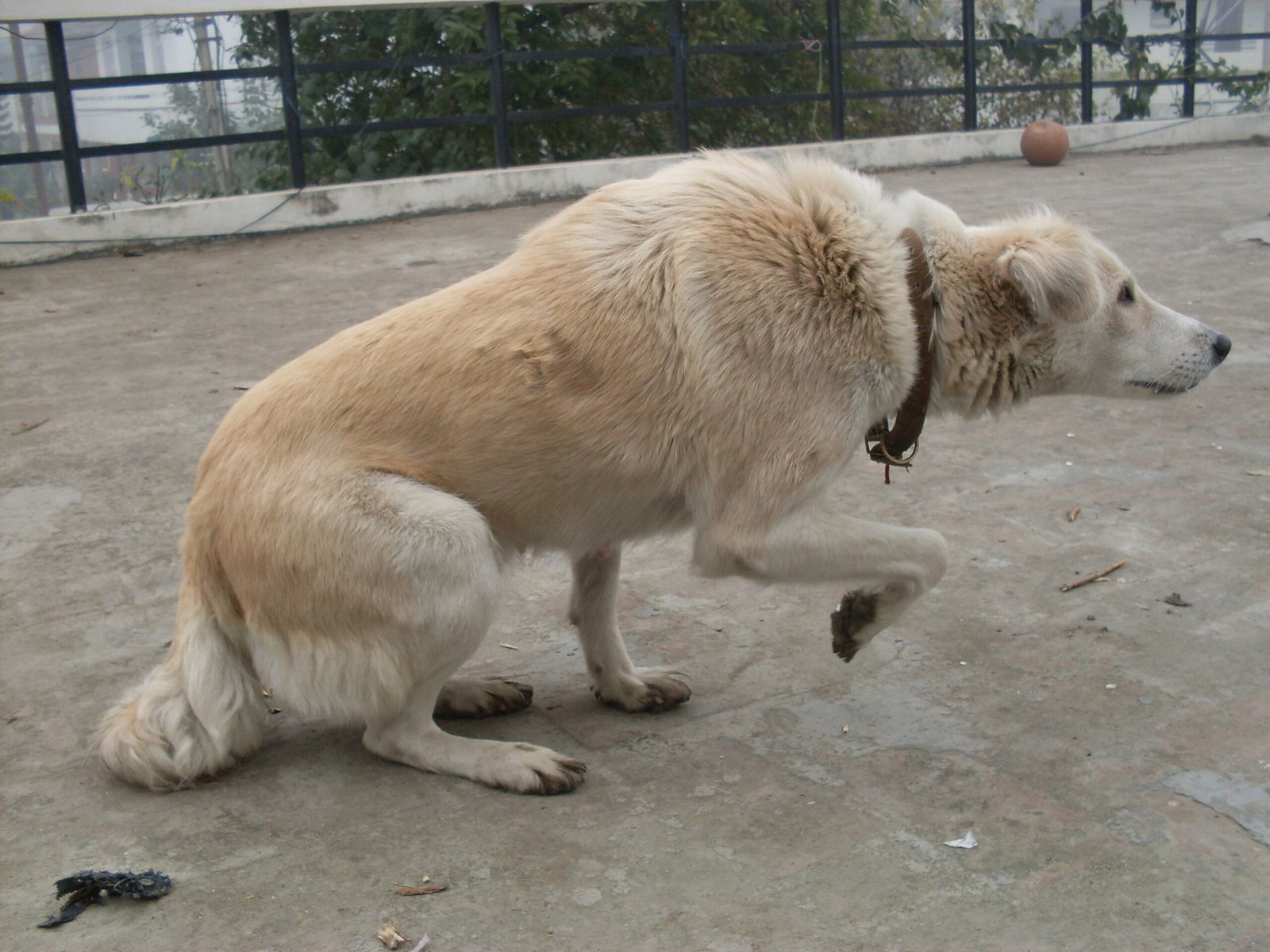
Sometimes, aggression in dogs can be attributed to underlying health issues. Dogs can’t verbally communicate when they’re in pain, so they might resort to snapping or biting as a way to express discomfort. Just as we might become irritable when we’re not feeling well, dogs may also display aggression when they’re unwell.
Regular veterinary check-ups are essential to ensure a dog’s health and well-being. Conditions such as arthritis, dental pain, or neurological issues can lead to aggressive behaviors. By addressing these health concerns, owners can often see a significant reduction in unwanted behaviors.
Territorial Instincts
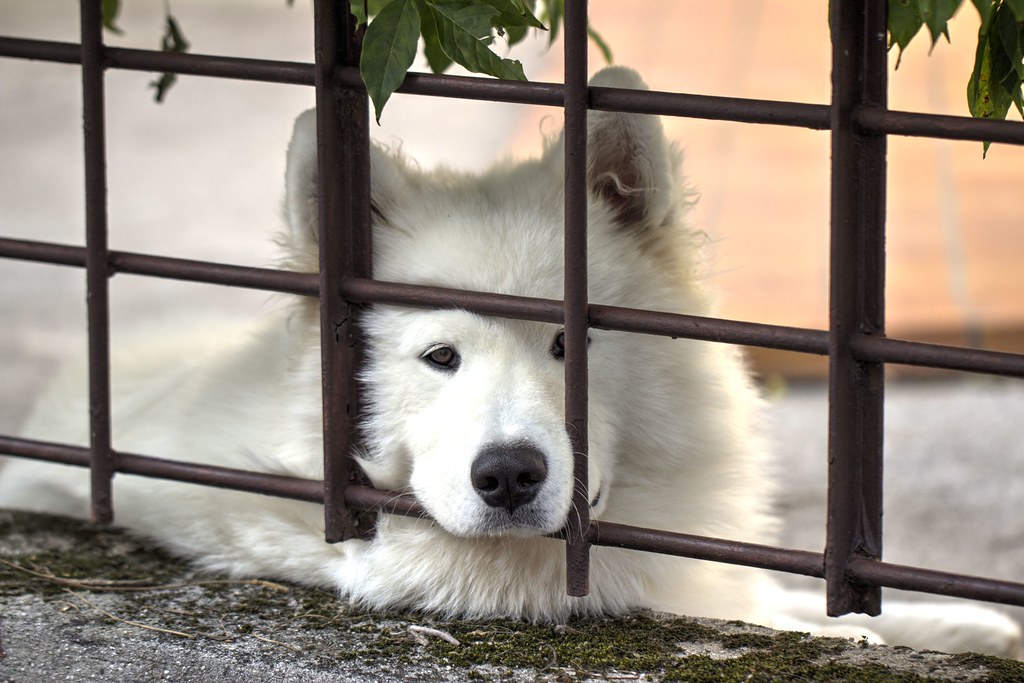
Dogs are naturally territorial creatures. They have an innate desire to protect their home and loved ones. This protective instinct can sometimes manifest as aggression, especially if the dog perceives an intruder or threat. It’s a bit like how we lock our doors at night to keep our homes safe.
Training can help manage territorial aggression. Teaching commands like “sit” or “stay” can redirect a dog’s attention and help it focus on its owner rather than the perceived threat. Ensuring that a dog understands its boundaries and feels secure in its environment can also reduce territorial behaviors.
Fear and Anxiety

Fear and anxiety are common triggers for aggression in dogs. When a dog feels threatened or cornered, it may lash out as a form of self-defense. Imagine being in a haunted house and suddenly having a skeleton pop out at you; your immediate reaction might be to lash out in fear. Dogs experience similar reactions when faced with situations they can’t escape from.
Owners can help alleviate fear-induced aggression by creating a calm and predictable environment. Gradual exposure to fear-inducing stimuli, combined with positive reinforcement, can help a dog build confidence and reduce anxiety-driven aggression.
Protective Nature
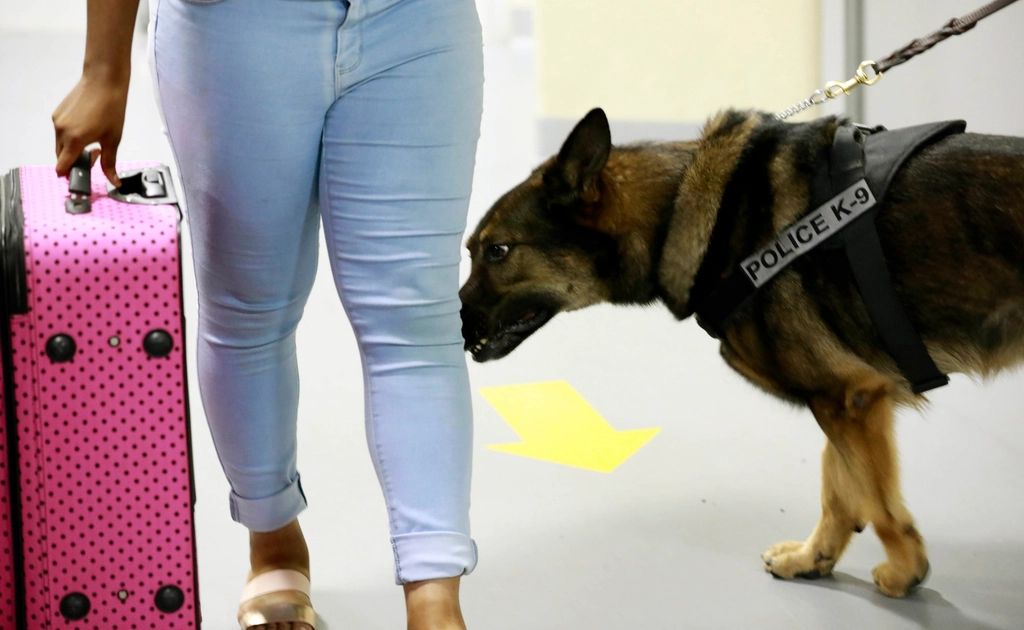
Many dogs have a strong protective instinct towards their family members. While this can be a positive trait, it can also lead to aggressive behaviors if not managed properly. A dog might perceive a friendly hug between family members as a threat and react aggressively. It’s a bit like how an overprotective sibling might react when they think someone is bothering their little brother or sister.
Training a dog to understand the difference between real threats and normal social interactions is crucial. Consistent training and socialization can help a dog feel secure and less likely to react aggressively out of protection.
Improper Training Techniques
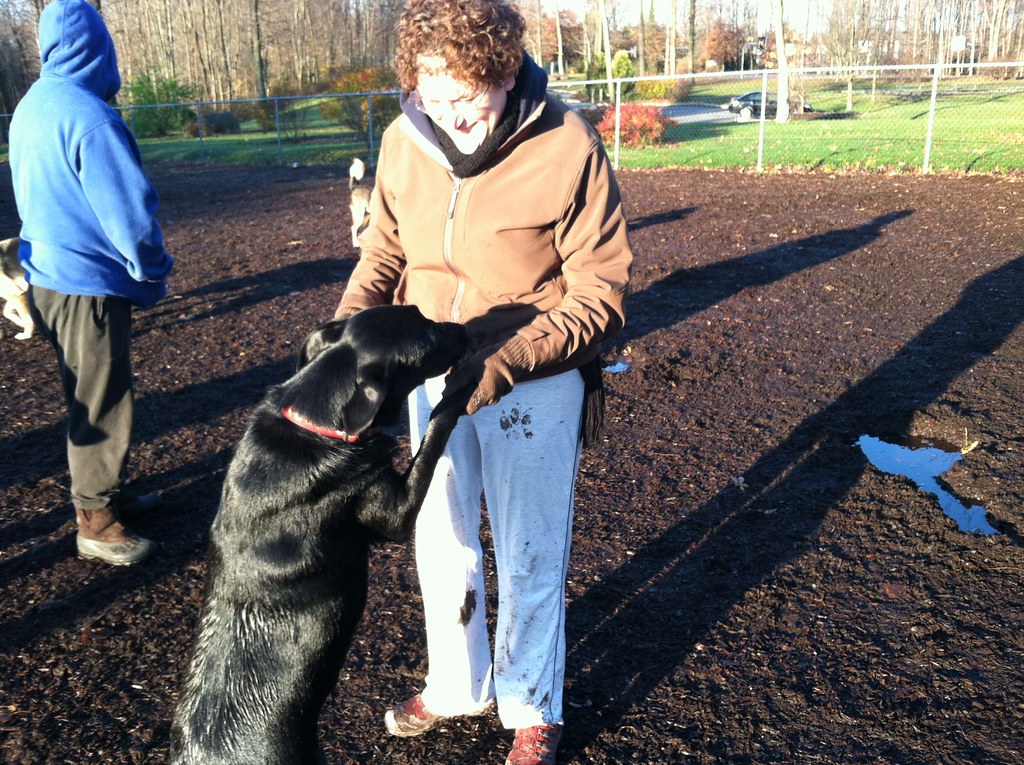
Improper or inconsistent training can lead to confusion and aggression in dogs. Dogs thrive on routine and clear communication. When they receive mixed signals or harsh corrections, they may become anxious or aggressive. It’s similar to how a student might feel frustrated if their teacher constantly changes the rules without explanation.
Positive reinforcement and consistency are key to effective training. Rewarding desired behaviors and ignoring or redirecting unwanted behaviors can help a dog understand what is expected of them. Building a trusting relationship through positive interactions can significantly reduce aggression.
In conclusion, understanding the myriad reasons behind why some dogs develop aggressive behaviors can help owners address and manage these issues. Whether it’s rooted in genetics, past trauma, or health concerns, recognizing the cause is the first step towards finding a solution. By providing a loving, consistent, and understanding environment, dog owners can help their canine companions lead happier, more balanced lives.


