
How to Spot Potentially Aggressive Dogs Before Adoption
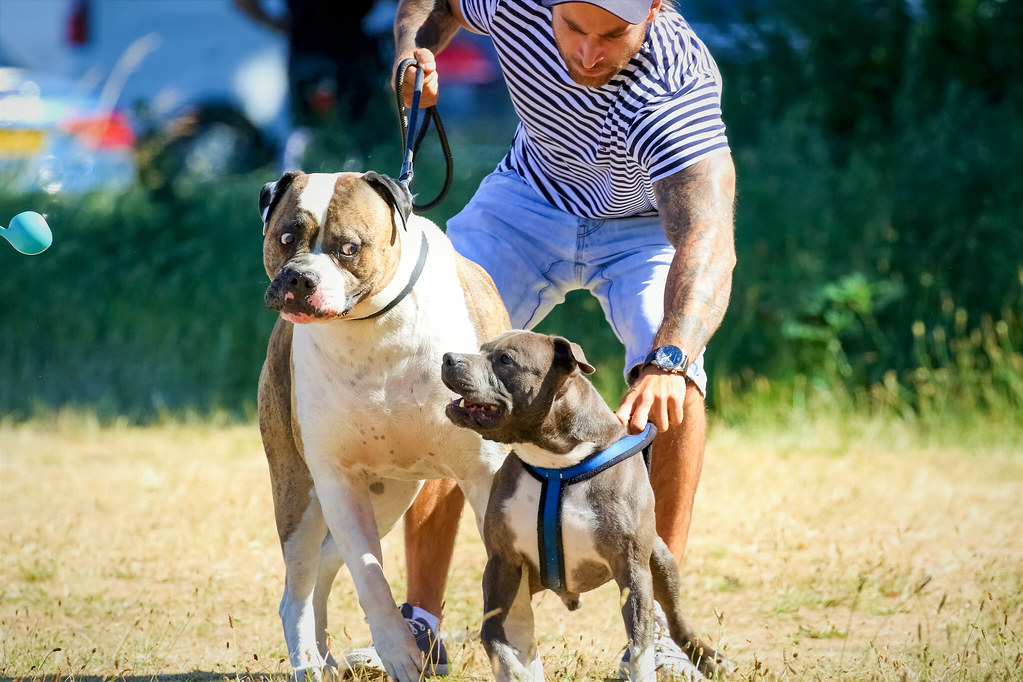
Adopting a dog can be one of the most rewarding experiences of your life. However, it’s essential to ensure that the dog you bring into your home is a good fit for your family and lifestyle. One critical aspect of this decision is identifying whether a dog might have aggressive tendencies. Understanding how to spot these potential issues can prevent future problems and ensure a harmonious relationship between you and your new furry friend.
Understanding Dog Aggression
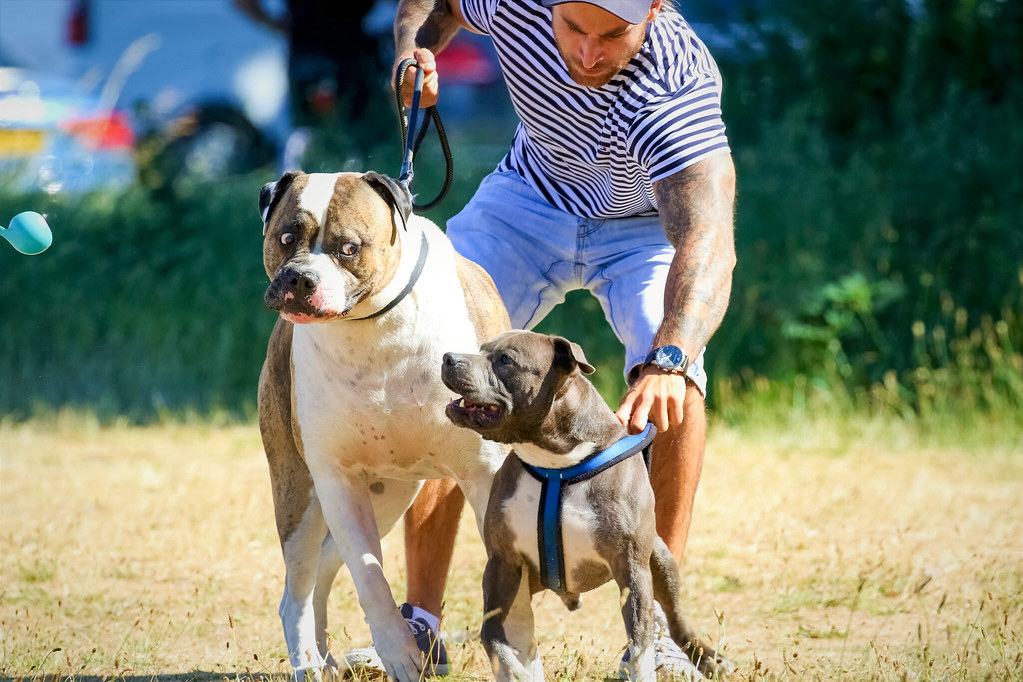
Dog aggression can manifest in various forms, including fear aggression, territorial aggression, and protective aggression. Each type has different triggers and signs that are important to recognize. For instance, a dog displaying fear aggression might growl or snap when approached too quickly. On the other hand, territorial aggression might be evident if a dog is overly protective of its space. Recognizing these signs can help you understand the underlying causes of aggression, which is the first step in addressing it. Remember, aggression is not a breed-specific trait; any dog can exhibit aggressive behavior depending on its experiences and environment.
Observing Body Language

Dogs communicate a lot through their body language. Observing how a dog reacts in different situations can provide insights into its temperament. Watch for signs like a stiff body, raised hackles, or a hard stare, which might indicate discomfort or the potential for aggression. Be aware of the dog’s tail position as well; a wagging tail doesn’t always mean a friendly dog. A slow wag with a stiff body posture could signal unease. By understanding these subtle cues, you can better gauge a dog’s mood and potential for aggression.
Assessing Socialization Skills
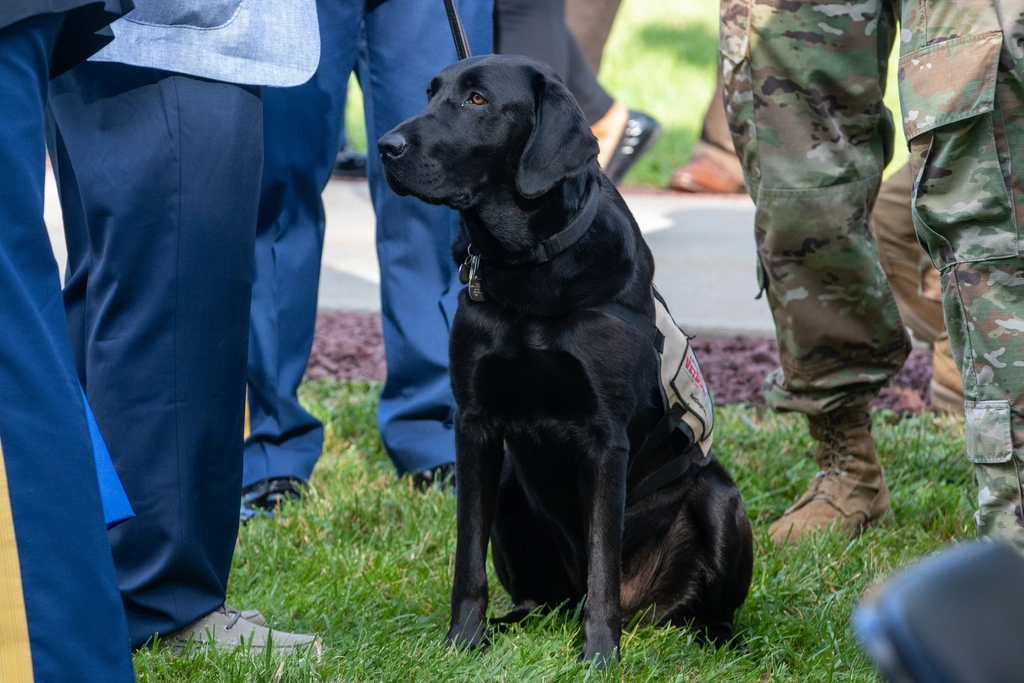
A well-socialized dog is generally more adaptable and less likely to display aggression. During your visit to the shelter or breeder, observe how the dog interacts with other dogs and people. Does it seem comfortable and relaxed, or does it shy away or become tense? A dog that has been adequately socialized will approach new situations with curiosity rather than fear or aggression. If possible, ask the shelter staff about the dog’s history and any known socialization efforts. This information can provide valuable context for the dog’s behavior.
Conducting a Temperament Test

Many shelters and rescue organizations perform temperament tests to evaluate a dog’s behavior in different scenarios. These tests can include assessing the dog’s reaction to strangers, other animals, and various stimuli like loud noises. Ask the shelter if they have conducted such a test on the dog you are interested in adopting. If not, consider requesting one or conducting your own test under the guidance of a professional. A temperament test can reveal how a dog might react in everyday situations and help you make an informed decision.
Consulting with Shelter Staff
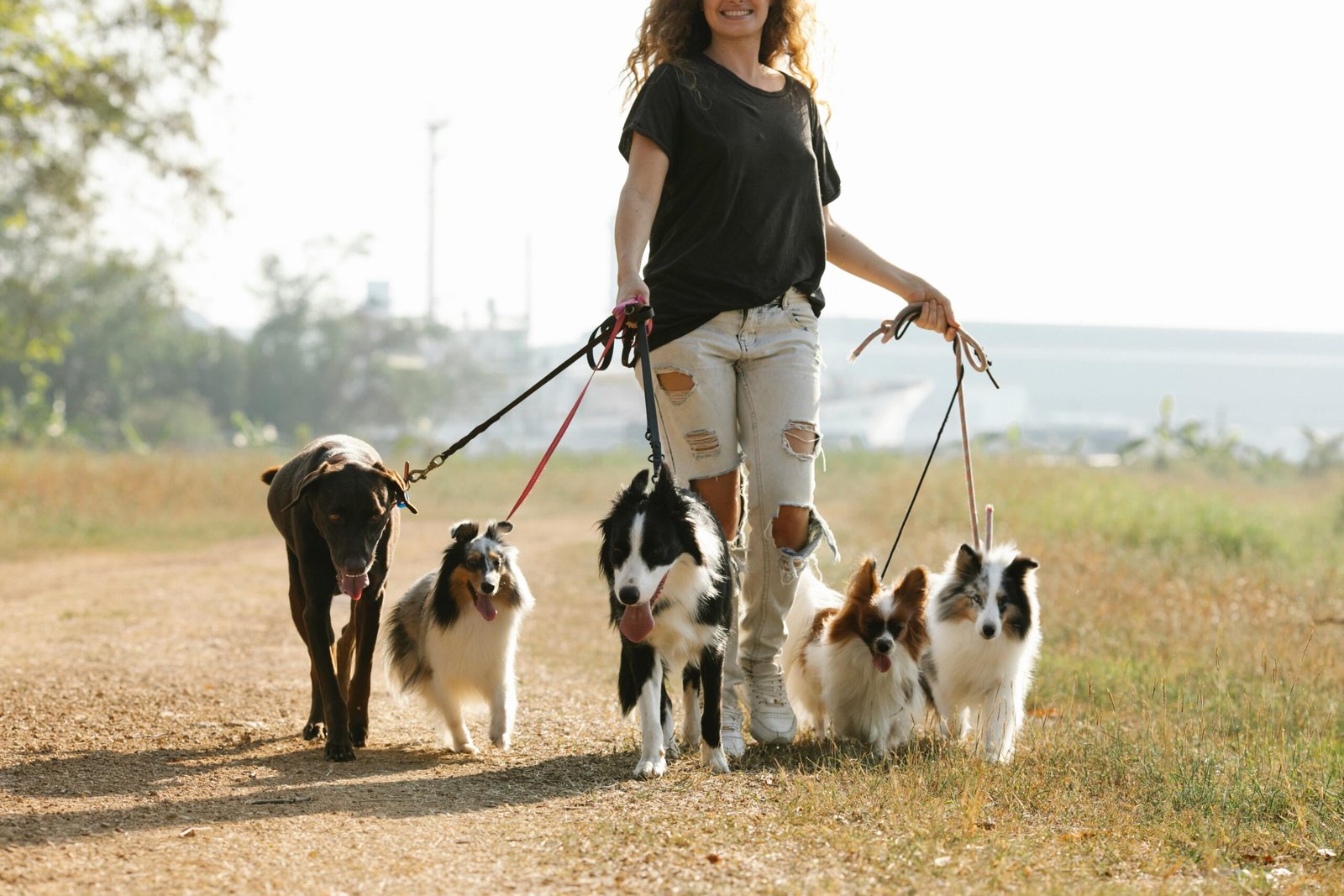
The staff at shelters and rescue organizations interact with the dogs daily and can provide valuable insights into their behavior. Don’t hesitate to ask them about the dog’s history, previous owners, and any behavioral observations they might have. They can often tell you about specific triggers or challenges the dog might have faced. This firsthand knowledge can be instrumental in understanding whether a dog might have aggressive tendencies and how to manage them if they arise.
Understanding the Importance of Patience

Adopting a dog is a big commitment, and patience is key to building a successful relationship. Some dogs may exhibit stress-related behaviors in a shelter environment that could be mistaken for aggression. Giving a dog time to adjust to its new surroundings can often reveal its true temperament. Be prepared to invest time in training and socialization if you decide to adopt a dog with potential aggression. With patience and proper guidance, many dogs can overcome their aggressive tendencies and become loving companions.
Seeking Professional Guidance
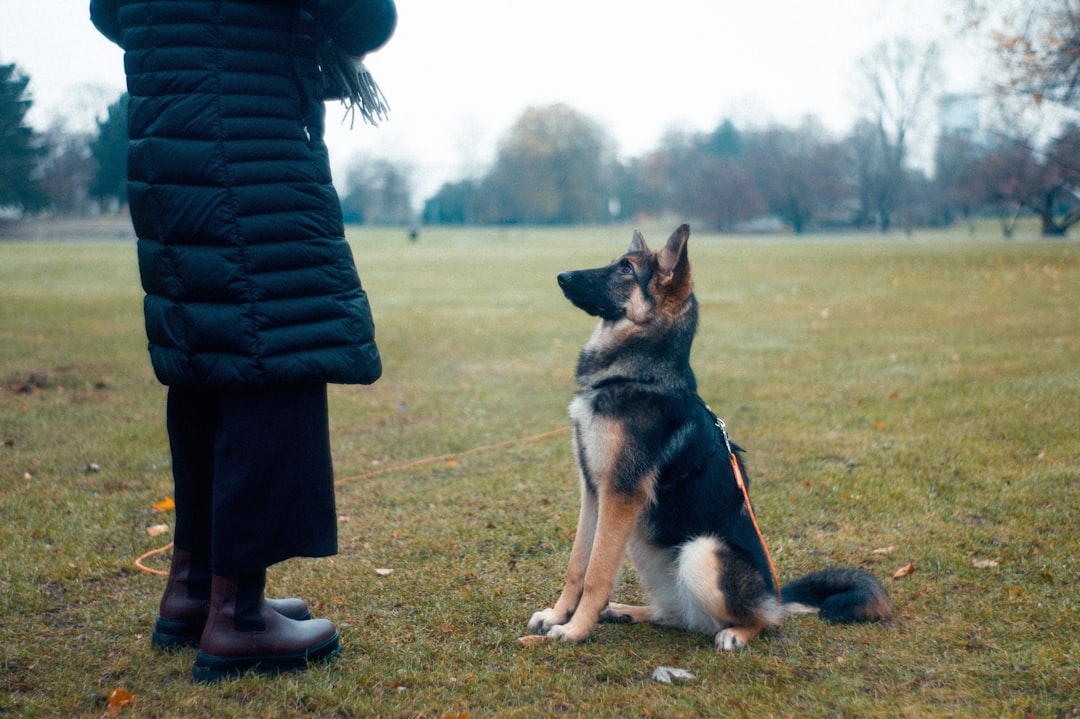
If you’re concerned about a dog’s potential for aggression, consulting a professional dog trainer or behaviorist can be invaluable. These experts can evaluate the dog’s behavior and provide strategies for addressing any issues. They can also offer guidance on training techniques that promote positive behavior and help prevent aggression. Professional advice can be especially beneficial if you’re considering adopting a dog with known behavioral challenges. Remember, seeking help early can prevent problems from escalating and ensure a smoother transition for both you and your dog.
Making an Informed Decision
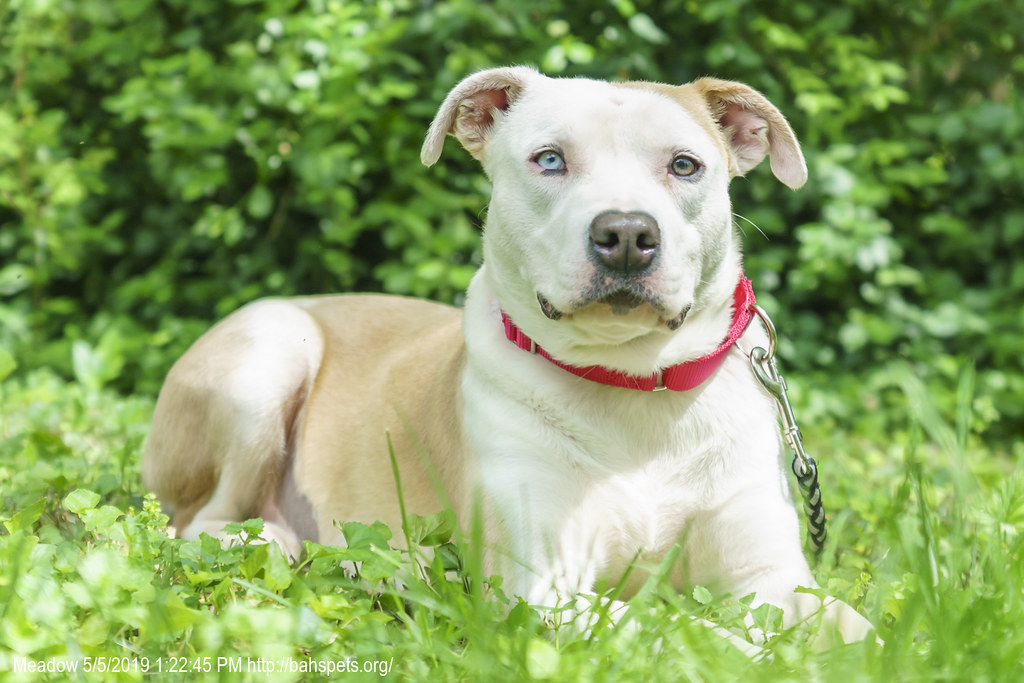
The decision to adopt a dog should never be taken lightly, especially if there are concerns about aggression. Weigh the information you’ve gathered from observing the dog, consulting with shelter staff, and seeking professional advice. Consider your ability to meet the dog’s needs and whether you’re prepared to handle any potential challenges. Adopting a dog with aggression issues requires dedication and commitment, but it can also be incredibly rewarding. By making an informed decision, you can ensure a harmonious and loving relationship with your new pet.