
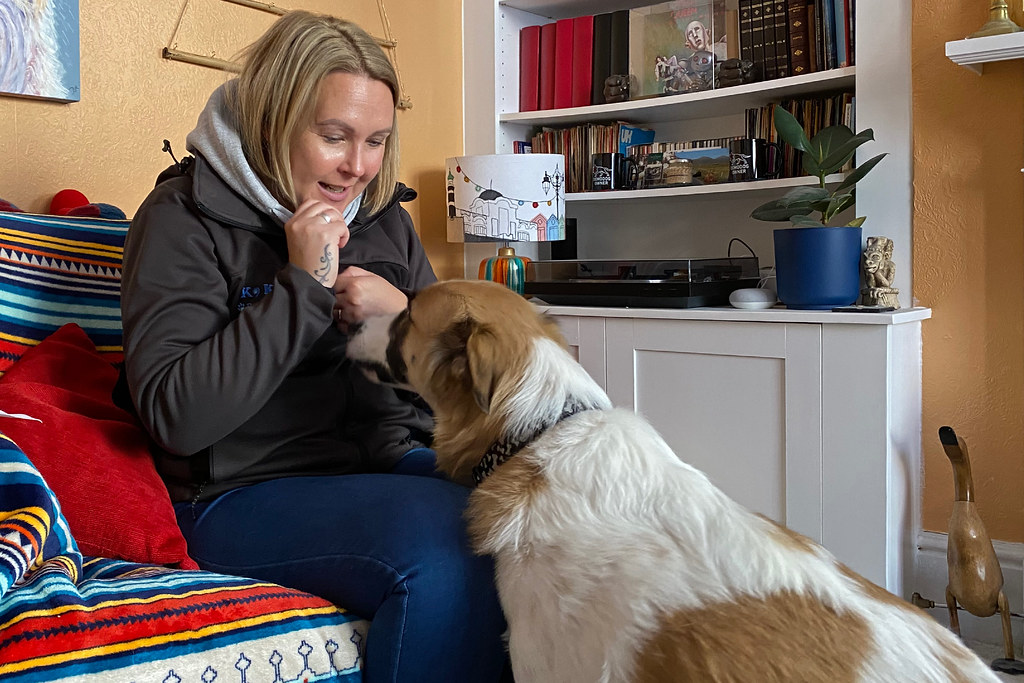
Training Tips for First-Time Dog Owners
Welcoming a dog into your home is a heartwarming adventure filled with joy, wagging tails, and plenty of slobbery kisses. Yet, for first-time dog owners, this new chapter can also be a whirlwind of questions and concerns. From understanding your furry friend’s needs to establishing a strong bond, the journey can be as perplexing as it is rewarding. Fortunately, with the right guidance, you can build a harmonious relationship with your canine companion. Here are seven essential training tips that will help you and your dog thrive together.
Understand Your Dog’s Body Language

Dogs communicate largely through body language, and being able to interpret these signals is crucial for effective training. For instance, a wagging tail doesn’t always mean happiness; it can also indicate excitement or anxiety. Observing your dog’s ears, eyes, and posture can give you insights into their mood. If a dog is avoiding eye contact or tucking their tail between their legs, they might be feeling scared or submissive. By understanding these cues, you can tailor your training approach to be more empathetic. It’s like learning a new language, but one that can strengthen the bond between you and your pet.
Start with Basic Commands
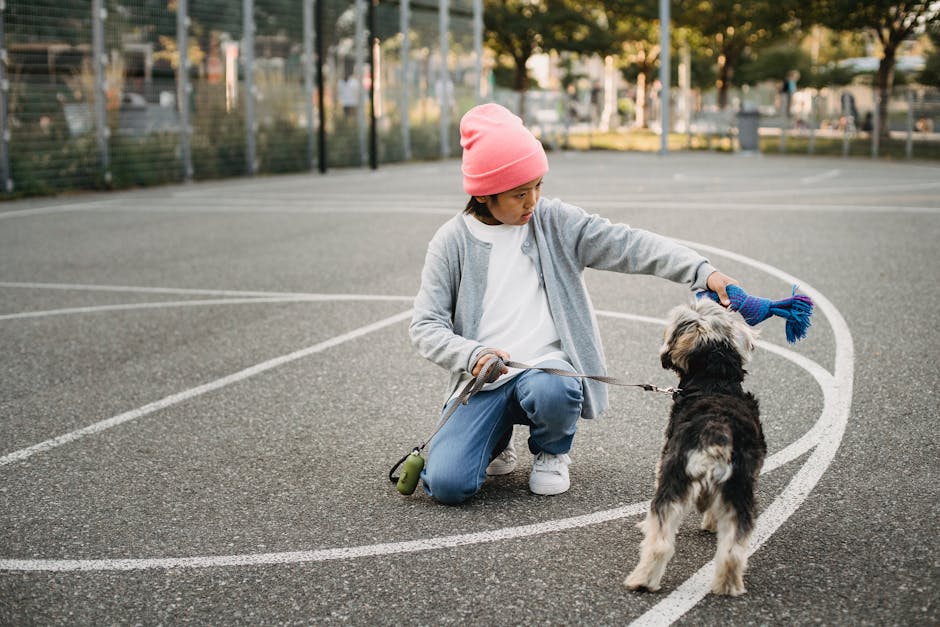
When you’re starting out, focus on teaching your dog basic commands like “sit,” “stay,” and “come.” These foundational commands are not only essential for good behavior but also for your dog’s safety. For instance, a reliable “stay” can prevent your dog from running into dangerous situations. Use positive reinforcement, such as treats or praise, to reward your dog when they successfully follow a command. Repetition is key, so practice these commands in short, consistent sessions. Think of it as laying the groundwork for a future skyscraper; without a solid foundation, everything else can crumble.
Consistency is Key

Consistency in training is like the steady beat of a drum in a marching band—it keeps everything in harmony. Use the same words and gestures for commands each time, so your dog doesn’t get confused. If you allow your dog to jump on the couch one day but scold them for it the next, they won’t understand what behavior is expected. Set clear rules and stick to them, ensuring everyone in the household is on the same page. By creating a predictable environment, your dog will feel more secure and confident in their behavior.
Socialization is Crucial
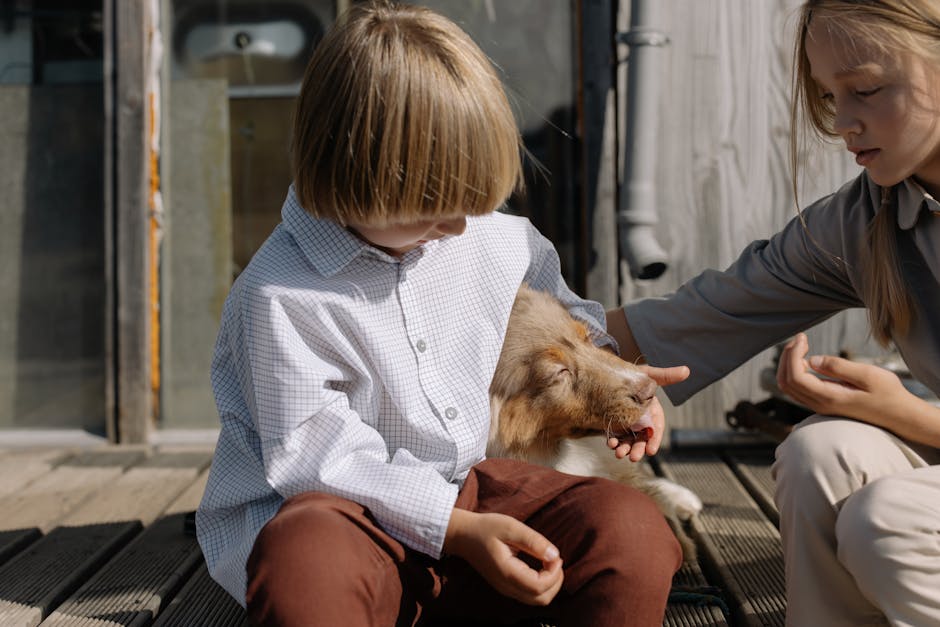
Exposing your dog to a variety of people, animals, and environments is vital for their development. Socialization helps your dog become well-adjusted and less fearful of new experiences. Take your dog to parks, introduce them to friends and family, and allow them to interact with other dogs. However, ensure these encounters are positive and not overwhelming. Think of it as broadening their horizons; just like humans, dogs benefit from diverse experiences that make them more adaptable and resilient.
Patience and Positivity
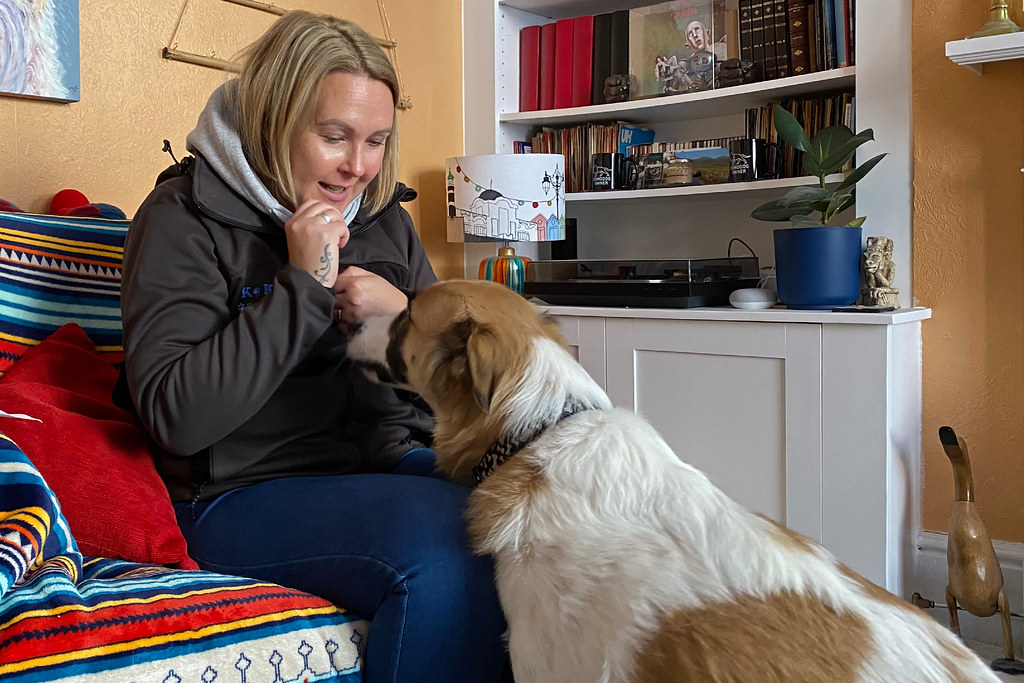
Training a dog requires a great deal of patience and a positive attitude. Dogs, especially puppies, have short attention spans and may not grasp commands immediately. Avoid frustration, as dogs can sense your emotions, which can hinder their learning process. Celebrate small victories and be patient with setbacks. Remember, every dog learns at their own pace, and maintaining a positive training environment will encourage your dog to keep trying. It’s akin to planting a garden; with time and care, you’ll reap the rewards of your efforts.
Engage in Regular Exercise
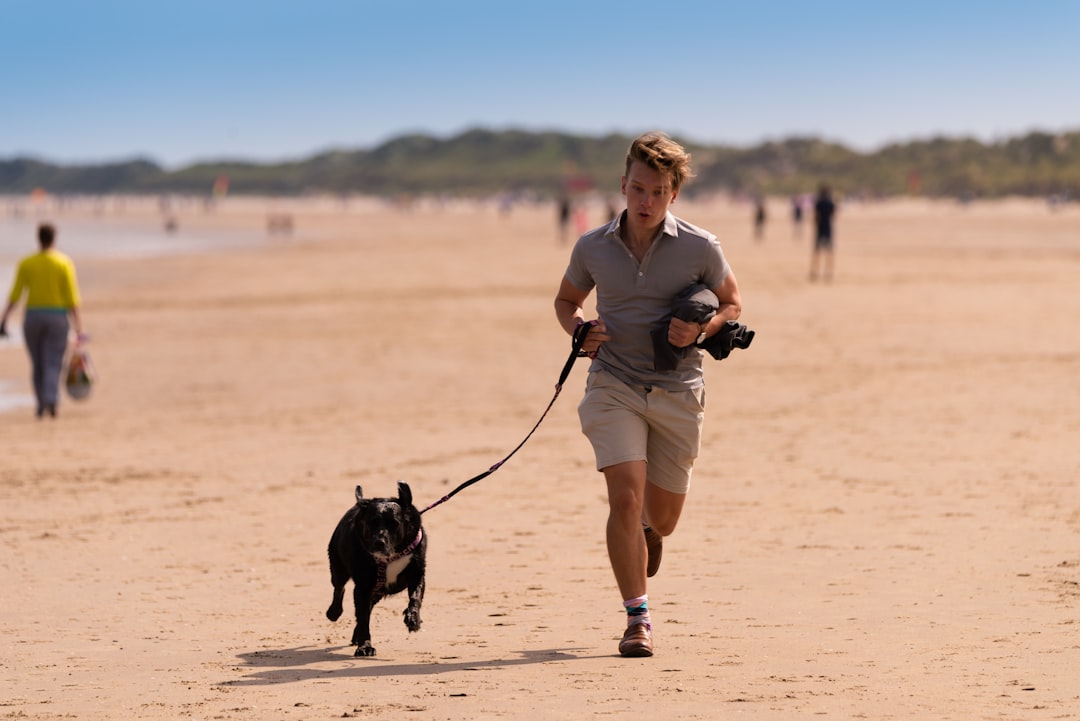
Physical activity is fundamental to a dog’s well-being and is an integral part of training. A well-exercised dog is more focused and less likely to exhibit undesirable behaviors such as chewing or barking. Incorporate walks, playtime, and interactive games into your daily routine. Activities like fetch or agility training can also double as training exercises, reinforcing commands in a fun way. Think of exercise as the fuel that powers your dog’s engine, keeping them healthy, happy, and ready to learn.
Seek Professional Guidance When Needed
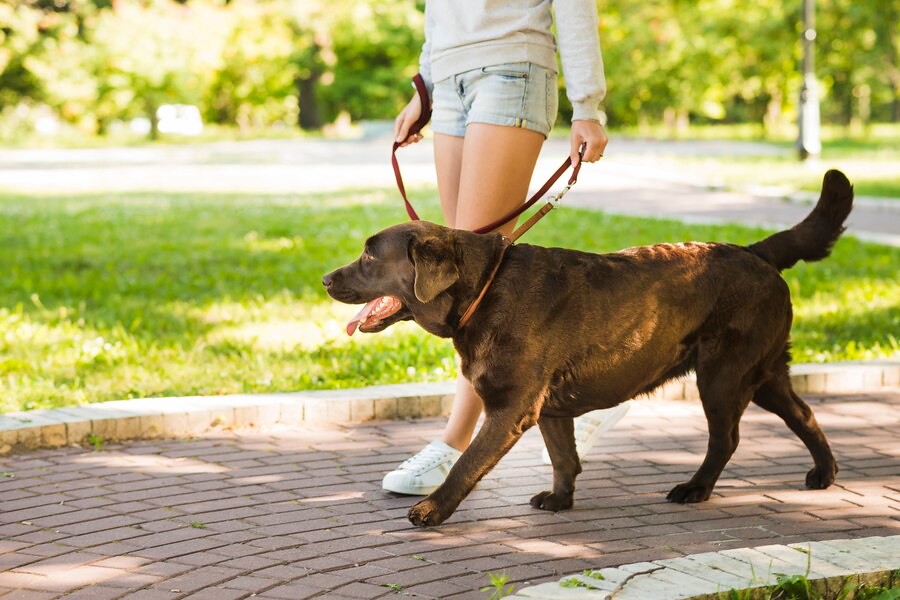
Sometimes, despite your best efforts, you may encounter challenges that require professional help. Dog trainers or behaviorists can offer valuable insights and techniques tailored to your dog’s specific needs. They can help address issues such as aggression, anxiety, or excessive barking. Seeking professional guidance isn’t a sign of failure; it’s a proactive step towards ensuring your dog’s well-being. It’s like consulting a coach to hone your skills in a sport—an expert can provide the guidance you need to succeed.
In the journey of dog ownership, training is not just about teaching commands; it’s about building a strong, loving relationship with your furry friend. By understanding your dog’s language, being consistent, and approaching training with patience and positivity, you’ll create a bond that lasts a lifetime. Remember, every dog is unique, and your journey together will be filled with learning, laughter, and love.


