
10 Amazing Facts About Nature’s Painted Wolf, the African Wild Dog
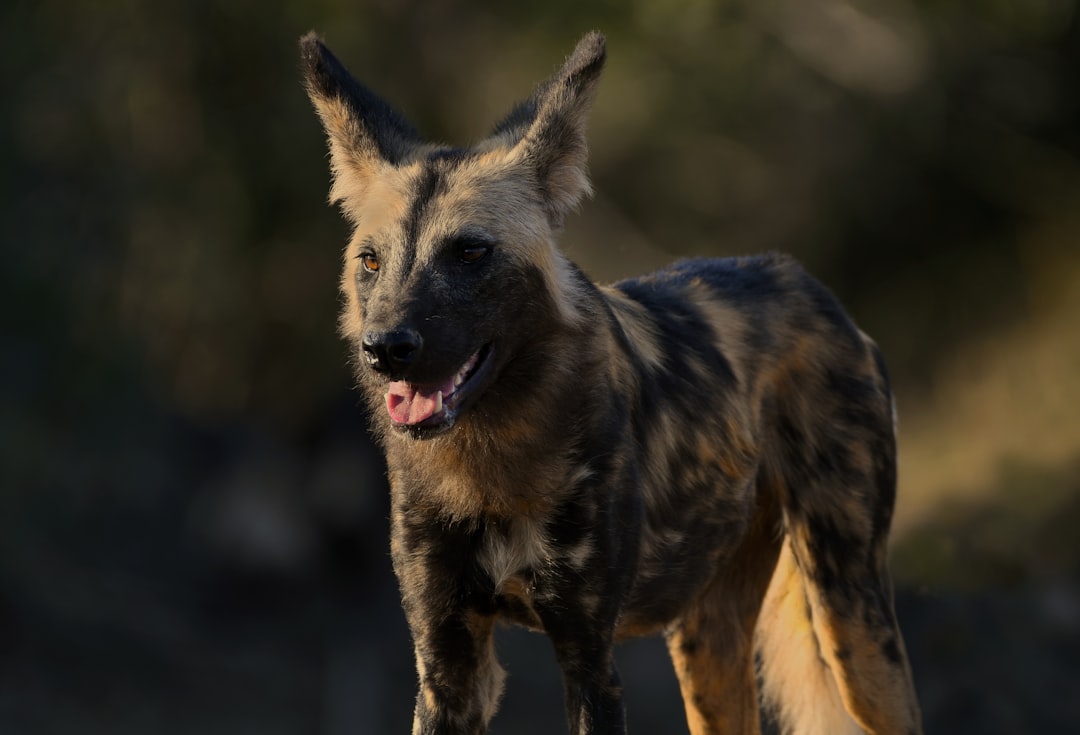
The African Wild Dog, often referred to as the painted wolf, is one of nature’s most intriguing creatures. Known for their colorful coats and intricate social structures, these animals captivate the hearts of animal lovers worldwide. But beyond their striking appearance, there are countless fascinating aspects about them that many might not know. From their unique hunting techniques to their role in the ecosystem, the African Wild Dog is a marvel of nature. This article delves deep into ten amazing facts about these extraordinary animals, bringing to light the intricacies that make them so special.
Distinctive Coat Patterns
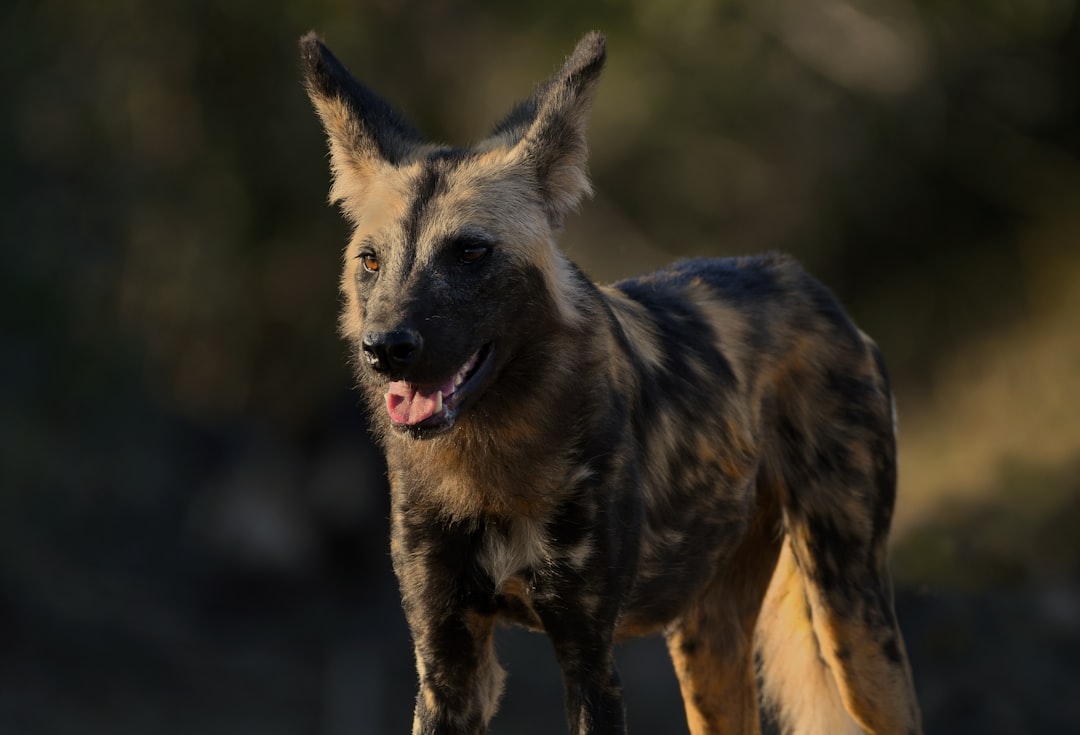
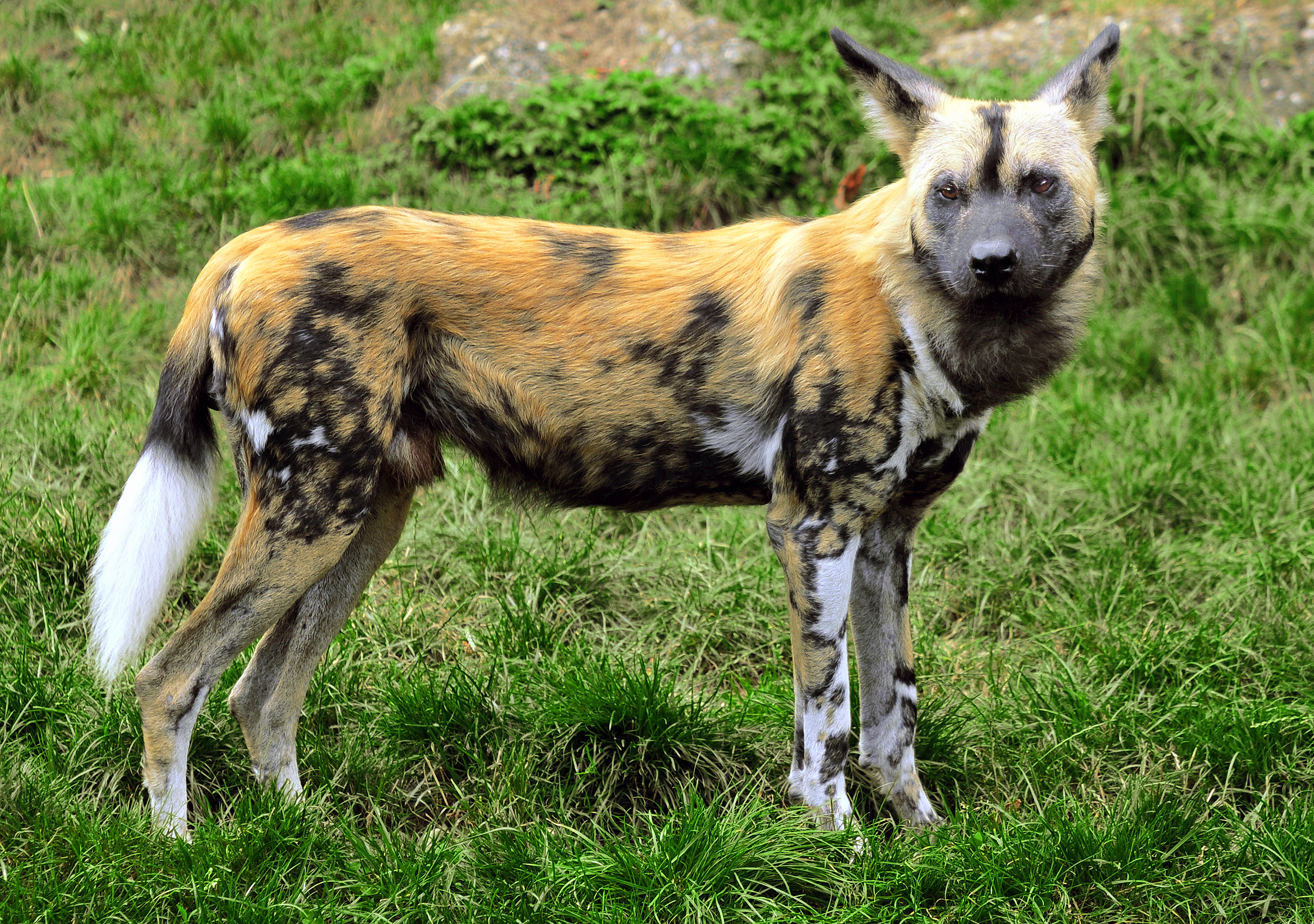
The African Wild Dog is easily recognizable by its unique, mottled coat, which is a blend of black, brown, white, and yellow patches. No two individuals have the same pattern, making each dog as unique as a fingerprint. This distinctive appearance not only fascinates onlookers but also serves a purpose in the wild. The varied colors help them blend into their surroundings, providing camouflage from potential predators and prey. Much like a painter’s canvas, their coats tell a story of survival and adaptation in the wild African terrain.
Exceptional Hunters
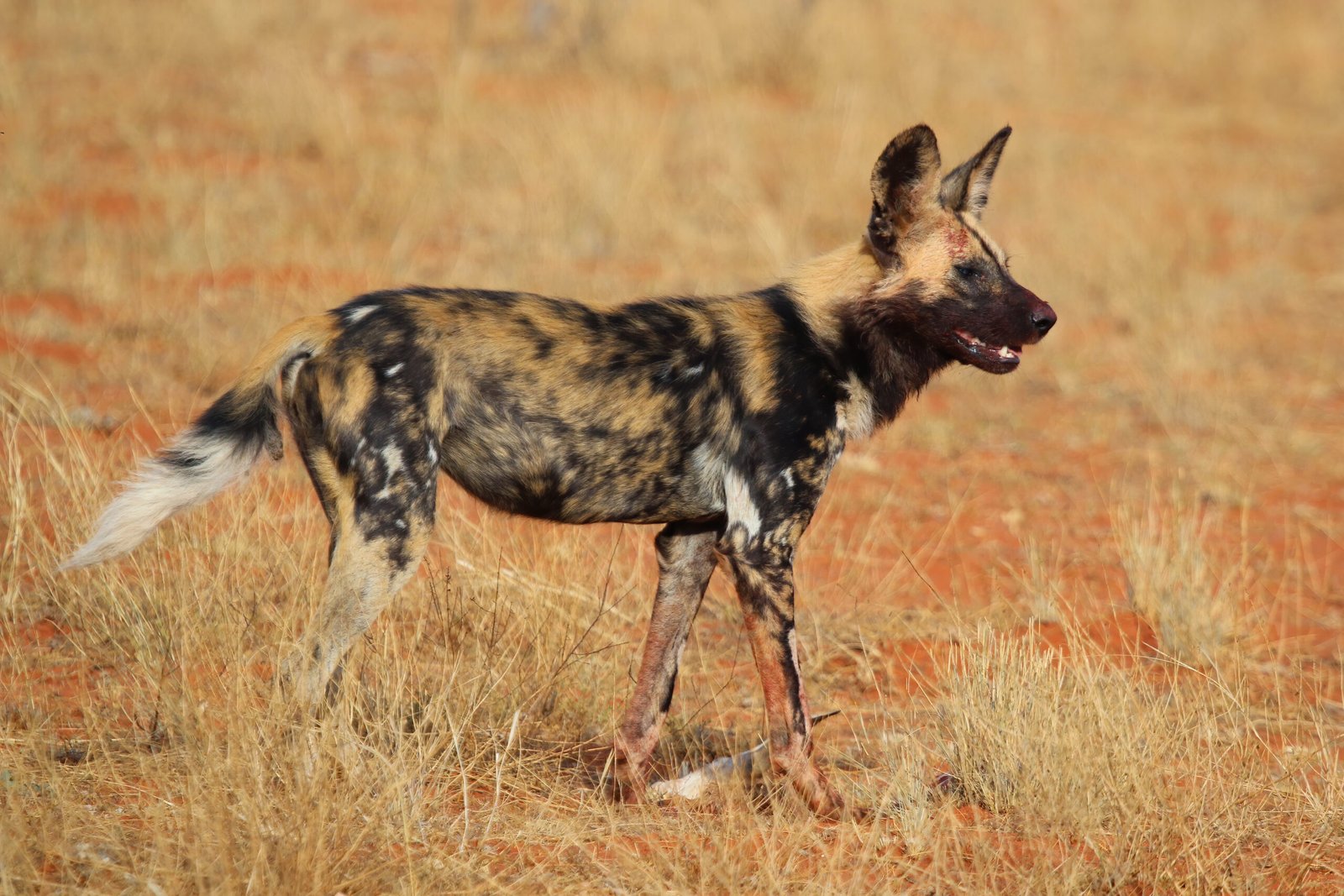
African Wild Dogs are among the most efficient hunters in the animal kingdom, with a success rate of up to 80%. They rely on teamwork and strategy, similar to a well-coordinated sports team. Hunting in packs, they communicate through vocalizations and body language to corner prey, often employing a relay-like chase to tire their target. This collaborative effort showcases their intelligence and adaptability, traits that have evolved over centuries to ensure their survival in the challenging African environment.
Complex Social Structures
Living in packs of about 10 to 15 individuals, African Wild Dogs have a social structure that’s both intricate and fascinating. Each pack is led by a dominant breeding pair, and all members work together to raise the young. Unlike many other predators, these animals exhibit a strong sense of community, sharing food and caring for injured members. Their bonds are so profound that when a member is lost, the entire pack mourns, displaying emotions that resonate with those of humans.
Endangered Status
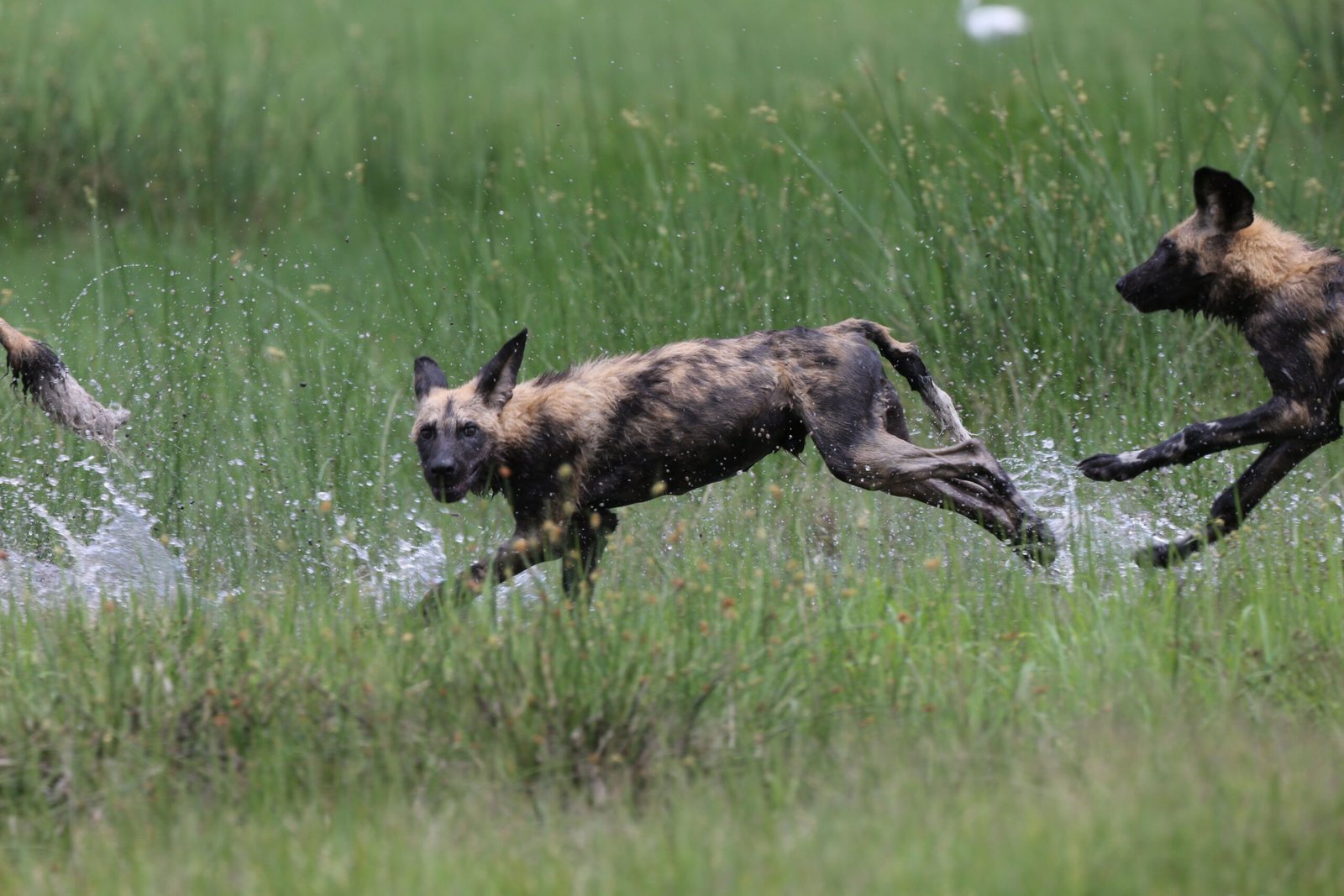
Despite their prowess and adaptability, African Wild Dogs are listed as endangered, with fewer than 5,000 individuals left in the wild. Their declining numbers are primarily due to habitat loss, human-wildlife conflict, and diseases like rabies. Conservation efforts are underway to protect these remarkable animals, focusing on habitat preservation and reducing human interference. The plight of the African Wild Dog serves as a poignant reminder of the delicate balance between nature and human expansion.
Vocal Communication
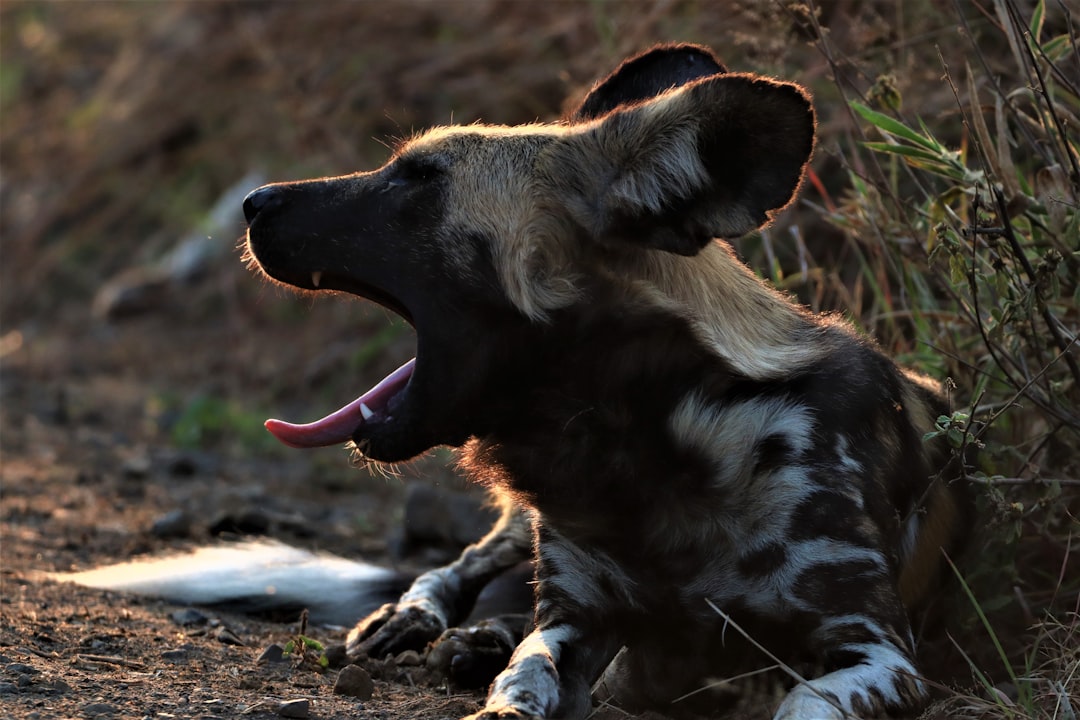
African Wild Dogs are known for their varied vocalizations, which play a crucial role in their social interactions. They communicate through a series of chirps, hoots, and chatters, each sound conveying different messages. This vocal repertoire helps maintain pack cohesion during hunts and alerts members to potential threats. Their communication skills are akin to a complex language, allowing them to express emotions and coordinate actions effectively.
Role in the Ecosystem
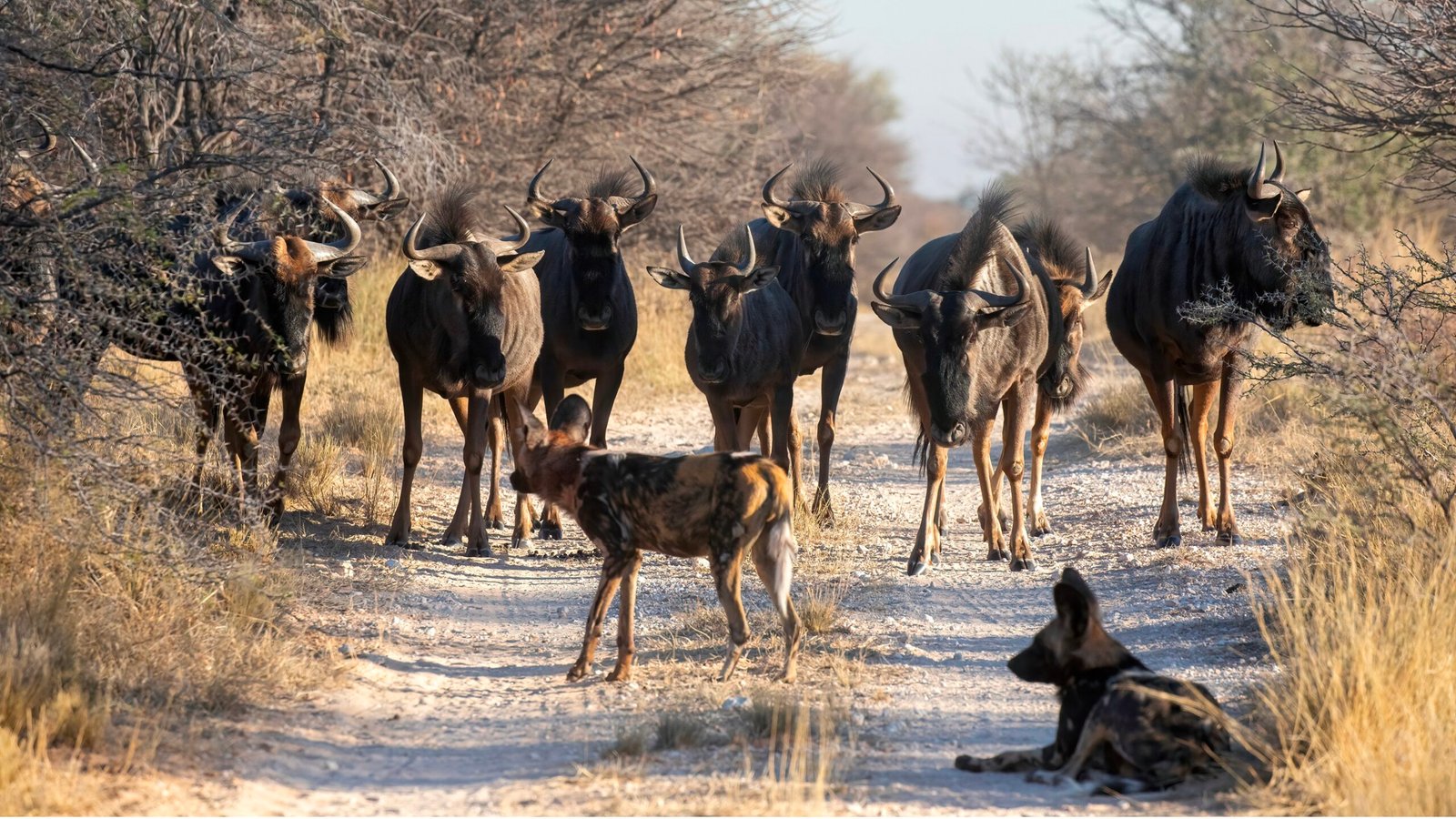
As apex predators, African Wild Dogs play a vital role in maintaining the balance of their ecosystem. They help regulate prey populations, ensuring that no single species dominates the landscape. This balance promotes biodiversity, which is essential for a healthy environment. By controlling herbivore numbers, they indirectly influence vegetation patterns, showcasing the interconnectedness of all living creatures in the wild.
Remarkable Stamina
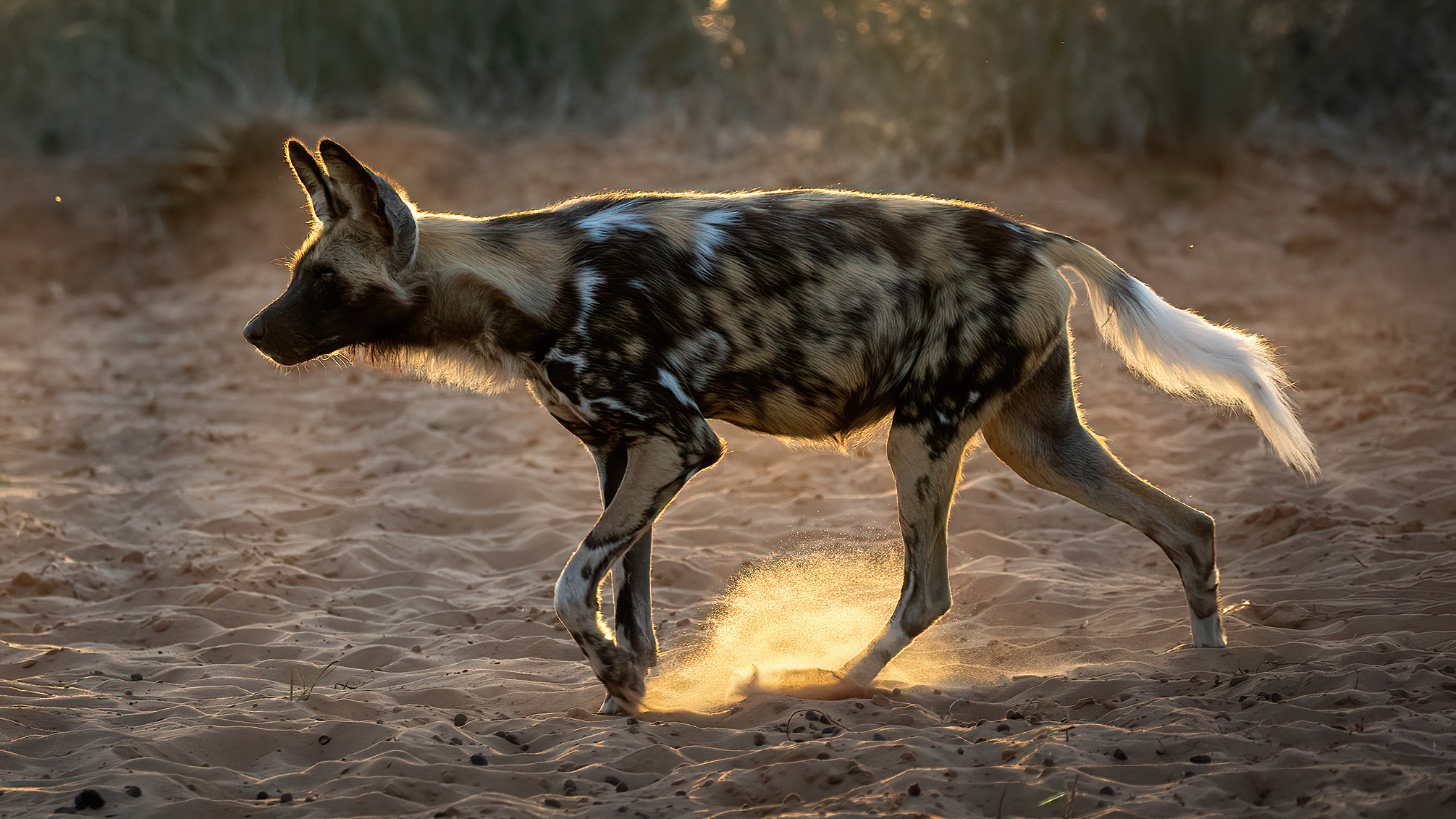
One of the most impressive traits of the African Wild Dog is its incredible stamina. These animals are built for endurance, capable of running long distances at speeds of up to 37 miles per hour. Their lean bodies and long legs are perfectly adapted for the chase, allowing them to pursue prey over vast expanses of land. This remarkable endurance is a testament to their evolutionary success, enabling them to thrive in diverse habitats across Africa.
Pack Dynamics
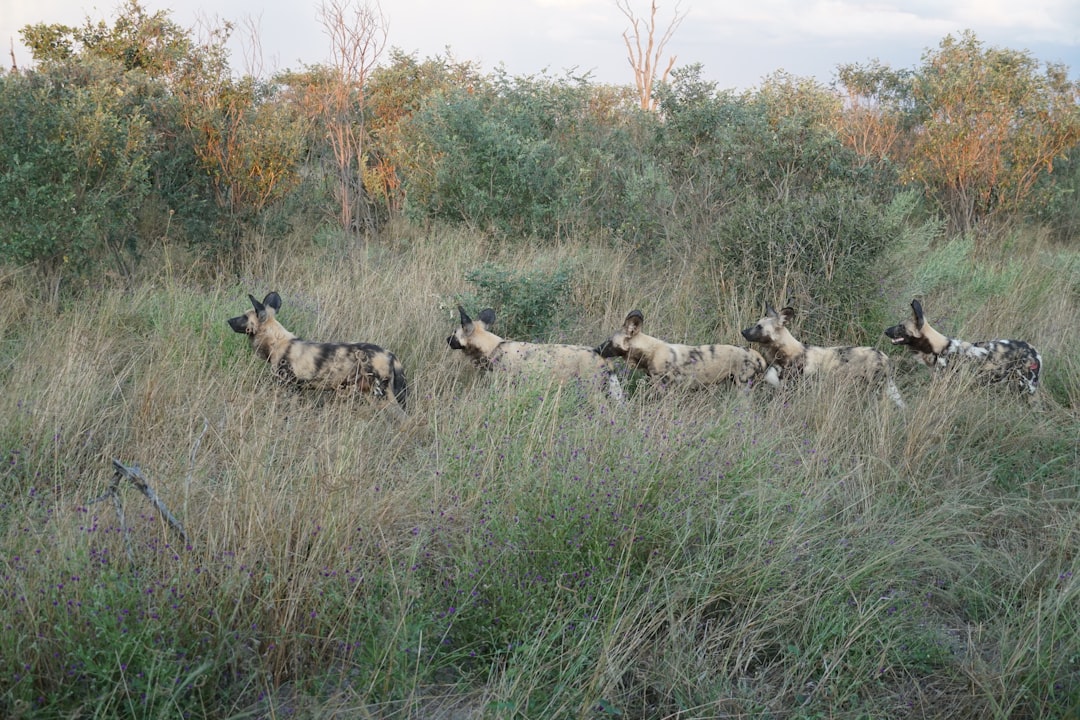
In a pack, every African Wild Dog has a role, contributing to the group’s overall success. While the dominant pair is responsible for breeding, other members assist in rearing the pups, hunting, and protecting the territory. This division of labor ensures the pack’s survival and highlights the importance of cooperation in the wild. Their pack dynamics are reminiscent of a close-knit family, where each member’s well-being is intricately linked to the others.
Adaptability to Habitats
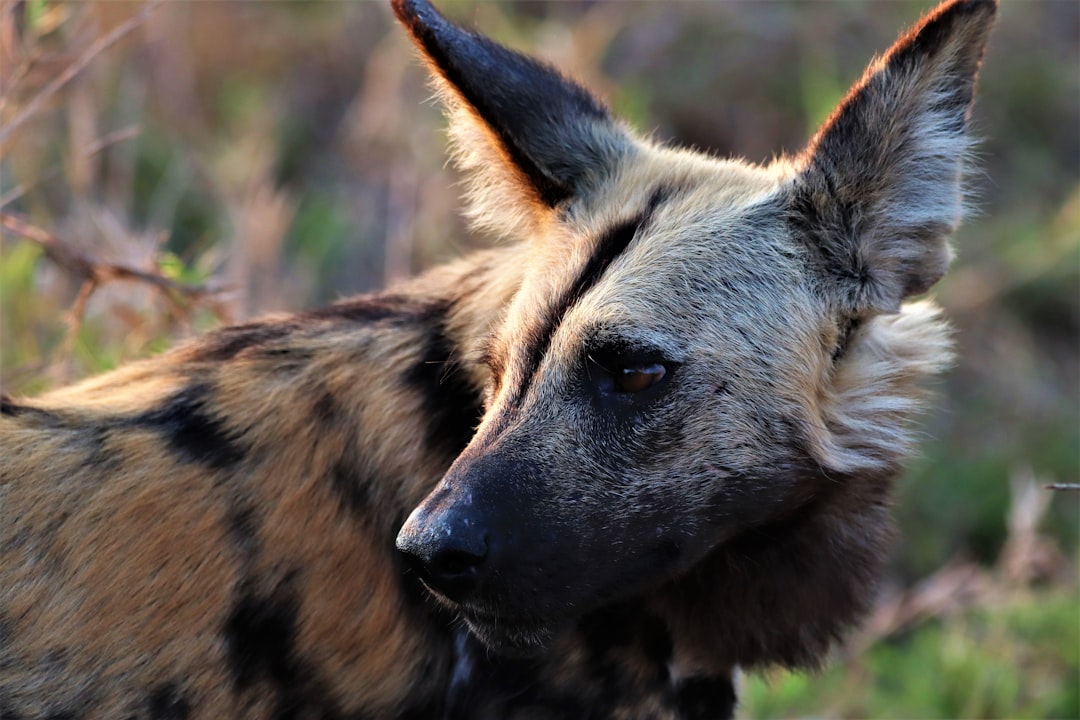
African Wild Dogs are incredibly adaptable, inhabiting a range of environments from savannas to woodlands. This flexibility is a key factor in their survival, allowing them to exploit various resources and avoid competition with other predators. Their ability to adapt to changing conditions demonstrates their resilience in the face of adversity, a trait that has helped them persist despite numerous challenges.
Pup Rearing Practices
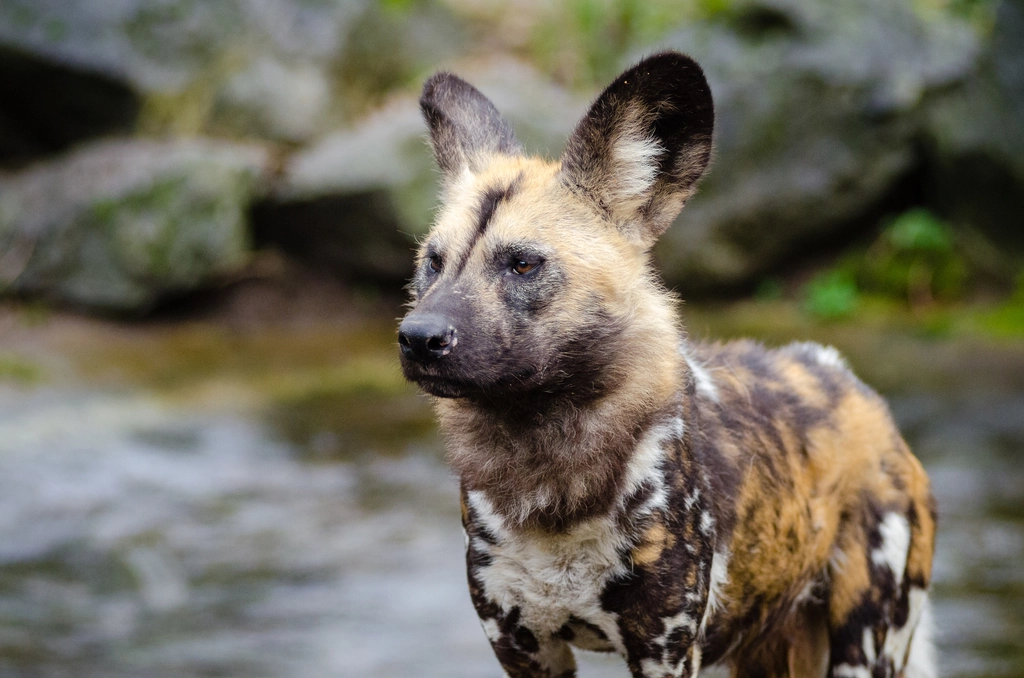
The rearing of pups in African Wild Dog packs is a communal effort. Unlike many other animals, where only the mother is involved in child-rearing, the entire pack participates in nurturing the young. This includes regurgitating food for the pups and keeping them safe from predators. Such communal care ensures high survival rates for the young, reinforcing the pack’s unity and strength. This practice underscores the deep-rooted social bonds that define these remarkable animals.
In conclusion, the African Wild Dog is a testament to nature’s creativity and resilience. These fascinating creatures, with their unique behaviors and social structures, offer invaluable insights into the complexities of the natural world. As we continue to learn about and protect them, we are reminded of the intricate web of life that binds us all.