
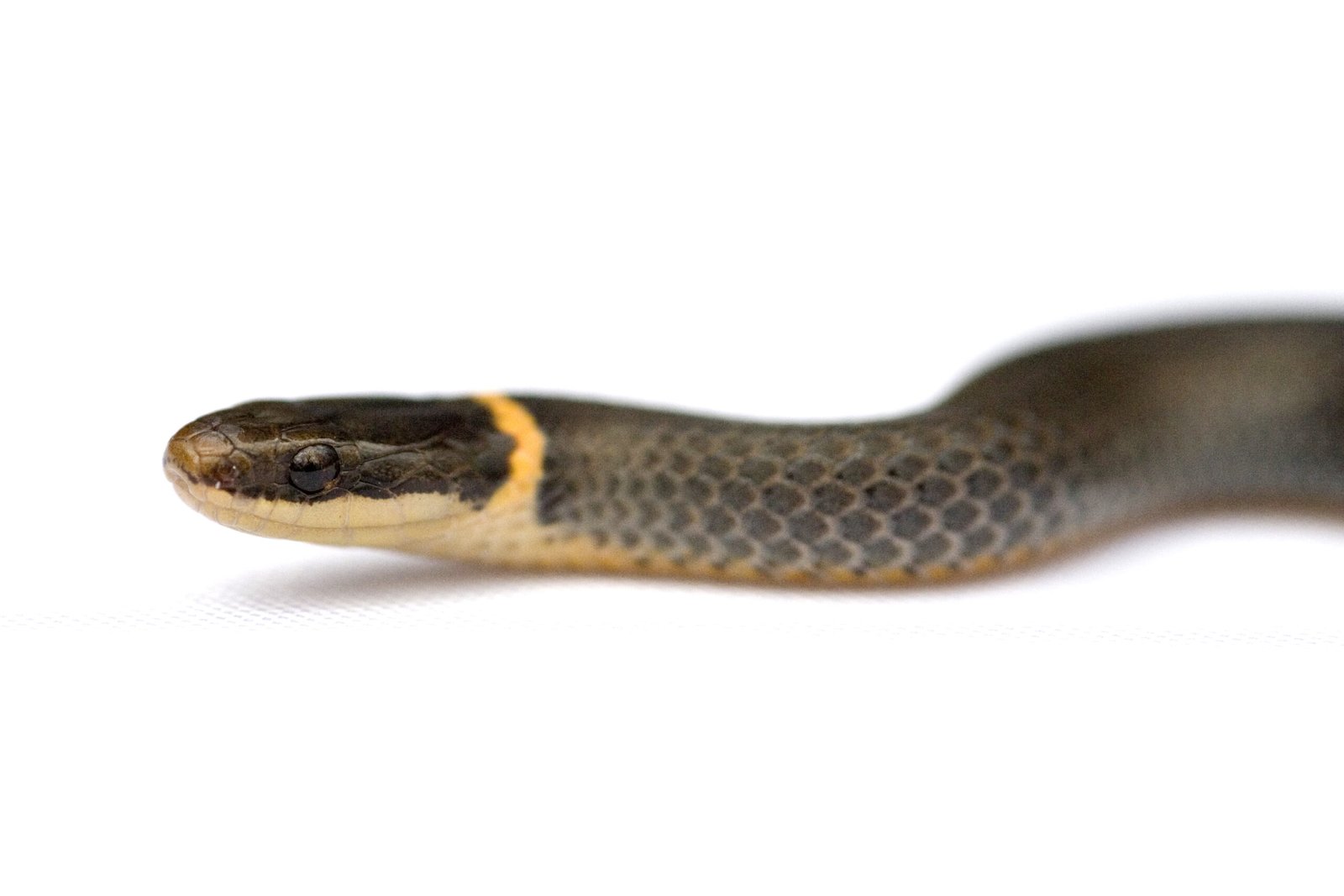
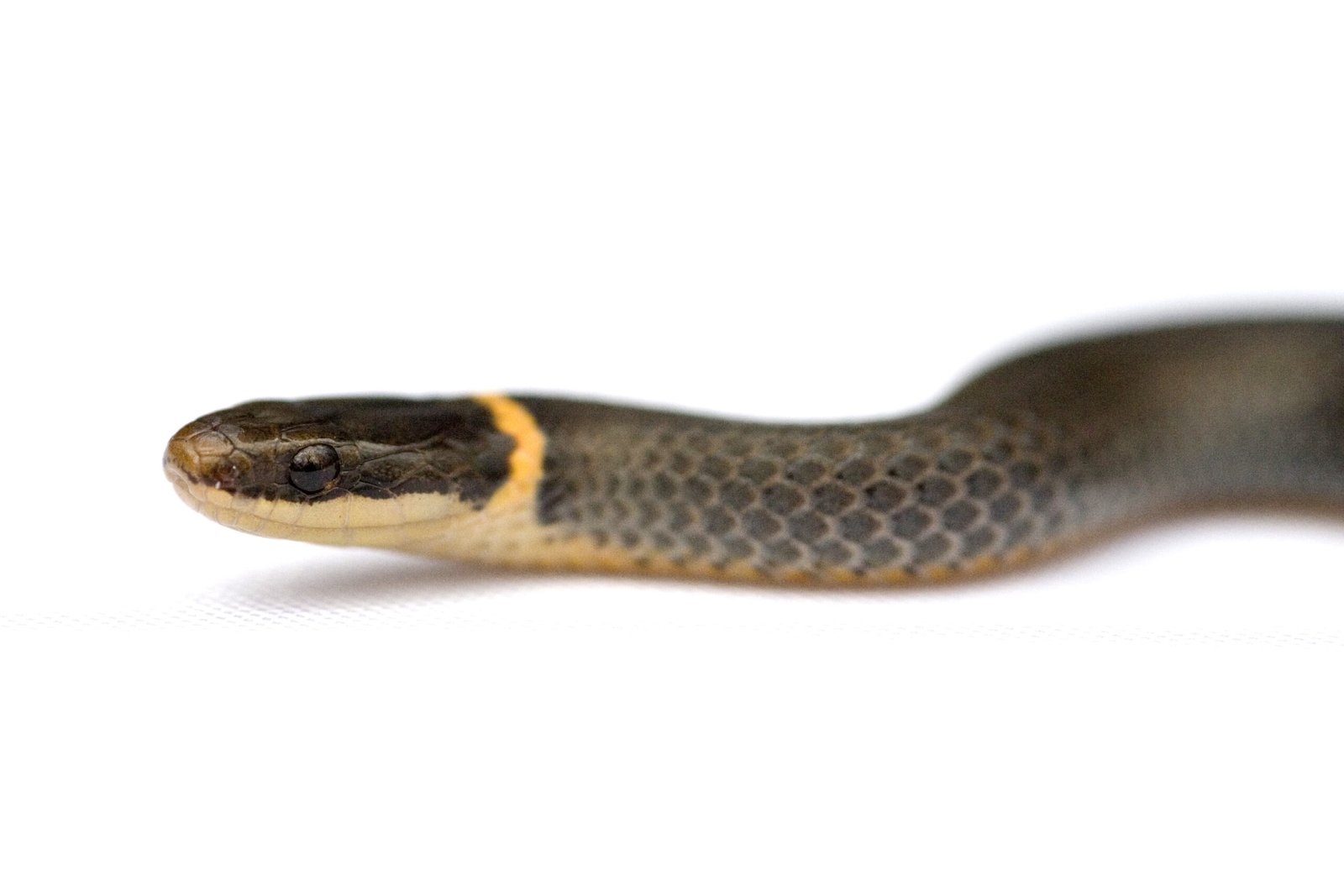
Ringneck snakes, with their distinctive ring-like markings around their necks, are a delight for reptile enthusiasts. These small, non-venomous creatures are known for their shy and secretive nature, making them both intriguing and manageable pets. If you’re considering adding a ringneck snake to your family, it’s essential to understand their specific needs to ensure they thrive under your care. In this article, we’ll explore the various aspects of caring for these fascinating reptiles, from their habitat requirements to feeding habits and health considerations.
Understanding the Natural Habitat
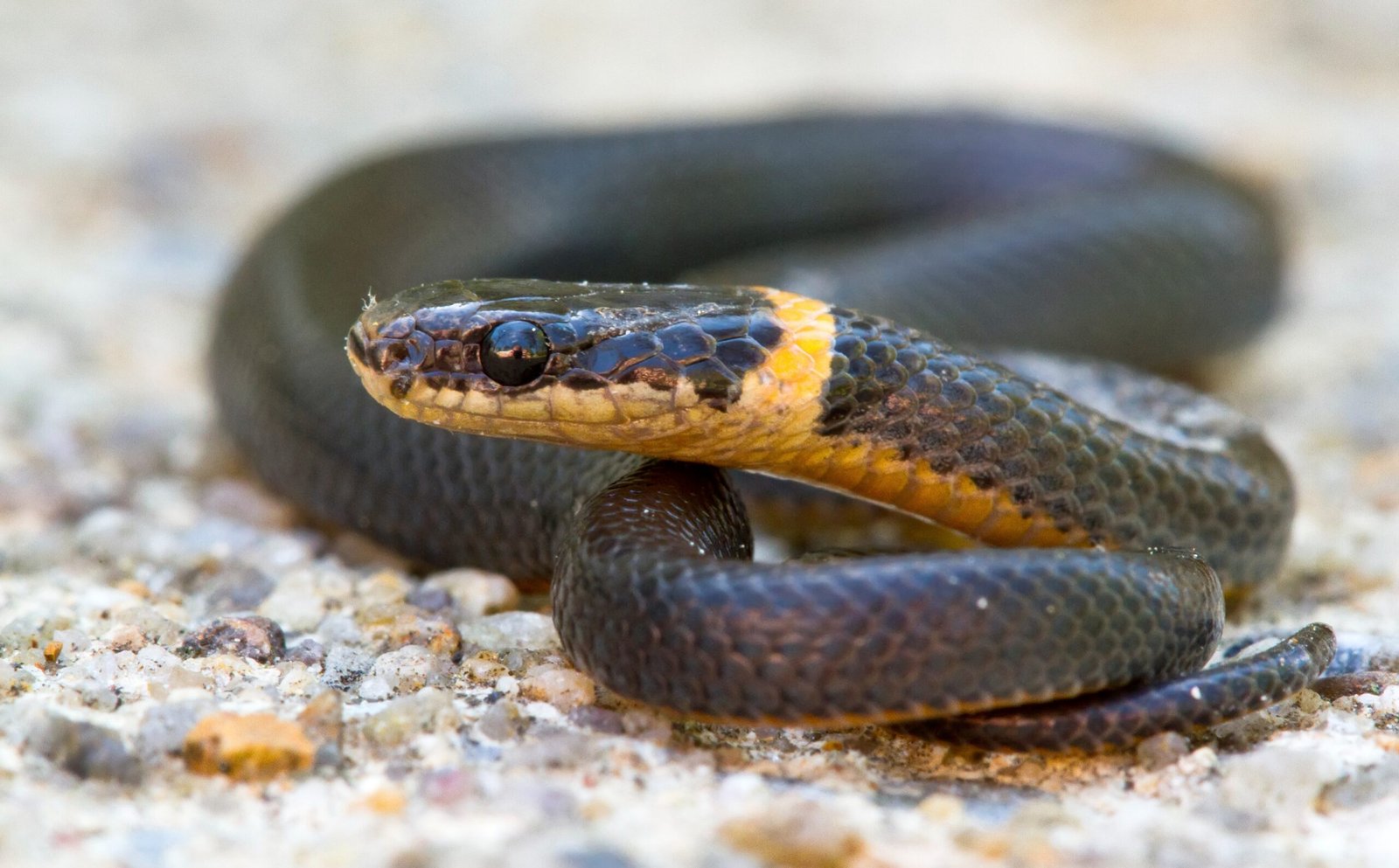
Ringneck snakes are native to North America, and they thrive in a variety of environments ranging from woodlands to grasslands. They are often found hiding under rocks, logs, or leaf litter, which provides them with the cover they need to feel safe. Mimicking their natural habitat is crucial to their well-being when kept as pets. A terrarium with plenty of hiding spots, such as bark, rocks, and foliage, will help replicate their natural environment. Ensure the substrate is soft and moist, as these snakes prefer a humid environment. Regular misting of the enclosure can help maintain the necessary humidity levels.
Setting Up the Ideal Enclosure
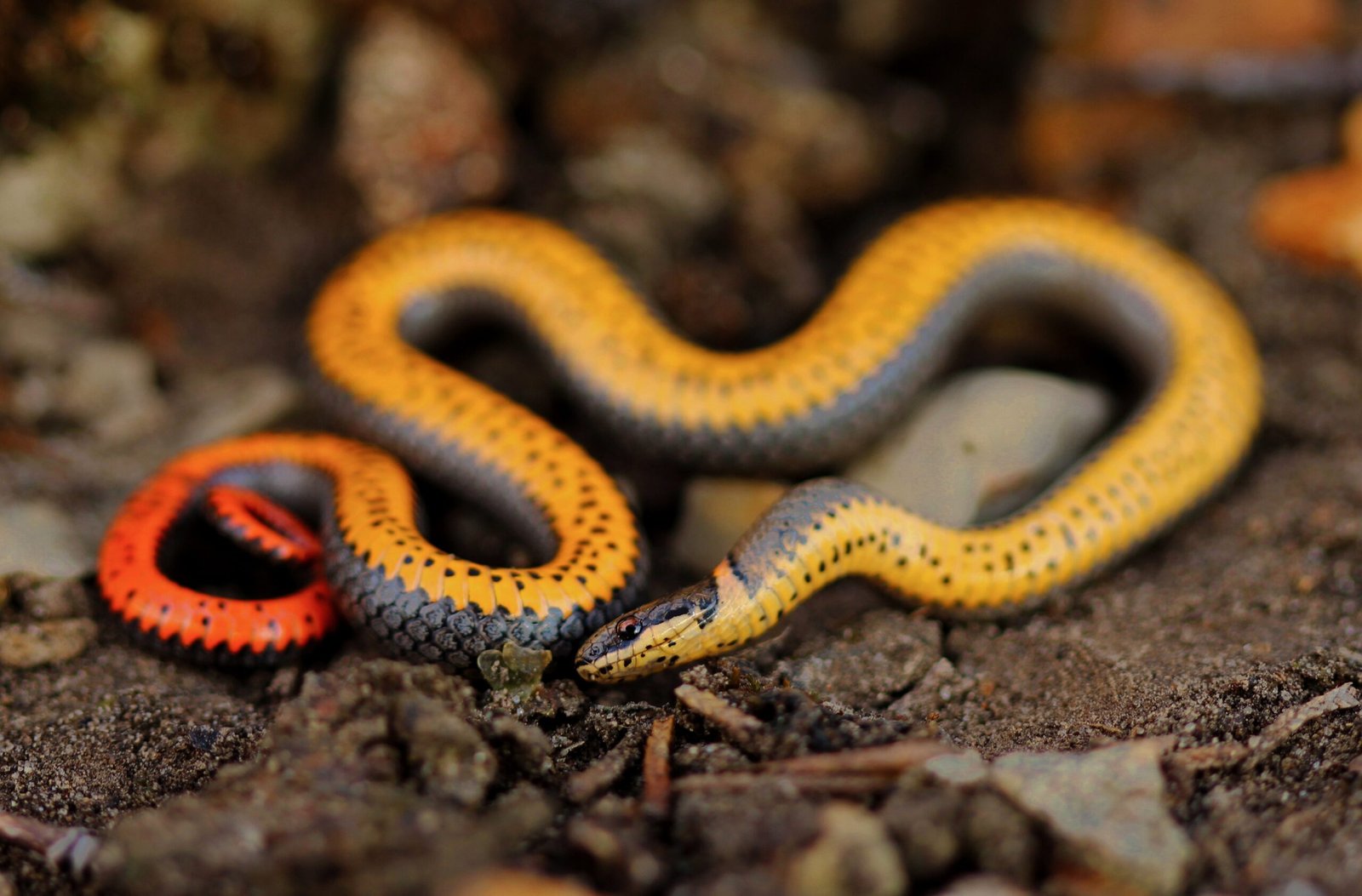
The size of the enclosure should reflect the size of the snake, but generally, a 10-gallon tank will suffice for one ringneck snake. The enclosure should have a secure lid to prevent escape, as these snakes are quite adept at finding their way out of confined spaces. Lighting isn’t as crucial for ringneck snakes as it is for some reptiles, but a low-wattage bulb can help establish a day-night cycle. Heating pads or lamps can be used to maintain a temperature gradient, with a warmer basking area around 75-80 degrees Fahrenheit and a cooler side at about 70 degrees.
Feeding and Nutrition
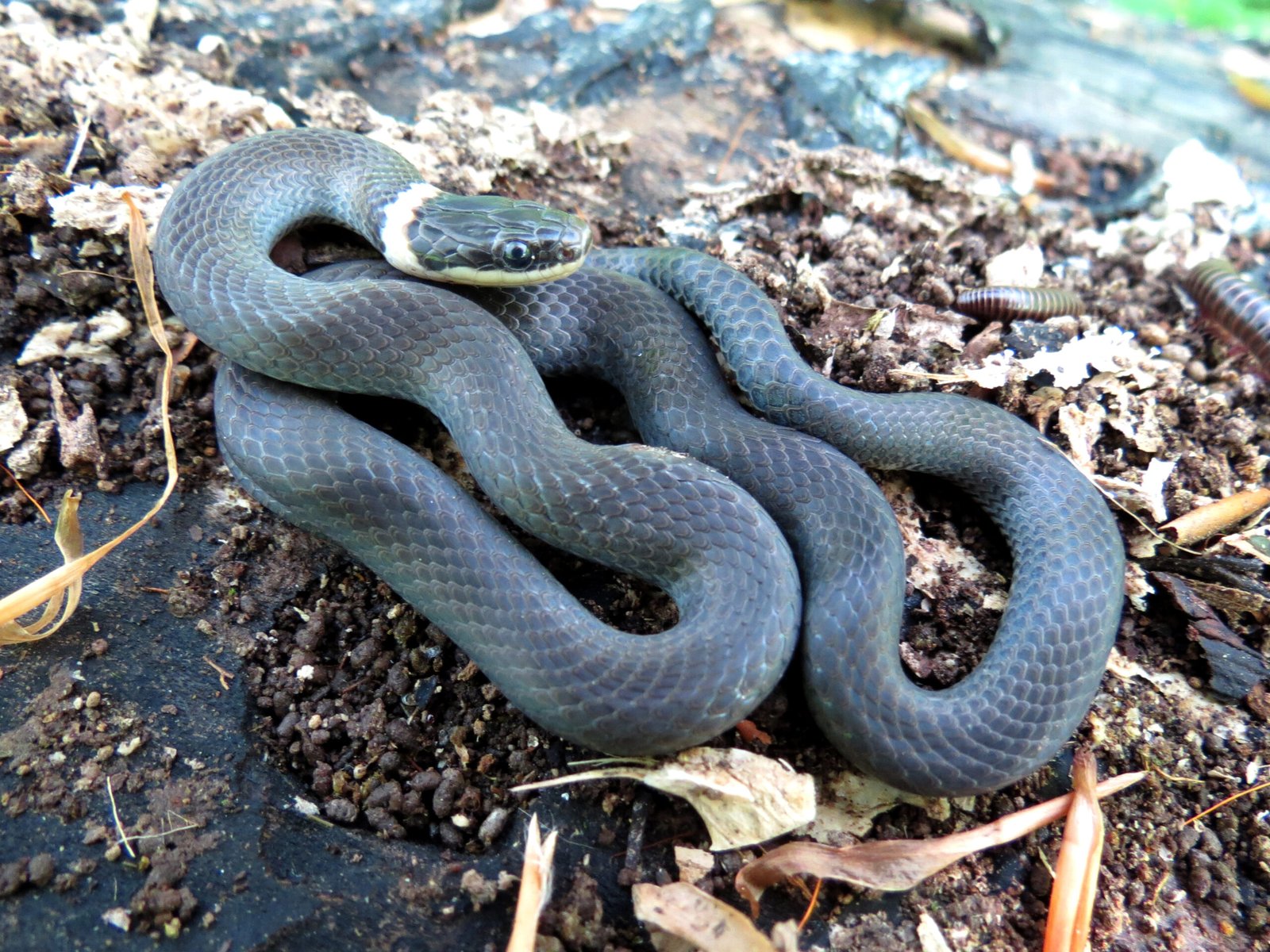
Ringneck snakes have a carnivorous diet and primarily feed on small invertebrates such as earthworms, slugs, and insects. In captivity, it’s essential to provide a balanced diet that mimics what they would find in the wild. Earthworms are an excellent staple food, but you can also offer small amphibians like frogs or salamanders if available. Feeding should occur every 3-4 days, and any uneaten food should be removed promptly to prevent spoilage. Always ensure fresh water is available for drinking and soaking.
Handling and Interaction

While ringneck snakes are generally docile, they can be shy and may not appreciate frequent handling. It’s important to handle them gently and for short periods to avoid causing stress. When handling, approach them calmly and support their body fully. Avoid sudden movements as these can startle the snake. Over time, with patience and gentle interaction, your snake may become more comfortable with handling. However, always respect their need for solitude and give them plenty of time to rest undisturbed.
Health Monitoring and Common Issues

Keeping a close eye on your ringneck snake’s health is vital to ensure they lead a long, healthy life. Regularly check for signs of illness such as swelling, lethargy, or changes in appetite. Mites and respiratory infections are common issues in captive snakes, so maintaining a clean and well-regulated environment is crucial. Shedding problems can occur if the humidity is too low, so ensure the enclosure remains appropriately humid. If you notice any health concerns, consult with a veterinarian experienced in reptile care.
Creating a Stress-Free Environment
Stress can significantly impact the health of a ringneck snake, leading to various behavioral and health issues. Ensure their enclosure is placed in a quiet area away from high traffic and loud noises. Regularly clean their habitat and maintain a consistent feeding schedule to help reduce stress. Observing your snake’s behavior can provide insights into their comfort level; a snake that frequently hides or refuses food may be experiencing stress. Providing an environment that mimics their natural habitat and fulfilling their basic needs can promote a stress-free life.
Ringneck snakes can make wonderful pets with the right care and attention. By understanding their specific needs and creating a suitable environment, you can enjoy the company of these fascinating creatures for many years.


