
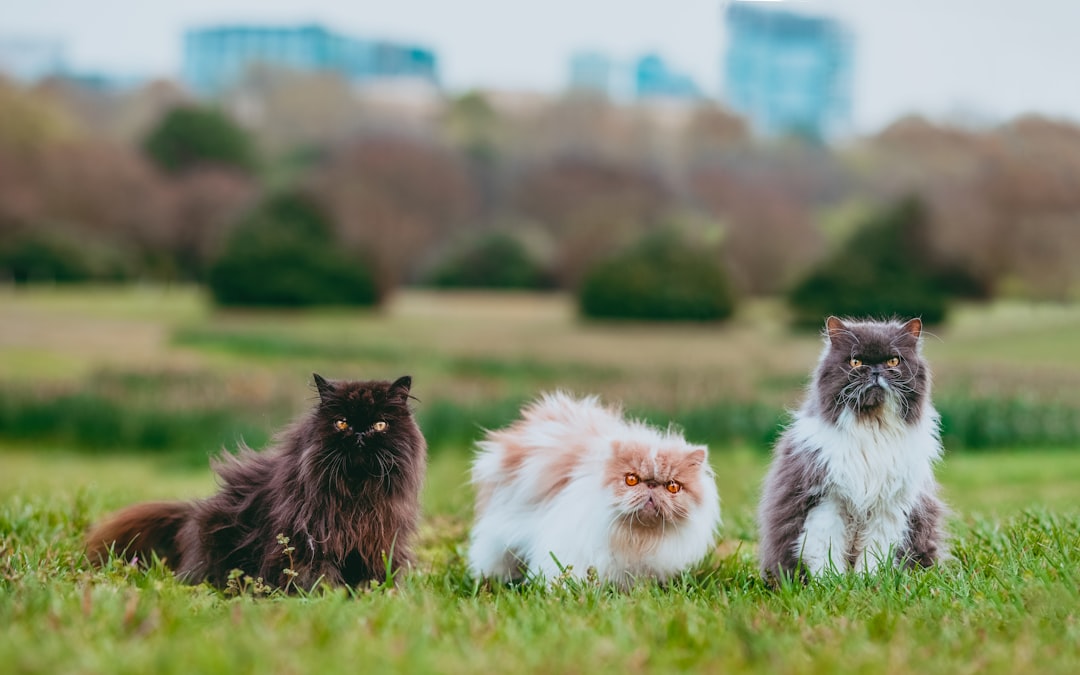
Cats have long been cherished as beloved companions in many households. However, when it comes to having a baby in the house, selecting the right feline friend becomes crucial. Some cat breeds are known for their gentle demeanor and patience, making them wonderful companions for infants. Conversely, other breeds might not be as well-suited for a home with a newborn. This article explores eight cat breeds that are typically trustworthy around babies and five breeds you might want to reconsider.
Ragdolls: The Gentle Giants
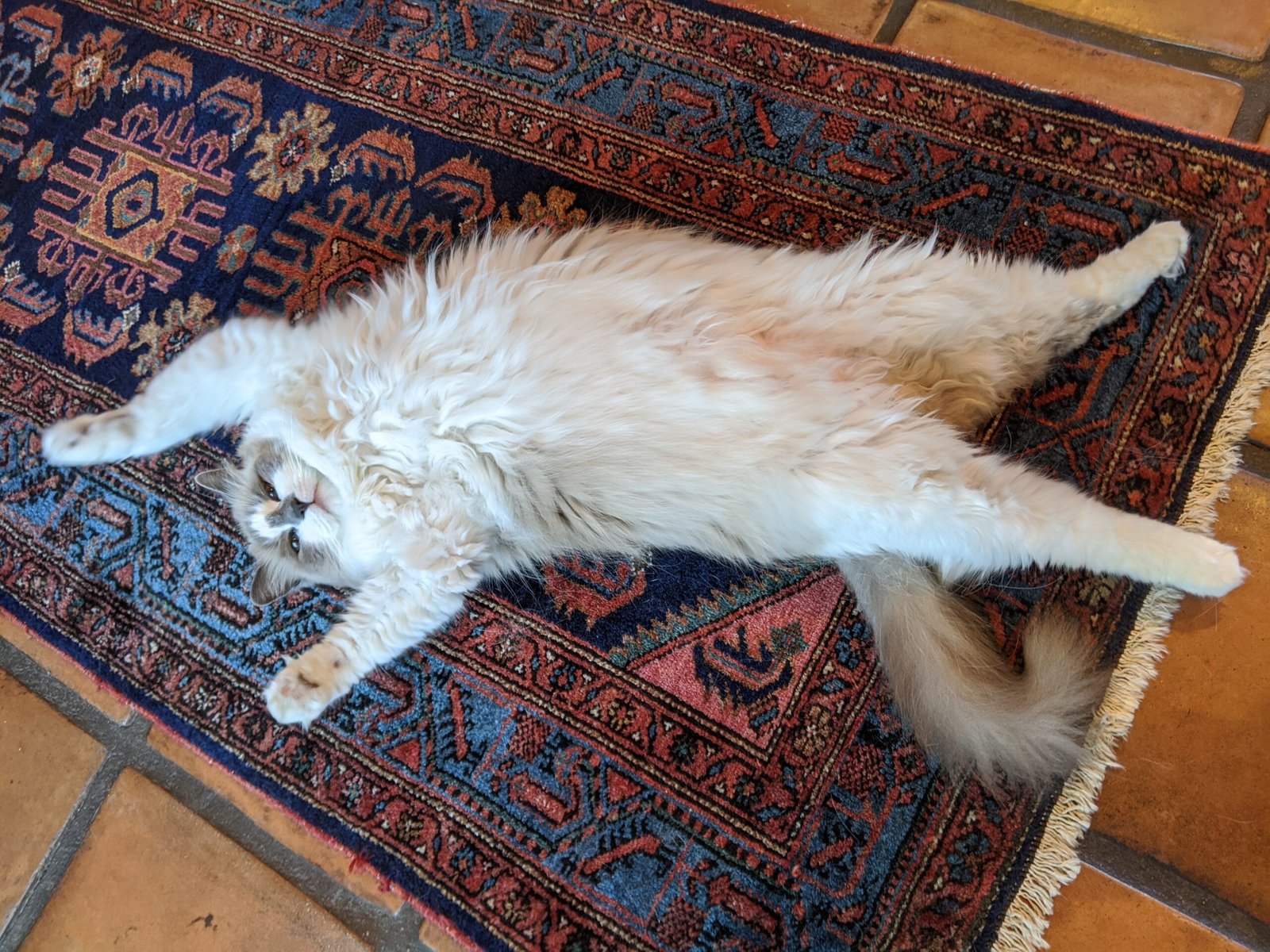
Ragdolls are renowned for their docile and placid nature. They are often described as “dog-like” due to their tendency to follow their owners around the house. These cats are large and fluffy, resembling soft toys, and they love being held, making them perfect companions for families with babies. Their calm demeanor ensures they are less likely to react aggressively to a baby’s sudden movements or sounds. Additionally, Ragdolls are known to be very affectionate, often seeking cuddles and warm spots to nap, which can create a comforting environment for a newborn.
Maine Coons: The Friendly Felines
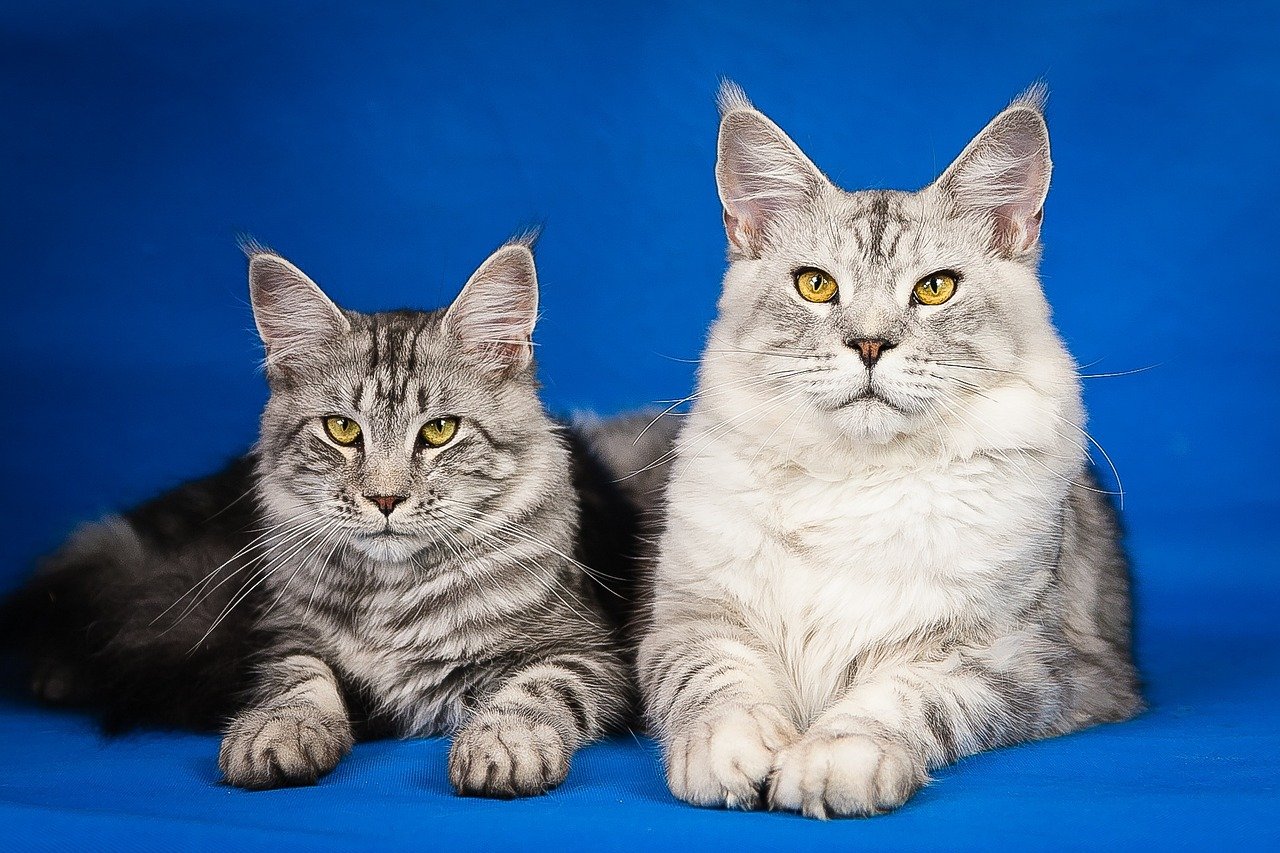
Maine Coons are another large breed known for their friendly and sociable nature. Despite their size, they are gentle and patient, making them ideal family pets. They are intelligent and can be trained to understand boundaries, such as staying out of the baby’s room or avoiding the crib. Maine Coons are also known for their playful nature, which can be entertaining for older children. Their adaptability means they can handle the chaos that sometimes comes with a bustling household, including the presence of a new baby.
British Shorthairs: The Calm Companions
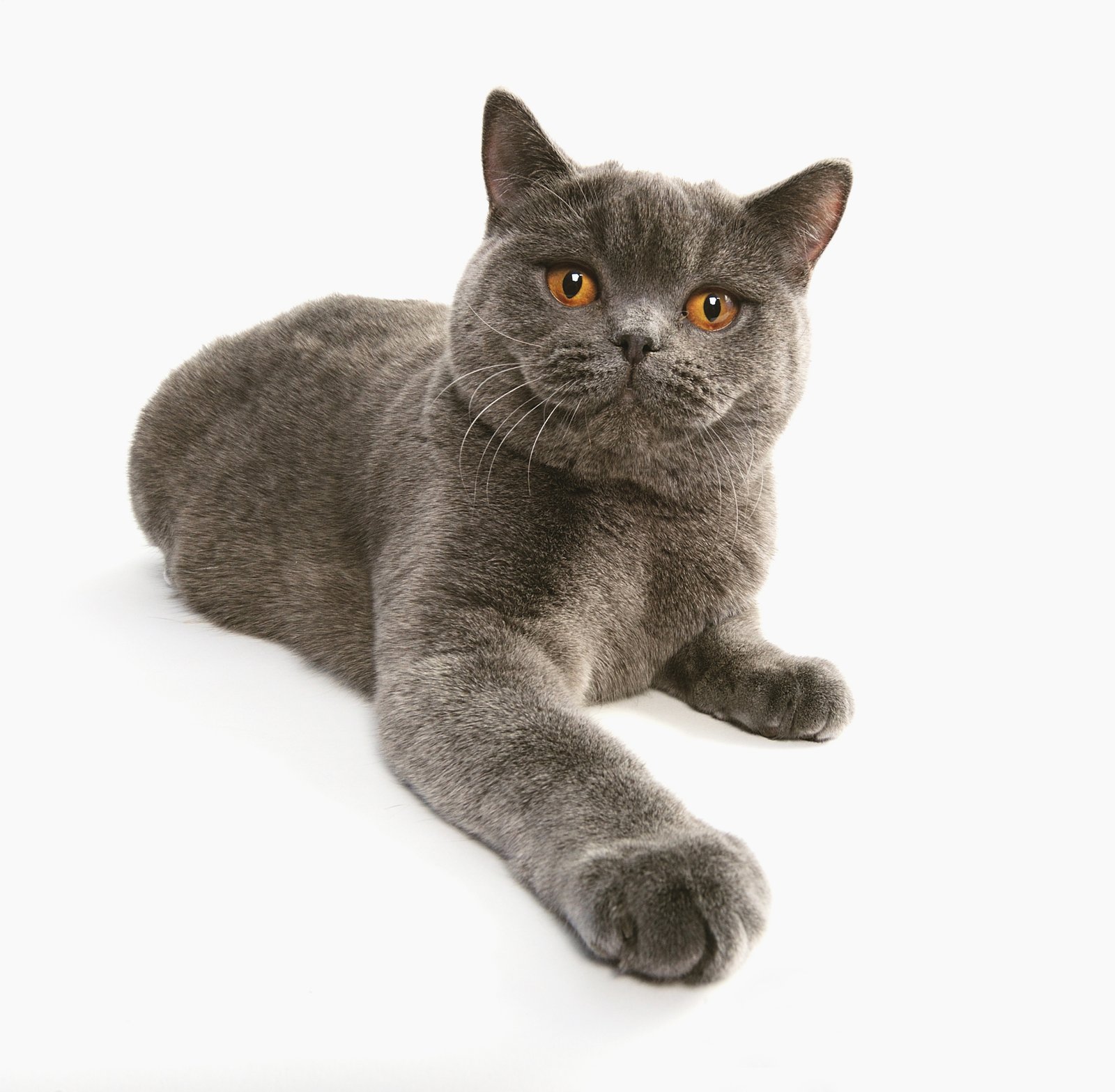
British Shorthairs are known for their easygoing and independent nature. They are not overly demanding of attention, which can be a blessing for new parents who are already juggling the demands of a newborn. This breed is generally quiet and placid, preferring to observe rather than participate in household chaos. Their relaxed demeanor makes them less likely to be startled by a baby’s cries or sudden movements. British Shorthairs are also known for their loyalty and can form strong bonds with their families, including the littlest members.
Birman: The Gentle Playmates
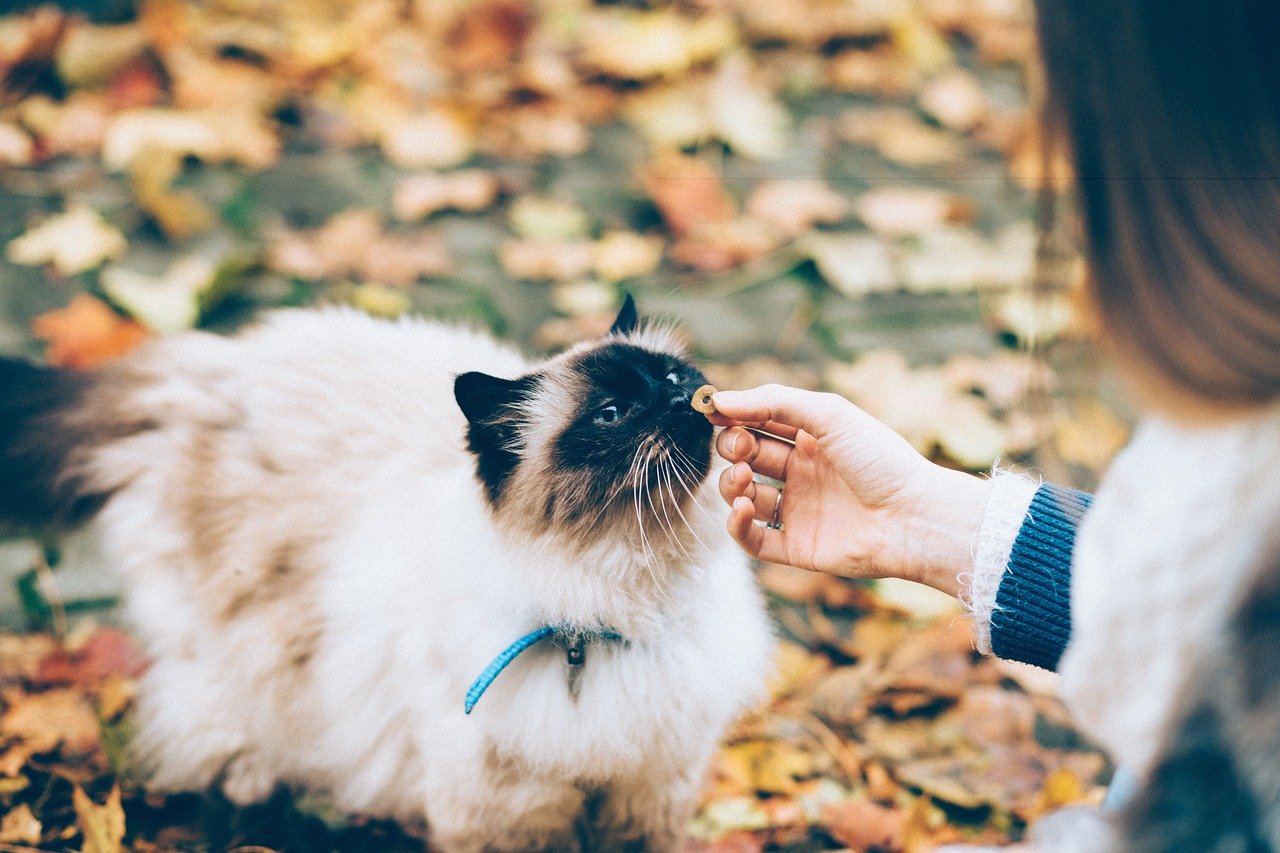
Birmans are often described as sweet-natured and affectionate. They are known to be gentle and tolerant, which are essential traits in a household with a baby. Birmans enjoy being around people and are not typically shy or skittish. Their patience makes them excellent companions, as they are unlikely to react negatively to a baby’s unpredictable behavior. Additionally, Birmans have a playful side that can be endearing to both children and adults alike. Their gentle and friendly nature ensures they are a harmonious addition to a family with a baby.
Exotic Shorthairs: The Easygoing Pals

Exotic Shorthairs are often compared to Persian cats due to their similar appearance but with a more laid-back personality. These cats are known for their calm and loving nature, making them well-suited for families with children. Exotic Shorthairs are not typically aggressive and are more likely to retreat than confront when faced with stressful situations. They enjoy lounging around and can handle the noise and activity that comes with having a baby in the house. Their affectionate disposition makes them delightful companions for both babies and adults.
Scottish Folds: The Adaptable Friends

Scottish Folds are recognizable for their unique folded ears and easygoing nature. They are known to be adaptable and friendly, traits that are beneficial in a household with a baby. Scottish Folds enjoy human interaction and are often found seeking attention and affection from their family members. Their calm demeanor means they are less likely to be disturbed by a baby’s cries or sudden movements. Additionally, Scottish Folds are known for their playful nature, which can be a source of delight and entertainment for older children in the family.
Persians: The Majestic Companions
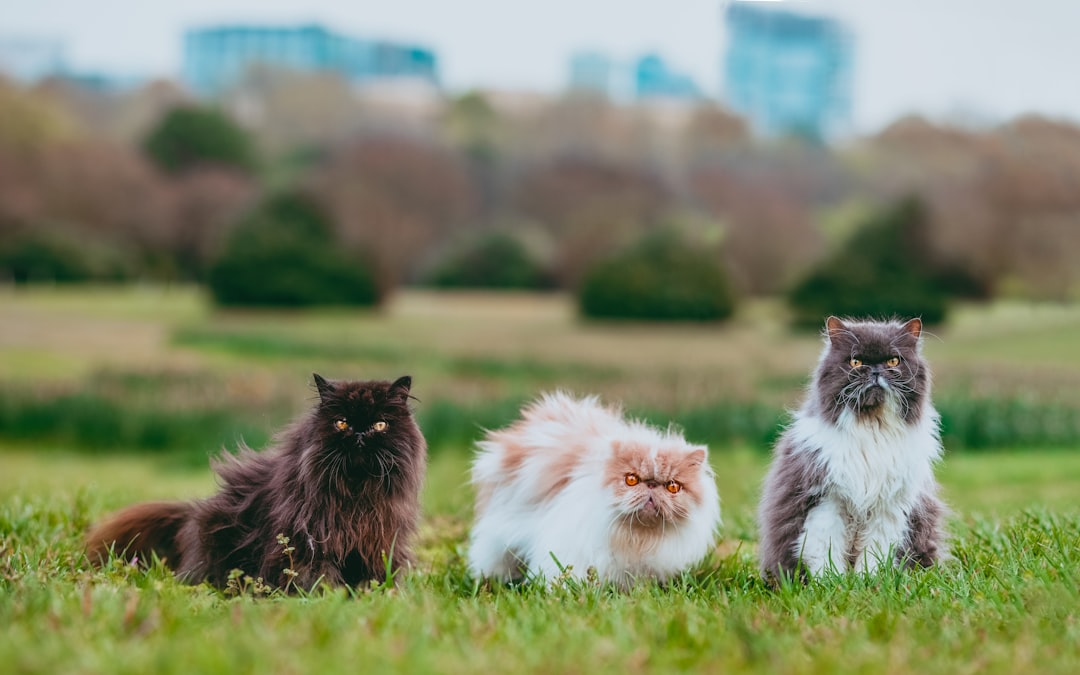
Persian cats are known for their luxurious coats and serene personalities. They are often described as calm, gentle, and affectionate, making them excellent companions for families with babies. Persians thrive in a stable and quiet environment, which aligns well with the needs of a newborn. Their laid-back nature means they are less likely to react aggressively to a baby’s presence. Persians enjoy lounging and being pampered, creating a peaceful and comforting atmosphere for both the baby and the family.
American Shorthairs: The Reliable Buddies
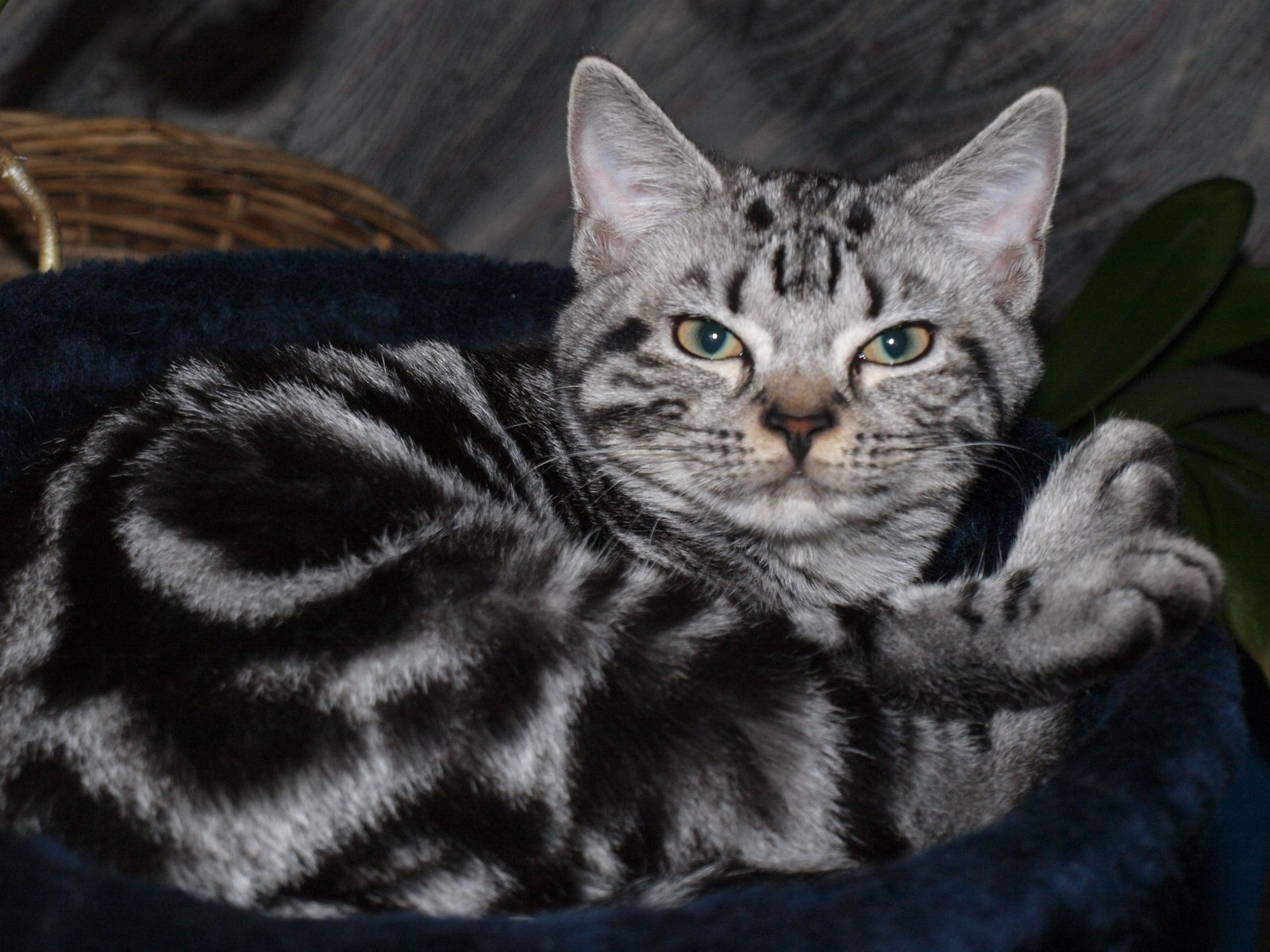
American Shorthairs are favored for their friendly and easygoing personalities. They are known to be adaptable and sociable, characteristics that make them excellent family pets. American Shorthairs enjoy human company and are not typically prone to aggression. Their playful yet calm nature ensures they are comfortable around babies and young children. American Shorthairs are also known for their resilience and can handle the noise and activity that comes with having a newborn in the house.
Siamese: The Vocal Attention-Seekers
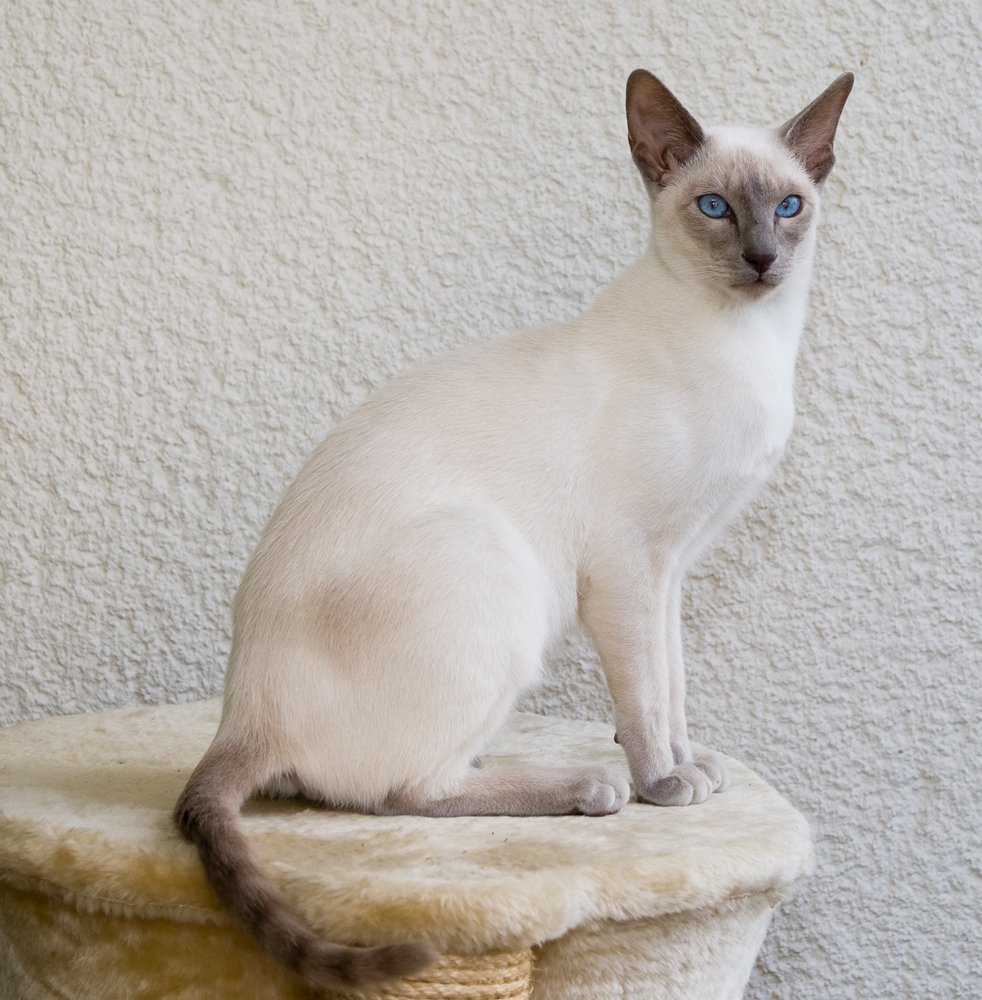
Siamese cats are known for their striking appearance and vocal nature. While they are affectionate and enjoy human interaction, their tendency to be vocal and demand attention may not be ideal for a household with a newborn. Siamese cats can become jealous if they feel neglected, which can lead to undesirable behavior. Their high energy levels and need for constant stimulation may not align well with the needs of a family with a baby. While they are loving companions, Siamese cats might not be the best choice for families seeking a peaceful environment.
Bengals: The Energetic Explorers

Bengals are known for their wild appearance and energetic nature. While they are intelligent and playful, their high energy levels and curiosity can make them challenging to manage in a household with a baby. Bengals require a lot of attention and stimulation, which can be difficult for new parents to provide. Their strong hunting instincts and desire to explore can lead to mischief, especially in a home with a newborn. While Bengals are affectionate and loving, their active nature might not be suitable for families with young children.
Sphynx: The Attention-Demanding Companions
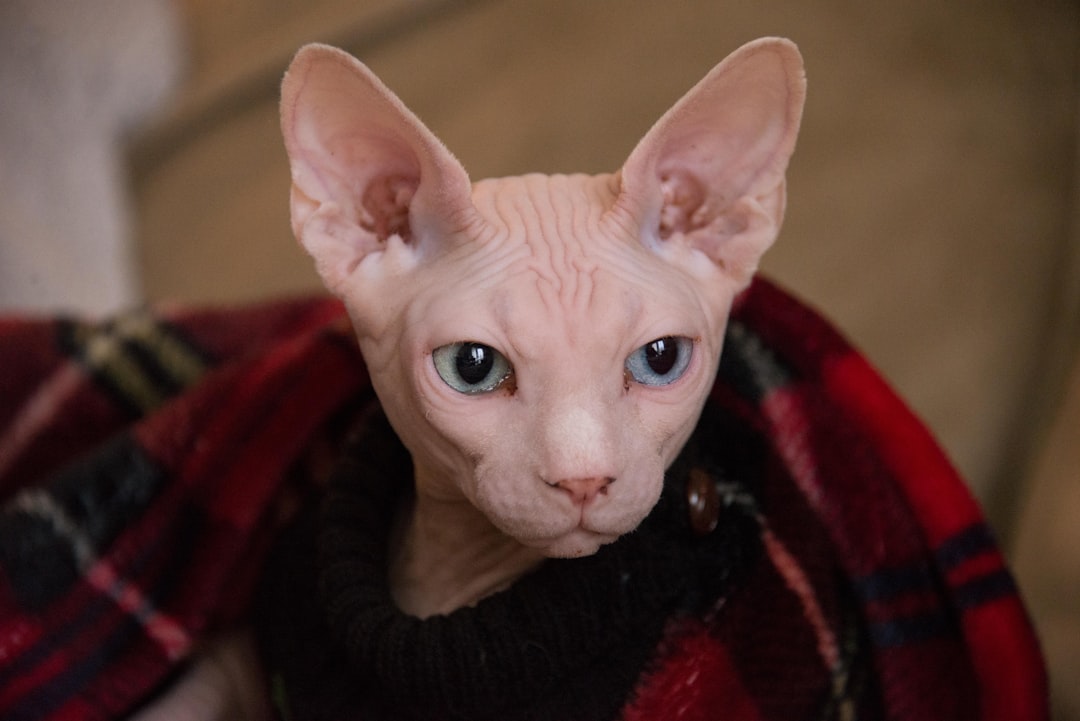
Sphynx cats are easily recognizable by their hairless appearance and affectionate nature. They are known to be social and crave attention from their owners. However, their need for constant interaction and stimulation can be overwhelming for new parents. Sphynx cats can become anxious if left alone for long periods, which may not align with the demands of caring for a newborn. Their vocal nature and desire for companionship might not be the best fit for a household seeking a calm and quiet environment for a baby.
Oriental Shorthairs: The Vocal Enthusiasts
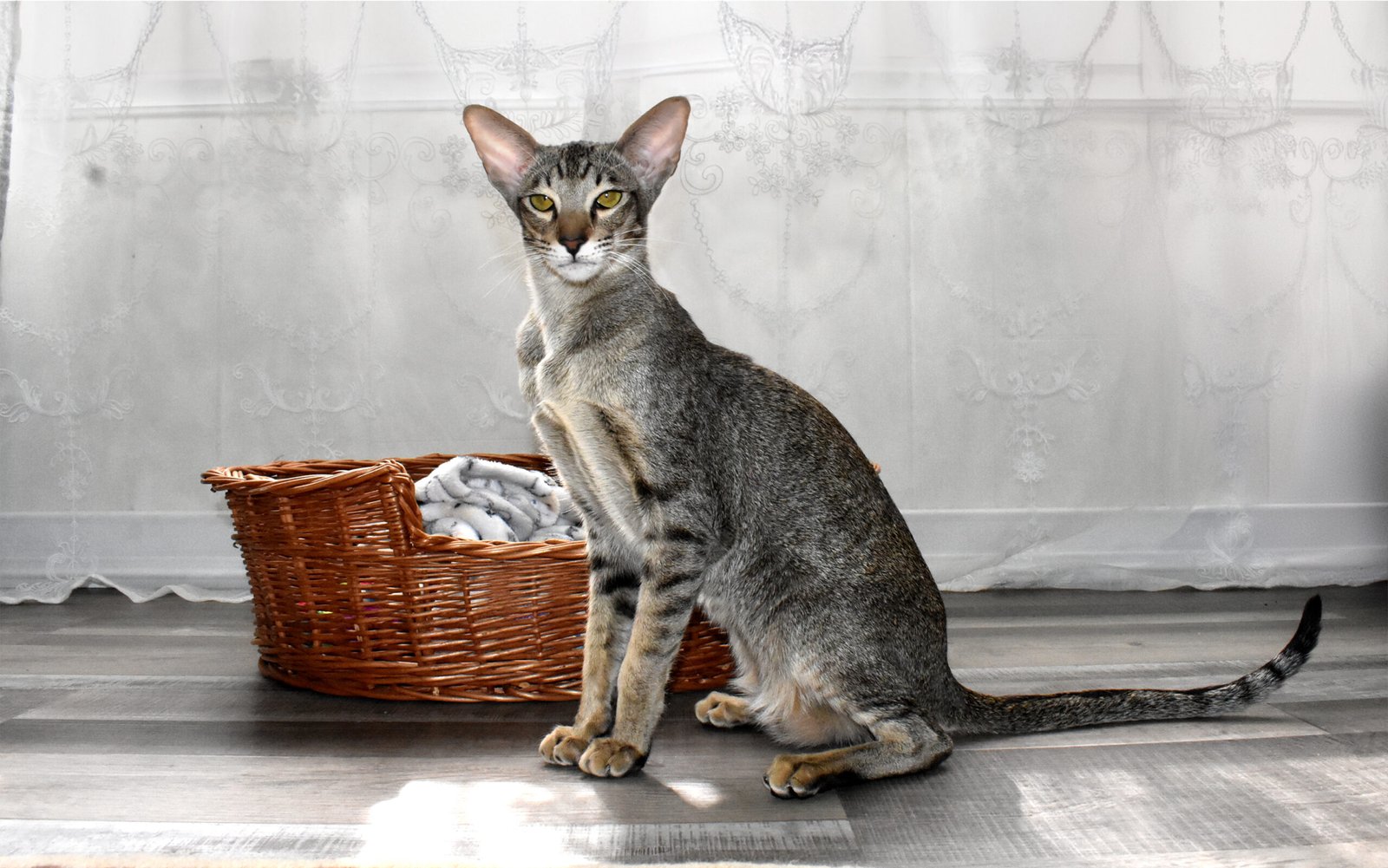
Oriental Shorthairs are closely related to Siamese cats and share their vocal and social nature. They are known to be affectionate and enjoy being around people, but their tendency to be vocal and demand attention can be challenging for families with a baby. Oriental Shorthairs can become bored easily, leading to destructive behavior if their needs are not met. Their active and energetic nature might not be suitable for a household with a newborn, as they require constant stimulation and interaction.
Chausie Cat: The Wild-Hearted Adventurer
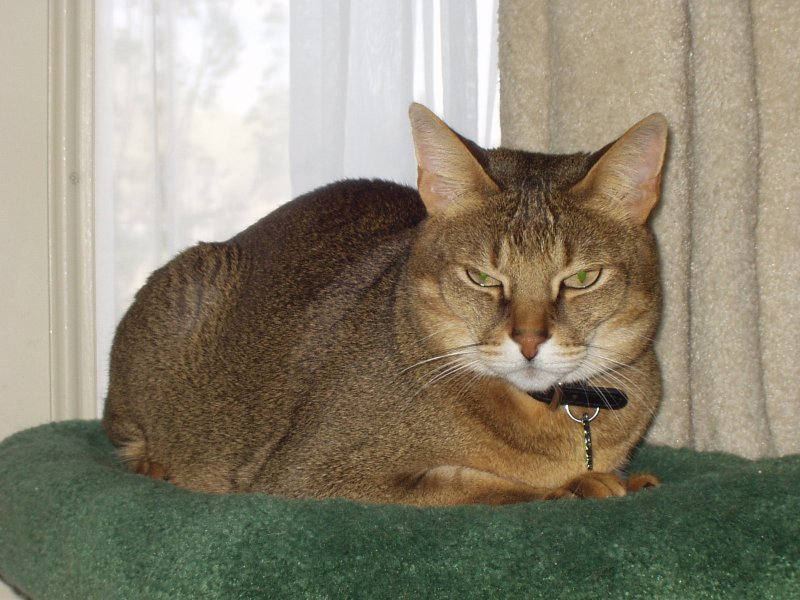
The Chausie cat, with its exotic appearance and fierce independence, is a breed that thrives on adventure and activity. Descended from wildcats, Chausies are known for their high energy, strong hunting instincts, and assertive personalities. While their intelligence and curiosity make them fascinating companions, these very traits can make them overwhelming in a home with a baby. Their bold, playful behavior can sometimes be rough, and their need for constant stimulation may lead to unpredictable reactions around an infant’s sudden movements and sounds. For families with little ones, the Chausie’s strong-willed nature and wild spirit make them a better fit for homes without babies.
Choosing the right cat breed for your family, especially when you have a baby, is a decision that should be made with care. While many breeds are known for their gentle and patient nature, others may not be as well-suited to a household with a newborn. By understanding the characteristics and needs of different cat breeds, you can ensure a harmonious and loving environment for both your baby and your feline companion.


