
15 Dog Breeds Known for Destructive Behavior When Bored

Dogs are often seen as loyal companions that bring joy, laughter, and unconditional love into our lives. However, even the most lovable dogs can display destructive behavior when they are bored. This is especially true for certain breeds predisposed to such actions. Understanding the reasons behind these tendencies and how to manage them can make all the difference in maintaining a harmonious relationship with your furry friend. Let’s delve into the 15 dog breeds that are known for their destructive behavior when boredom strikes.
Labrador Retriever

Labrador Retrievers are often depicted as the perfect family dog, but when they have too much energy and nothing to do, they may become quite the mischief-makers. Known for their intelligence and high energy levels, Labs need plenty of physical and mental stimulation. Without it, they might resort to chewing furniture, digging up the garden, or shredding your favorite shoes. Think of them as a child with a lot of energy but no toys to play with. Regular exercise, interactive toys, and training can help channel their energy positively.
Beagle

Beagles are charming and curious by nature, which can sometimes lead to trouble. With their keen sense of smell and inquisitive minds, they can become bored easily if left alone without sufficient mental challenges. Picture a detective with no case to solve—idle paws can lead to destructive activities. They might start digging, howling, or even attempting to escape to satisfy their need for adventure. Providing puzzle toys and engaging in scent-based games can keep their minds occupied.
Jack Russell Terrier

Jack Russell Terriers are small but mighty, packed with energy and enthusiasm. Their strong hunting instincts mean they thrive on activity and stimulation. When bored, they can become little tornadoes, tearing through the house and leaving chaos in their wake. Imagine a tiny whirlwind with a mission to destroy. They need a lot of exercise and mental challenges to prevent destructive tendencies. Agility courses and obedience training can provide an outlet for their energy.
Siberian Husky

Siberian Huskies are known for their striking looks and boundless energy. Originally bred to pull sleds over long distances, they have a natural craving for physical activity. Without enough exercise, they might become escape artists, digging under fences or chewing through barriers. Think of them as restless adventurers yearning for exploration. Regular long walks, runs, and interactive play sessions can help satisfy their adventurous spirit.
Border Collie
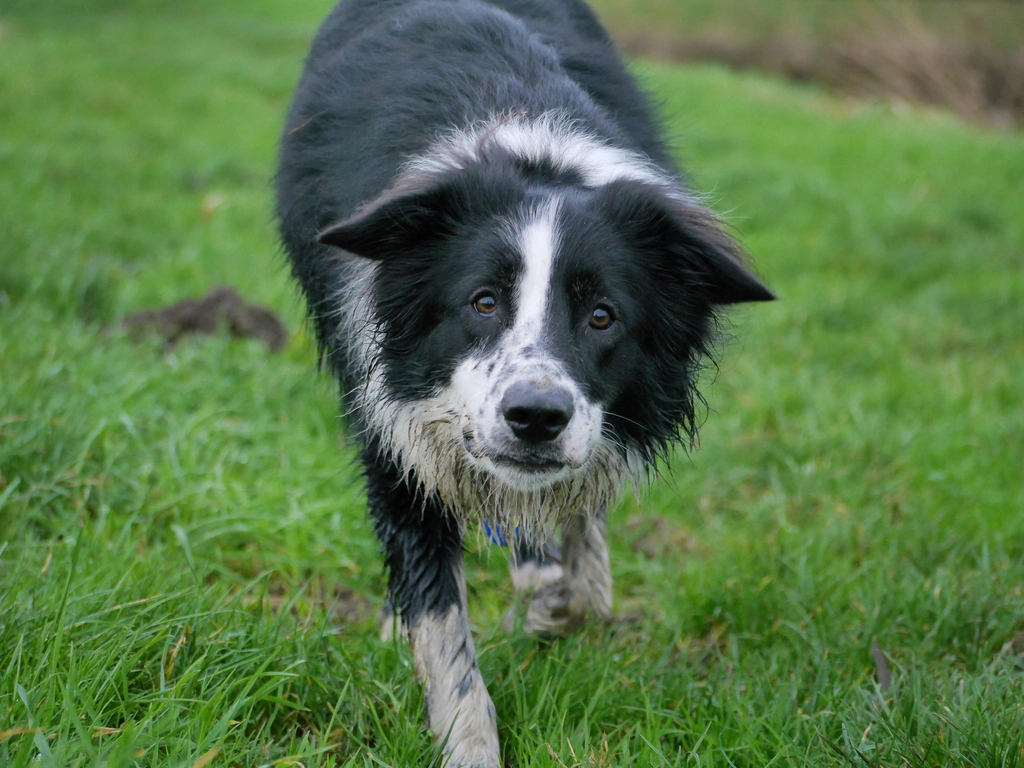
Border Collies are widely recognized as one of the most intelligent dog breeds. This intelligence, paired with their herding instincts, means they require constant mental and physical stimulation. When bored, they might try to herd children, chase after cars, or create their own games with your belongings. Visualize a genius student in a class without challenges—they need tasks to keep them engaged. Activities like sheepdog trials or obedience competitions can keep their minds sharp.
Dachshund

Dachshunds, with their long bodies and spirited personalities, were originally bred for hunting. They have a keen sense of smell and a strong desire to dig, which can become problematic if they’re not entertained. Picture a determined little digger on a mission. When bored, they might tunnel through your garden or chew on furniture. Engaging them in scent-tracking games or providing digging boxes can help satisfy their natural instincts.
Golden Retriever

Golden Retrievers are renowned for their friendly and gentle nature, but they can become quite destructive when bored. Their intelligence and need for companionship mean they require constant interaction and stimulation. Without it, they might resort to chewing, barking, or even self-destructive behaviors. Imagine a social butterfly without friends to play with. Regular playdates, training sessions, and puzzle toys can keep them entertained.
German Shepherd
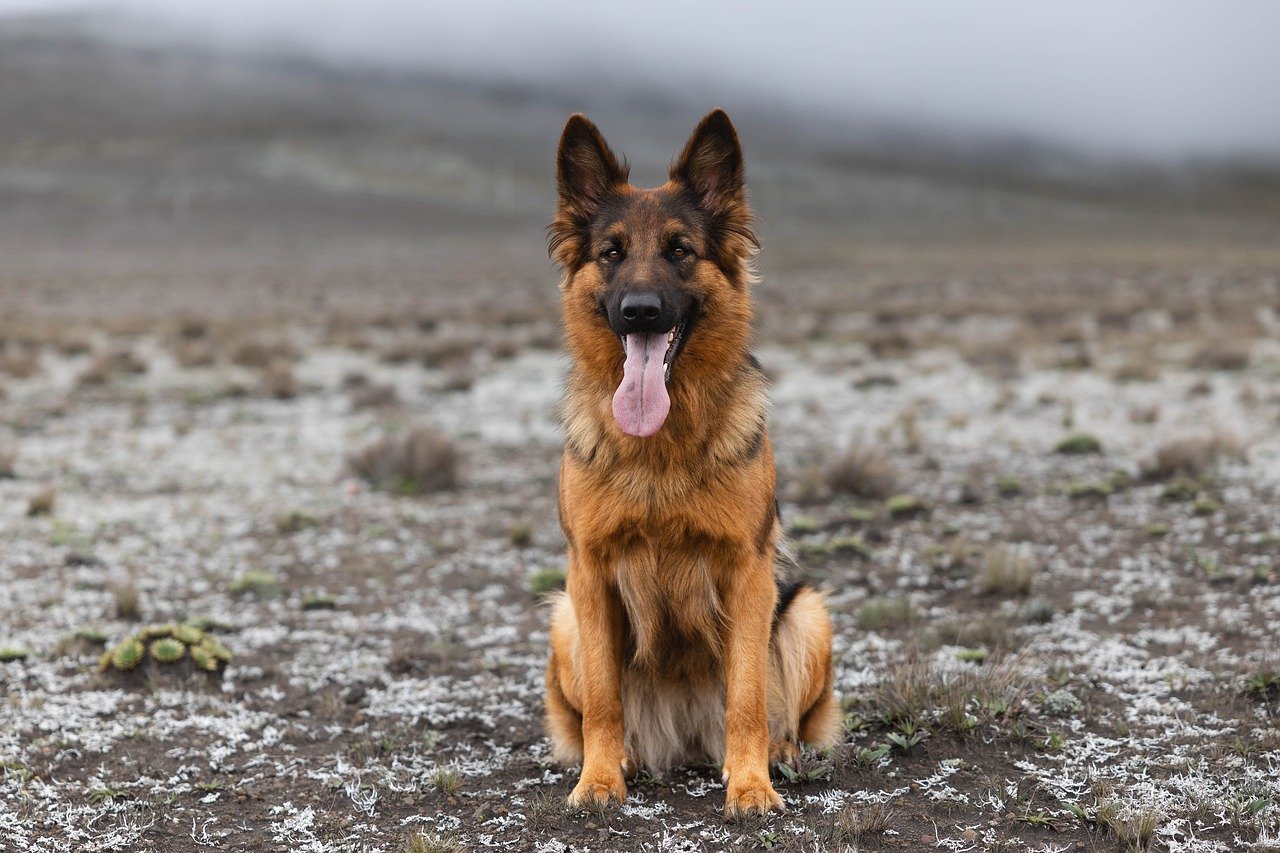
German Shepherds are loyal, intelligent, and highly trainable. However, their intelligence can lead to boredom if they’re not given enough to do. They might start chewing on furniture, digging up lawns, or barking excessively. Consider them as diligent workers without a job to do. Engaging them in obedience training, protection work, or agility courses can provide the mental and physical challenges they crave.
Dalmatian

Dalmatians are known for their unique appearance and high energy levels. Originally bred to run alongside carriages, they have a natural zest for activity. When bored, they might engage in destructive behaviors like chewing, digging, or excessive barking. Picture a marathon runner confined to a small space. Regular exercise, along with interactive toys and socialization opportunities, can help channel their energy effectively.
Boxer

Boxers are playful, energetic, and known for their boundless enthusiasm. However, their high energy levels can be a double-edged sword if not managed properly. Without enough exercise or mental stimulation, they might start chewing on furniture, digging, or jumping excessively. Visualize a playful puppy in an adult dog’s body—they need outlets for their energy. Daily exercise, interactive play, and training sessions can help keep them content.
Shih Tzu

Shih Tzus may be small, but they have big personalities and a strong need for companionship. When left alone for long periods, they can become bored and resort to destructive behaviors like chewing or barking. Think of them as social butterflies longing for company. Providing them with plenty of attention, interactive toys, and puzzle games can help keep them entertained.
Miniature Schnauzer

Miniature Schnauzers are curious, intelligent, and full of energy. Their inquisitive nature means they require constant mental engagement. When bored, they might start digging, barking, or becoming overly protective of their space. Imagine a detective without a mystery to solve. Engaging them in obedience training, puzzle toys, and scent-based games can help keep their minds occupied.
American Staffordshire Terrier

American Staffordshire Terriers are strong, muscular dogs with a lot of energy to burn. Without sufficient exercise and mental stimulation, they might become bored and resort to chewing, digging, or even aggressive behaviors. Picture a bodybuilder without a gym—they need outlets for their energy. Regular exercise, training sessions, and interactive play can help them stay content and well-behaved.
Rottweiler

Rottweilers are powerful, intelligent dogs known for their protective nature. When they become bored, they can be prone to destructive behaviors such as chewing, digging, or excessive barking. Think of them as vigilant guardians without a mission. Providing them with regular exercise, training, and mental challenges can keep them engaged and prevent boredom-related issues.
Chihuahua

Chihuahuas may be small, but they have big personalities and a strong need for attention. When left alone or bored, they can become destructive, engaging in behaviors like chewing or barking excessively. Visualize a tiny dynamo with a lot of energy but no outlet. Providing them with companionship, interactive toys, and regular playtime can help keep them happy and prevent boredom.
Understanding and addressing the needs of these breeds can help prevent destructive behavior and ensure a happy, harmonious relationship with your furry friend. Regular exercise, mental stimulation, and companionship are key to keeping these energetic and intelligent dogs engaged and content.