
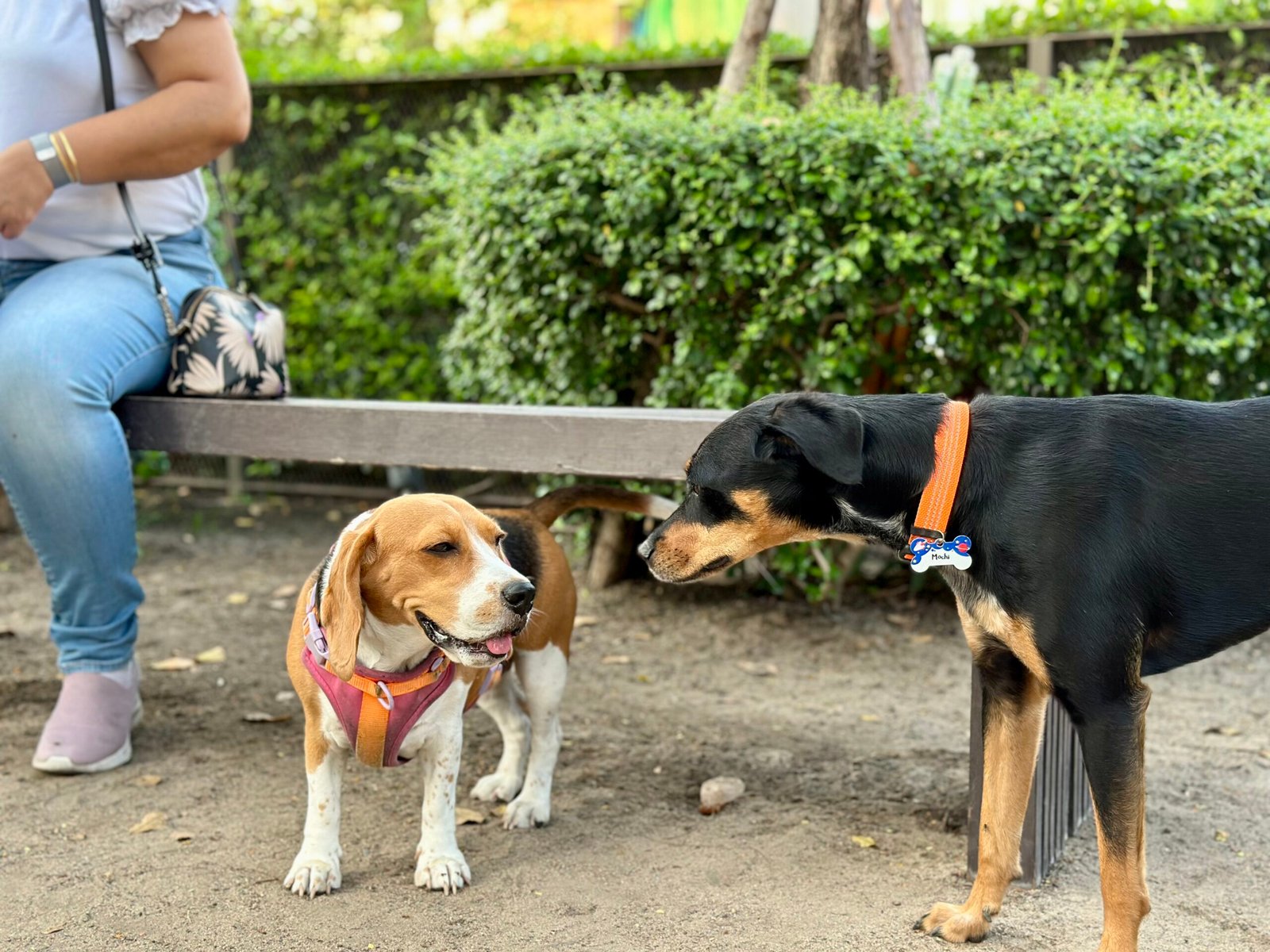
Introducing a new puppy to an older dog can be both an exciting and challenging time for a household. Dogs, much like humans, have unique personalities and habits that may not always mesh seamlessly. The age difference can add another layer of complexity, as older dogs may be set in their ways while puppies are full of boundless energy. However, with thoughtful preparation and understanding, you can foster a harmonious relationship between your furry companions. This guide will walk you through the simple yet effective steps to ensure your older dog and new puppy become best friends.
Understand Their Unique Personalities
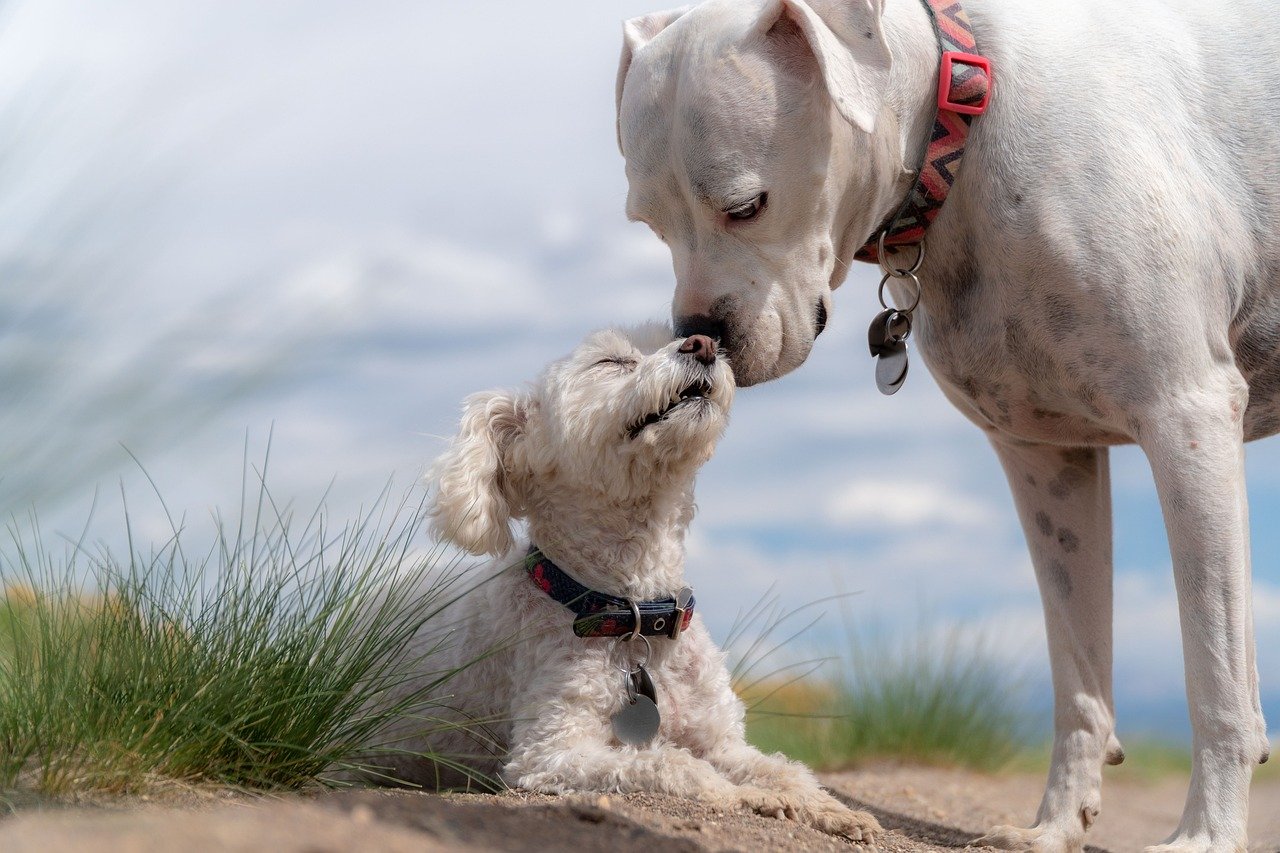
Before bringing a new puppy into your home, take a moment to consider the personalities of both dogs. Just like people, dogs have different temperaments. Your older dog might be calm and reserved, while the puppy is energetic and curious. Understanding these traits can help you anticipate possible conflicts and work towards preventing them. Think of it as introducing two colleagues at work: knowing their strengths and weaknesses can make teamwork smoother. Observing their behavior will also give you insights into how best to mediate their interactions.
Introduce Them in Neutral Territory
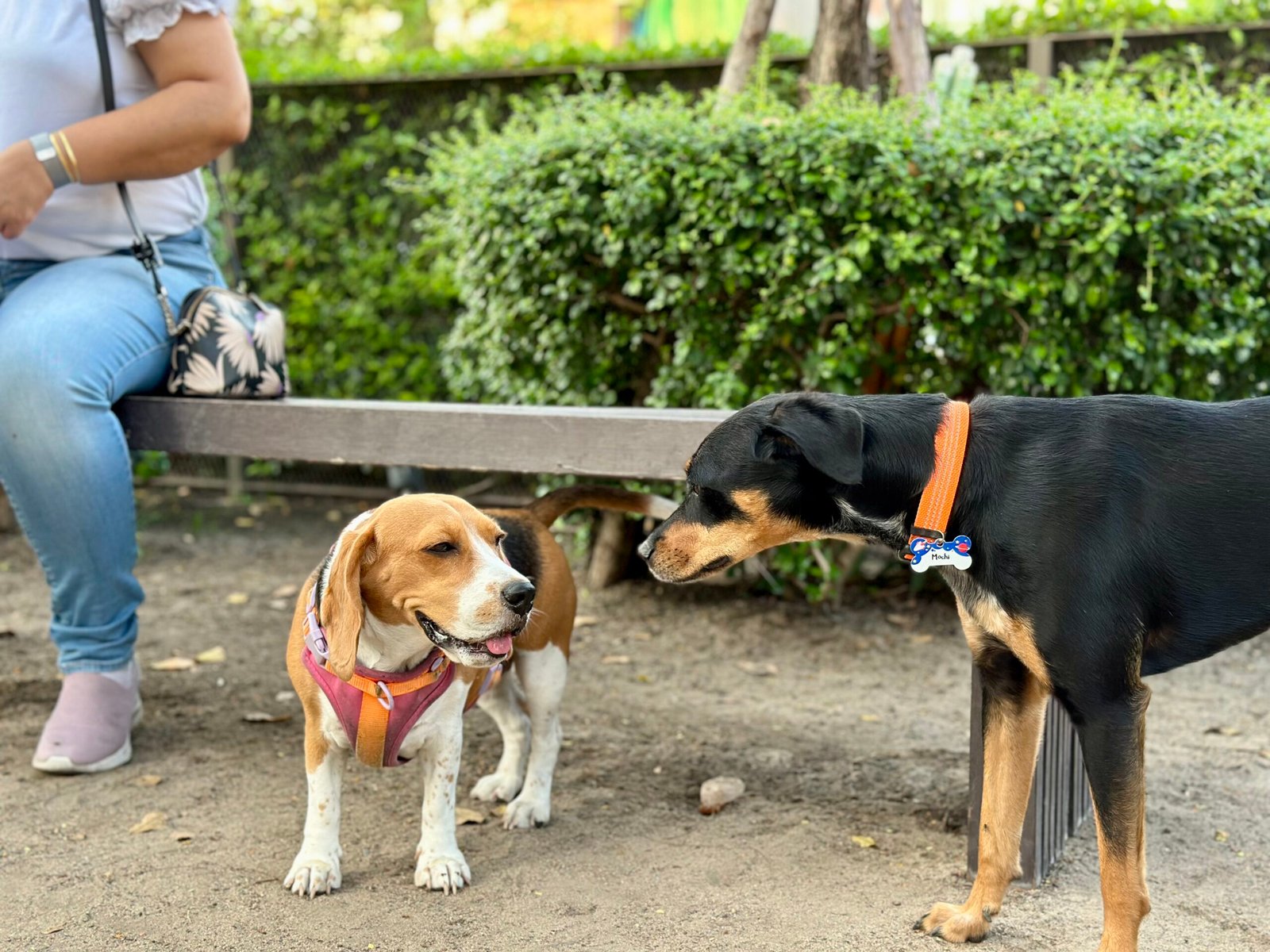
First impressions matter, especially for dogs. Introducing your older dog and new puppy in a neutral space, like a park or a friend’s yard, can help mitigate territorial behavior. This approach is akin to meeting a new friend at a café rather than inviting them directly into your home. By doing this, neither dog feels the need to defend their turf, making the introduction more about curiosity than competition. Keep these initial meetings short and positive, gradually increasing their duration as both dogs become more comfortable with each other.
Set Up Separate Spaces
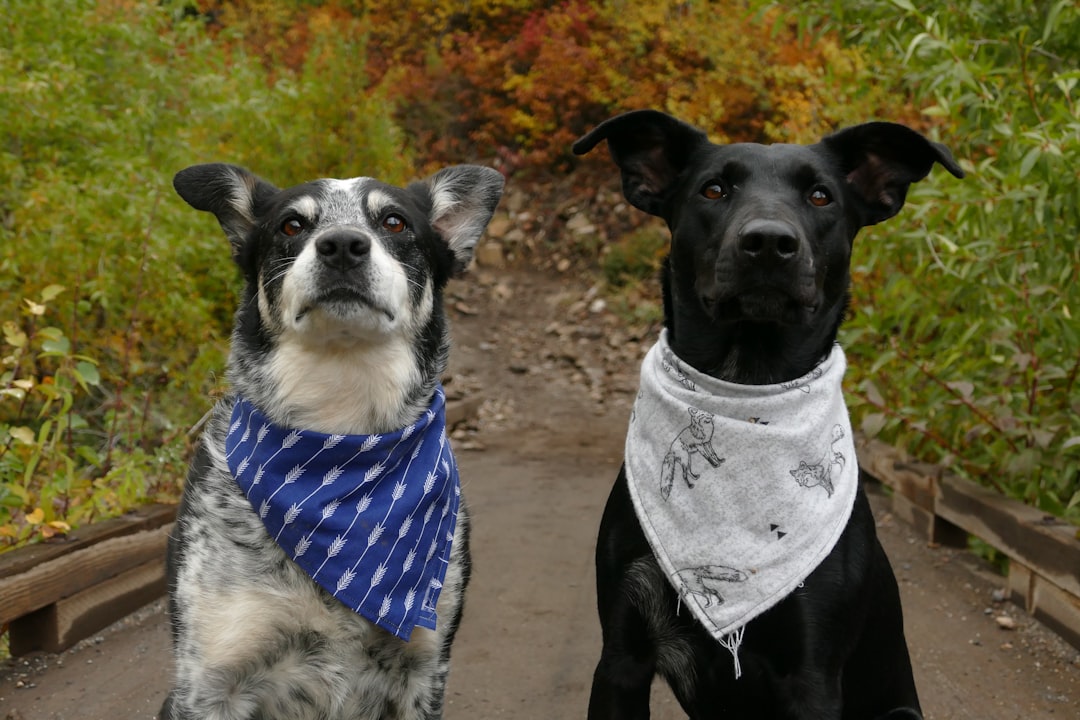
Just as siblings need their own rooms, your older dog and new puppy will benefit from having separate spaces. This separation helps them adjust at their own pace without feeling overwhelmed. For instance, the older dog might have a favorite resting spot that the puppy should not disturb. By setting up distinct areas, you give each dog the freedom to retreat and relax, which can be crucial in avoiding unnecessary stress. Over time, these spaces may merge as the dogs grow more comfortable with each other.
Supervise Their Interactions
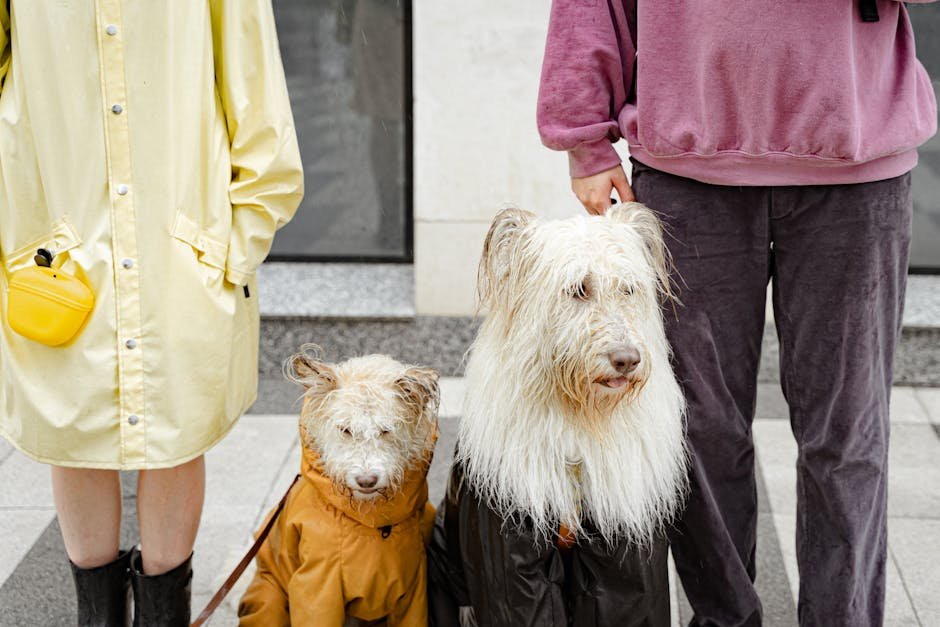
Supervision is key when it comes to ensuring safe and positive interactions. Think of yourself as a referee in a game, ensuring that both players abide by the rules. Keep a close watch during their playtime to prevent any roughhousing that could lead to injuries or misunderstandings. If your older dog seems overwhelmed or if the puppy is too boisterous, it’s wise to step in and give them a break. Through supervision, you can also identify and correct any undesirable behaviors early on.
Encourage Positive Associations
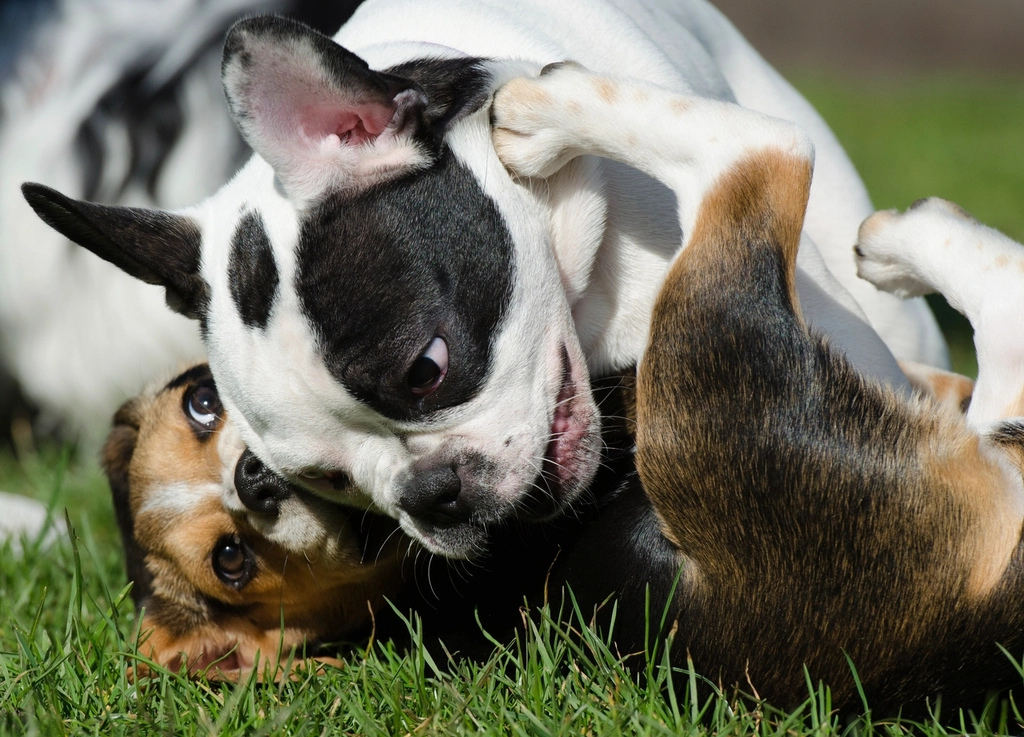
Creating positive experiences when the dogs are together can help build a strong bond. Use treats, toys, and praise to reward both dogs when they interact amicably. It’s like giving a child a star sticker for good behavior. For example, if they play nicely, offer them a tasty treat or lavish them with affection. Positive reinforcement encourages them to associate each other’s presence with happiness and rewards, paving the way for a lasting friendship.
Maintain Routine and Consistency
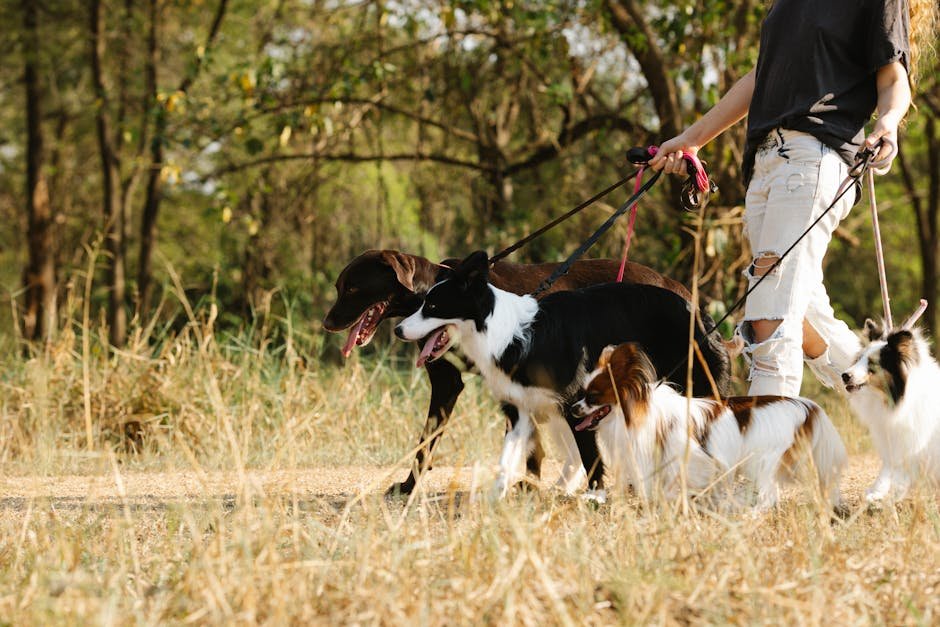
Dogs thrive on routine, and introducing a new puppy can disrupt the established order. Ensure that your older dog’s routine remains as consistent as possible, from meal times to walks. It’s like keeping a favorite book in the same spot; familiarity provides comfort. By maintaining some semblance of normalcy, you reassure your older dog that the new addition won’t upend their world. Gradually incorporating the puppy into this routine will help both dogs adapt without feeling overwhelmed.
Be Patient and Give It Time
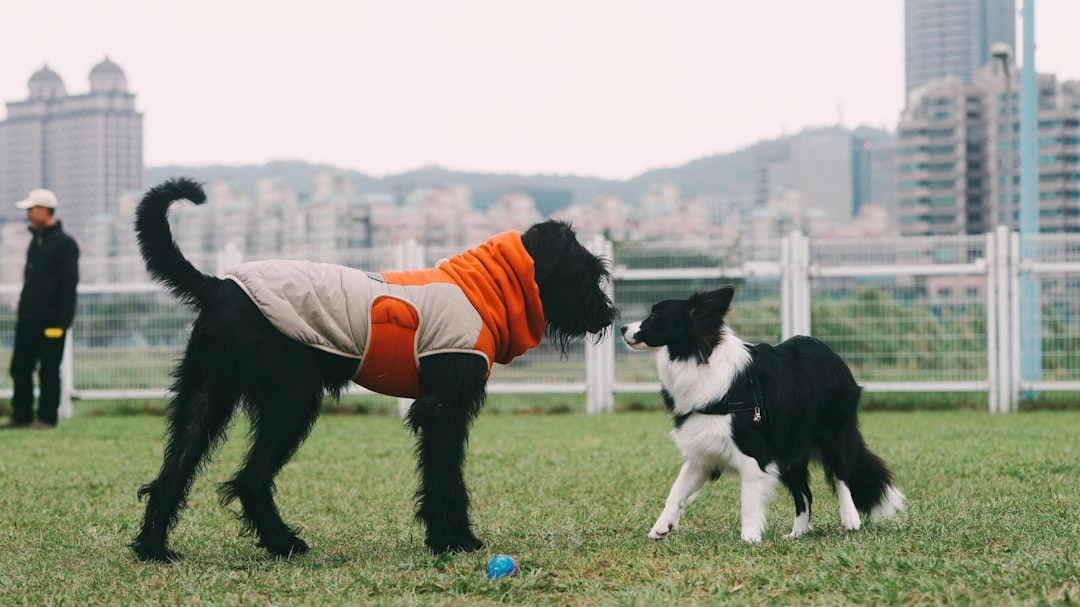
Patience is essential when helping an older dog adjust to a new puppy. Remember, relationships take time to develop. Just as you wouldn’t rush a budding friendship, allow your dogs the time they need to get used to each other. There might be moments of tension, but these can be opportunities for growth. Celebrate small victories, like a shared nap or a peaceful walk together, as signs that they are moving in the right direction. With time, patience, and understanding, the bond between your dogs will naturally strengthen.
Consult a Professional if Needed
Sometimes, despite your best efforts, you might encounter challenges that require expert advice. Don’t hesitate to seek help from a professional dog trainer or behaviorist. Think of them as a mediator who can provide tailored strategies to address specific issues. These experts bring a wealth of knowledge and experience that can be invaluable in resolving conflicts and fostering a positive relationship. Remember, asking for help is a step towards ensuring the happiness and harmony of your pets.
In conclusion, integrating a new puppy into a home with an older dog requires a blend of understanding, patience, and strategic planning. By paying attention to their personalities, creating positive experiences, and maintaining consistency, you set the stage for a harmonious relationship. With time and effort, your older dog and new puppy can become the best of friends, filling your home with joy and companionship.


