
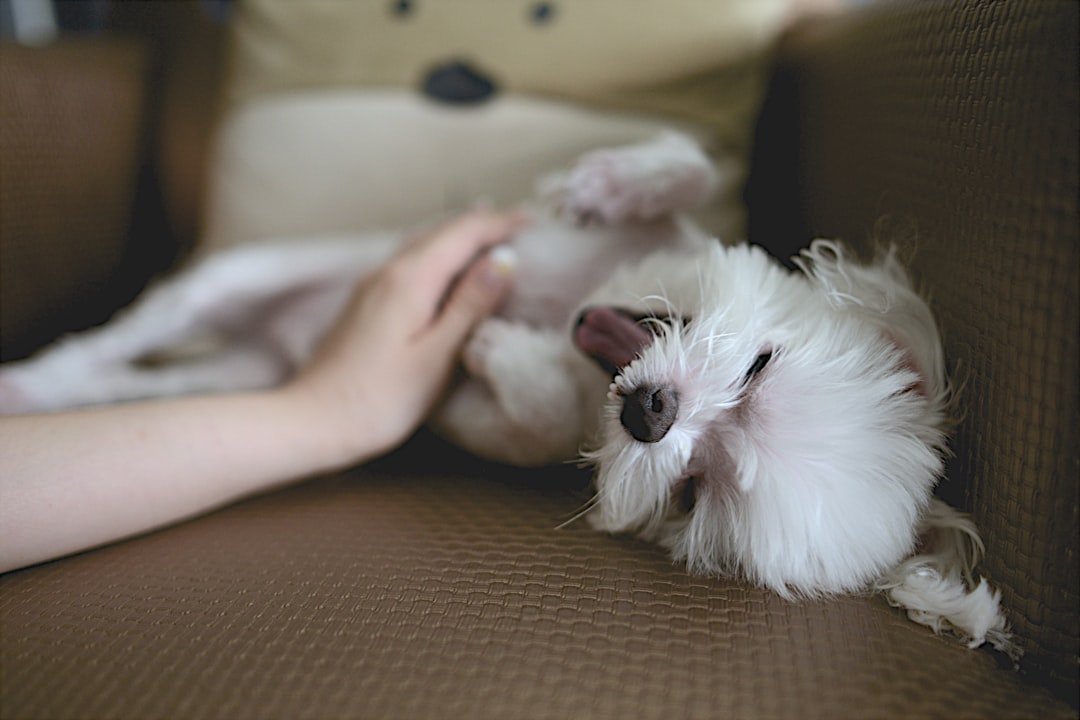
Dogs are more than just pets, they are family. When they are in pain, it can be heartbreaking because they cannot tell us what hurts. All dog lovers know how distressing that can be! As devoted pet owners, it’s essential to recognize when our furry friends are in distress and to provide them with the comfort and support they need. Dogs show their pain in many ways, from limping to whimpering, and it’s our job to decipher these signs and act accordingly. Below are ten effective ways to comfort and help your dog when they are in pain, ensuring they feel loved and cared for.
Recognize the Signs of Pain

Understanding when your dog is in pain is the first step to helping them. Dogs may not verbally communicate discomfort, but their behavior speaks volumes. Look for signs like limping, excessive licking of a specific area, or unusual aggression. Changes in appetite or sleeping patterns can also indicate that something is amiss. Just like humans, dogs can have good and bad days. It’s important to monitor these signs consistently. By recognizing these subtle cues, you can act promptly and seek the necessary interventions to alleviate their pain.
Consult Your Veterinarian

When you suspect your dog is in pain, the most reliable course of action is to consult with your veterinarian. Veterinarians are equipped with the knowledge and tools to diagnose the root cause of your dog’s discomfort. They can perform tests, recommend treatments, and prescribe medications that are safe and effective for your pet. Never self-diagnose or administer human medications to your dog, as this can be harmful. Building a strong relationship with your vet ensures that your dog receives the best care possible when they need it the most.
Provide a Comfortable Resting Area
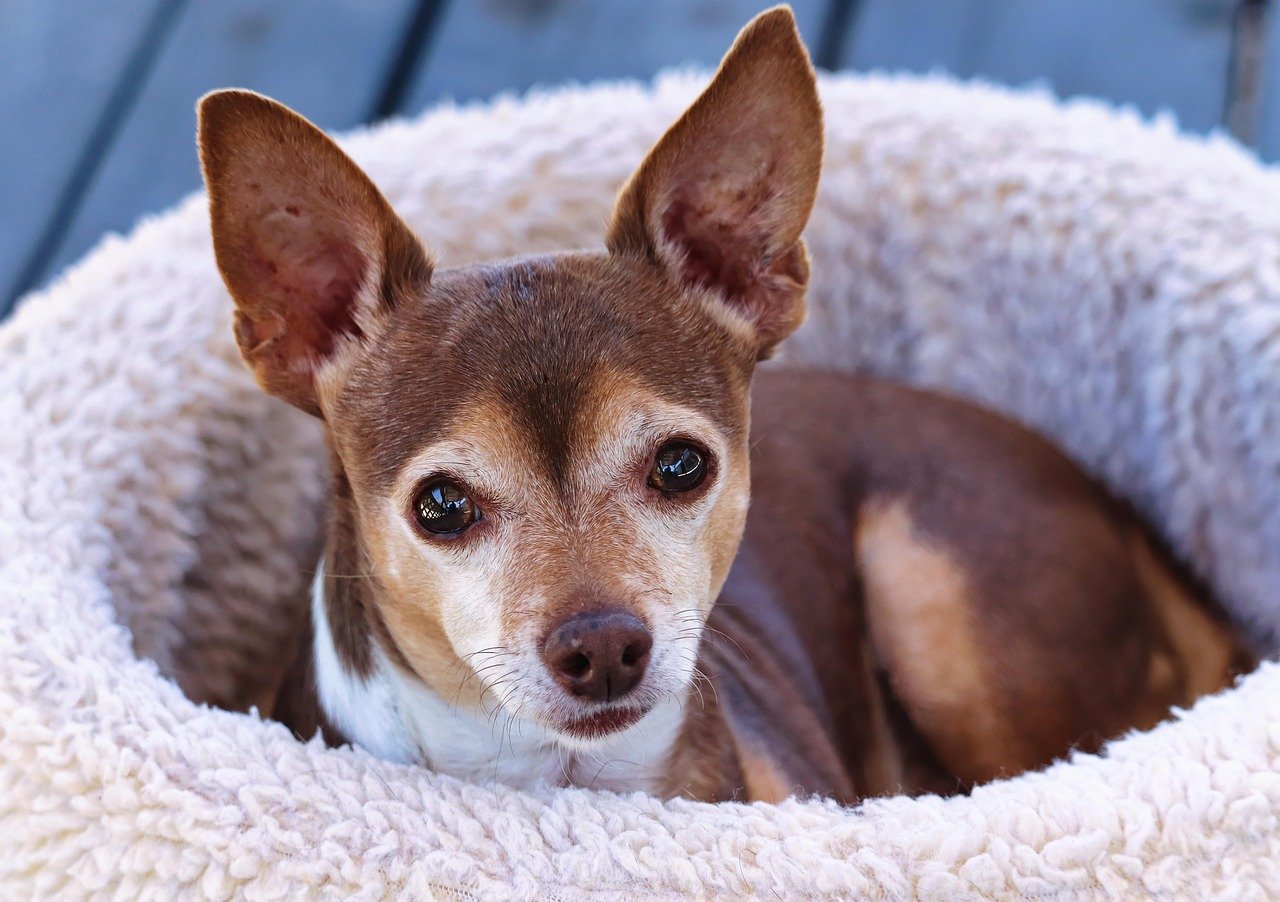
A cozy and quiet resting spot can do wonders for a dog in pain. Soft cushions or orthopedic beds can relieve pressure on sore joints and muscles. Position their bed in a calm area of your home, away from noise and foot traffic. Just like a person with a headache might retreat to a dark room, dogs also appreciate a peaceful environment when they’re not feeling their best. Ensuring they have a comfortable place to relax can help them recover more quickly and feel secure.
Use Gentle Massages
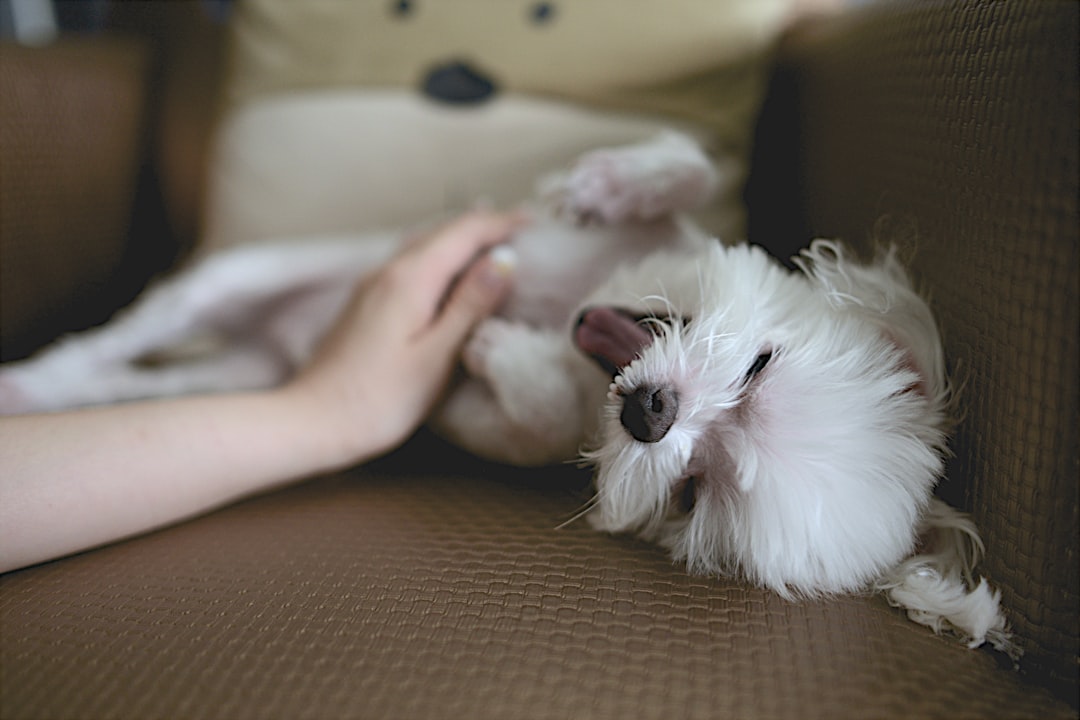
Massaging your dog can be a soothing way to alleviate pain, especially if they suffer from muscle soreness or arthritis. Use gentle, circular motions to massage the affected areas, paying close attention to your dog’s reactions. If they seem to enjoy it, continue; but if they seem uncomfortable, stop immediately. A massage not only helps with physical pain but can also strengthen the bond between you and your pet, providing emotional comfort as well.
Offer Warm or Cold Compresses

Applying warm or cold compresses can provide significant relief for a dog in pain. Cold compresses are effective for reducing swelling and inflammation, while warm compresses can soothe sore muscles and joints. Always wrap the compress in a towel to avoid direct contact with the skin, preventing burns or frostbite. Observe your dog’s reaction to determine which temperature they find more comforting. This simple remedy can be a quick and effective way to help your dog feel better.
Ensure Proper Nutrition
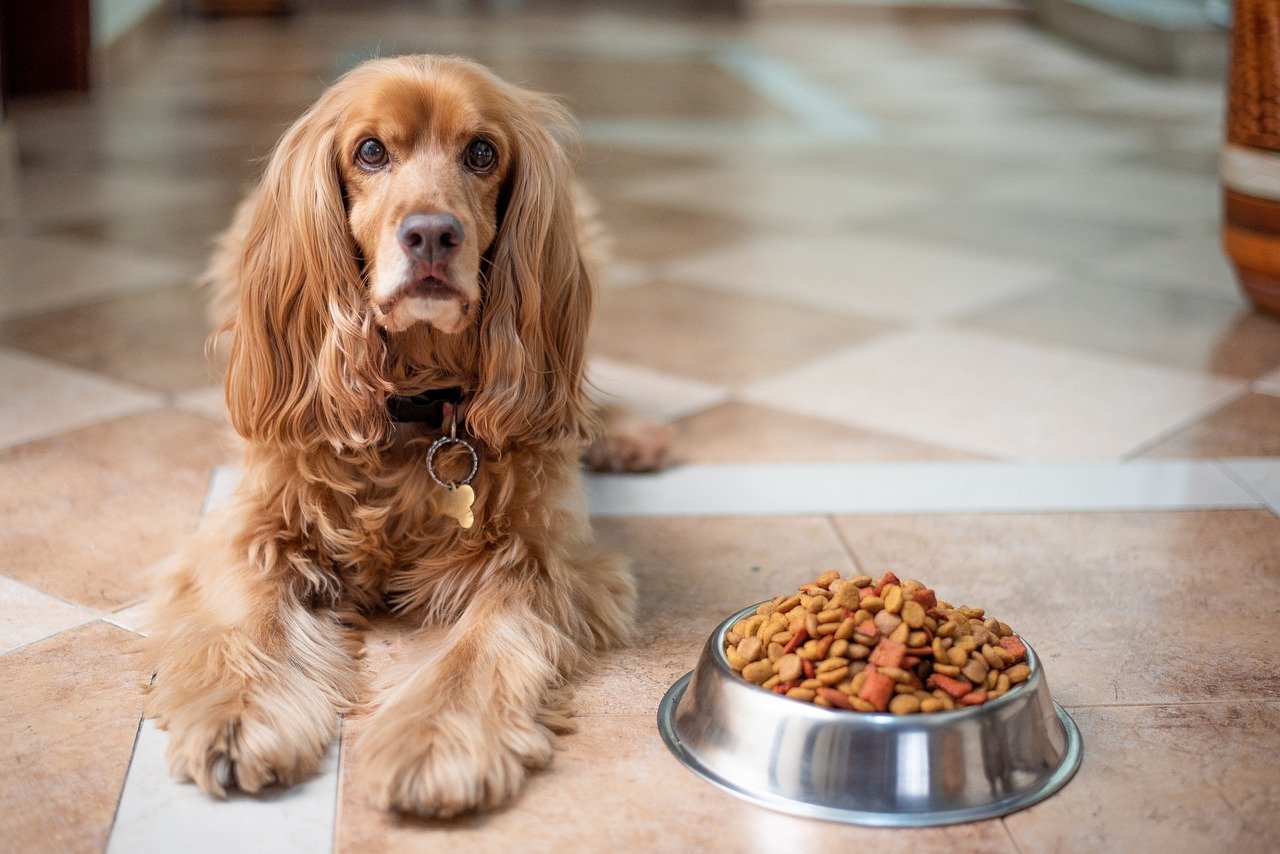
A balanced diet plays a crucial role in your dog’s overall health and recovery. If your dog is in pain due to a chronic condition, certain foods can help manage symptoms. Consult your vet about dietary changes that might benefit your dog, such as adding supplements or switching to a diet that supports joint health. High-quality food provides the necessary nutrients that can boost your dog’s immune system and aid in faster recovery. Remember, a healthy diet is a cornerstone of a long and happy life for your pet.
Maintain Regular Exercise

While it might seem counterintuitive to exercise a dog in pain, gentle and controlled physical activity can be beneficial. Activities such as short walks or swimming can keep joints flexible and muscles strong. Exercise should be tailored to your dog’s condition and monitored closely for any signs of discomfort. Think of it like physical therapy for humans; the right kind of movement can promote healing without exacerbating pain. Regular exercise, even in small doses, can improve your dog’s mood and well-being.
Administer Medications Carefully

If your veterinarian prescribes medication for your dog, it’s crucial to administer it exactly as directed. Medications can effectively manage pain and improve your dog’s quality of life. Ensure you understand the dosage and timing, as well as any potential side effects. Never give your dog over-the-counter human medications without veterinary guidance. Proper medication management is vital in helping your dog feel relief and preventing further health complications.
Provide Emotional Support
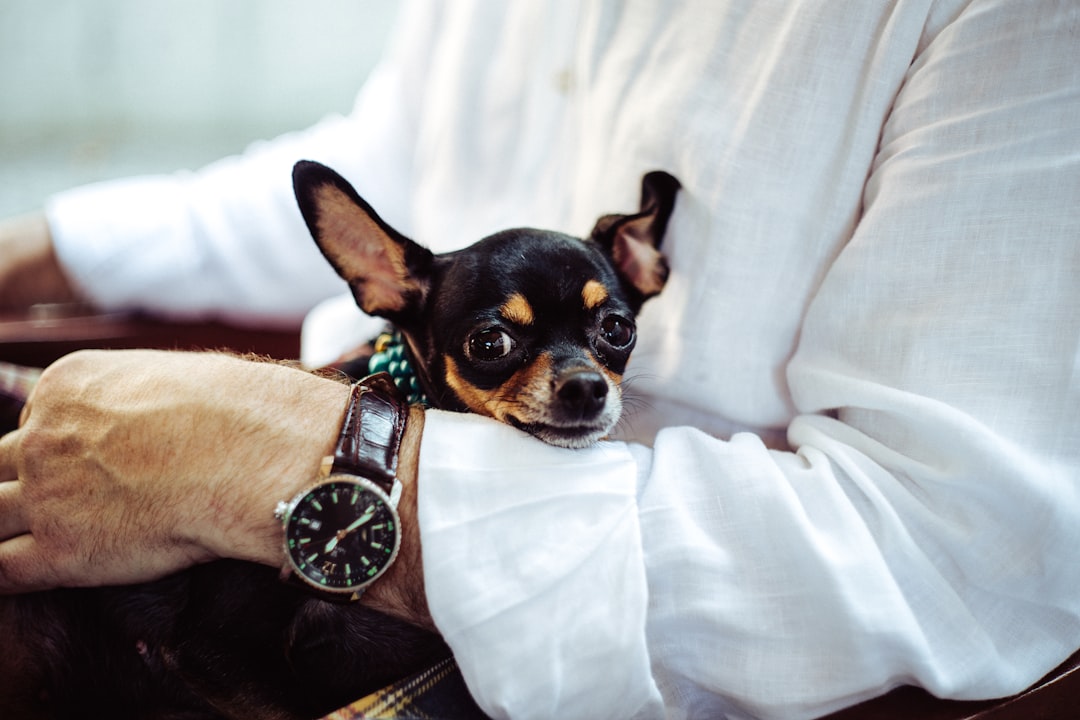
Dogs are incredibly intuitive and can sense when their owners are stressed or worried. Providing emotional support can be as simple as spending extra time with your dog, offering soothing words, or gently petting them. Let them know you are there for them, and they are not alone in their discomfort. Emotional support can be as healing as any medication, reinforcing the bond of trust and love between you and your furry friend.
Monitor and Adjust
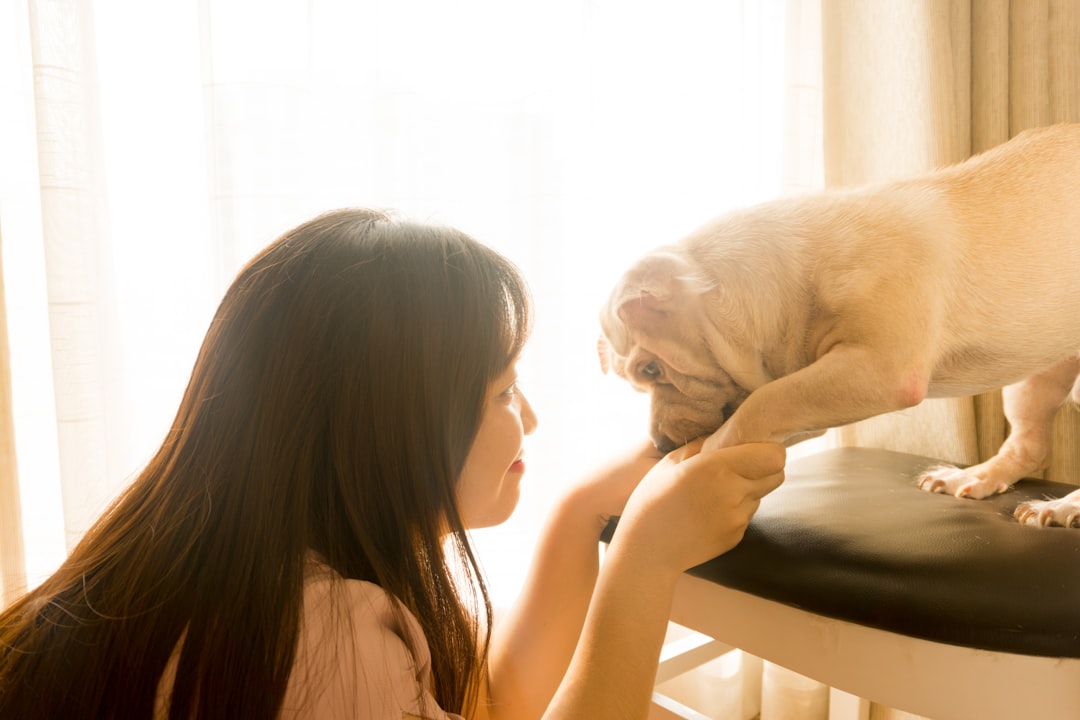
Once you’ve implemented strategies to help your dog, it’s essential to monitor their progress. Keep an eye on their behavior and any changes in their condition. Be ready to adjust your approach based on their needs. Healing is a dynamic process, and what works today might need tweaking tomorrow. Always be prepared to consult your vet if you notice any negative changes or if your dog’s pain persists.
Comforting a dog in pain requires a blend of observation, care, and love. Knowing their body language is incredibly important in such situations! By understanding their needs and responding with empathy and appropriate measures, you can help your beloved pet navigate through difficult times with grace and ease.


