
The 10 Common Dog Owner Mistakes That Could Make Any Dog Dangerous

Owning a pet can enrich your life beyond measure, but it’s important to choose one that fits your lifestyle. Maine Coon cats are adored for their majestic appearance and gentle demeanor, yet they may not be the best fit for everyone. Their large size, playful energy, and specific care needs can sometimes be more than a busy household can handle. Plus, their social nature means they crave attention and companionship, which isn’t ideal if you’re often away. Before you rush to bring home this fluffy feline giant, consider these compelling reasons why a Maine Coon might not be the right choice for you.
Neglecting Proper Socialization
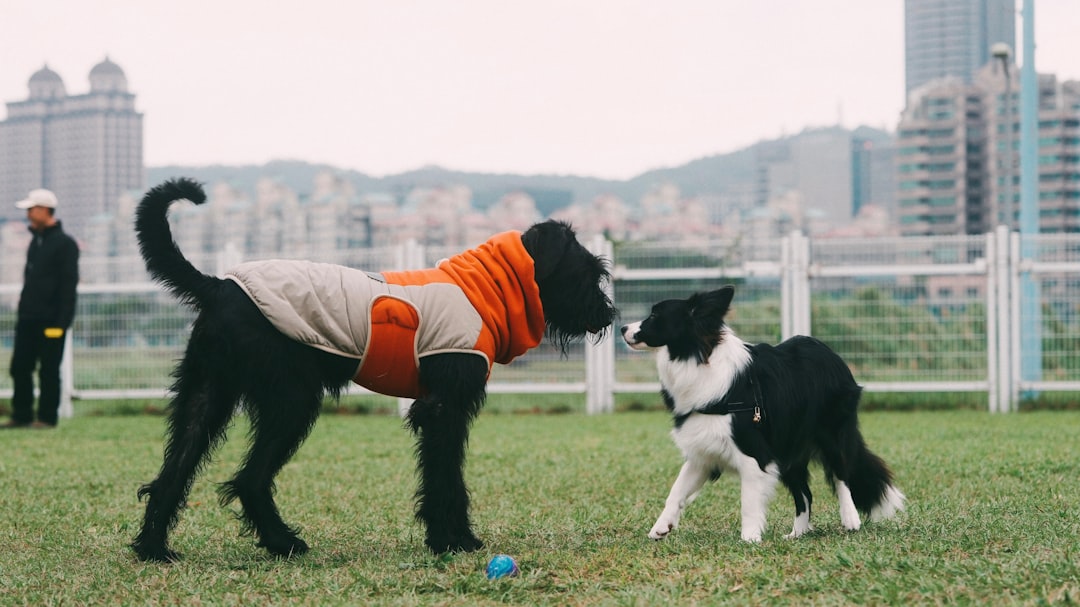
Socialization is crucial for dogs, especially during their early developmental stages. Without exposure to different environments, people, and other animals, dogs can become fearful or aggressive. Imagine a child growing up without ever meeting anyone outside their family; they might find the outside world intimidating. Similarly, dogs need to experience the world. Taking them to parks, introducing them to new smells, and allowing them to interact with other dogs can help them grow into well-adjusted pets. Failing to do this can result in a dog that reacts negatively to unfamiliar situations or people.
Inconsistent Training Methods
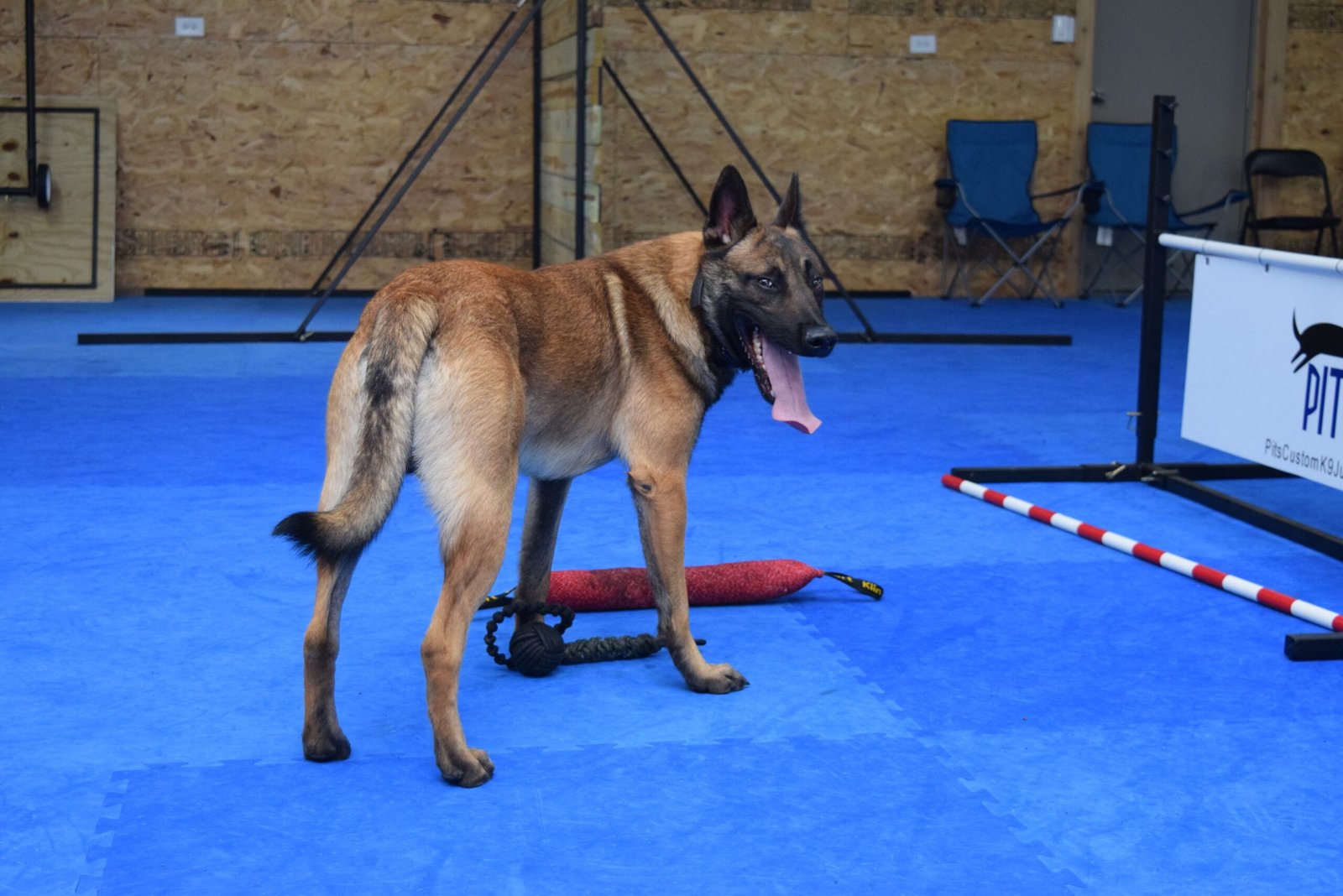
Dogs thrive on consistency. If one day you allow them to jump on the couch and the next day you scold them for it, they become confused and anxious. This inconsistency can lead to behaviors that are not only undesirable but also potentially dangerous. It’s essential to establish a set of rules and stick to them. Think of it like teaching a child the rules of a game; they need clarity to play well. Consistent training ensures your dog knows what to expect and how to behave appropriately.
Lack of Physical Exercise
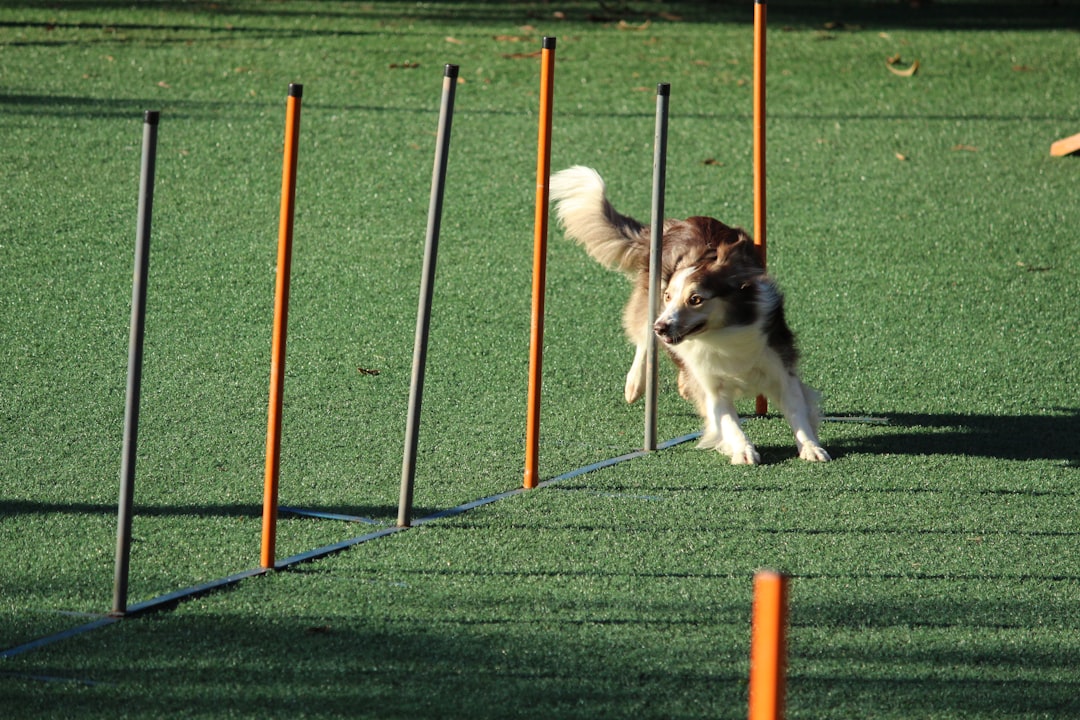
Imagine being cooped up in a tiny room all day with no chance to stretch your legs. Dogs, too, need regular exercise to release energy and maintain their mental and physical health. A lack of exercise can lead to frustration and pent-up energy, which can manifest as destructive or aggressive behavior. Regular walks, playtime, and activities like fetch or agility courses are excellent ways to keep your dog healthy and happy. A tired dog is often a well-behaved dog.
Ignoring Signs of Stress or Anxiety

Dogs, like humans, can experience stress and anxiety. Ignoring their signs can lead to dangerous situations. For instance, a dog that is cornered or frightened may bite out of fear. It’s crucial to recognize signs like excessive barking, pacing, or whining. These behaviors are their way of communicating discomfort. Addressing the root cause, whether it’s a loud noise or a new environment, can help alleviate their stress and prevent unwanted reactions.
Improper Diet and Nutrition

Feeding a dog an inappropriate diet can have far-reaching effects on their behavior. Just as a human might feel lethargic or irritable after eating junk food, dogs can become hyperactive or aggressive if they consume the wrong foods. It’s vital to provide a balanced diet tailored to their age, size, and breed. Consulting a veterinarian can offer insights into what’s best for your dog. A well-nourished dog is more likely to be calm and content.
Skipping Regular Veterinary Check-Ups
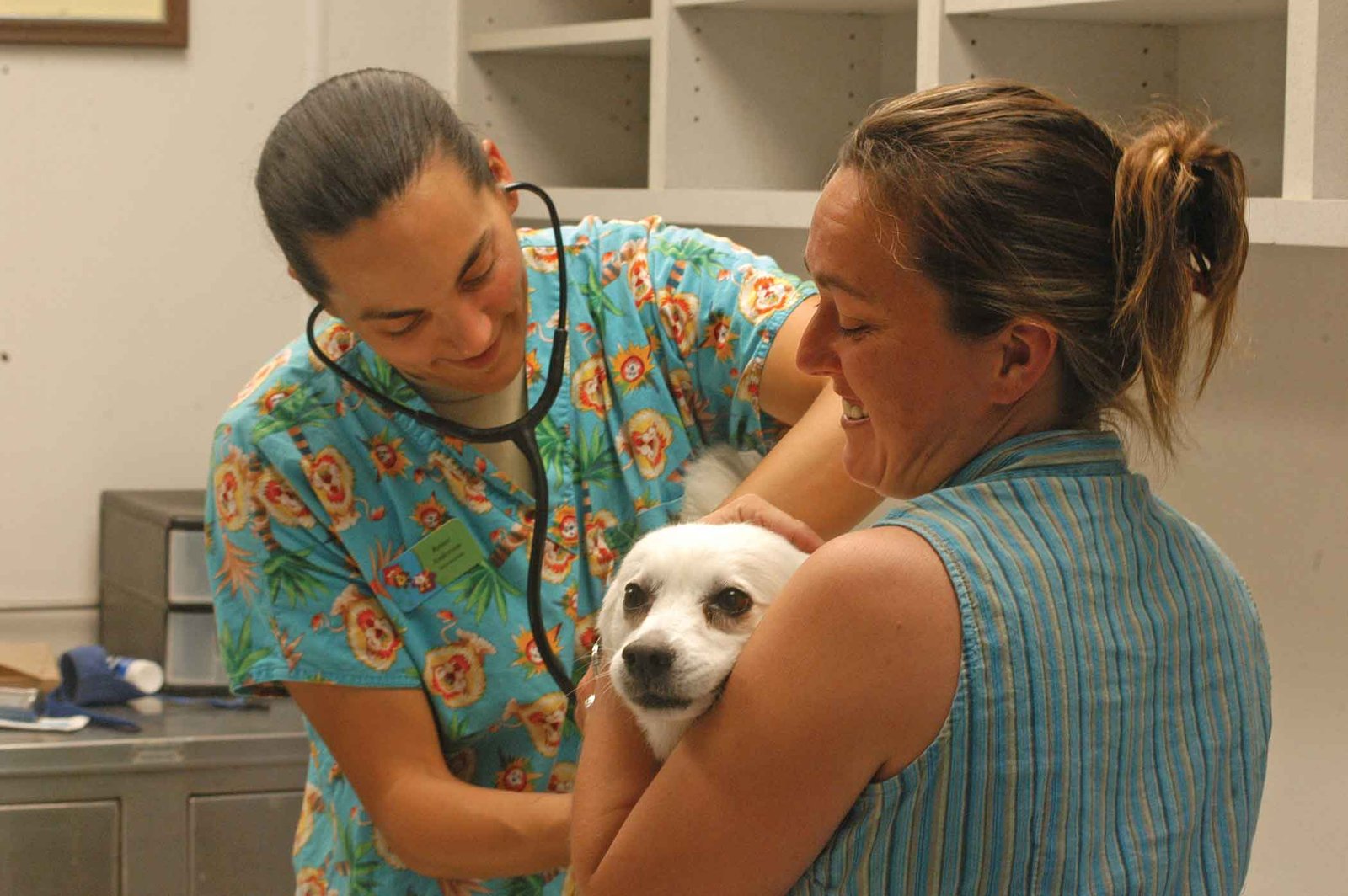
Regular visits to the vet ensure that your dog remains healthy and free from underlying health issues that could affect their behavior. Some health problems can cause pain or discomfort, leading to aggression or withdrawal. By keeping up with vaccinations and check-ups, you can catch potential problems early. Just as we go to the doctor for regular health screenings, dogs need their check-ups to stay in top form.
Allowing Unwanted Behaviors

While it might be cute when a puppy nips at your fingers, allowing such behavior can lead to bigger problems as they grow. By not addressing unwanted behaviors early on, they can become ingrained habits. This can result in a dog that’s difficult to manage and potentially dangerous. Setting boundaries and using positive reinforcement to encourage good behavior is essential. Imagine if a child was never taught to say “please” or “thank you”; similarly, dogs need guidance on what’s acceptable.
Lack of Mental Stimulation
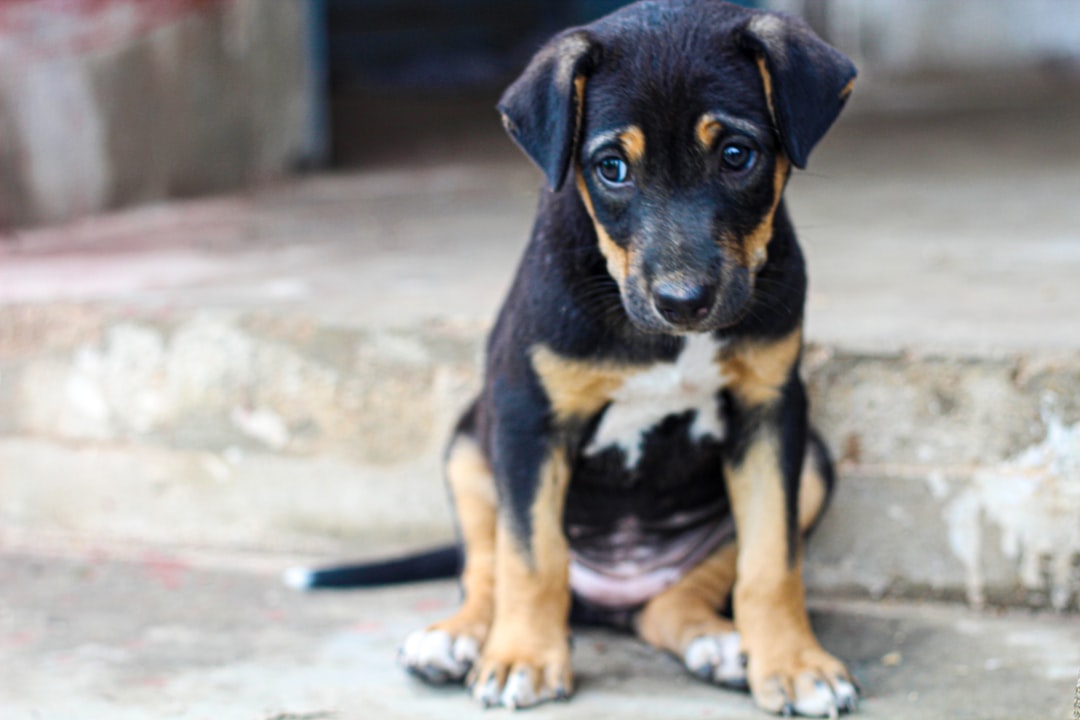
Dogs are intelligent creatures that require mental challenges to prevent boredom. Just as humans might get restless with monotonous routines, dogs too can become frustrated without mental stimulation. Providing toys, puzzles, and training exercises can keep their minds sharp. A mentally stimulated dog is less likely to engage in destructive behavior. Think of it as giving them a crossword puzzle to solve; it keeps them engaged and content.
Ignoring Early Warning Signs of Aggression

Early signs of aggression, such as growling or showing teeth, should never be ignored. These are indicators that a dog is uncomfortable or feels threatened. Addressing these signs early can prevent escalation. Consulting a professional dog trainer or behaviorist can provide strategies to manage and modify these behaviors. Much like addressing a minor leak before it becomes a flood, early intervention is key to preventing danger.
Overlooking the Importance of Boundaries
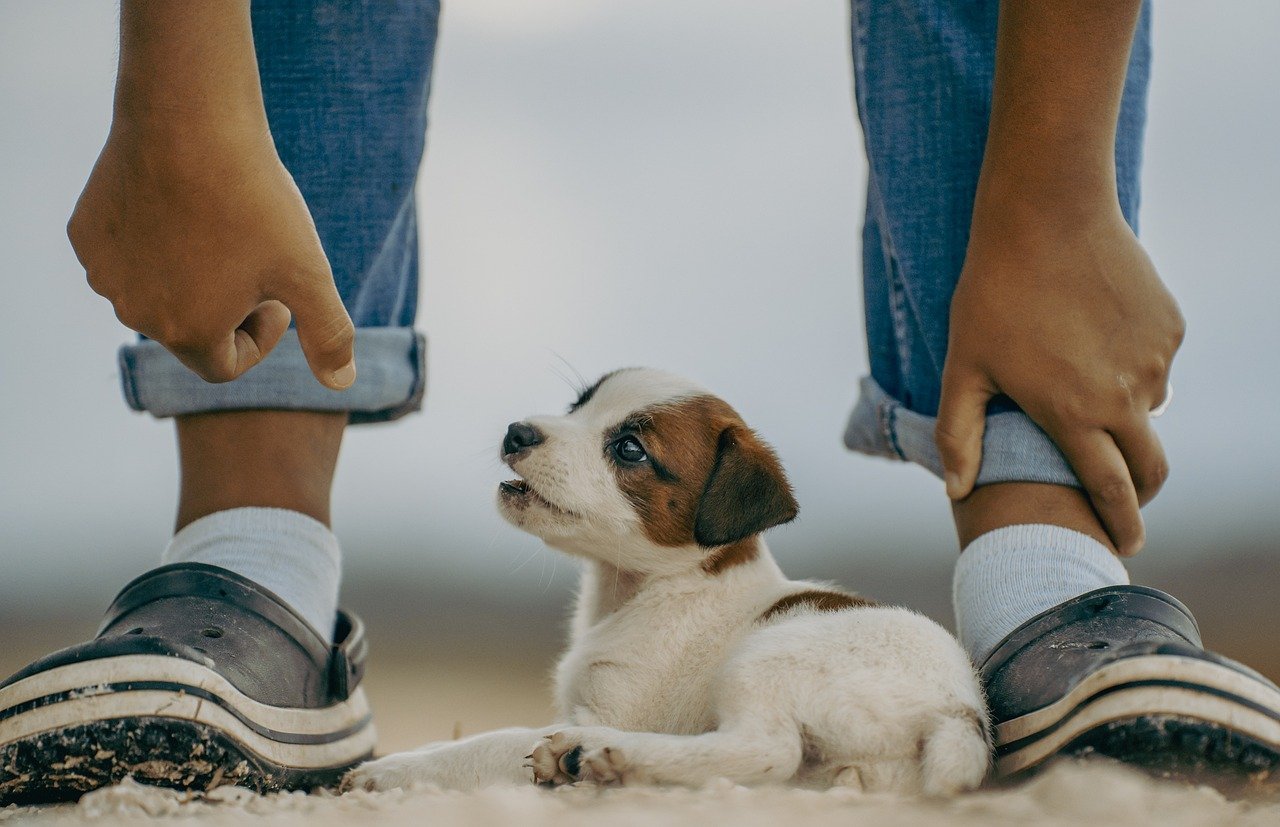
Setting boundaries is crucial for both dogs and their owners. A dog without boundaries can become confused about its role, leading to dominance issues or anxiety. Establishing clear boundaries ensures that your dog understands what’s expected of them. It’s similar to setting rules in a household; everyone knows their role and responsibilities. By ensuring your dog knows its boundaries, you create a harmonious and safe environment for all.
In conclusion, being a responsible dog owner means being aware of the common mistakes that could inadvertently lead to dangerous behaviors. By understanding and addressing these pitfalls, you can ensure a safe and loving environment for your dog and everyone around them. A well-cared-for dog is not only a joy to have but also a safe companion.