

Cats, with their mysterious and independent nature, can sometimes present behavior challenges that leave their owners puzzled. While their quirks make them endearing, certain behaviors can be concerning or disruptive. Whether it’s incessant scratching, biting, or avoiding the litter box, understanding the root causes of these behaviors is key to addressing them. This article delves into eight effective ways to tackle common behavior problems in cats, ensuring harmony between you and your feline friend.
Understanding Your Cat’s Body Language

Understanding your cat’s body language is akin to learning a new language. Cats communicate their feelings and intentions through their posture, tail movement, and vocalizations. If a cat’s tail is puffed up, it might be feeling threatened or scared. On the other hand, a softly swishing tail may indicate curiosity. Recognizing these subtle cues can help you address potential issues before they escalate. For instance, if your cat’s ears are flattened and it’s hissing, it’s best to give it space. By observing and interpreting these signals, you can better understand your cat’s needs and prevent potential behavior problems.
Providing Enrichment and Stimulation

Cats are natural hunters, and without adequate stimulation, they may channel their energy into unwanted behaviors. Offering a variety of toys, puzzle feeders, and interactive play sessions can cater to their predatory instincts. Imagine a cat confined to a small apartment with nothing to do; it might start scratching furniture or misbehaving out of sheer boredom. Rotating toys and introducing new challenges can keep your cat mentally and physically engaged, reducing the likelihood of undesirable behaviors. Remember, a tired cat is often a well-behaved cat.
Ensuring Proper Socialization

Socialization is crucial, especially for kittens, to develop into well-adjusted adult cats. Early exposure to different environments, people, and other pets can help your cat feel more confident and less anxious. Think of socialization as building a foundation for your cat’s emotional resilience. Cats that are well-socialized are less likely to display aggression or fear-based behaviors. If your cat missed out on early socialization, gradual exposure to new experiences can still be beneficial. Always ensure these experiences are positive and stress-free.
Addressing Litter Box Issues
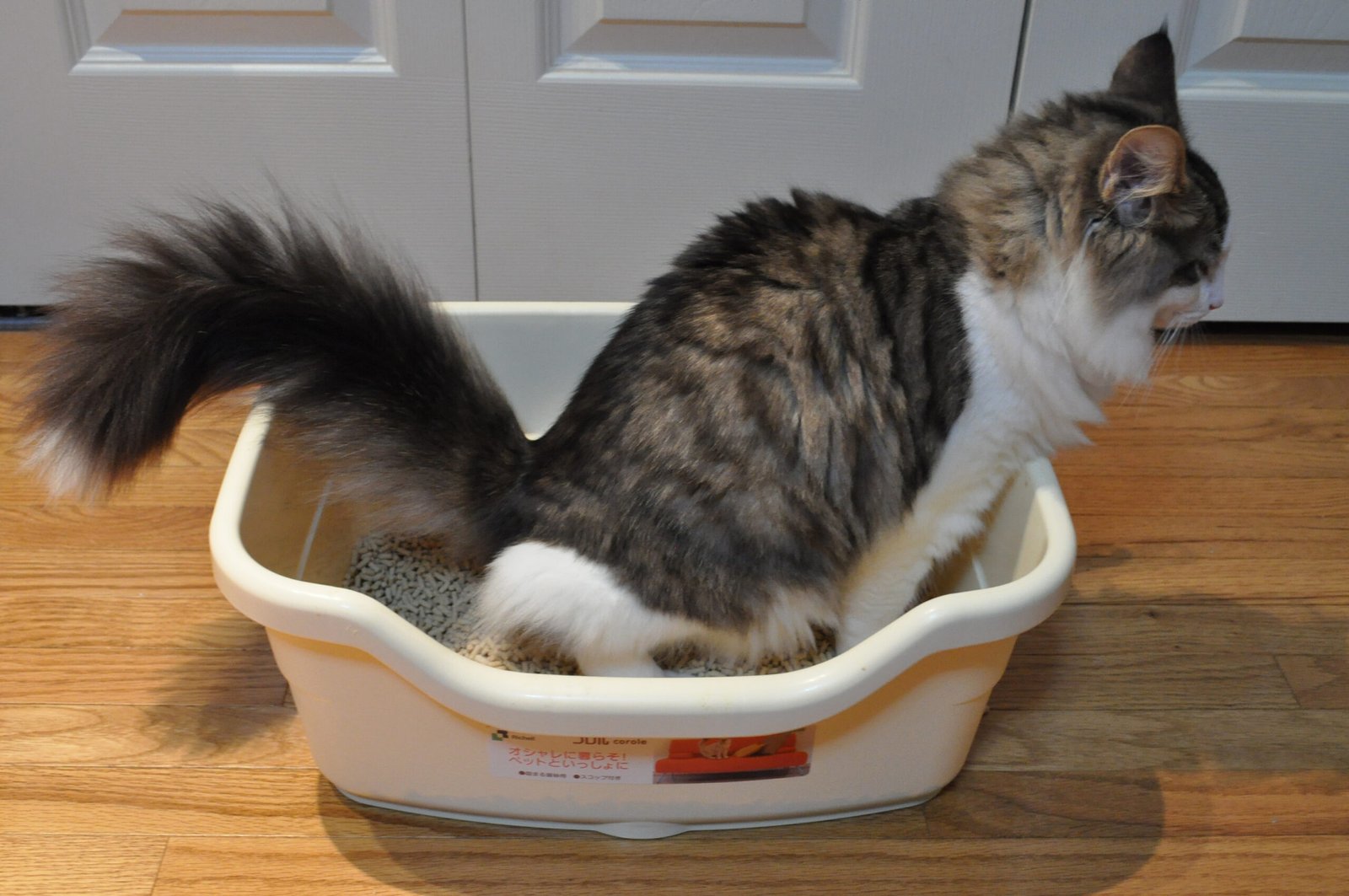
Litter box problems are one of the most common behavior issues cat owners face. The reasons can range from medical issues to simple preferences. Ensure the litter box is clean, easily accessible, and placed in a quiet location. Some cats might prefer a particular type of litter or the privacy of a covered box. If your cat suddenly avoids the litter box, a vet check is essential to rule out health problems. Remember, patience and observation are key. By understanding your cat’s preferences, you can often resolve litter box issues quickly.
Managing Scratching Behaviors
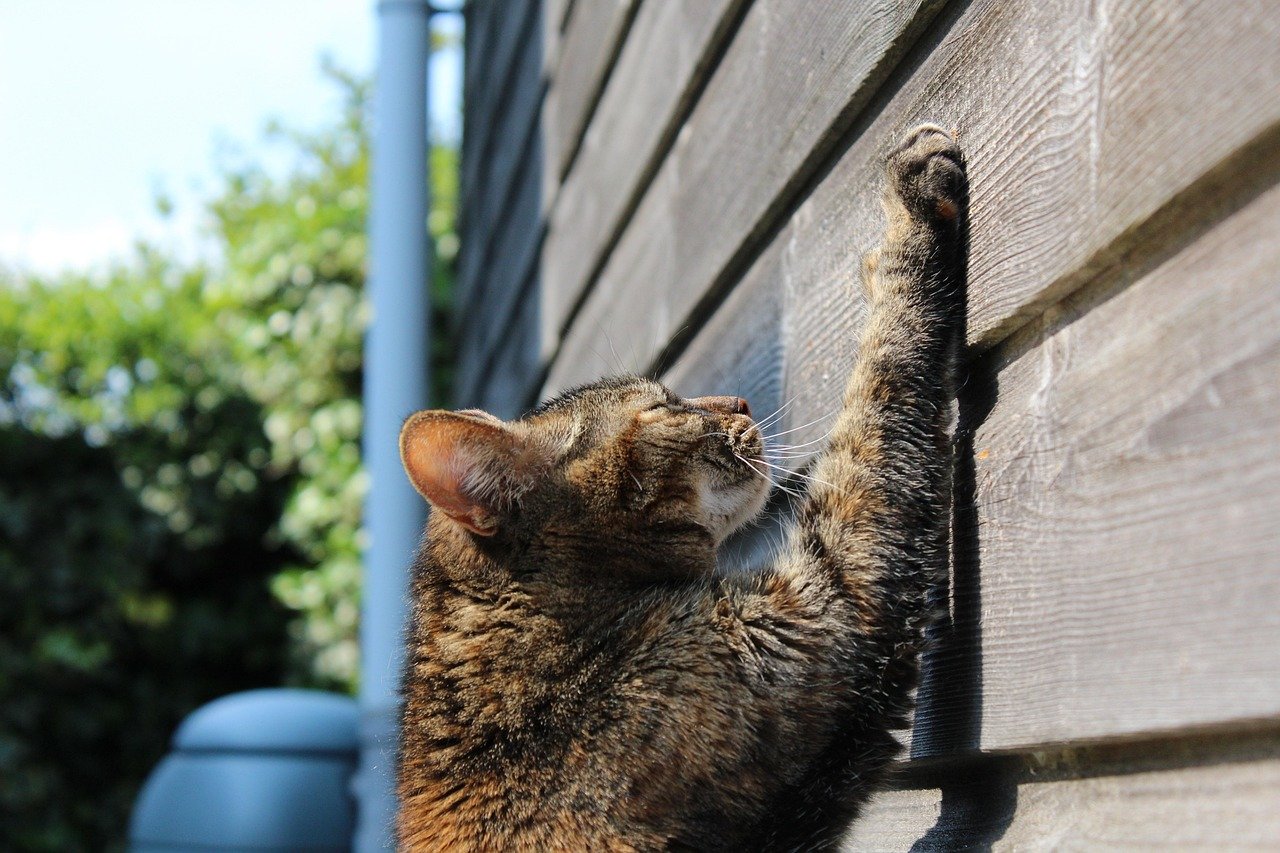
Scratching is a natural behavior for cats, but it can be destructive if not channeled correctly. Providing scratching posts or pads can save your furniture and satisfy your cat’s need to scratch. Place scratching posts in areas your cat frequents, as they often like to mark territory. If your cat is scratching furniture, covering the area with double-sided tape can deter it until it learns to use the post. Encouraging your cat with treats or catnip when it uses the scratching post can reinforce positive behavior.
Dealing with Aggression

Aggressive behavior in cats can be alarming and is often a result of fear, frustration, or territorial disputes. Identifying the trigger is the first step in managing aggression. If your cat becomes aggressive during play, it might be overstimulated. In such cases, shorter play sessions with breaks can help. If aggression is directed at other pets, gradually reintroducing them can ease tensions. Never punish your cat for aggressive behavior, as it can increase fear and worsen the issue. Instead, focus on positive reinforcement and creating a calm environment.
Providing a Balanced Diet

A cat’s diet can significantly impact its behavior. Nutrient deficiencies or imbalances can lead to hyperactivity or lethargy. Ensure your cat receives a balanced diet tailored to its age, size, and health needs. Consulting with a veterinarian can help determine the best dietary plan. Providing regular meals instead of free feeding can also prevent overeating and the resulting behavioral issues. Remember, a healthy cat is often a happy and well-behaved one.
Consulting a Professional

Sometimes, despite our best efforts, a cat’s behavior problems require professional intervention. Consulting a veterinarian or a feline behaviorist can provide insights and strategies tailored to your cat’s specific needs. These professionals can rule out medical issues and offer guidance on behavior modification techniques. Think of them as translators who can bridge the communication gap between you and your cat. Investing in professional advice can lead to a harmonious relationship with your feline friend, ensuring both of you enjoy a peaceful coexistence.


