
10 Mistakes To Avoid if You Want a Well-Behaved Socialized Dog
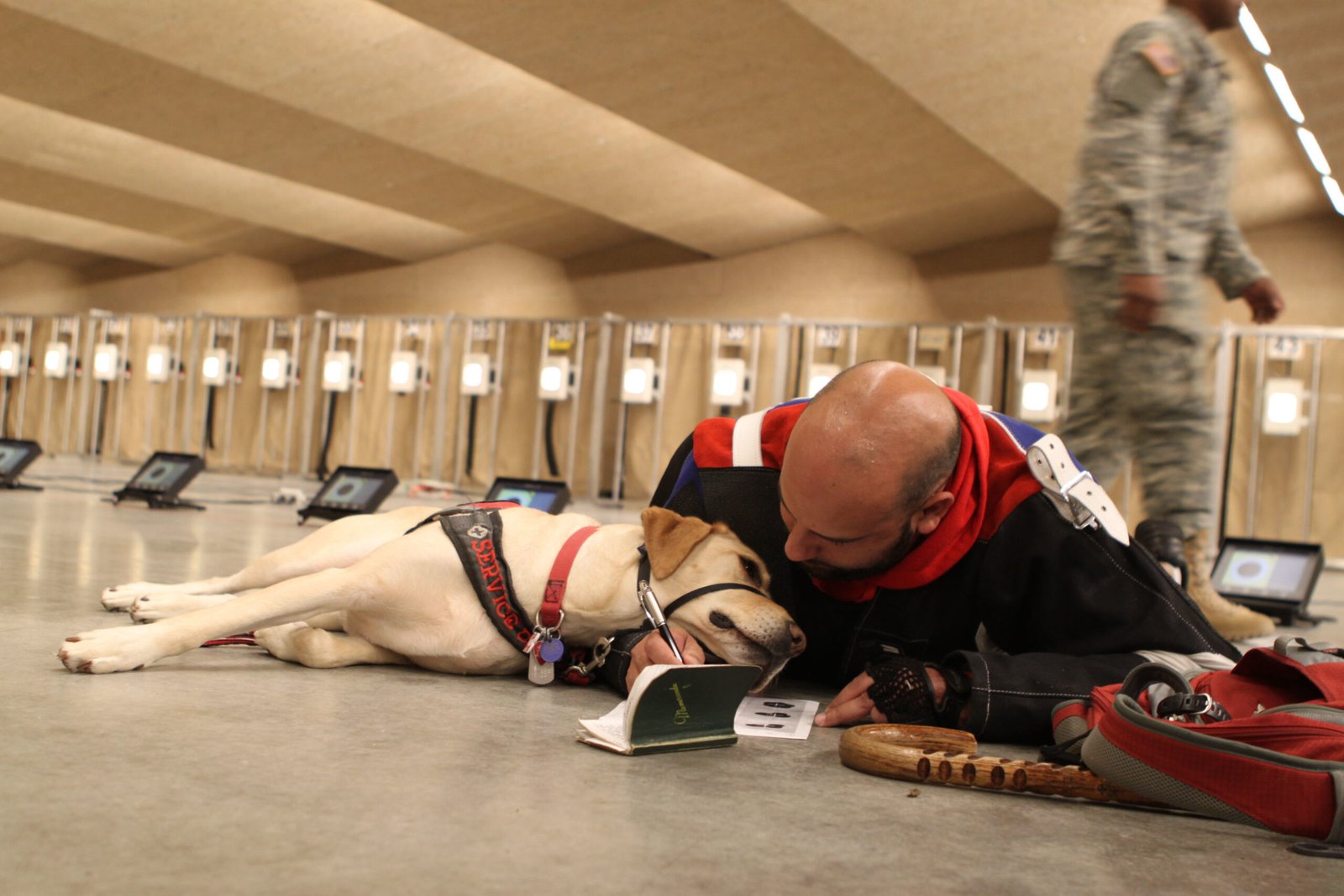
Welcoming a furry companion into your home is a delightful experience. Dogs, with their wagging tails and playful barks, can bring immense joy and companionship. However, ensuring they grow into well-behaved and socialized members of the family requires understanding and commitment. As dog lovers, we often unknowingly make mistakes that can impact their behavior and social skills. Let’s explore some common pitfalls and how you can avoid them to nurture a harmonious relationship with your canine friend.
Skipping Early Socialization
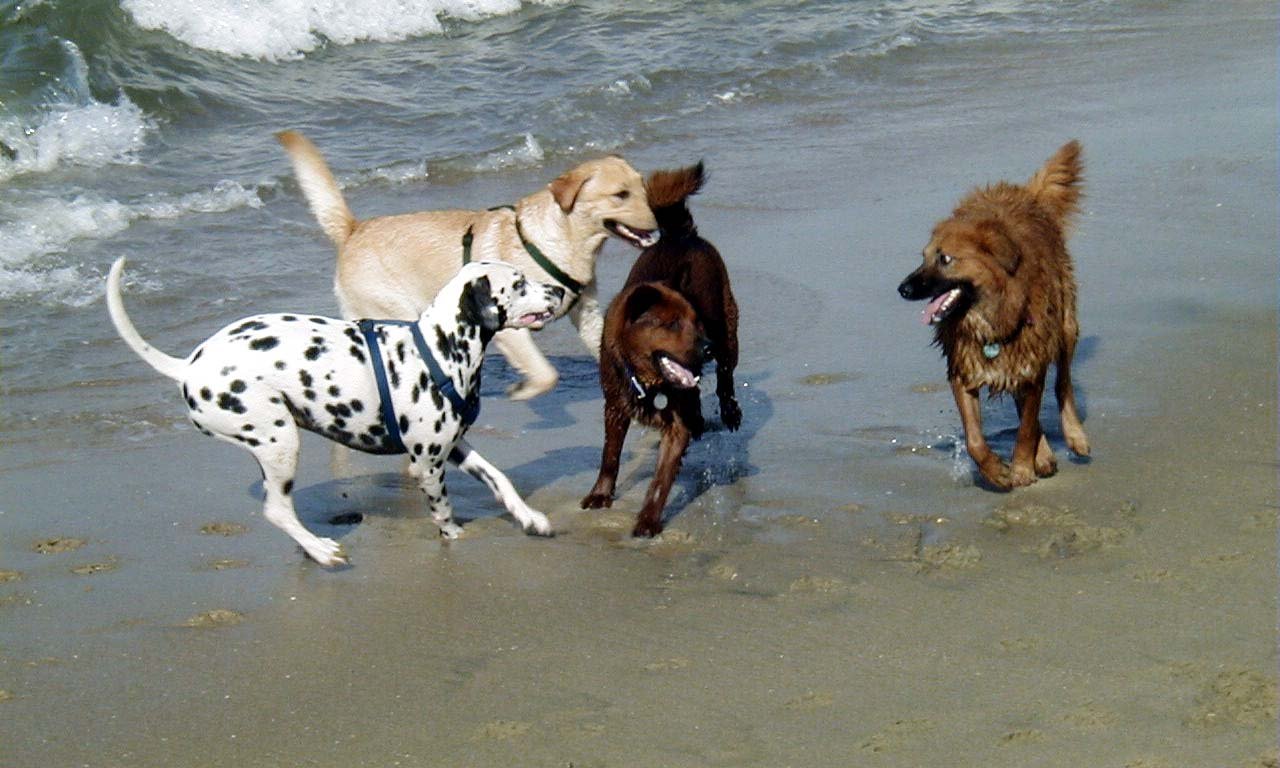
Socializing your puppy early on is crucial. Dogs, like humans, are social creatures, and their early experiences shape their behavior for life. When puppies are exposed to different people, environments, and other animals, they learn to be confident and adaptable. If you miss this window, your dog might develop fears and anxieties. Think of it like teaching a child to be comfortable with strangers and new situations. By introducing your puppy to various stimuli, you help them become well-rounded and secure in their surroundings.
Ignoring Basic Training
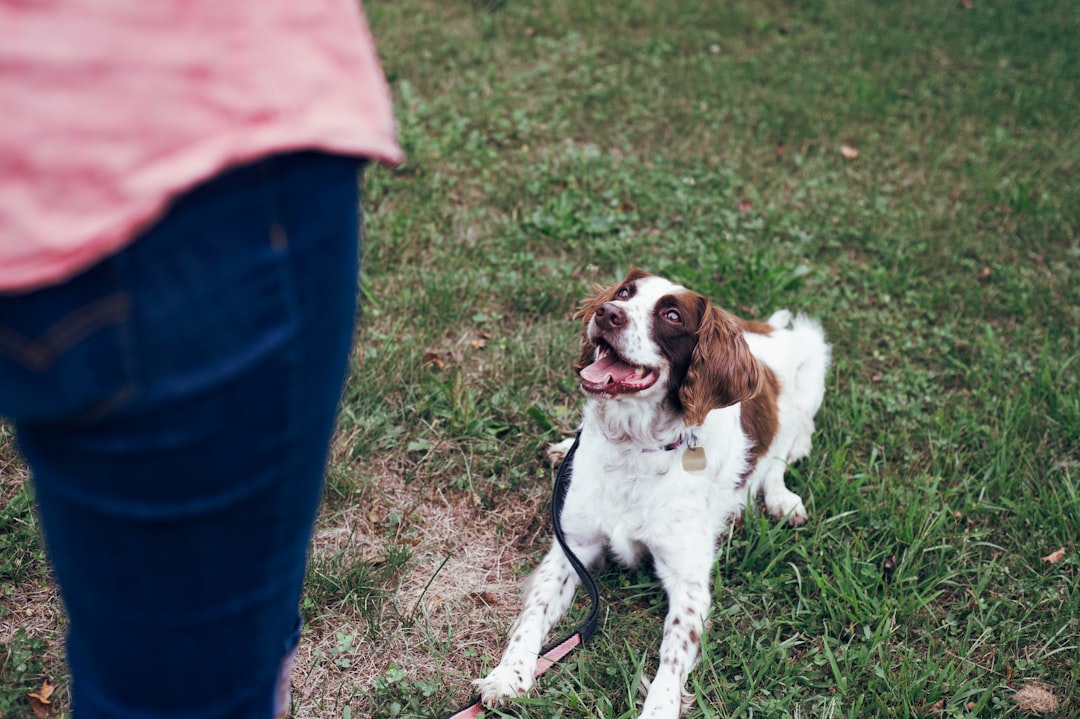
Basic training is not just a set of commands; it’s the foundation of communication between you and your dog. Commands like “sit,” “stay,” and “come” are essential for safety and control. Many dog owners make the mistake of assuming their dog will learn these naturally or that training is a one-time event. Consistency and repetition are key. Just as you wouldn’t expect a child to learn math in one lesson, your dog needs ongoing practice to master these skills. Investing time in training will pay off with a well-behaved companion.
Neglecting Positive Reinforcement
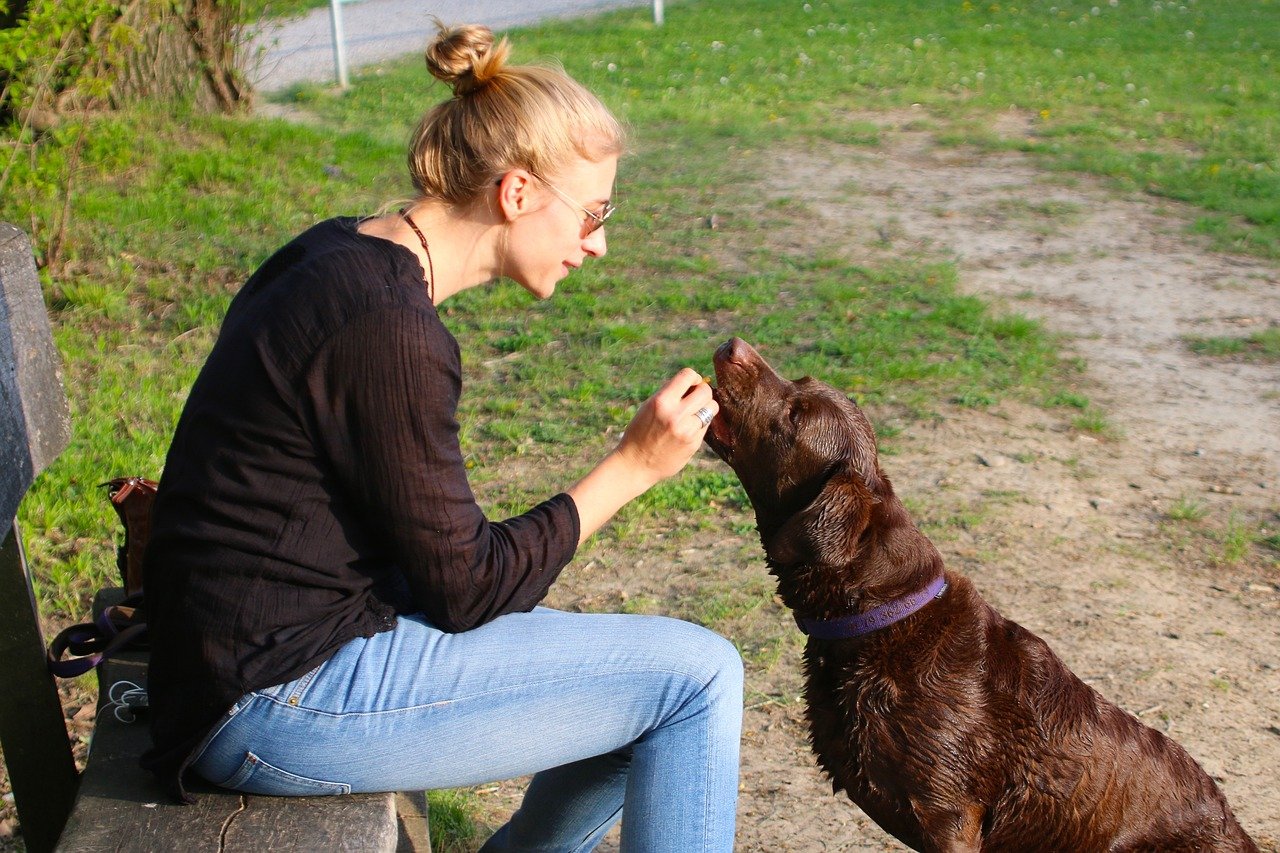
Dogs thrive on positive reinforcement. They respond far better to praise, treats, and affection than to punishment. Some owners mistakenly use harsh methods, thinking it will instill discipline. However, this can lead to fear and mistrust. Imagine if you were reprimanded every time you made a mistake at work; it wouldn’t motivate you to improve. Instead, rewarding your dog for good behavior encourages them to repeat those actions. Celebrate their successes, no matter how small, and watch as they eagerly learn and grow.
Overlooking Exercise Needs
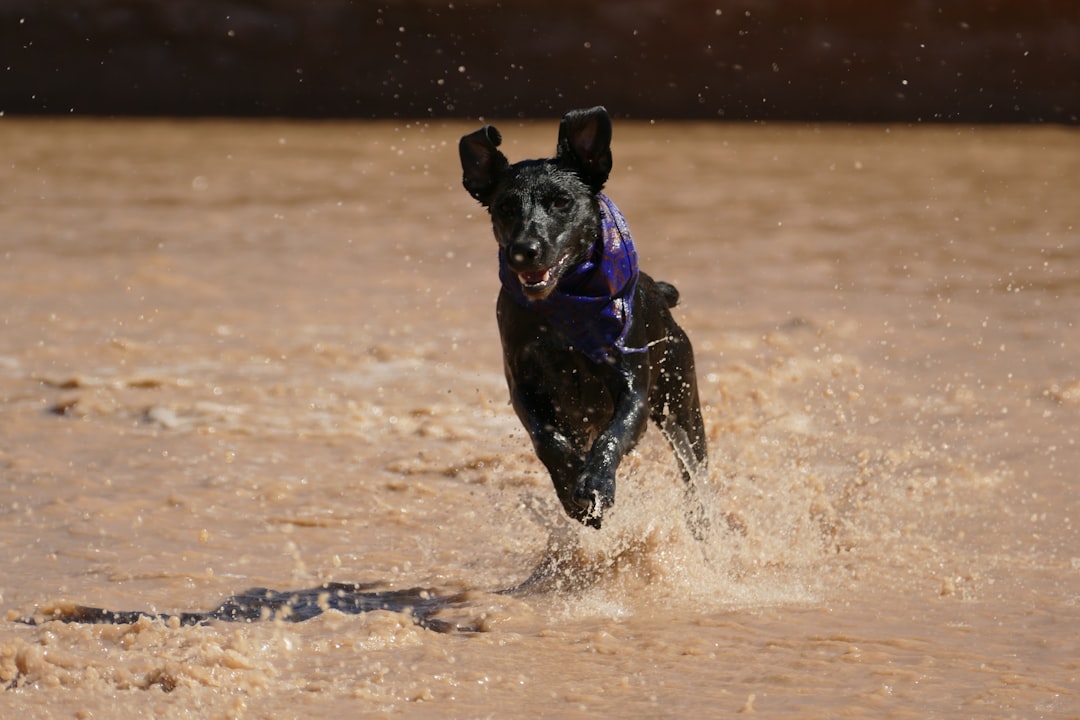
A well-exercised dog is a happy dog. Many behavioral issues stem from pent-up energy and boredom. Dogs need both physical and mental stimulation to stay healthy and content. If you skip regular walks or playtime, your dog might resort to destructive behaviors. Picture a child cooped up indoors all day without an outlet for energy—it’s much the same for dogs. Tailor activities to your dog’s breed and energy level, whether it’s a brisk walk, a game of fetch, or puzzle toys that challenge their mind.
Failing to Establish Boundaries
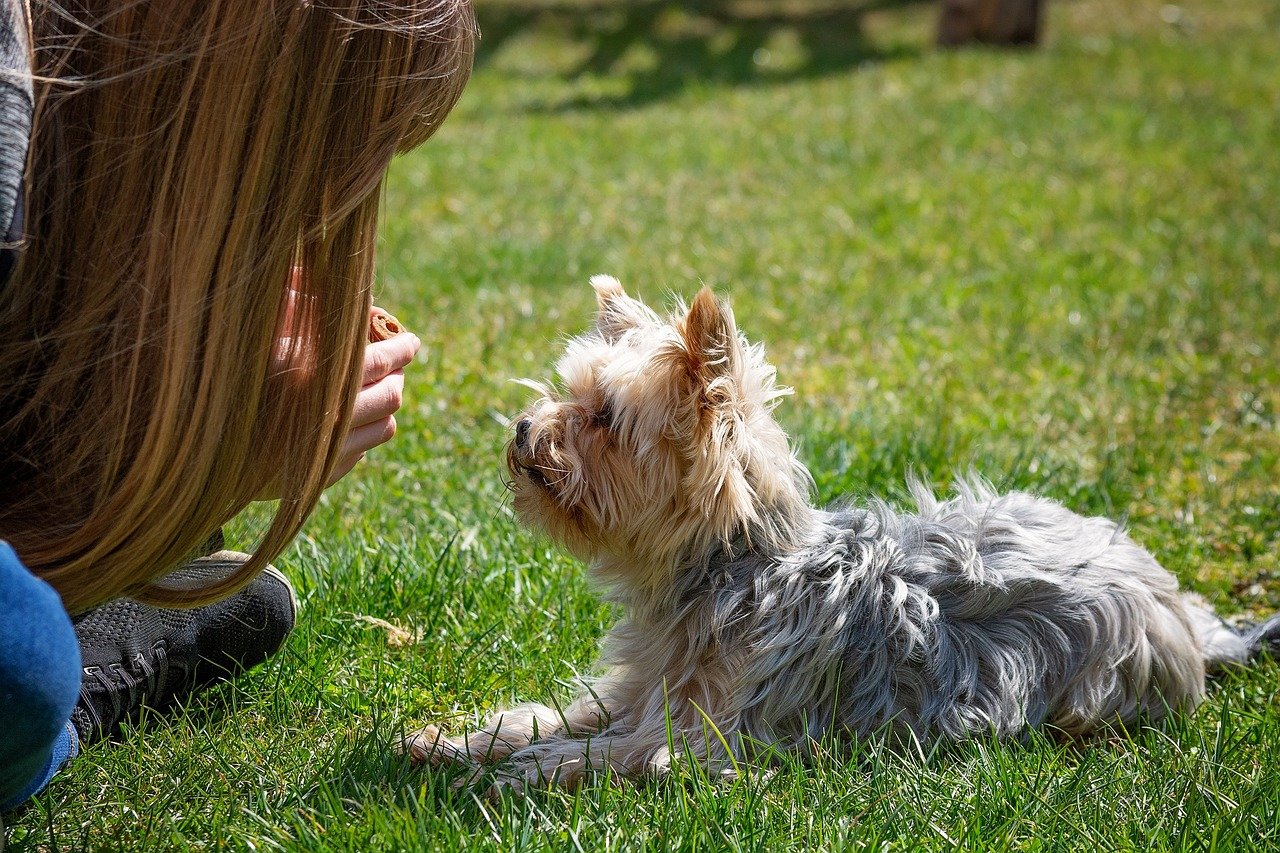
Dogs, like children, need boundaries to understand what is acceptable behavior. Without clear rules, they might overstep and develop habits that are hard to break. Some owners think it’s cute when a puppy jumps on guests, but this can be problematic as they grow bigger. Consistency is crucial. If you allow certain behaviors sometimes and not others, it confuses your dog. Establish clear boundaries and enforce them kindly but firmly, ensuring everyone in the household follows the same guidelines.
Underestimating the Importance of Routine
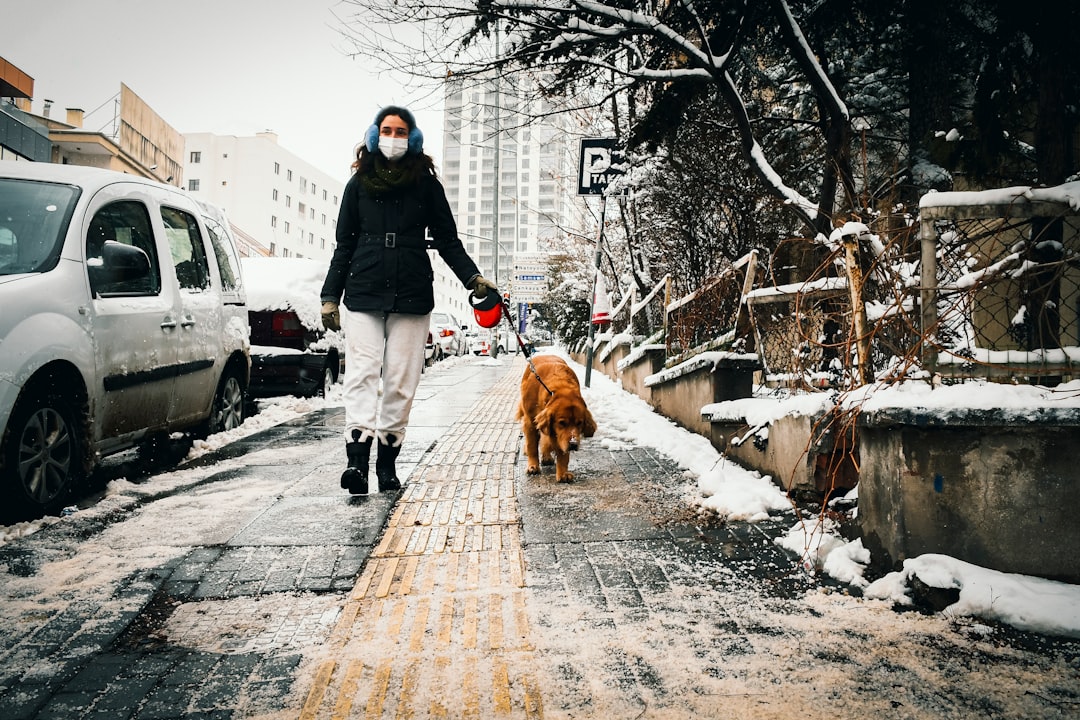
Dogs are creatures of habit and thrive on routine. A predictable schedule provides them with a sense of security and stability. If your dog’s feeding, walking, and playtimes are erratic, it can lead to anxiety and behavioral problems. Imagine how you would feel if every day was unpredictable without any structure. Maintaining a consistent routine helps your dog know what to expect and when, reducing stress and promoting a calm environment.
Skipping Vet Visits
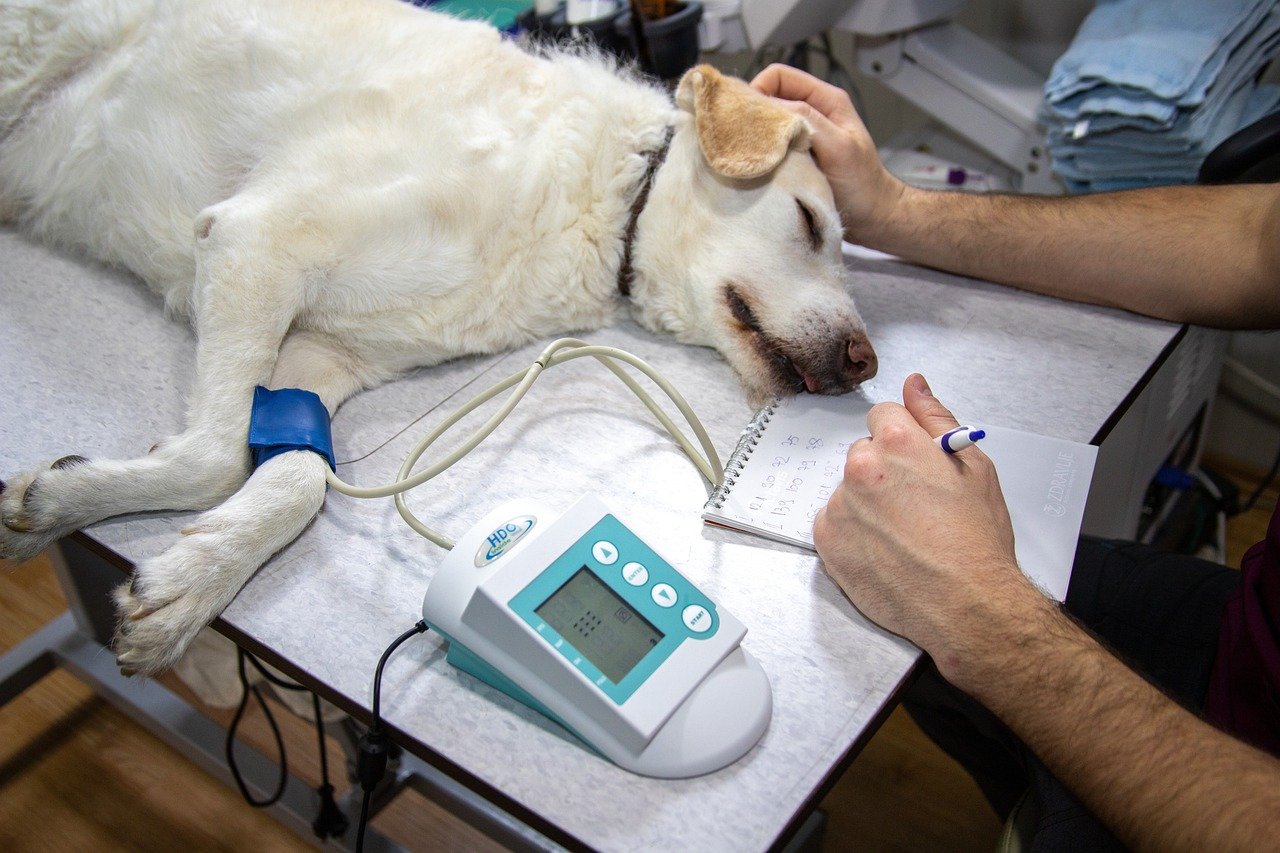
Regular vet check-ups are vital for your dog’s health and behavior. Health issues can manifest as behavioral changes, like aggression or withdrawal. Some dog owners avoid vet visits due to cost or inconvenience, but this can lead to undiagnosed problems. Think of vet visits as preventive maintenance for your car; they catch issues before they become major problems. By keeping up with vaccinations and health checks, you ensure your dog remains healthy and well-balanced.
Not Socializing with Other Dogs
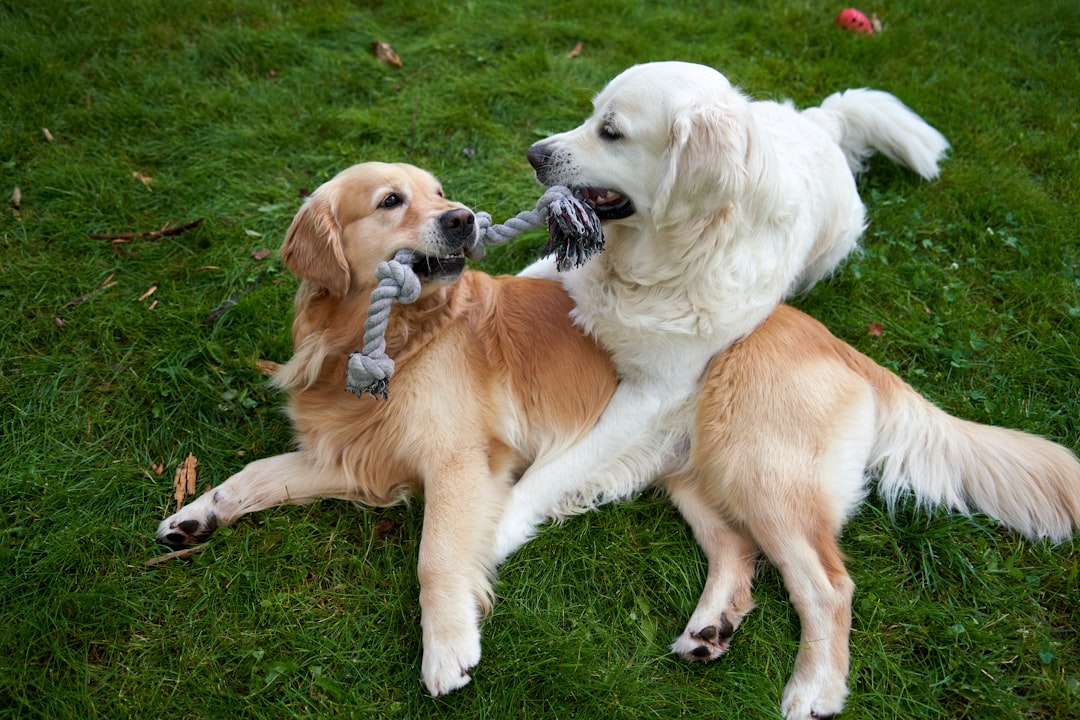
Interacting with other dogs is a key part of socialization. Some owners avoid dog parks or playdates, fearing aggression or bad influences. However, this isolation can lead to fear or hostility toward other dogs. Consider how children learn social skills by playing with peers; dogs need similar interactions. Supervised play with other dogs teaches your pup how to communicate and play appropriately, helping them develop into friendly, social adults.
Being Inconsistent with Commands
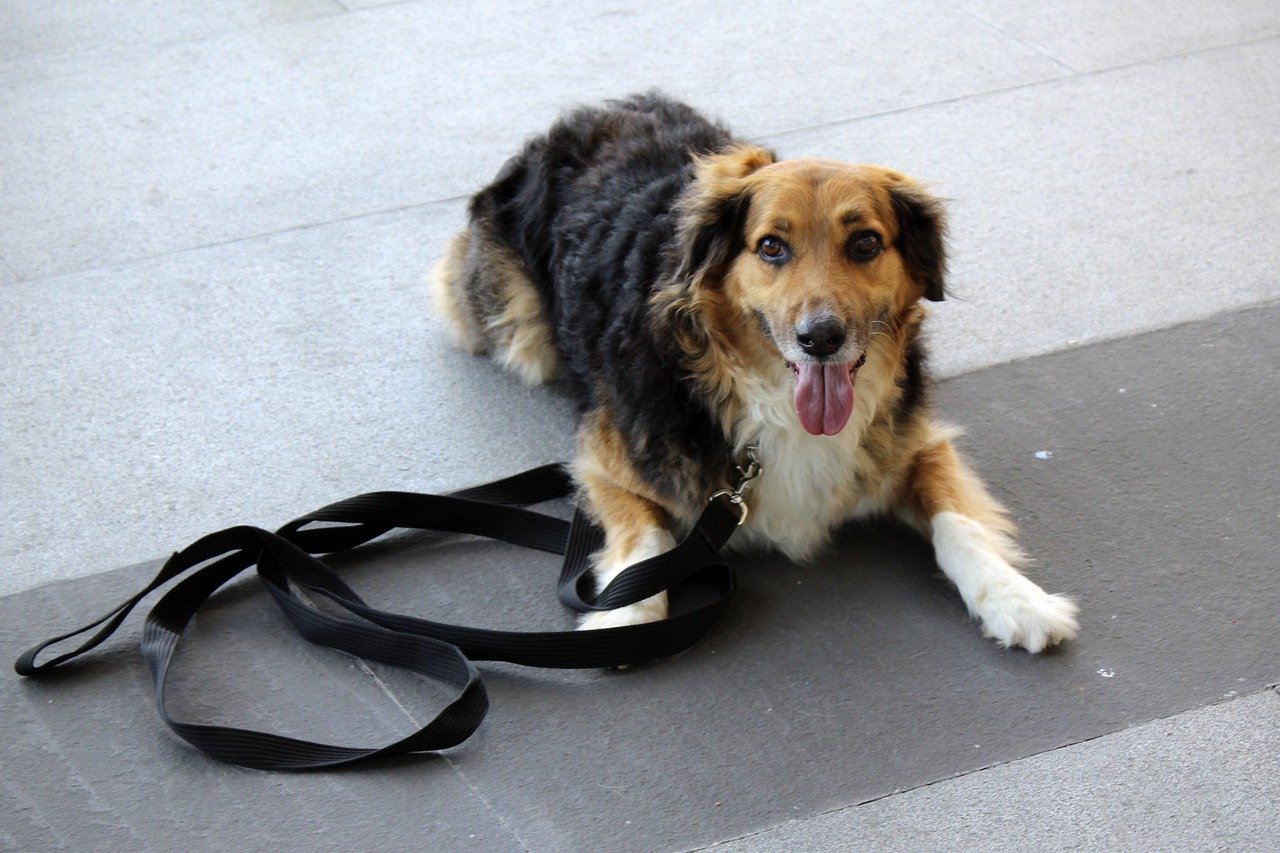
Inconsistent commands can confuse your dog and lead to disobedience. If you sometimes allow jumping on the couch but scold them at other times, it sends mixed messages. Consistency is crucial for training. Imagine trying to learn a new language with a teacher who keeps changing the rules. Be clear and consistent with commands, and make sure everyone in the household uses the same words and gestures to avoid confusion.
Overlooking the Power of Patience
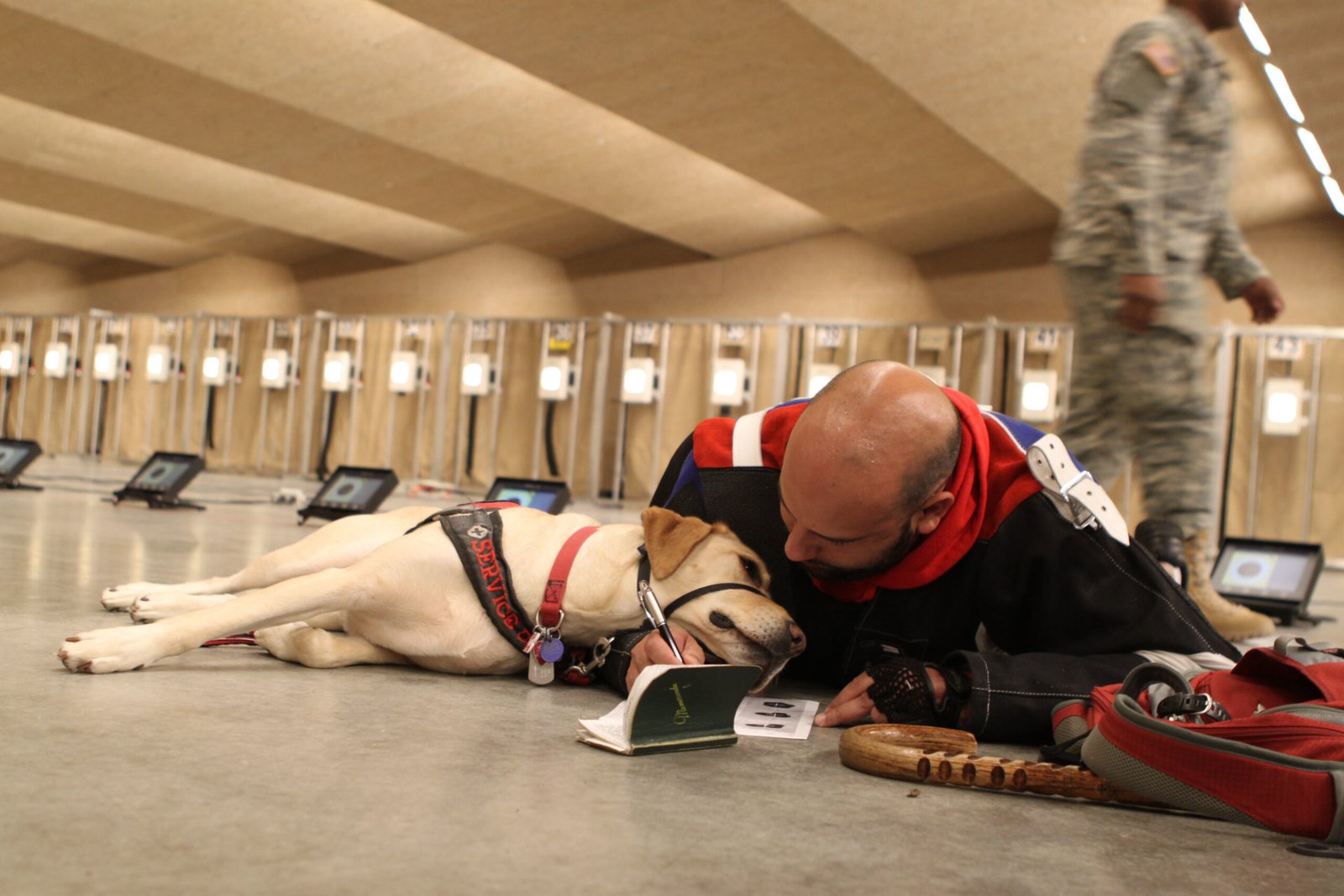
Patience is a virtue, especially when training and socializing your dog. Progress may be slow, and there will be setbacks, but patience is key. Some owners expect immediate results and become frustrated, which can affect the dog’s confidence. Think of training as a marathon, not a sprint. Celebrate small victories and understand that learning takes time. With patience and perseverance, your dog will grow into the well-mannered companion you envision.
Avoiding these common mistakes will lead to a happier, healthier relationship with your dog. By prioritizing early socialization, consistent training, and positive interactions, you’ll nurture a well-behaved and socialized dog who enriches your life in countless ways.