
How to Stop Dogs Biting Their Tails and Paws
Dogs are cherished companions, always ready to bring joy and wagging tails into our lives. Yet, when a dog starts incessantly biting at its tail or paws, it can be both worrying and puzzling for any dog lover. Not only does this behavior cause distress to the dog, but it also leaves owners searching for answers. Understanding the reasons behind this behavior and implementing the right strategies can transform your furry friend’s life for the better. In this guide, we’ll dive into the reasons behind this behavior and explore various remedies to help your pet find relief.
Understanding the Underlying Causes

Before diving into solutions, it’s essential to pinpoint why your dog might be biting its tail or paws. Several factors could be at play, ranging from physical irritations to emotional distress. For instance, fleas or other parasites can cause unbearable itching, leading dogs to bite in an attempt to find relief. Additionally, allergies, whether from food or environmental triggers like pollen, can lead to skin irritations. On the emotional side, anxiety and boredom might drive your dog to this behavior as a way to self-soothe. Understanding these nuances is the first step in addressing the problem effectively.
The Role of Diet in Skin Health
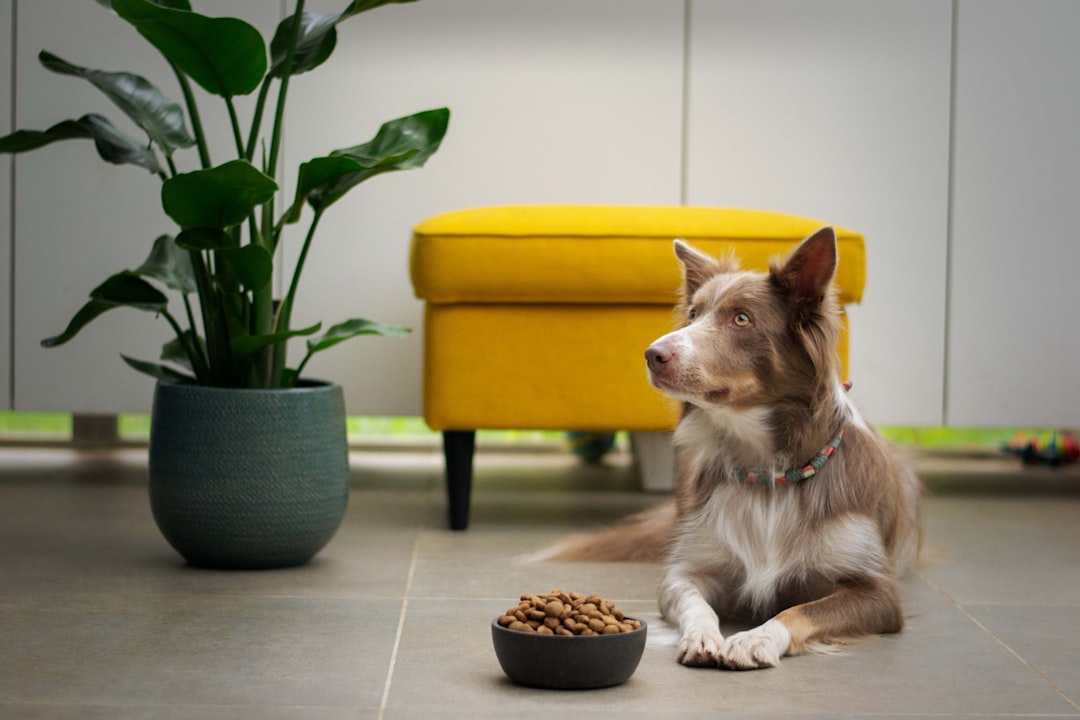
Diet plays a crucial role in a dog’s overall health, including its skin and coat condition. A diet lacking essential nutrients can lead to dry, itchy skin, prompting a dog to bite. Omega-3 fatty acids, found in fish oils, are renowned for promoting skin health and reducing inflammation. Additionally, ensuring your pet’s diet is free from allergens is vital. Some dogs might react to specific proteins or grains, so observing any patterns between meals and biting incidents can be enlightening. Consulting with a veterinarian about switching to a hypoallergenic diet might be beneficial.
Flea and Parasite Control
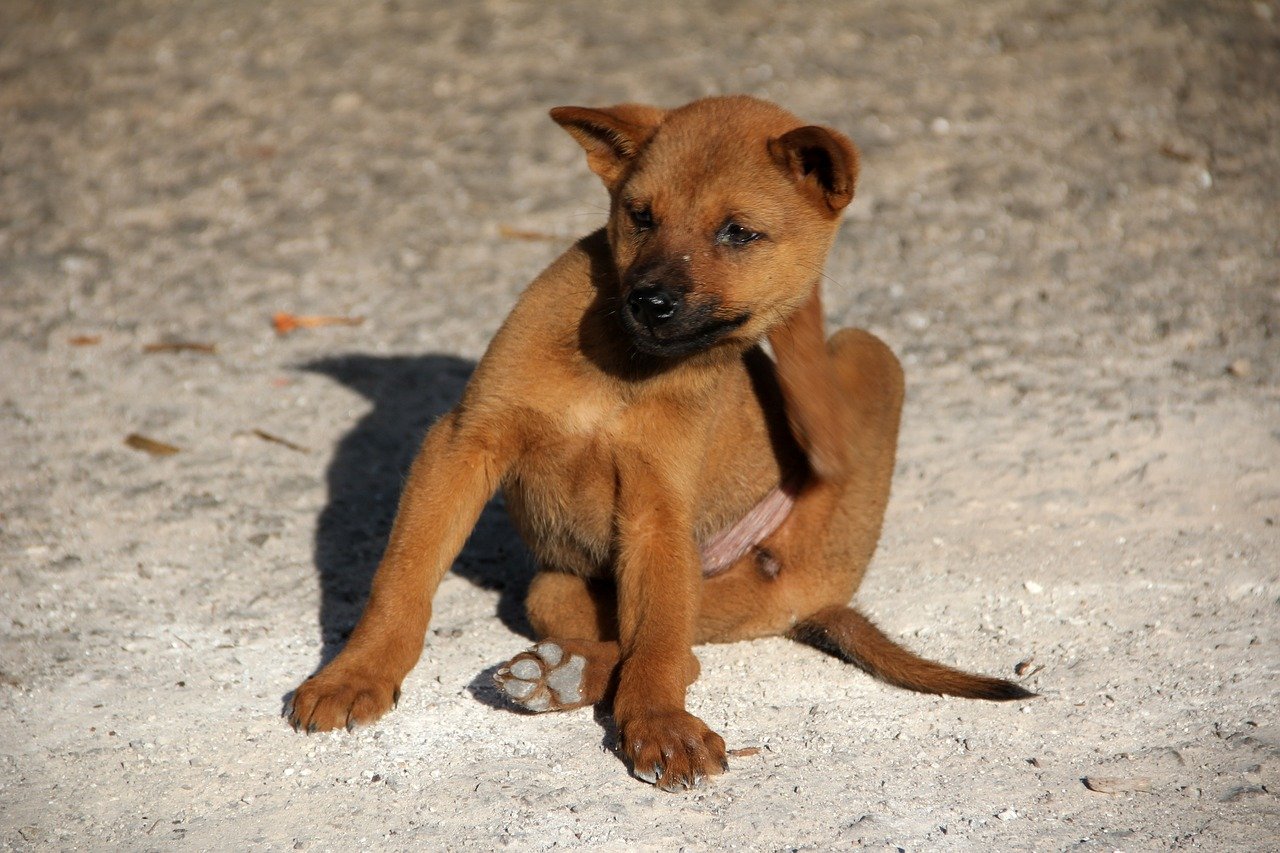
Fleas and other parasites are common culprits when it comes to itching and biting. Ensuring your dog is protected against these pests is paramount. Regular treatments, whether topical solutions or oral medications, can keep these nuisances at bay. It’s also essential to maintain a clean environment, regularly washing your dog’s bedding and vacuuming areas they frequent. Remember, even if your dog isn’t outdoors often, fleas can still find their way inside. A proactive approach in parasite control can save both you and your pet a lot of discomfort.
Addressing Allergies and Sensitivities
Allergies can be a persistent issue, causing significant irritation for dogs. Environmental allergens like pollen, mold, or dust mites might be the culprits, especially if your dog tends to bite more during specific seasons. On the flip side, food allergies can be trickier to diagnose. An elimination diet, where potential allergens are removed and then gradually reintroduced, can help in pinpointing the cause. Consulting a vet for allergy testing can also provide clarity. Once identified, avoiding these allergens is key to ensuring your dog’s comfort.
Behavioral Concerns and Anxiety
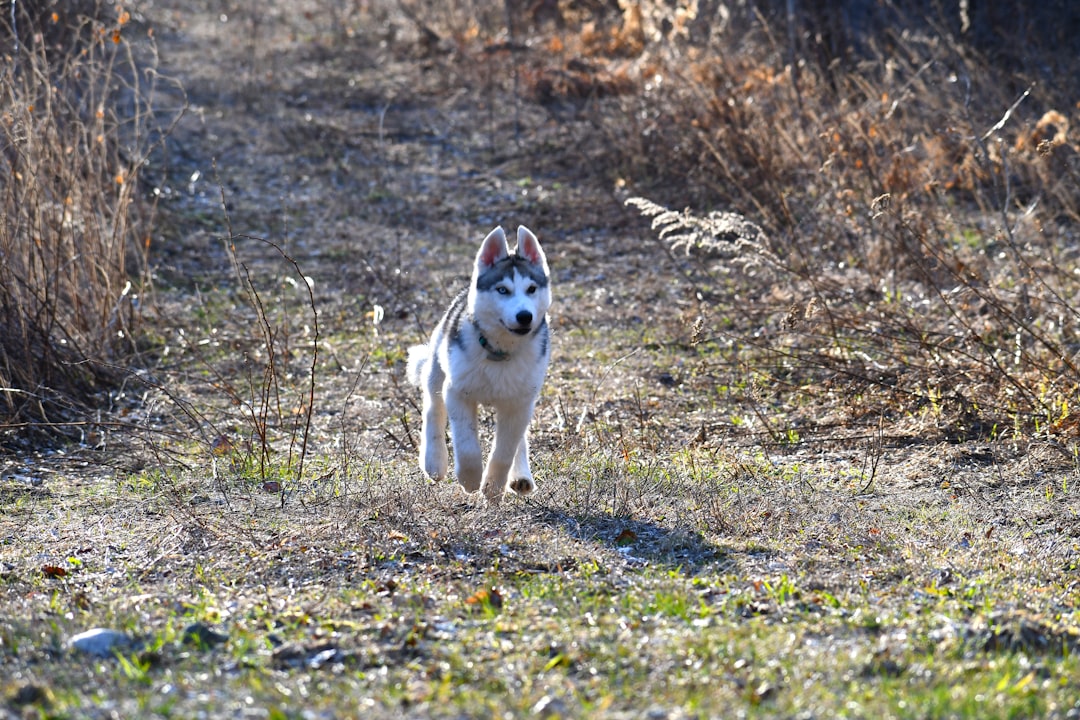
Emotional well-being is just as crucial as physical health. Dogs, much like humans, can suffer from anxiety or stress, leading them to engage in repetitive behaviors like biting. Identifying triggers, such as loud noises or changes in routine, is essential. Providing a calm environment, using calming aids like pheromone diffusers, or even considering behavioral training can help. In some cases, professional guidance from a dog behaviorist might be necessary. Remember, a happy dog is less likely to engage in such destructive behaviors.
Importance of Regular Grooming
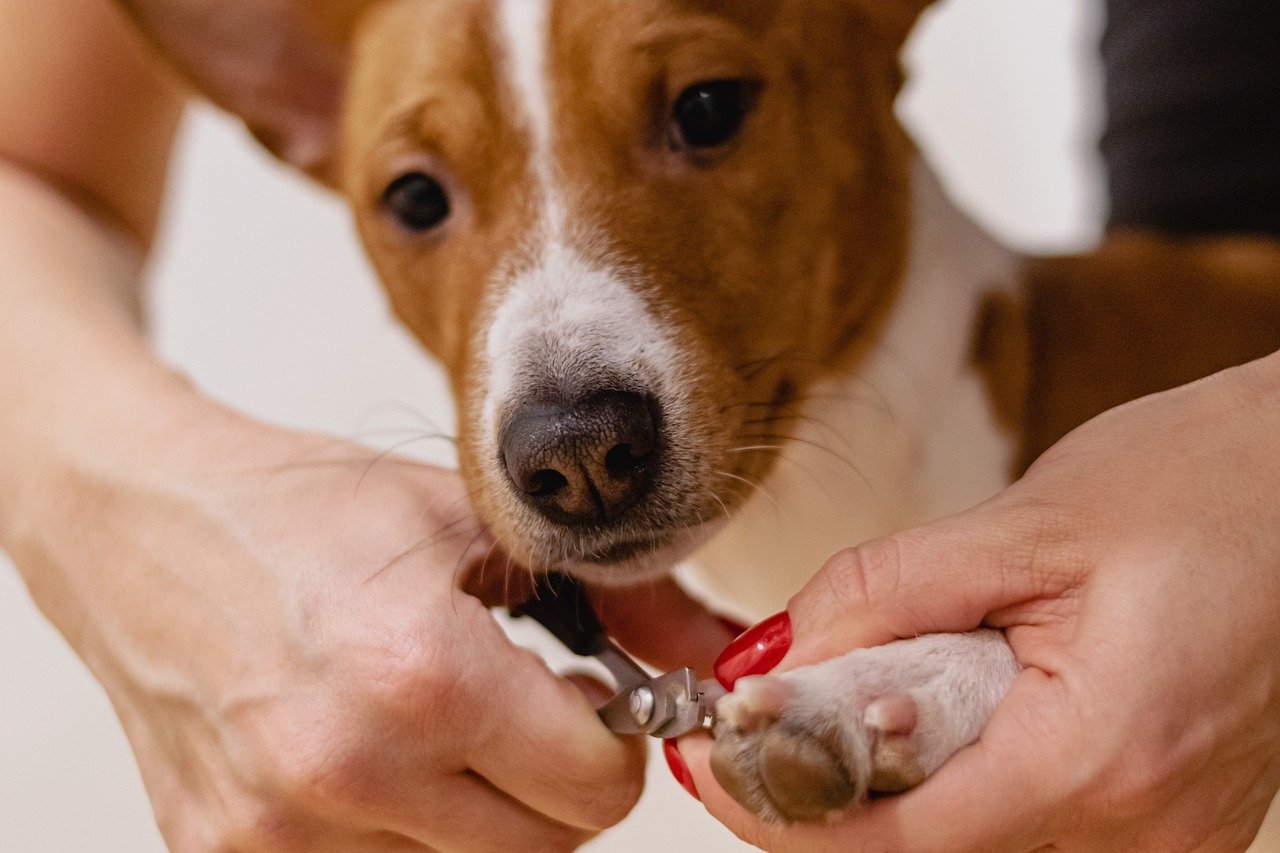
Regular grooming does more than keep your pet looking good; it’s an opportunity to detect potential issues. Brushing your dog helps distribute natural oils, promoting healthy skin and reducing the risk of tangles that can trap irritants. During grooming sessions, you can check for any signs of parasites, skin infections, or unusual lumps. Bathing your dog with suitable shampoos, especially those designed for sensitive skin, can alleviate minor irritations. Remember, grooming is both a preventive measure and a bonding activity with your pet.
Interactive Play and Mental Stimulation
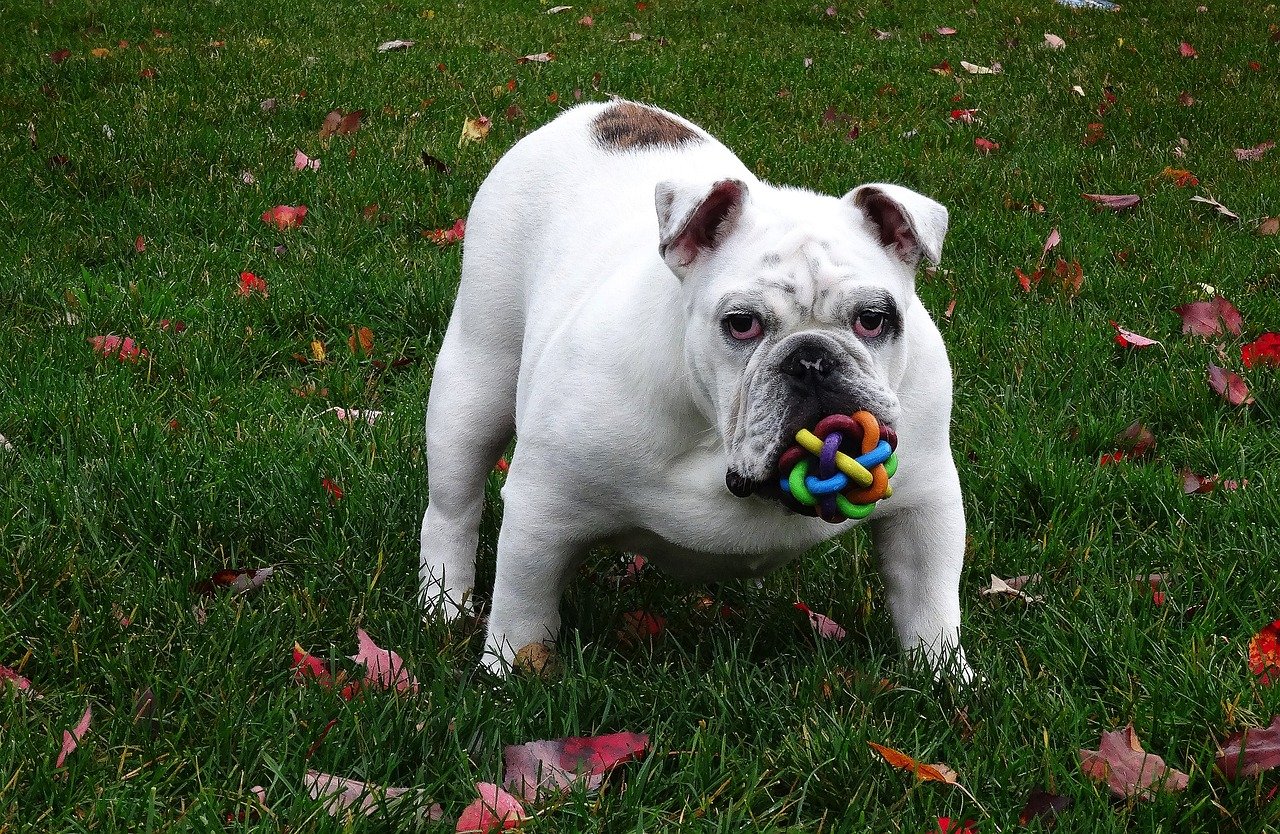
Boredom can quickly lead to destructive behaviors in dogs. Ensuring your furry friend gets enough physical exercise and mental stimulation can prevent them from resorting to biting. Interactive toys, puzzle games, and regular playtime can keep them engaged. Dogs are social creatures, and spending quality time with them strengthens the bond and provides the necessary mental challenge. It’s akin to giving a child a new puzzle; it keeps their mind active and engaged, preventing boredom-induced behaviors.
Consulting a Veterinarian
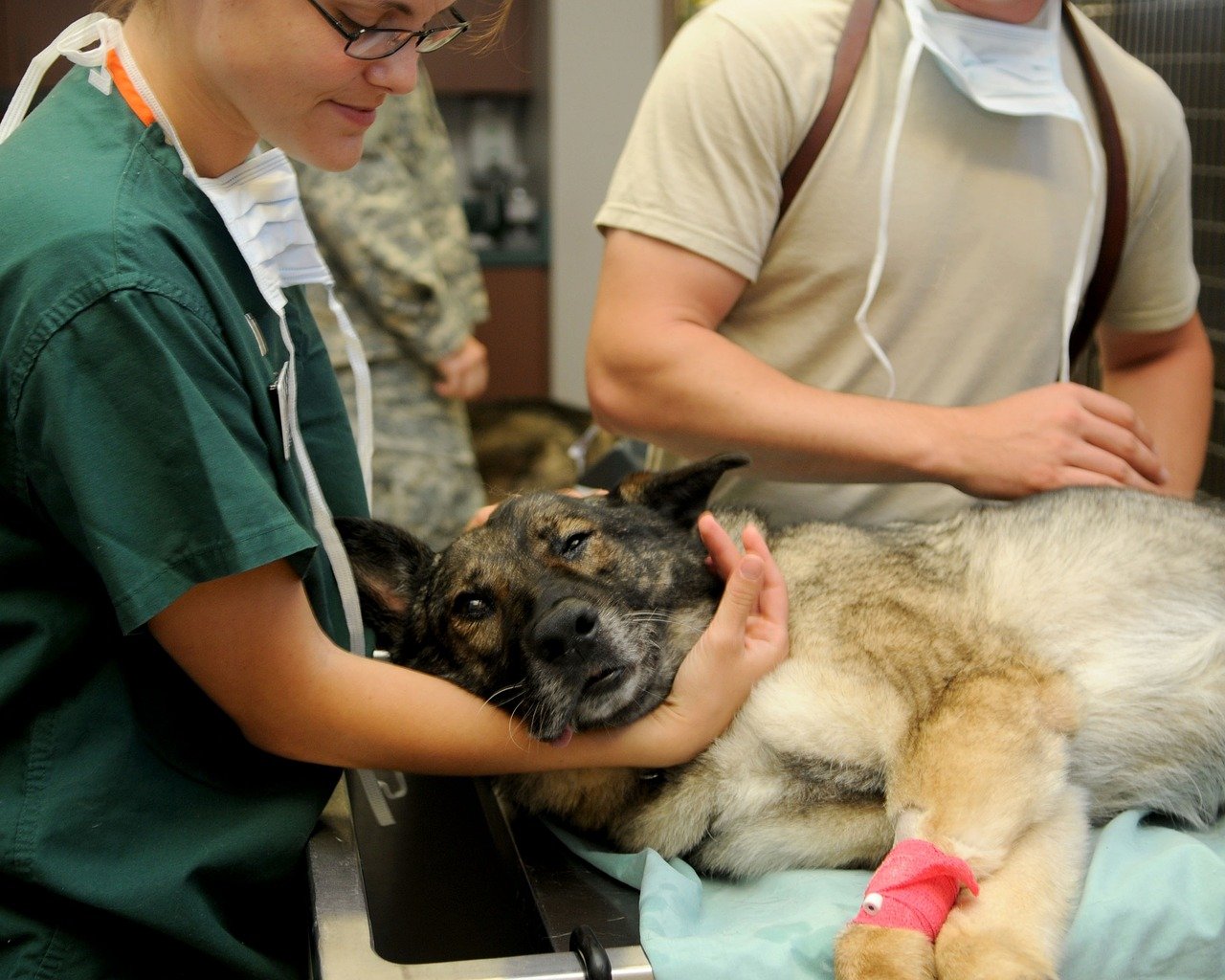
When in doubt, seeking professional advice is always the best course of action. A veterinarian can provide a thorough examination, ruling out any underlying health concerns. They can offer tailored advice, whether it’s prescribing medications for skin conditions or suggesting lifestyle changes. Regular check-ups ensure any emerging issues are caught early, preventing them from escalating. Remember, your vet is an invaluable resource in ensuring your dog’s health and happiness.
In tackling the issue of dogs biting their tails and paws, a holistic approach is often the most effective. By understanding the root causes, addressing physical and emotional needs, and seeking professional guidance when necessary, you can ensure your beloved pet enjoys a happy, itch-free life.