
Choosing a pet bird is like selecting a new companion that can bring joy, color, and life into your home. Birds, with their vibrant feathers and delightful songs, have long been cherished as pets. For those new to bird-keeping, finding the right feathered friend can be a rewarding experience. Not all birds require the same level of care, making it crucial to pick one that fits your lifestyle. Here, we explore the ten best pet birds for beginners, each with its unique charm and personality.
Budgerigar: The Classic Choice
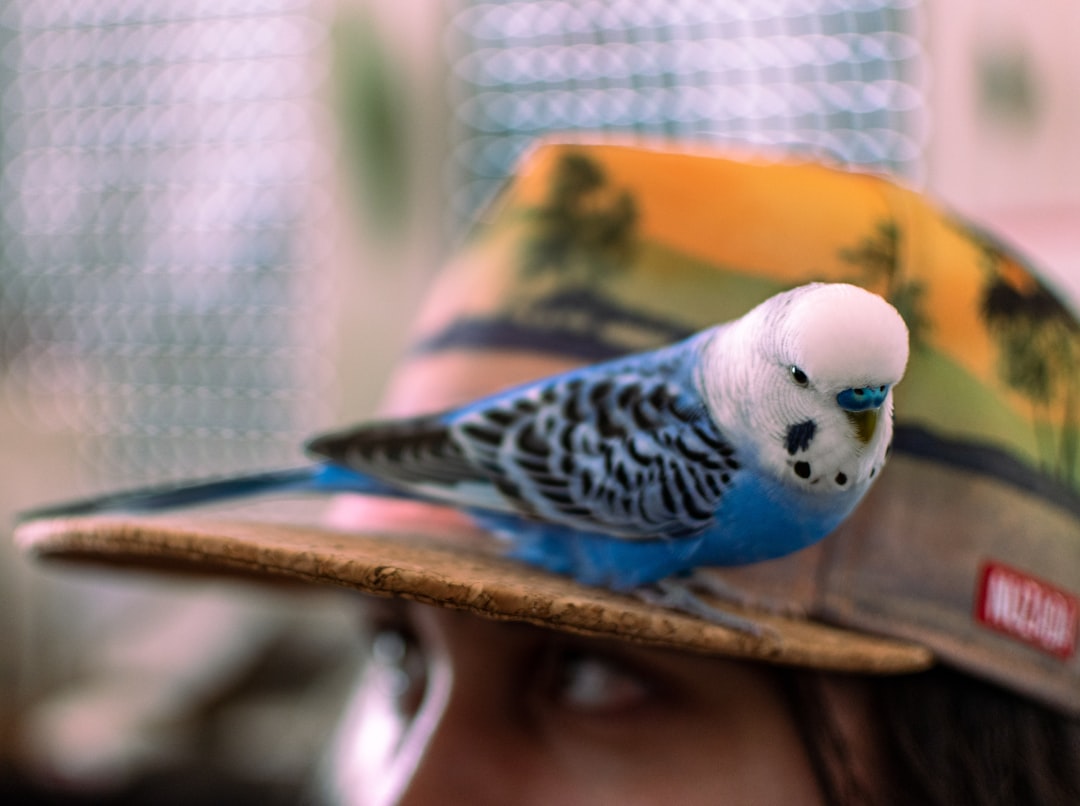
Budgerigars, often affectionately called “budgies,” are one of the most popular pet birds worldwide. They are small, colorful, and full of personality, making them perfect for beginners. Budgies are known for their ability to mimic human speech, which can add an entertaining element to your household. Their manageable size means they don’t require a large cage, and they thrive in pairs or small groups. Caring for a budgie is relatively straightforward, needing just basic birdseed, fresh water, and occasional treats. Their playful and social nature makes them delightful companions, especially for families with children.
Cockatiel: The Gentle Whistler
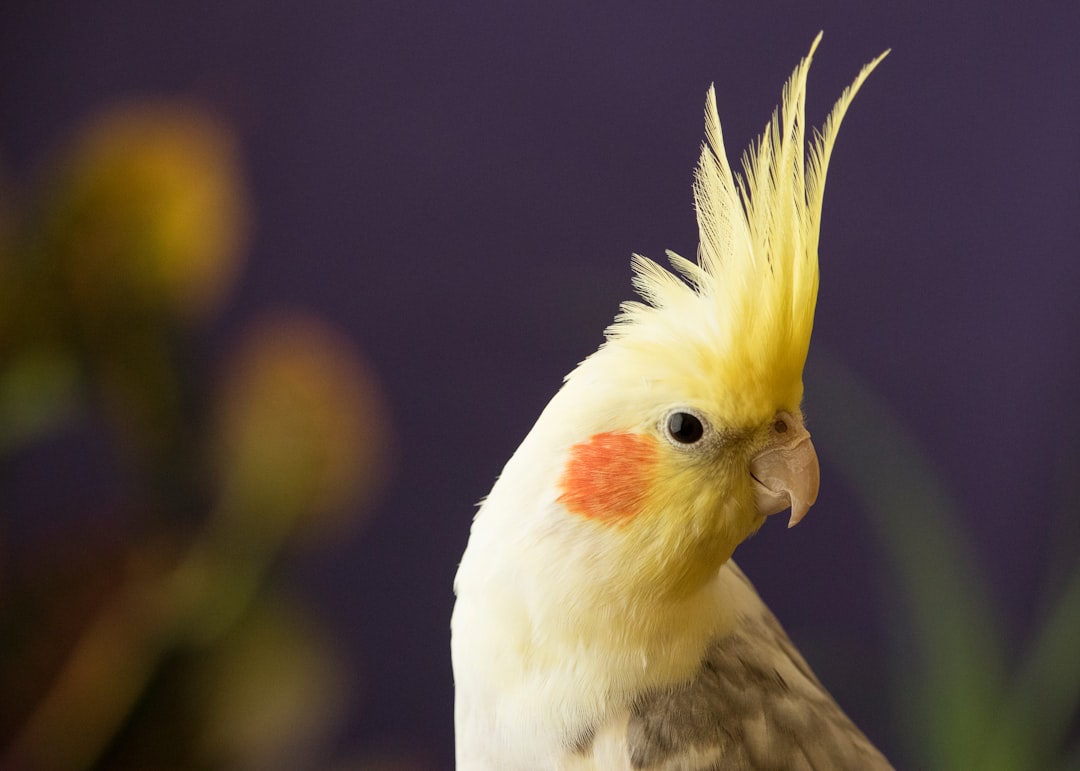
Cockatiels are loved for their friendly demeanor and distinctive crests. These birds are easy to train and often enjoy whistling tunes, making them a musical addition to any home. Cockatiels are slightly larger than budgies, and they require a bit more space to stretch their wings. They thrive on attention and can form strong bonds with their owners. If you’re looking for a bird that’s both affectionate and independent, the cockatiel is an excellent choice. Regular interaction and a balanced diet will keep your cockatiel healthy and happy.
Parrotlet: The Tiny Dynamo

Despite their small size, parrotlets pack a lot of personality into a tiny package. Often referred to as “pocket parrots,” they are lively and curious, always eager to explore their surroundings. Parrotlets are ideal for those who want a bird with the intelligence and charm of a larger parrot but in a more compact form. They can be territorial, so it’s advisable to keep them singly unless you have experience with their social dynamics. With proper training, parrotlets can learn to talk, providing endless amusement for their owners. Their care includes a varied diet and toys to stimulate their active minds.
Canary: The Songbird Extraordinaire

Canaries are renowned for their melodious singing, making them a favorite for those who appreciate a musical atmosphere. They come in various colors, with each variety having its unique song. These birds are relatively easy to care for and don’t require much interaction, making them suitable for busy individuals. Male canaries are the singers, and their songs can be soothing and uplifting. A spacious cage and a diet of seeds, fruits, and vegetables will ensure a happy canary. Their independent nature means they don’t demand as much attention as other birds, yet they still bring joy with their enchanting tunes.
Lovebird: The Affectionate Companion
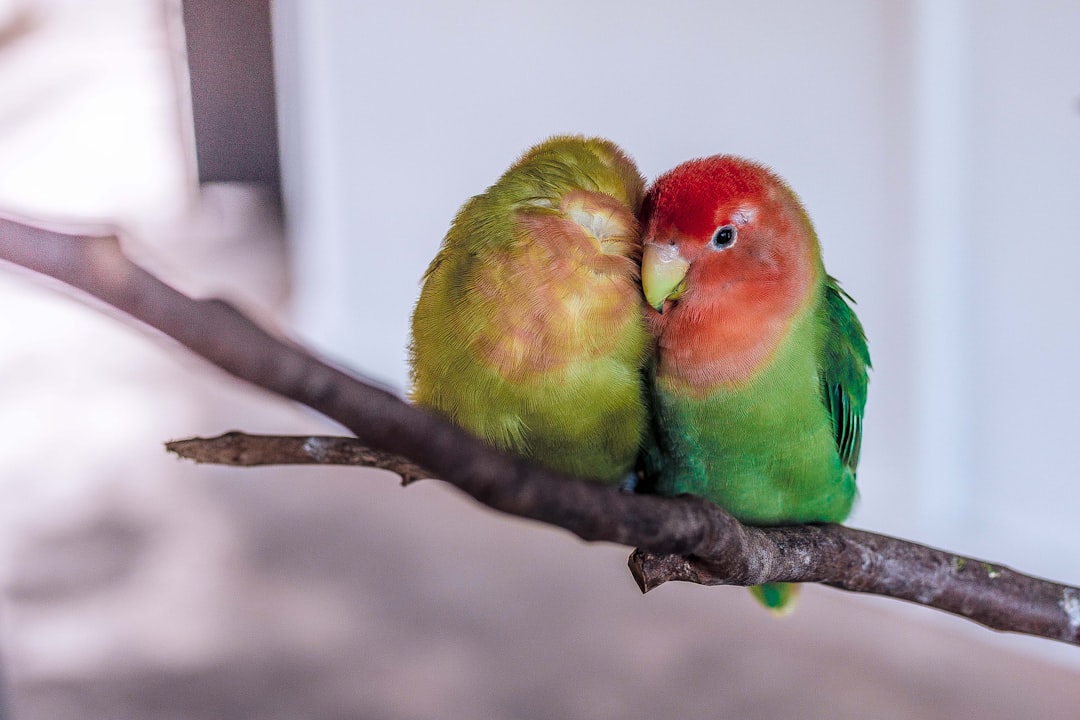
Lovebirds are aptly named for their affectionate nature and the strong bonds they form with their mates. These small parrots are social creatures, often seen snuggling and grooming each other. While they thrive in pairs, a single lovebird can also be a devoted pet with enough human interaction. Lovebirds are active and enjoy flying, so they need a spacious cage and regular out-of-cage time. Their care involves a varied diet and plenty of toys to keep them stimulated. With patience, lovebirds can learn to mimic sounds and even perform tricks, making them engaging companions.
Zebra Finch: The Charming Performer
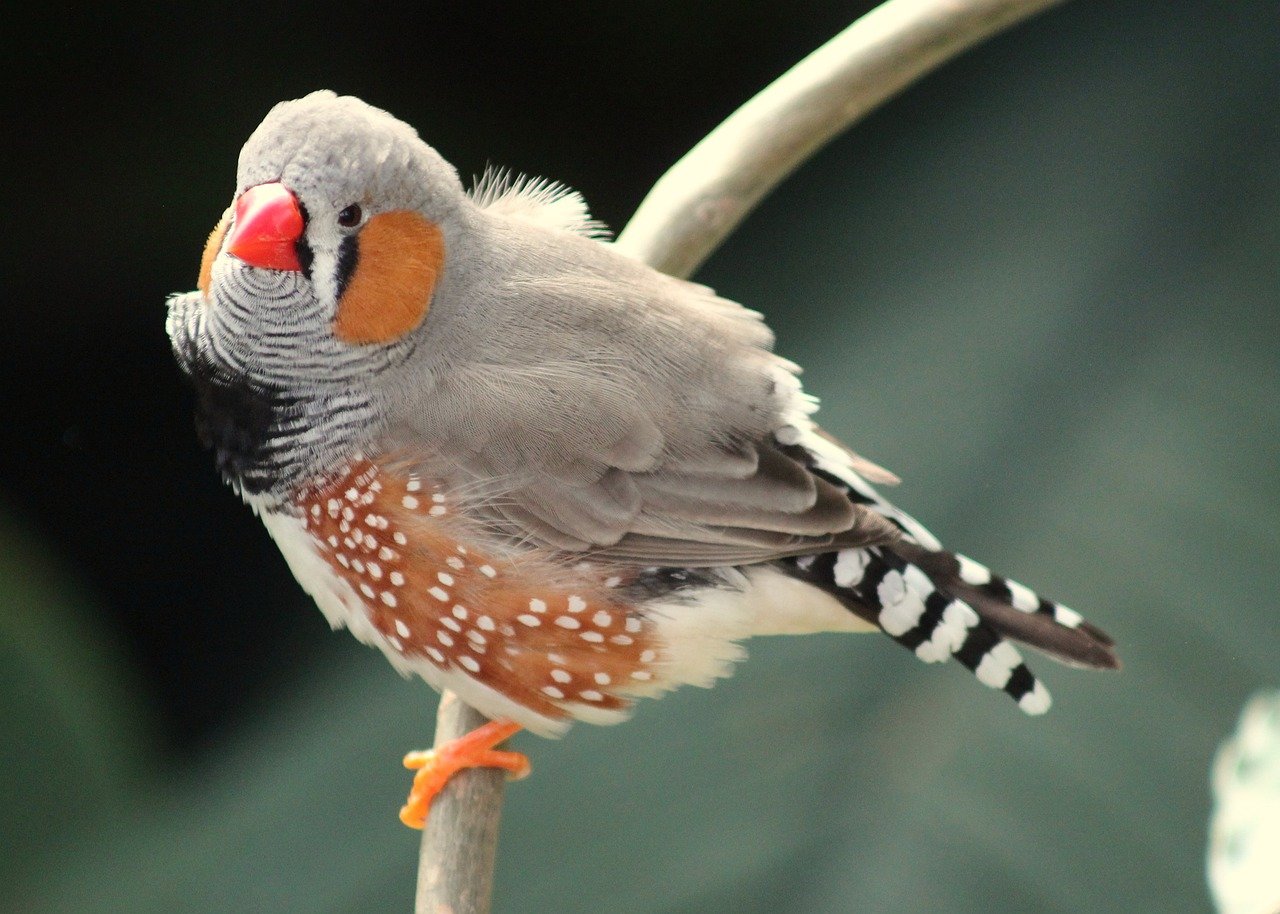
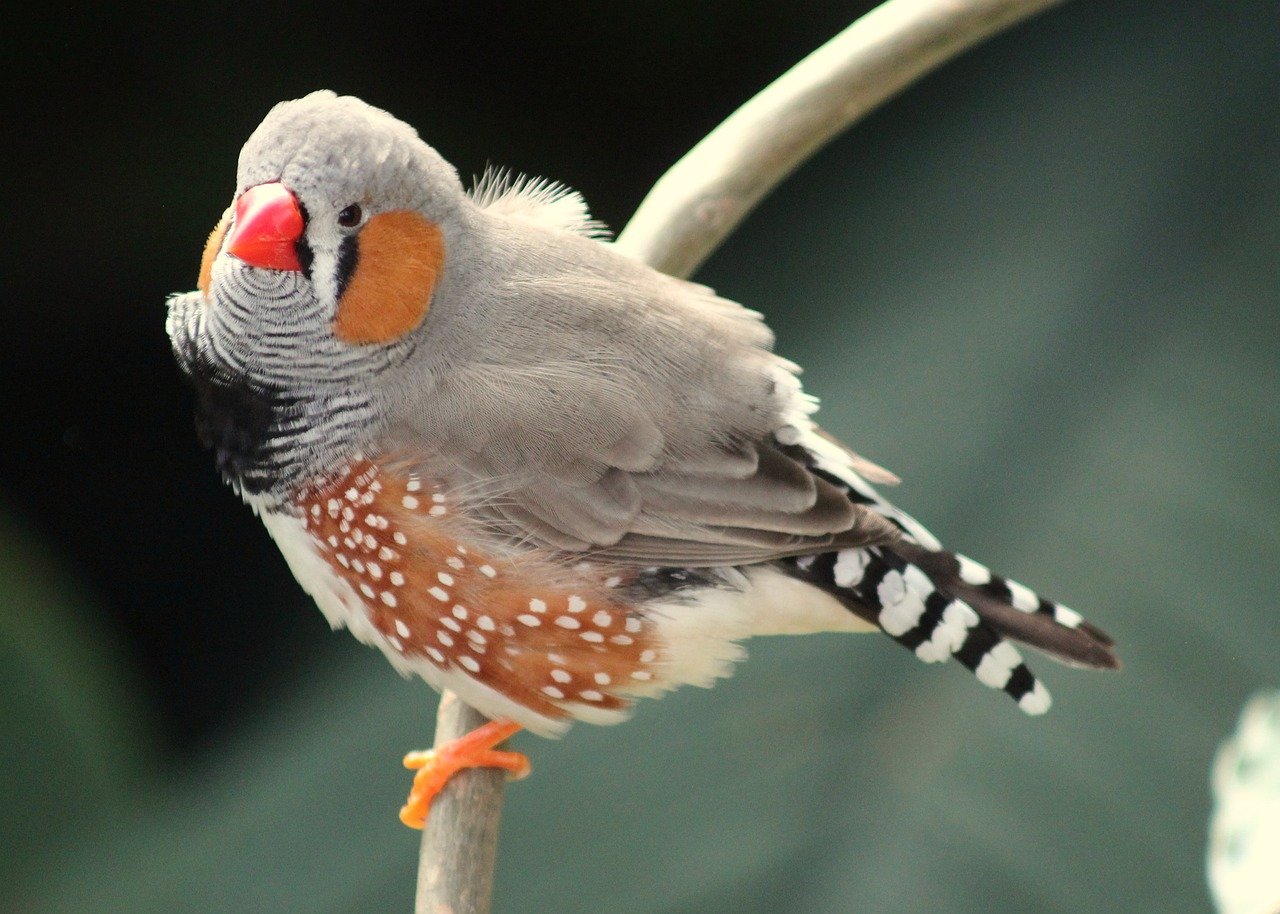
Zebra finches are popular for their striking appearance and cheerful disposition. These small birds are hardy and easy to care for, making them ideal for beginners. Zebra finches are social and do best in pairs or small groups. Their gentle chirping adds a pleasant background melody to any home. They require a balanced diet and a roomy cage to fly around. Observing their interactions and behaviors can be a delightful experience, as they are constantly on the move, building nests and exploring their environment.
Lineolated Parakeet: The Quiet Talker
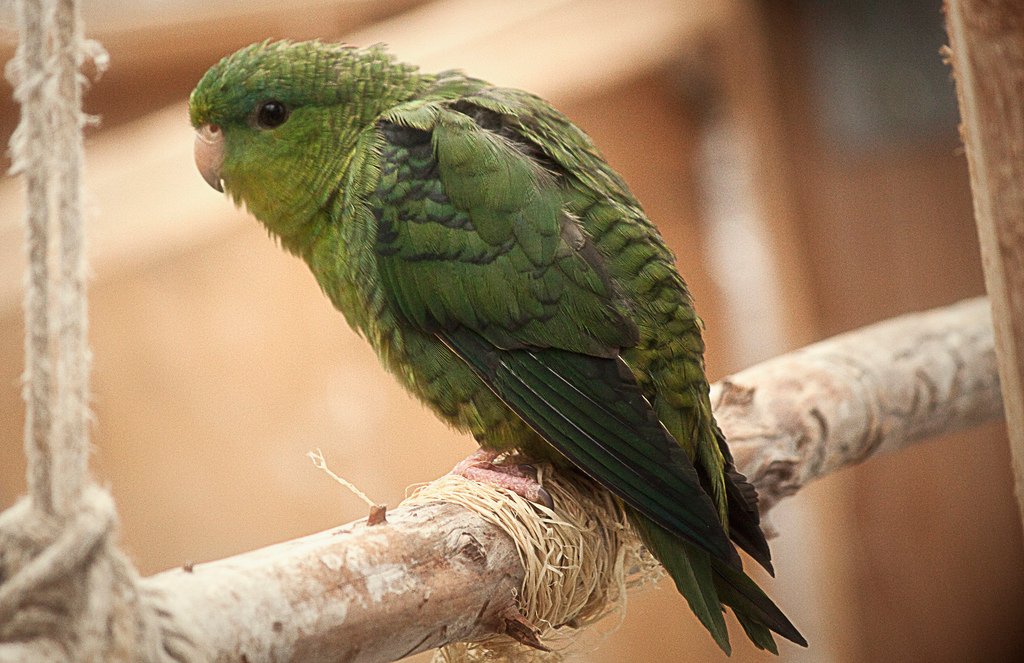
Lineolated parakeets, often called “linnies,” are known for their quiet and gentle nature. They are less vocal than other parakeets, making them suitable for apartment living. Linnies are curious and enjoy exploring, so providing them with toys and activities is essential. They can be trained to talk and perform simple tricks, adding to their charm. A balanced diet and regular social interaction will keep them content. Their calm demeanor and playful antics make them a great choice for those seeking a low-maintenance yet interactive pet bird.
Quaker Parrot: The Social Architect
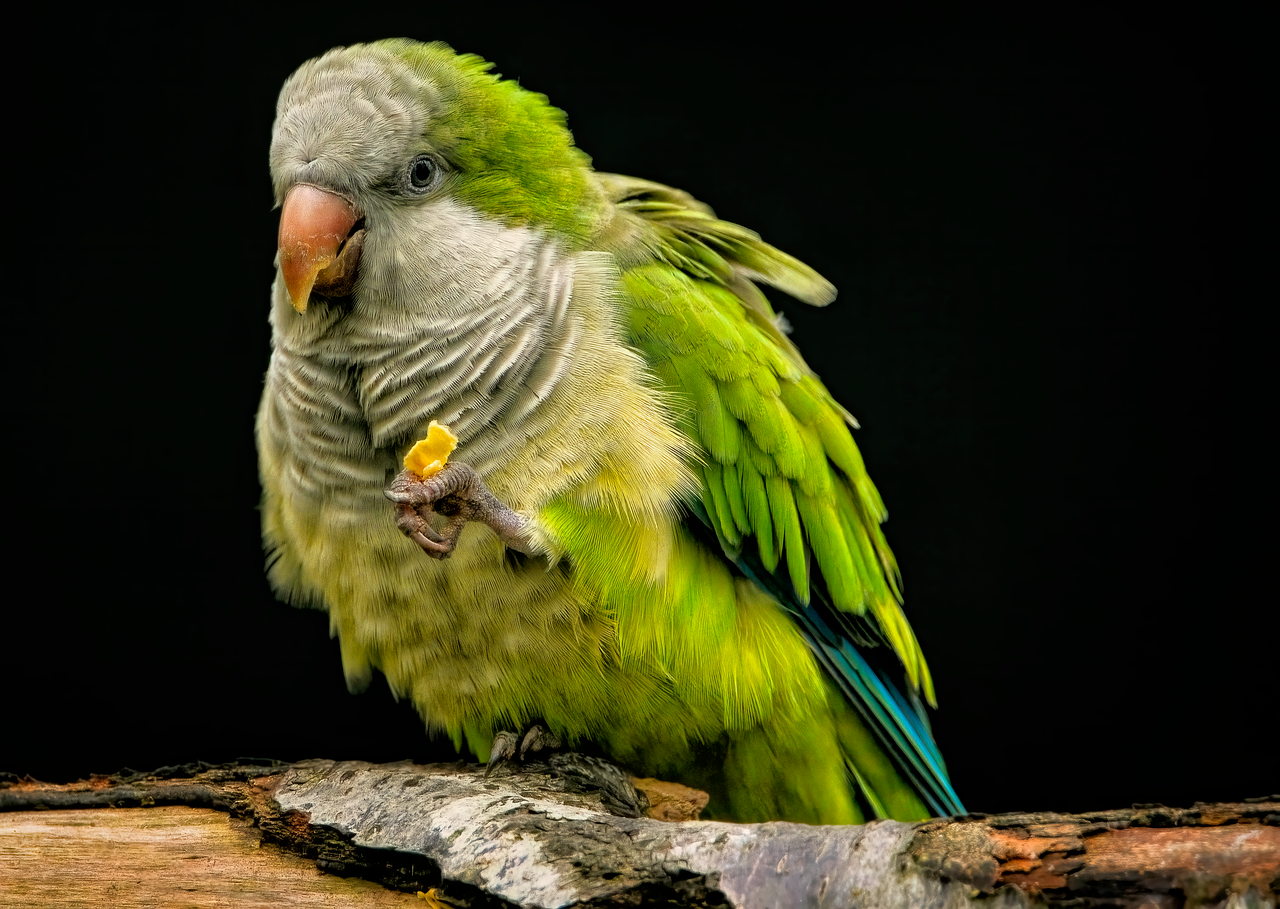
Quaker parrots, also known as monk parakeets, are known for their intelligence and social skills. These medium-sized parrots are capable of building complex nests, reflecting their architectural prowess. Quakers are highly interactive and can develop a large vocabulary, providing endless entertainment. They require a spacious cage and plenty of mental stimulation to prevent boredom. With proper training and socialization, Quaker parrots can become affectionate and well-behaved pets. Their lively personalities and unique nesting habits make them fascinating companions for bird enthusiasts.
Green-Cheeked Conure: The Playful Acrobat
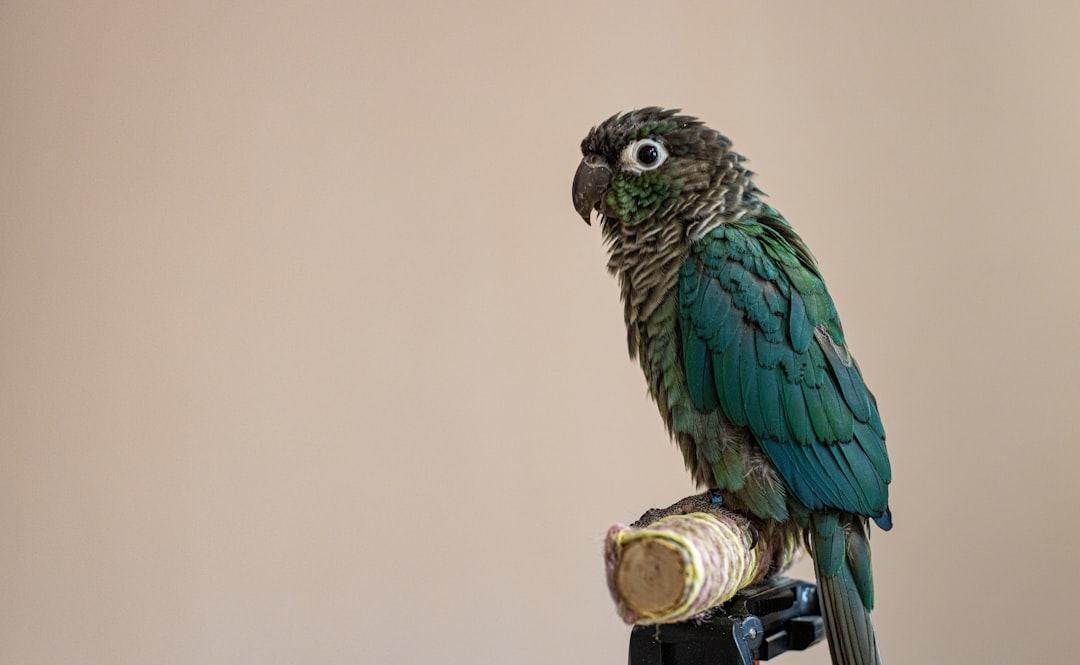
Green-cheeked conures are small, playful parrots with a knack for acrobatics. They are known for their affectionate nature and love of interaction. These birds thrive on attention and enjoy spending time with their owners. Green-cheeked conures are quieter than other conure species, making them suitable for apartment living. Their care involves a varied diet, plenty of toys, and regular out-of-cage time. With patience and training, they can learn to talk and perform tricks, providing endless amusement for their owners.
Pionus Parrot: The Gentle Giant

Pionus parrots are medium-sized birds known for their gentle and easygoing nature. They are less demanding than other parrot species, making them a good choice for first-time bird owners. Pionus parrots are relatively quiet, with a soft voice and gentle demeanor. They require a balanced diet and regular interaction to form strong bonds with their owners. Their calm and affectionate nature makes them a delightful addition to any home. With their striking appearance and amiable personality, Pionus parrots offer a rewarding experience for those new to bird-keeping.
In conclusion, choosing the right pet bird involves considering your lifestyle, available space, and level of commitment. Each of these ten birds offers something unique, from the melodious tunes of canaries to the playful antics of conures. By understanding their needs and providing a loving environment, you’ll find that these feathered friends can bring endless joy and companionship.


