
10 Ways to Help a Senior Dog Cope With Aging
Aging is a natural part of life, and just like humans, our beloved canine companions experience changes as they grow older. As dog lovers, it’s our responsibility to ensure that our senior dogs enjoy their golden years with comfort and happiness. This article outlines ten ways to help a senior dog cope with aging. These practical tips will help you support the well-being of your senior dog to maintain their quality of life.
Regular Veterinary Check-Ups
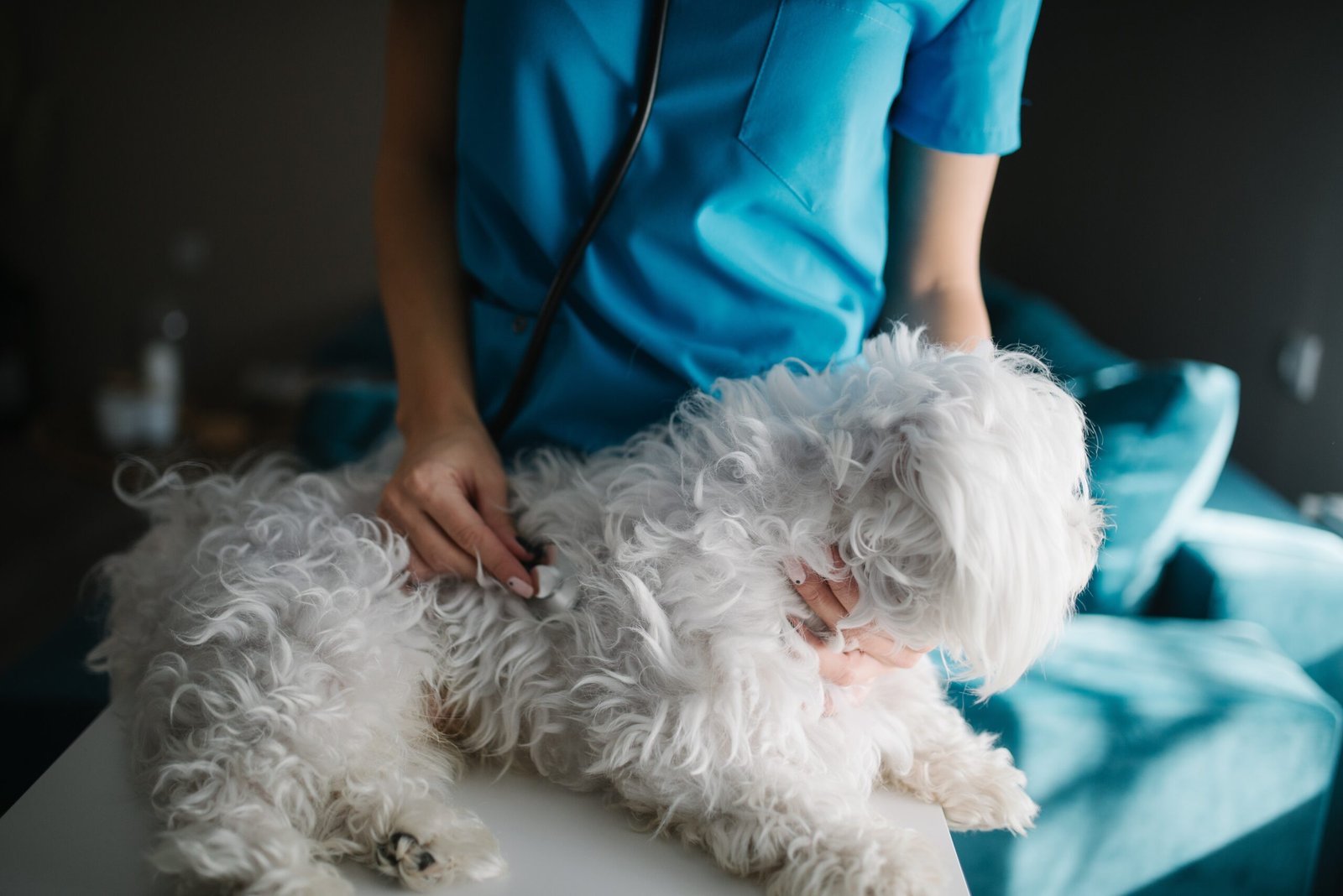
Regular veterinary check-ups are crucial for senior dogs. As dogs age, they become more susceptible to health issues such as arthritis, diabetes, and heart disease. By visiting the vet regularly, you can catch potential problems early and start treatment as soon as possible. It’s like taking your car in for a tune-up before a long road trip; you want to ensure everything is running smoothly. The vet can also provide tailored advice on diet, exercise, and supplements to support your dog’s health. Remember, prevention is always better than cure, and these check-ups are a vital first step.
Maintain a Balanced Diet
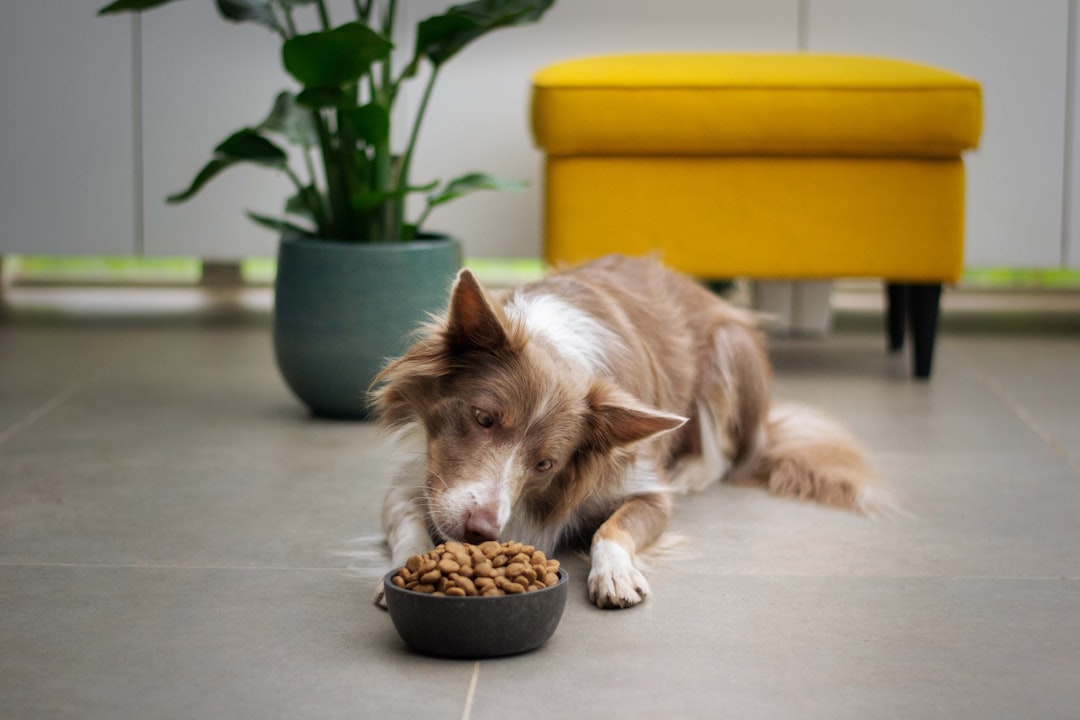
As dogs age, their dietary needs change. Providing a balanced diet rich in essential nutrients is key to keeping your senior dog healthy. Older dogs may require fewer calories, but they still need protein, vitamins, and minerals to maintain muscle mass and energy levels. Consider consulting with your vet about senior-specific dog food, which can be easier to digest and tailored to their needs. Think of it as swapping to a pair of comfortable shoes as you grow older; your dog’s diet should be just as supportive and well-fitting.
Exercise and Mental Stimulation
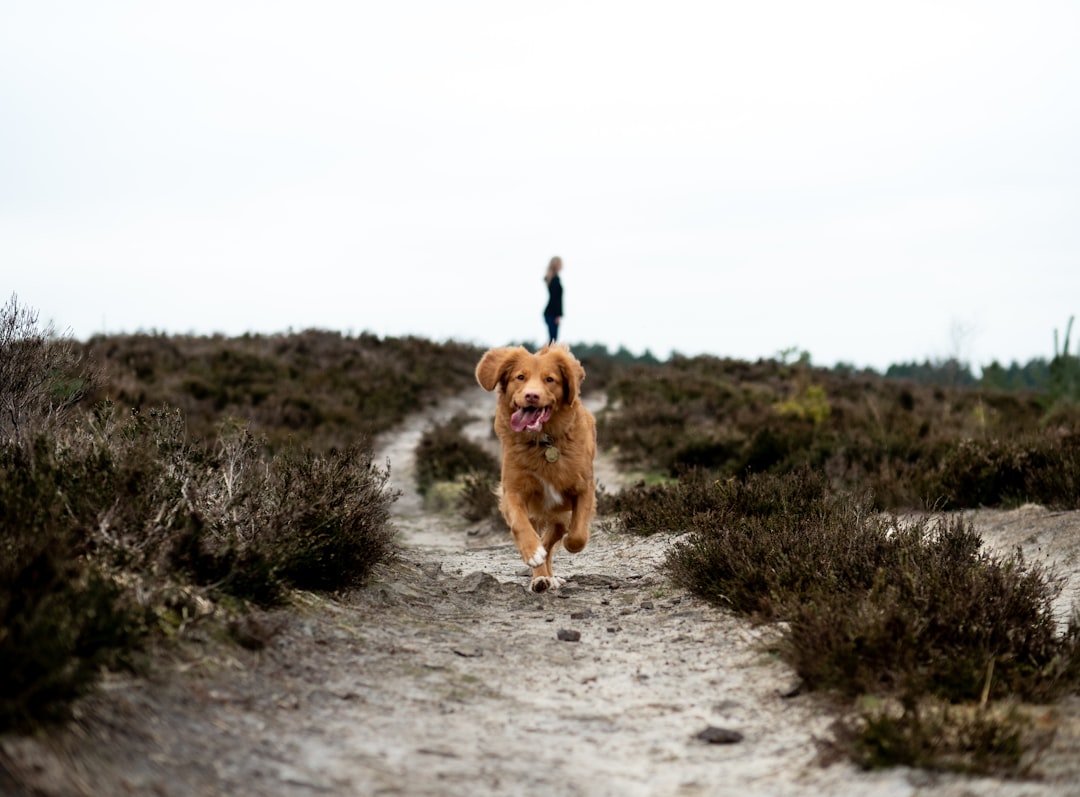
Exercise remains important for senior dogs, but it’s crucial to adjust the intensity and type to suit their age. Gentle walks, swimming, or even light play can help keep their joints flexible and muscles strong. Pair physical activity with mental stimulation through puzzle toys or training exercises to keep their minds sharp. Imagine a retired athlete who takes up yoga and chess; your senior dog needs a balanced mix of activities to stay fit and engaged.
Comfortable Sleeping Arrangements
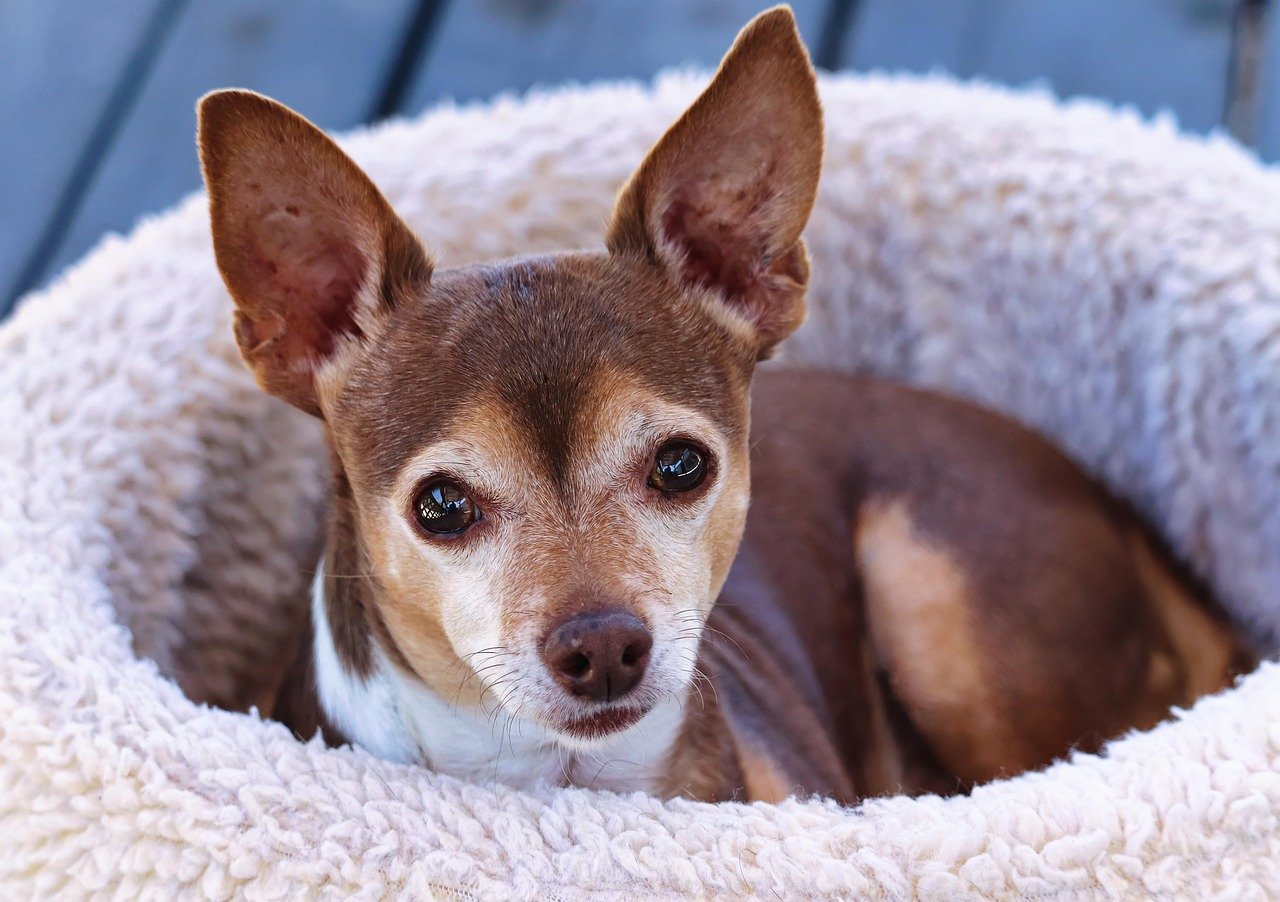
A comfortable sleeping arrangement can make a world of difference for a senior dog. Orthopedic beds provide support for aching joints, much like how a memory foam mattress can improve sleep quality for a person with back pain. Ensure the sleeping area is in a quiet, draft-free location, and consider adding blankets for warmth. A good night’s sleep can boost your dog’s mood and energy, just as it does for us humans.
Joint Support and Pain Management
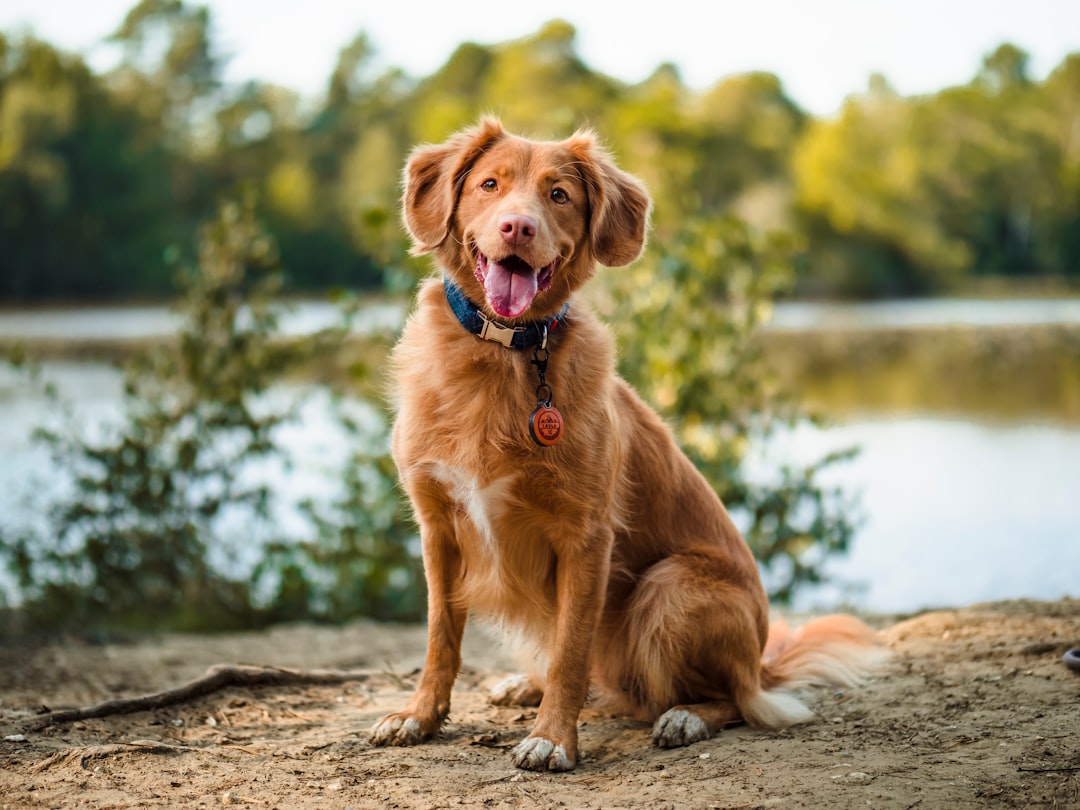
Joint issues like arthritis are common in aging dogs. Supporting their joints and managing pain can greatly enhance their quality of life. Supplements such as glucosamine and chondroitin can aid in joint health, akin to how a daily vitamin can support human wellness. Your vet may also recommend anti-inflammatory medications to help alleviate pain. Ensuring your dog is comfortable and pain-free is like giving them a new lease on life.
Regular Grooming
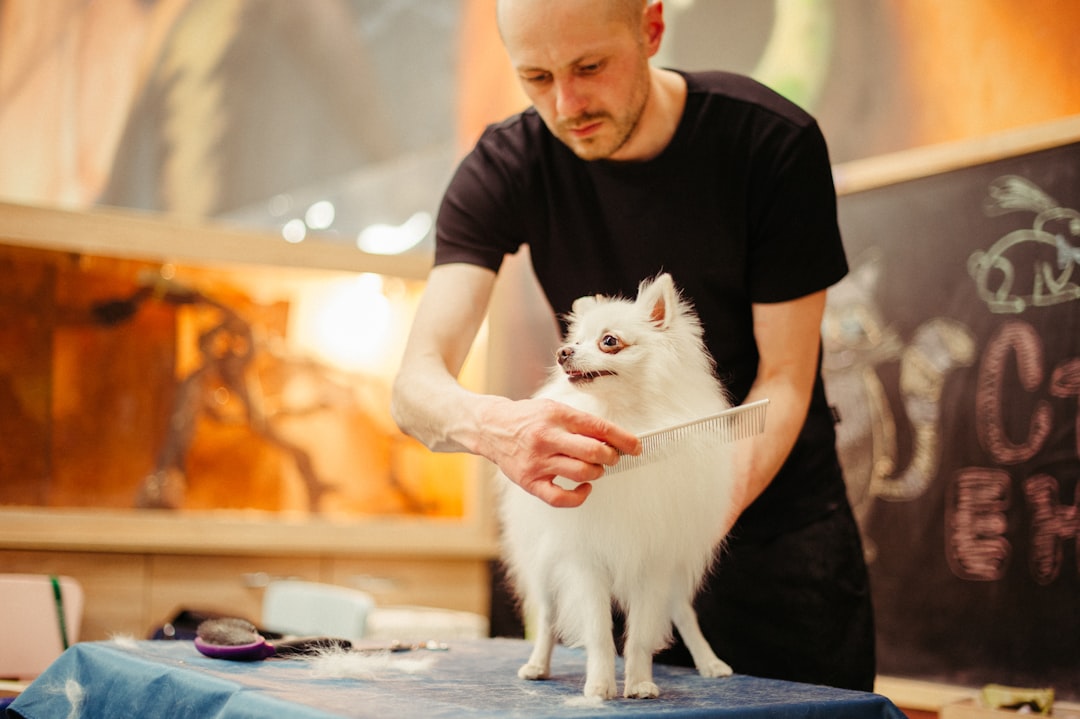
Regular grooming isn’t just about keeping your dog looking good; it’s essential for their health and comfort. As dogs age, their skin can become more sensitive, and they may struggle to groom themselves as effectively. Regular brushing helps distribute natural oils, keeping their coat healthy and reducing shedding. It’s also a great opportunity to check for lumps, bumps, or other skin issues. Think of grooming as a spa day for your dog, offering both relaxation and health benefits.
Maintain a Healthy Weight
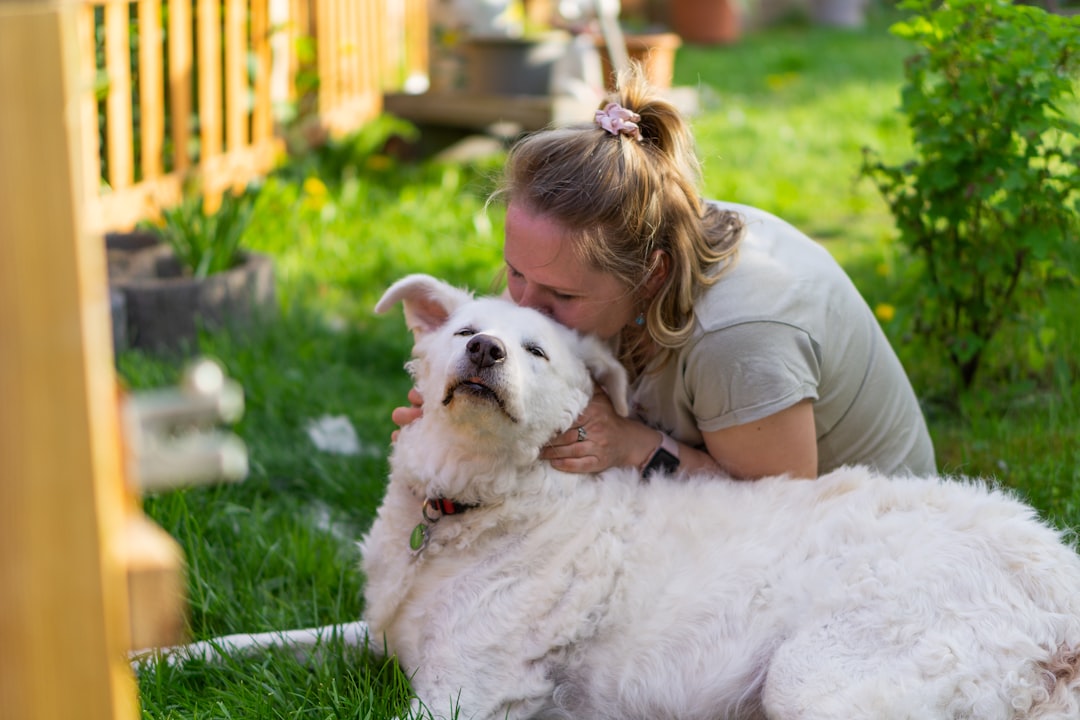
Maintaining a healthy weight is crucial for senior dogs, as excess weight can exacerbate joint issues and other health problems. Regularly weigh your dog and adjust their food intake and exercise accordingly. It’s similar to how adults are advised to watch their weight to prevent health complications. Keeping your dog at a healthy weight can extend their lifespan and improve their quality of life, allowing them to enjoy more active, pain-free days.
Adapt the Home Environment
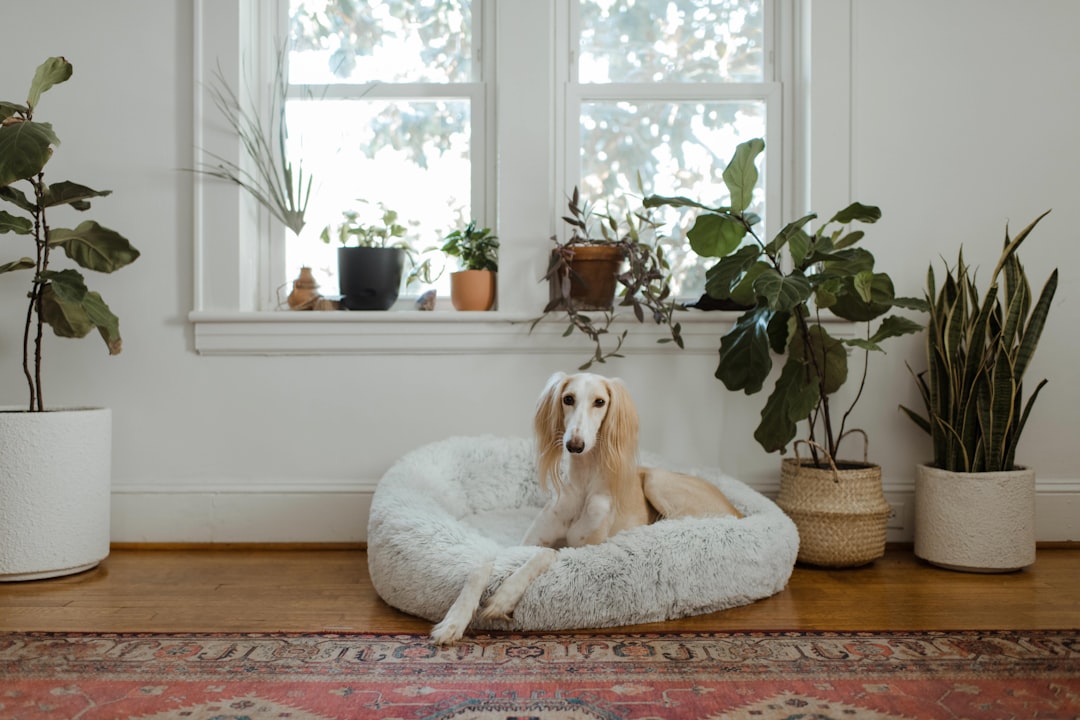
As dogs age, their mobility can decline, making it important to adapt your home environment to their needs. Consider installing ramps or stairs to help them access favorite spots without jumping. Non-slip mats can prevent accidents on slippery floors, much like how we use grip socks for better traction. By making these simple changes, you can prevent injuries and ensure your home remains a safe and welcoming space for your senior dog.
Provide Love and Attention
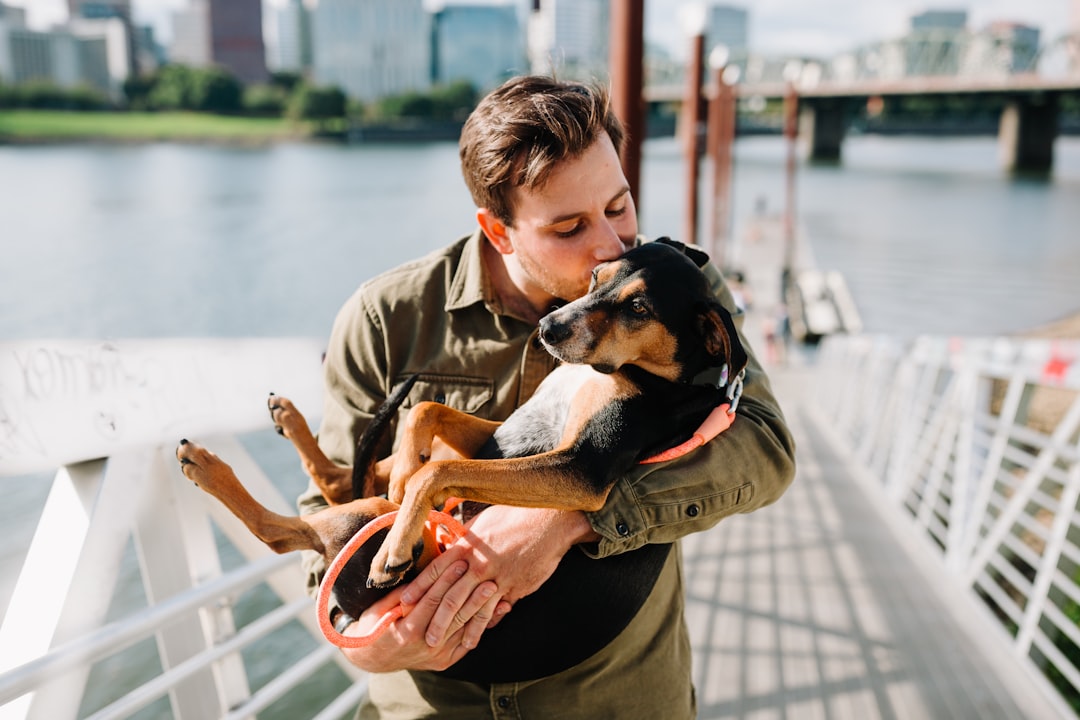
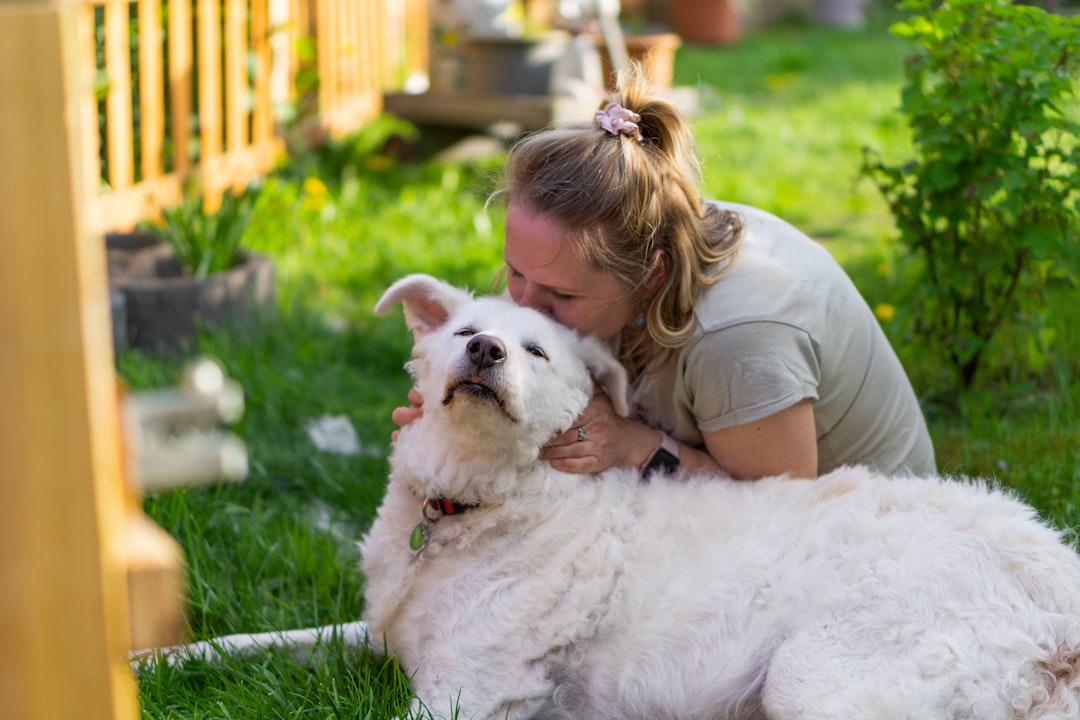
Never underestimate the power of love and attention. As dogs age, they may seek more companionship and reassurance. Spend quality time with your senior dog, offering gentle affection and verbal praise. Consider it akin to visiting an elderly relative; your presence and attention can provide immense comfort. This emotional support can help reduce anxiety and stress, contributing to their overall well-being.
Monitor Behavior Changes

Lastly, keep an eye out for any changes in your dog’s behavior, as they can be a sign of underlying health issues. Increased aggression, withdrawal, or changes in appetite and energy levels warrant a visit to the vet. Think of it as being attuned to a child’s needs; staying vigilant ensures your senior dog receives the care they need promptly. Early detection of problems can lead to more effective treatments, keeping your dog happy and healthy.
Supporting a senior dog through their aging process requires attention, care, and a few adjustments to their routine. By following these ten tips, you can help your furry friend enjoy their golden years with comfort and happiness. Your dog has been a loyal companion, and now it’s your turn to be there for them, ensuring their later years are as joyful as their younger ones.