
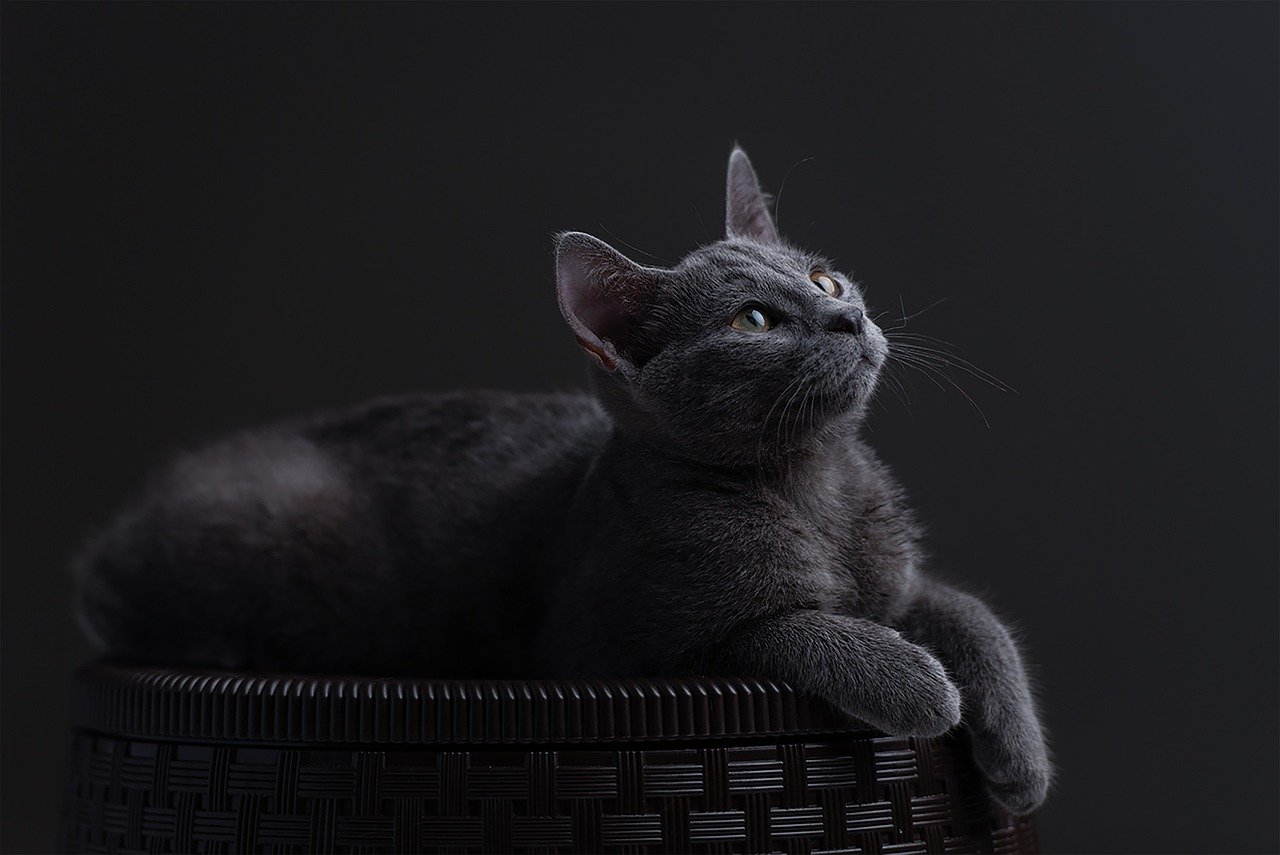
We all know that cats are known for their independence. However, some breeds take this trait to an entirely different level. While these cats may be fascinating and unique, they might not be the best fit for a bustling family home. If you’re considering adding a feline friend to your family, it’s crucial to understand the nature of the breed you’re interested in. Here, we explore ten cat breeds that are known for their independent streaks.
Savannah
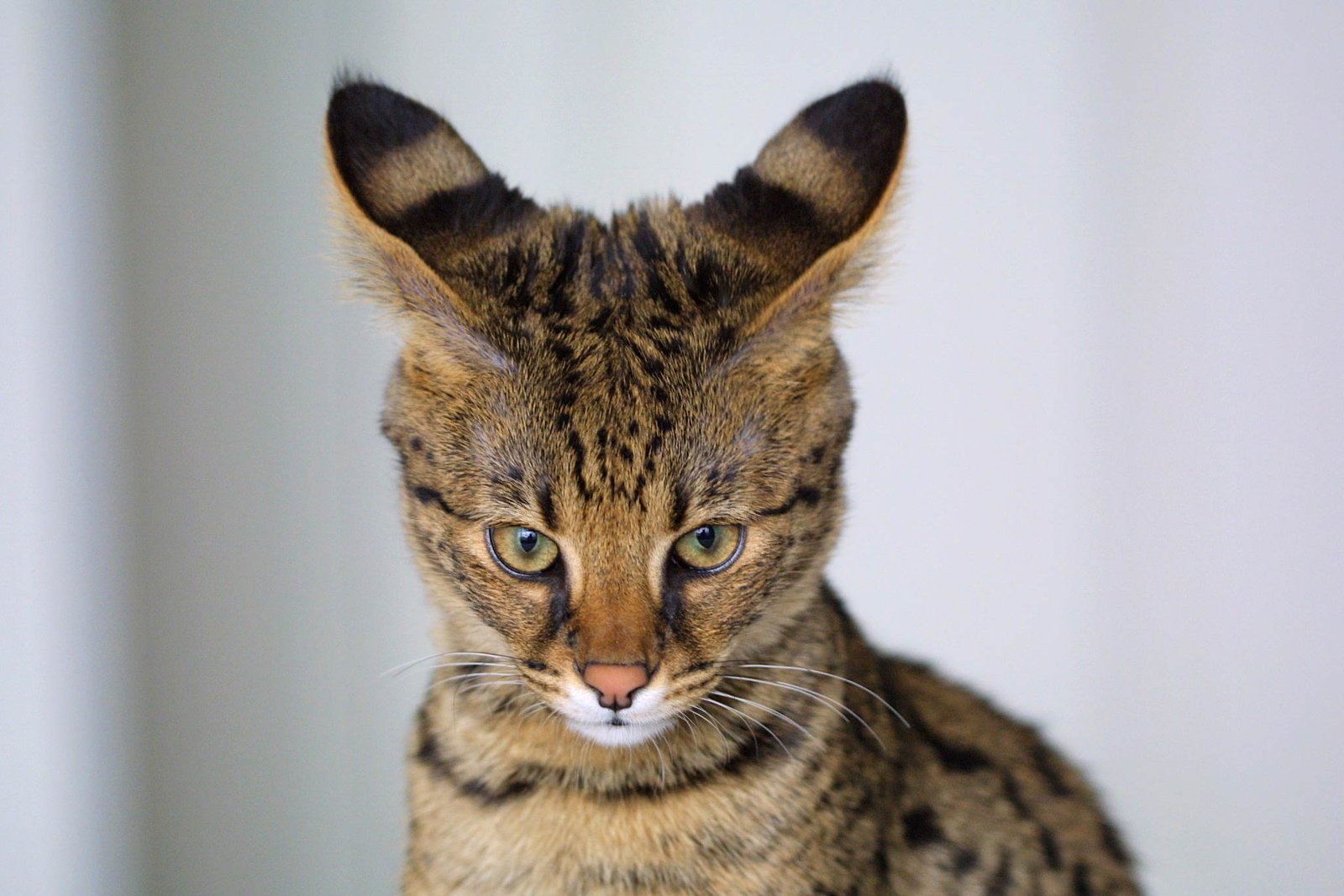
The Savannah cat is a striking breed, known for its wild appearance and adventurous spirit. These cats are hybrids, a mix between a domestic cat and a serval, a wild African cat. Their exotic looks come with an equally wild personality. Savannahs are highly active and need a lot of space to roam and play. They are not content with lounging around; they prefer climbing and exploring. For families with young children, the Savannah’s energy may be overwhelming, and their need for mental stimulation can be demanding. Their independent nature means they might not always crave human attention, making them less ideal for families looking for a cuddly pet.
Siberian
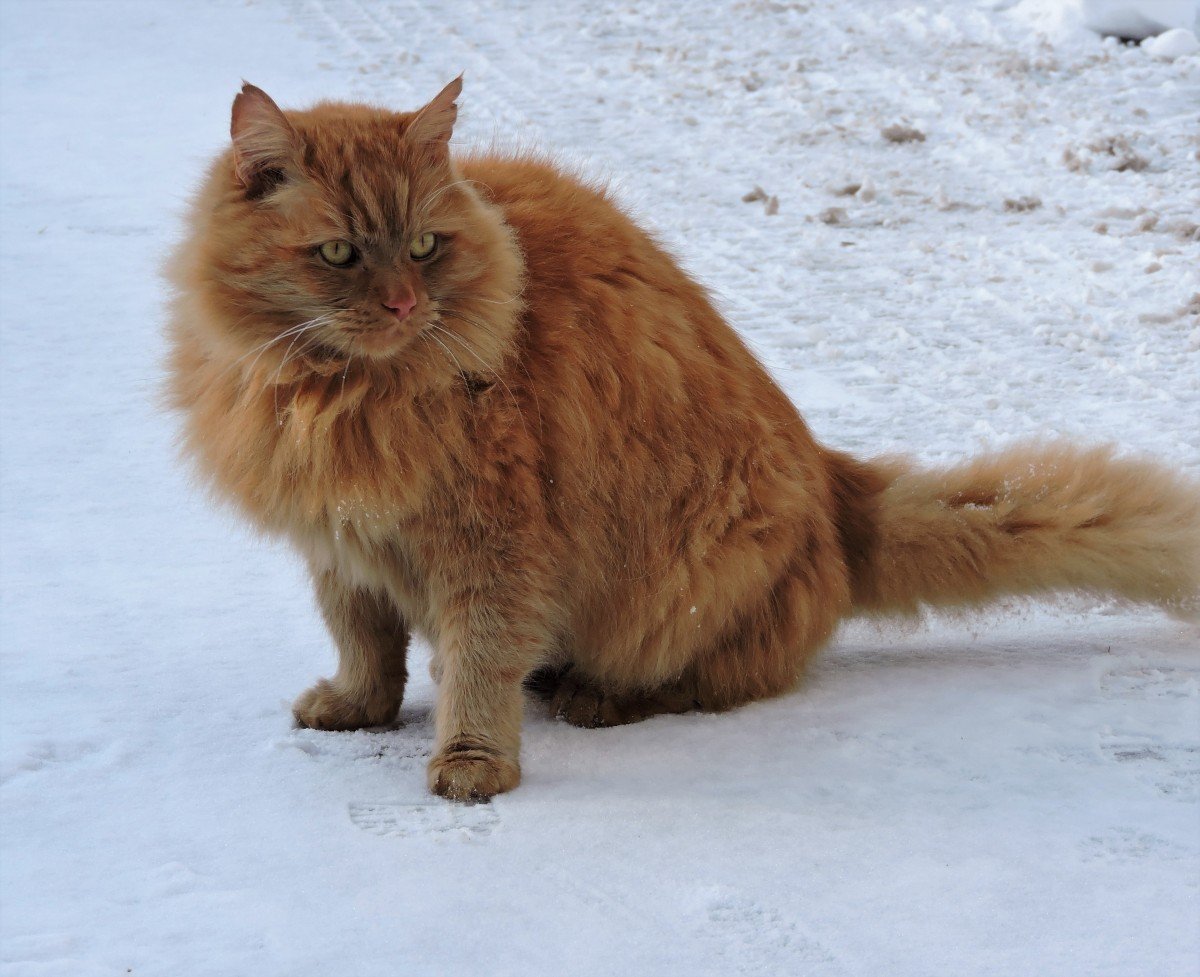
Siberian cats are majestic creatures with a rich history. Originating from the icy landscapes of Russia, these cats are built for survival and have a strong sense of independence. Siberians are known for their intelligence and problem-solving abilities, which often means they prefer figuring things out on their own. While they can be affectionate, they are not the type to constantly seek human interaction. Their thick, luxurious coats require regular grooming, which can be a challenge if the cat isn’t in the mood for handling. Families should be prepared for a cat that appreciates its alone time and may not always be in the mood for play.
Norwegian Forest Cat
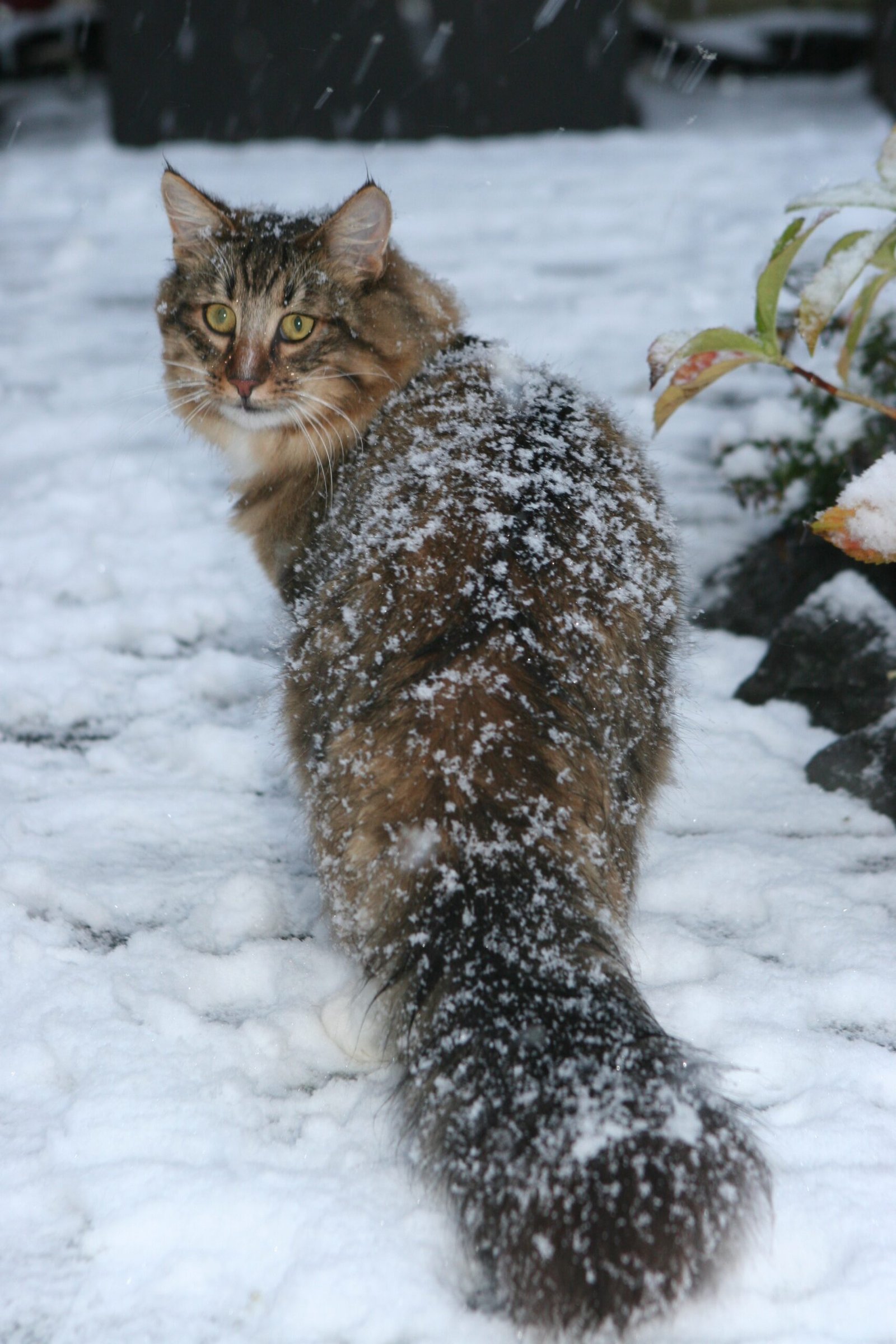
The Norwegian Forest Cat, with its robust build and dense fur, is reminiscent of the Vikings from its homeland. These cats are natural hunters and climbers, traits that make them extremely independent. Norwegian Forest Cats are known for their solitary nature, and while they can be affectionate, they often prefer their own company. They are excellent problem solvers, which means they can entertain themselves without much intervention. However, this self-sufficiency can translate into a disinterest in family activities, making them less ideal for homes where interaction is a priority.
Egyptian Mau
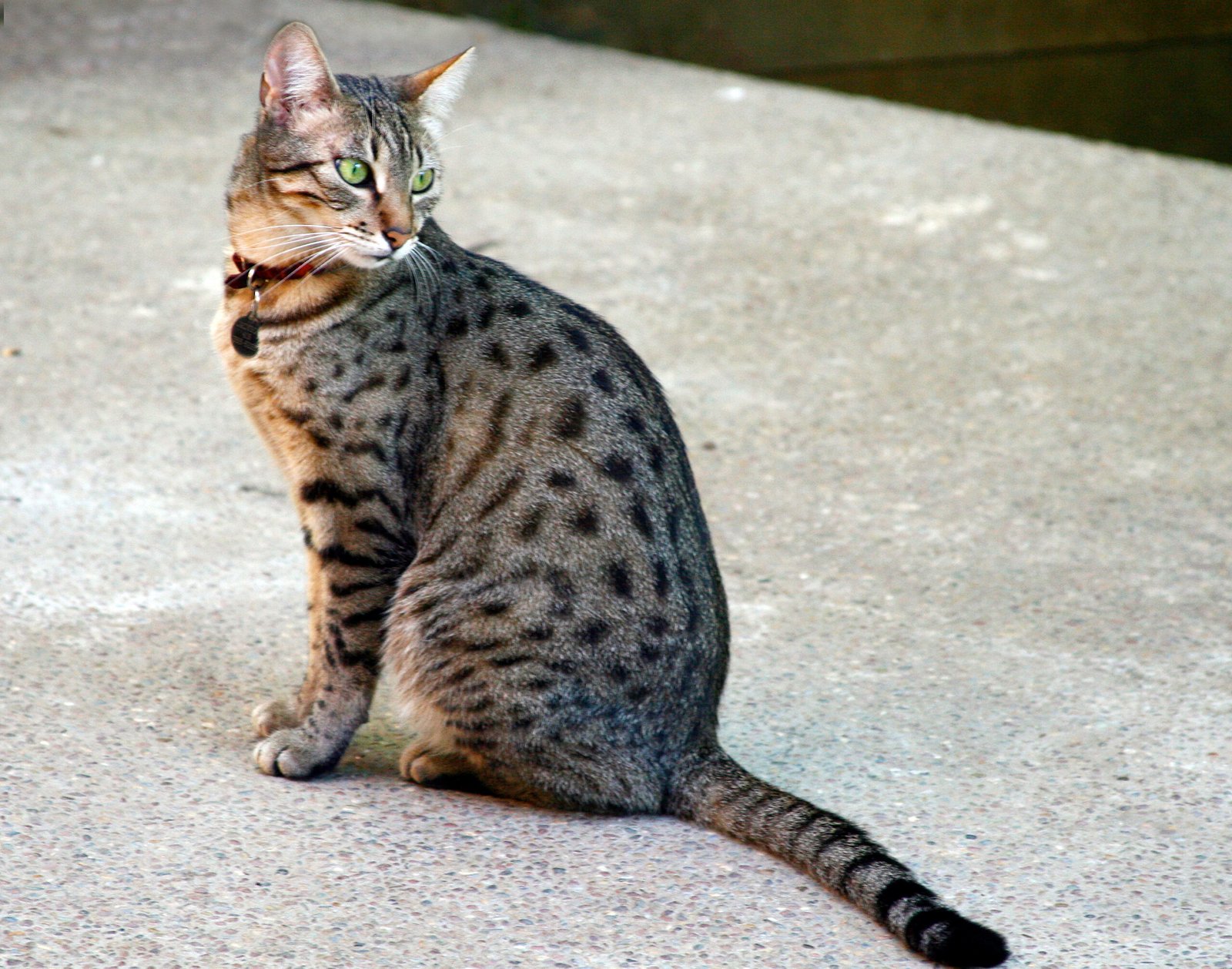
The Egyptian Mau is a breed steeped in history, often considered one of the oldest domestic cat breeds. Known for their speed and agility, these cats have a strong independent streak. Egyptian Maus are known for their territorial nature, often forming close bonds with one or two people but remaining aloof with others. Their need for space and preference for limited human interaction can make them a challenging fit for families. If you’re looking for a cat that will be a constant companion, the Egyptian Mau might not be the best choice.
Scottish Fold
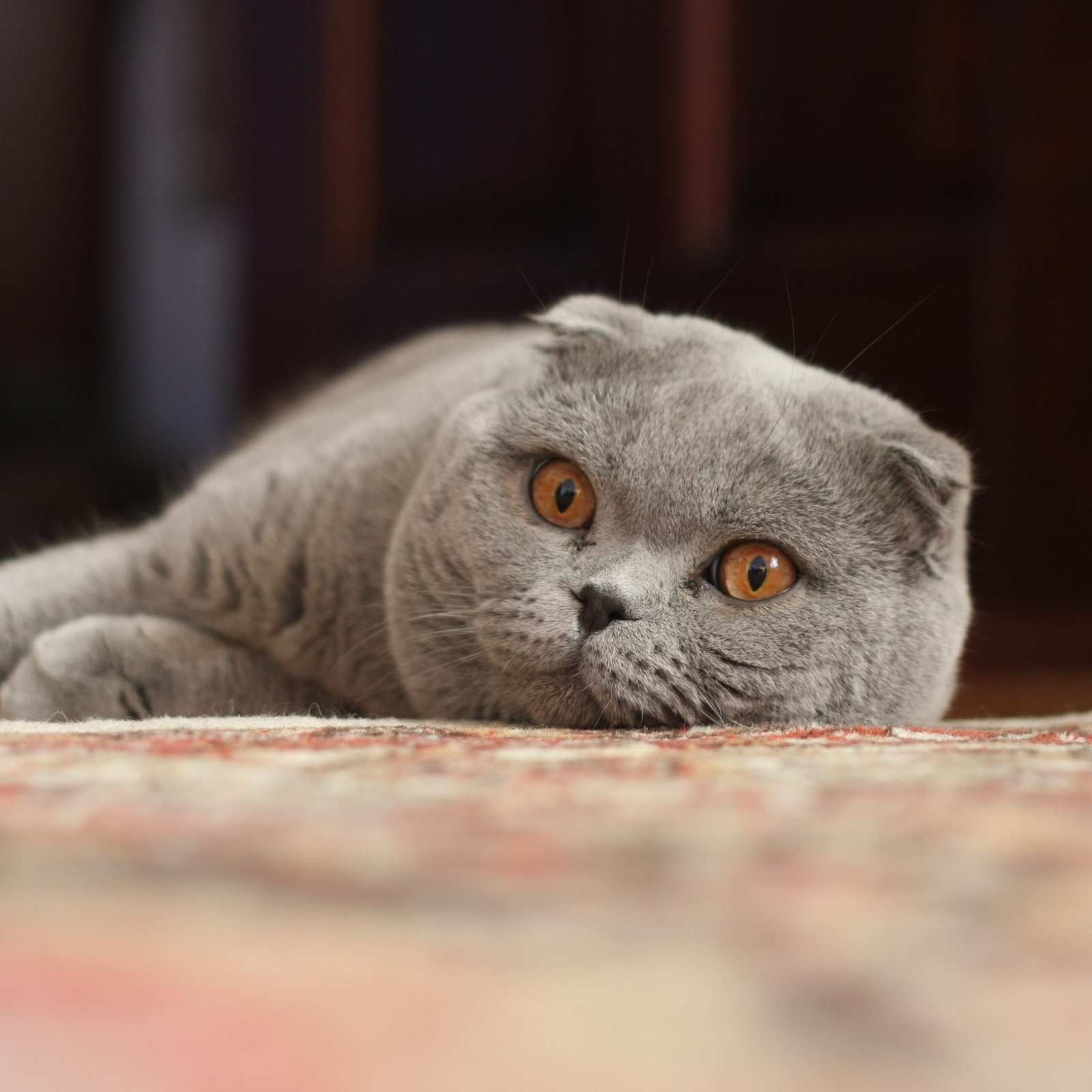
Scottish Folds are known for their unique ear shape and charming appearance. However, beneath their adorable exterior lies a cat that values its independence. Unlike some other breeds, Scottish Folds are not particularly needy in terms of attention. They enjoy observing their surroundings and often prefer to do so from a distance. While they can be affectionate, they are not the type to demand constant cuddles. In a family setting, this breed might not be as engaging as one might hope, as they value their personal space and quiet time.
Russian Blue
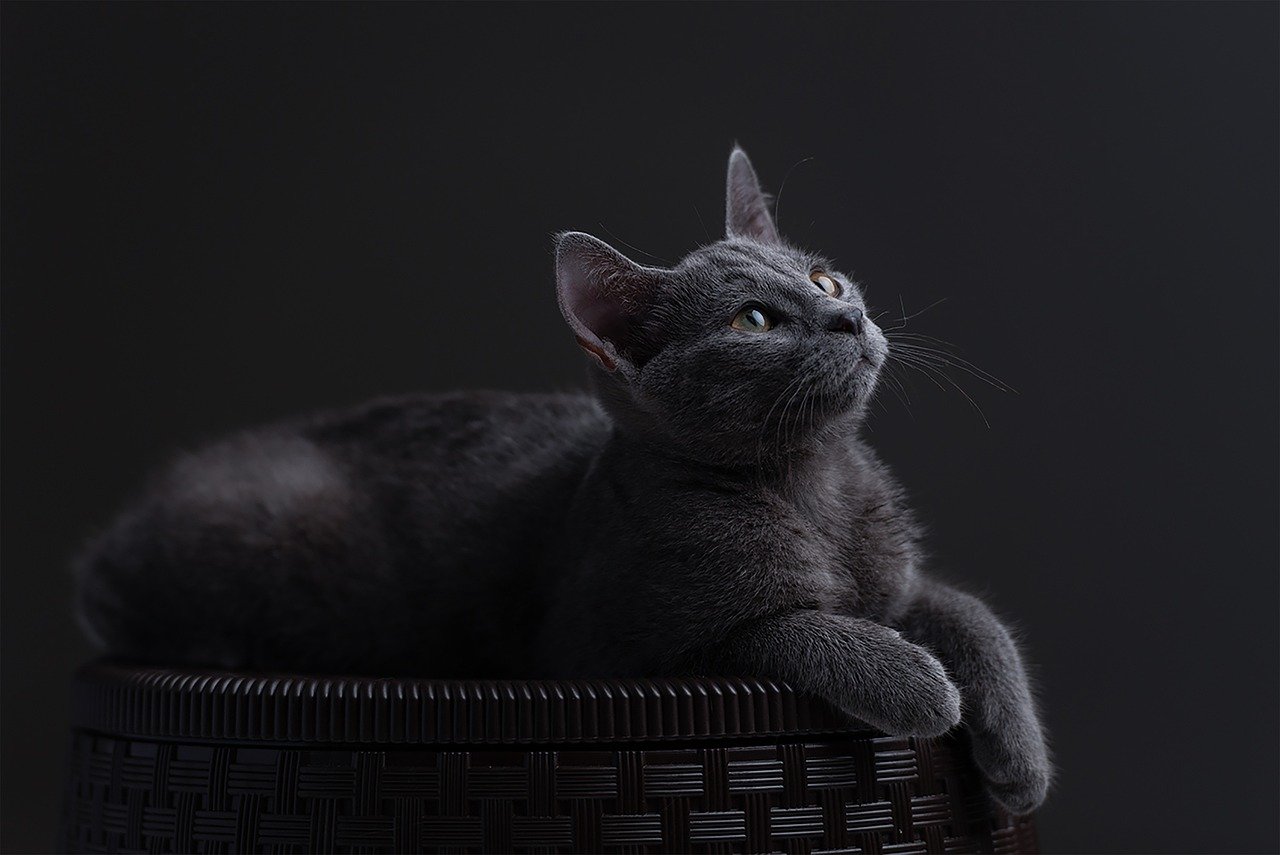
The Russian Blue is a breed that exudes elegance and grace. With their striking blue-gray coats and piercing green eyes, they are a sight to behold. Russian Blues are known for their reserved nature, often taking their time to warm up to new people. They are independent thinkers, preferring to explore their environment on their own terms. This breed is perfect for someone who appreciates a cat that is present but not overly demanding of attention. In a family home, they might not be the life of the party, but they will be a calm and serene presence.
Bombay
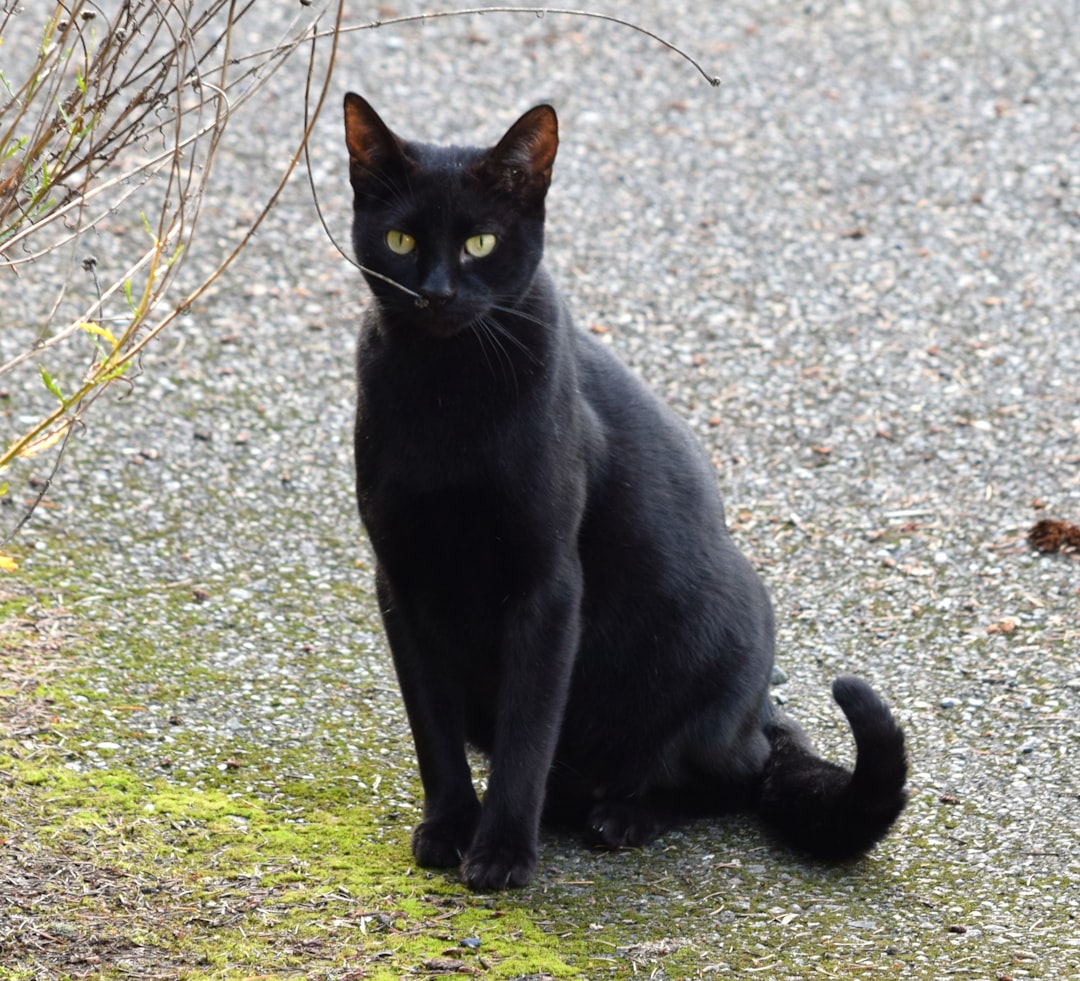
Bombay cats are often described as “mini panthers” due to their sleek, black coats and muscular build. While they are social and enjoy the company of their humans, they are not clingy. Bombay cats are independent and curious, often exploring every nook and cranny of their environment. They are intelligent and can entertain themselves with toys or puzzles. In a family home, they might not always be in the mood for playtime with children, preferring instead to engage in their own activities. Their independent nature makes them ideal for those who want a cat that is both beautiful and self-sufficient.
Chartreux
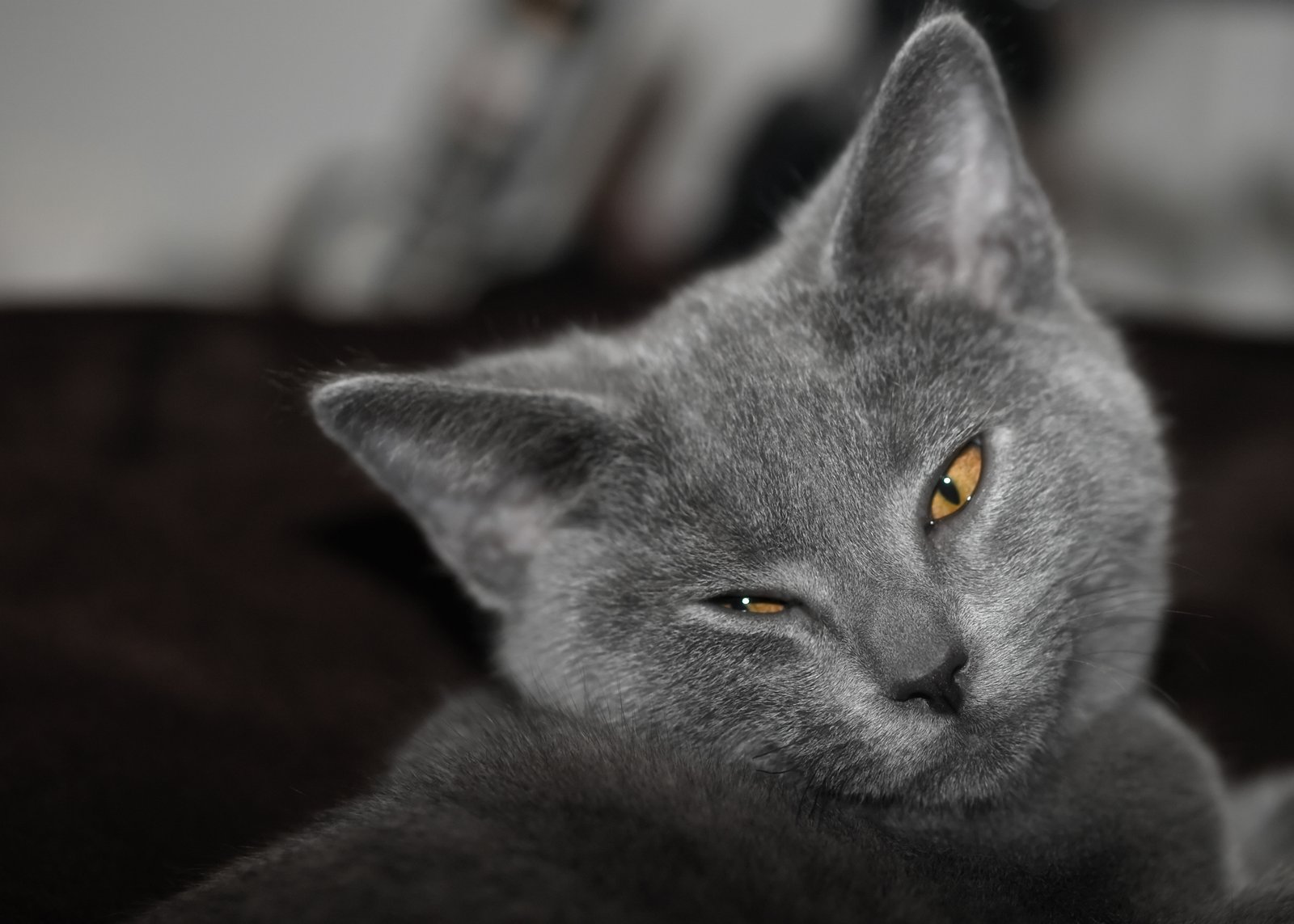
The Chartreux is a breed with a mysterious past, believed to have been companions to French monks. These cats are quiet and observant, often watching their surroundings with a keen eye. Chartreux cats are known for their independence and are content spending time alone. They form strong bonds with their owners but are not overly demanding of attention. In a family setting, they might not be as interactive as other breeds, preferring instead to observe from a distance. Their calm and composed nature makes them perfect for those who appreciate a more laid-back feline companion.
Turkish Van
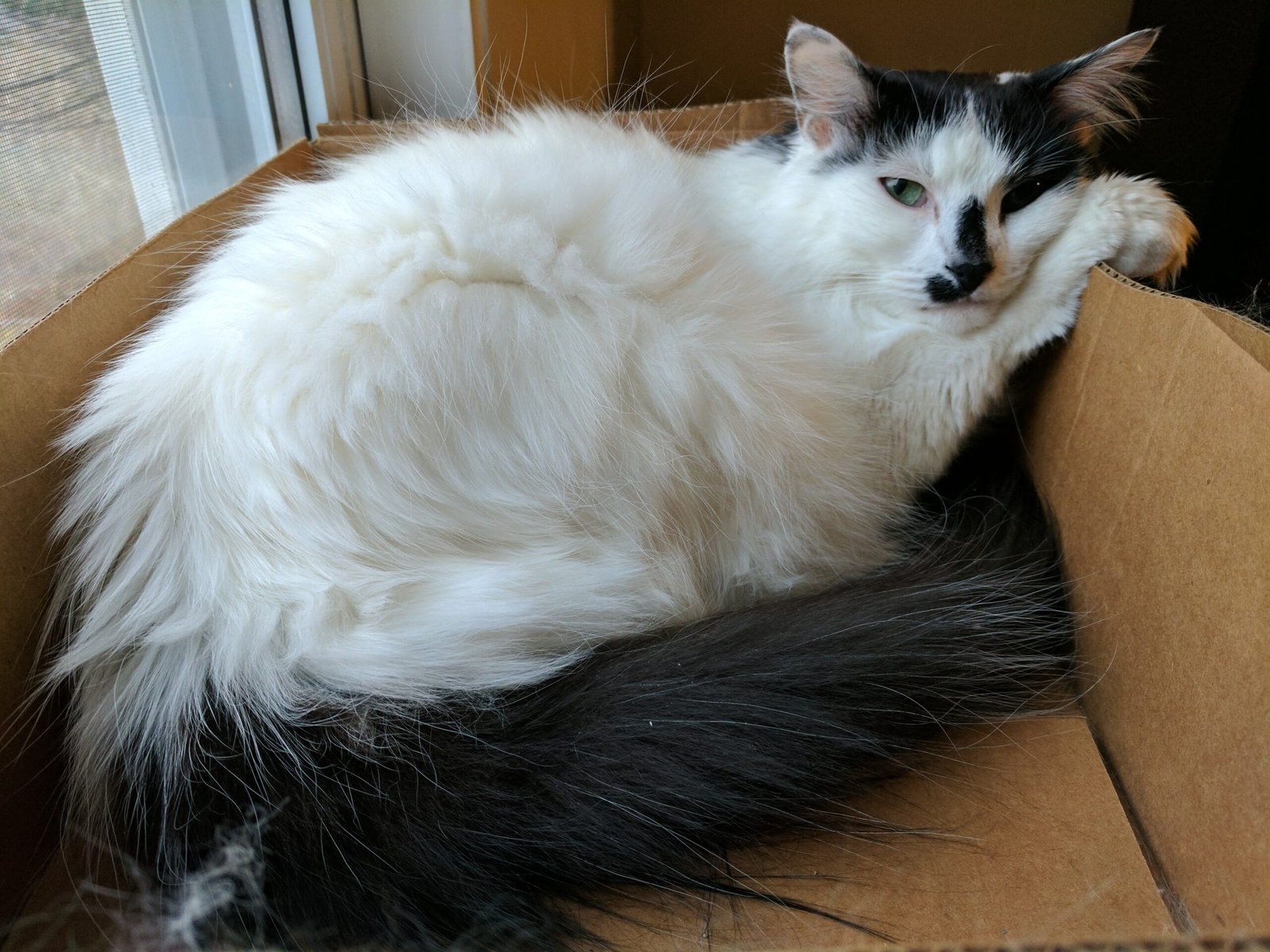
Turkish Vans are known for their love of water and playful nature. However, they are also fiercely independent cats. These cats are energetic and adventurous, often seeking out new experiences on their own. Turkish Vans are not the type to always seek out human companionship, as they enjoy their personal space. While they can be affectionate, they often prefer to dictate the terms of their interactions. In a family home, their independent streak might mean they are not always available for playtime, making them better suited for those who appreciate a cat that can entertain itself.
American Shorthair
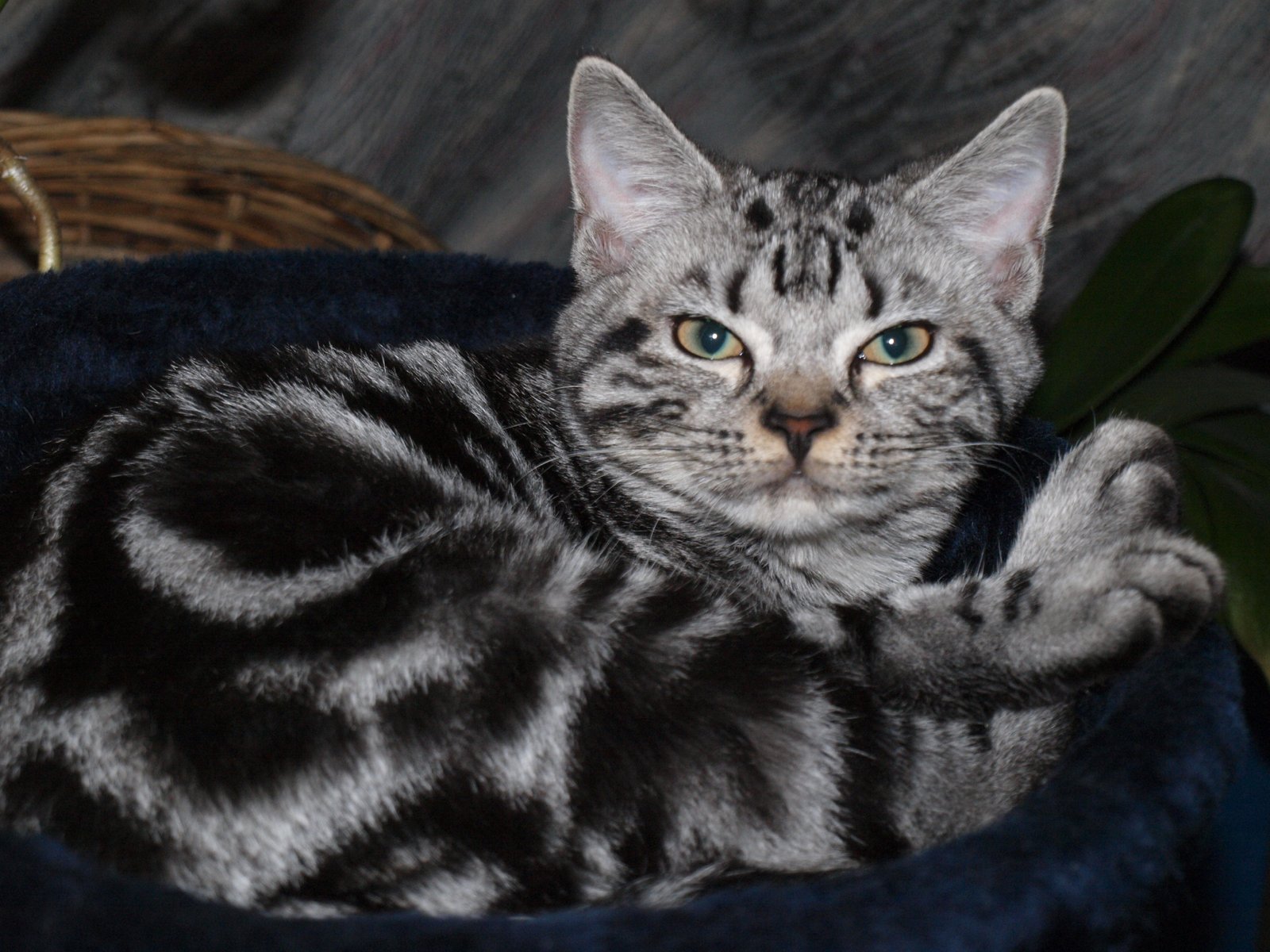
American Shorthairs are a classic breed known for their adaptability and easygoing nature. However, they are also quite independent and self-reliant. These cats are not overly demanding of attention and are content to entertain themselves. American Shorthairs are excellent hunters, and their natural instincts can lead them to spend time exploring and observing. In a family setting, they might not always be the most interactive cats, preferring instead to enjoy their own company. Their independent nature makes them ideal for those who want a low-maintenance pet that still offers companionship.
While these independent cat breeds are unique and fascinating, they may not be the best fit for a family home seeking constant interaction and engagement. Understanding the nature of these breeds can help potential owners make informed decisions, ensuring that both the family and the cat can thrive in their environment.


