
10 Reasons Why The Tibetan Mastiff is Not Everyone’s Dog
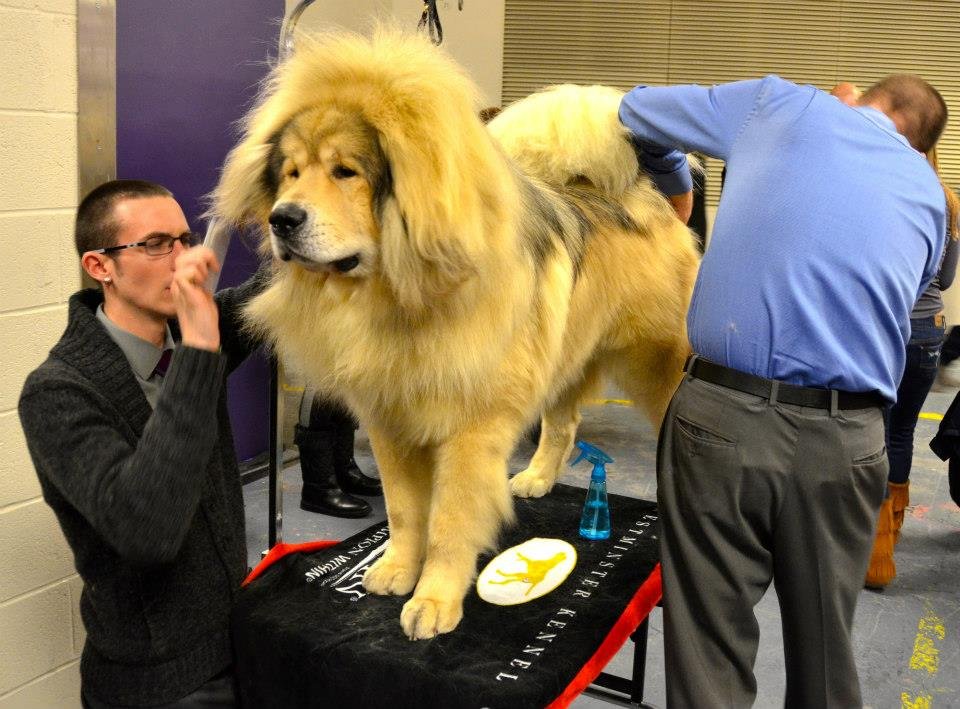
The Tibetan Mastiff is a majestic and captivating creature, often resembling a lion with its thick mane and commanding presence. This ancient breed, originating from the Himalayas, has been a guardian of flocks and homes for centuries. While their appearance is undeniably impressive, owning a Tibetan Mastiff is a commitment not to be taken lightly. These dogs are not suited for every household, and understanding why is crucial for potential owners.
Size and Strength: A Mighty Giant
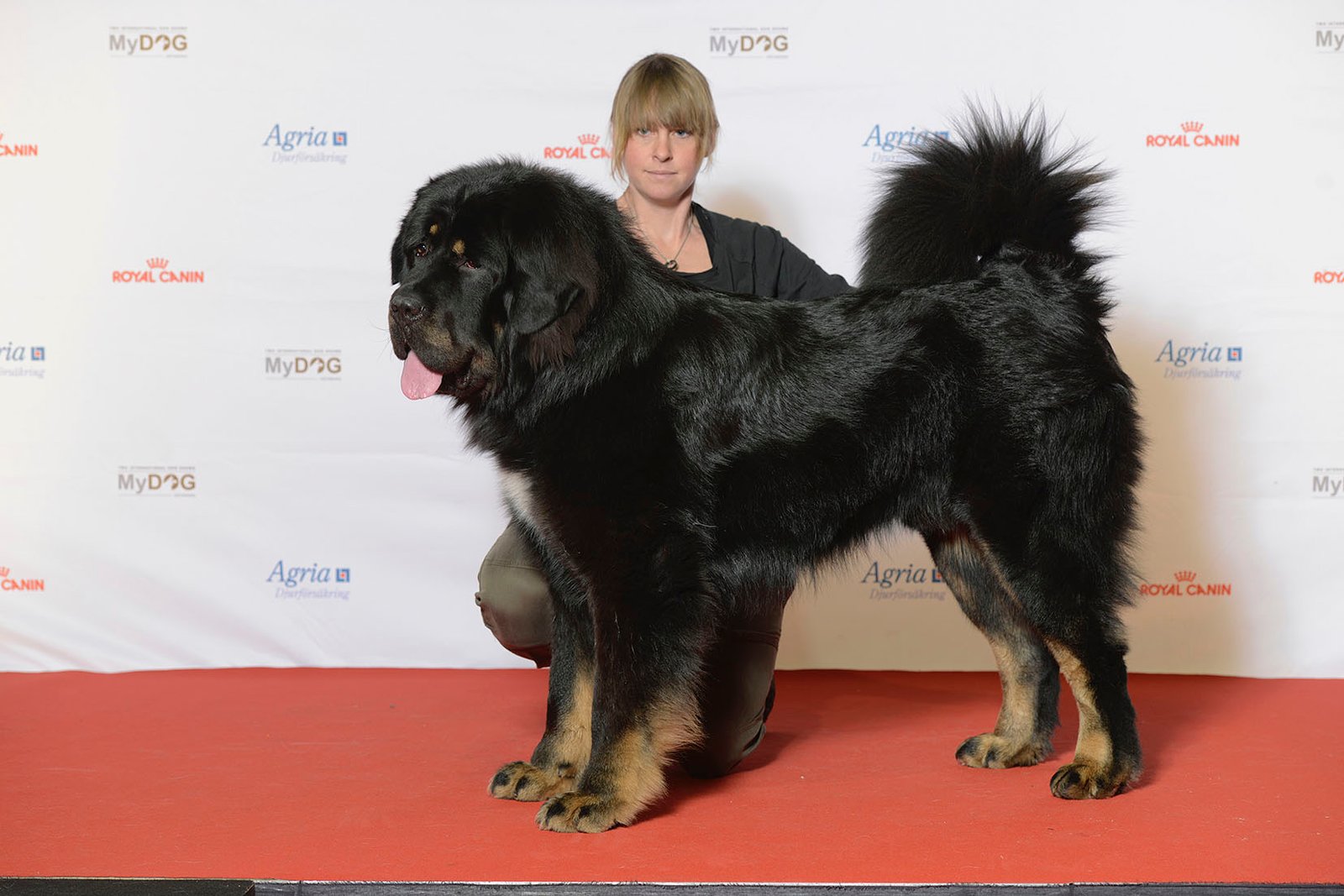
Tibetan Mastiffs are one of the largest dog breeds, with males often weighing over 150 pounds. Their sheer size and strength can be overwhelming for inexperienced dog owners. Imagine having a dog that can effortlessly knock over furniture or unintentionally hurt someone with their exuberance. This is not a breed you can simply pull on a leash; they require an owner who can manage their power. If you’re looking for a petite lap dog, the Tibetan Mastiff is definitely not the right choice.
Independent Nature: The Lone Wolf
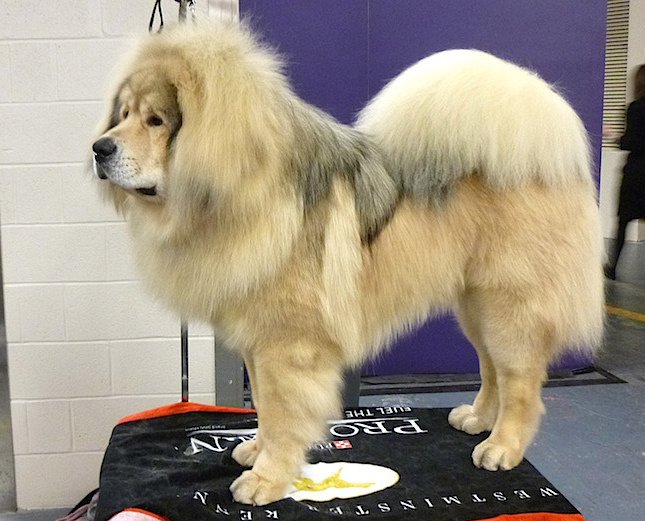
These dogs are known for their independent streak, a trait developed from centuries of guarding livestock without human intervention. Unlike breeds that thrive on human interaction, Tibetan Mastiffs can be aloof and prefer to make their own decisions. This independence means they might not always come when called or follow commands obediently. For someone seeking a dog that is eager to please, this breed might prove challenging.
Protective Instincts: The Guardian at Heart
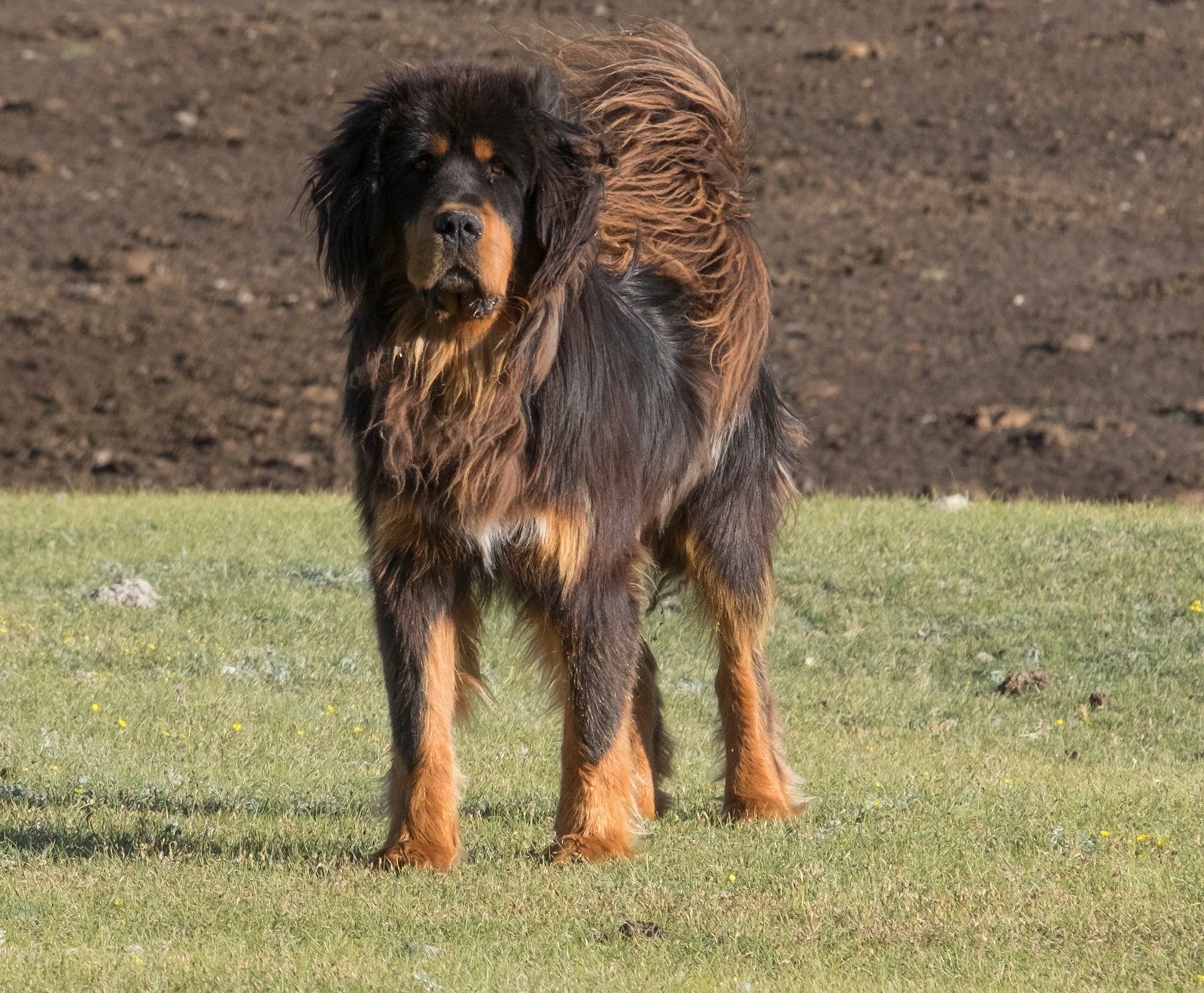
While their protective nature is a boon for those needing a guard dog, it can be a bane for households with frequent visitors. Tibetan Mastiffs are naturally suspicious of strangers and can be fiercely protective. This can lead to aggressive behavior if not properly managed. Socialization from a young age is crucial, but even with training, their protective instincts remain strong. This is not ideal for families who enjoy hosting guests or have young children.
High Maintenance: The Grooming Dilemma
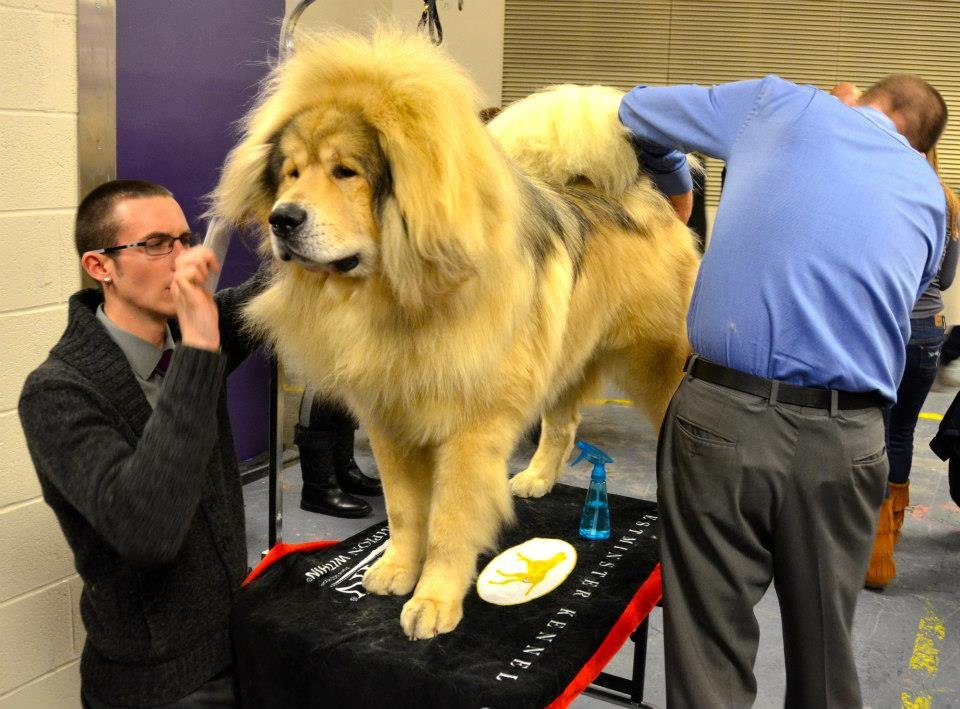
The thick, lush coat of a Tibetan Mastiff requires regular grooming to prevent matting and keep them comfortable. This is not a low-maintenance breed; expect to spend hours brushing their coat, especially during shedding season. The grooming needs can be overwhelming for those not prepared to invest the time and effort. If grooming is not your forte, this breed might frustrate rather than fascinate.
Exercise Needs: The Energy Paradox
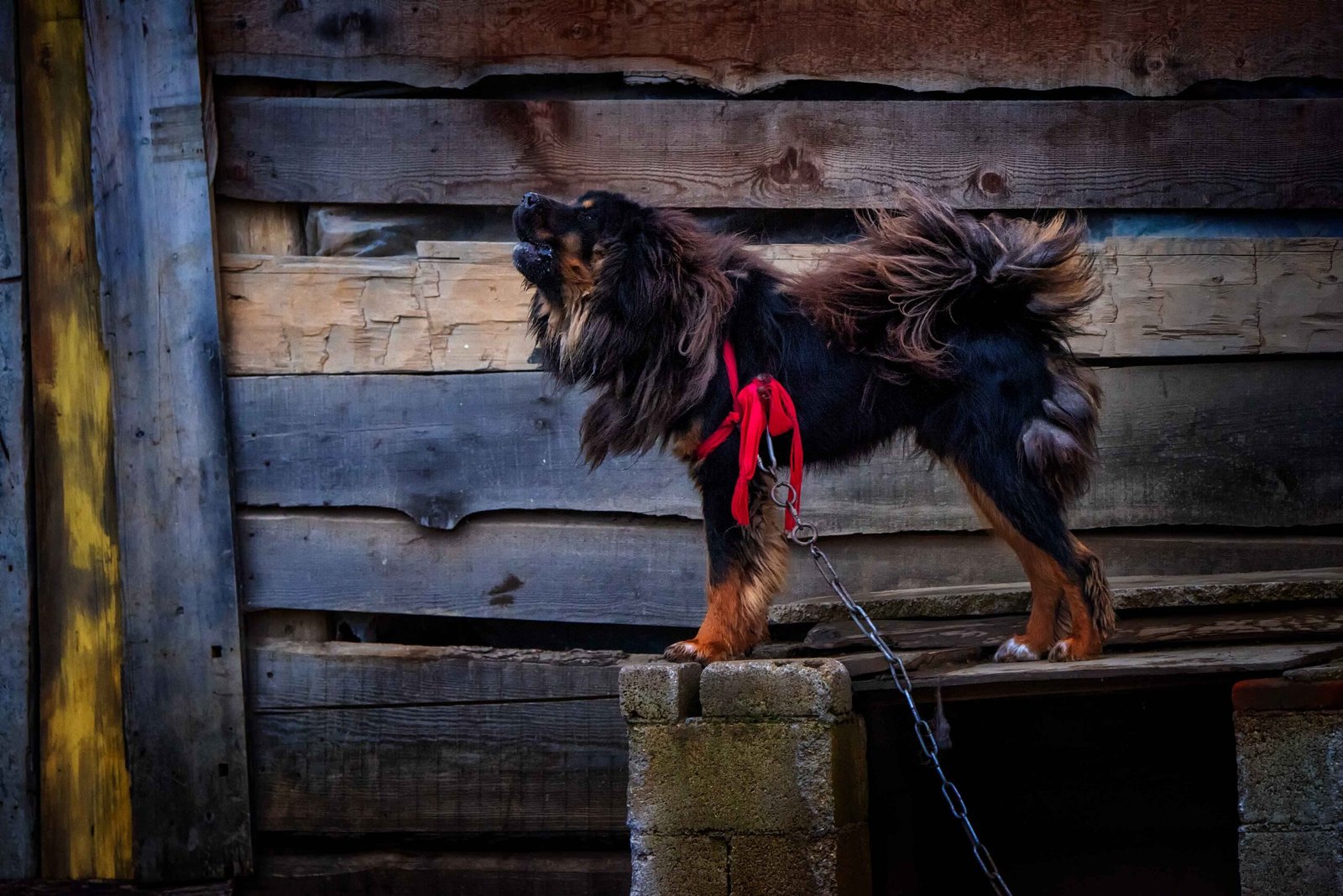
Despite their large size, Tibetan Mastiffs aren’t overly active. However, they still need regular exercise to stay healthy and happy. A daily walk, coupled with mental stimulation, is essential. Without it, they can become bored and destructive. Balancing their need for exercise without over-exerting them can be tricky, especially for those unfamiliar with the breed’s unique energy levels.
Training Challenges: The Stubborn Student
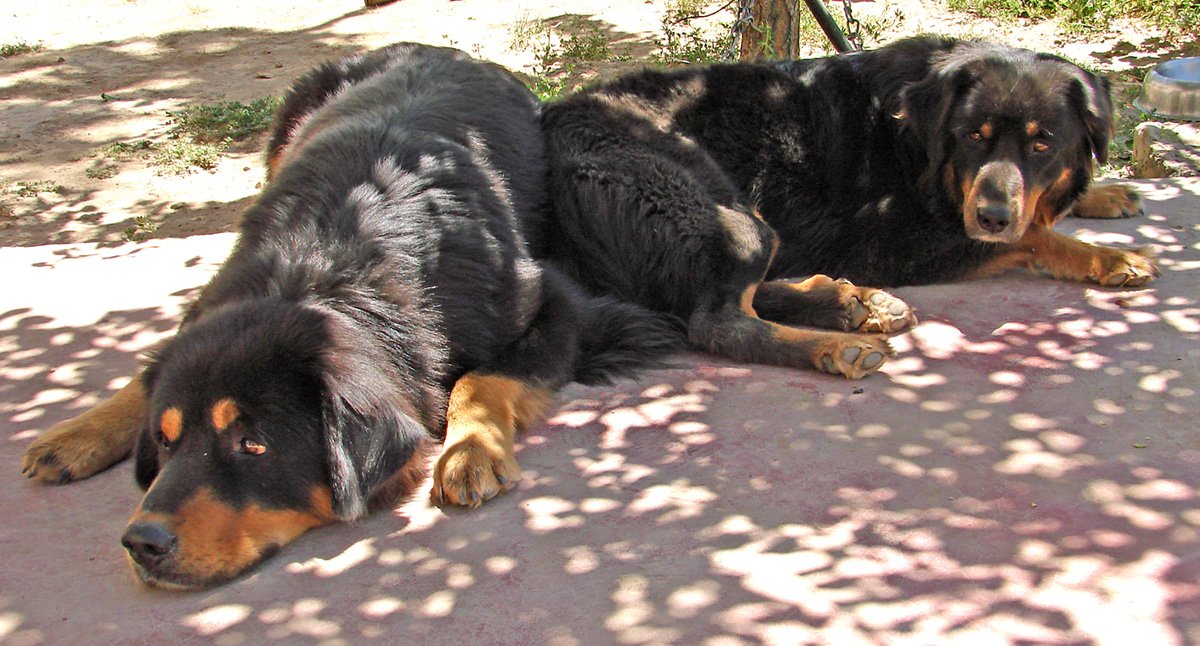
Training a Tibetan Mastiff can be a test of patience. Their intelligence means they can learn commands quickly, but their stubborn nature often leads them to question the necessity of obeying. Consistent, positive reinforcement is key, yet progress can be slow. Owners need to be firm yet fair, understanding that this breed requires a different approach than more compliant canines.
Health Considerations: The Genetic Lottery
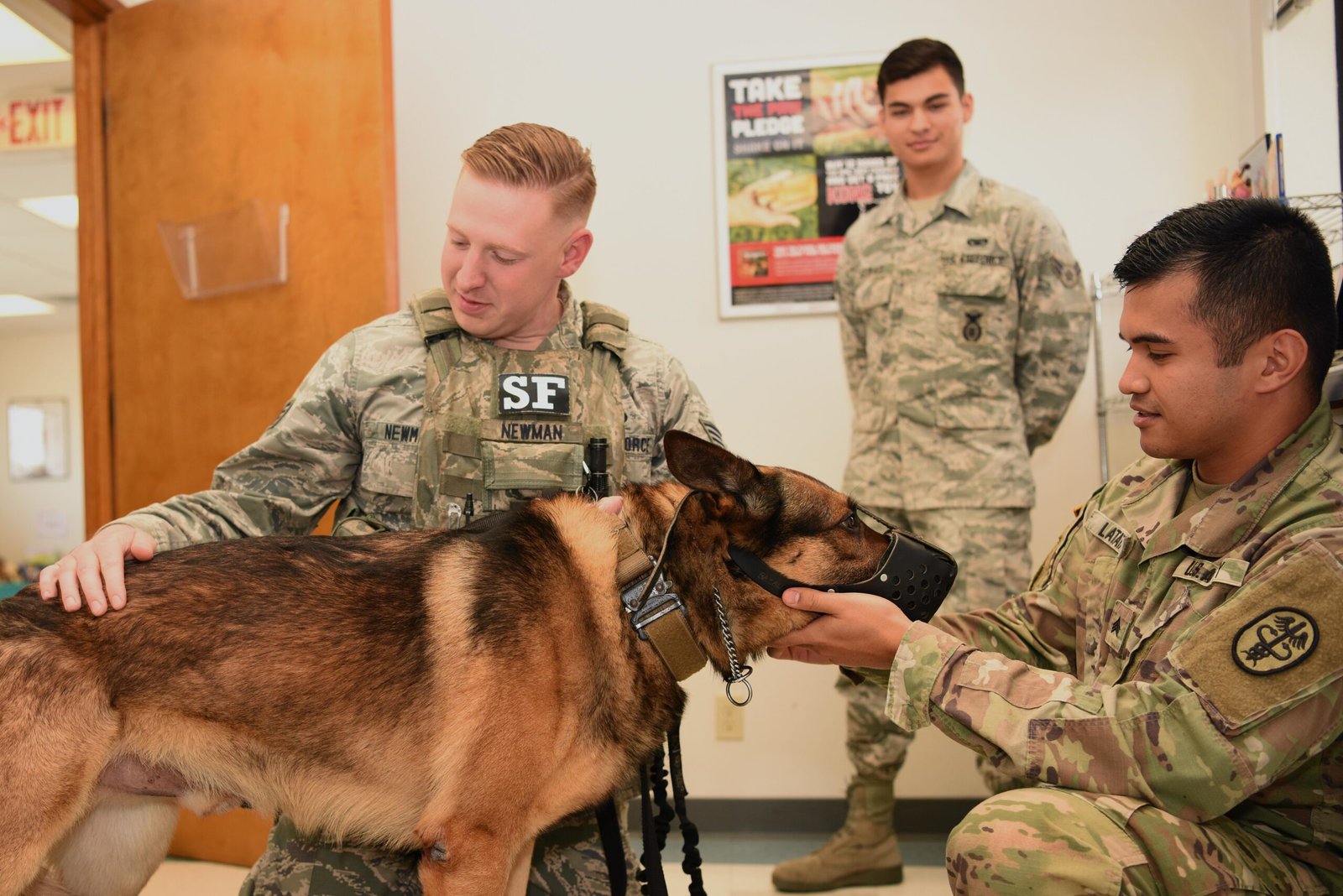
Like many purebred dogs, Tibetan Mastiffs are prone to certain health issues, including hip dysplasia and thyroid problems. These potential health concerns mean regular vet visits and potentially costly medical bills. Understanding the breed’s health risks is crucial for anyone considering bringing one into their home. It’s essential to be financially prepared for possible medical expenses.
Space Requirements: Room to Roam
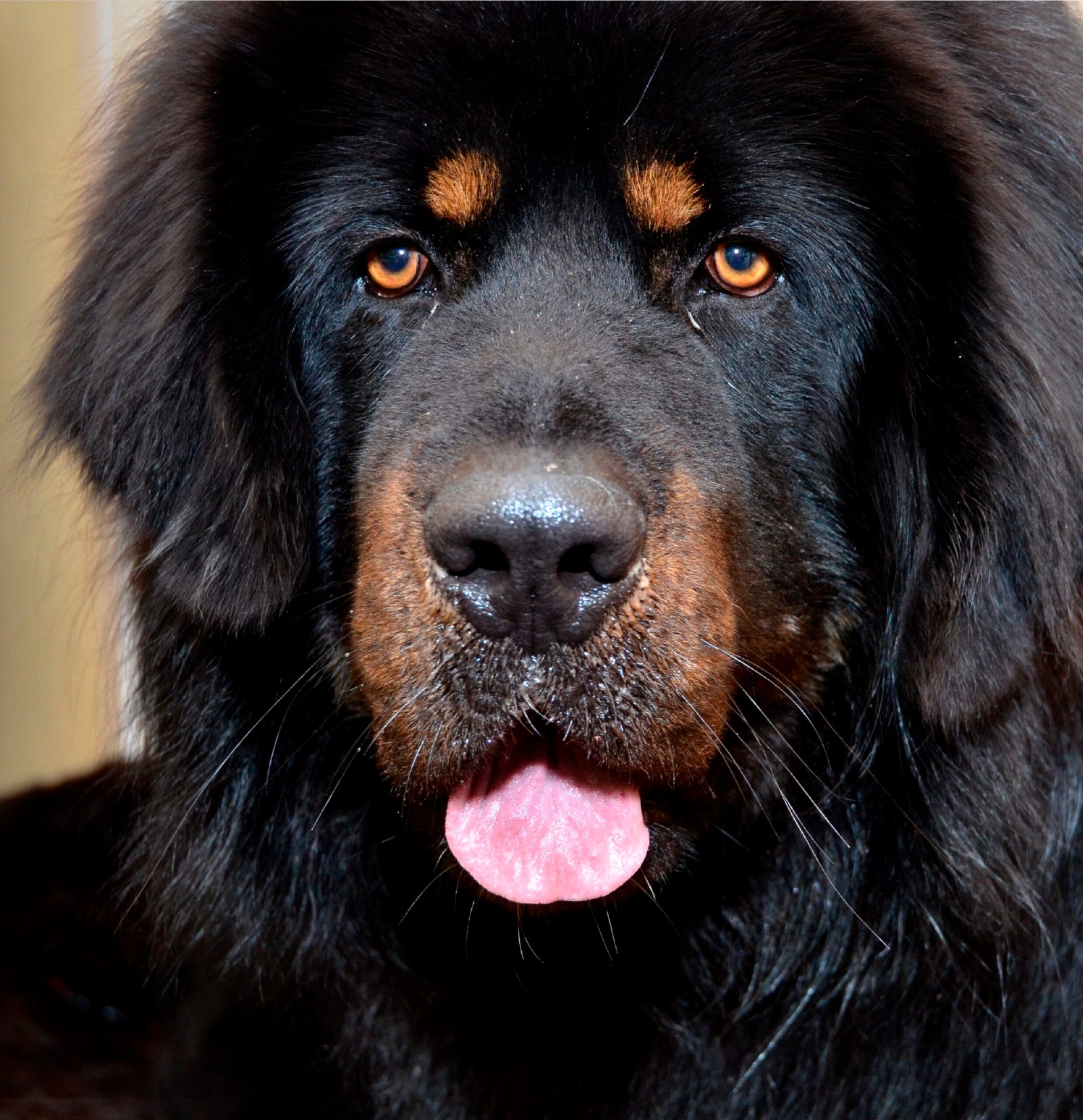
Tibetan Mastiffs thrive in environments where they have space to roam. An apartment or small yard won’t suffice for these majestic beasts. They need a large, secure yard where they can patrol and exercise. Without adequate space, they can become restless and unhappy, leading to behavioral issues. It’s essential for potential owners to assess their living situation before committing to this breed.
Nocturnal Tendencies: The Night Owl
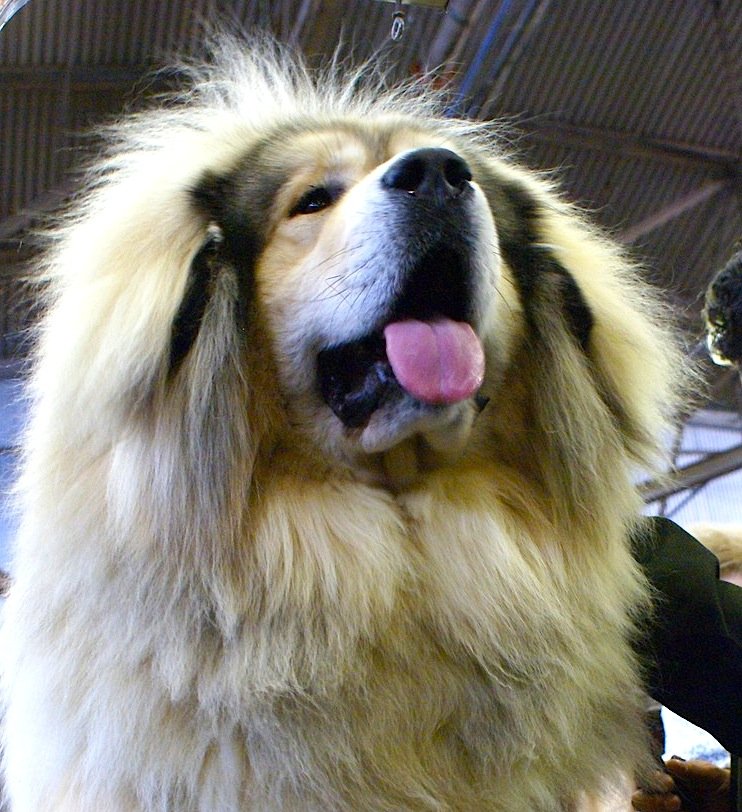
Many Tibetan Mastiffs are naturally nocturnal, a trait inherited from their days as nighttime guardians. This means they can be active and vocal during the night, disrupting the sleep of their human companions. Their deep bark can be startling and isn’t ideal for those living in close quarters with neighbors. Understanding and managing their nocturnal habits is vital for a harmonious household.
Commitment and Responsibility: A Lifelong Bond
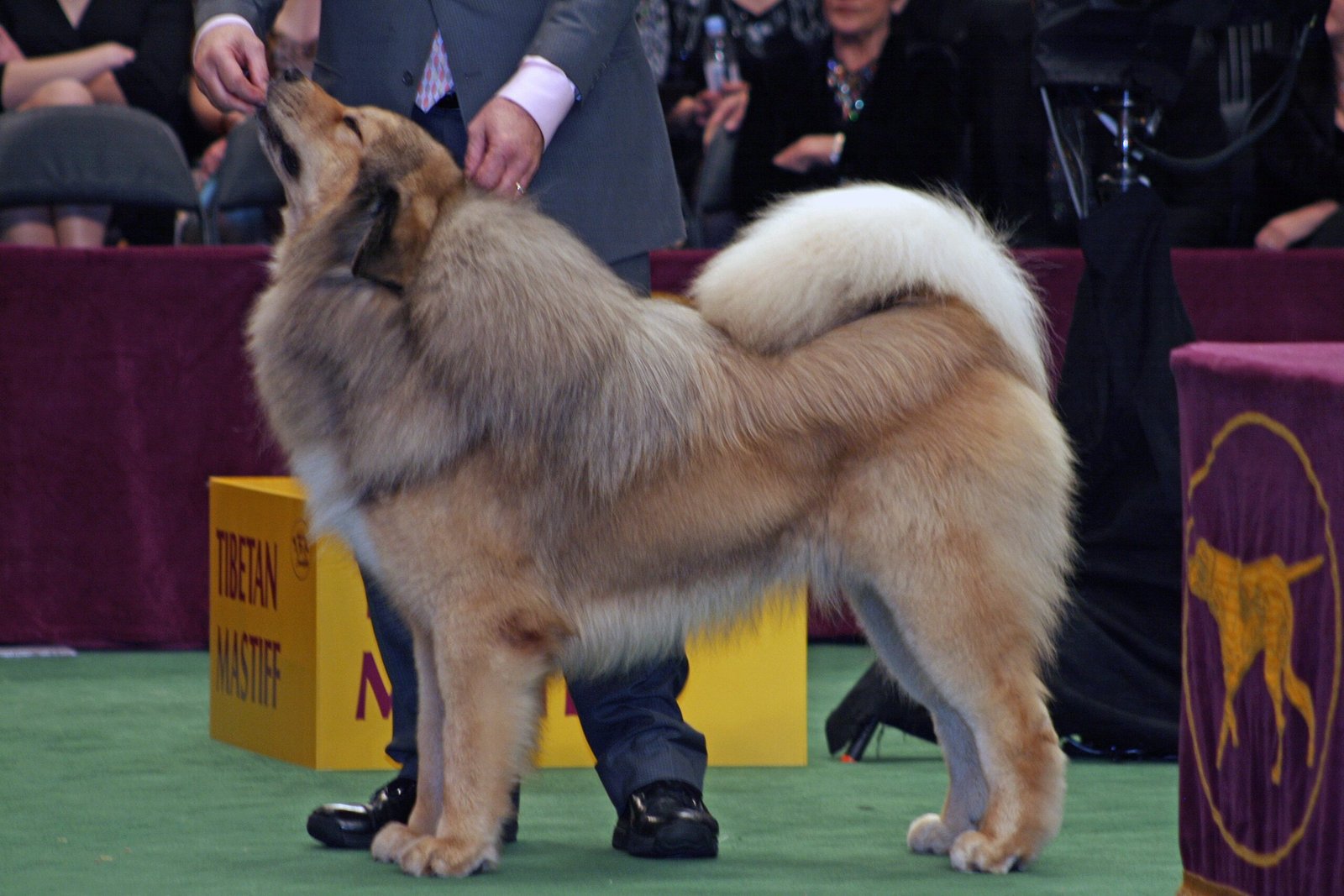
Owning a Tibetan Mastiff is a long-term commitment. These dogs can live up to 15 years, requiring years of dedication and care. Potential owners must be ready for the responsibility, understanding that this breed demands more time, patience, and resources than many others. It’s a partnership that requires careful consideration, ensuring the well-being of both the owner and the dog.
In conclusion, while the Tibetan Mastiff is a remarkable breed with many endearing qualities, they are not suited for every household. Potential owners must be prepared for the challenges and responsibilities that come with this majestic dog. Understanding the breed’s unique needs and characteristics is crucial for ensuring a harmonious and fulfilling relationship.