
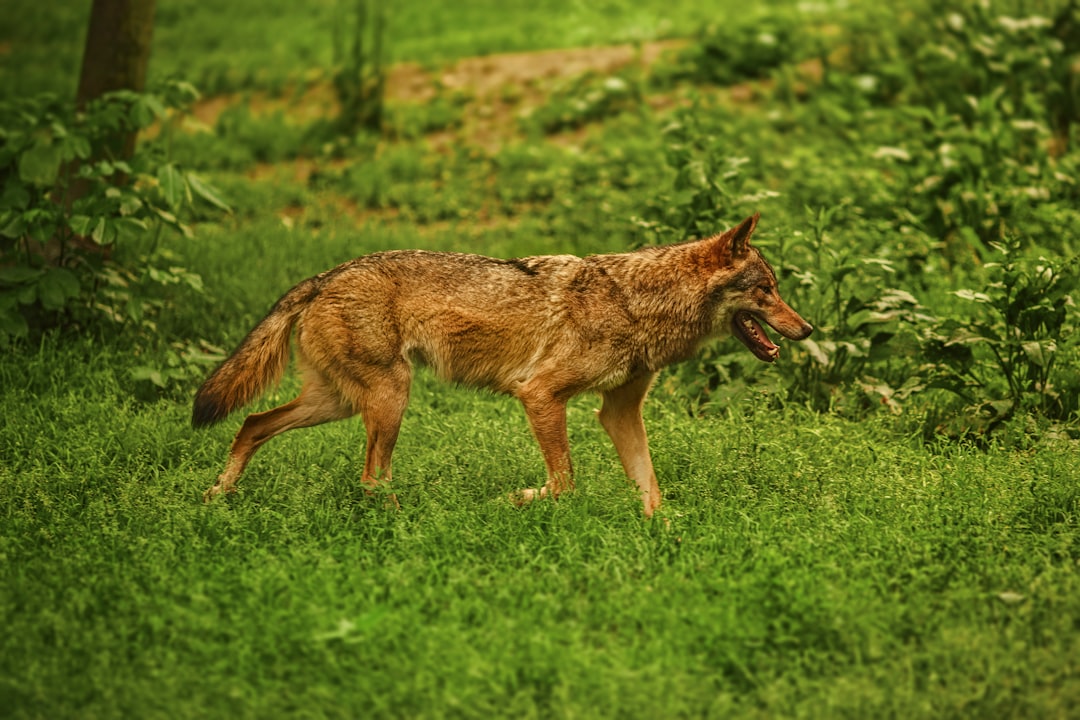
There’s something enchanting about the wild creatures that roam our planet, each with their own unique traits and behaviors. Coyotes and hyenas, two fascinating members of the animal kingdom, are often misunderstood and confused for one another. However, despite their similar appearances, these animals are as different as night and day. From their social structures to their hunting techniques, coyotes and hyenas have evolved in strikingly different ways to survive in their respective habitats. While one thrives in the open landscapes of North America, the other dominates the savannas of Africa with its powerful bite and complex clan dynamics. In this article, we will delve into the intriguing differences that set these wild canines and carnivores apart.
Geographical Distribution
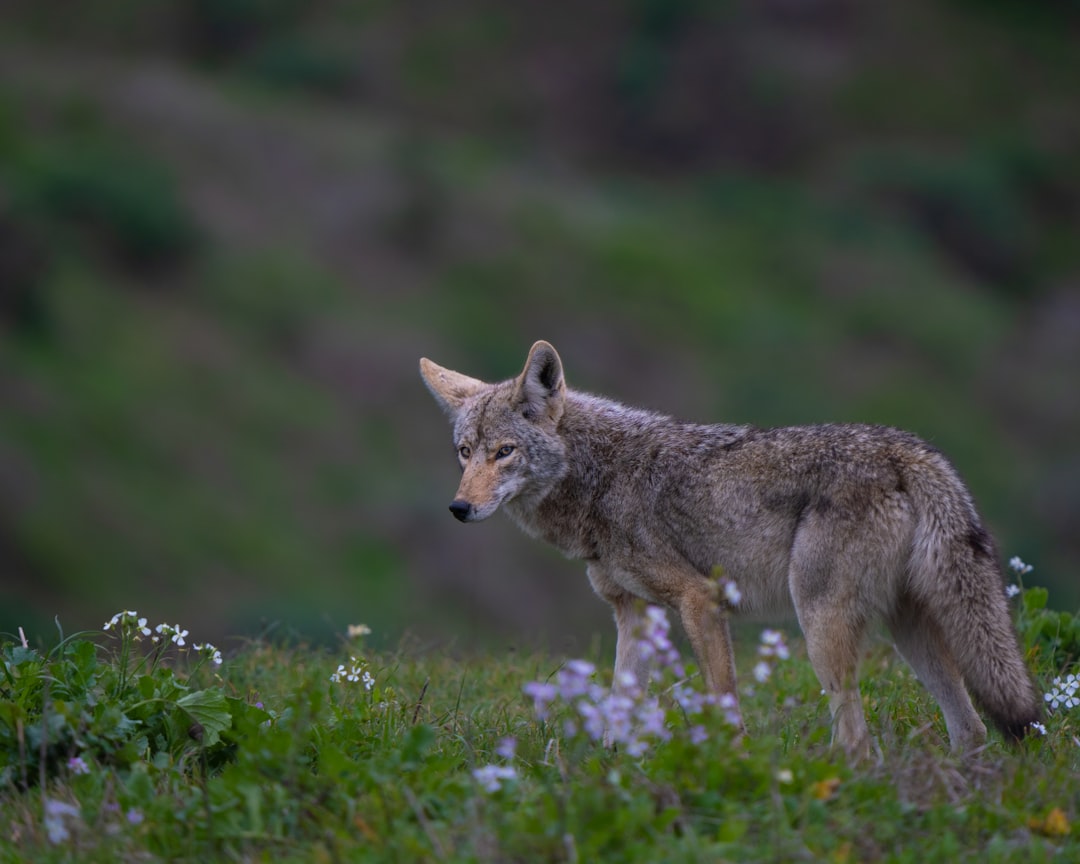
One of the most significant differences between coyotes and hyenas is their geographical distribution. Coyotes are native to North America, wandering freely across the United States, Canada, and Mexico. They thrive in a variety of environments, from deserts to forests, showcasing their adaptability. Hyenas, on the other hand, call Africa and parts of Asia home. The African savannas and grasslands are where they commonly roam, making them truly creatures of the Eastern Hemisphere. This geographical divide gives each animal a distinct ecological niche, shaping their behavior and survival strategies.
Family Relations
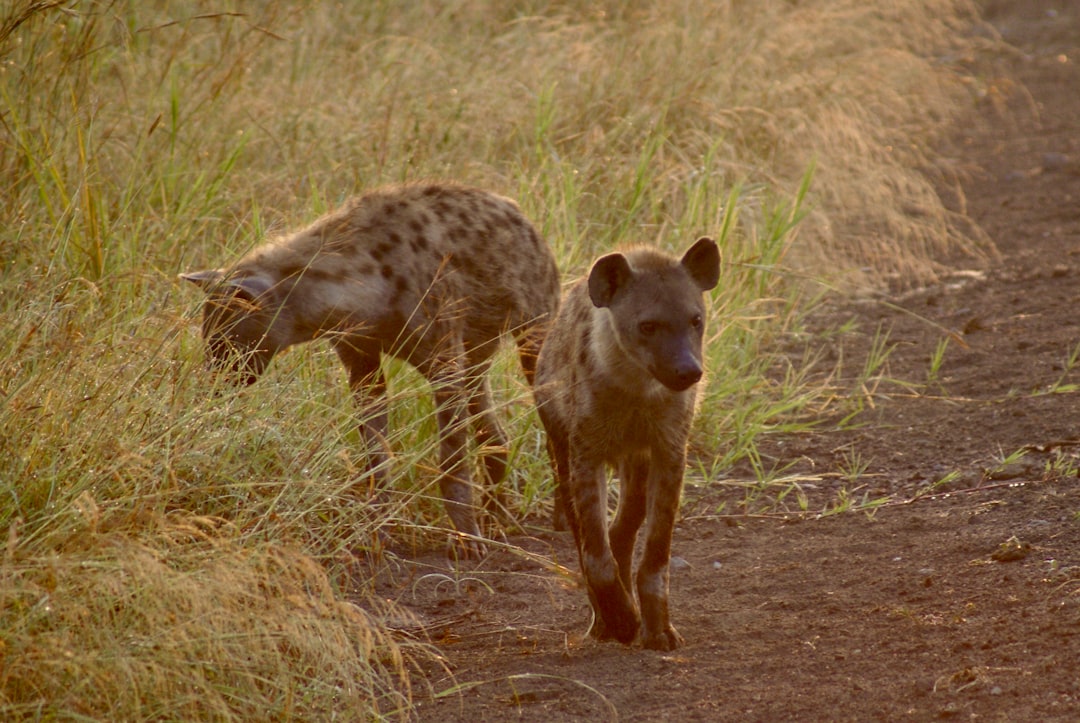
A fascinating difference lies in their family relations. Coyotes belong to the Canidae family, which includes wolves, foxes, and domestic dogs. This family is known for its social structures and pack behaviors. Hyenas, contrary to popular belief, are not part of the Canidae family. They belong to the Hyaenidae family, which is more closely related to cats. This unexpected relation to felines often surprises those who assume hyenas are simply another type of wild dog.
Social Structures
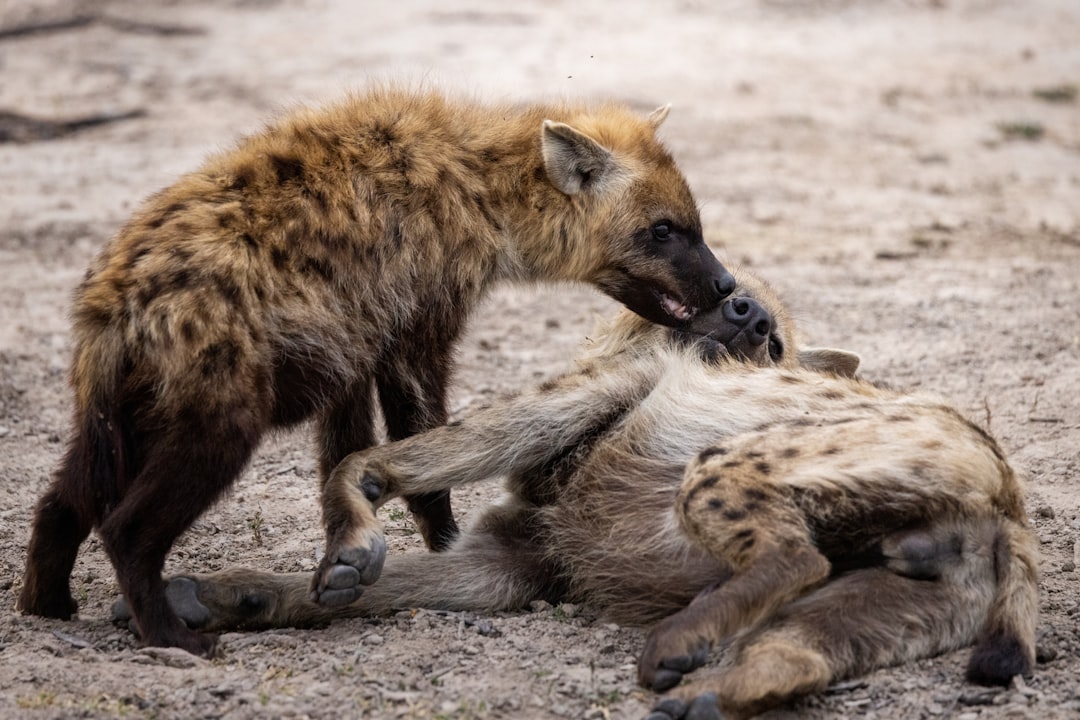
The social structures of these animals highlight their distinct lifestyles. Coyotes are known for their adaptable social behavior. They can live solitarily or form small family units called packs. This flexibility allows them to thrive in various environments. Hyenas, however, are highly social creatures. They live in large groups called clans, which can consist of up to 80 individuals. Within these clans, there is a strict hierarchy dominated by females, a rarity in the animal kingdom. This matriarchal structure gives hyenas a unique social organization compared to the more egalitarian coyotes.
Physical Appearance
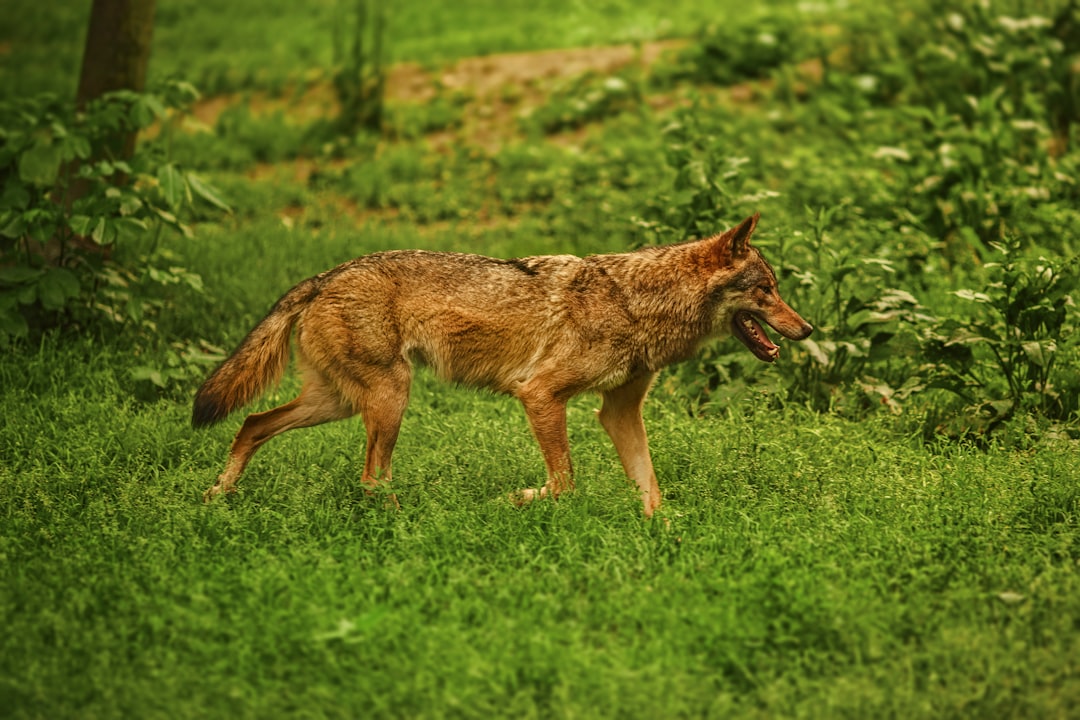
At first glance, coyotes and hyenas might seem similar, but a closer look reveals notable differences in their physical appearance. Coyotes are generally smaller, with a slender build and pointed ears. Their fur is typically a mix of gray, brown, and reddish hues. Hyenas, in contrast, possess a stocky frame and a distinctive sloping back. Their large, rounded ears and robust jaws give them a more intimidating appearance. The spotted coat of the spotted hyena is particularly recognizable, setting them apart from their coyote counterparts.
Vocalizations
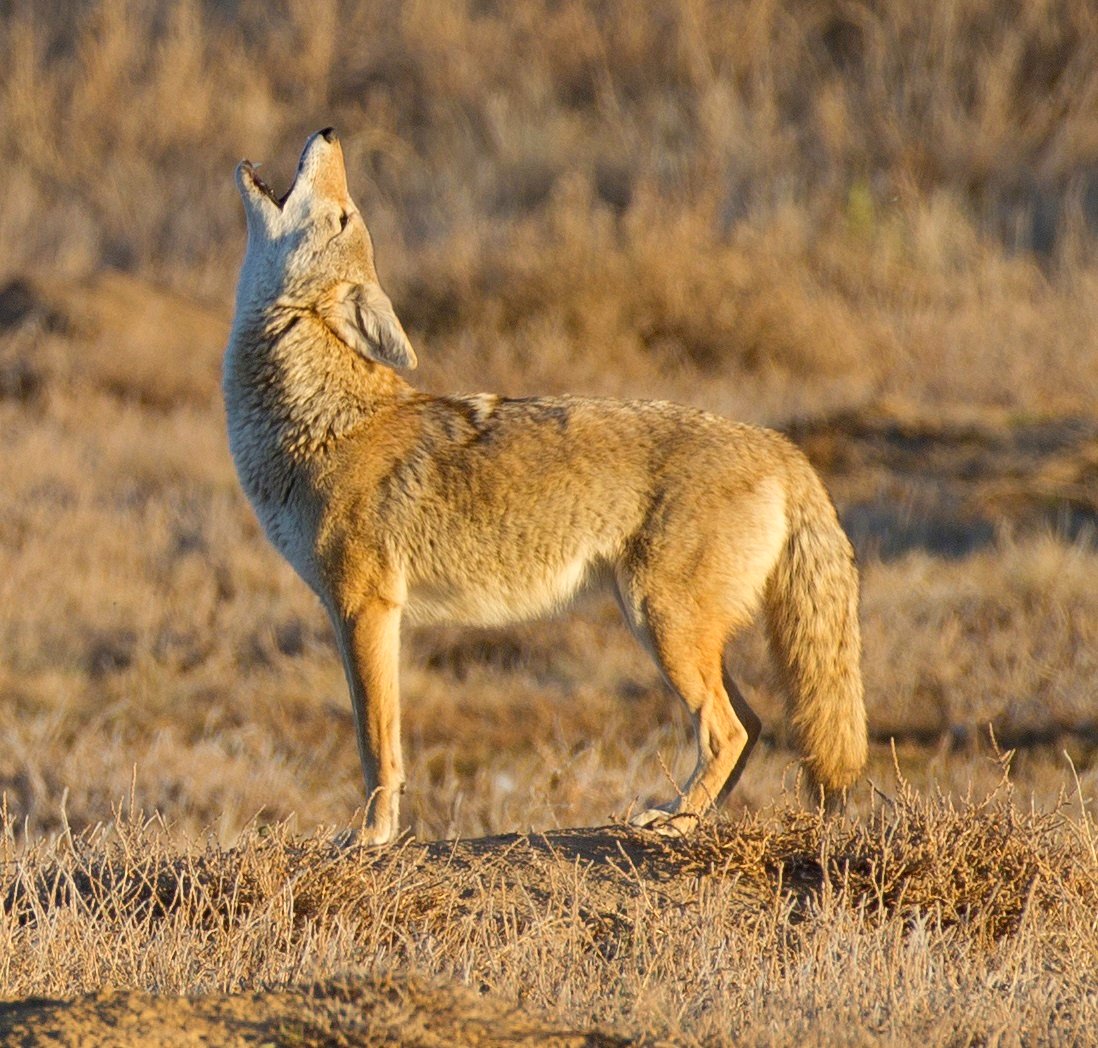
Both animals are known for their vocalizations, but their sounds are as different as their habitats. Coyotes are famous for their eerie howls, which they use to communicate with other coyotes over long distances. Their repertoire includes yips and barks, creating a symphony that echoes through the night. Hyenas, on the other hand, are known for their iconic “laugh.” This laughter is actually a series of high-pitched giggles and is often a sign of excitement or social interaction. While both animals are vocal, their sounds serve different purposes in their respective environments.
Dietary Habits
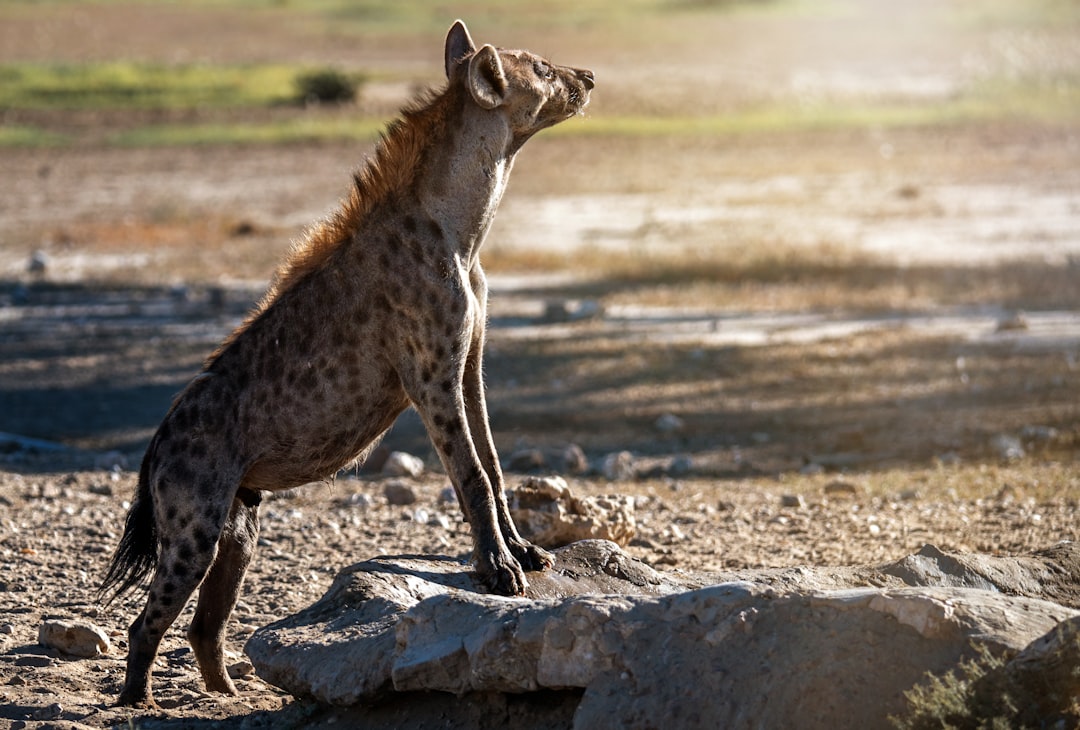
Diet plays a crucial role in distinguishing these animals. Coyotes are opportunistic feeders with a diverse diet. They eat everything from small mammals and birds to fruits and insects. Their adaptability allows them to survive in various landscapes. Hyenas, however, are primarily scavengers. They are famous for their powerful jaws, capable of crushing bone, allowing them to consume carcasses left by other predators. Although they do hunt, their scavenging behavior is what truly sets them apart in the animal kingdom.
Hunting Techniques
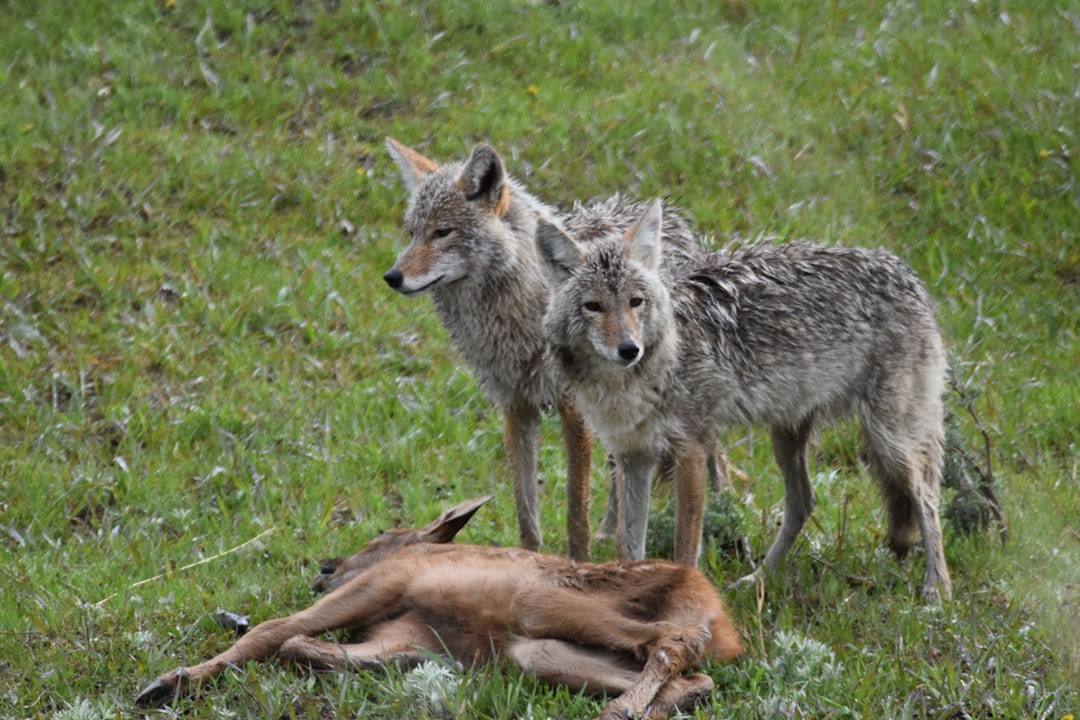
When it comes to hunting, coyotes and hyenas show different strategies. Coyotes are agile hunters, often working in pairs or small groups to track and capture prey. Their hunting often involves stealth and surprise. Hyenas, while capable hunters, often rely on their endurance. They can run for long distances to tire out prey, a technique that capitalizes on their stamina. This difference in hunting style highlights the adaptability of coyotes and the resilience of hyenas.
Reproductive Behavior
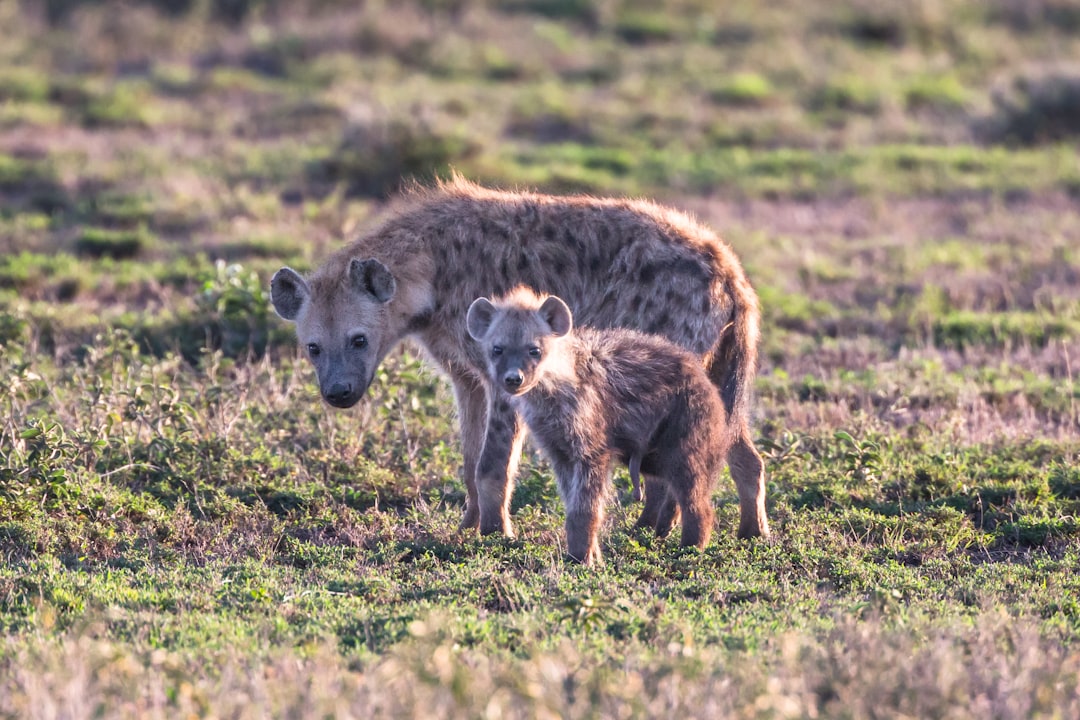
Reproductive behavior is another area where these animals diverge. Coyotes typically form monogamous pairs, with both parents involved in raising their young. This cooperative parenting ensures the survival of their offspring. In contrast, hyenas have a more complex reproductive strategy. Female hyenas are dominant and often larger than males. They give birth in communal dens, where cubs are raised collectively by the clan. This communal approach reflects their highly social nature.
Interaction with Humans
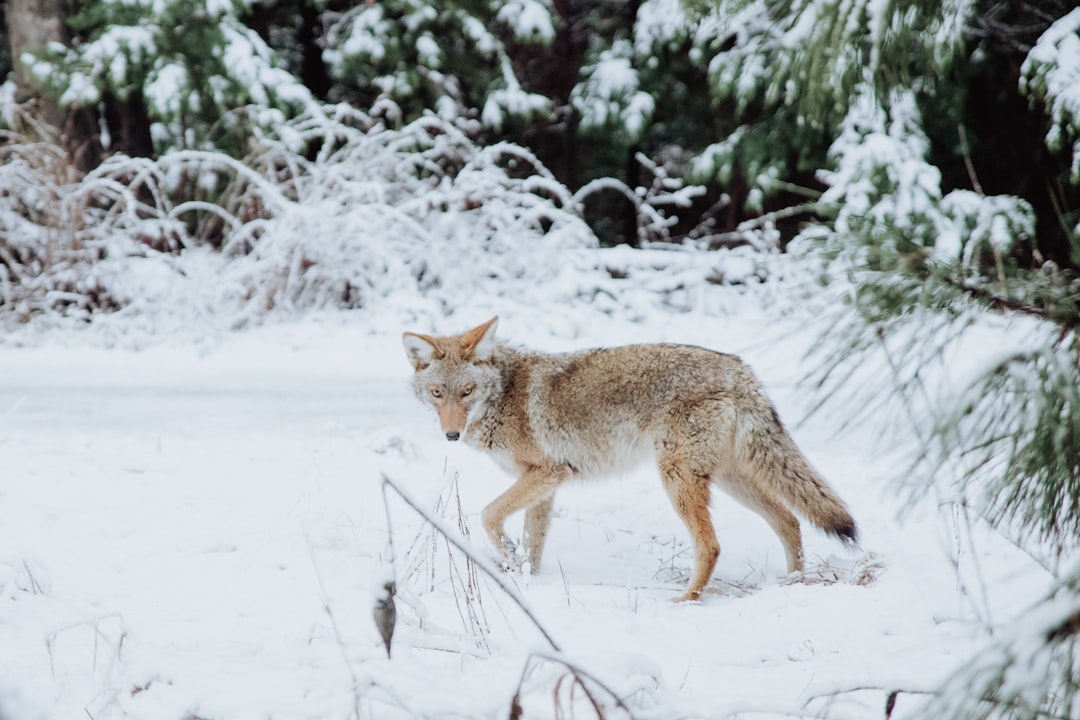
Interactions with humans vary greatly between coyotes and hyenas. In North America, coyotes are often seen as nuisances, as they have adapted to urban environments and sometimes prey on livestock. This adaptability has led to conflicts with humans. Hyenas, while less commonly encountered by humans, have a complex relationship with local communities in Africa. They are often respected for their role in cleaning up carcasses but can also be feared due to their intimidating presence.
Conservation Status
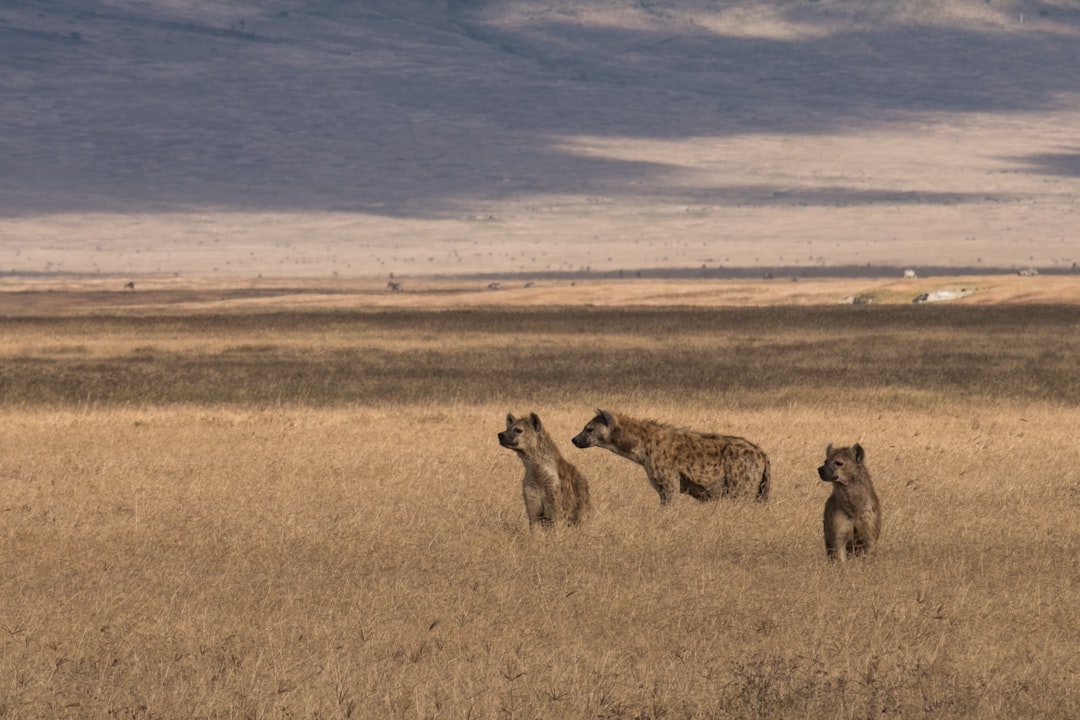
Conservation status highlights the challenges both species face. Coyotes are currently not considered threatened and have a stable population. Their adaptability has allowed them to thrive despite human encroachment on their habitats. Hyenas, however, face more significant threats. Habitat loss, hunting, and human-wildlife conflict have impacted their numbers. The spotted hyena, in particular, is listed as near threatened, emphasizing the need for conservation efforts to protect these fascinating creatures.
In conclusion, while coyotes and hyenas may share some superficial similarities, they are two distinct species with their own unique characteristics. From their geographical distribution to their social structures and dietary habits, these animals offer a glimpse into the diverse and wondrous world of wildlife. By understanding these differences, we can better appreciate the roles each plays in their respective ecosystems and the challenges they face in an ever-changing world.


