
At What Age Should You Take a New Born Pup Away From Its Mother?
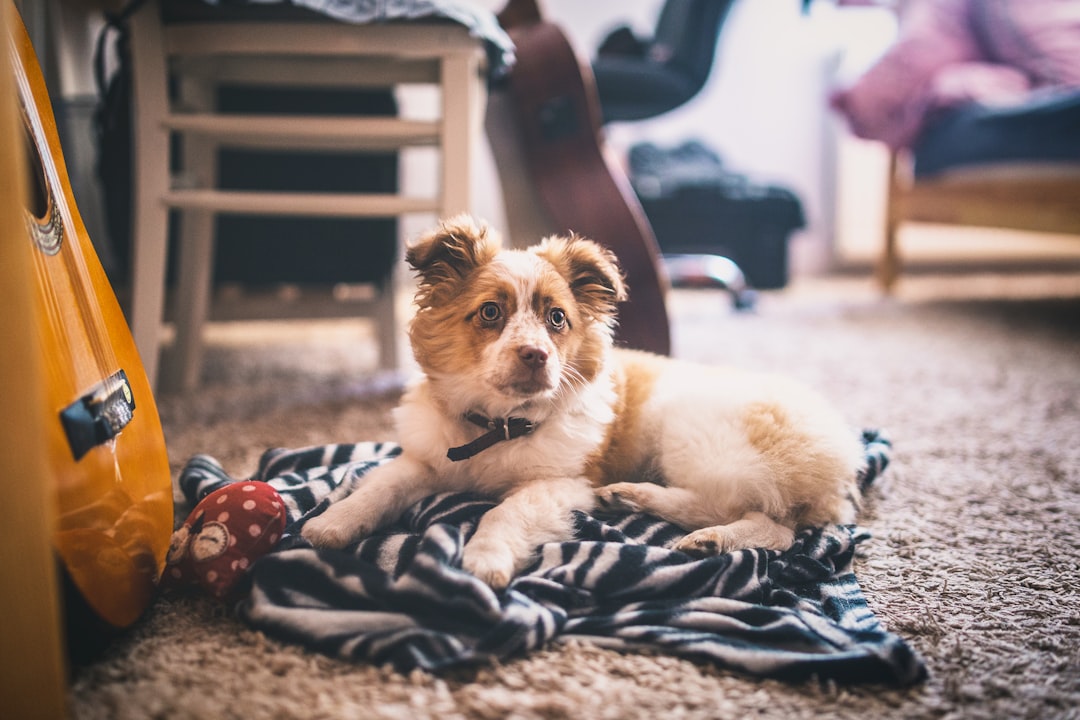
Bringing a new puppy into your home is an exciting and heartwarming experience. Yet, as much as we may be eager to welcome these bundles of joy, it’s important to understand the right timing for separating a newborn pup from its mother. This decision isn’t just about convenience; it’s crucial for the pup’s health and development. In this article, we’ll explore the factors that determine when it’s appropriate to take a puppy away from its mother and how this timing can affect their future well-being.
The First Few Weeks: Crucial for Development

In the early weeks of a puppy’s life, the bond with its mother is more than just emotional—it’s essential for survival. The first three weeks are critical as puppies rely on their mother’s milk for nutrition. This milk, known as colostrum, is rich in antibodies that help build the puppy’s immune system. During this time, the mother also teaches her pups basic behaviors, ensuring they learn how to interact with their environment. Removing a puppy too early can lead to nutritional deficiencies and hinder social development.
Understanding the Weaning Process
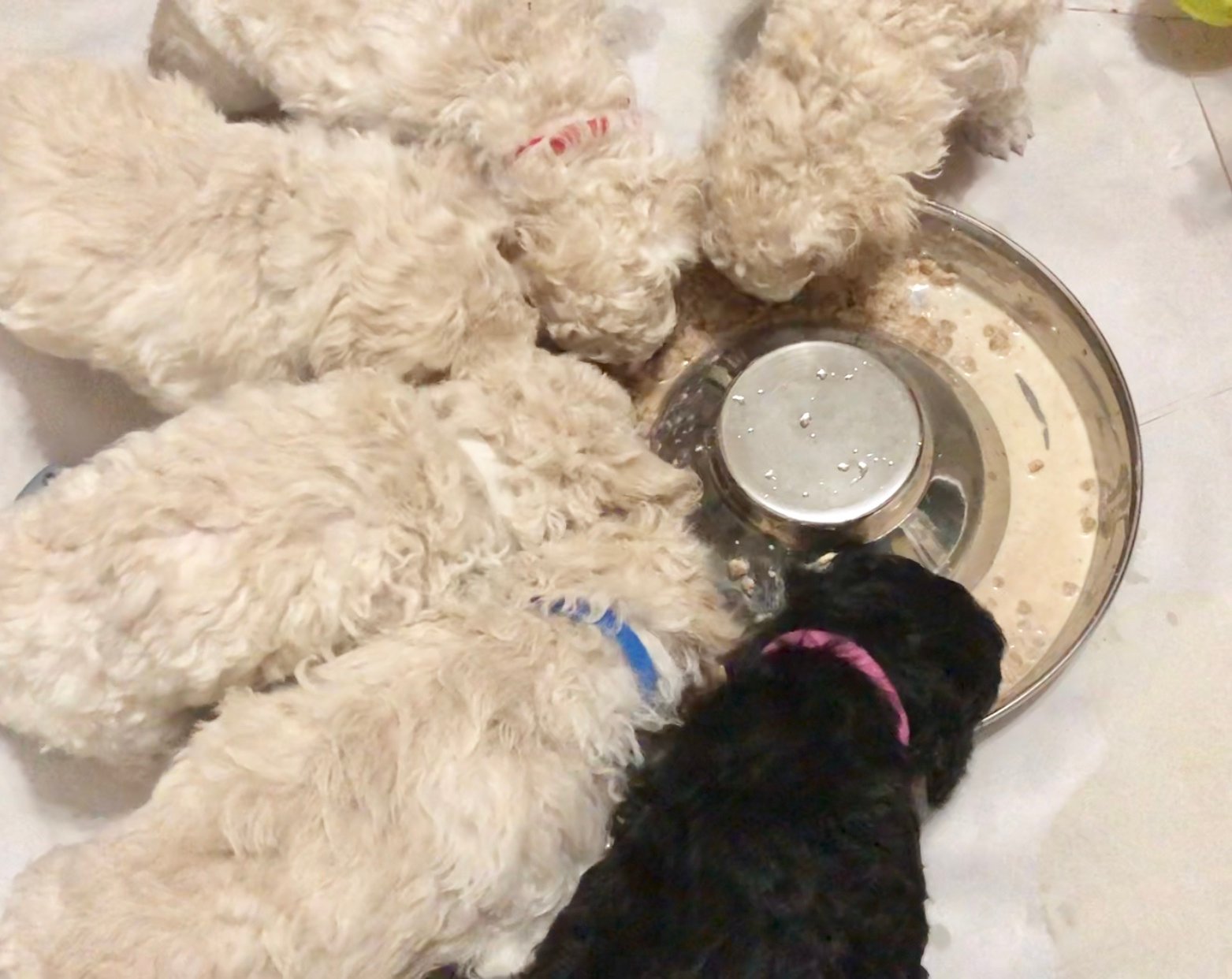
Weaning is a gradual process where puppies transition from mother’s milk to solid food. This usually starts around the fourth week and can last until the sixth or eighth week. During weaning, it’s essential for puppies to still have access to their mother’s milk, as it remains a vital source of nutrients. Puppies learn to eat solid food by mimicking their mother and siblings. Premature separation can disrupt this natural learning process, causing stress and confusion.
The Ideal Age for Separation

While every dog breed and individual pup may vary slightly, most experts agree that the ideal age to separate a puppy from its mother is around eight weeks. By this time, puppies have typically completed the weaning process and are more independent. They have also learned important social skills from their mother and littermates, such as bite inhibition and play behaviors. Waiting until this age ensures that the puppy is physically and emotionally ready for the transition to a new home.
The Role of the Breeder

A responsible breeder plays a crucial role in determining the right time for separation. They monitor the puppies’ growth, health, and socialization, making sure each pup is ready for its next chapter. A good breeder will not only focus on the physical readiness of the puppy but also on their emotional and behavioral development. They provide guidance to new owners, ensuring a smooth transition that minimizes stress for the puppy.
Recognizing Signs of Readiness

Before taking a puppy home, it’s vital to recognize signs that indicate they are ready for separation. A puppy that is eating solid food comfortably, interacting well with littermates, and showing curiosity about their surroundings is often a good candidate for adoption. It’s also important to observe the puppy’s behavior—look for confidence and a playful demeanor. Shy or overly dependent puppies may need more time with their mother.
The Impact of Early Separation

Separating a puppy from its mother too early can have long-lasting effects. Puppies that are removed prematurely may struggle with socialization, leading to behavioral issues such as fear or aggression. They might also have difficulty adapting to new environments and forming bonds with humans. Early separation can also impact a puppy’s health, as they might miss out on important nutrients and antibodies found in their mother’s milk.
Preparing Your Home for a New Puppy
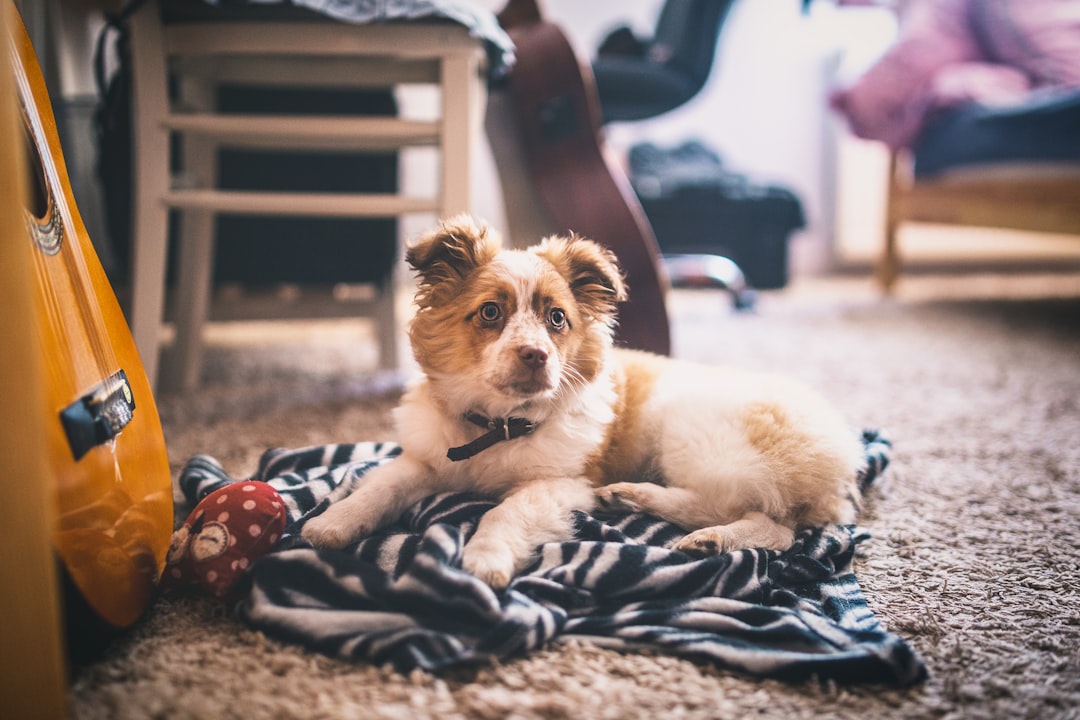
Before bringing a puppy home, it’s crucial to prepare the environment to ensure a smooth transition. Create a safe, comfortable space with all necessary supplies, such as food, water bowls, and toys. Familiarize yourself with the puppy’s routine, and consider setting up a schedule for feeding, playtime, and rest. This preparation helps the puppy feel secure and reduces anxiety as they adjust to their new surroundings.
Supporting the Transition
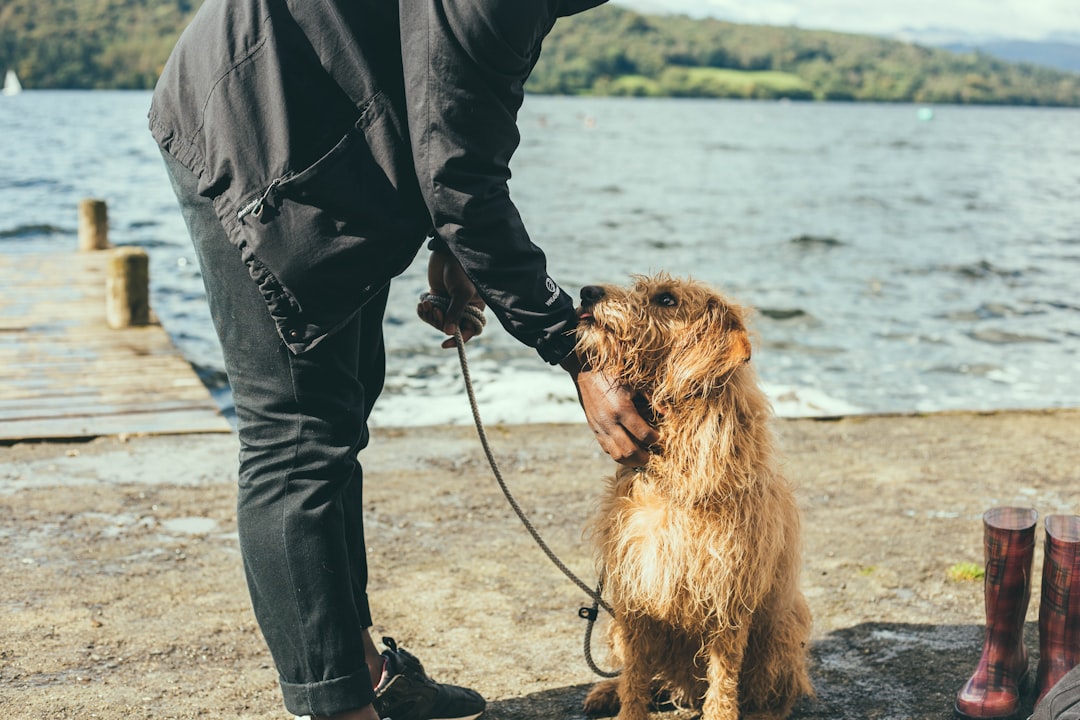
Once the puppy is home, supporting their transition is key to ensuring their happiness and well-being. Spend time bonding with your new furry friend through gentle play and interaction. Establishing a routine helps provide stability, and positive reinforcement encourages desired behaviors. Be patient and understanding as the puppy adapts to their new environment, and don’t hesitate to seek advice from veterinarians or experienced dog owners if needed.
Concluding the journey of a newborn pup from its mother to a new loving home requires patience, understanding, and careful preparation. By respecting the natural development process and timing the separation appropriately, we set the foundation for a healthy, happy, and well-adjusted dog.