
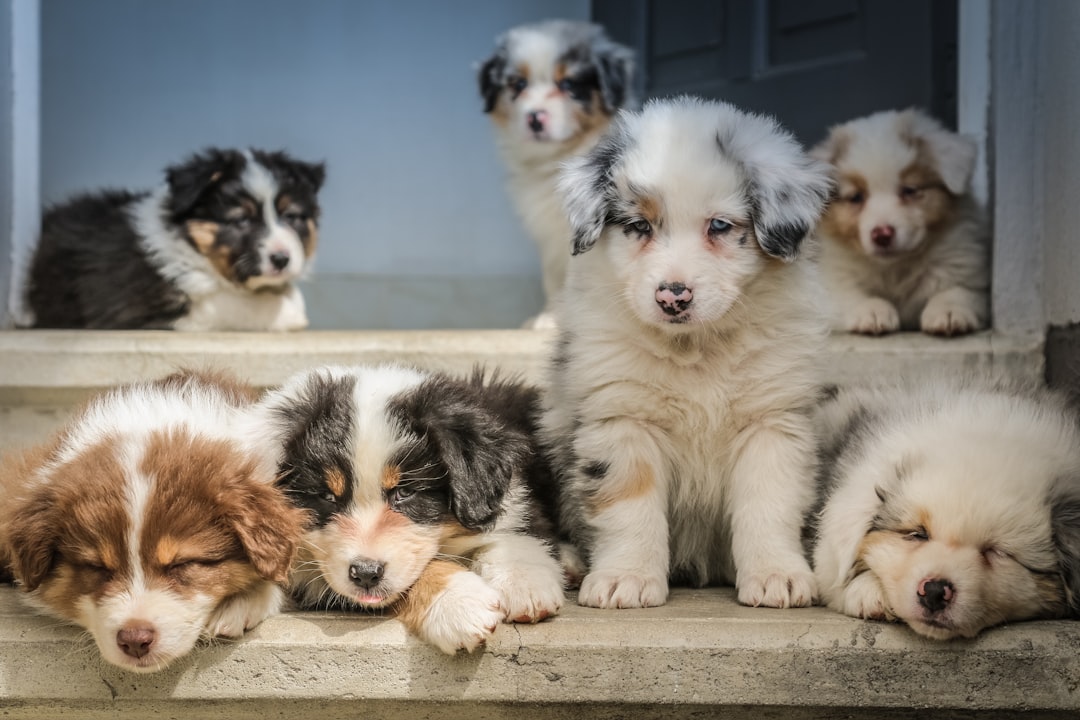
Puppy mills have long been a controversial topic, sparking heated debates among animal lovers, breeders, and advocates. While some see them as cruel, profit-driven operations that prioritize quantity over a dog’s well-being, others argue that not all large-scale breeding facilities are unethical. The reality is, puppy mills vary widely, and understanding the difference between responsible breeding and inhumane mass production is crucial. Many dogs from these facilities suffer from poor health, lack of socialization, and neglect, raising serious concerns about their welfare. Whether you see them as an “evil empire” or a misjudged business, it’s important to dig deeper into the issue and consider the impact of where our furry companions come from.
The Origins of Puppy Mills
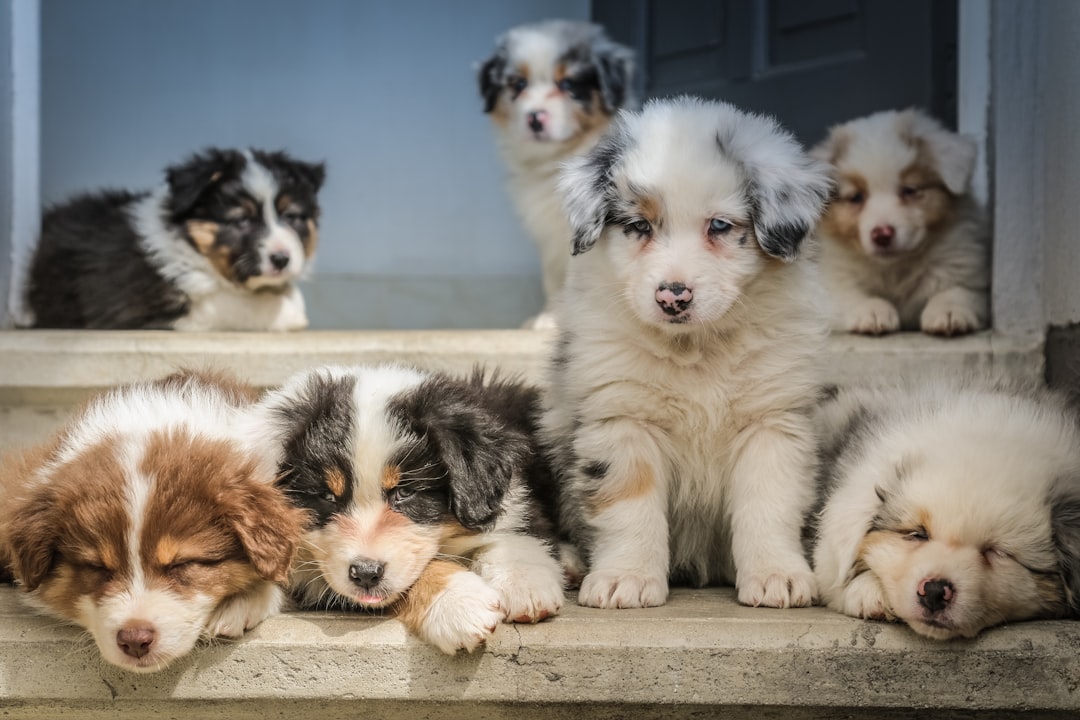
Puppy mills have a history that dates back to post-World War II America. With emerging demand for purebred puppies, many farmers saw an opportunity to diversify their agricultural practices. These operations were initially small-scale, often run by families who genuinely loved animals. However, as demand grew, so did the scale of these businesses. The primary goal shifted from the well-being of the dogs to maximizing profit. This shift in focus marked the beginning of what many now see as the dark side of the puppy industry. But is it fair to label all puppy mills as evil? Or is there more to the story?
Understanding the Business Model
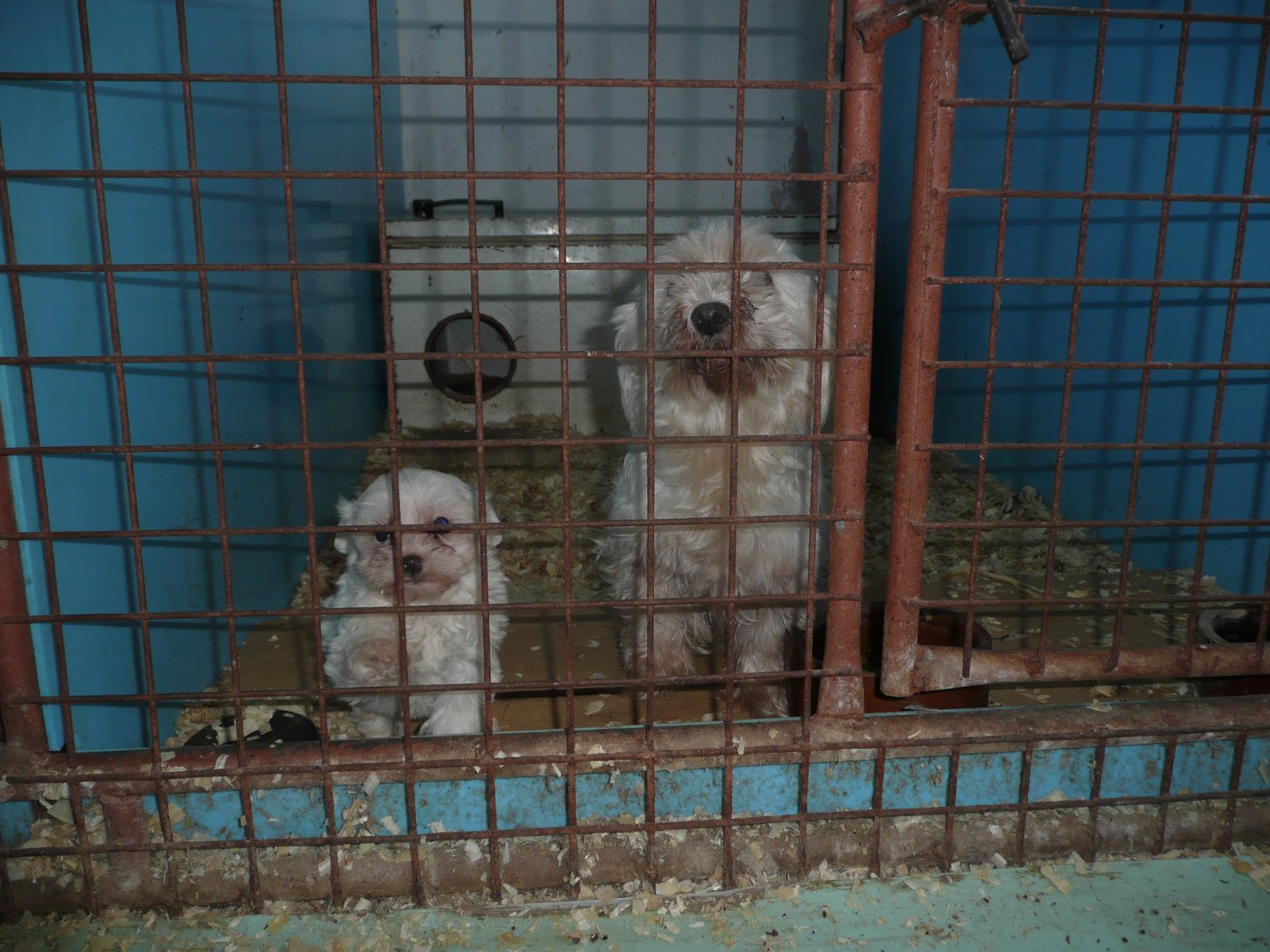
At its core, a puppy mill operates as a business, aiming to produce the maximum number of puppies at the lowest cost. This business model often involves breeding dogs in large numbers without adequate care, space, or socialization. The focus is often on quantity over quality. Many mills operate under the radar, avoiding regulations and oversight. However, not all breeders who produce large numbers of puppies are inherently bad. Some argue that with the right regulations and oversight, large-scale breeding operations can be run ethically. The question remains: where is the balance between business and ethics?
The Living Conditions of Dogs in Puppy Mills

One of the most criticized aspects of puppy mills is the living conditions of the dogs. Dogs are often kept in overcrowded and unsanitary conditions, with little to no access to veterinary care. Many dogs never feel the sun on their fur or the grass under their paws. They are confined to cages, often stacked on top of each other, leading to physical and psychological distress. The focus on profit leaves little room for compassion. Yet, there are breeders who prioritize the well-being of their dogs, ensuring they receive adequate space and care. How can consumers distinguish between the two?
The Impact on Puppies
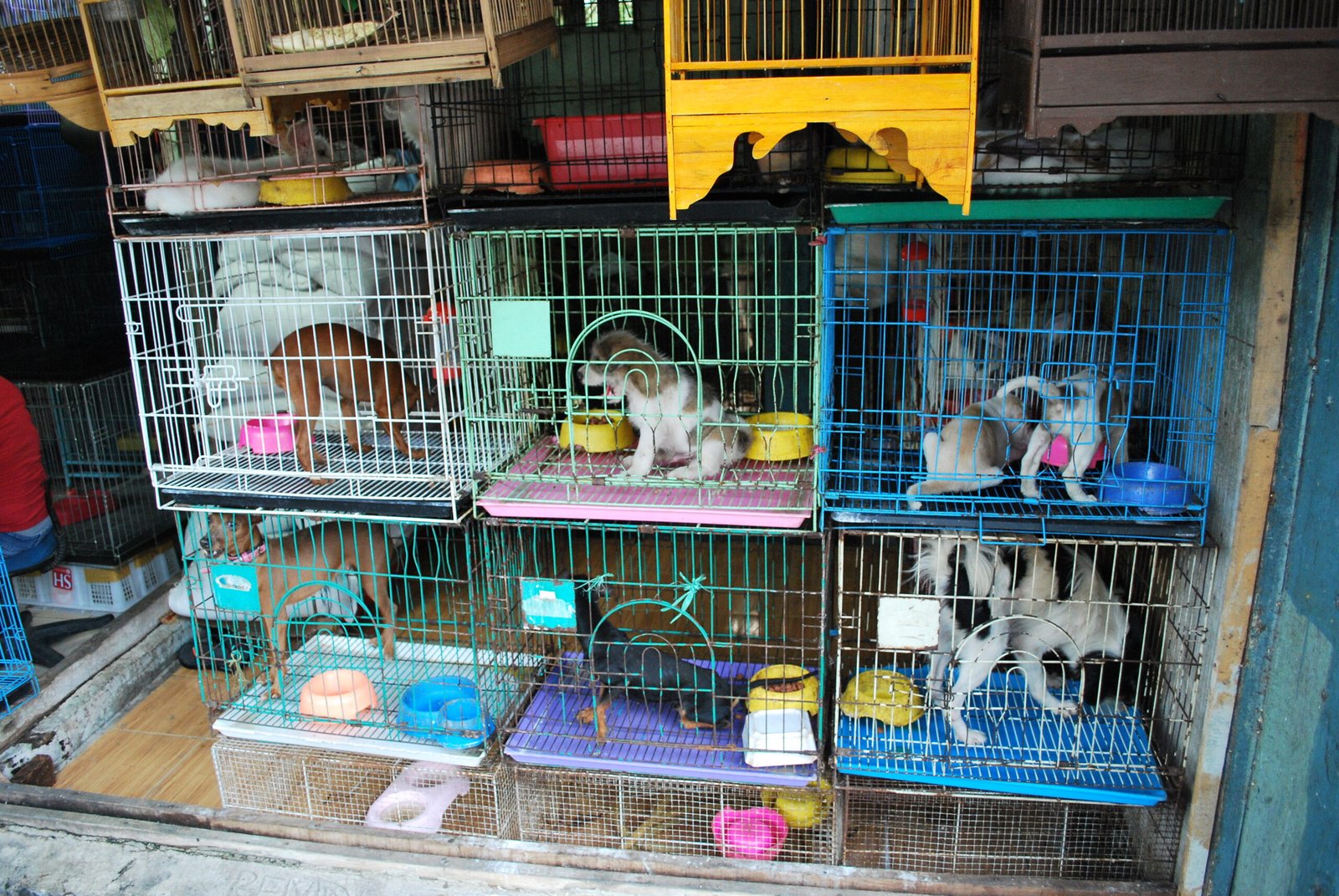
Puppies born in mills often face numerous health challenges. Without proper medical care and nutrition, many suffer from genetic disorders, infections, and behavioral issues. The lack of socialization in their formative weeks can lead to anxiety and aggression. These puppies are often sold to pet stores or directly to consumers, who may be unaware of their origins. The joy of bringing home a new puppy can quickly turn into heartbreak when faced with mounting veterinary bills and behavioral challenges. This raises the question: is the allure of a low-cost puppy worth the potential heartache?
The Role of Legislation
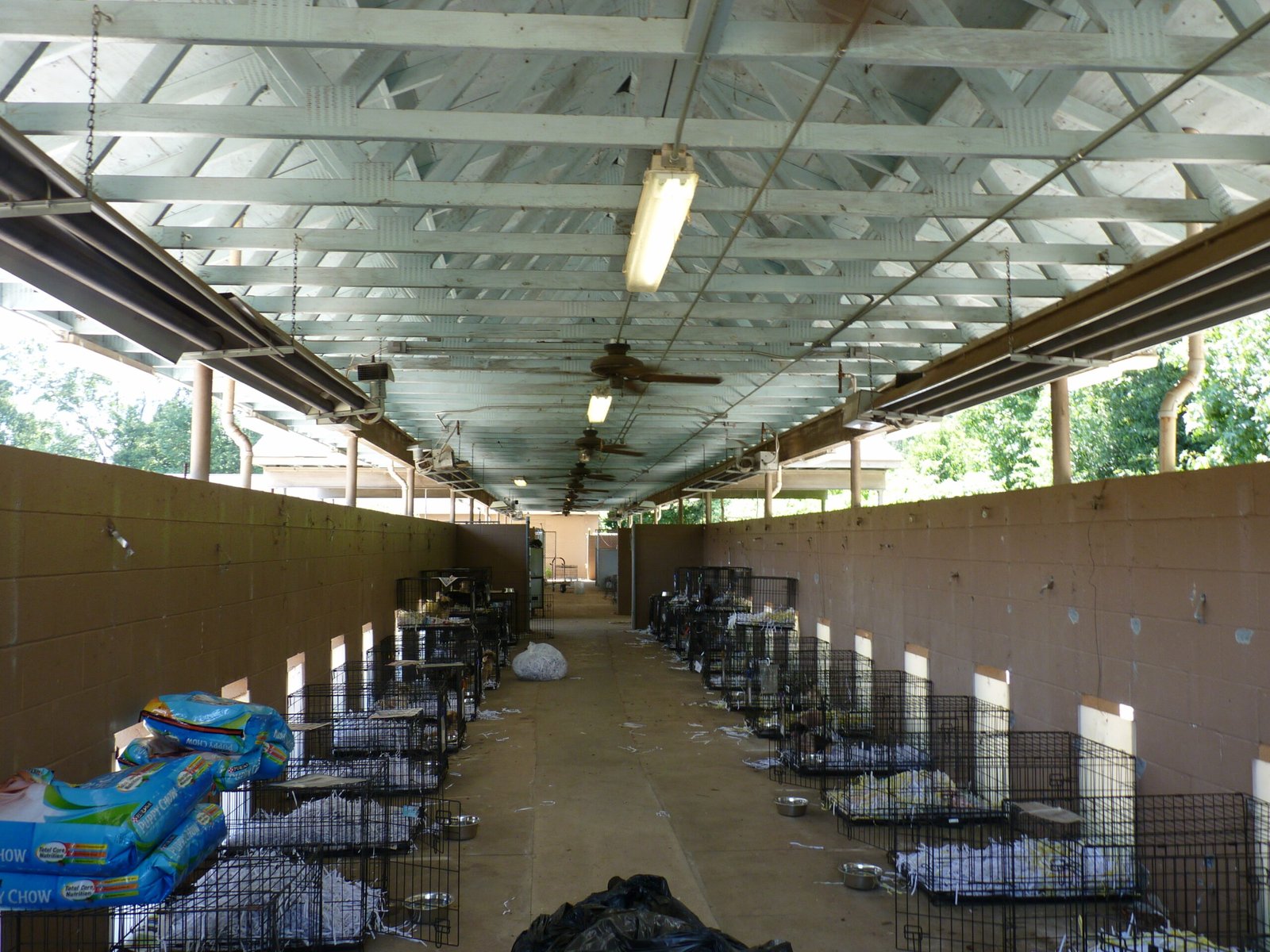
Over the years, various laws and regulations have been introduced to curb the practices of unethical puppy mills. The Animal Welfare Act provides some guidelines, but enforcement is inconsistent. Many states have their own regulations, but loopholes often allow mills to continue operating under the radar. Advocates argue for stricter regulations and more frequent inspections. However, some breeders believe that increased regulations could unfairly target all large-scale breeders, including those who operate ethically. The debate continues: how can legislation effectively protect animals without stifling legitimate businesses?
Consumer Awareness and Responsibility

For many, the idea of owning a purebred puppy is irresistible. However, consumers play a crucial role in perpetuating the cycle of puppy mills. By purchasing puppies from pet stores or online without researching their origins, consumers unknowingly support these operations. Educating potential pet owners about the importance of choosing reputable breeders or adopting from shelters can make a significant difference. The power lies in the hands of consumers to demand better practices and transparency. But are consumers willing to take the extra steps to ensure ethical practices?
The Alternative: Ethical Breeders and Adoption
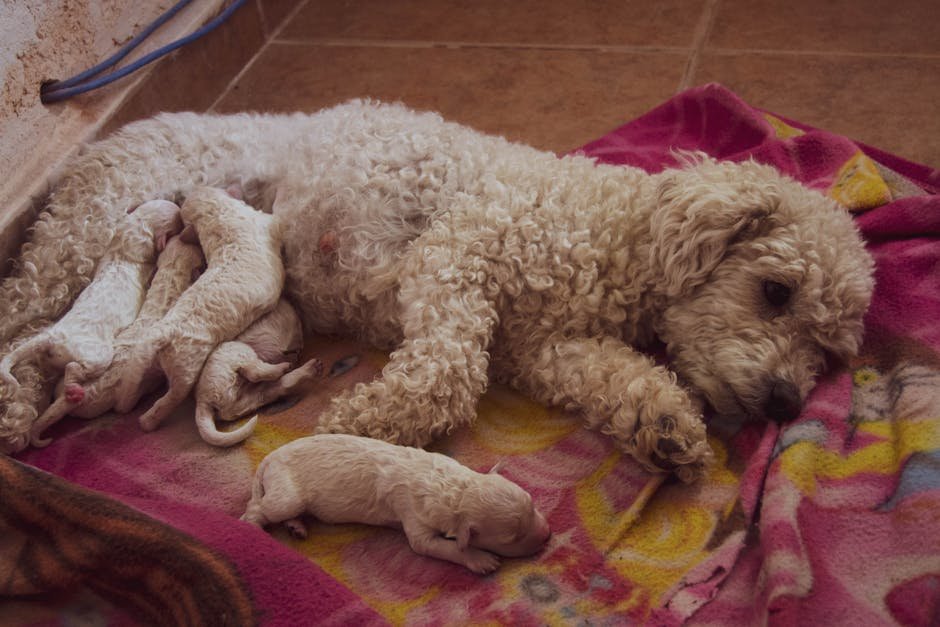
While puppy mills dominate much of the conversation, there are ethical breeders who prioritize the health and well-being of their dogs. These breeders often have fewer litters, ensuring each puppy receives the attention and care it needs. Additionally, animal shelters and rescue organizations offer countless dogs in need of loving homes. Adopting from these organizations not only saves a life but also sends a message against the practices of puppy mills. For those committed to owning a specific breed, finding a reputable breeder is key. But how can one confidently identify an ethical breeder?
The Emotional Toll on Dogs and Owners

The consequences of puppy mills extend beyond physical health. Many dogs experience emotional trauma from their time in mills, leading to lifelong behavioral issues. This emotional baggage can also affect their new owners, who may feel overwhelmed and unprepared for the challenges ahead. The dream of owning a puppy can quickly become a nightmare for those who unwittingly purchase from mills. Understanding the emotional needs of these dogs is crucial for their rehabilitation. But are families equipped to handle the complexities of a puppy mill dog’s past?
Public Perception and Media Influence
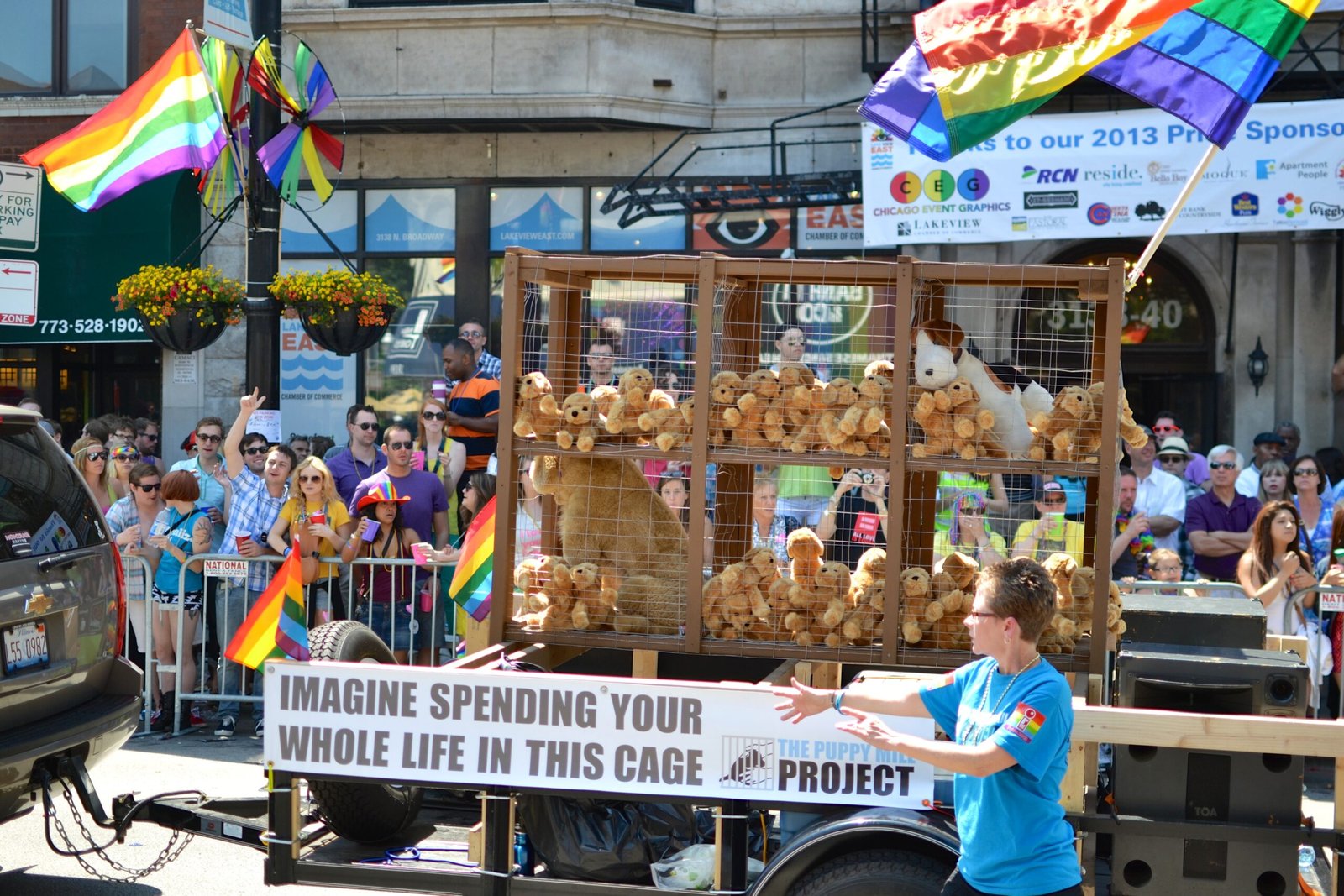
Media plays a significant role in shaping public perception of puppy mills. Heart-wrenching images and stories of neglected dogs often paint a grim picture. While these stories are important, they can sometimes overshadow the efforts of ethical breeders and rescue organizations. It’s essential for the public to have a balanced view, understanding both the challenges and the solutions. Awareness campaigns, documentaries, and educational programs can bridge this gap. But is the media willing to highlight the positive stories alongside the negative?
The Future of Puppy Mills
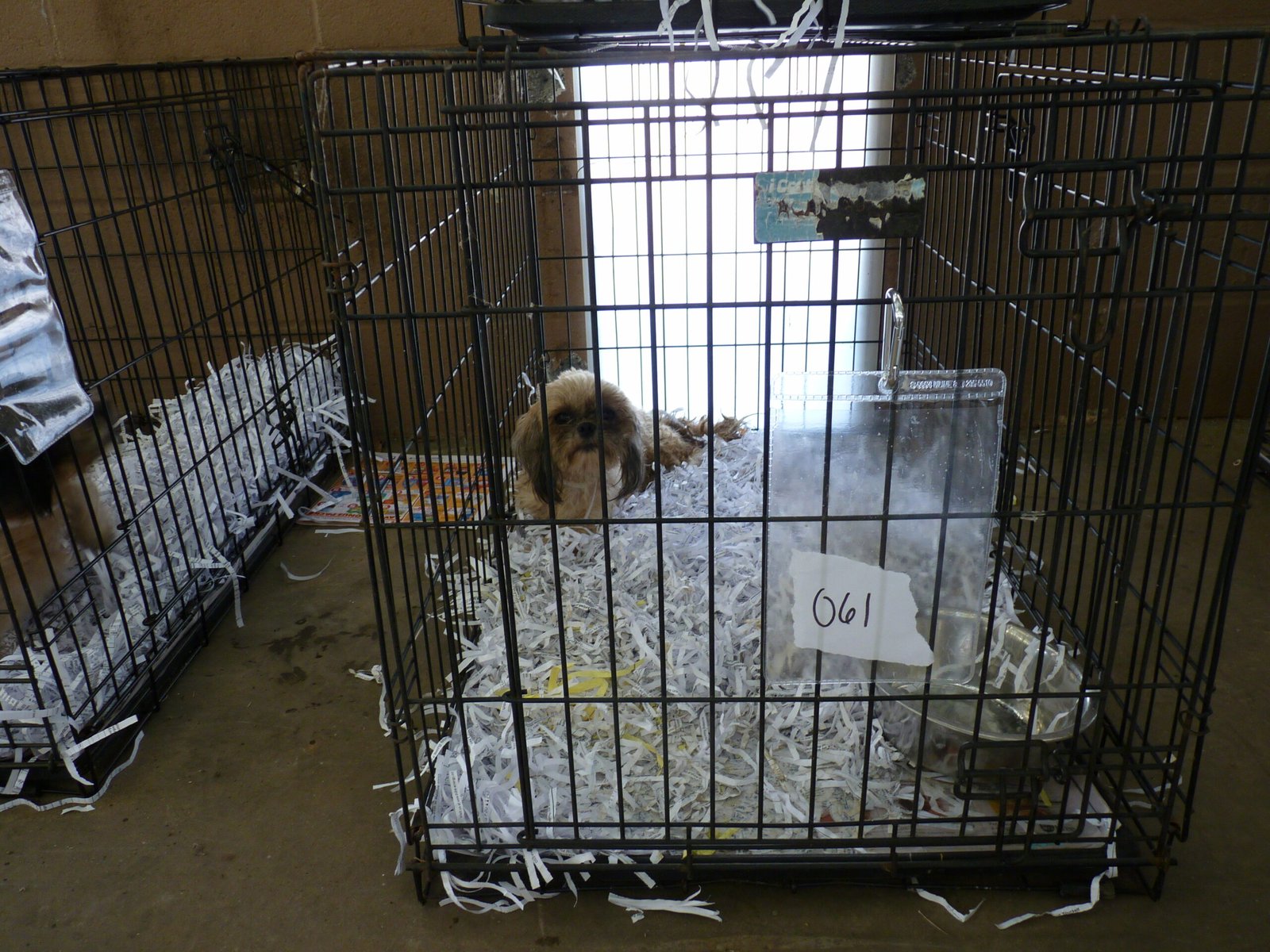
As awareness grows, the future of puppy mills remains uncertain. With increasing advocacy and changing consumer preferences, there’s hope for a shift towards more ethical practices. Many believe that with the right balance of regulation, education, and consumer responsibility, the industry can transform. The path forward is not without challenges, but with collective effort, a brighter future is possible for all dogs. The question is: are we ready to make the necessary changes?
The world of puppy mills is complex, filled with both heartache and hope. Understanding the intricacies of this industry is crucial for making informed decisions. As dog lovers, it’s our responsibility to advocate for the well-being of all dogs, ensuring they receive the love and care they deserve.


