
8 Signs Your Maine Coon Cat is Showing Signs of Anxiety
Owning a Maine Coon cat can be an absolute delight due to their sociable and affectionate nature. However, just like humans, cats can experience anxiety, and it’s important for pet owners to recognize the signs. Anxiety in cats can manifest in various ways, and understanding these signs can help you provide the best care for your feline friend. In this article, we’ll explore eight signs that your Maine Coon cat might be experiencing anxiety, ensuring you can take the necessary steps to keep them happy and healthy.
Excessive Grooming
One of the most visible signs of anxiety in Maine Coon cats is excessive grooming. While grooming is a normal behavior for cats, over-grooming can be a red flag. If your Maine Coon is licking or biting its fur to the point of creating bald patches, it might be using grooming as a coping mechanism for stress. This behavior is similar to a human biting their nails when they’re nervous. It’s important to monitor the frequency and intensity of your cat’s grooming habits.
Excessive grooming can lead to skin irritation or infections, which can further exacerbate your cat’s anxiety. If you notice this behavior, try to identify any recent changes in your cat’s environment that could be causing stress. It might be a new pet, a change in routine, or even loud noises. Addressing the root cause can help alleviate your Maine Coon’s anxiety and reduce the need for excessive grooming.
Hiding More Than Usual
Maine Coons are known for their sociable and friendly nature, so if your cat starts hiding more than usual, it could be a sign of anxiety. Cats often retreat to quiet and secluded spots when they are stressed or anxious, seeking solace away from perceived threats. It’s like a person needing some alone time to process overwhelming emotions.
If your Maine Coon is spending more time under the bed or in a closet, it might be feeling insecure or scared. Consider any changes in your home environment that could be contributing to this behavior. New furniture, a move, or even a new family member can disrupt their sense of security. Providing a safe and quiet space for your cat to retreat to can help them feel more at ease.
Decrease in Appetite
A noticeable decrease in appetite is another sign that your Maine Coon might be experiencing anxiety. Cats are creatures of habit, and any change in their eating habits should not be overlooked. If your usually food-loving feline suddenly shows disinterest in meals, it could be feeling stressed.
Anxiety can affect a cat’s digestive system, making them less inclined to eat. It’s similar to how some people lose their appetite when they’re anxious. Ensure your Maine Coon has access to its favorite foods and a quiet dining area away from disturbances. If the loss of appetite persists, it’s advisable to consult a veterinarian to rule out any underlying health issues.
Excessive Vocalizations
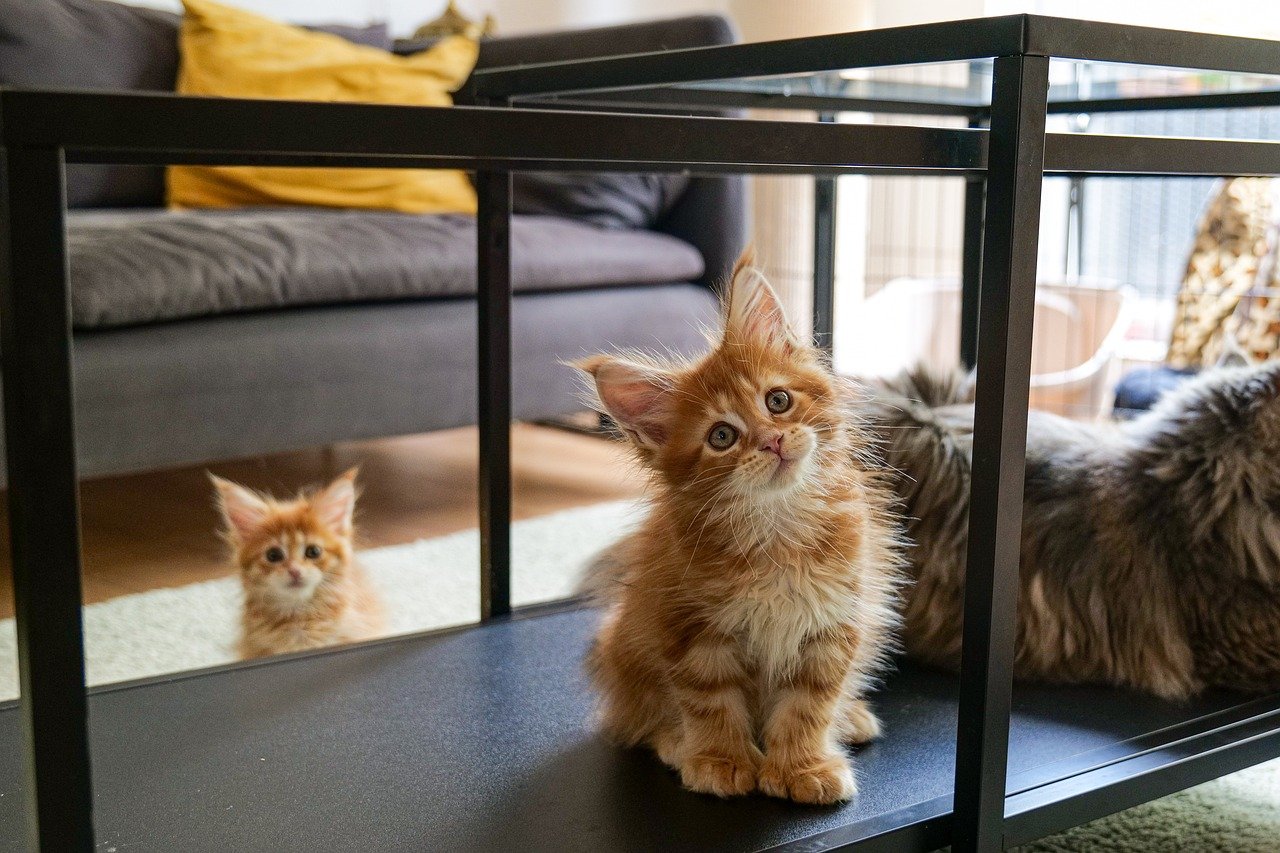
Maine Coons are known for their chatty nature, but if your cat’s vocalizations become excessive or out of the ordinary, it might be trying to tell you something. Constant meowing, yowling, or crying can be a sign of anxiety. It’s as if your cat is attempting to communicate its discomfort or seek reassurance from you.
Pay attention to when and where these vocalizations occur. Are they happening during certain times of the day or in specific situations? Understanding the triggers can help you address the underlying cause of your cat’s anxiety. Providing comfort, attention, and reassurance can help reduce their need to vocalize excessively.
Changes in Litter Box Habits
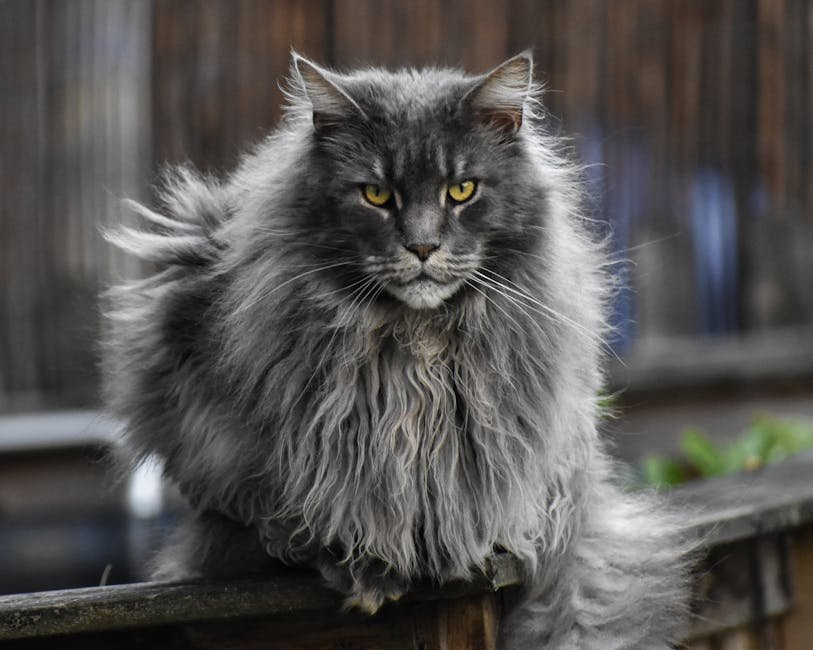
Sudden changes in litter box habits are often a clear indicator of anxiety in Maine Coons. If your cat starts urinating or defecating outside of its litter box, it could be experiencing stress. This behavior is not only frustrating for pet owners but also concerning for the well-being of the cat.
Anxiety can cause a cat to feel insecure about using its litter box, especially if it’s located in a high-traffic or noisy area. Make sure the litter box is clean, accessible, and located in a quiet spot. If the problem persists, consider consulting a veterinarian to rule out any medical issues that might be contributing to the behavior.
Restlessness and Hyperactivity
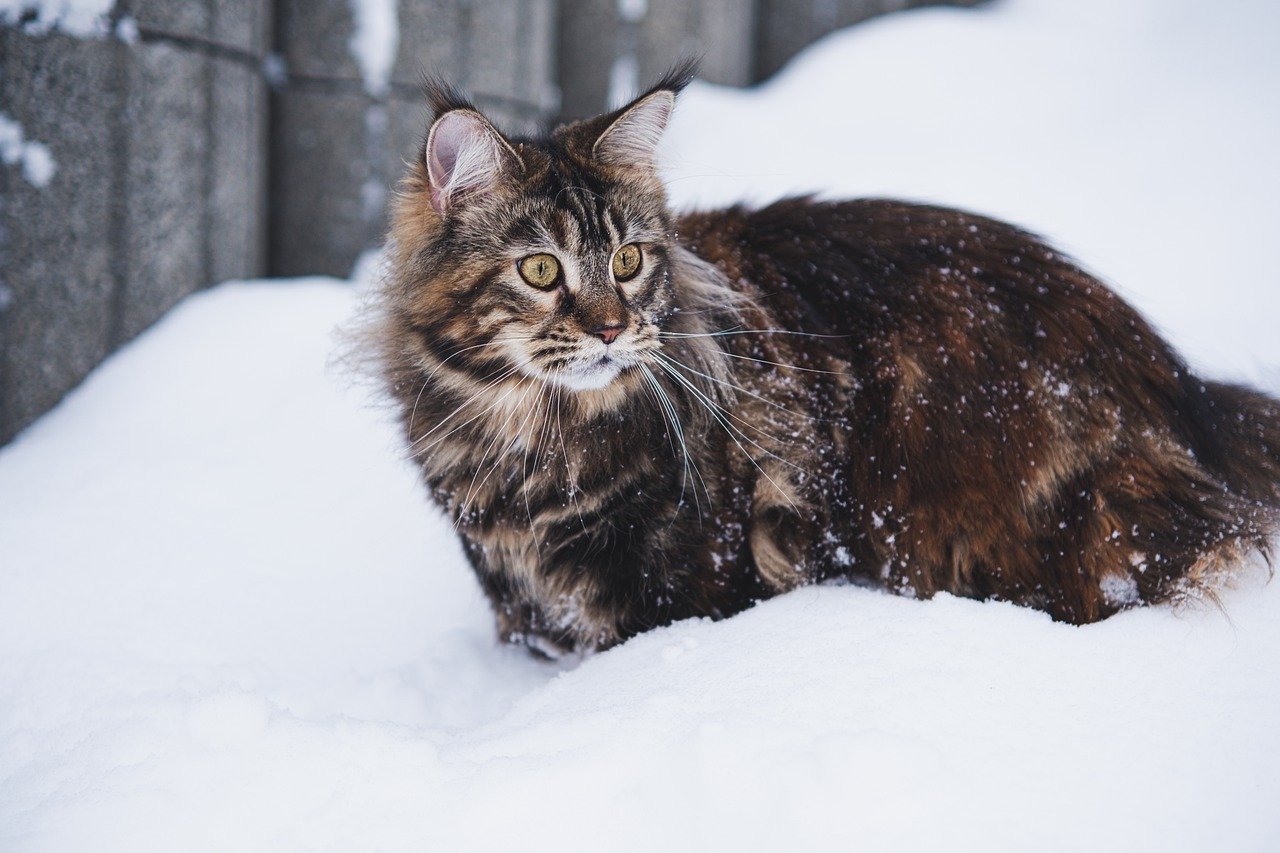
Anxiety can manifest as restlessness or hyperactivity in Maine Coon cats. If your usually calm and composed feline starts pacing, running around more than usual, or displaying erratic behavior, it might be experiencing anxiety. Imagine feeling jittery or unable to sit still when you’re anxious; cats can feel the same way.
Providing mental and physical stimulation can help alleviate restlessness. Interactive toys, puzzle feeders, and playtime can help channel your cat’s energy positively. Additionally, establishing a routine can help provide a sense of security and predictability for your Maine Coon.
Aggression Towards People or Other Pets
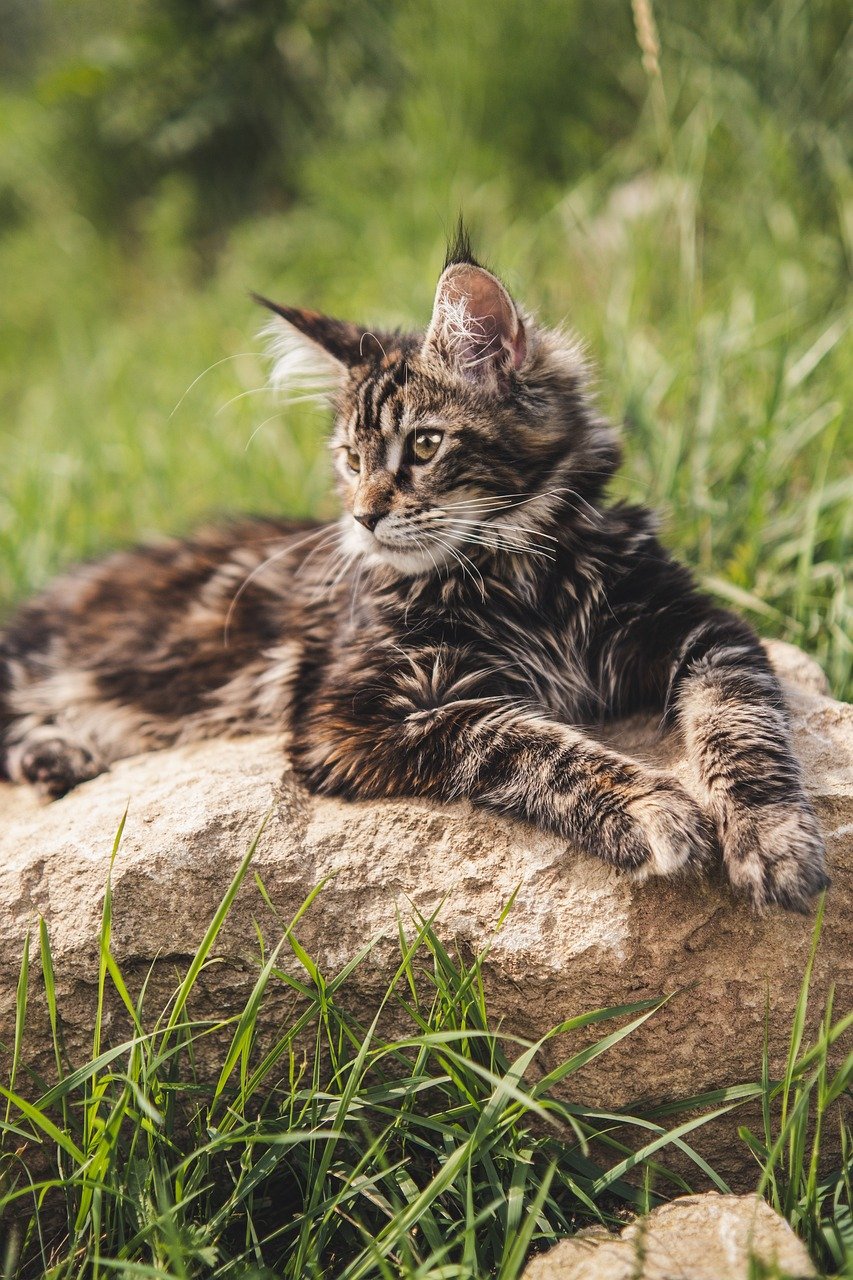
Anxiety can sometimes cause Maine Coons to become aggressive towards people or other pets. If your cat is hissing, swatting, or biting more frequently, it could be feeling stressed or threatened. This behavior is akin to a person lashing out when they’re overwhelmed or anxious.
Understanding the triggers for aggression is crucial in addressing your cat’s anxiety. It might be a specific person, animal, or situation causing stress. Providing a safe and calm environment and using positive reinforcement can help reduce aggressive behavior and build trust with your cat.
Changes in Sleeping Patterns
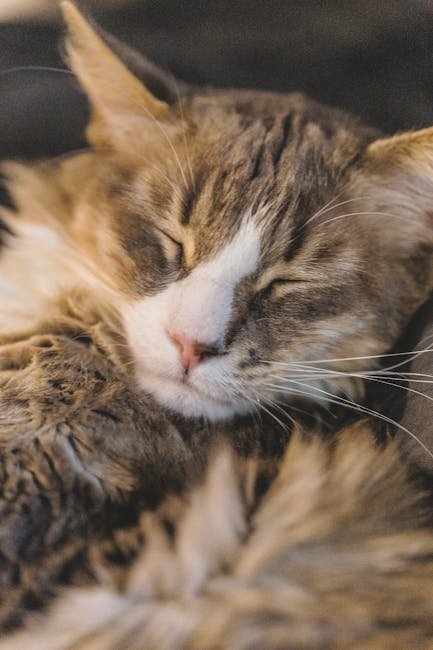
Maine Coons love to lounge and nap, but noticeable changes in their sleeping patterns can be a sign of anxiety. If your cat is sleeping more than usual or experiencing difficulty settling down, it could be feeling stressed. Anxiety can disrupt a cat’s sleep cycle, much like how stress affects human sleep patterns.
Ensure your Maine Coon has a comfortable and quiet place to sleep without disturbances. Consistent routines and a calming environment can help regulate your cat’s sleeping habits. If changes in sleep patterns persist, consider consulting a veterinarian to address any underlying issues.
Recognizing these signs of anxiety in your Maine Coon cat is essential for their well-being. By understanding and addressing the root causes, you can help your feline friend live a happier and more relaxed life.