
Where Pumas Roam: Exploring the Vast Habitats of America’s Mountain Lion

The majestic puma, often referred to as the mountain lion, is a captivating creature that roams the expansive landscapes of the Americas. Known for their stealth and power, these big cats have captured human fascination for centuries. Their habitats span a variety of terrains, from the dense forests and rugged mountains to the arid deserts and vast plains. This article delves into the diverse environments where these magnificent creatures thrive, offering insights into their behaviors, challenges, and the conservation efforts aimed at preserving these vital habitats.
The Mystique of the Puma
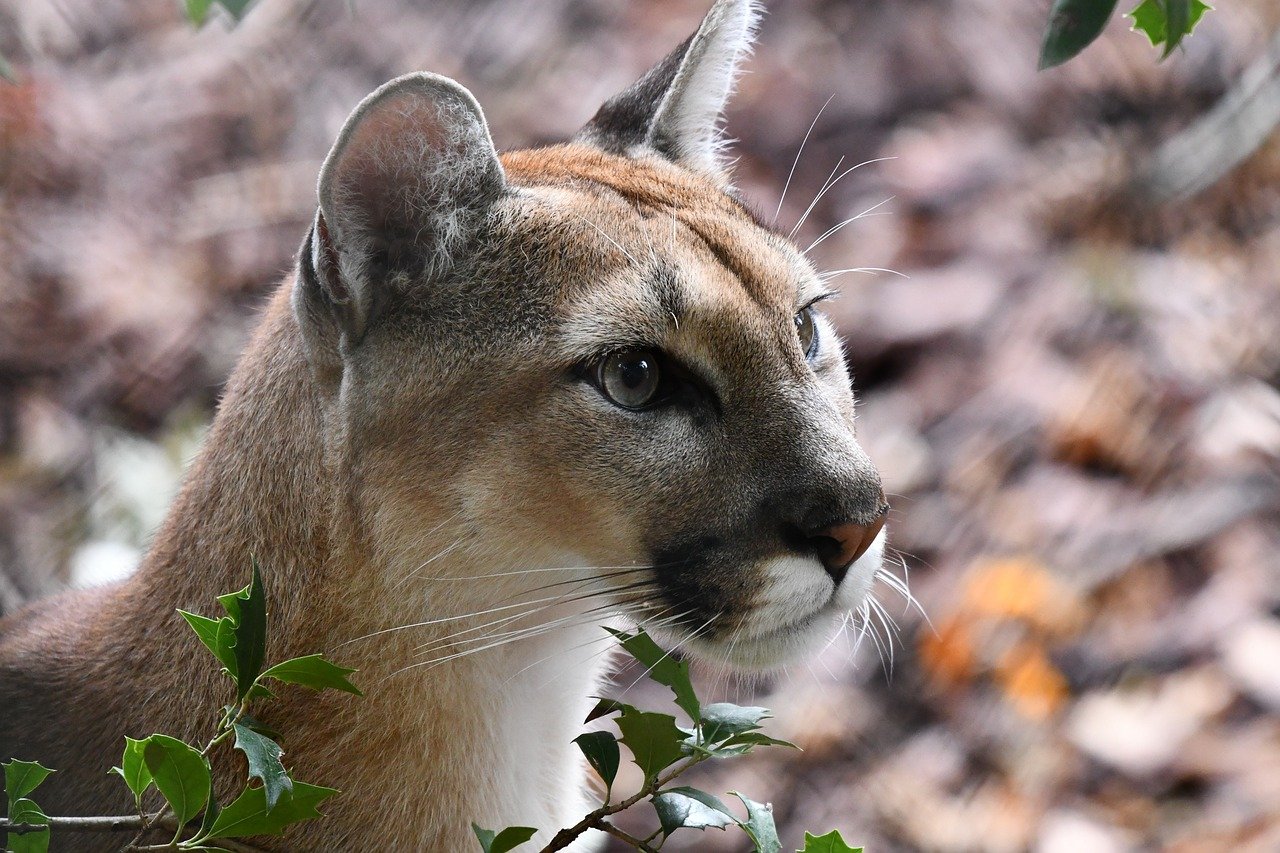
Pumas, with their sleek bodies and piercing eyes, evoke a sense of mystery and awe. These solitary predators are adept hunters, known for their ability to silently stalk prey across vast distances. Unlike lions or tigers, pumas are incredibly elusive, often avoiding human contact, which adds to their enigmatic allure. Their adaptability to different environments makes them one of the most widespread large wild terrestrial mammals in the Western Hemisphere. Despite their widespread presence, pumas are rarely seen, a testament to their secretive nature and exceptional camouflage skills.
Thriving in the Rocky Mountains
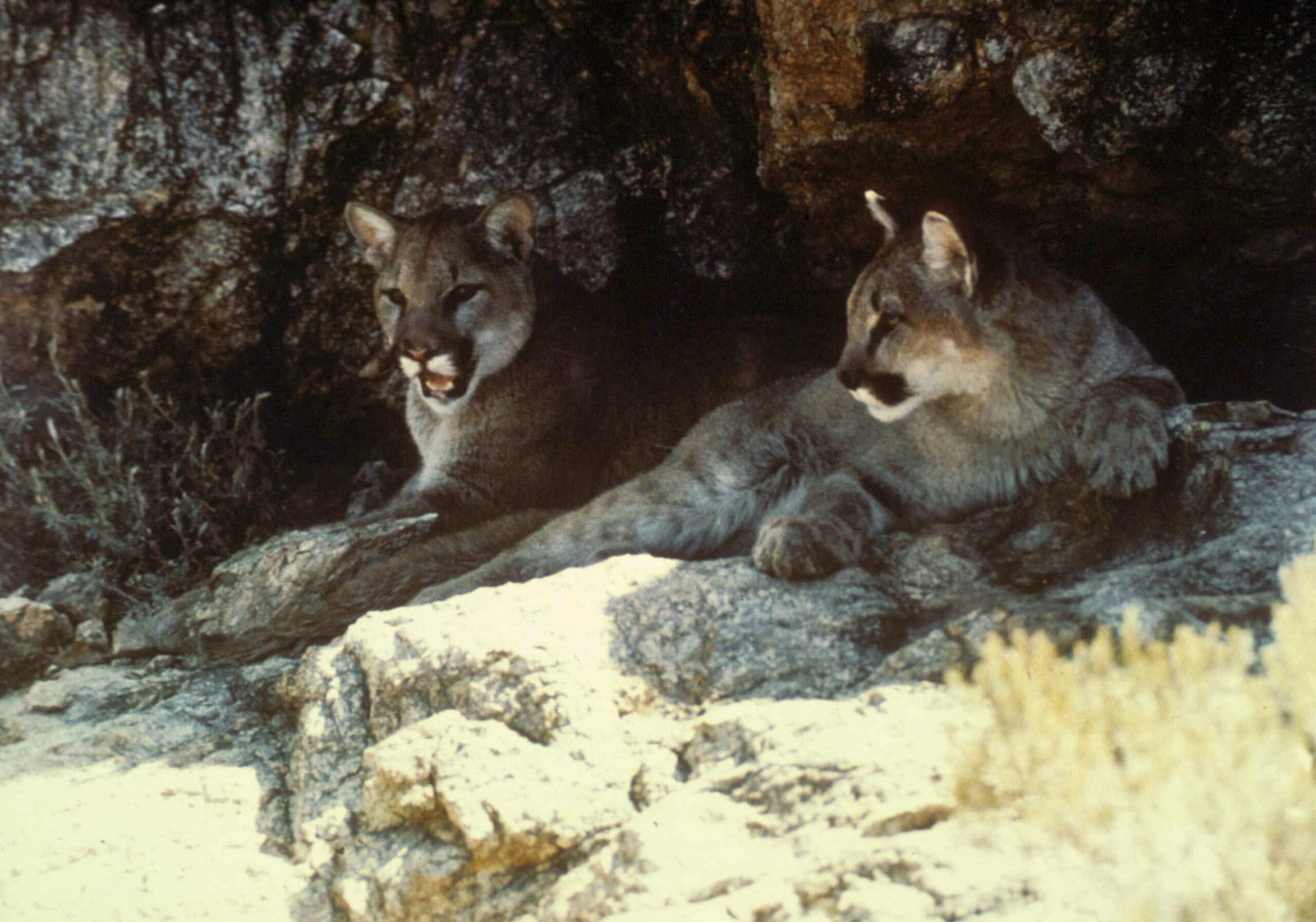
The Rocky Mountains, with their rugged terrain and dense forests, provide an ideal habitat for pumas. These mountains offer ample cover and prey, including deer and elk, which are primary food sources for the mountain lion. The Rockies’ vastness allows pumas to establish large territories, where they can hunt and raise their young away from human interference. The cold climate and challenging terrain of the Rockies test the puma’s adaptability and survival skills, making them expert navigators of this harsh environment.
The Deserts of the Southwest
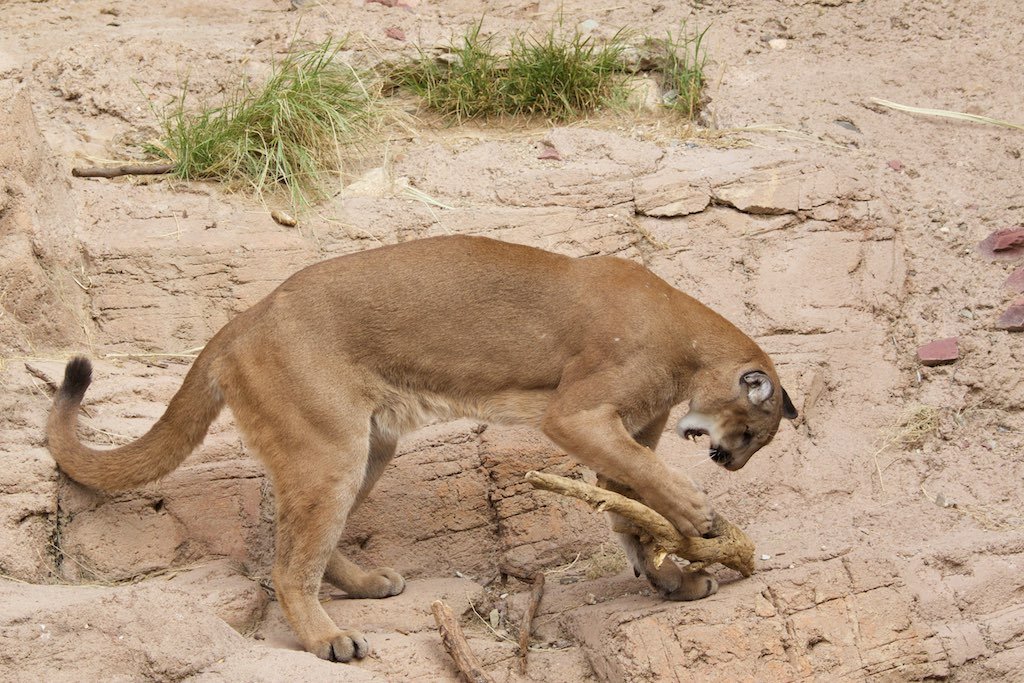
Though seemingly inhospitable, the deserts of the American Southwest are home to a surprising number of pumas. These big cats have adapted to the arid conditions, relying on their keen hunting skills and nocturnal habits to survive. In the desert, pumas often hunt smaller prey like rabbits and rodents, adjusting their diet to the available resources. The desert’s sparse vegetation and open landscapes present unique challenges, but the puma’s adaptability ensures its survival in this harsh ecosystem.
Forests of the Pacific Northwest
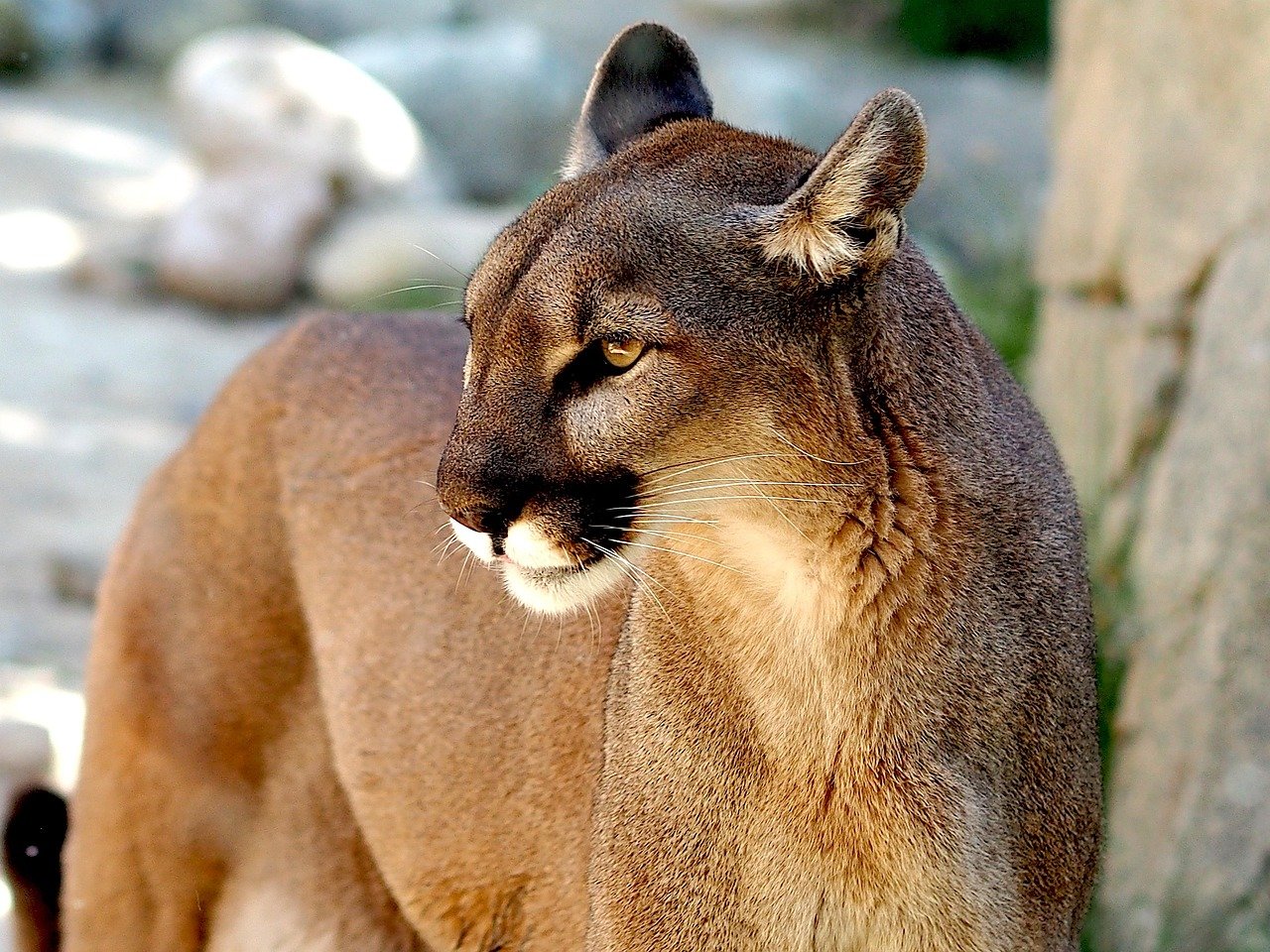
The lush forests of the Pacific Northwest offer a rich and diverse habitat for pumas. Here, the dense canopy and abundant underbrush provide excellent cover for stalking prey. The region’s plentiful rainfall supports a wide range of wildlife, ensuring a steady food supply for these apex predators. The pumas of the Pacific Northwest are known for their larger size, a result of the abundant prey and favorable living conditions. These forests also offer a relatively safe haven, with conservation efforts helping to protect these vital ecosystems.
The Open Plains of the Midwest
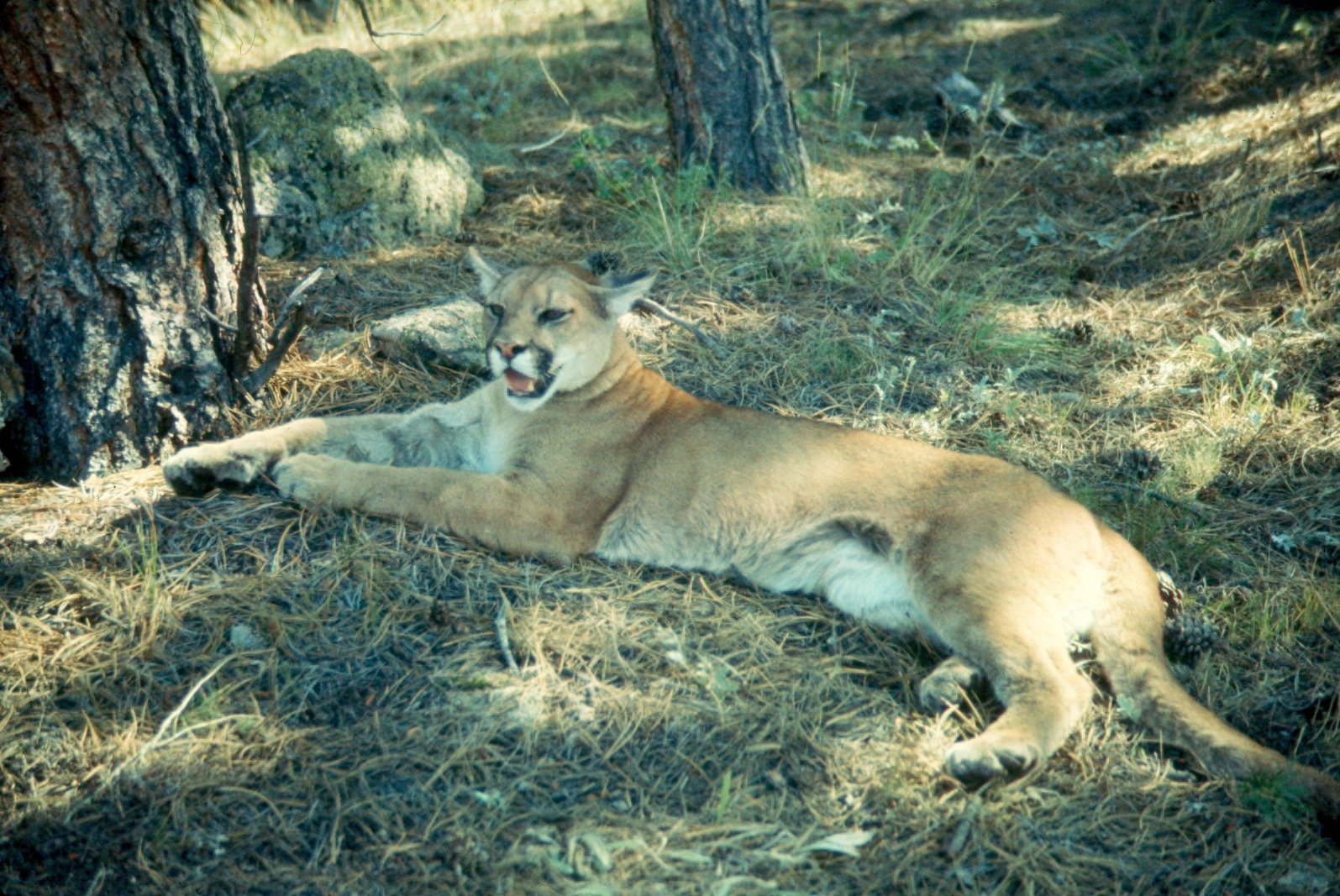
In the open plains of the Midwest, pumas exhibit incredible adaptability. These vast, open landscapes present unique challenges, as cover is limited and prey is often scattered. Pumas in the plains must travel great distances to find food, relying on their endurance and stealth to succeed. The plains’ wide-open spaces also mean pumas are more vulnerable to human encounters, making conservation efforts crucial in these regions. Despite these challenges, the puma’s resilience ensures its continued presence across the Midwest’s expansive grasslands.
The Challenges of Urban Expansion

As human populations grow, urban expansion increasingly encroaches on puma habitats. This presents significant challenges for these big cats, as their territories become fragmented and their natural prey becomes scarce. Pumas are forced to navigate human-dominated landscapes, often leading to conflicts and increased mortality rates. Conservationists work tirelessly to mitigate these issues, implementing measures to protect puma habitats and promote coexistence between humans and wildlife. The puma’s ability to adapt to changing environments is tested as urban areas continue to expand.
Conservation Efforts and Initiatives
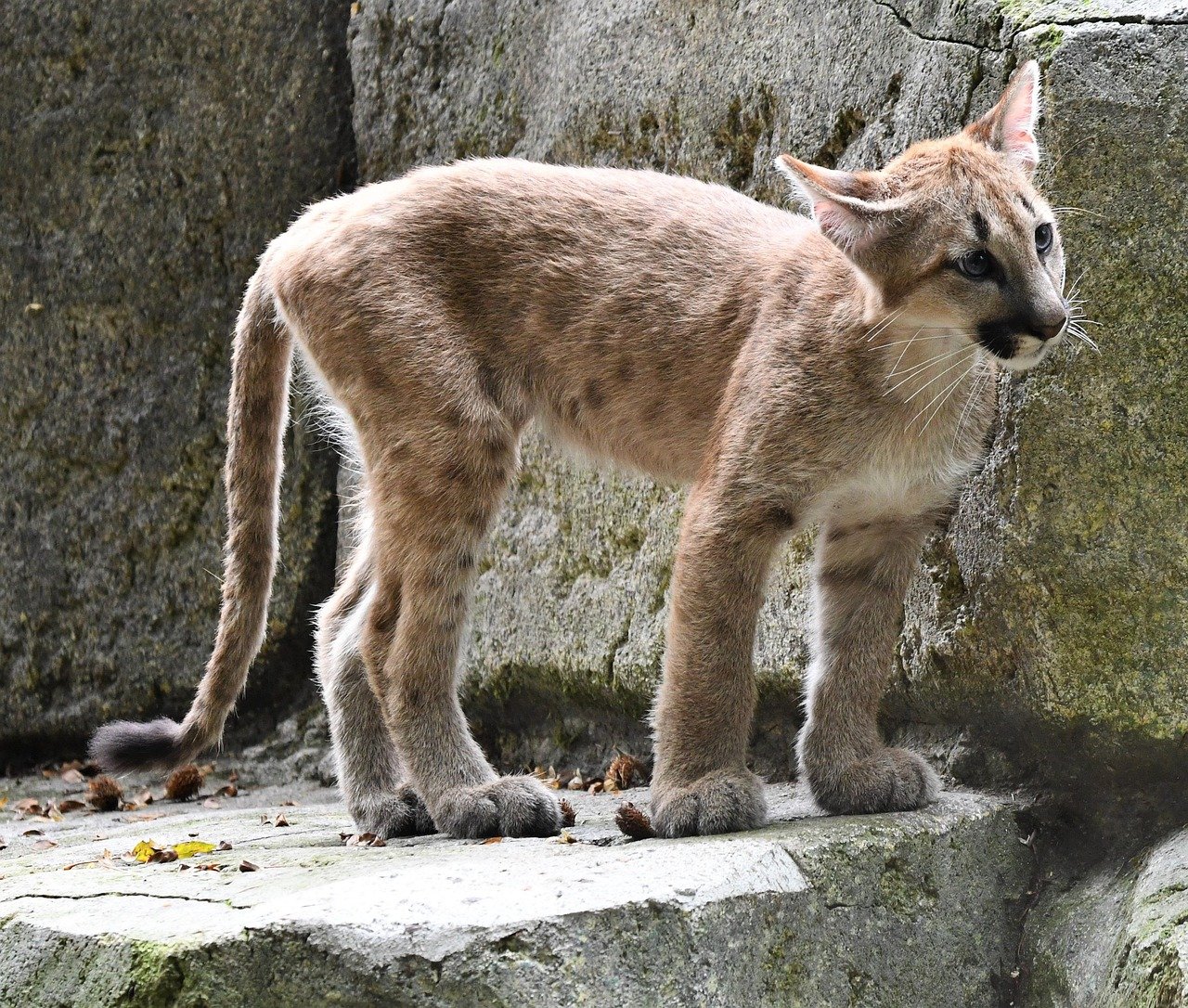
Conservation efforts are vital to ensuring the survival of puma populations across the Americas. Organizations and governments work together to protect these majestic creatures, focusing on habitat preservation, population monitoring, and public education. Initiatives like wildlife corridors and protected areas help maintain connectivity between fragmented habitats, allowing pumas to roam freely and thrive. Public awareness campaigns aim to educate communities about the importance of pumas and the role they play in maintaining healthy ecosystems.
Understanding Puma Behavior

To effectively conserve puma populations, it is essential to understand their behavior and ecological role. Pumas are solitary animals, with males and females only coming together for mating. They are highly territorial, marking their territories with scent markings to ward off intruders. Understanding these behaviors helps conservationists develop strategies to protect puma habitats and reduce human-wildlife conflicts. By studying puma behavior, researchers can gain insights into their needs and the challenges they face in the wild.
The Role of Pumas in Ecosystems
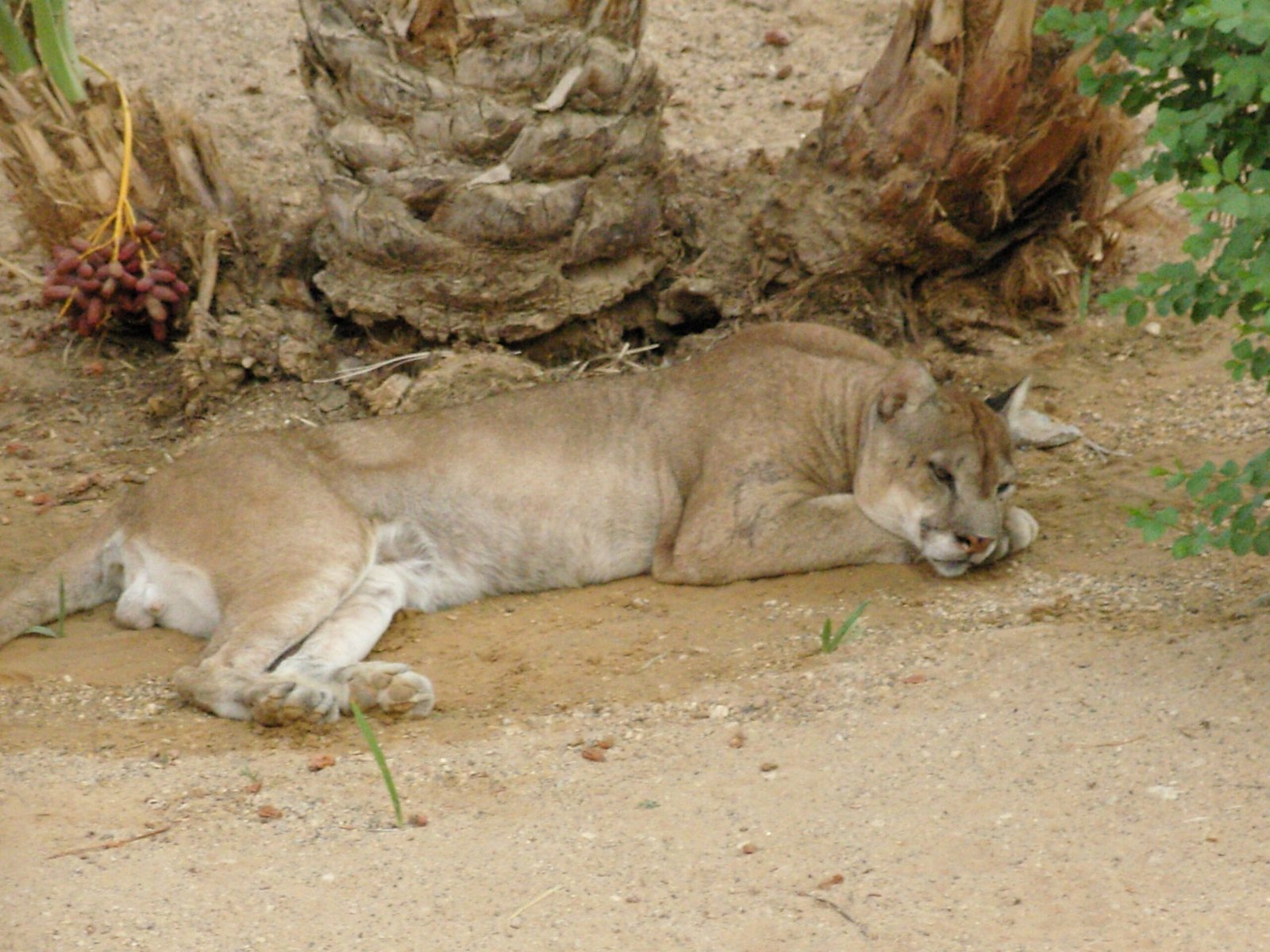
Pumas play a crucial role in maintaining the balance of ecosystems across their range. As apex predators, they regulate prey populations, preventing overgrazing and promoting plant diversity. This cascading effect benefits entire ecosystems, supporting a wide range of plant and animal species. By controlling herbivore populations, pumas help maintain the health and resilience of their habitats. Understanding the ecological role of pumas underscores the importance of conservation efforts and the need to protect these vital predators.
Impact of Climate Change

Climate change poses a significant threat to puma habitats, altering landscapes and affecting prey availability. As temperatures rise and weather patterns shift, pumas must adapt to changing conditions or risk losing their habitats. Conservationists are concerned about the long-term impacts of climate change on puma populations, as shrinking habitats and changing prey dynamics could lead to population declines. Addressing climate change is a global challenge that requires cooperation and innovative solutions to ensure the survival of pumas and other wildlife.
Cultural Significance of Pumas
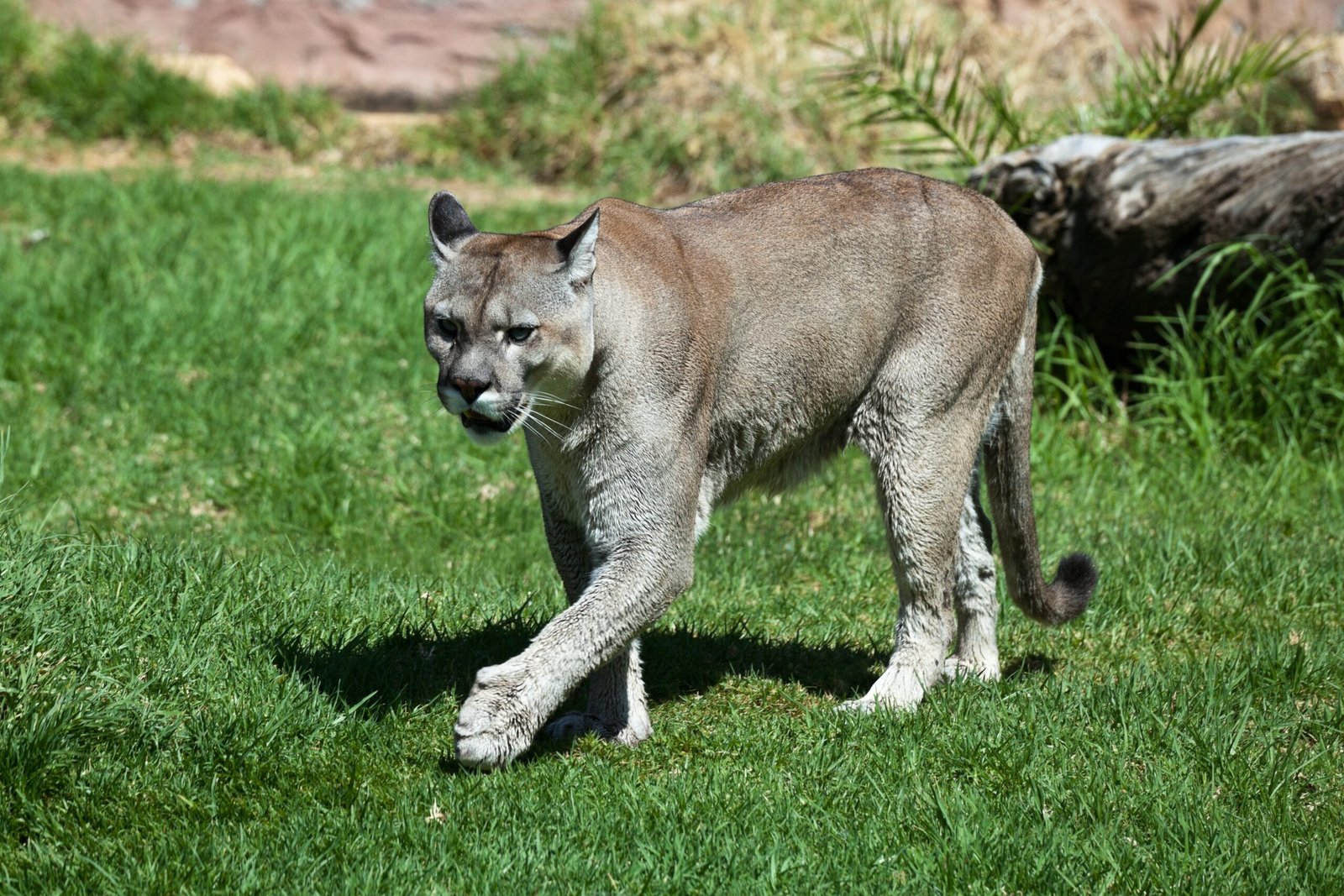
Throughout history, pumas have held cultural significance for many Indigenous peoples across the Americas. They are often revered as symbols of strength, courage, and wisdom, featuring prominently in myths and legends. This cultural connection underscores the importance of preserving puma populations, as they hold deep cultural and spiritual meaning for many communities. By respecting and protecting pumas, we honor the cultural heritage and traditions of those who have long shared the land with these magnificent creatures.
Future of Puma Conservation
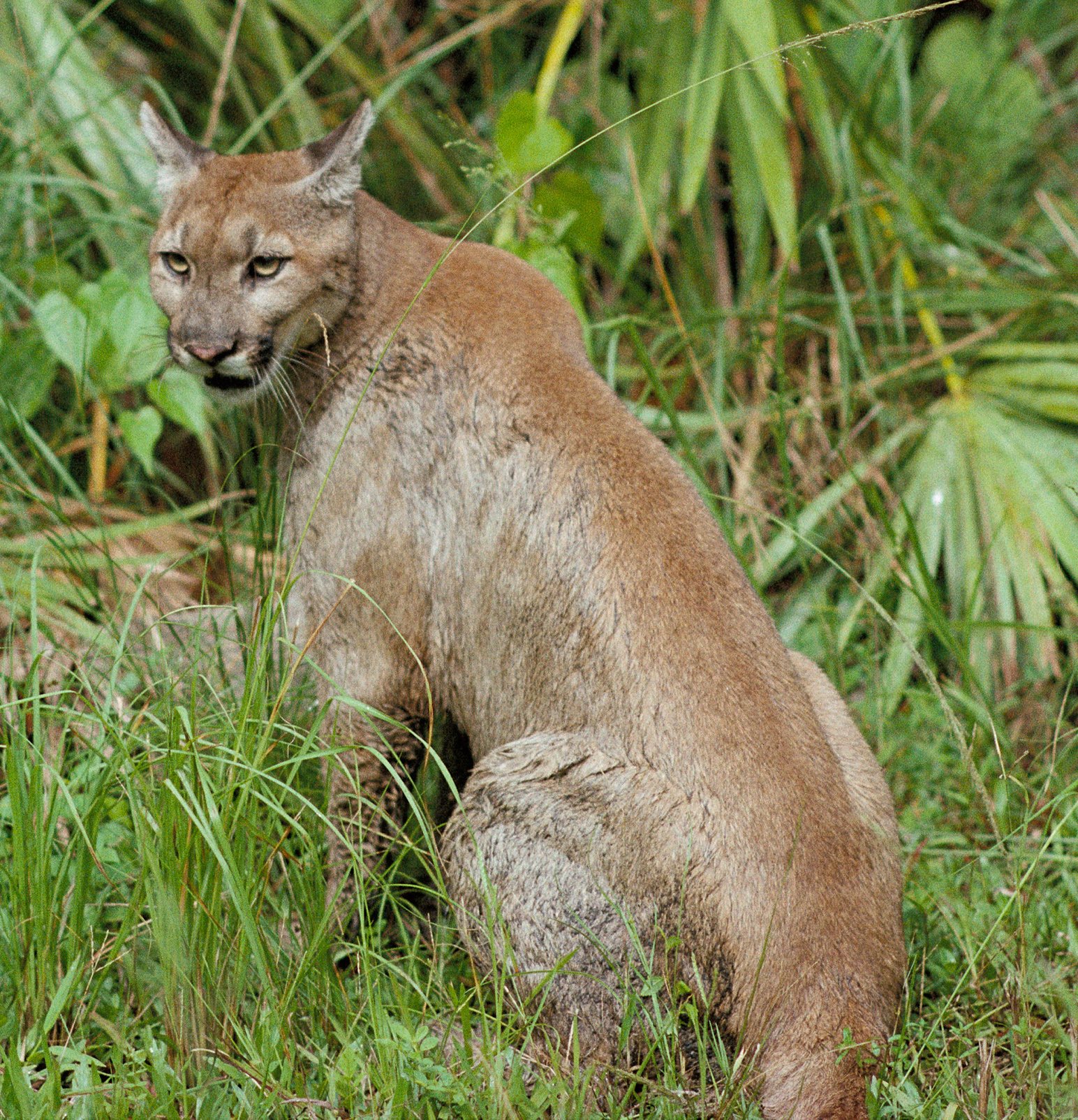
The future of puma conservation depends on our ability to address the challenges facing these majestic animals. Continued research, habitat protection, and public education are essential components of conservation efforts. By working together, we can ensure that pumas continue to roam the vast landscapes of the Americas, maintaining the ecological balance and enriching our cultural heritage. As stewards of the environment, it is our responsibility to protect these creatures and the habitats they call home.