
What to Expect in The First Years of Your Puppy
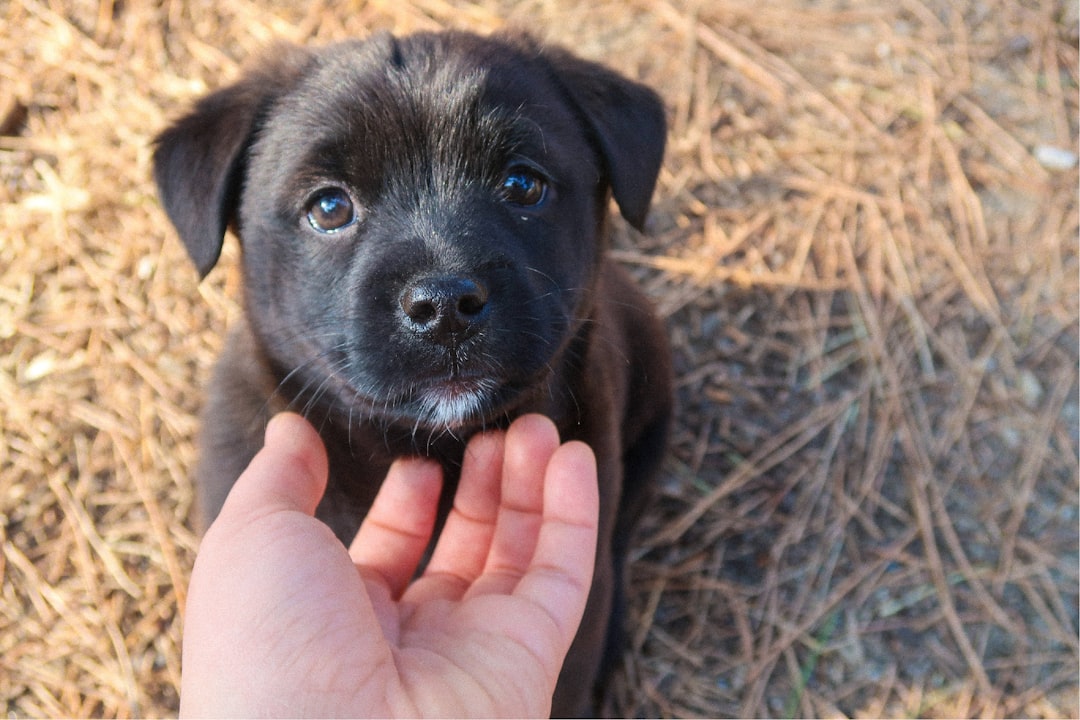
Welcoming a puppy into your home is akin to introducing a new family member. There is excitement in the air, a sense of adventure, and a dash of unpredictability. Puppies bring joy, companionship, and an abundance of love, but they also require patience, understanding, and a good deal of preparation. Understanding what to expect in the first years of your puppy’s life can make the journey smoother and more enjoyable. Let’s explore the key stages and experiences during your puppy’s formative years.
The Joy of Bringing Home a New Puppy

Bringing home a new puppy is an exciting and heartwarming experience, but it also comes with a learning curve. The first few years of your puppy’s life are filled with growth, curiosity, and plenty of milestones—from teething and training to socialization and boundless energy. Understanding what to expect during these formative years can help you build a strong bond with your furry companion while ensuring they grow into a well-behaved and happy adult dog.
The first day your puppy arrives at home is filled with mixed emotions. There’s an undeniable excitement as you watch their tiny paws explore every nook and cranny. Puppies, much like toddlers, are curious and eager to learn about their surroundings. They may stumble, sniff, and nibble on things they find intriguing. This is the perfect time to introduce them to their new environment gently. Ensure they have a comfortable space to rest and feel safe. Remember, this is their first taste of what they will call home, so creating a welcoming atmosphere is crucial.
Understanding Puppy Behavior

Puppies are bundles of energy and curiosity. They might chew on your favorite shoes or bark at their reflections. This behavior is natural and part of their exploration process. Much like human babies, puppies use their mouths to understand their world. Providing them with chew toys can redirect this behavior positively. Patience is key; remember, they’re learning and adapting to the world around them.
The Importance of Socialization
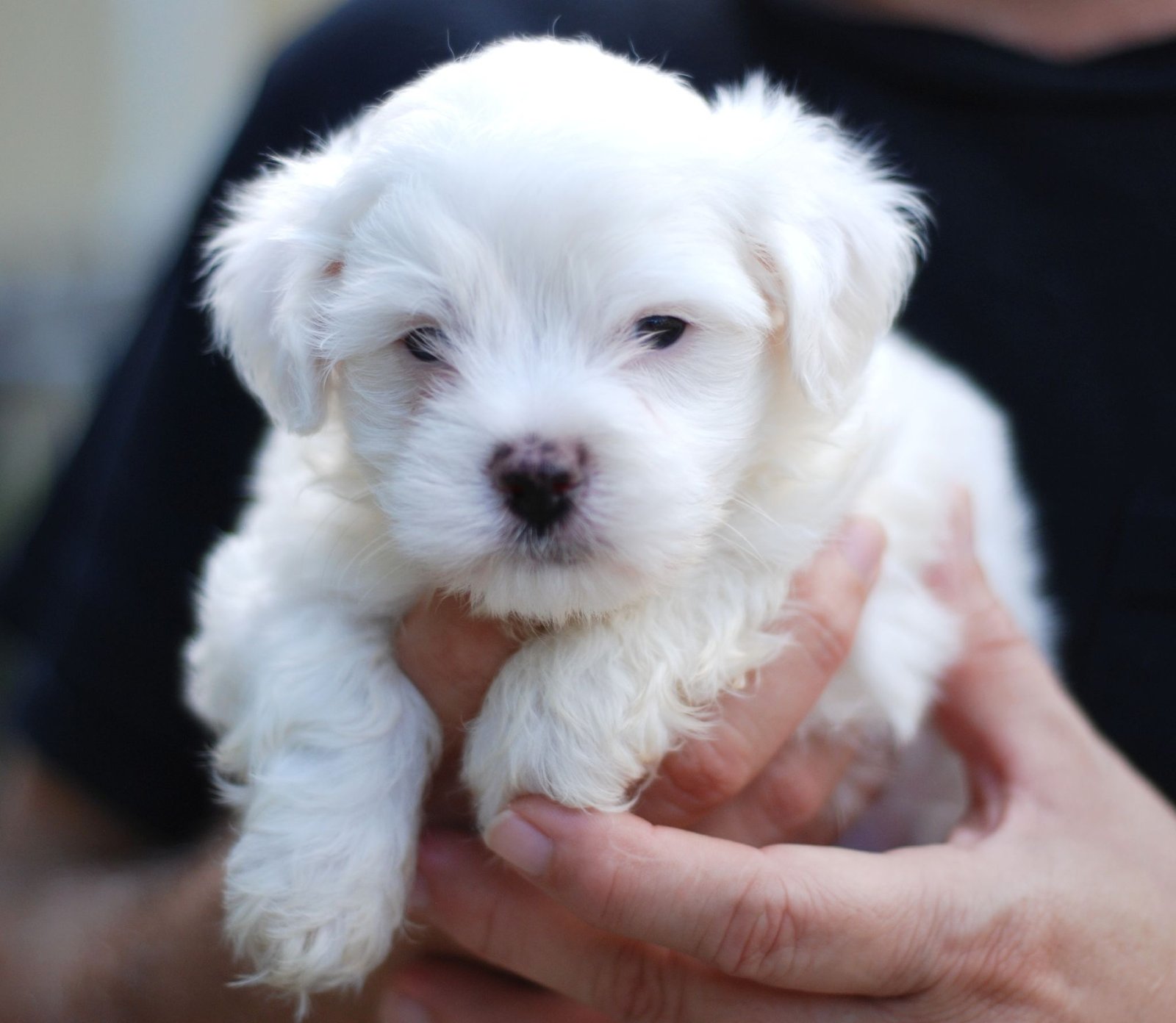
Socialization is a critical aspect of a puppy’s development. Introducing them to various environments, people, and other animals helps them grow into well-adjusted dogs. Consider taking them to parks or puppy classes where they can interact with others. Imagine a child learning to play with peers at a playground – it’s a similar experience for puppies. The more they encounter, the more confident and less anxious they become in new situations.
Training Your Puppy
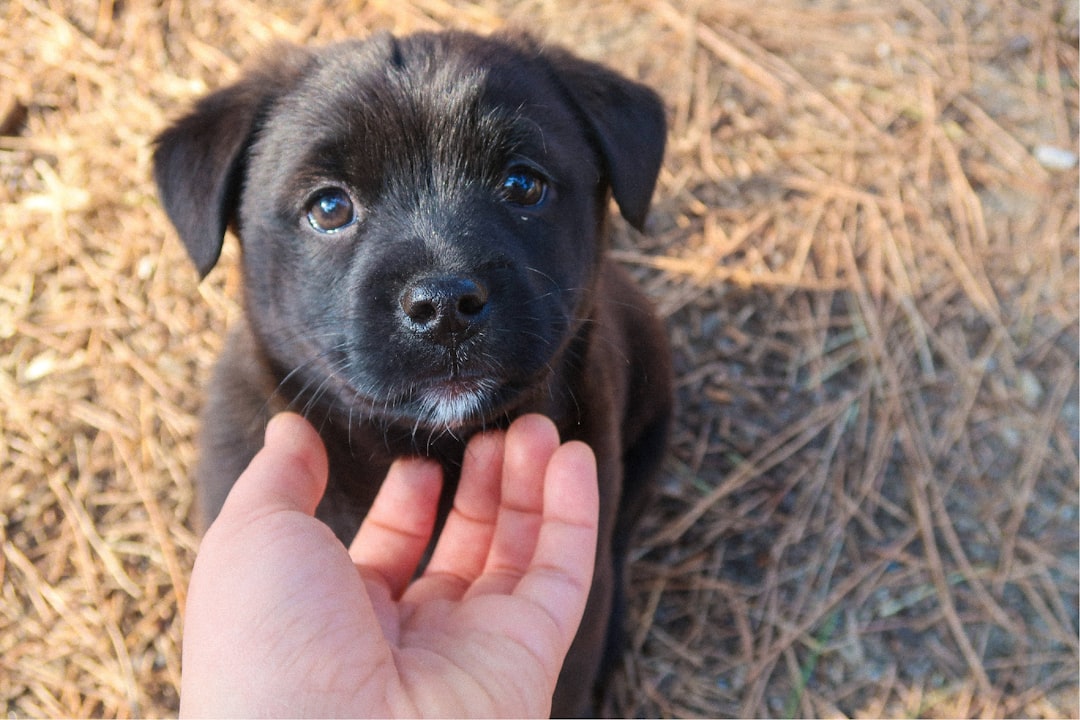
Training starts the moment your puppy steps into your home. It’s essential to establish boundaries and teach basic commands like ‘sit’, ‘stay’, and ‘come’. Think of this as setting the foundation for good manners. Positive reinforcement, using treats and affection, works wonders. Training sessions should be short and fun, capturing their attention without overwhelming them.
Nutrition and Feeding

Feeding your puppy the right diet is crucial for their growth and development. Puppies have specific nutritional needs that differ from adult dogs. Consult with a vet to determine the best food and feeding schedule. Like a growing child needs balanced meals, so does your puppy. Proper nutrition supports their energy levels, bone development, and overall health.
Regular Veterinary Check-Ups
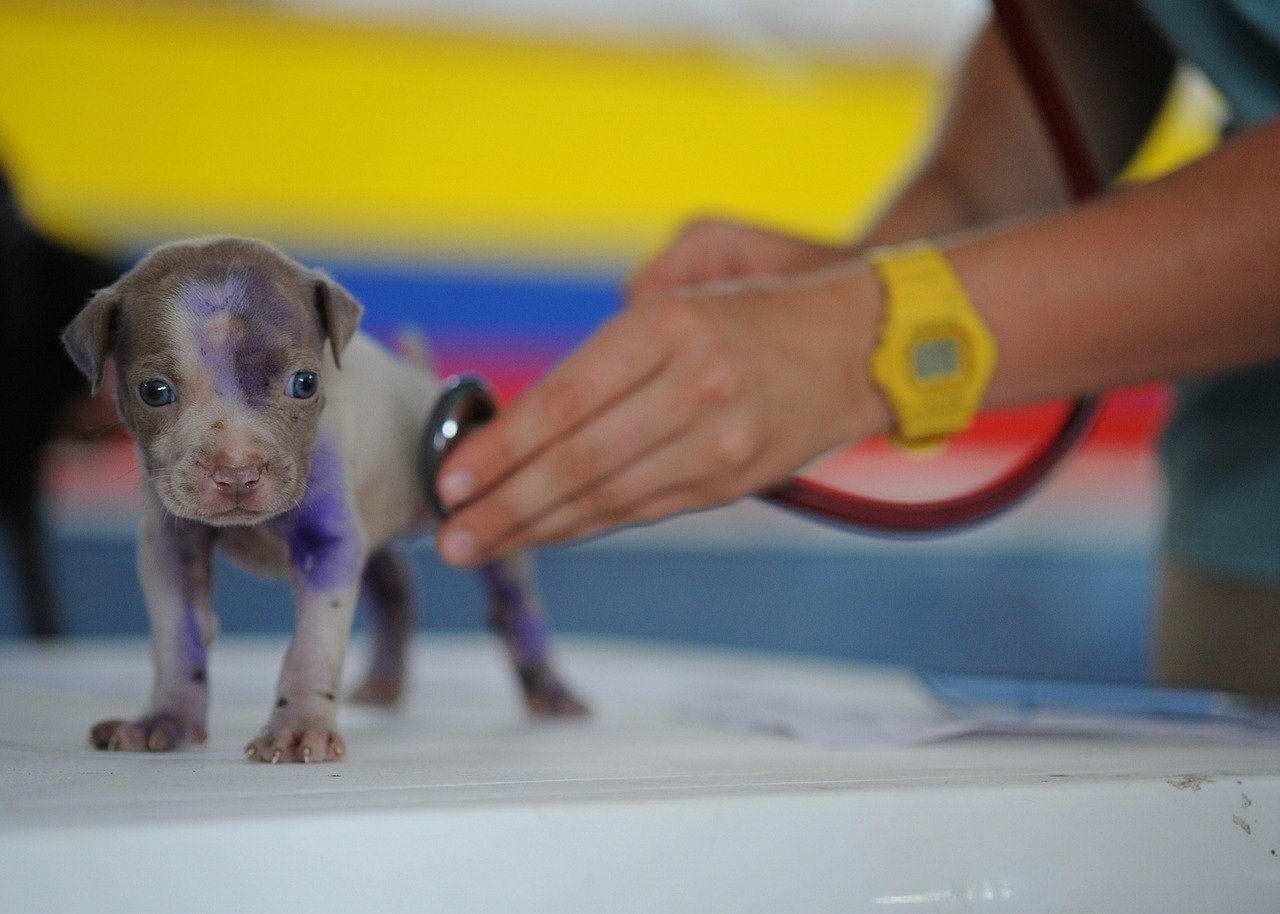
Regular vet visits are vital during your puppy’s first years. These check-ups ensure they’re healthy and up-to-date on vaccinations. Imagine taking a child for routine pediatric visits; it’s a similar necessity for puppies. Vets provide guidance on issues like teething, weight gain, and potential health concerns. Building a relationship with your vet can also ease any concerns you might have.
The Teething Phase

Puppies, like babies, go through a teething phase. During this time, they might chew on furniture or nibble on fingers. Providing appropriate chew toys can alleviate discomfort and protect your belongings. This phase is temporary, and with patience and redirection, your puppy will grow out of it. It’s a natural part of their development, similar to a child losing their baby teeth.
Exercise and Playtime
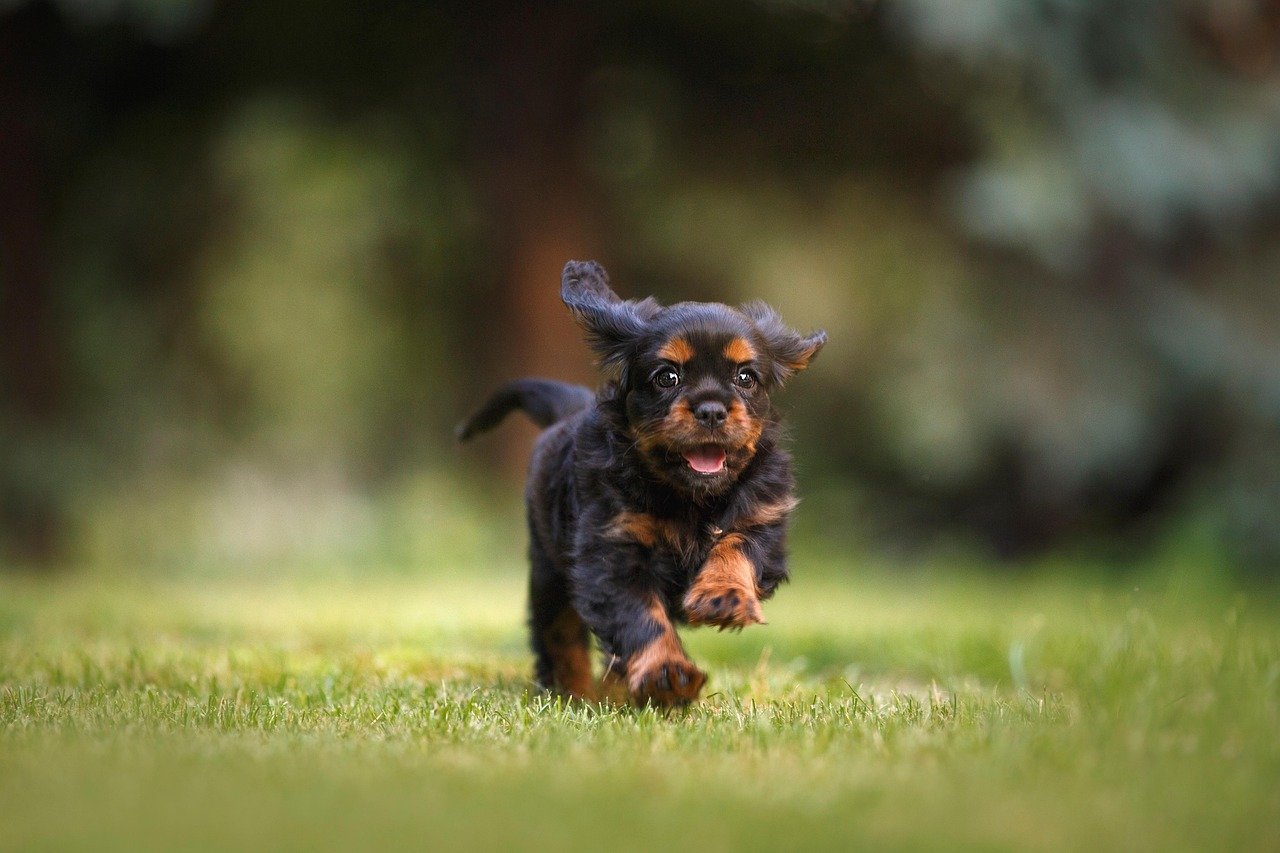
Puppies are energetic and require regular exercise to stay healthy and happy. Daily walks, play sessions, and mental stimulation are essential. Think of it as recess time for kids; it helps them burn off energy and reduces destructive behaviors. Providing a mix of physical and mental activities keeps them engaged and promotes a strong bond between you and your puppy.
Understanding Growth Spurts
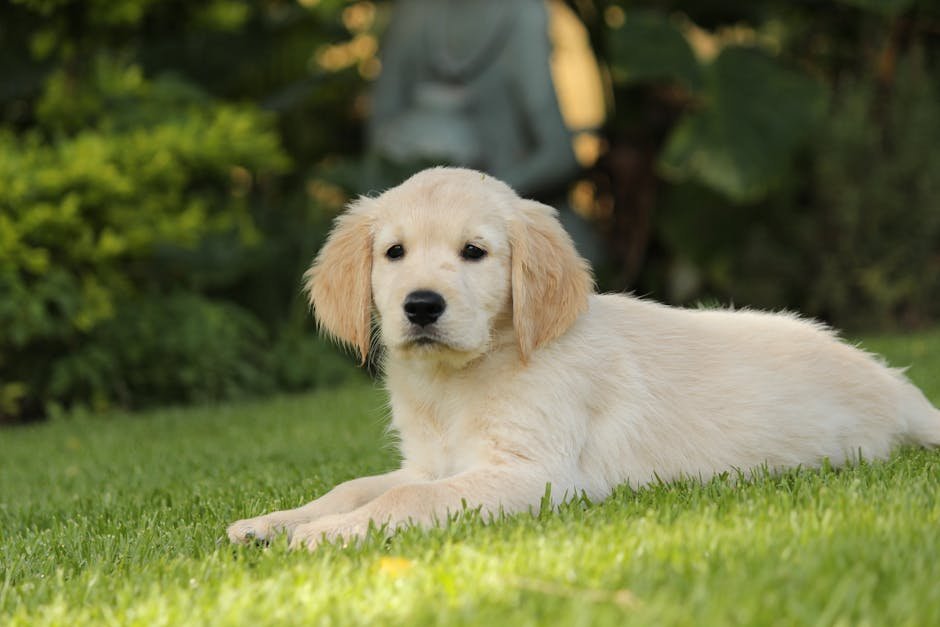
Puppies experience growth spurts, much like children. During these times, you might notice changes in their appetite, energy levels, and behavior. They may sleep more or become more active. Keeping track of these changes helps ensure they’re growing appropriately. It’s a reminder of how quickly they transition from tiny pups to mature dogs.
Building a Lasting Bond
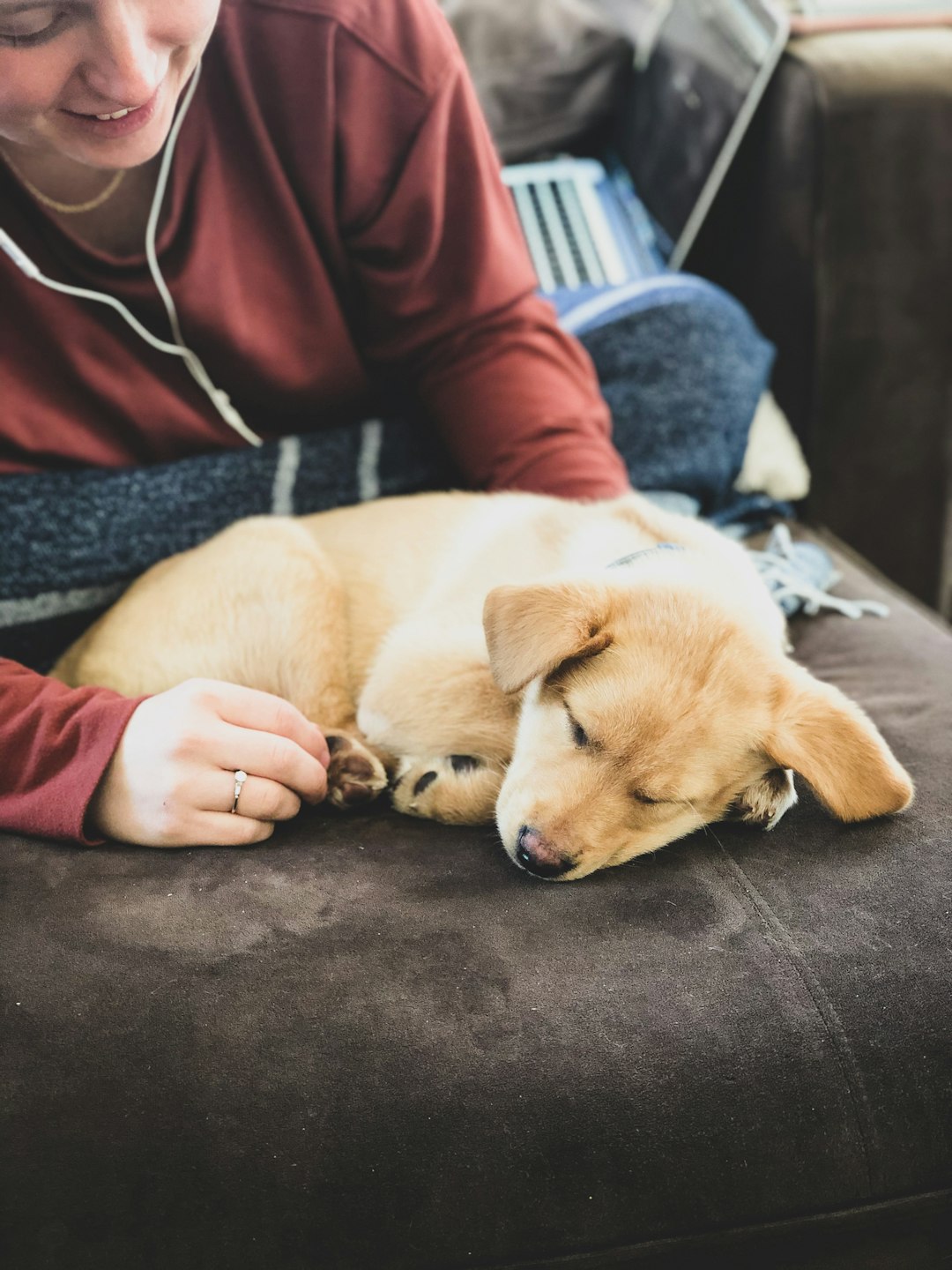
The bond you develop with your puppy in their early years lays the foundation for a lifelong relationship. Spending quality time with them, understanding their needs, and providing love and care strengthens this bond. Think of it as forming a deep friendship that grows over time. The trust and affection you build during these formative years create a loyal companion for life.
Understanding what to expect during your puppy’s first years is essential for a fulfilling experience. Each stage brings its own set of joys and challenges, but with patience and love, you’ll navigate them successfully. Embrace the journey with your furry friend, and you’ll create cherished memories that last a lifetime.