

Australian Cattle Dogs, also known as Blue Heelers, are an intelligent and energetic breed that thrive in active households. These dogs are known for their herding skills, sharp minds, and loyalty. Owning a Blue Heeler can be a rewarding experience, but it also comes with responsibilities. To ensure your furry friend is happy and healthy, it’s essential to understand their unique needs. In this article, we’ll explore ten fundamental care tips for your Australian Cattle Dog, providing you with the knowledge to give your pet the best life possible.
Understand Their Energy Levels
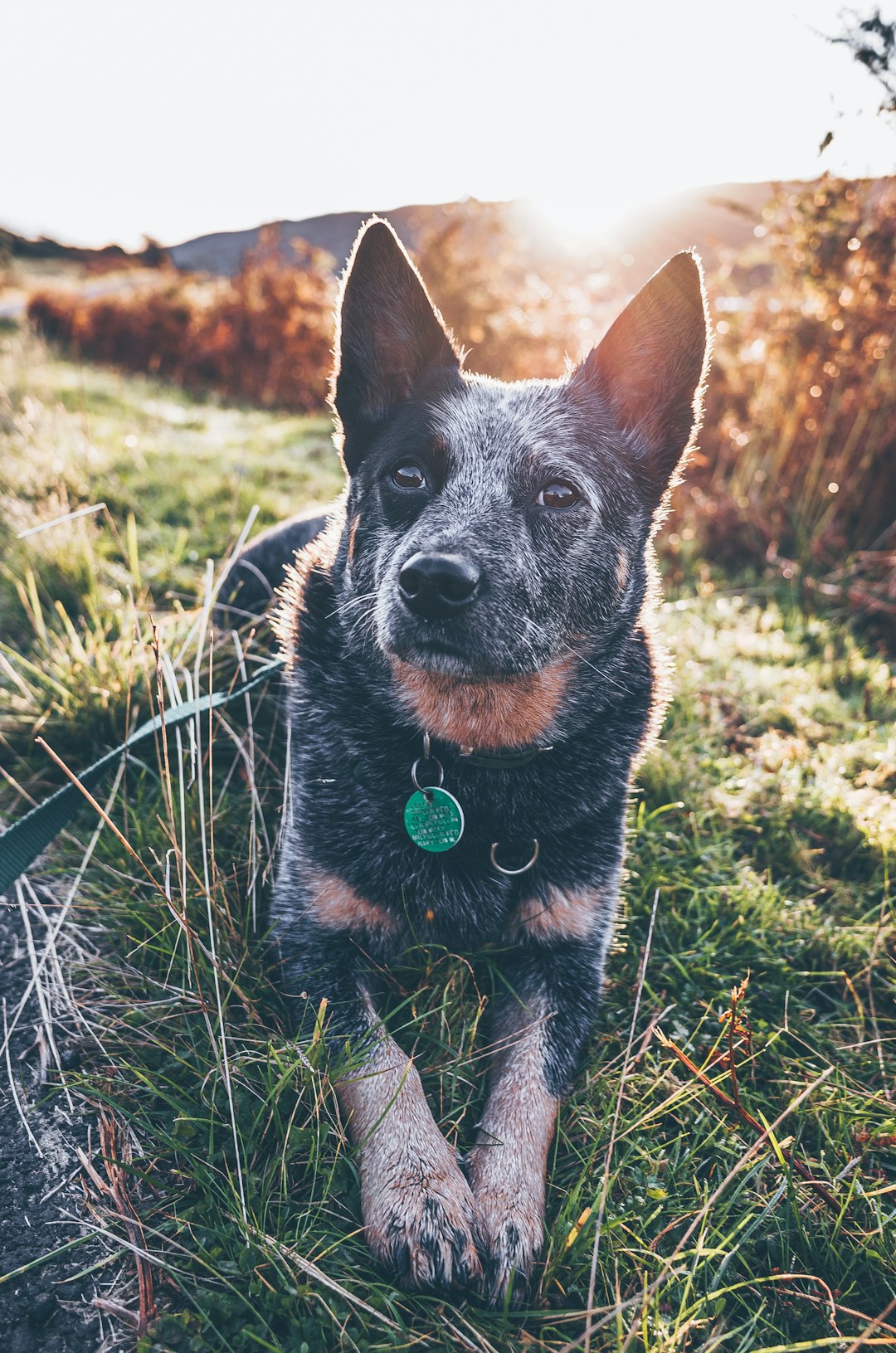
Blue Heelers, also known as Australian Cattle Dogs, are intelligent and hardworking companions. Originally bred for herding cattle in Australia, these dogs thrive on physical activity, mental stimulation, and strong bonds with their owners. While their loyalty and resilience make them incredible pets, they also require proper care to stay happy and healthy. From exercise routines to training techniques, understanding your Blue Heeler’s unique needs is key to providing them with the best life possible.
Blue Heelers are renowned for their high energy levels. Think of them as the marathon runners of the dog world. They have an innate drive to move and work, stemming from their history as herding dogs. A sedentary lifestyle can lead to behavioral problems, as they need regular exercise to burn off their energy. Daily walks, jogs, or play sessions are essential to keep them happy. Incorporating agility training or fetch games can be a great way to challenge their minds while keeping them physically fit. Remember, a tired dog is a happy dog, and for a Blue Heeler, this is especially true.
Provide Mental Stimulation

Mental stimulation is as crucial as physical exercise for Blue Heelers. Imagine if you were stuck in a room with nothing to do; you’d probably get a bit restless too. These dogs are thinkers and problem solvers. Puzzle toys, interactive games, and training sessions can keep their minds sharp. Teaching them new tricks or commands not only provides mental stimulation but also strengthens your bond with them. Consider rotating their toys regularly to keep things fresh and exciting. This way, they are always challenged and engaged, reducing the risk of destructive behaviors.
Balanced Diet is Key

Feeding your Blue Heeler a balanced diet is vital for their overall health. Just like humans need a mix of nutrients, so do dogs. High-quality dog food that meets their age, size, and activity level is essential. Blue Heelers are active, so they require a diet that supports their energy needs. Incorporate proteins, carbohydrates, and healthy fats into their meals to ensure they get a well-rounded diet. Always provide fresh water and avoid feeding them table scraps, which can lead to obesity and other health issues. Consulting your vet about the best diet for your dog can provide more tailored guidance.
Regular Grooming Routine

Despite their short coats, Blue Heelers benefit from regular grooming. Their coat is designed to be weather-resistant, but it can still shed quite a bit. Brushing them once a week helps to remove loose hair and reduce shedding. This also gives you a chance to check for any skin issues or parasites. Bathing should be done as needed, usually once every few months, unless they get particularly dirty. Regular grooming sessions are more than just a beauty routine; they are an excellent opportunity for bonding and ensuring your dog’s health and comfort.
Socialization is Essential

Socialization is a crucial aspect of raising a well-adjusted Blue Heeler. These dogs can sometimes be wary of strangers and other animals if not properly socialized. Introducing them to various environments, people, and other dogs from a young age can help. Think of it as expanding their world and making them comfortable in different situations. Puppy classes or playdates can be beneficial. This exposure helps prevent fear-based behaviors and creates a confident, friendly dog that can adapt to new experiences easily.
Regular Vet Check-Ups

Routine veterinary visits are essential to keep your Blue Heeler in top shape. Regular check-ups help catch any potential health issues early, ensuring your dog lives a long, healthy life. Vaccinations, dental care, and flea and tick prevention are just a few aspects your vet will cover. Blue Heelers are generally healthy, but they can be prone to certain genetic conditions, such as hip dysplasia. Keeping up with vet appointments means staying ahead of any problems. Remember, prevention is always better than cure, and your vet is your partner in maintaining your dog’s health.
Proper Training Techniques
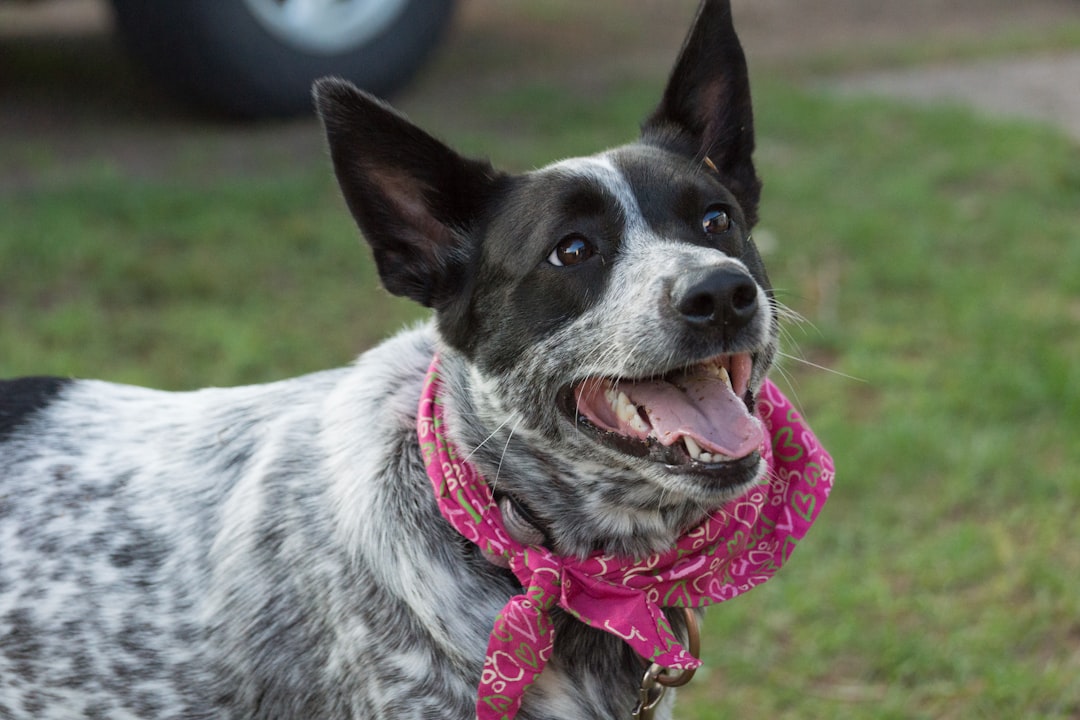
Training a Blue Heeler requires consistency and patience. These dogs are intelligent and eager to please, making them relatively easy to train if you use the right methods. Positive reinforcement, such as treats and praise, works wonders. Avoid harsh corrections, as they can lead to fear or aggression. Start with basic commands like sit, stay, and come, gradually moving to more complex tasks. Training sessions should be short, fun, and engaging. This not only helps in managing their behavior but also strengthens your relationship with them.
Create a Safe Environment

Ensuring a safe environment for your Blue Heeler is crucial. These curious and active dogs can sometimes get into trouble. Secure your yard with a sturdy fence to prevent them from wandering off. Inside your home, remove any hazardous items or substances they might chew on or ingest. Providing them with a comfortable bed and safe toys can make them feel secure. Always supervise them in new environments until you are confident they are safe. Just like child-proofing a home, think about potential risks and address them to keep your pet safe.
Quality Time and Affection

Spending quality time with your Blue Heeler is as important as any other aspect of their care. They are loyal and love being part of the family. Regular playtime, cuddles, and simply being around them can make a huge difference in their happiness. They thrive on companionship and can become anxious if left alone for extended periods. Consider involving them in family activities or taking them on outings. This not only makes them feel loved but also strengthens the bond you share.
Understanding Their Communication

Blue Heelers, like all dogs, have their unique ways of communicating. Learning to understand their body language and vocalizations can enhance your relationship. Pay attention to their cues; a wagging tail can mean happiness, while a tucked tail might indicate fear. Barking, whining, or growling are ways they express themselves. Understanding these signals can help you respond appropriately to their needs. Being in tune with your dog’s communication fosters a harmonious living environment and ensures they feel heard and understood.
Caring for a Blue Heeler involves understanding their specific needs and providing a nurturing environment. With the right approach, you can ensure your Australian Cattle Dog leads a healthy, happy, and fulfilling life.


