

Cats are known for their mysterious and enigmatic nature. Unlike dogs, who are often more transparent about their feelings, cats have their own way of communicating. They may not speak the same language as humans, but they certainly have their own unique ways of expressing themselves. If you’re a cat owner, you’ve probably found yourself staring into your feline friend’s eyes, trying to decipher what they’re trying to convey. Understanding these signals can help you strengthen your bond with your pet and ensure their well-being. Here are ten signs your cat is trying to tell you something important.
Purring Beyond Comfort

Most people associate a cat’s purr with contentment, but this isn’t always the case. While purring is often a sign of happiness, it can also indicate other emotions. Cats may purr when they’re in pain or feeling stressed. It’s similar to how humans might hum to soothe themselves. If you notice your cat purring in unusual situations, it might be worth checking if they’re feeling unwell or anxious. Pay attention to their body language and the context in which the purring occurs. Sometimes, a visit to the vet can provide peace of mind for both you and your furry friend.
Excessive Grooming or Lack Thereof

Cats are known for their cleanliness and spend a significant portion of their day grooming themselves. However, excessive grooming can be a sign of stress or an underlying health issue. On the flip side, if your cat stops grooming altogether, it could indicate depression or illness. Imagine a person excessively washing their hands when anxious, or neglecting hygiene when feeling down. If you notice changes in your cat’s grooming habits, it’s essential to observe them closely and seek advice from a veterinarian if needed.
Unusual Vocalizations
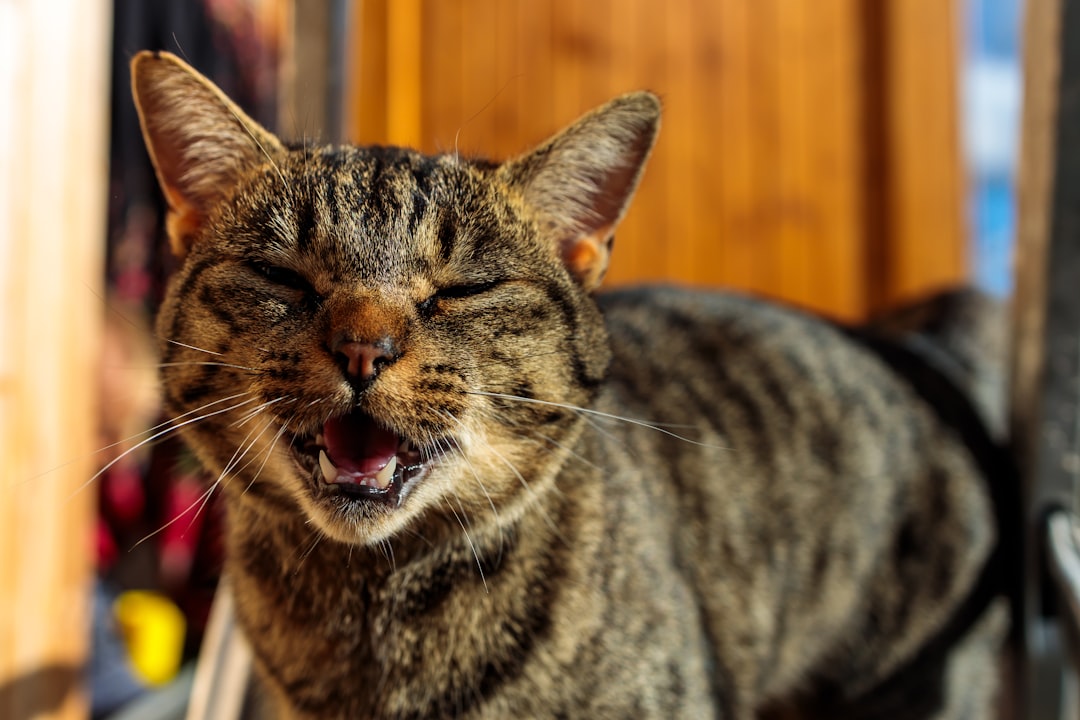
Cats have a wide range of vocalizations, from meows to chirps to growls. If your cat suddenly starts making unfamiliar sounds, it could be their way of telling you something’s wrong. Different breeds have different vocal tendencies, but any sudden change in your cat’s vocal behavior should be noted. It’s akin to a person suddenly speaking in a higher pitch when excited or a lower tone when upset. Understanding your cat’s vocal cues can help you address any concerns they might have.
Changes in Eating Habits

A sudden change in your cat’s appetite can be a significant indicator of their health and emotional state. If your cat is eating more or less than usual, it could be a sign of stress, illness, or even dietary dissatisfaction. Just like humans might lose their appetite when anxious or indulge when stressed, cats too reflect their feelings through eating. It’s crucial to monitor these changes and consult with a vet to ensure there isn’t an underlying issue.
Altered Sleeping Patterns

Cats are known for their love of sleep, often clocking in up to 16 hours a day. However, if your cat’s sleeping habits change drastically, it could be a sign of distress or illness. Whether they’re sleeping more than usual or struggling to rest, these changes shouldn’t be ignored. Think of it as a person experiencing insomnia or oversleeping due to stress. Keeping an eye on your cat’s sleep can provide insights into their overall health and well-being.
Aggressive or Withdrawn Behavior
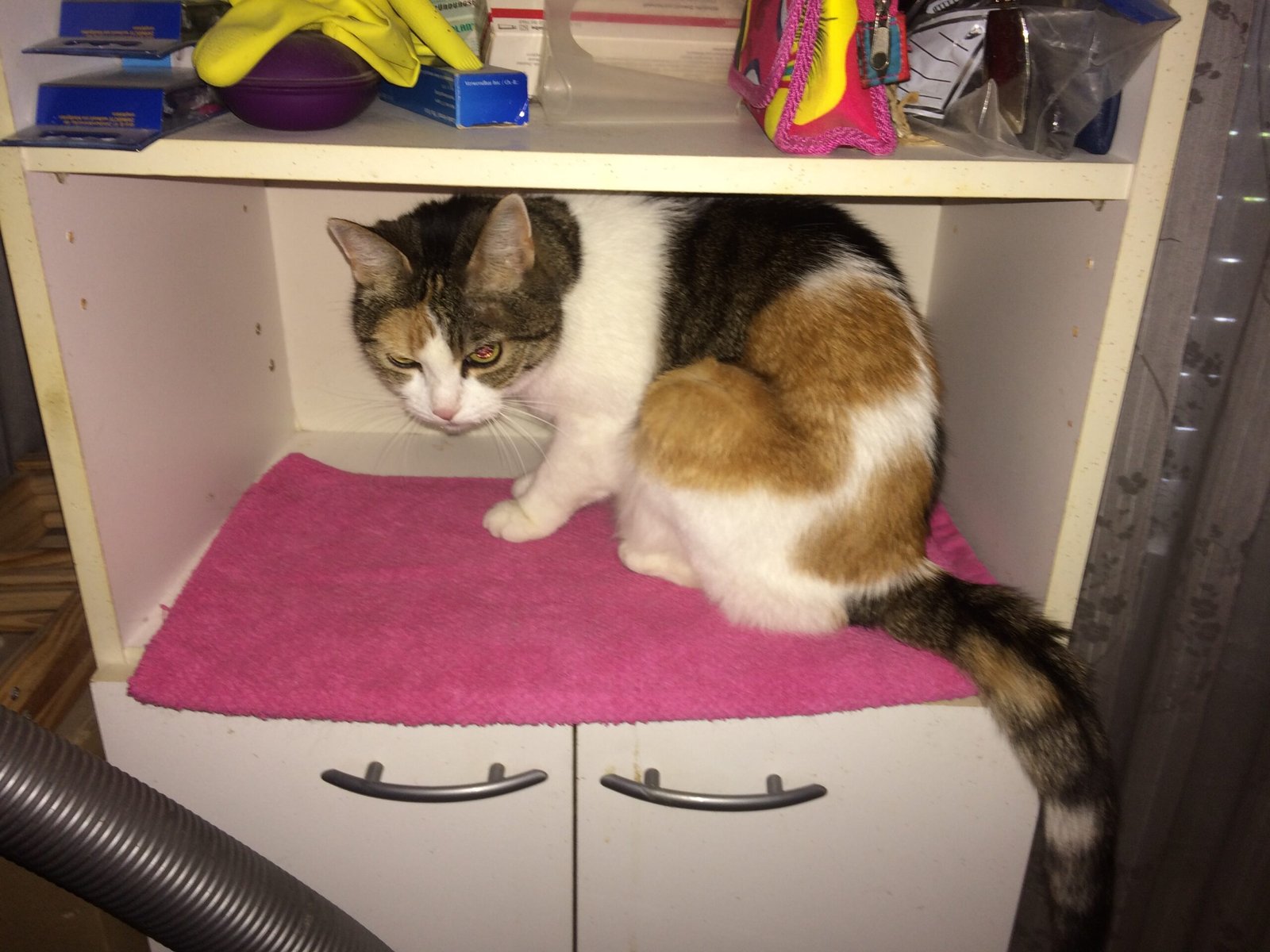
Behavioral changes are often a cat’s way of communicating discomfort or distress. If your typically friendly cat becomes aggressive or withdraws from social interaction, it’s time to pay attention. This shift in demeanor can be likened to a person becoming irritable or introverted due to stress or unhappiness. It’s essential to identify potential triggers and address them, whether it’s environmental changes, new pets, or health concerns.
Litter Box Issues
Cats are usually meticulous about their litter box habits, so any deviation from this routine is a red flag. If your cat starts urinating outside the litter box, it could indicate a medical issue, stress, or dissatisfaction with the box’s cleanliness. Consider it a feline way of raising a flag for help. Ensuring the litter box is clean and accessible, and consulting a vet if problems persist, can help address these issues.
Tail Movements
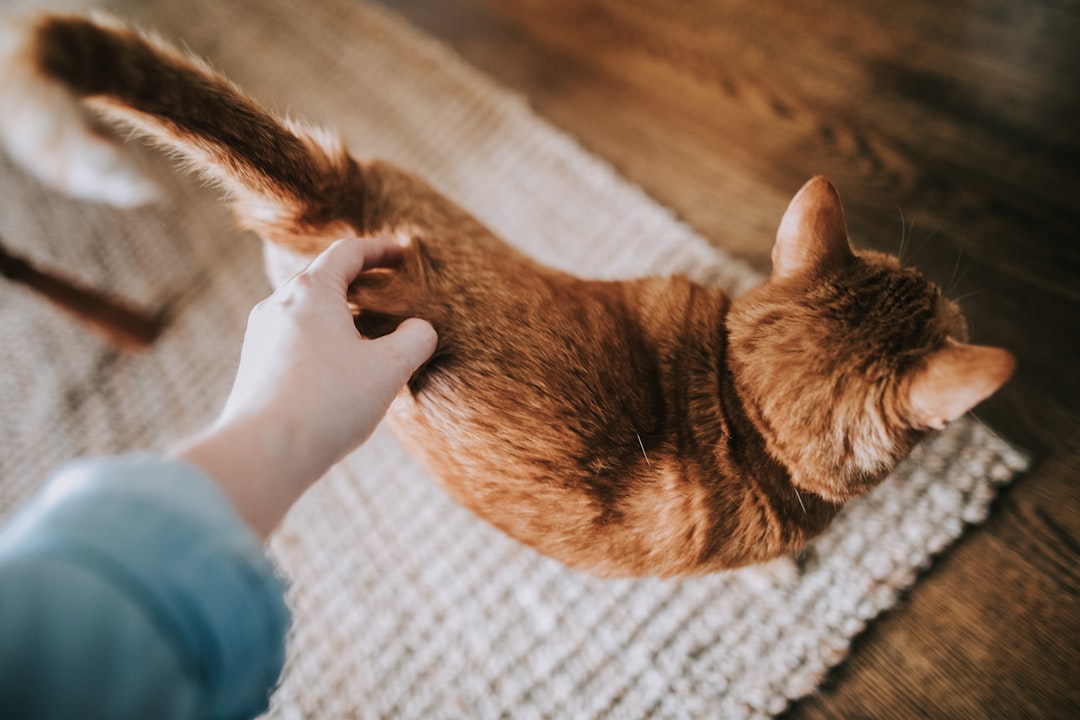
A cat’s tail can be a window into their emotions. While a wagging tail in dogs usually signals happiness, in cats, it can mean something entirely different. Rapid tail movements often indicate agitation or excitement, while a puffed-up tail can signal fear. Observing these tail signals is like reading a mood ring, providing insights into your cat’s current emotional state. Paying attention to their tail can help you understand and respond to their needs better.
Eye Contact and Blinking
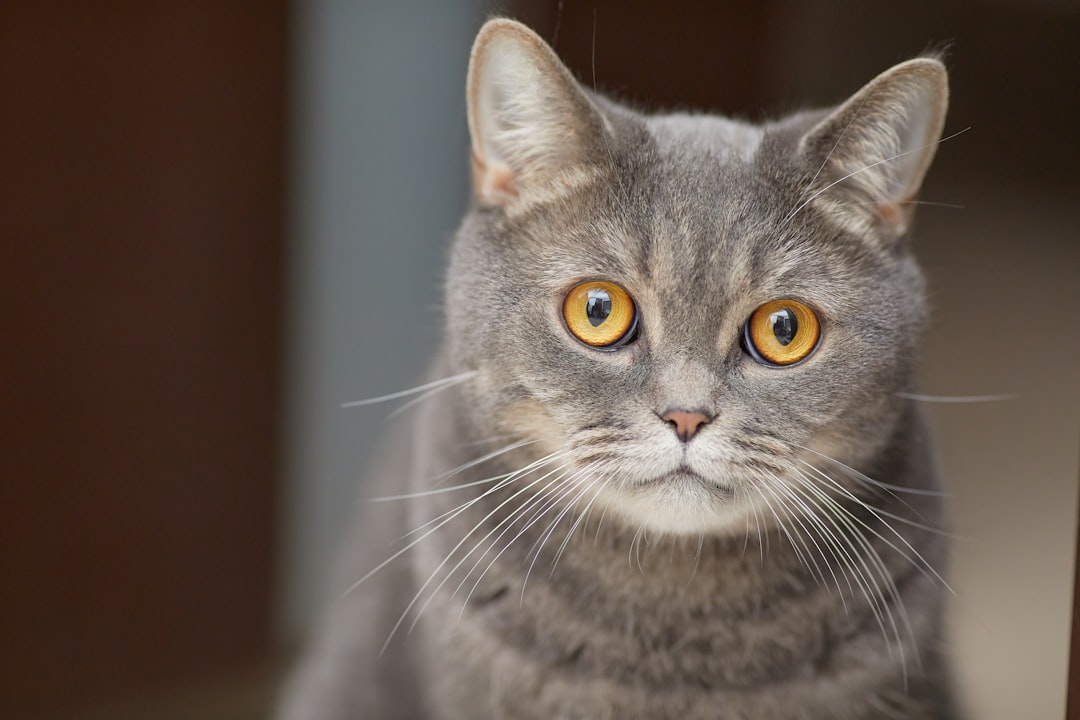
Cats communicate a lot through their eyes. A slow blink from a cat is often referred to as a “kitty kiss” and is a sign of trust and affection. On the contrary, prolonged staring can be a challenge or a sign of discomfort. Imagine a human giving a warm smile versus a cold, hard stare. Understanding these visual cues can help strengthen your bond with your cat, ensuring they feel safe and loved.
Bringing You “Gifts”

If your cat presents you with a “gift” such as a toy or even a small animal, it’s their way of expressing affection or pride. While it might not always be pleasant, it’s essential to recognize it as a gesture of love. Think of it as a child presenting their parent with a drawing. Acknowledging and appreciating these gifts can reinforce your bond, even if it means dealing with an unexpected mouse in the house.
Understanding these signs and signals can significantly enhance your relationship with your cat. By tuning into their unique ways of communication, you can ensure their needs are met, fostering a loving and supportive environment for your feline friend.


