
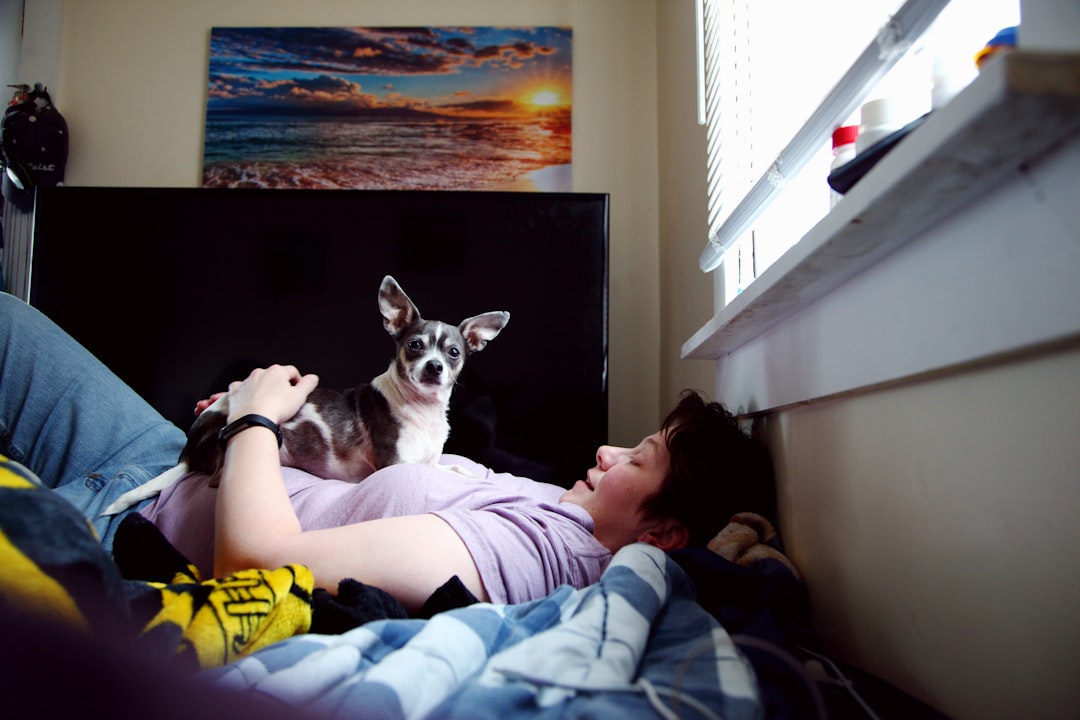
Dogs, man’s best friend, have a way of capturing our hearts with their wagging tails and loving eyes. But have you ever noticed that sometimes they seem to have a favorite person within the family? This can be surprising and sometimes even a little hurtful for those not chosen as the favorite. From their keen sense of smell to their deep emotional intelligence, dogs form bonds based on trust, affection, and shared experiences. While it may seem like favoritism, their choice often comes down to who meets their needs the most. Understanding why this happens is key to fostering a harmonious relationship with our furry companions. Let’s explore the fascinating reasons behind why dogs sometimes pick a favorite person.
The Bonding Process: More Than Just Treats
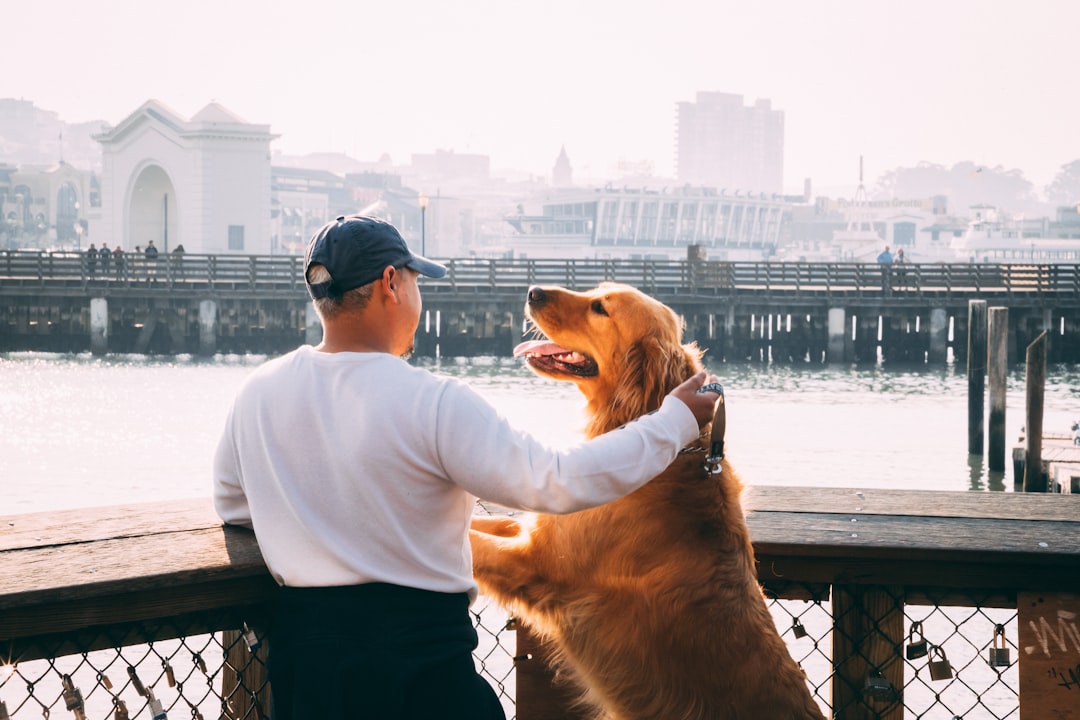
When it comes to forming bonds, dogs are not solely focused on who gives them the most treats. While treats can certainly help, the bond is often deeper and more emotional. Dogs are incredibly intuitive and can sense emotions, intentions, and energy levels. Someone who spends quality time playing, walking, or simply being present with the dog is likely to become their favorite. It’s the little nuances of everyday interactions that build up a strong bond over time.
Consistency in Care: A Key Factor
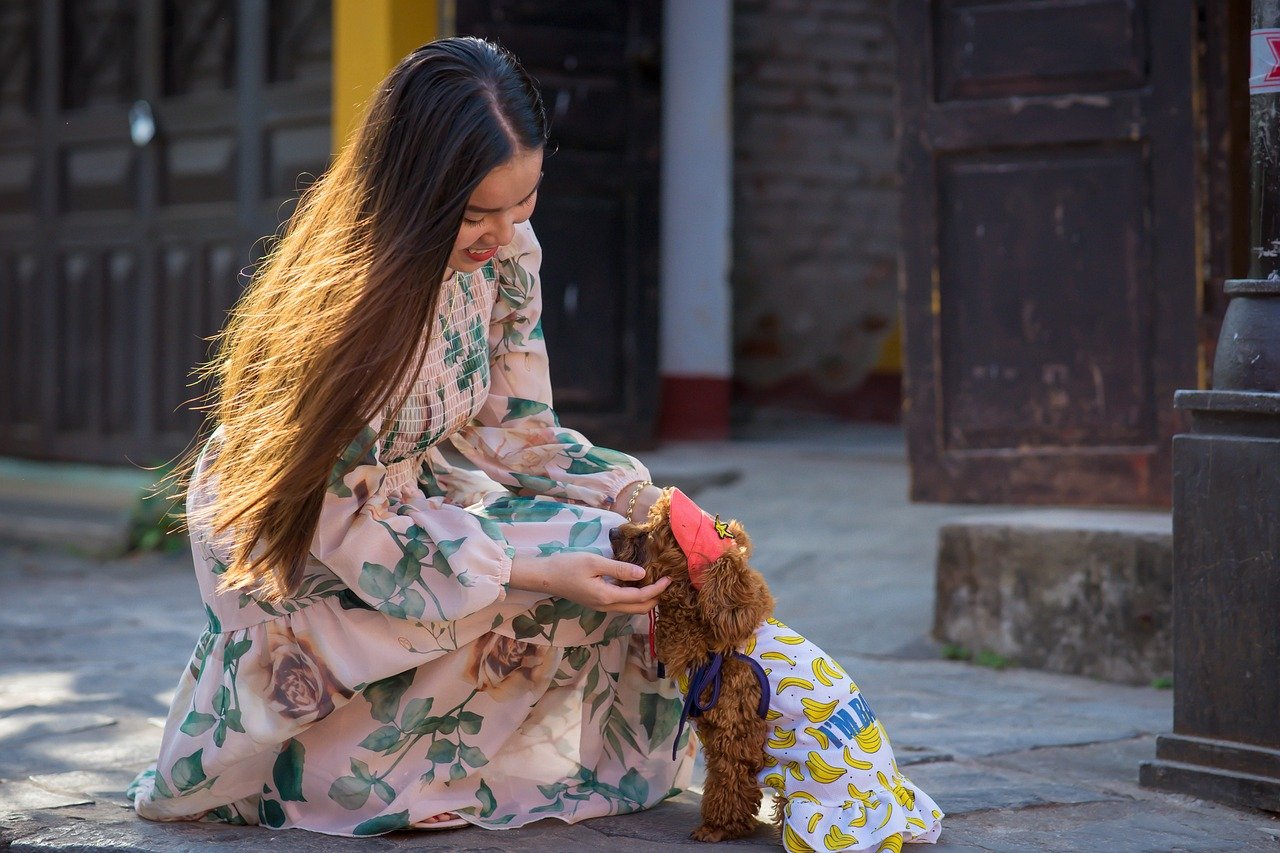
Dogs thrive on consistency. Having a regular routine with feeding times, walks, and playtime can make a significant difference. If one family member is consistently involved in these activities, the dog may naturally gravitate towards them. Dogs appreciate knowing what to expect, and a person who provides that stability becomes a source of comfort and trust. This consistency in care can be likened to a steady hand that guides them through their daily life.
Understanding Energy Levels
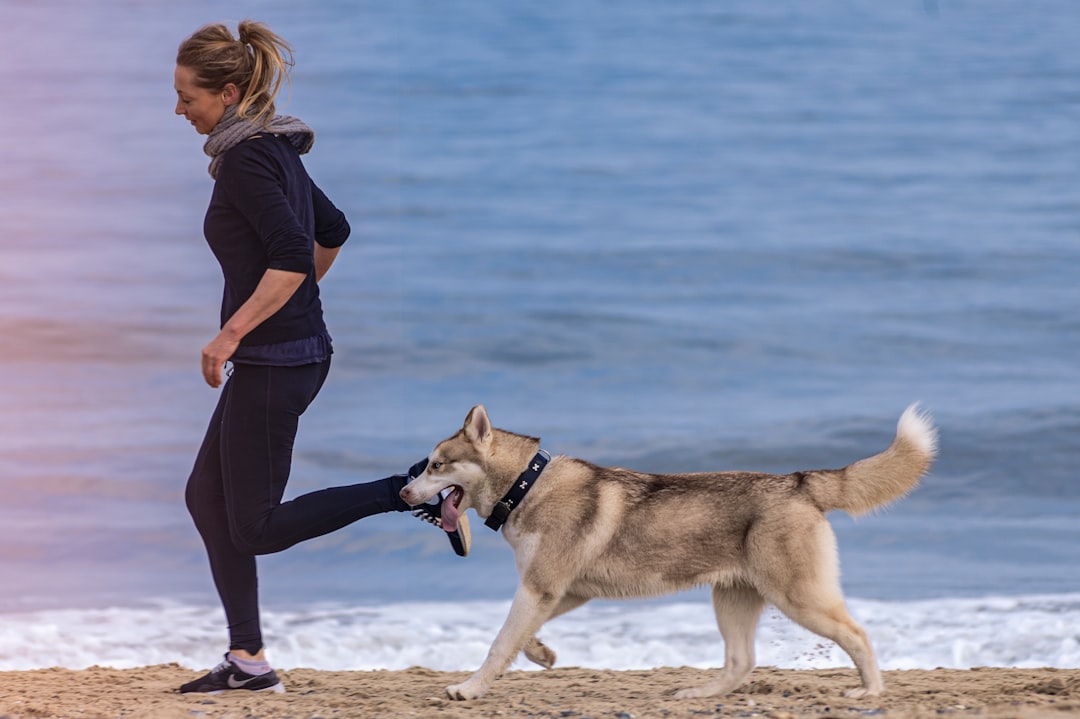
Every dog has its own energy level, just like people. Some dogs are high-energy and need lots of activity, while others prefer a more laid-back lifestyle. A family member whose energy matches that of the dog is likely to become their favorite. A person who enjoys long runs or engaging games may connect more with an energetic dog. Conversely, someone who enjoys quiet evenings might bond better with a more relaxed pet. It’s all about syncing energies.
Communication Beyond Words
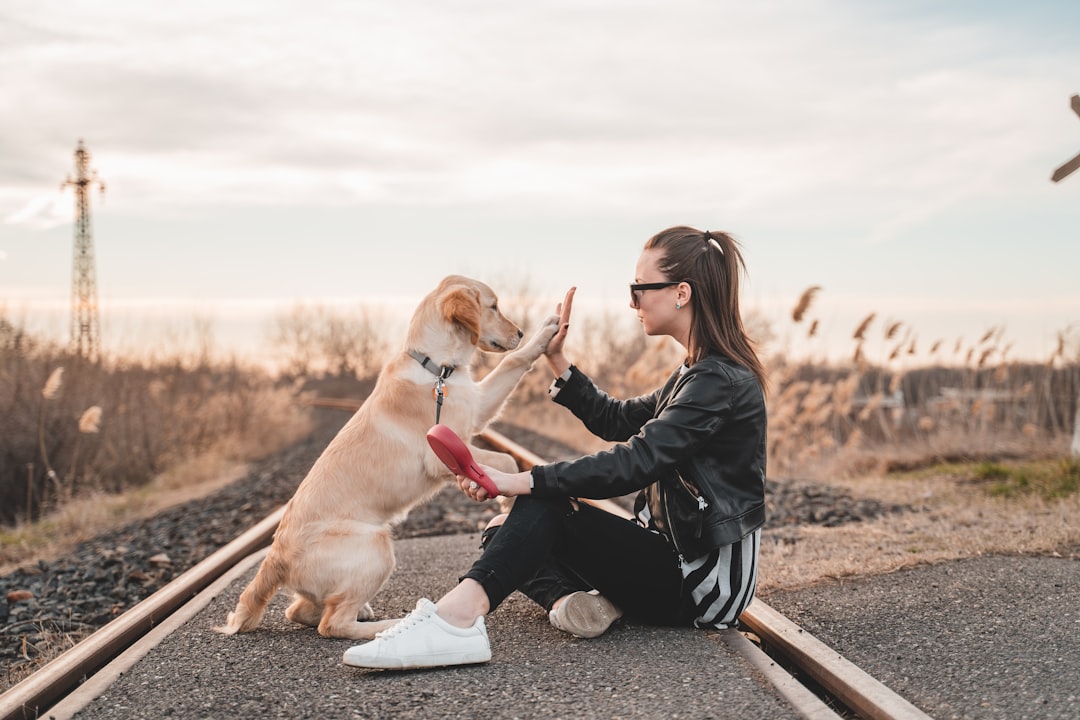
Dogs communicate through body language, tone of voice, and even facial expressions. They are keen observers and can pick up on subtle cues. A family member who can read these signals and respond appropriately can form a deeper connection with the dog. Whether it’s understanding when a dog needs space or recognizing when they want to play, this non-verbal communication strengthens the bond, making one person stand out as the favorite.
The Role of Past Experiences
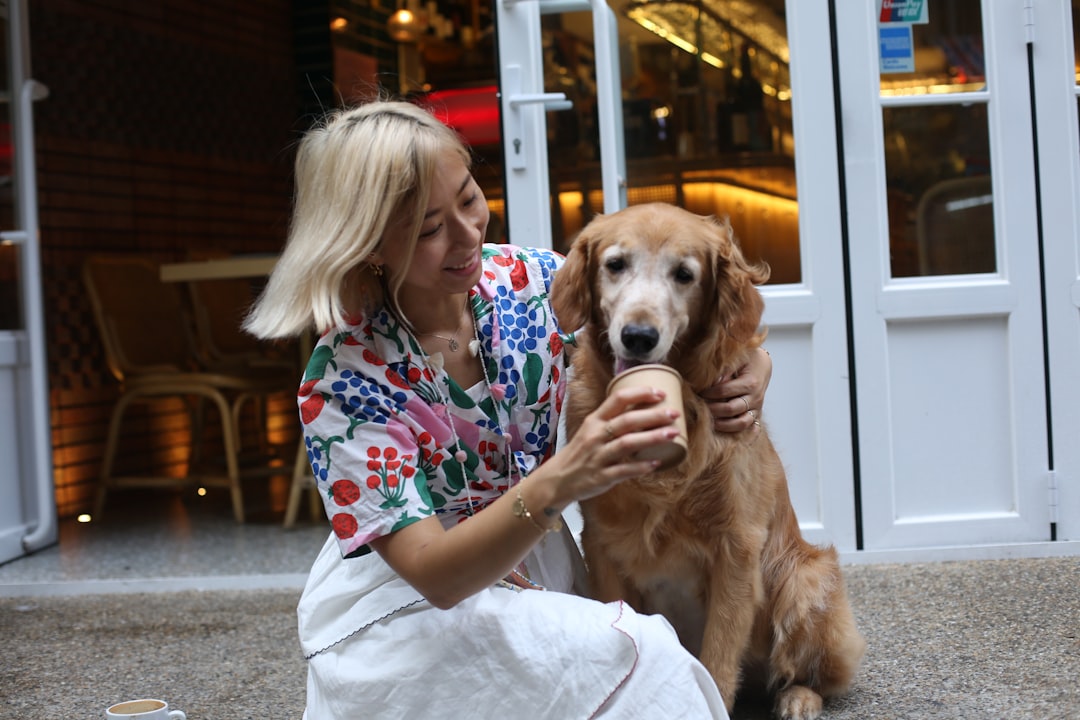
A dog’s past experiences can significantly influence their preferences. If a dog has had positive interactions with someone who resembles a family member in appearance, voice, or behavior, they may gravitate towards that person. On the flip side, negative experiences can create biases that affect current relationships. Understanding a dog’s history can provide insights into why they might favor one person over another.
The Influence of Scent
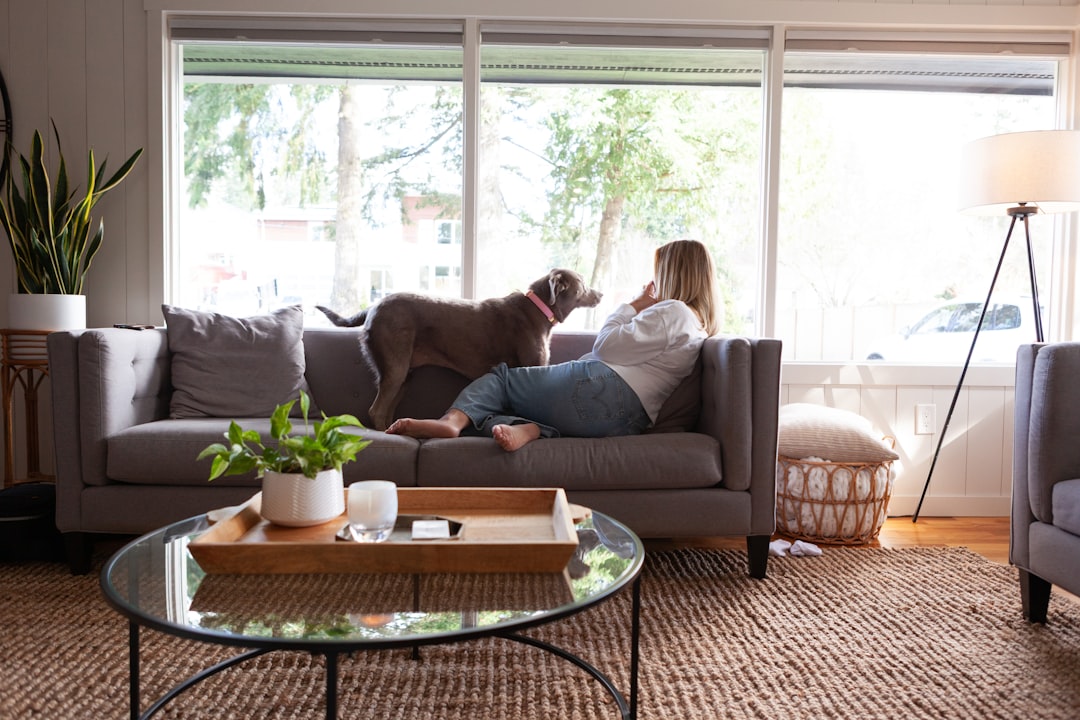
Dogs have an extraordinary sense of smell, and scent plays a crucial role in their world. They can detect subtle differences in scent among family members. A person whose scent is familiar and comforting may become the dog’s favorite. This preference can be as simple as a particular soap, perfume, or even the natural scent of a person that resonates with the dog’s olfactory senses. It’s a reminder of how primal and powerful the sense of smell is for dogs.
Quality Time Over Quantity

It’s not about how much time you spend with the dog, but the quality of that time. Engaging in meaningful activities like training sessions, learning new tricks, or exploring new places together can strengthen the bond. These shared experiences create memories and deepen the connection. A family member who invests in quality time with the dog will likely find themselves in the favored position.
Personality Compatibility
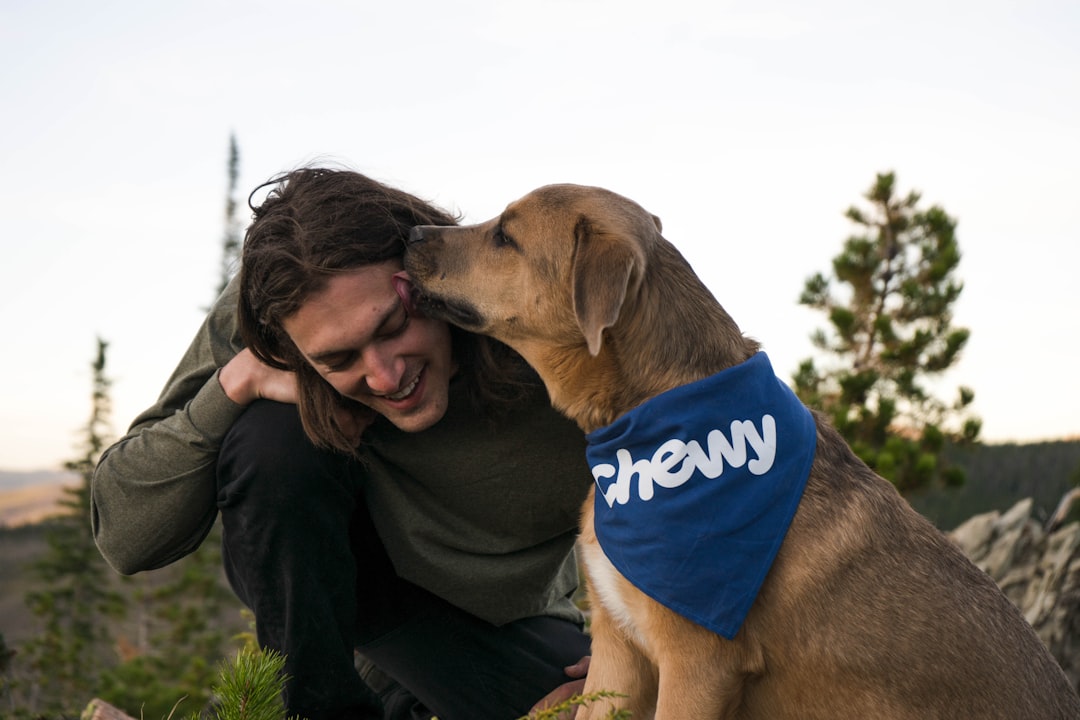
Just like humans, dogs have distinct personalities. Some are extroverted and social, while others are introverted and reserved. A family member whose personality aligns with that of the dog can form a natural bond. Understanding and respecting the dog’s personality and adjusting interactions accordingly can lead to a stronger connection. It’s about finding common ground and building from there.
The Impact of Voice and Tone
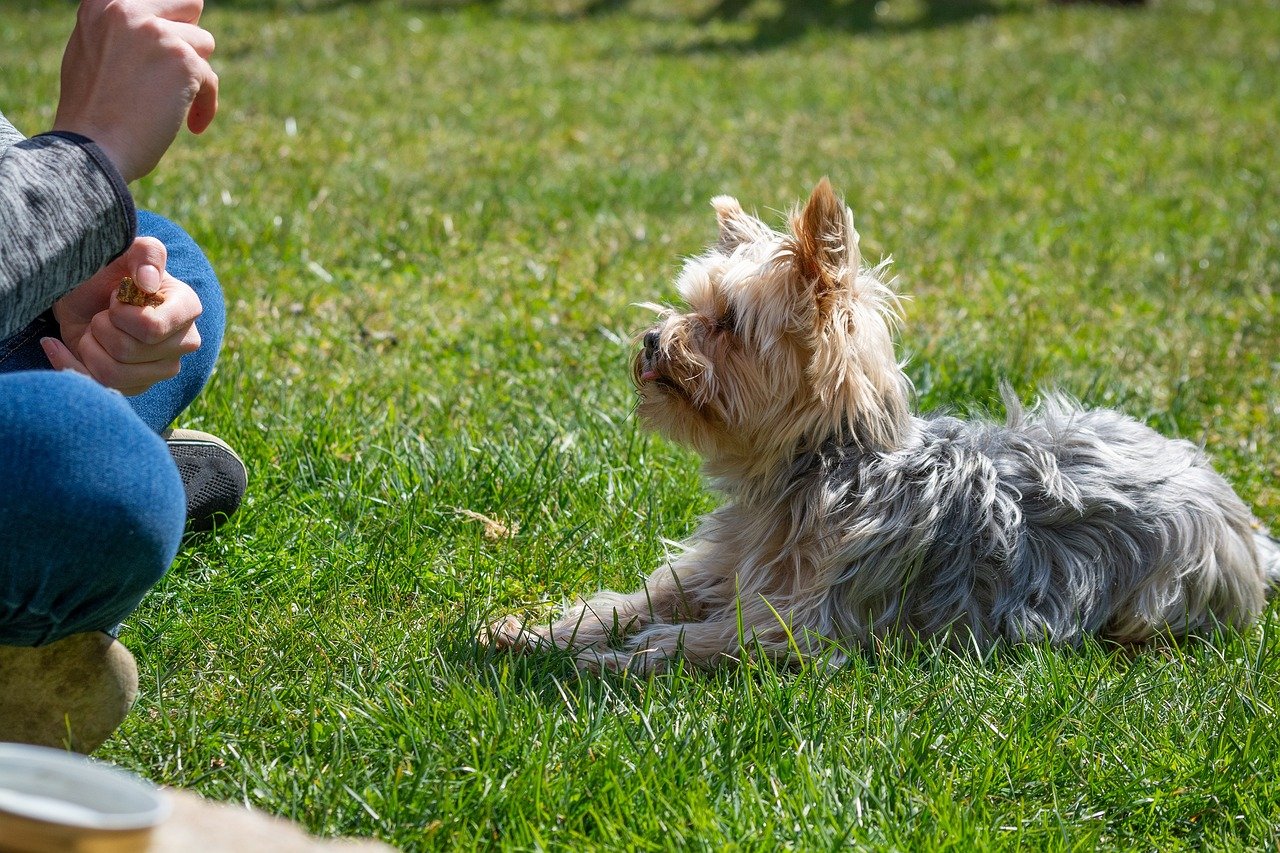
The way we speak to dogs can significantly impact their preferences. Dogs are sensitive to tone and can detect emotions through vocal cues. A calm, soothing voice can be comforting, while an excited, playful tone can be engaging. A family member who consistently uses a positive and encouraging tone is likely to become a favorite. It’s a simple yet effective way to connect with our canine companions.
Conclusion
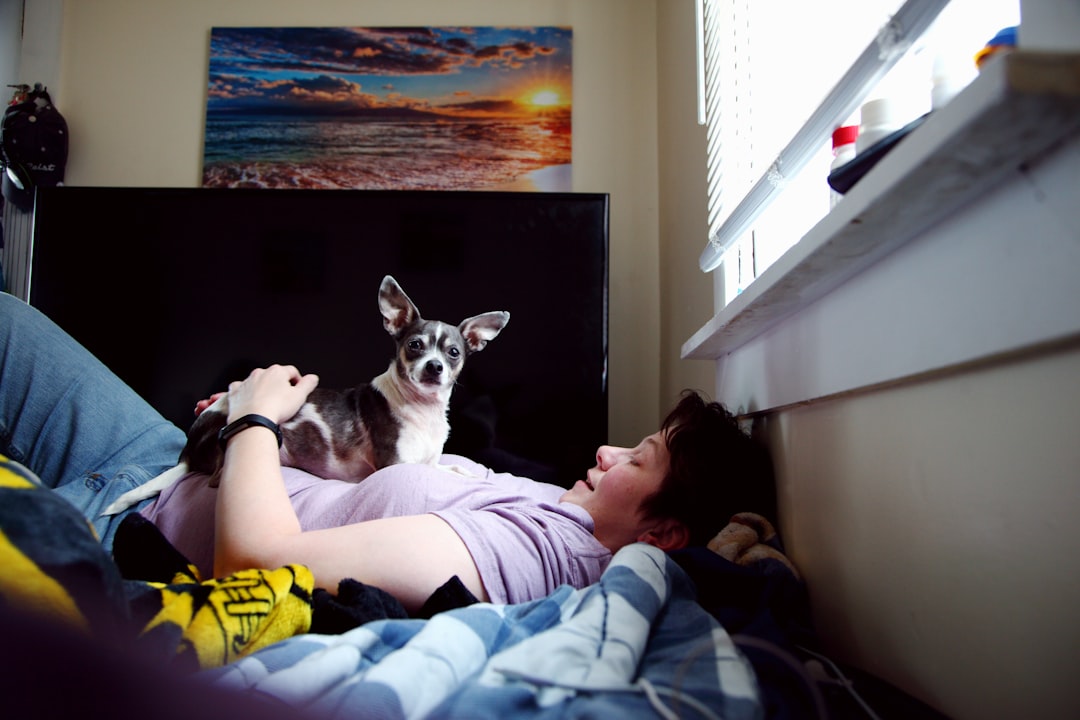
In conclusion, while it may be puzzling why a dog prefers one family member over others, it’s often a combination of factors. Consistency, energy alignment, communication, and past experiences all play a part. By understanding these elements, families can work together to ensure that every member enjoys a loving relationship with their furry friend.


