

Have you ever noticed your dog acting differently when you’re feeling down or anxious? It might surprise you to learn that dogs have an incredible ability to mirror our emotions. This phenomenon isn’t just a figment of our imagination; it’s a reality deeply rooted in the bond we share with these loyal companions. Imagine a mirror reflecting not just your appearance but your very feelings. This article delves into why dogs mirror our emotions and how we can help them navigate the emotional waves they experience alongside us.
The Emotional Bond Between Humans and Dogs

The connection between humans and dogs is unlike any other. This bond has been nurtured over thousands of years, and it’s no wonder that dogs have become so attuned to our emotional states. When you feel happy, your dog is likely to wag its tail and bounce around with joy. Conversely, when you’re feeling blue, your dog might become subdued or clingy. This emotional mirroring is a testament to the deep relationship we’ve cultivated with our four-legged friends.
Dogs have evolved alongside humans, learning to read our facial expressions, body language, and even the tone of our voices. This ability to understand and respond to our emotions is a survival trait that has cemented their place as man’s best friend. By recognizing the emotional cues that humans exhibit, dogs can provide comfort, companionship, and even protection when needed.
How Dogs Sense Our Emotions

Dogs possess an extraordinary ability to sense our emotions, often picking up on subtle cues that we might not even be aware of. Their acute sense of smell plays a significant role in this. When we’re stressed or anxious, our body chemistry changes, releasing certain pheromones that dogs can detect. This olfactory sense, combined with their keen observation skills, allows them to gauge our emotional state accurately.
Moreover, dogs are masters at reading our body language. A slight change in posture, the furrow of a brow, or the tone of our voice can all convey different emotions. Dogs have learned to interpret these signals, often responding with empathy and understanding. This sensitivity to our emotional cues is what makes dogs such effective companions for those dealing with stress, anxiety, or depression.
The Impact of Human Emotions on Dogs

While dogs are adept at mirroring our emotions, this ability can sometimes have adverse effects on their well-being. When humans experience prolonged periods of stress or anxiety, dogs can absorb these emotions, leading to behavioral changes. You might notice your dog becoming more anxious, exhibiting signs of stress, or even developing health issues as a result of this emotional mirroring.
It’s important to recognize that dogs, like humans, have their emotional thresholds. Constant exposure to negative emotions can affect their mental and physical health. Understanding this impact is crucial for dog owners, as it emphasizes the need to maintain a balanced emotional environment for their furry friends.
Helping Your Dog Cope with Mirrored Emotions

If you notice your dog mirroring your emotions, there are several ways you can help them cope. First and foremost, it’s important to manage your own stress and anxiety levels. By taking care of your mental health, you indirectly create a more positive environment for your dog. Engage in activities that bring you joy and relaxation, and your dog will likely follow suit.
Additionally, providing your dog with mental and physical stimulation can help alleviate stress. Regular walks, playtime, and interactive toys can keep their minds engaged and distracted from any negative emotions they might be absorbing. Remember, a tired dog is a happy dog, and exercise is a great way to release pent-up energy and stress.
The Role of Routine in Emotional Stability

Routine plays a vital role in maintaining emotional stability for both humans and dogs. Just like humans, dogs thrive on predictability and consistency. Establishing a daily routine that includes regular feeding times, walks, and play sessions can provide a sense of security for your dog. This predictability helps them feel more in control of their environment, reducing any anxiety they might experience.
A consistent routine also allows dogs to anticipate positive interactions, enhancing their overall well-being. By maintaining a structured schedule, you create a stable environment that supports your dog’s emotional health. This, in turn, can help mitigate the effects of mirrored emotions, ensuring that your dog remains happy and content.
Recognizing Signs of Stress in Your Dog

Dogs may not be able to verbally communicate their stress, but they often exhibit physical and behavioral signs that indicate their emotional state. Common signs of stress in dogs include excessive panting, pacing, whining, and destructive behavior. If you notice these behaviors, it’s essential to assess your dog’s environment and identify any potential stressors.
Understanding these signs allows you to take proactive steps to alleviate your dog’s stress. Whether it’s providing a quiet space for relaxation or engaging in calming activities, recognizing and addressing these signs is crucial for your dog’s emotional well-being. Remember, just like humans, dogs need support and understanding during challenging times.
Creating a Calming Environment for Your Dog

Creating a calming environment for your dog is key to helping them cope with mirrored emotions. Consider setting up a designated space in your home where your dog can retreat to when they need a break. This space should be quiet, comfortable, and free from any potential stressors. Soft bedding, calming music, and familiar toys can all contribute to a soothing atmosphere.
Additionally, consider incorporating holistic approaches such as aromatherapy or massage to promote relaxation. Certain scents, like lavender or chamomile, can have a calming effect on dogs. By providing a serene environment, you help your dog feel safe and secure, reducing any anxiety they might be experiencing.
The Importance of Positive Reinforcement
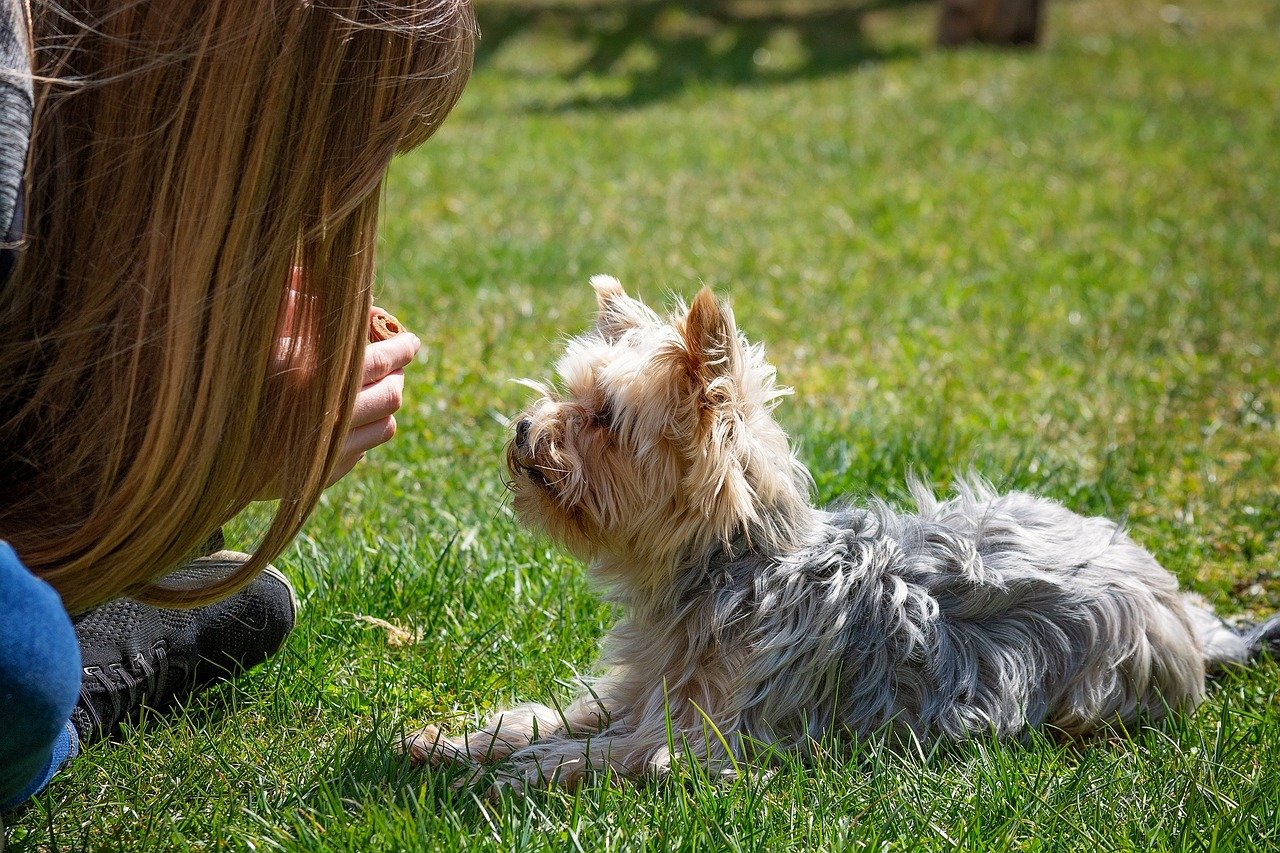
Positive reinforcement is a powerful tool in helping dogs cope with mirrored emotions. By rewarding desired behaviors with treats, praise, or affection, you reinforce a positive emotional state. This not only strengthens the bond between you and your dog but also encourages them to focus on positive experiences rather than negative emotions.
Training sessions that incorporate positive reinforcement can also serve as a distraction from any stressors. Engaging your dog in activities that require focus and concentration can redirect their attention away from negative emotions. Remember, dogs thrive on positive interactions, and reinforcing these behaviors can have a lasting impact on their emotional well-being.
In conclusion, understanding why dogs mirror our emotions and how to help them cope is crucial for maintaining a harmonious relationship with our furry companions. By recognizing the signs of stress, creating a calming environment, and utilizing positive reinforcement, we can support our dogs’ emotional health. So, the next time you find your dog reflecting your emotions, consider how you can create a positive and nurturing environment for both of you. After all, our dogs are not just pets; they’re family.


