
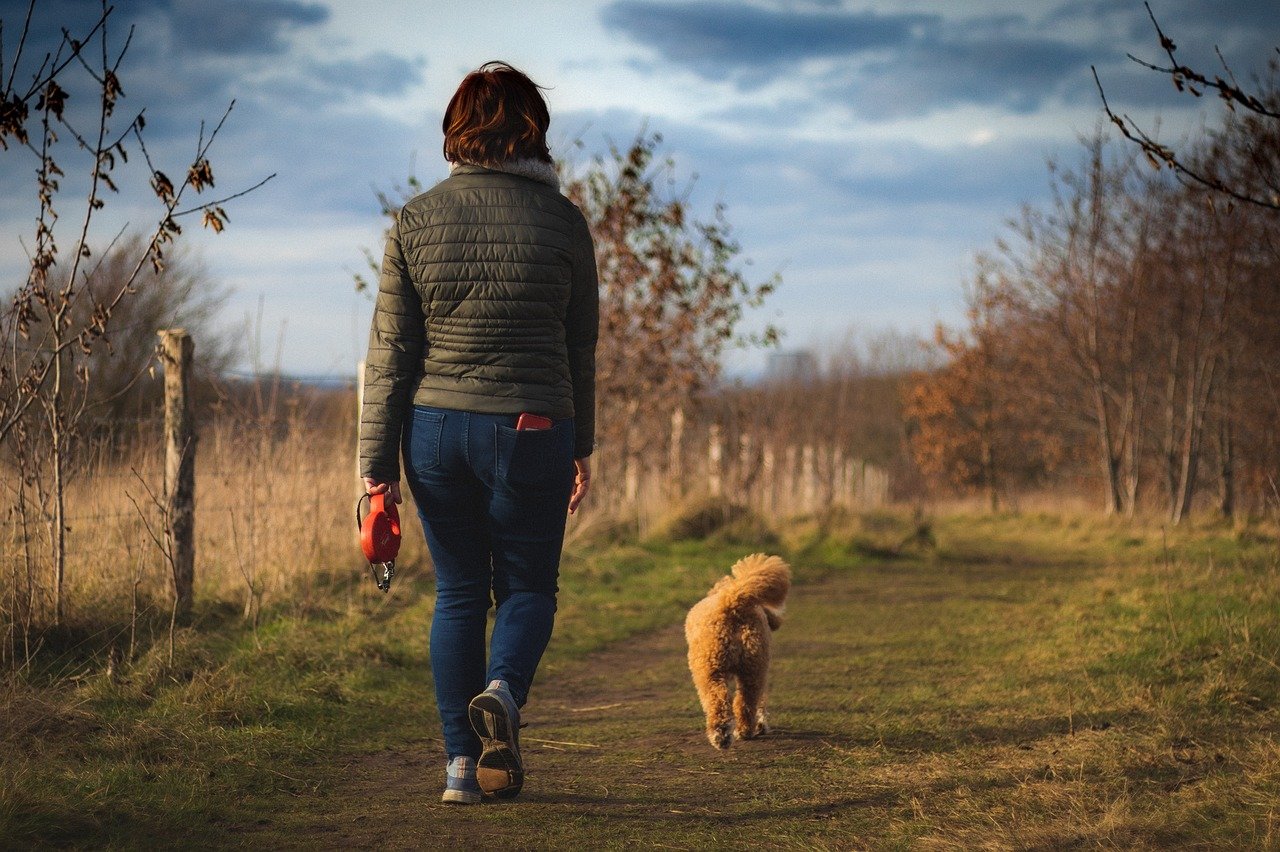
Have you ever wondered why your dog seems to light up at the mere mention of a walk? For many dog owners, the sight of a wagging tail is a heartwarming reminder of the simple joys in life. But dog walks are more than just a daily routine; they’re a vital component of your furry friend’s health and happiness. This article delves into the multifaceted benefits of dog walks, exploring how they contribute to both the physical and mental well-being of our beloved companions.
The Physical Benefits of Regular Dog Walks
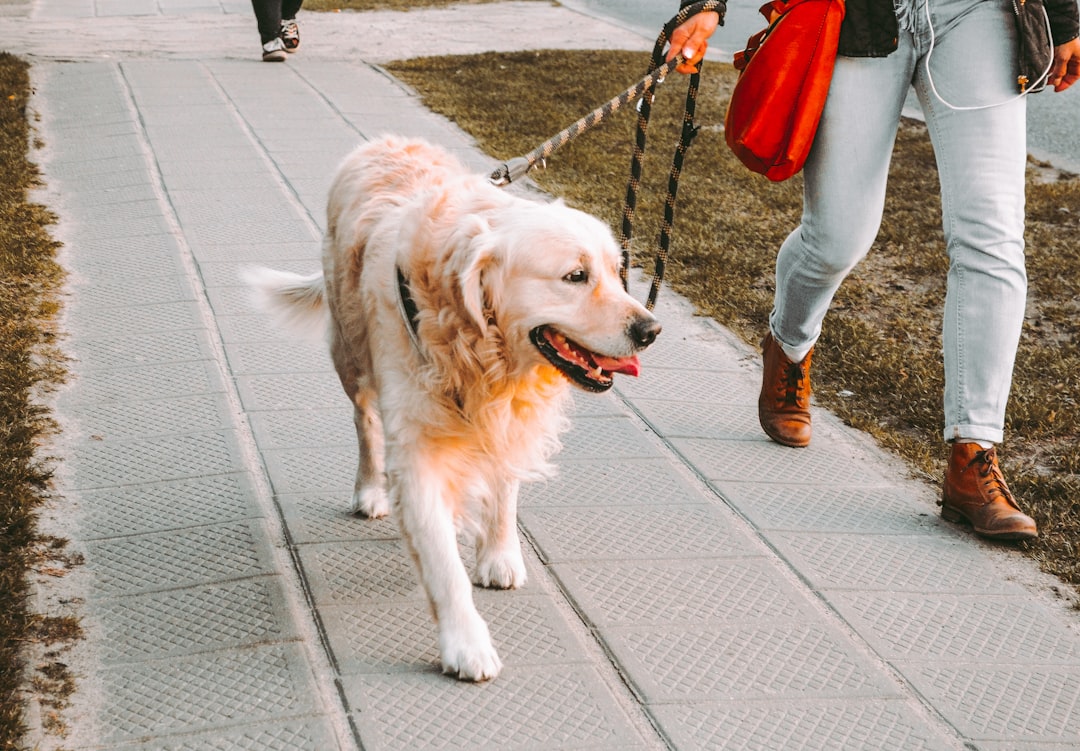
Dog walks play a crucial role in maintaining your pet’s physical health. Just like humans, dogs require regular exercise to keep their muscles strong and their bodies fit. Walking helps to burn calories, which is essential for preventing obesity—a common issue among dogs today. When you walk your dog, you’re not just exercising them; you’re also helping to maintain their cardiovascular health. A brisk walk can get the heart pumping, improving circulation and overall stamina. Moreover, regular walks can strengthen joints and bones, reducing the risk of arthritis as your dog ages. It’s a simple yet effective way to ensure your dog stays in top shape.
Enhancing Mental Stimulation Through Exploration
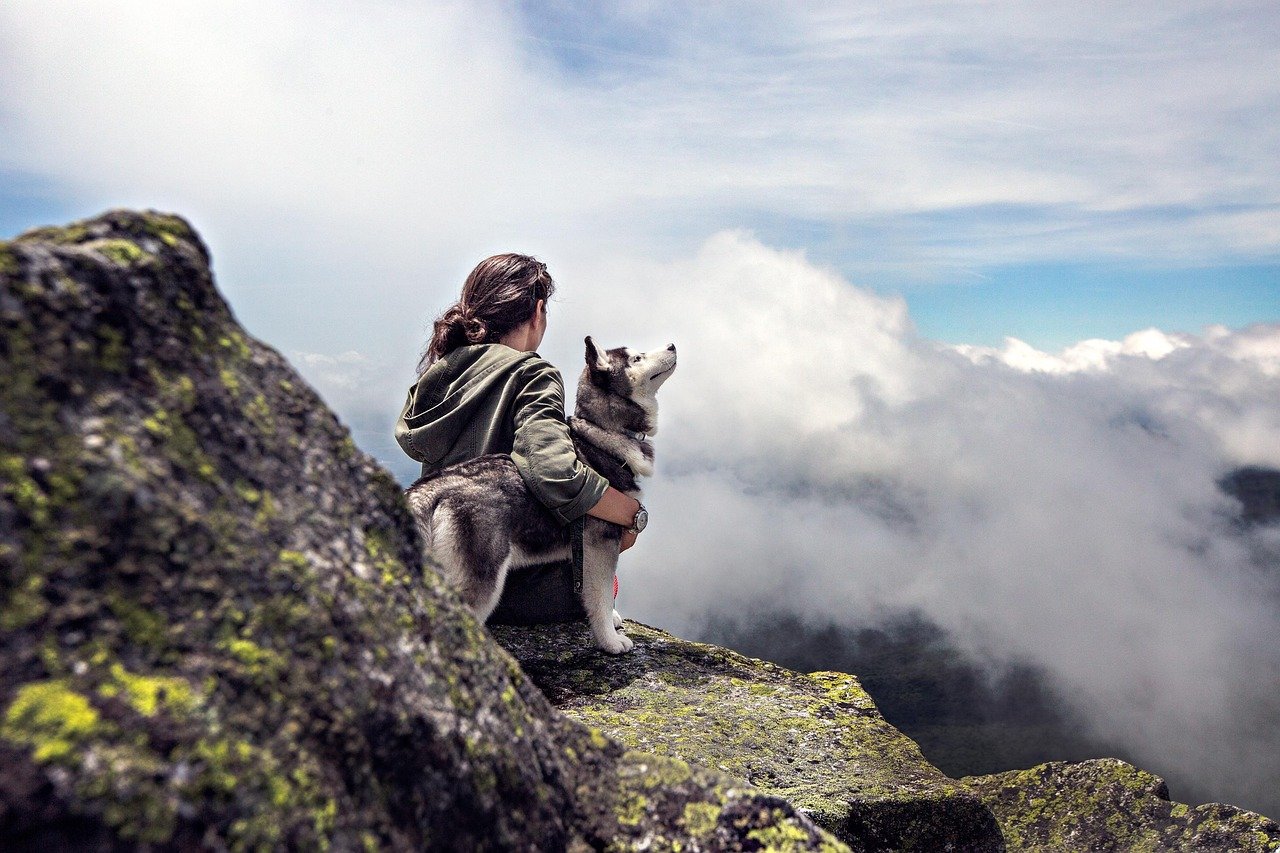
The world is a fascinating place for a dog, full of new smells, sights, and sounds. Walks offer dogs the opportunity to explore their environment, which provides mental stimulation. This mental exercise is just as important as physical activity. Dogs have an innate curiosity, and allowing them to sniff and investigate during walks can keep their minds sharp. This kind of stimulation can prevent boredom, which is a common cause of destructive behavior in dogs. By engaging their senses, walks can help satisfy their natural instincts, leaving them calmer and more content.
Strengthening the Bond Between Owner and Pet
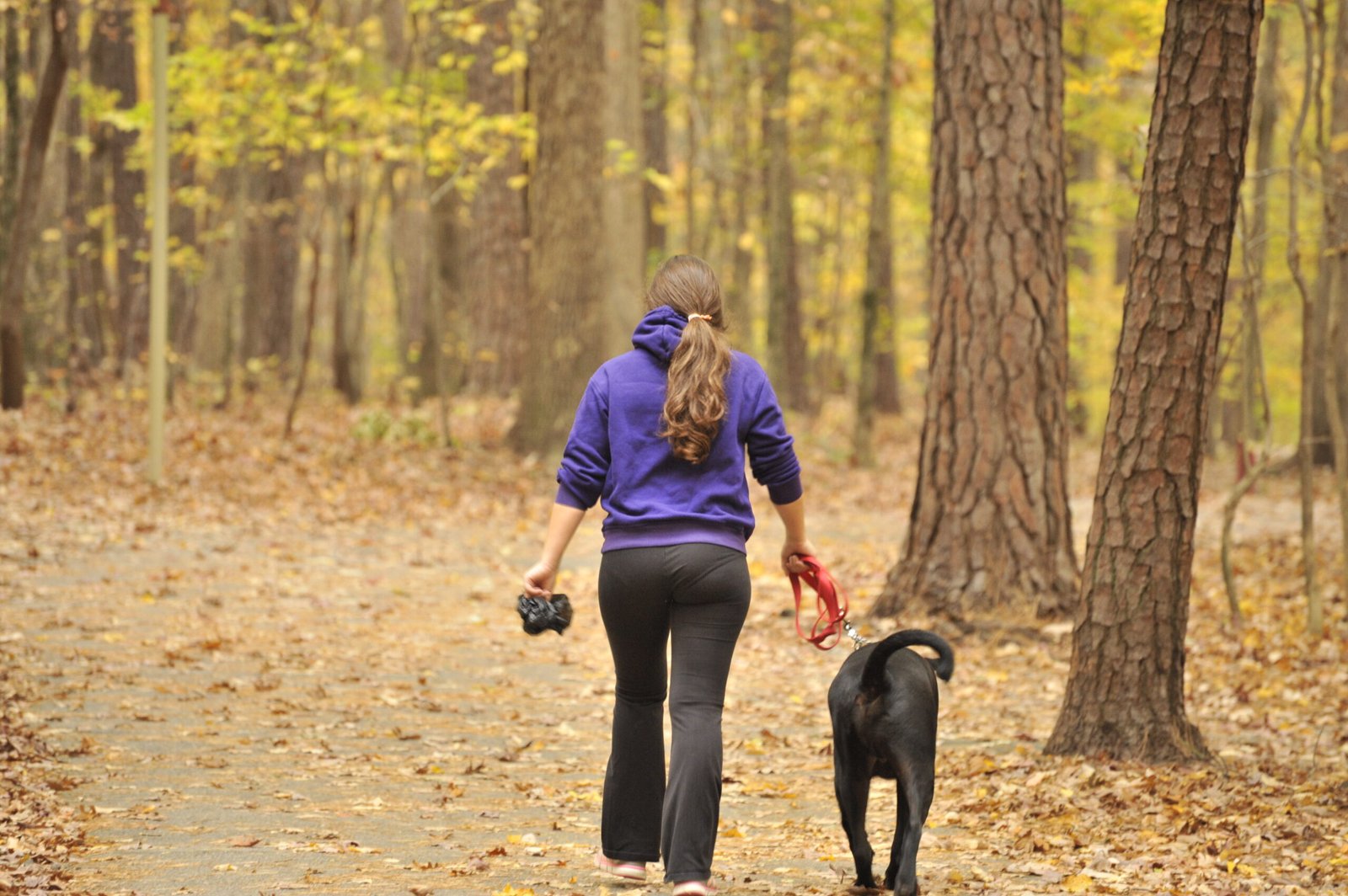
Walking your dog is not just beneficial for your pet; it’s also an excellent way to strengthen your bond. Spending quality time together on walks can build trust and deepen the relationship between you and your dog. As you navigate the world together, your dog learns to rely on you for guidance and protection. This shared experience can enhance communication, making training and obedience easier. Plus, it’s a wonderful way to enjoy each other’s company in a stress-free environment, away from the distractions of home life.
Reducing Anxiety and Stress Levels
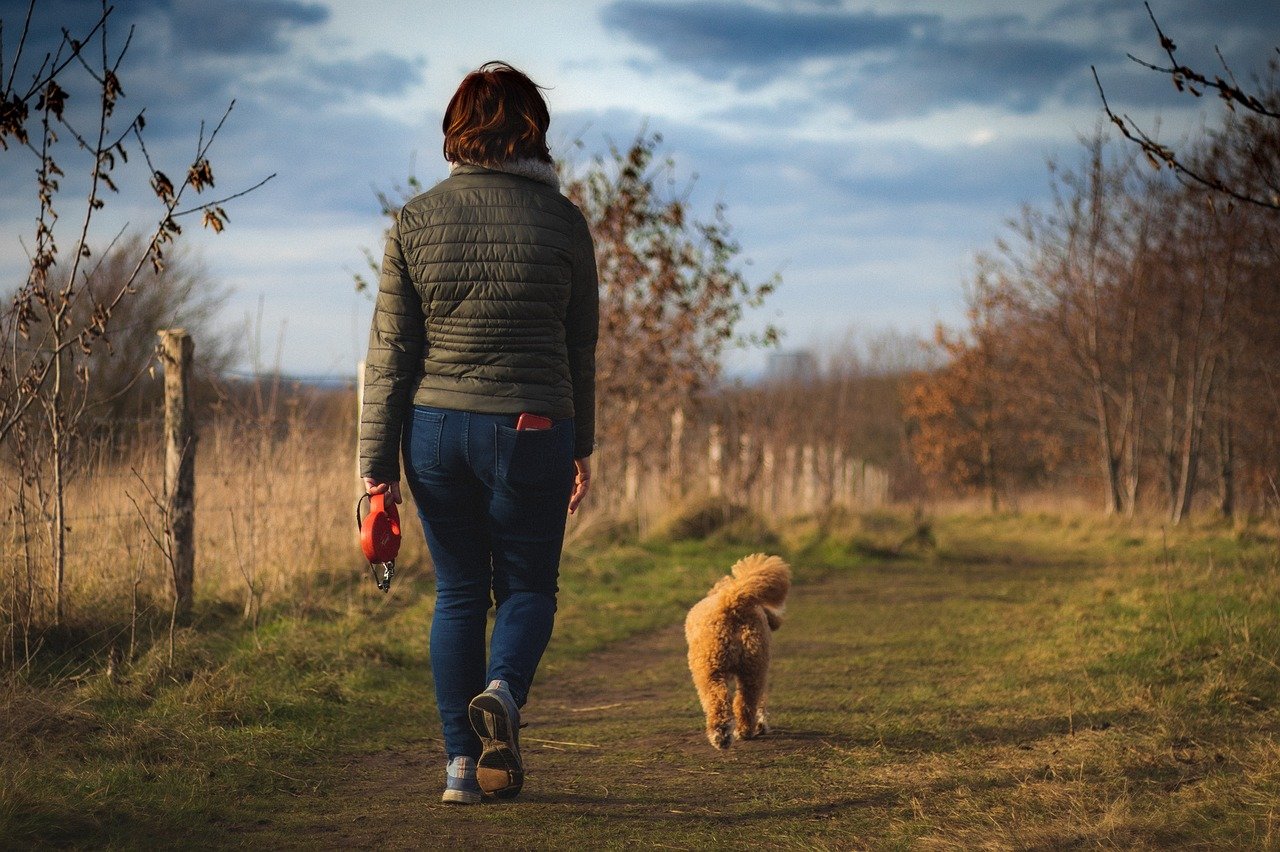
Just like humans, dogs can suffer from anxiety and stress. Walks provide an outlet for these emotions, offering a sense of routine and predictability that can be comforting to a dog. Physical activity releases endorphins, the feel-good hormones that can elevate mood and reduce stress levels. A good walk can also tire out an anxious dog, leading to more restful sleep and a calmer demeanor at home. For dogs that are prone to nervousness, regular walks can be a powerful tool for managing their anxiety.
Socialization Opportunities for Dogs
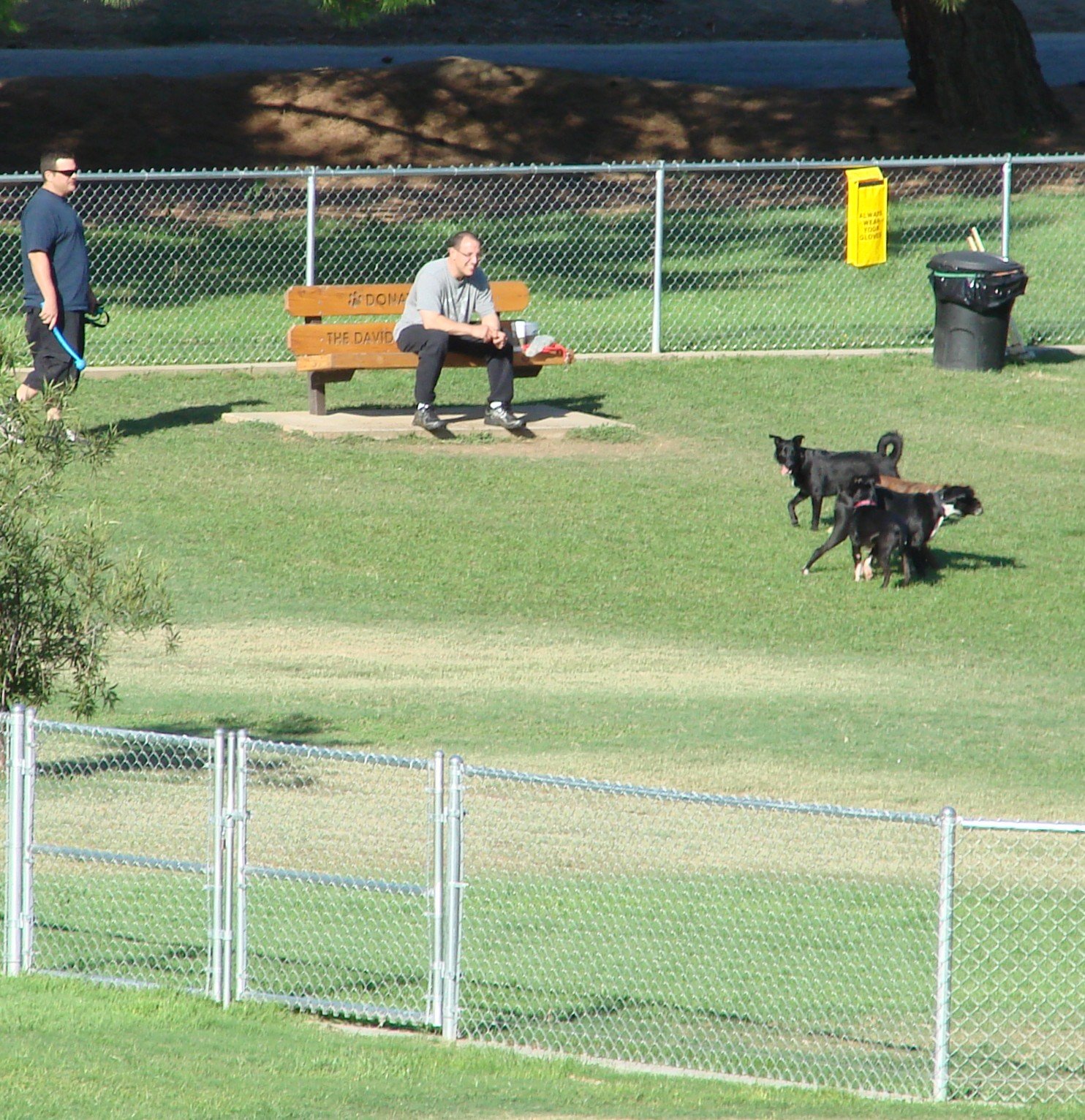
Walks are a fantastic opportunity for socialization, which is crucial for a well-adjusted dog. During walks, your dog is likely to encounter other dogs and people, providing a chance to practice social skills. Learning to interact politely with others can build confidence and reduce fear or aggression. Socialization is particularly important for puppies, as it helps them grow into friendly and well-mannered adults. Even for older dogs, meeting new friends on a walk can be an exciting and rewarding experience.
Providing a Sense of Routine and Structure

Dogs thrive on routine and structure, and regular walks can provide just that. Knowing that a walk is coming can give your dog something to look forward to, creating a sense of stability in their day. This predictability can be especially beneficial for dogs that struggle with separation anxiety or other behavioral issues. Having a set time for walks can also help with house training, as dogs often need to relieve themselves after exercise. A consistent routine can make life easier for both you and your pet.
Encouraging Better Sleep Patterns
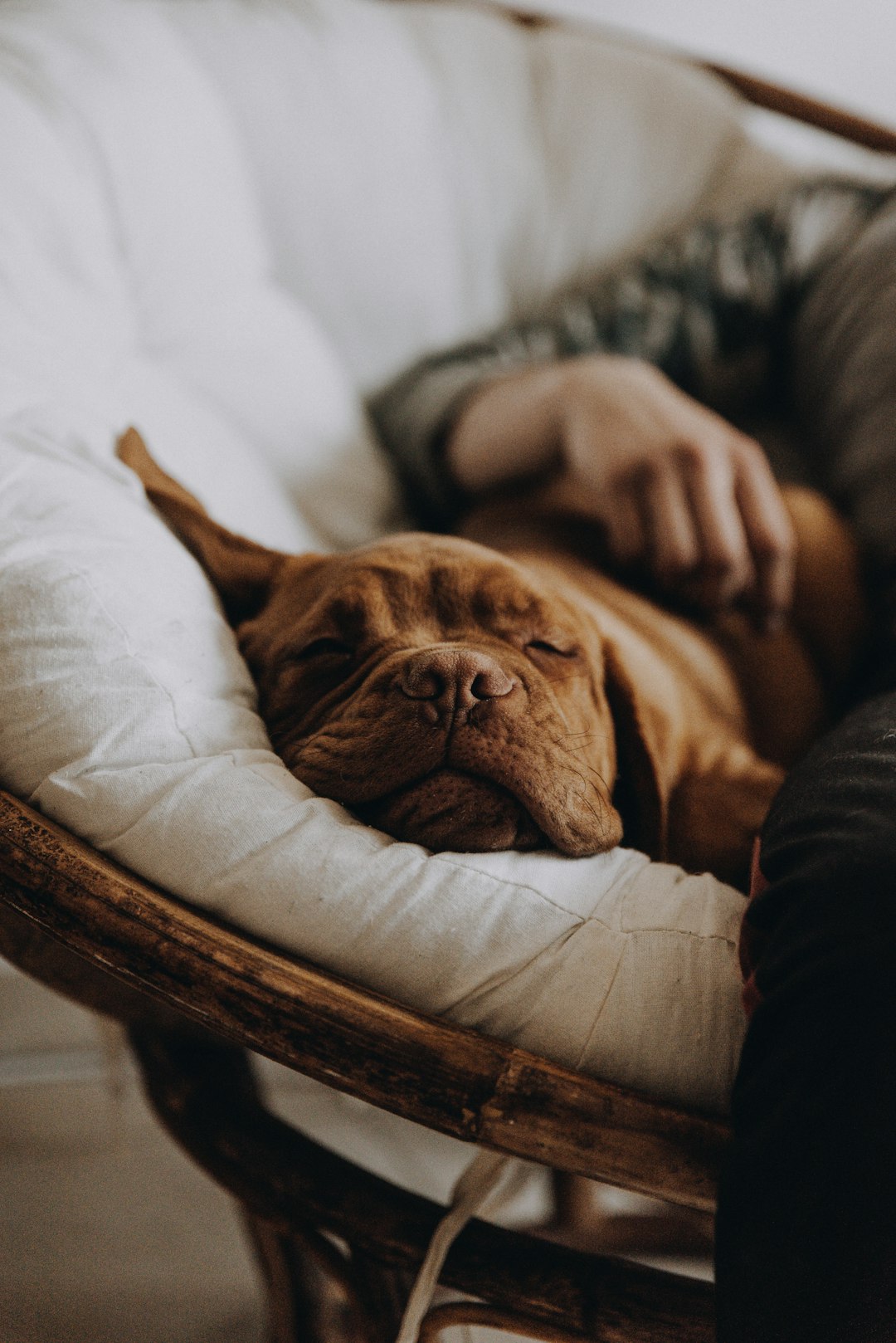
A well-exercised dog is likely to sleep better at night. Physical activity during walks can help tire out your dog, leading to deeper and more restful sleep. This is important for their overall health, as sleep is crucial for the body’s repair processes. A good night’s sleep can also improve your dog’s mood and behavior, making them more pleasant to be around. Regular walks can help regulate your dog’s sleep-wake cycle, ensuring they get the rest they need.
Improving Digestive Health
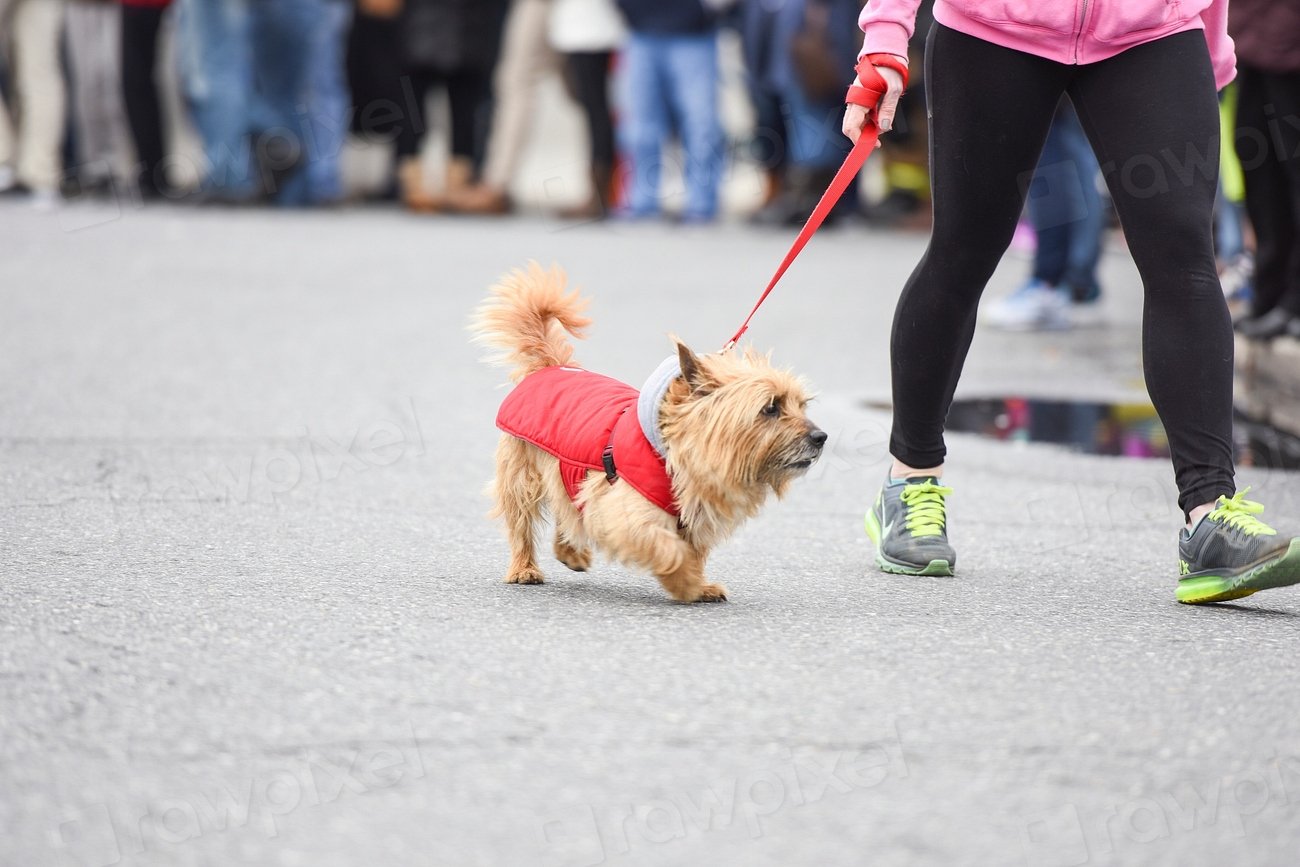
Walking can also have a positive impact on your dog’s digestive health. Exercise helps to stimulate the digestive system, aiding in the regular movement of food through the intestines. This can prevent constipation and promote regular bowel movements. Additionally, the physical activity from walks can increase your dog’s appetite, ensuring they eat enough to meet their nutritional needs. A healthy digestive system is essential for your dog’s overall well-being, and regular walks can play a key role in maintaining it.
Boosting Immunity and Longevity
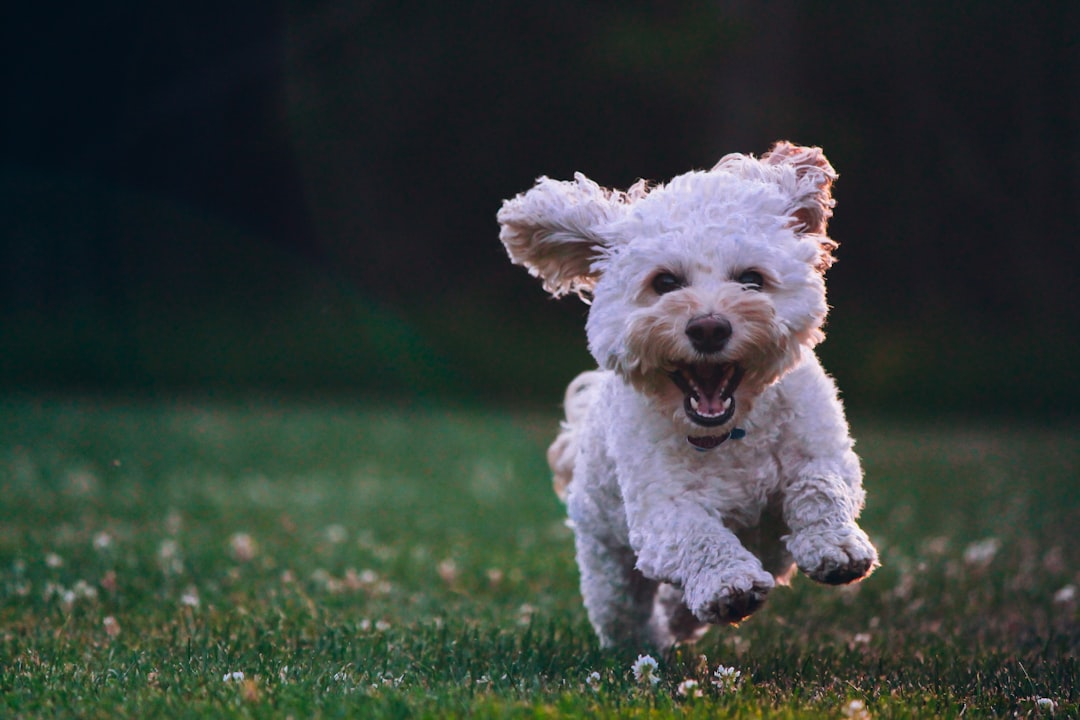
Regular walks can contribute to a stronger immune system, helping your dog fight off illnesses more effectively. Exercise is known to boost immunity by promoting better circulation and improving the function of immune cells. A healthy immune system is crucial for longevity, allowing your dog to live a longer, healthier life. By incorporating walks into your dog’s daily routine, you’re not just enhancing their quality of life; you’re also giving them the best chance at a long and happy life.
Enjoying the Simple Joys of Life
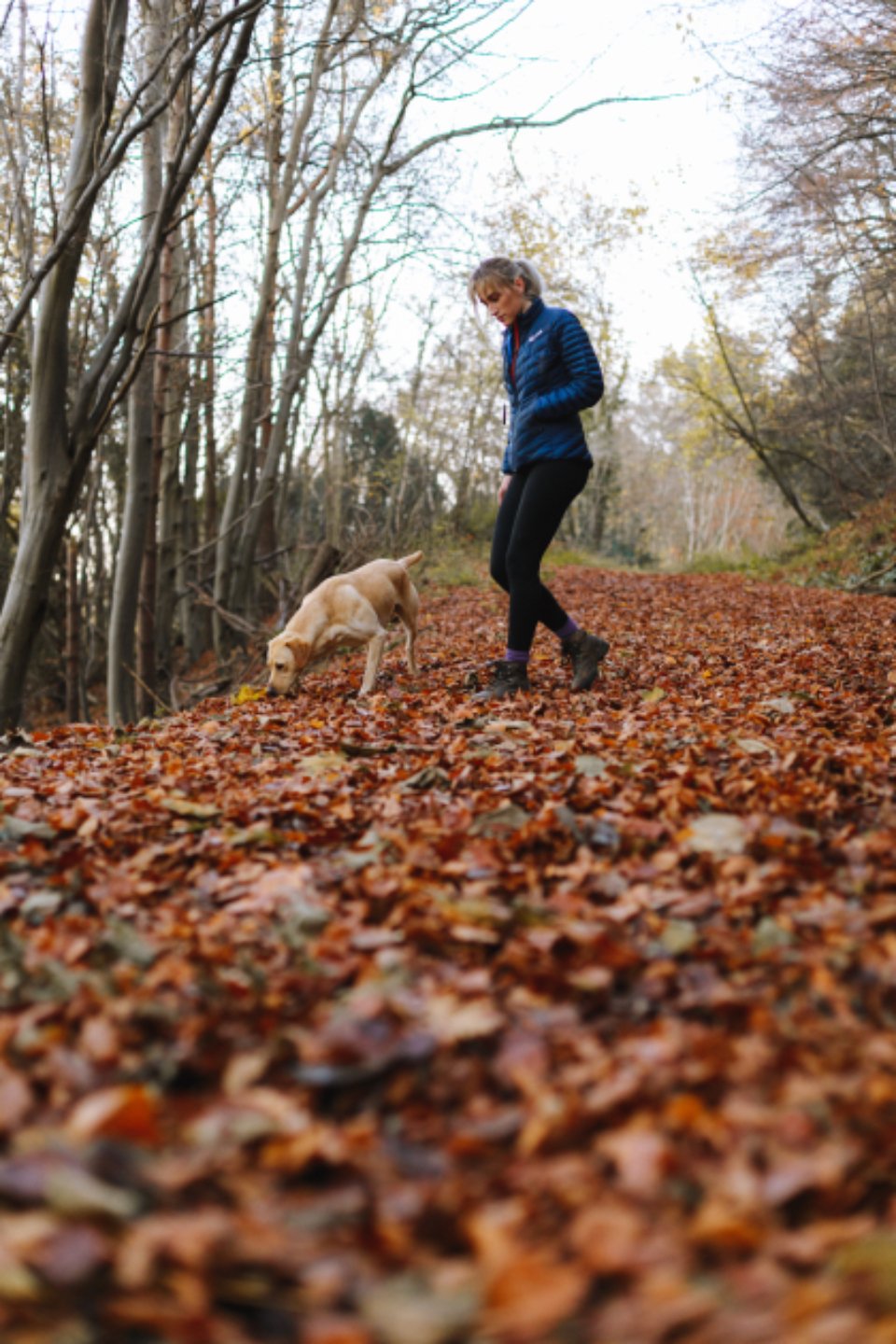
At the end of the day, dog walks are about enjoying the simple joys of life. For your dog, a walk is an adventure full of exciting discoveries and new experiences. It’s a time to be in the moment, savoring the sights, smells, and sounds of the world around them. For you, it’s a chance to unwind and appreciate the companionship of your furry friend. In a world that often feels fast-paced and overwhelming, dog walks remind us of the beauty of simplicity and the joy of being present.
In conclusion, dog walks are much more than a daily chore; they’re an essential part of your dog’s physical and mental well-being. From improving health and socialization to strengthening the bond between owner and pet, the benefits are vast and varied. So next time you grab that leash, remember that you’re not just going for a walk—you’re investing in your dog’s happiness and health. Do you see dog walks in a new light now?


