
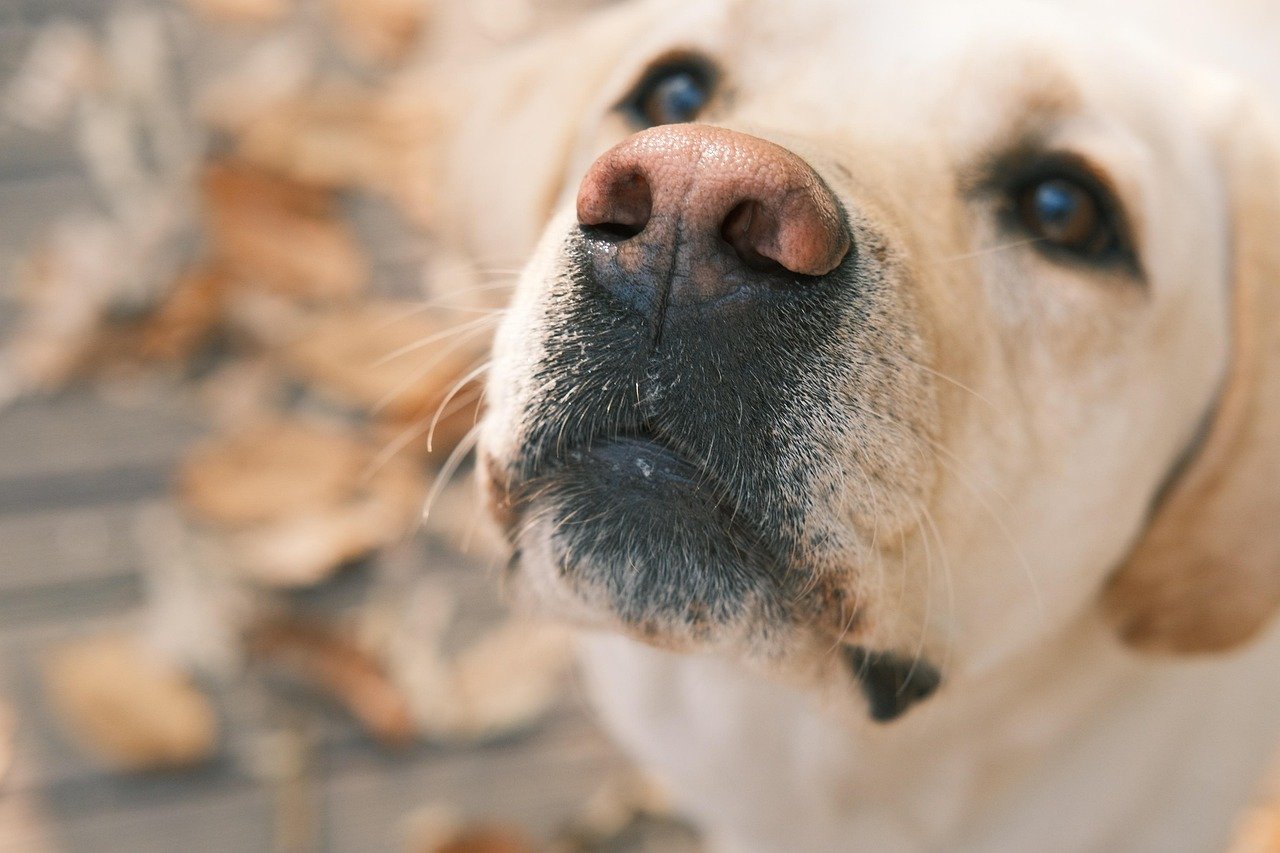
Dogs are not just pets; they are family. Their wagging tails and soulful eyes communicate emotions that words sometimes cannot. But how do you know if your furry friend truly feels secure in your presence? Understanding their subtle cues can make a world of difference in your relationship. Dive in to discover the signs that indicate your dog feels safe and those that suggest they might be a bit unsure.
1. Relaxed Body Language

When a dog feels safe, their body language speaks volumes. A relaxed posture, with a wagging tail and open mouth, is a strong indicator of comfort. Their muscles are loose, and their movements are soft and fluid. You might catch them lying on their back, exposing their belly—a vulnerable position that shows trust. This behavior is akin to humans lounging on a couch after a long day, completely at ease. The absence of tension in their body is a clear sign that they feel secure and happy in their environment.
On the flip side, a dog that feels unsure might exhibit stiff body language. Their tail could be tucked, and their movements might be jerky or hesitant. Just like how humans tense up in unfamiliar or uncomfortable situations, dogs do the same. This contrast makes it easier to identify when your dog feels safe versus when they might be anxious or uncertain.
2. Eye Contact and Blinking
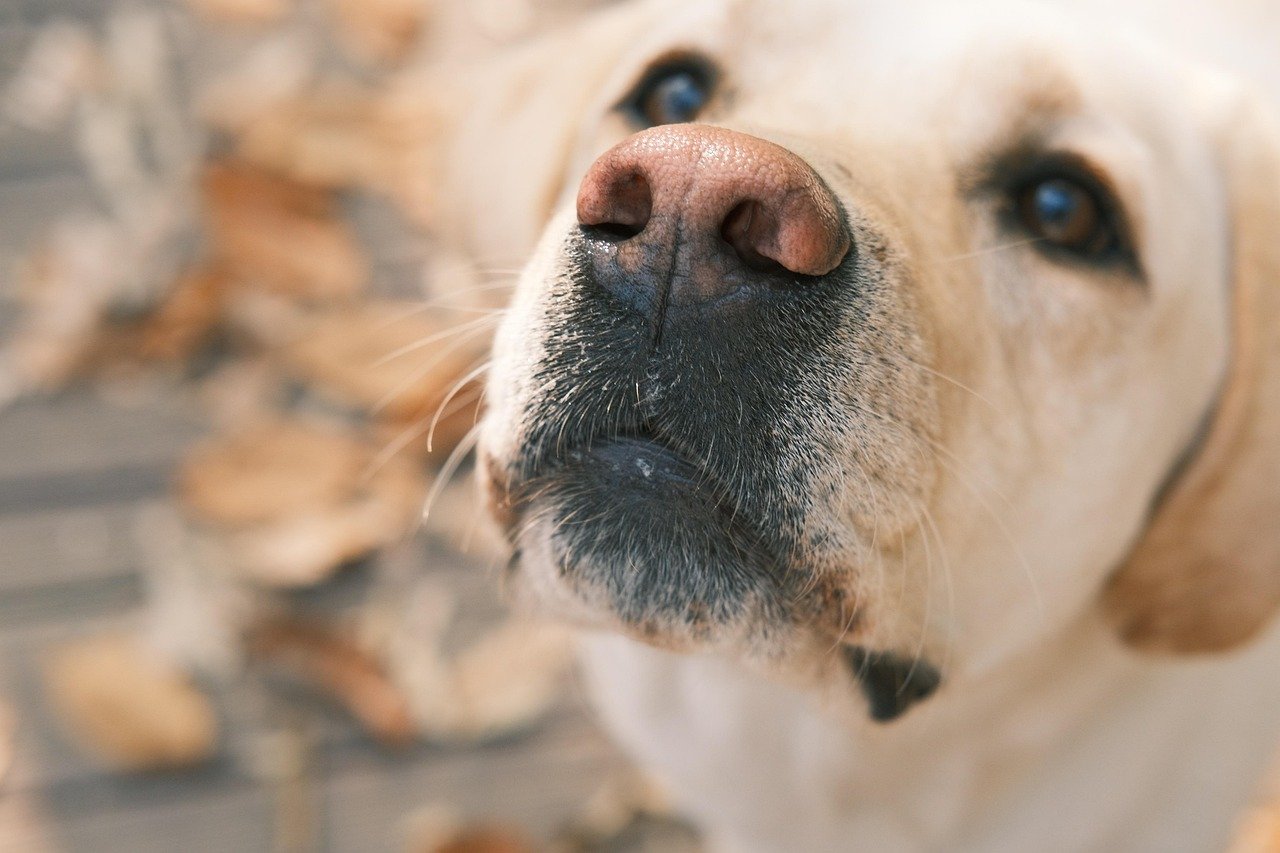
Eye contact is a powerful form of communication, and dogs use it to express their feelings. When a dog feels safe with you, they will often make soft eye contact. This is not the intense stare of a challenge but rather a gentle gaze that conveys trust. They might also blink slowly, which is a sign of contentment and relaxation. It’s similar to when humans share a quiet moment, locking eyes with a loved one, feeling connected and secure.
Conversely, a dog that avoids eye contact or has wide, unblinking eyes might be feeling unsure. This can be compared to someone avoiding eye contact during a conversation when they feel nervous or threatened. Understanding these nuances can help you gauge your dog’s comfort level and address any concerns they might have.
3. Playful Behavior
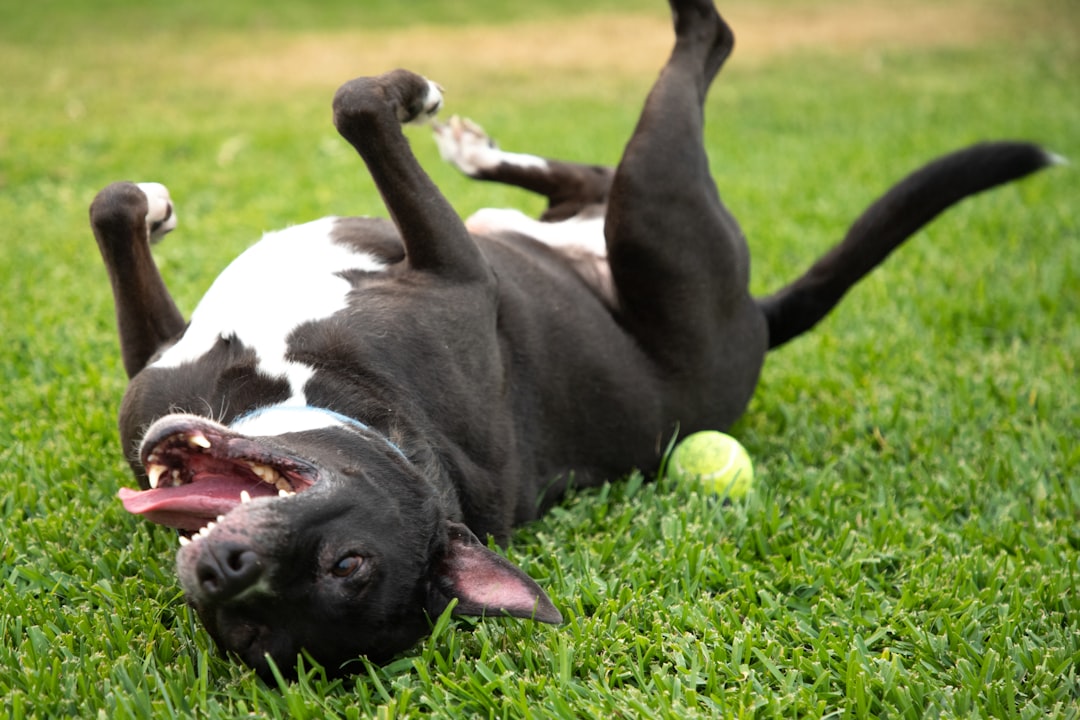
A playful dog is a happy dog. When your canine companion feels safe, they will often engage in playful antics, inviting you to join in on the fun. They might bring you their favorite toy or initiate a game of fetch, showcasing their joy and trust in you. This behavior is akin to children feeling secure enough to express their playful side with their parents or siblings.
In contrast, a dog that is unsure might be more reserved or hesitant to play. They might watch from a distance or seem uninterested in activities they usually enjoy. This change in behavior can be a cue that they are feeling uneasy or anxious about something in their environment.
4. Leaning Against You
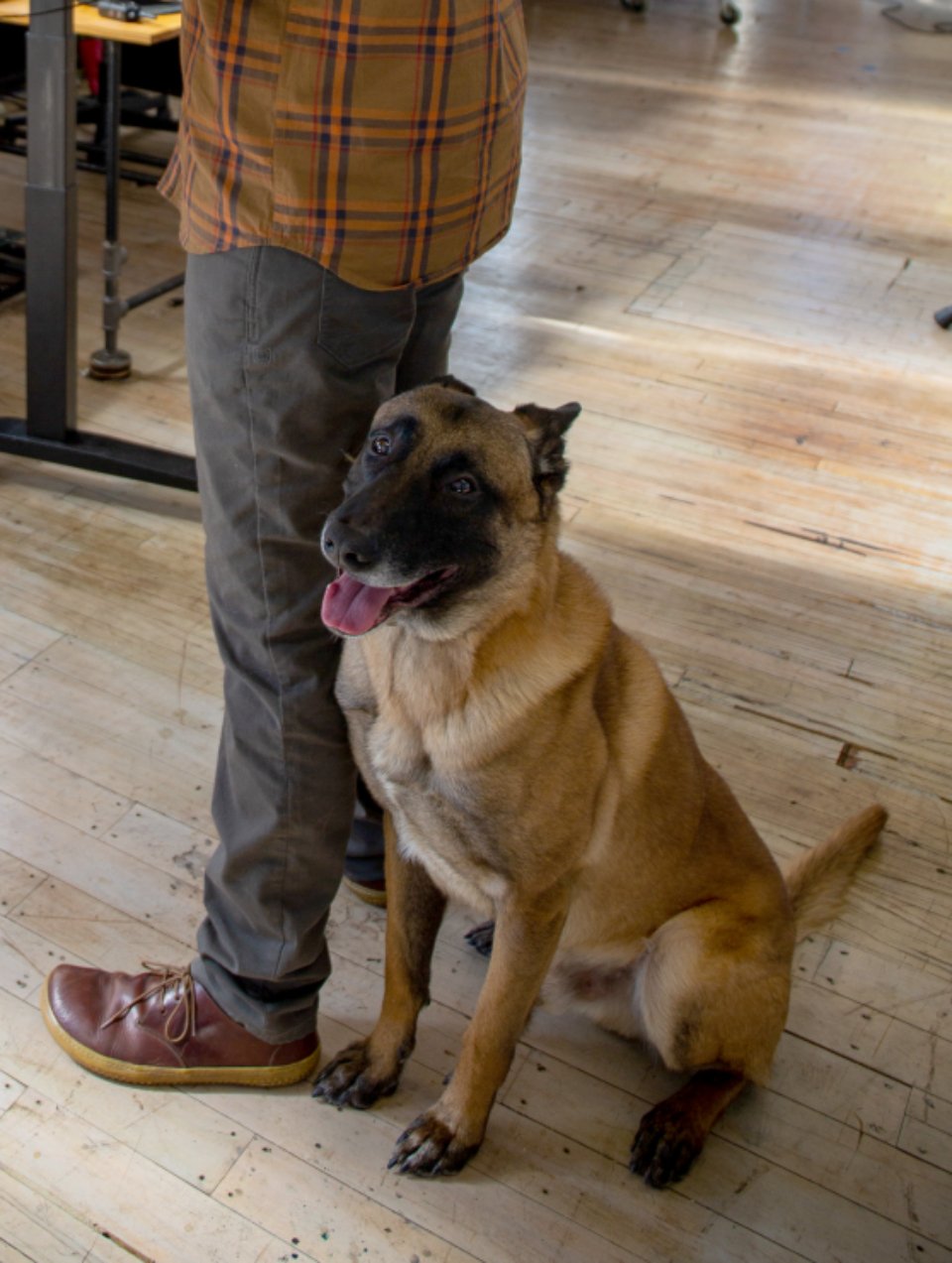
When a dog leans against you, it’s a sign of trust and affection. This behavior signifies that they feel safe in your presence and are seeking comfort and closeness. It’s similar to a child leaning on a parent’s shoulder, feeling protected and loved. This gesture is a heartwarming indication of the bond you share with your furry friend.
On the other hand, if a dog is unsure, they might maintain a distance, avoiding physical contact. This behavior can be likened to someone keeping their personal space when they feel uncomfortable or threatened. Recognizing these signs can help you understand your dog’s emotional state and provide the reassurance they need.
5. Following You Around
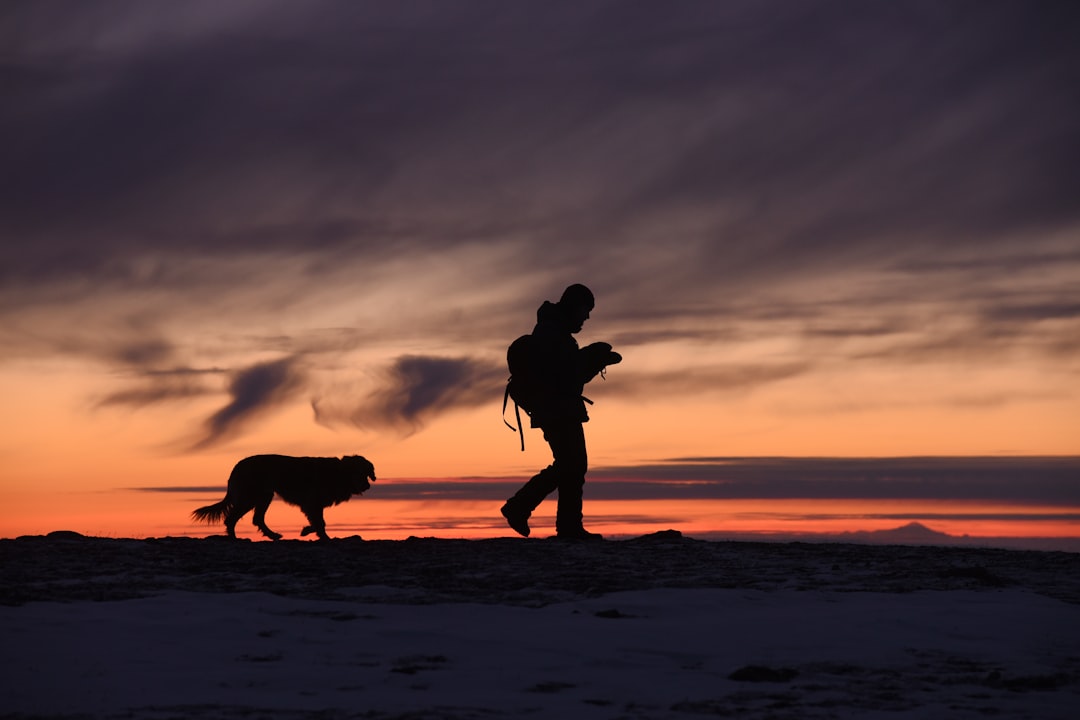
Dogs are naturally social creatures, and when they feel safe, they often follow their trusted humans around. This behavior is a testament to their bond with you, as they seek your presence and companionship. It’s similar to a child tagging along with a parent, feeling secure and happy in their company. This behavior indicates that your dog values your relationship and feels comfortable being around you.
In contrast, a dog that is unsure might be more independent or keep their distance. They might not follow you as closely or seem hesitant to join you in different rooms. This behavior can be a sign that they are feeling uneasy or need more time to adjust to their surroundings.
6. Happy Vocalizations

When a dog feels safe, they often express their happiness through vocalizations. This can include soft barks, playful growls, or contented sighs. These sounds are a way for your dog to communicate their positive emotions and share their joy with you. It’s akin to humans laughing or chatting happily with friends, feeling at ease and content.
Alternatively, a dog that is unsure might be quieter or more vocal in a different way. They might whine, bark excessively, or make nervous sounds. These vocalizations can indicate that they are feeling anxious or need reassurance. Understanding these cues can help you address your dog’s needs and provide the comfort they seek.
7. Eating and Sleeping Well
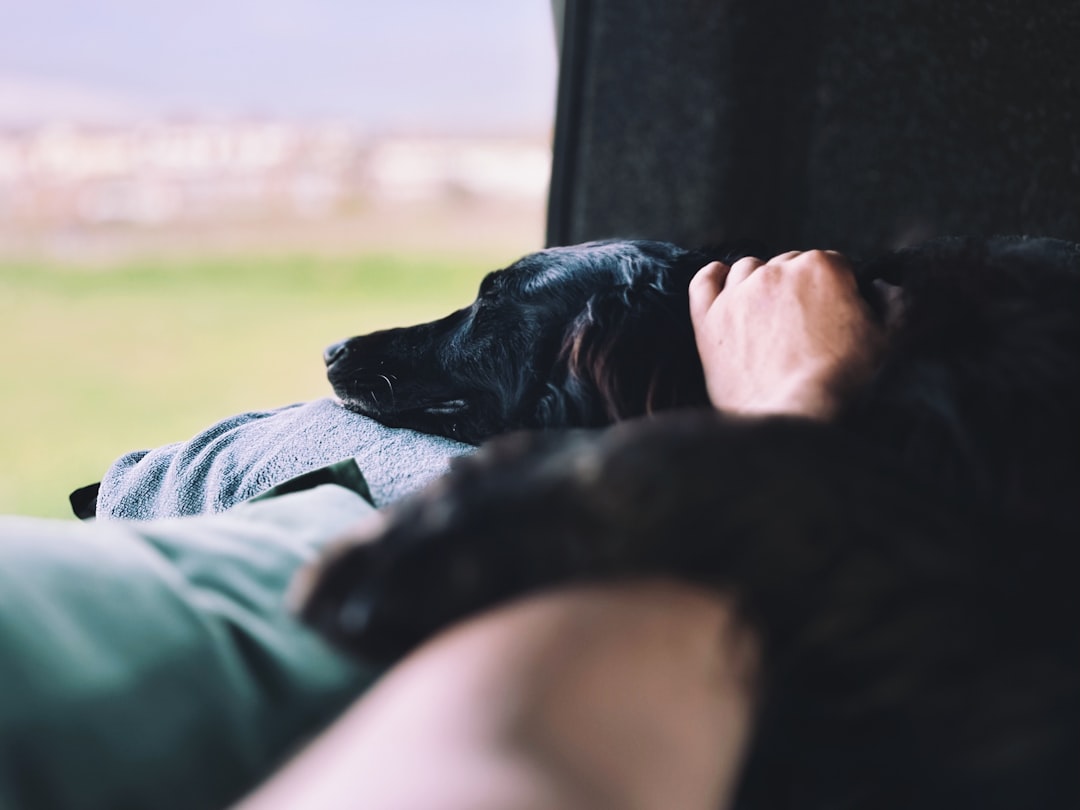
A dog that feels safe in their environment will typically have a healthy appetite and sleep well. They will eat their meals with enthusiasm and rest peacefully, knowing they are in a secure space. This behavior can be likened to humans enjoying a hearty meal and a good night’s sleep when they feel safe and relaxed.
Conversely, a dog that is unsure might have changes in their eating or sleeping patterns. They might eat less, refuse food, or have trouble sleeping. These changes can be a sign of stress or anxiety, indicating that they might not feel entirely secure in their surroundings.
8. Tail Wagging
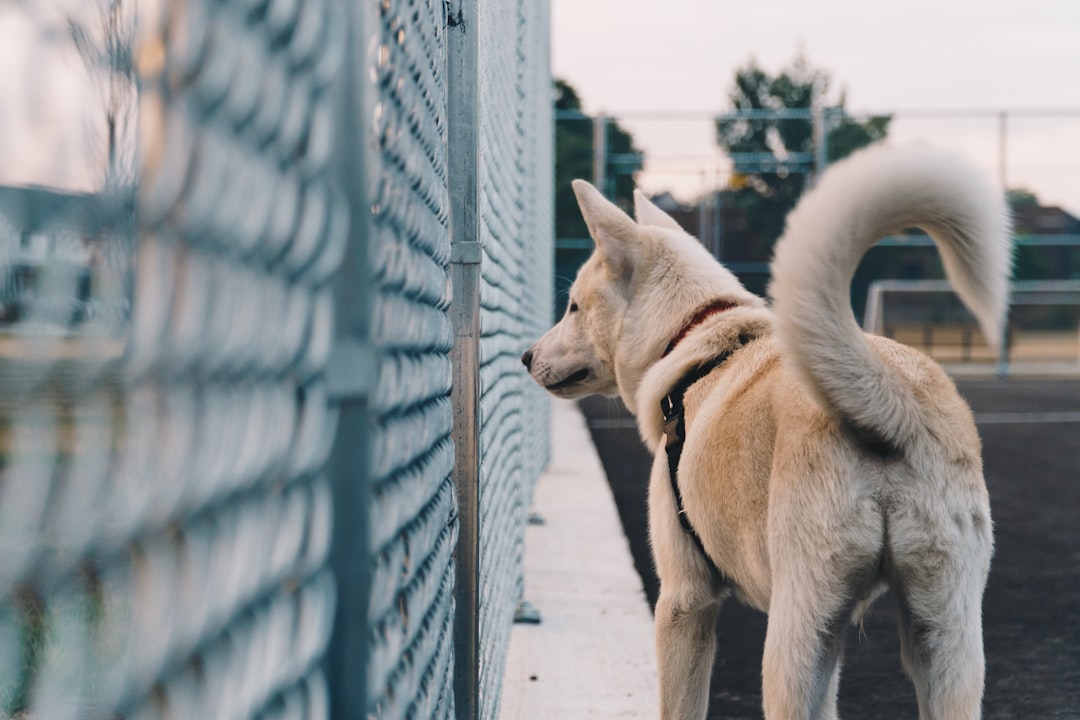
Tail wagging is one of the most recognizable signs of a happy dog. When a dog feels safe, their tail wags enthusiastically, often accompanied by a happy demeanor. This behavior is a universal sign of joy and contentment, much like a human smiling or laughing when they are happy.
However, not all tail wagging is a sign of safety. A dog that is unsure might wag their tail in a stiff or slow manner, indicating uncertainty or anxiety. It’s important to observe the context and other body language cues to accurately interpret your dog’s emotions.
9. Calm During Grooming
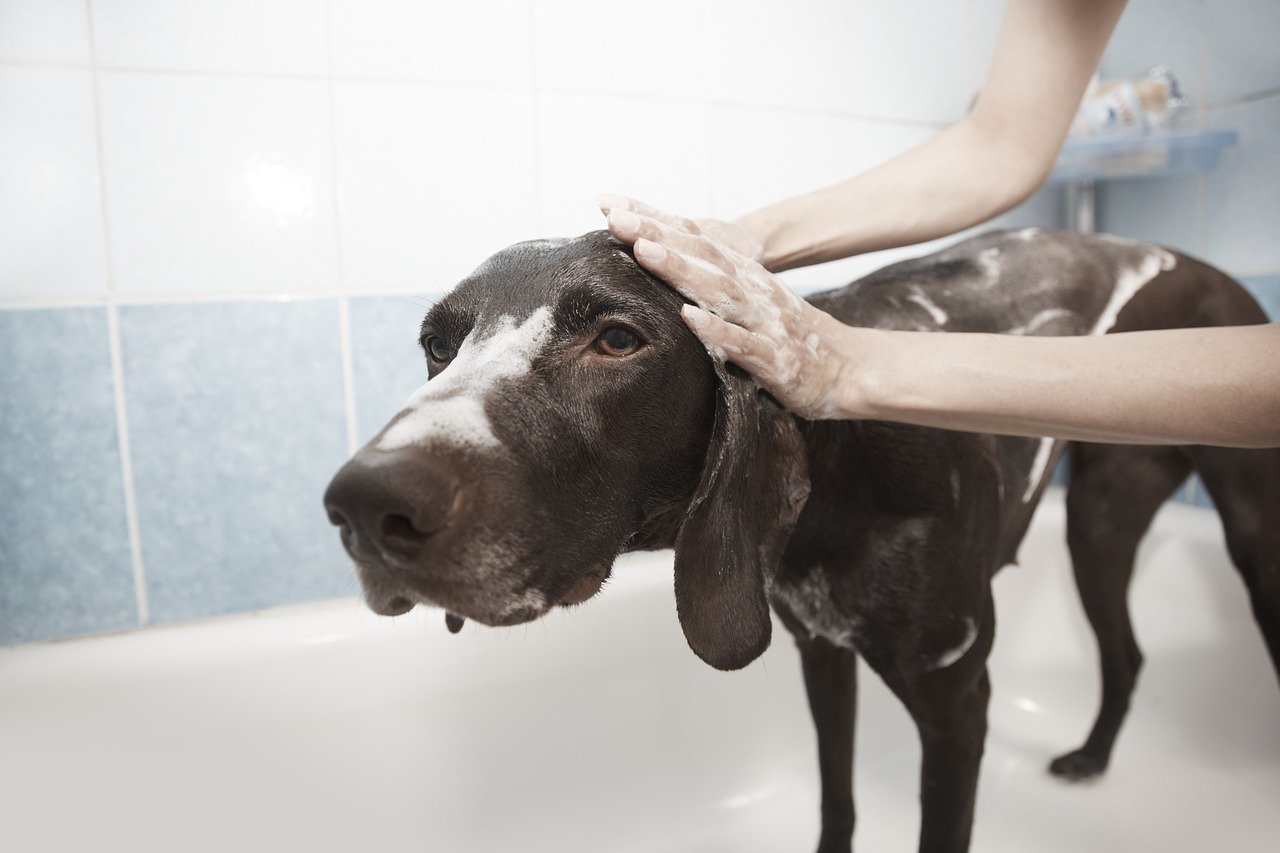
Grooming is an intimate activity that requires trust between a dog and their owner. When a dog feels safe, they will remain calm and relaxed during grooming sessions, allowing you to brush their fur or trim their nails without fuss. This behavior is similar to a person feeling comfortable in a hair salon, trusting the stylist to take care of them.
On the other hand, a dog that is unsure might be fidgety or resistant during grooming. They might try to pull away or show signs of stress. This behavior indicates that they might not feel entirely comfortable or need more reassurance during these sessions.
10. Seeking Your Attention
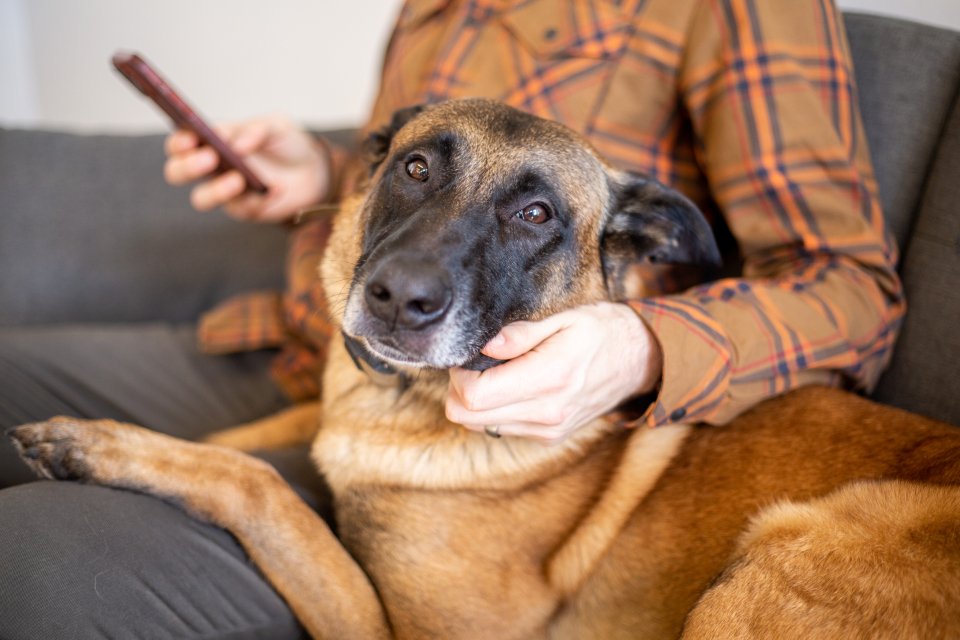
A dog that feels safe will often seek your attention, wanting to be close to you and share moments of affection. They might nudge you with their nose, paw at you gently, or rest their head on your lap. This behavior is akin to a child seeking a parent’s attention, feeling loved and secure in their presence.
In contrast, a dog that is unsure might be more aloof or hesitant to approach you. They might watch from a distance or seem uninterested in interacting. This behavior can be a sign that they need more time to feel comfortable and secure in their environment.
11. Exploring New Environments
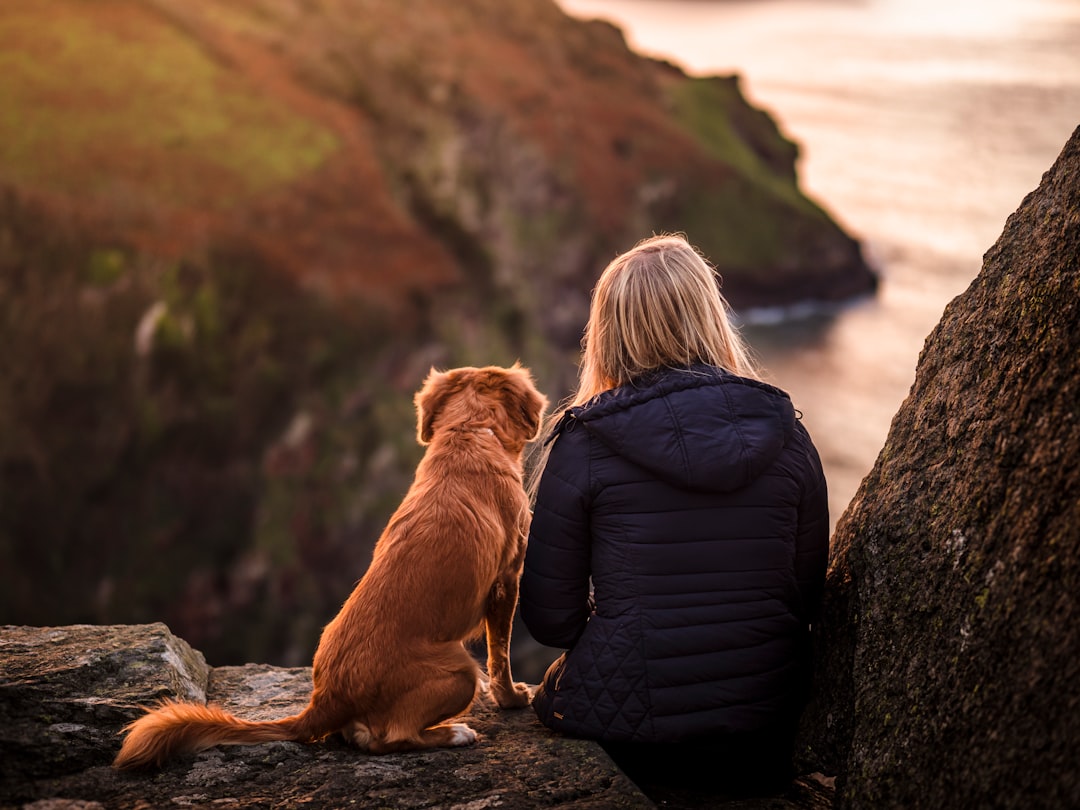
A dog that feels safe with you will be more willing to explore new environments, trusting that you will protect them. They might sniff around, investigate new scents, and show curiosity about their surroundings. This behavior is similar to a child exploring a new playground, feeling confident and secure with their parent nearby.
Conversely, a dog that is unsure might be more hesitant to explore new environments. They might stick close to you, showing signs of anxiety or discomfort. Understanding these behaviors can help you provide the support and reassurance your dog needs in unfamiliar situations.
12. Contented Sighs
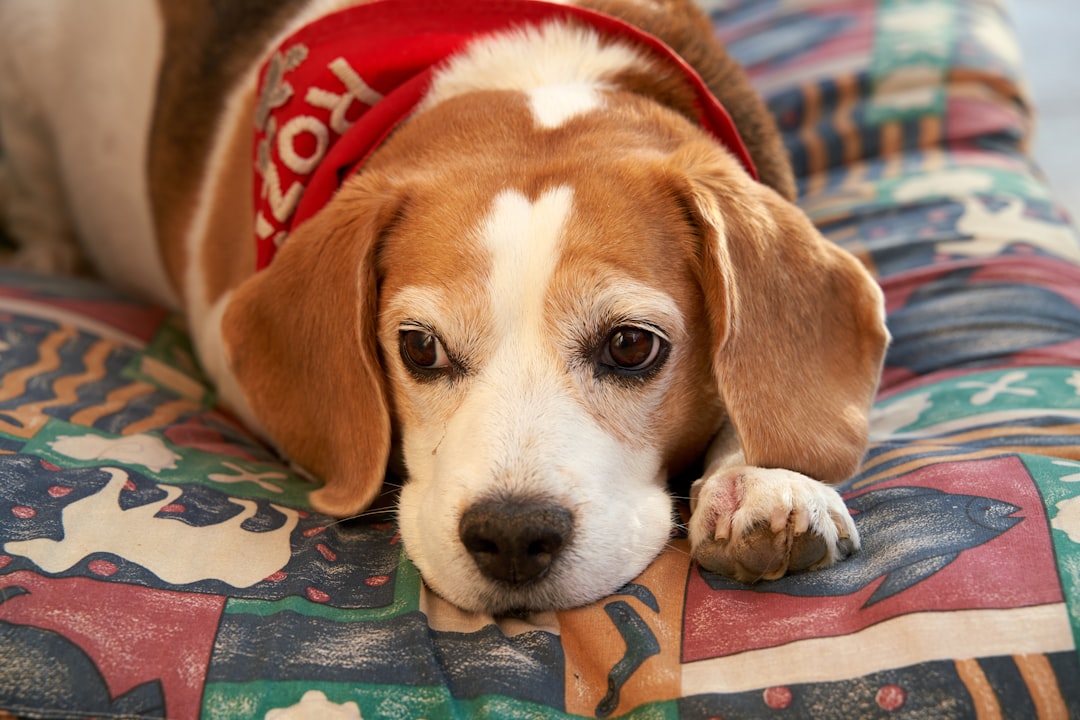
A contented sigh is a subtle yet powerful sign that your dog feels safe and relaxed. This gentle exhale is a sign of satisfaction and comfort, much like a human letting out a sigh of relief after a long day. It indicates that your dog is at ease and feels secure in their environment.
On the other hand, a dog that is unsure might not exhibit this behavior as often. They might be more on edge, showing signs of stress or anxiety. Recognizing these cues can help you understand your dog’s emotional state and provide the comfort they need.
13. Pacing or Restlessness
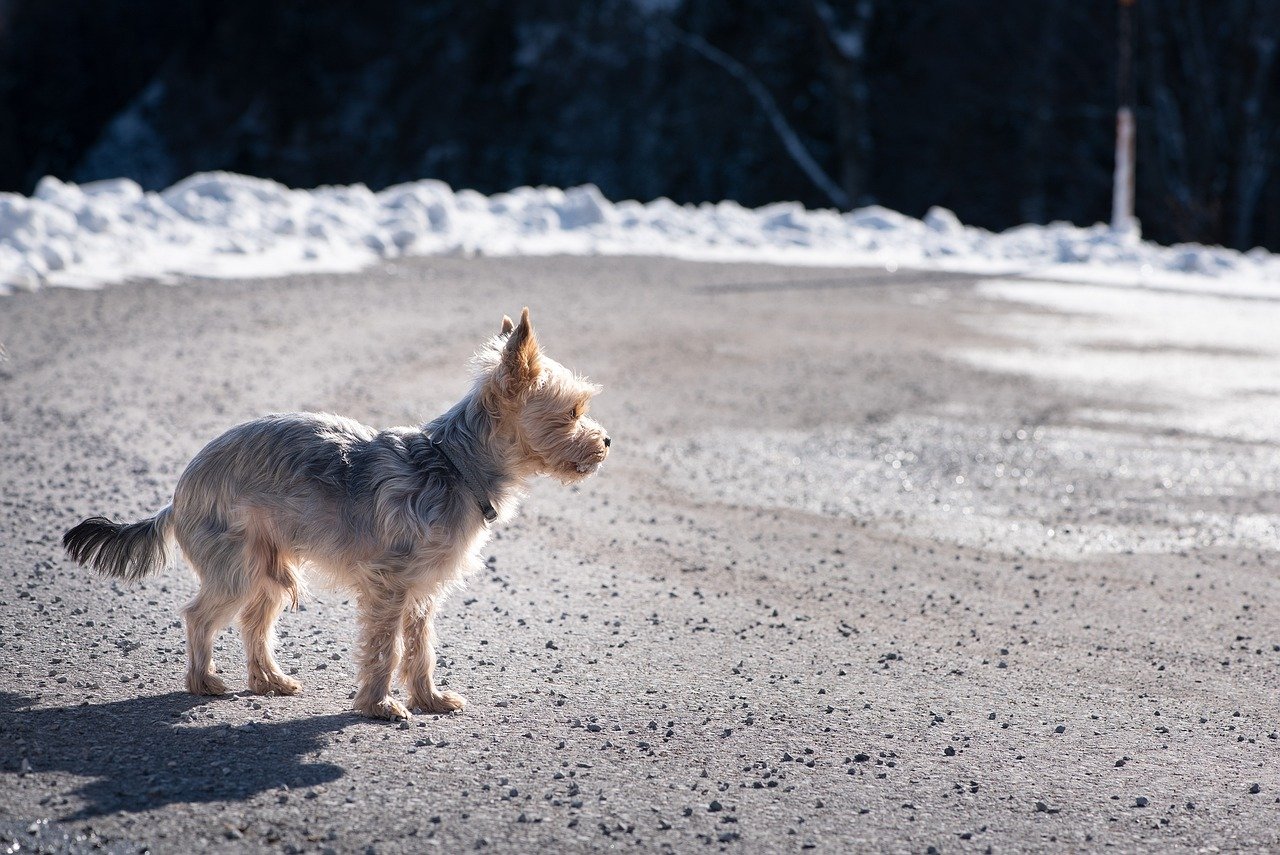
Pacing or restlessness is a sign that a dog might be feeling unsure. They might walk back and forth or seem unable to settle down. This behavior is similar to a person pacing when they are anxious or stressed, unable to find comfort or relaxation.
In contrast, a dog that feels safe will be more relaxed and less likely to pace. They will settle down easily, content in their environment. Understanding these behaviors can help you address any concerns your dog might have and provide the reassurance they need.
14. Excessive Barking
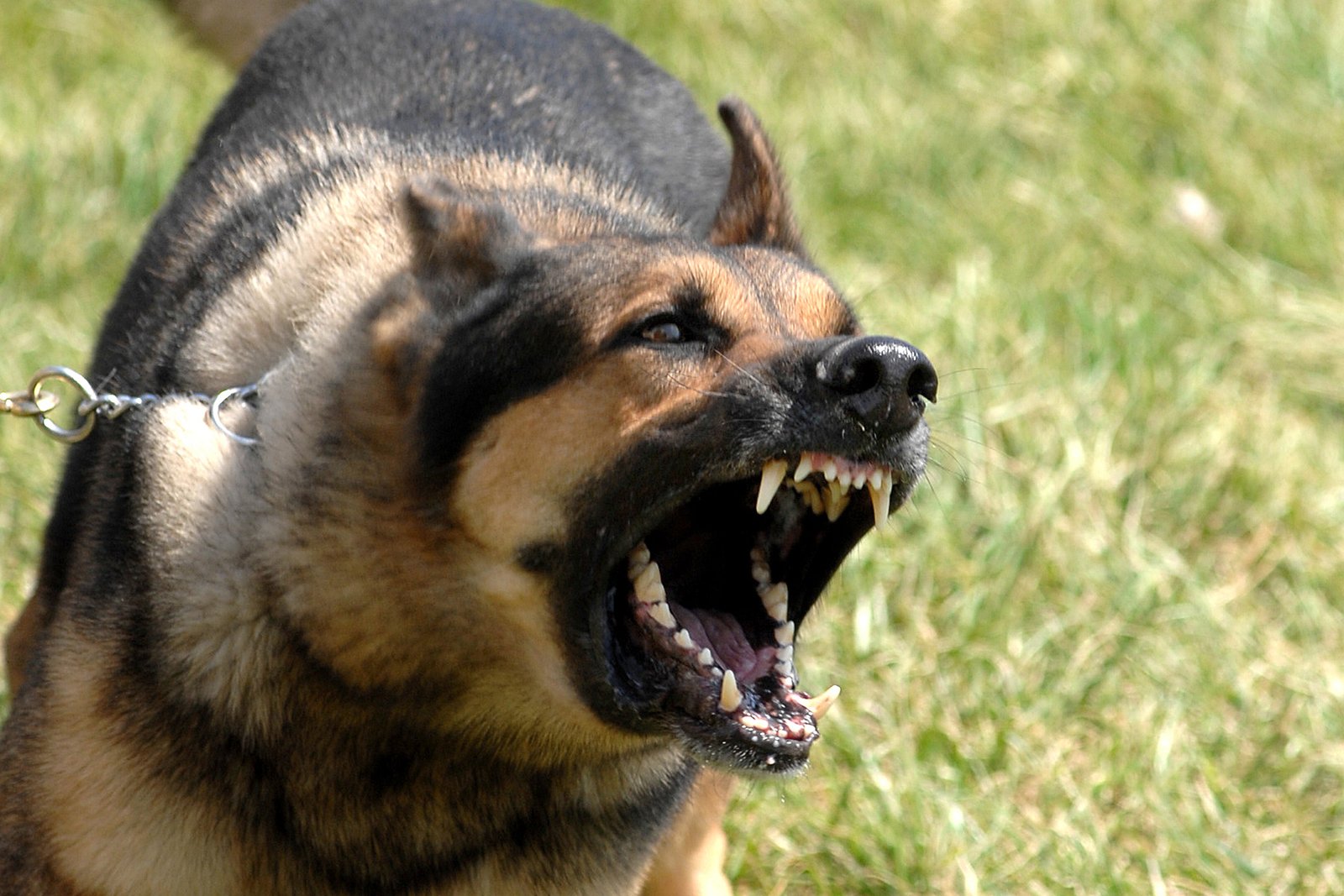
Excessive barking can be a sign that a dog is feeling unsure or anxious. They might bark at unfamiliar sounds or people, trying to communicate their discomfort. This behavior is similar to a person raising their voice when they feel threatened or uneasy.
Alternatively, a dog that feels safe will be less likely to bark excessively. They will be more at ease, confident in their surroundings. Recognizing these cues can help you understand your dog’s needs and provide the support they require.
15. Hiding or Cowering
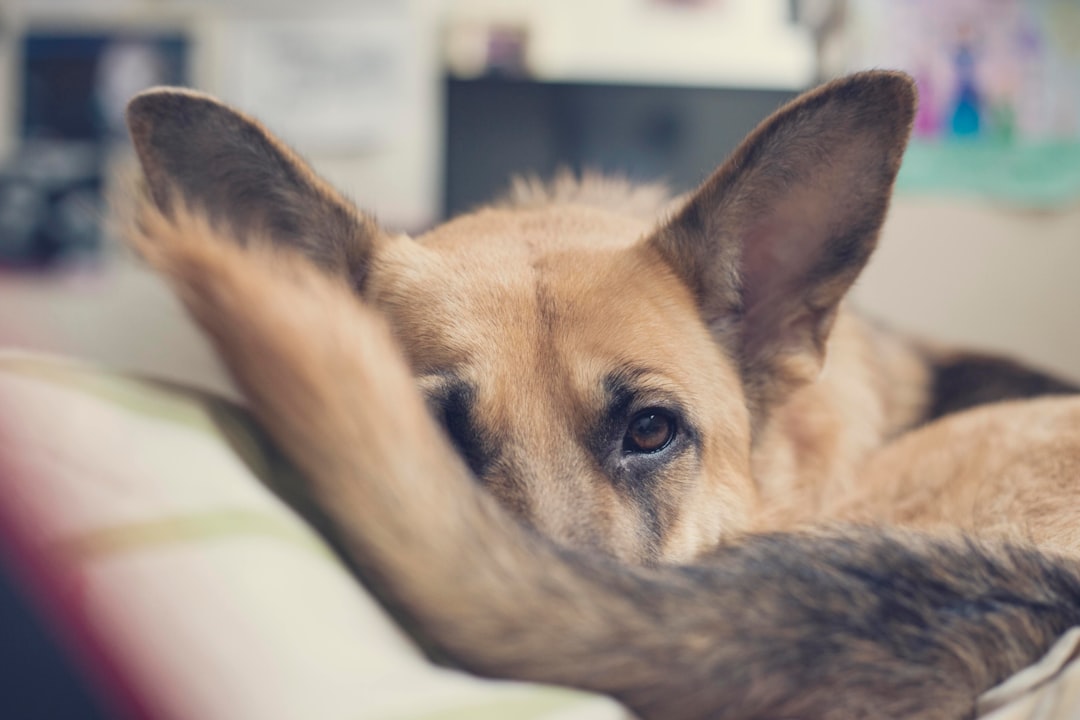
Hiding or cowering is a clear sign that a dog is feeling unsure or threatened. They might seek refuge in a safe spot, trying to escape from what they perceive as a threat. This behavior is similar to a person retreating to a safe space when they feel scared or anxious.
Conversely, a dog that feels safe will be more confident and less likely to hide. They will engage with their environment, feeling secure and protected. Understanding these behaviors can help you provide the comfort and reassurance your dog needs.
16. Licking Lips or Yawning
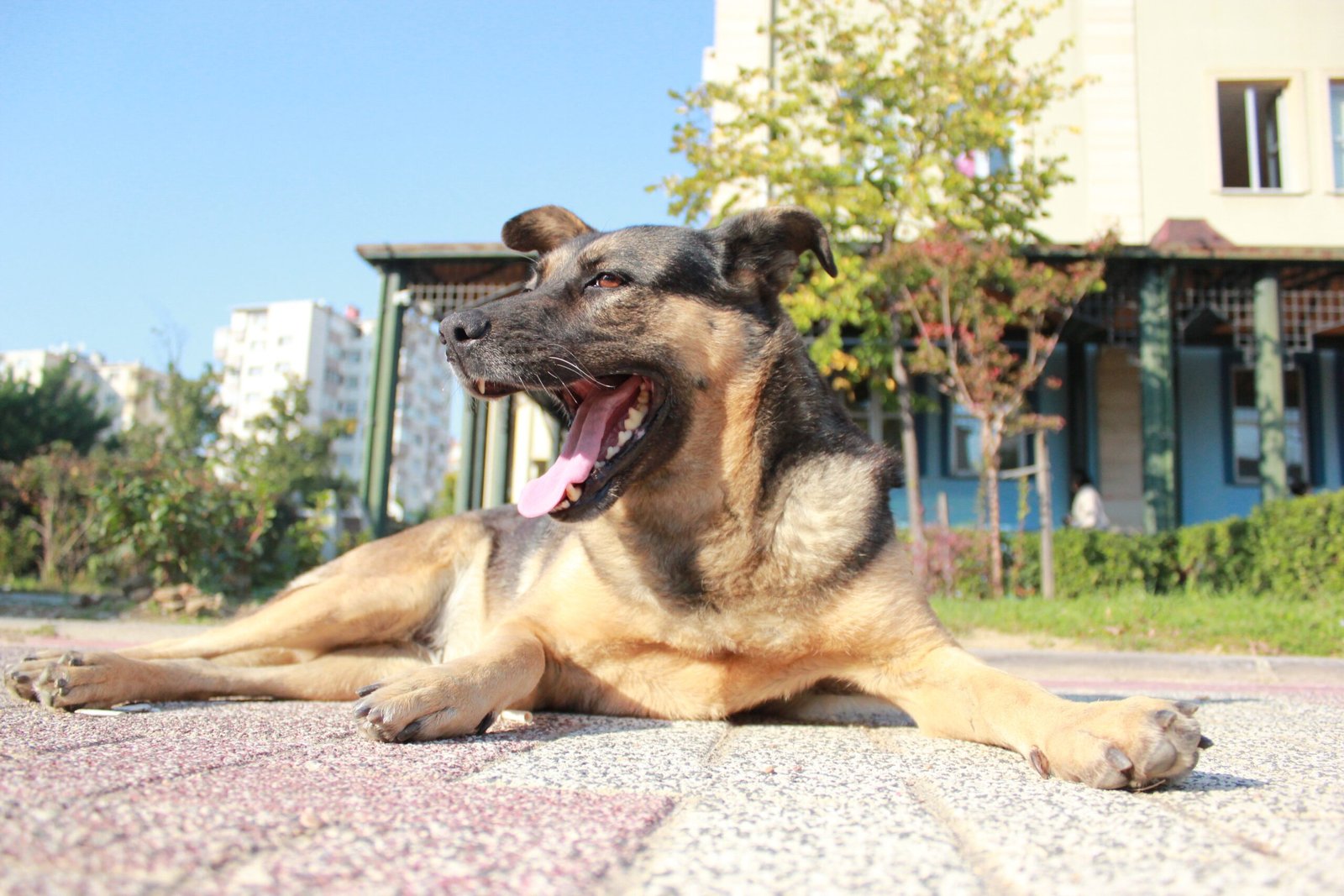
Licking lips or yawning can be signs of stress or uncertainty in dogs. They might exhibit these behaviors when they feel uncomfortable or anxious. This is similar to a person biting their nails or fidgeting when they are nervous.
In contrast, a dog that feels safe will be less likely to exhibit these behaviors. They will be more relaxed and at ease, confident in their environment. Recognizing these cues can help you address any concerns your dog might have and provide the support they need.
17. Avoiding Touch
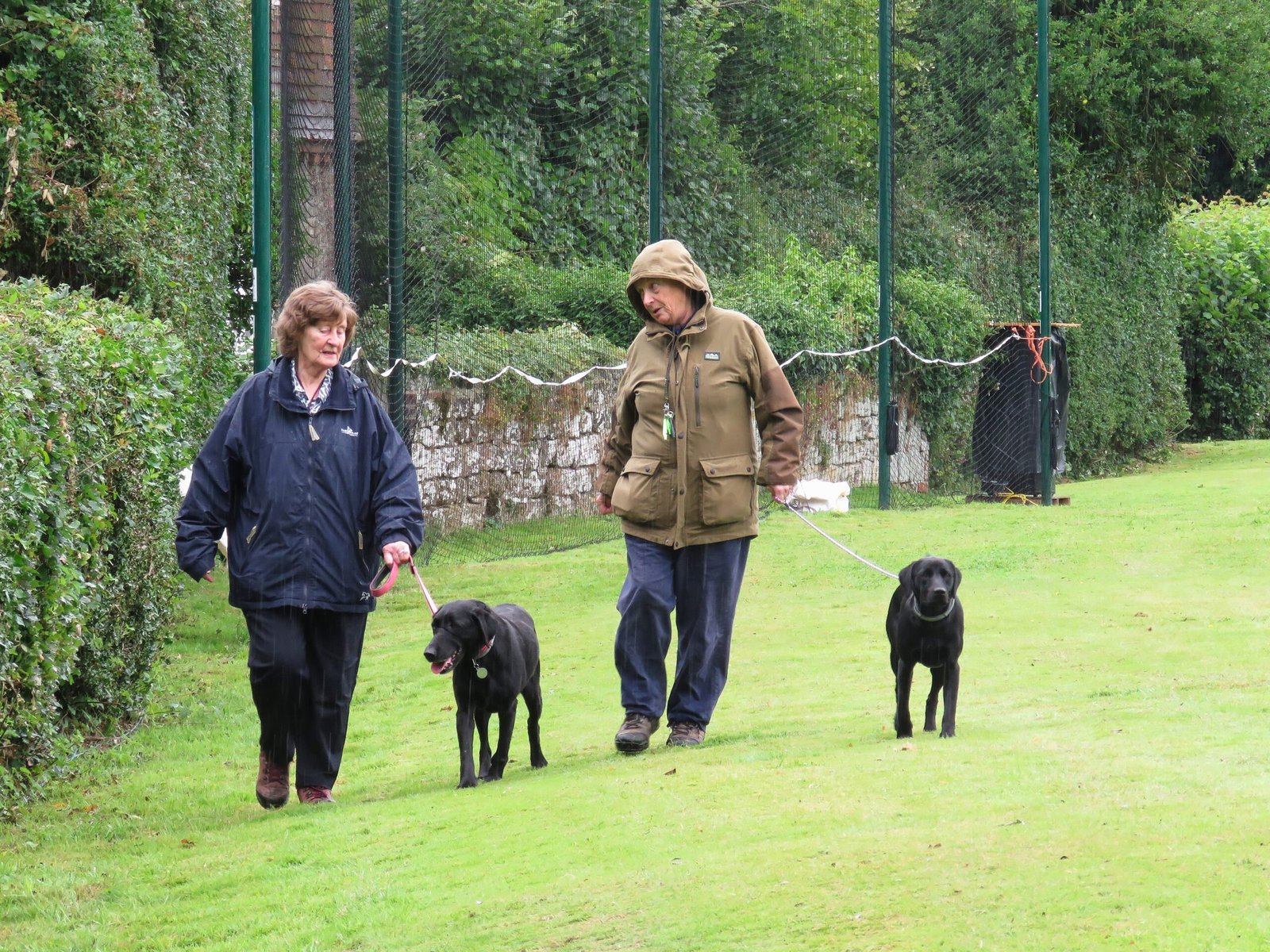
Avoiding touch is a sign that a dog might be feeling unsure or uncomfortable. They might pull away from petting or seem reluctant to be touched. This behavior is similar to a person avoiding physical contact when they feel uneasy or threatened.
Alternatively, a dog that feels safe will be more receptive to touch, enjoying moments of affection and closeness. They will seek out physical contact, feeling secure in their relationship with you. Understanding these behaviors can help you provide the comfort and reassurance your dog needs.
18. Shaking or Trembling
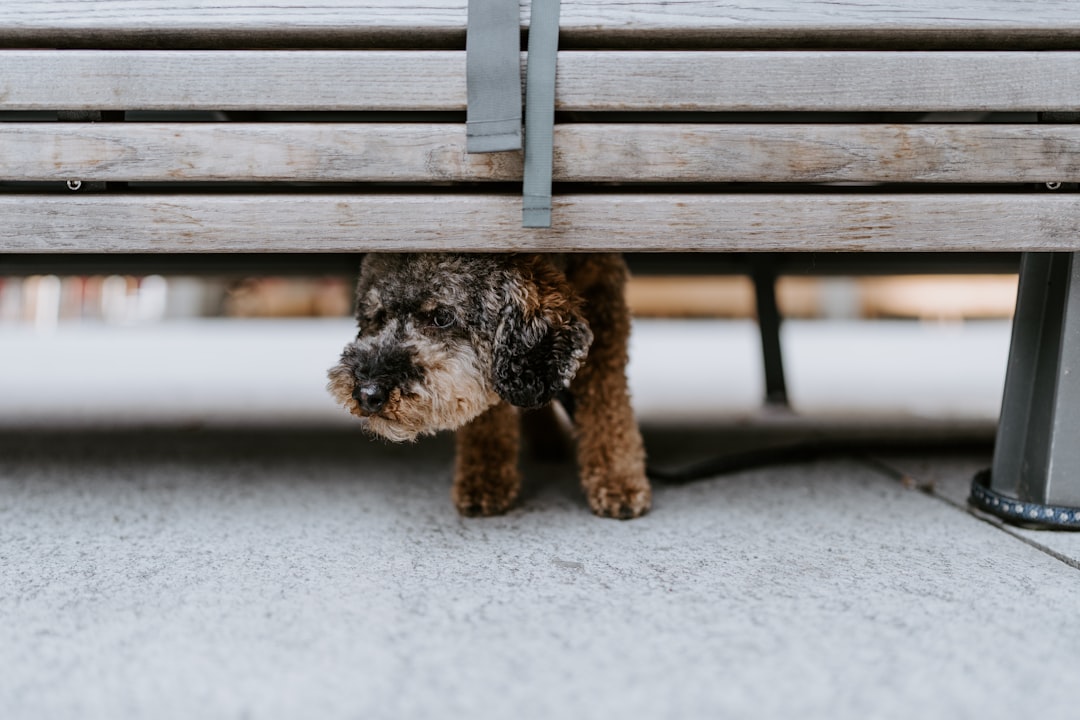
Shaking or trembling is a sign that a dog might be feeling unsure or anxious. They might exhibit these behaviors in response to unfamiliar situations or perceived threats. This is similar to a person shaking when they are scared or nervous.
Conversely, a dog that feels safe will be more relaxed and less likely to shake or tremble. They will be confident in their environment, feeling secure and protected. Recognizing these cues can help you provide the support and reassurance your dog needs.
19. Ears Pinned Back
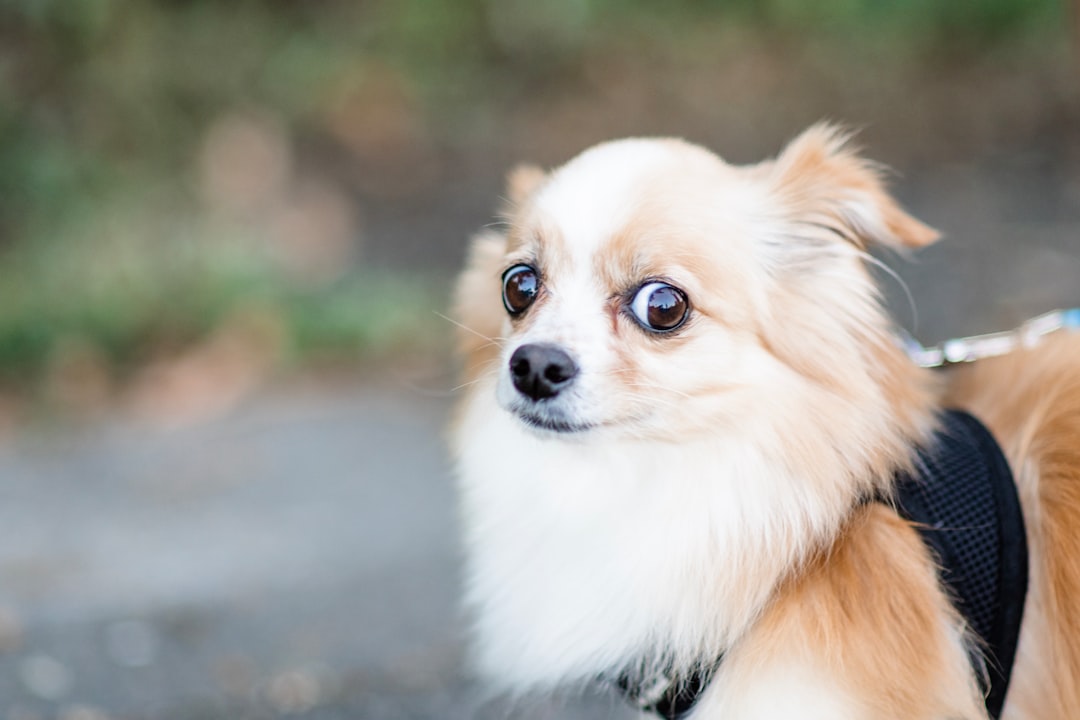
Ears pinned back is a sign that a dog might be feeling unsure or threatened. They might exhibit this behavior in response to unfamiliar sounds or situations. This is similar to a person tensing up when they feel uncomfortable or uneasy.
In contrast, a dog that feels safe will have relaxed ears, confident in their environment. They will be more at ease, feeling secure and protected. Understanding these behaviors can help you provide the comfort and reassurance your dog needs.
20. Tail Between Legs
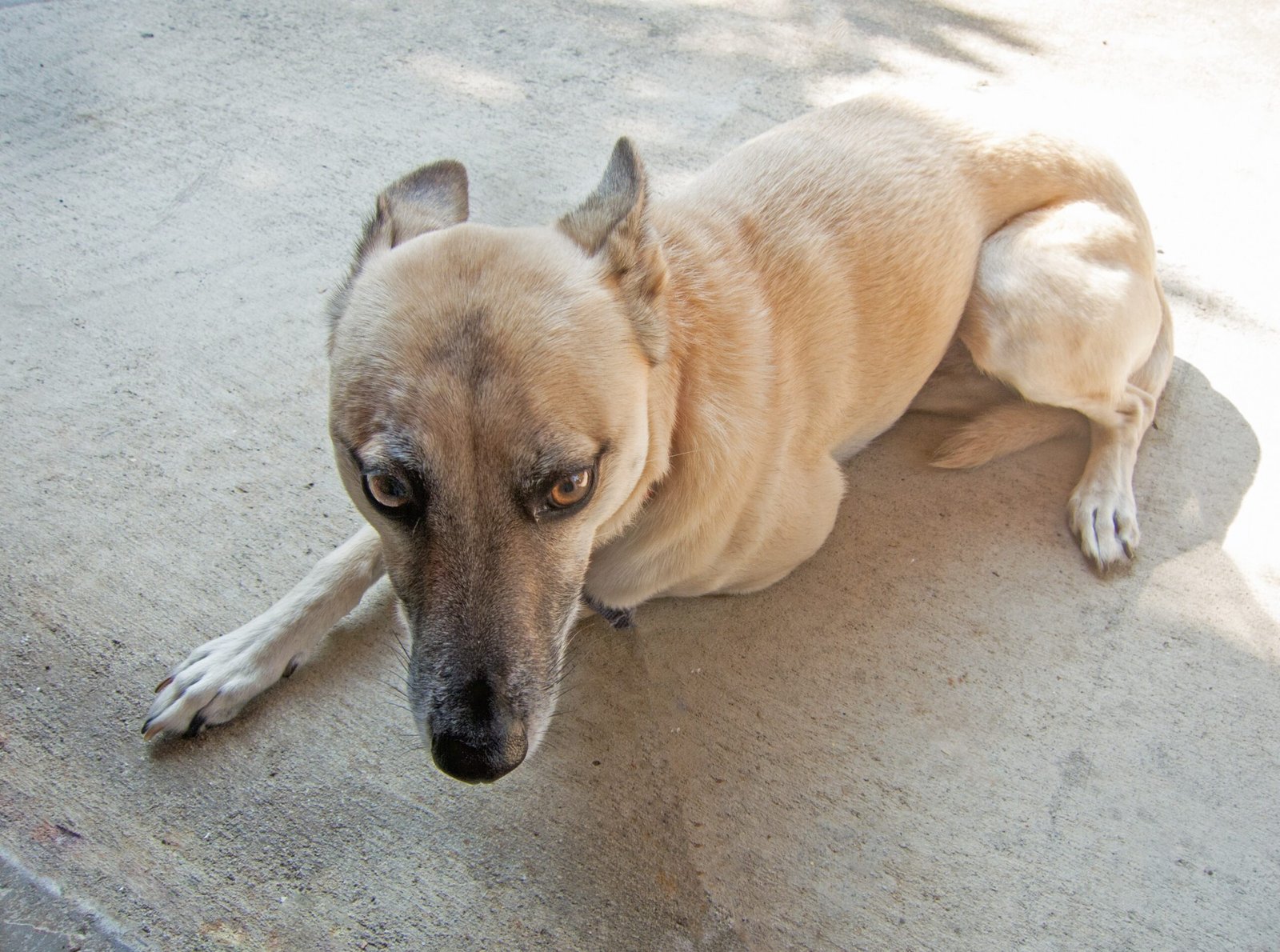
A tail between the legs is a clear sign that a dog is feeling unsure or threatened. They might exhibit this behavior in response to perceived threats or unfamiliar situations. This is similar to a person feeling vulnerable or scared, seeking refuge or comfort.
Conversely, a dog that feels safe will have a relaxed tail, confident in their environment. They will be more at ease, feeling secure and protected. Recognizing these cues can help you provide the support and reassurance your dog needs.
Understanding your dog’s body language and behaviors can help you build a stronger bond and provide the comfort and security they need. By recognizing the signs that indicate your dog feels safe, as well as those that suggest they might be unsure, you can create a loving and supportive environment for your furry friend. What signs does your dog show when they feel safe with you?


