
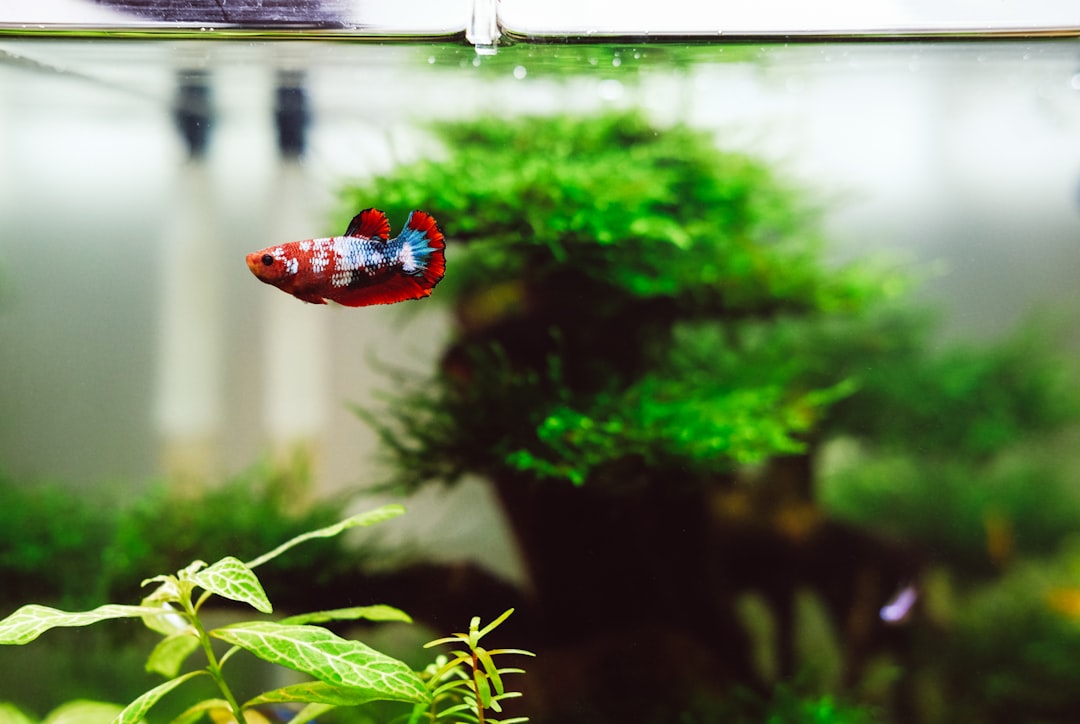
Ever found yourself mesmerized by the vibrant colors and graceful movements of a Betta fish? These stunning creatures, often referred to as “Siamese fighting fish,” are a favorite among fish enthusiasts. But did you know that the lifespan of a Betta fish hinges significantly on how you care for them? It’s a shocking revelation for many new pet owners. While their beauty is captivating, their care requires attention and dedication. Let’s dive deeper into the factors that influence the lifespan of these enchanting aquatic pets.
Betta fish are known for their vibrant colors and flowing fins, but their beauty comes with a need for proper care. While many assume these fish only live a couple of years, with the right environment and attention, a Betta can thrive for up to five years—or more! Clean water, the right tank size, and a healthy diet all play a big role in their lifespan. Skipping these basics can shorten their time with you. So if you want your Betta to live a long, happy life, it all starts with giving them the care they truly deserve.
The Natural Lifespan of Betta Fish
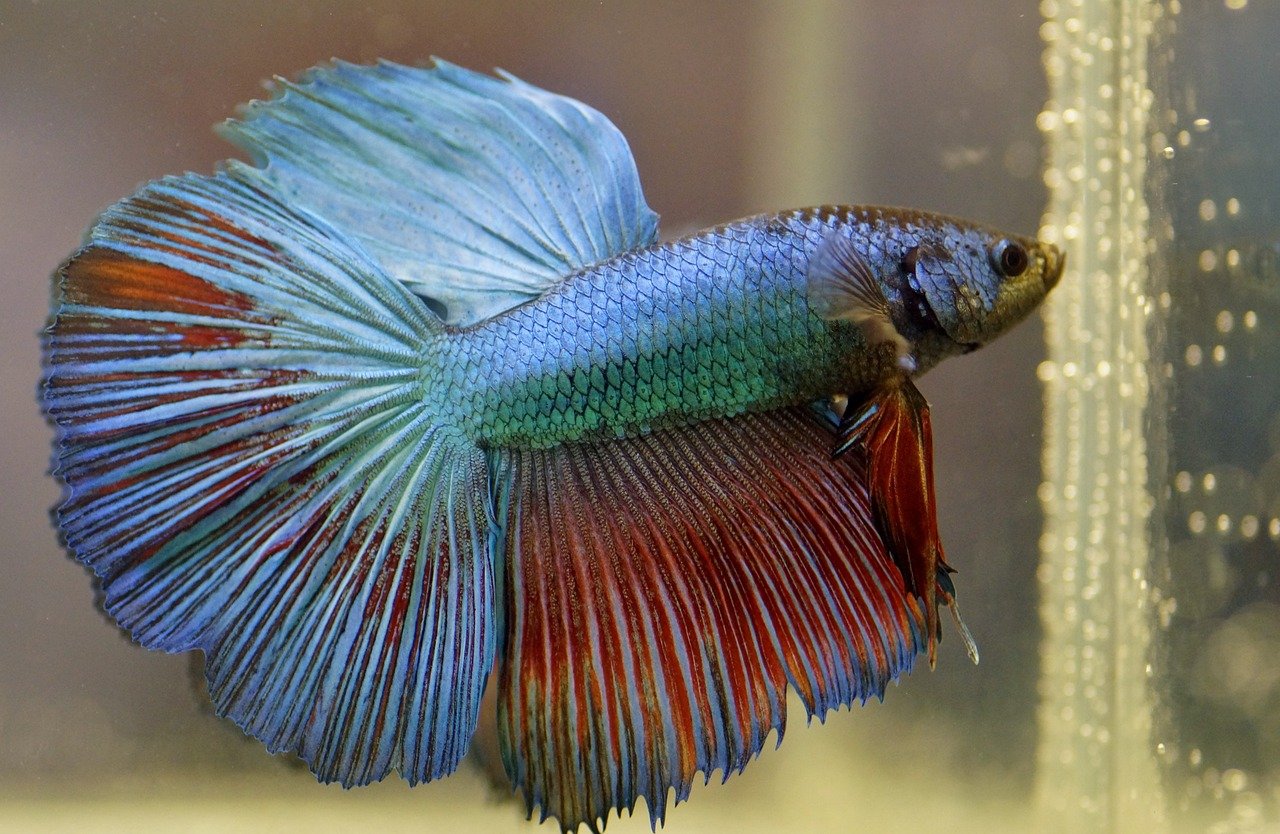
In the wild, Betta fish typically live for about two to three years. However, with proper care in captivity, they can live up to five years or even longer. A well-maintained environment and a balanced diet can significantly extend their lifespan. Imagine your Betta fish swimming happily in its tank, year after year, a testament to your dedicated care. It’s essential to understand that their lifespan is not just a matter of chance but largely a reflection of the care they receive.
Importance of Tank Size and Environment
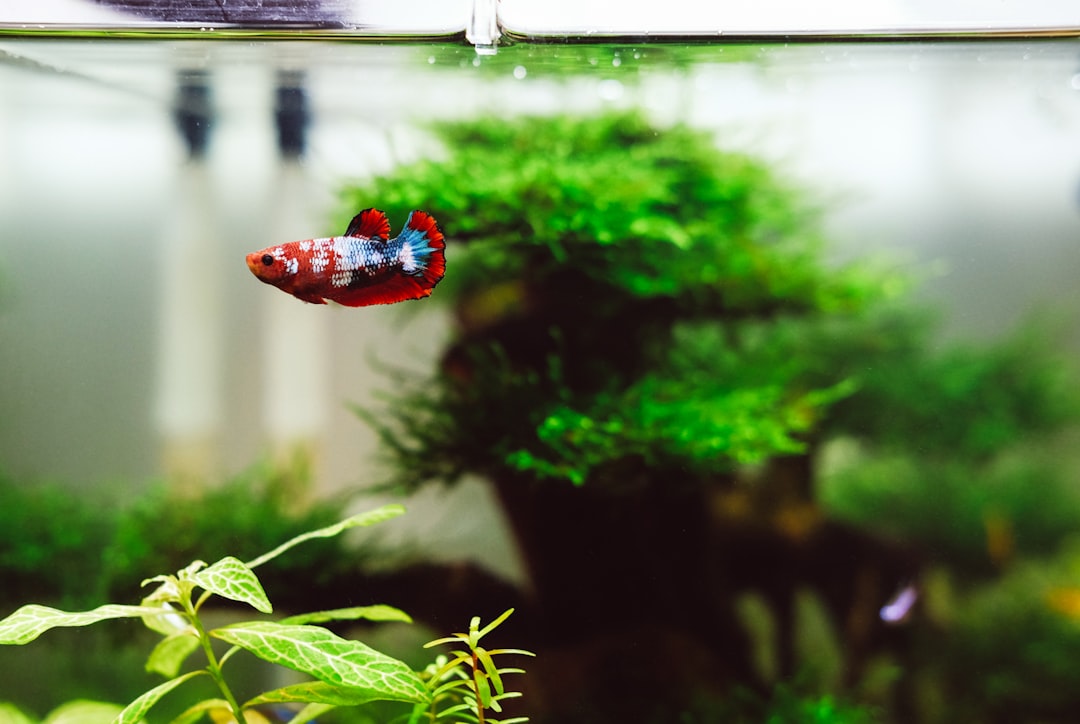
Many people mistakenly believe that Betta fish can thrive in small bowls or jars. In reality, they need a spacious tank to swim freely and explore. A tank of at least five gallons is recommended. The environment should mimic their natural habitat, with plants and hiding spots to make them feel secure. A well-chosen tank setup can be the difference between a short-lived Betta and one that thrives. Just as you wouldn’t want to live in a cramped space, neither do they.
Water Quality: The Silent Killer
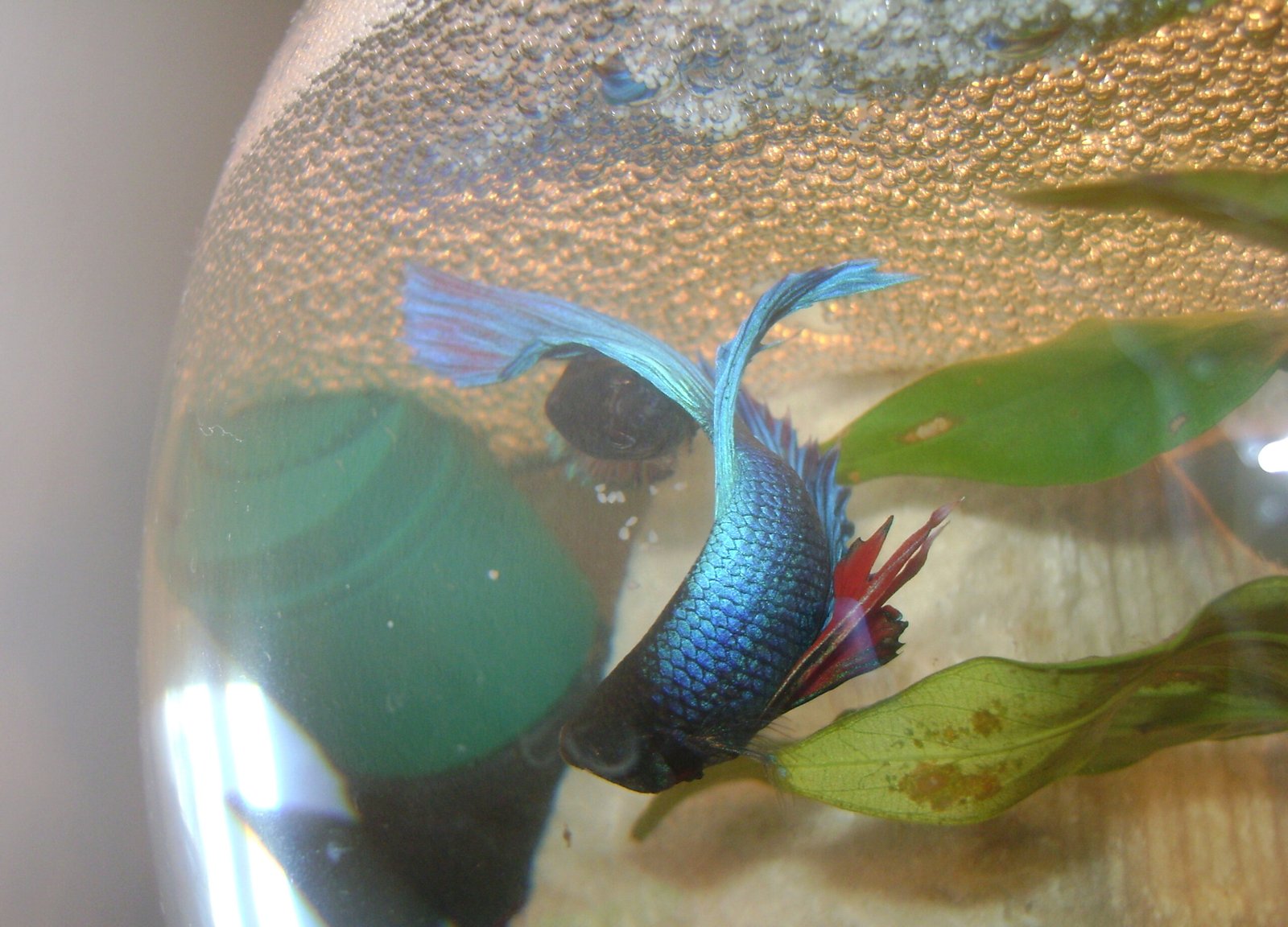
Water quality is a crucial factor in the health and longevity of Betta fish. Poor water conditions can lead to stress and disease, significantly shortening their lifespan. Regular water changes, at least once a week, are vital. The water should be treated to remove harmful chemicals and maintain a stable temperature between 76-82°F. Imagine living in a polluted environment—it’s not pleasant, and it’s the same for your Betta. Clean, fresh water is their lifeline.
The Right Diet: More Than Just Flakes
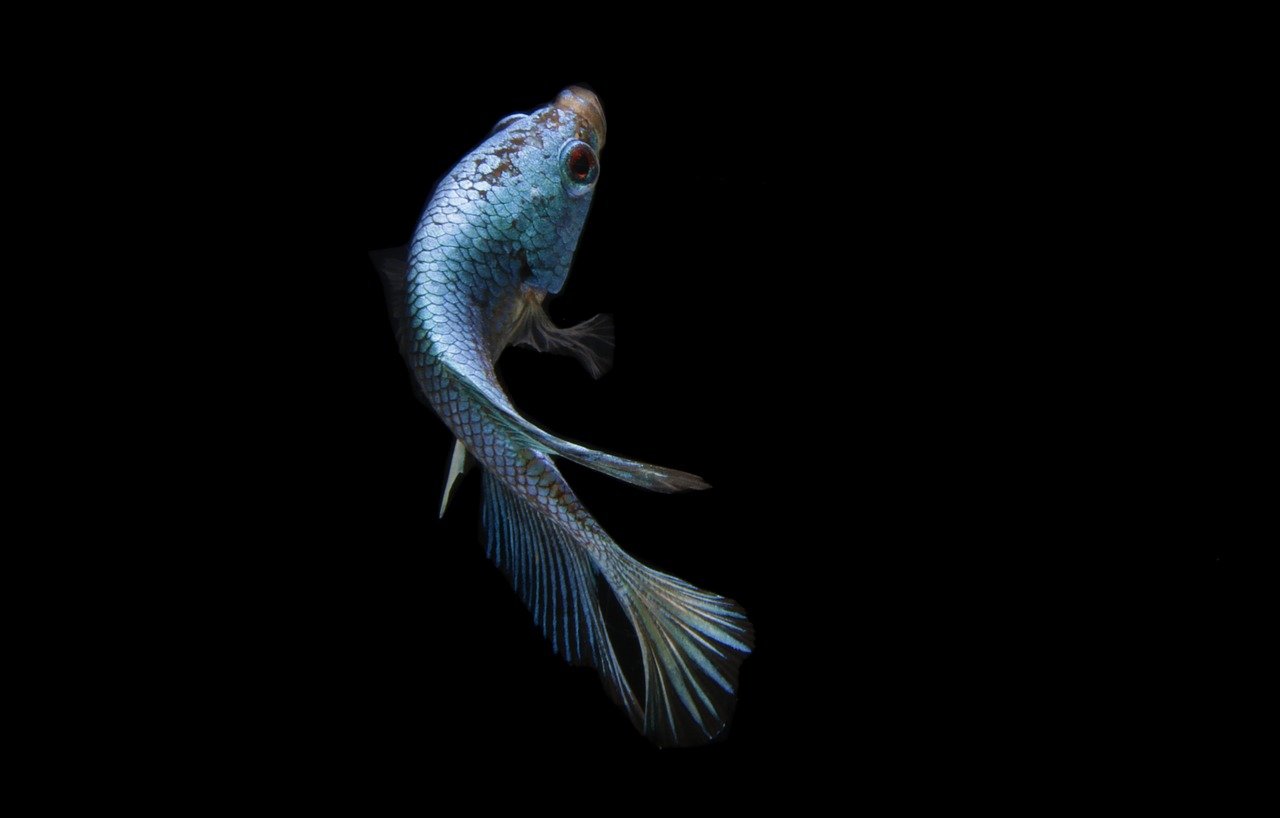
A varied and balanced diet is essential for a Betta fish’s health. While Betta pellets are a staple, incorporating live or frozen foods such as brine shrimp or bloodworms can provide necessary nutrients. Overfeeding is a common mistake and can lead to obesity and other health issues. Feeding them small amounts, once or twice a day, ensures they get the nutrition they need without the risk of overeating. Think of it as crafting a gourmet meal plan for your vibrant friend.
Recognizing and Preventing Diseases
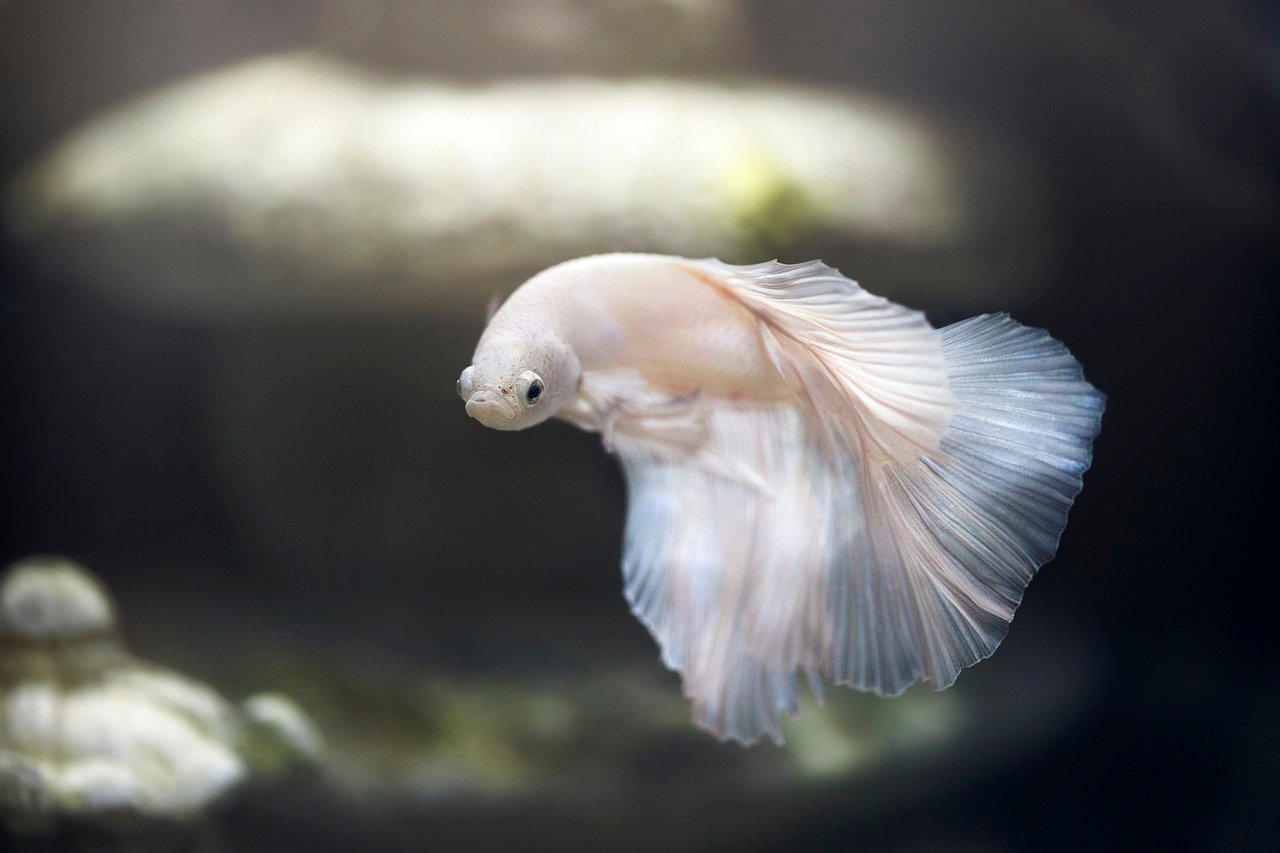
Betta fish are susceptible to various diseases, but many can be prevented with proper care. Regularly observing your fish for signs of illness, such as clamped fins or lethargy, is crucial. Quarantining new fish before introducing them to the main tank can prevent the spread of diseases. If your Betta does fall ill, quick treatment is essential. It’s akin to catching a cold early—prompt action can mean the difference between a quick recovery and a prolonged illness.
Providing Mental Stimulation
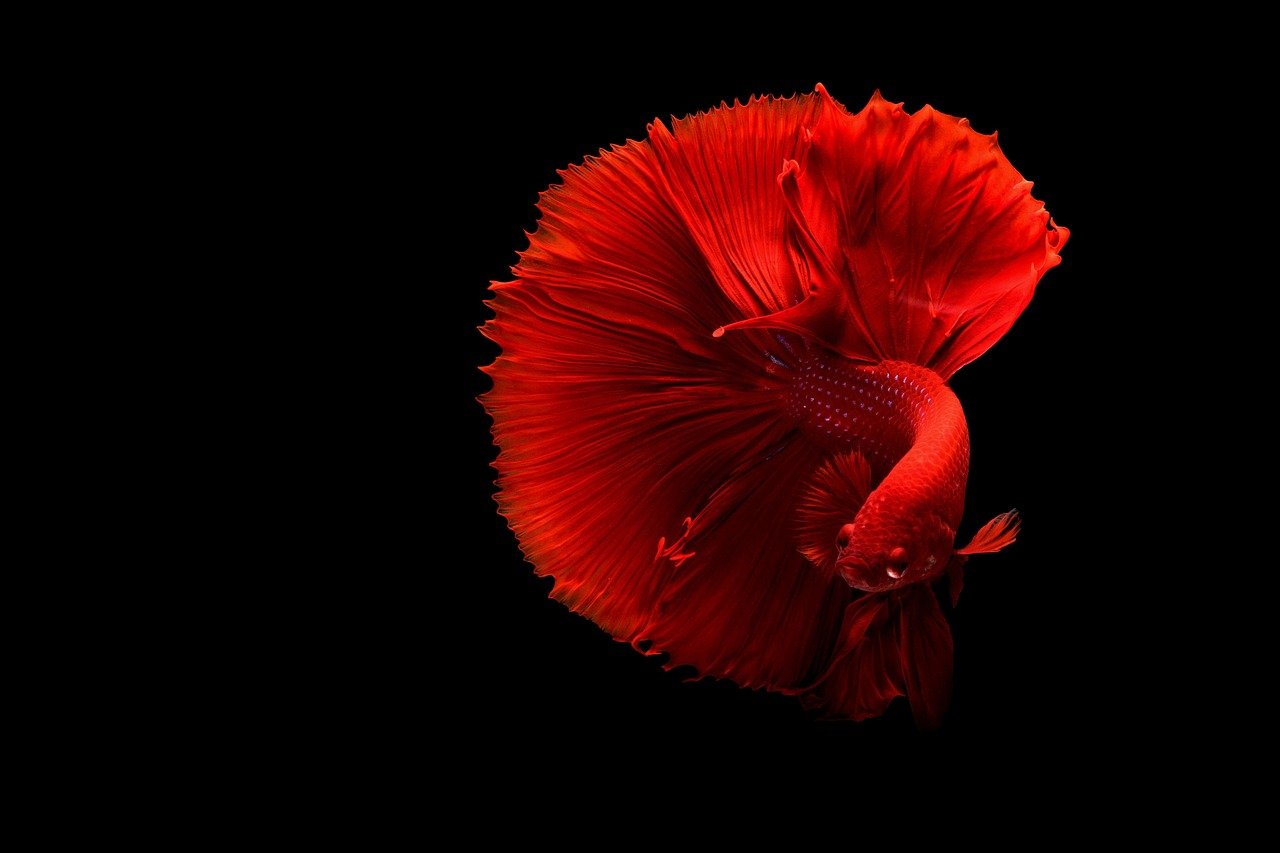
Betta fish are intelligent creatures and require mental stimulation to prevent boredom. Adding decorations, mirrors, or even training them with simple tricks can keep them engaged. A bored Betta is more prone to stress and health issues. Think of it as providing toys and activities for a child; happy minds lead to happy lives. It’s a delightful sight to see your Betta interact with its environment, showcasing its vibrant personality.
Avoiding Overcrowding
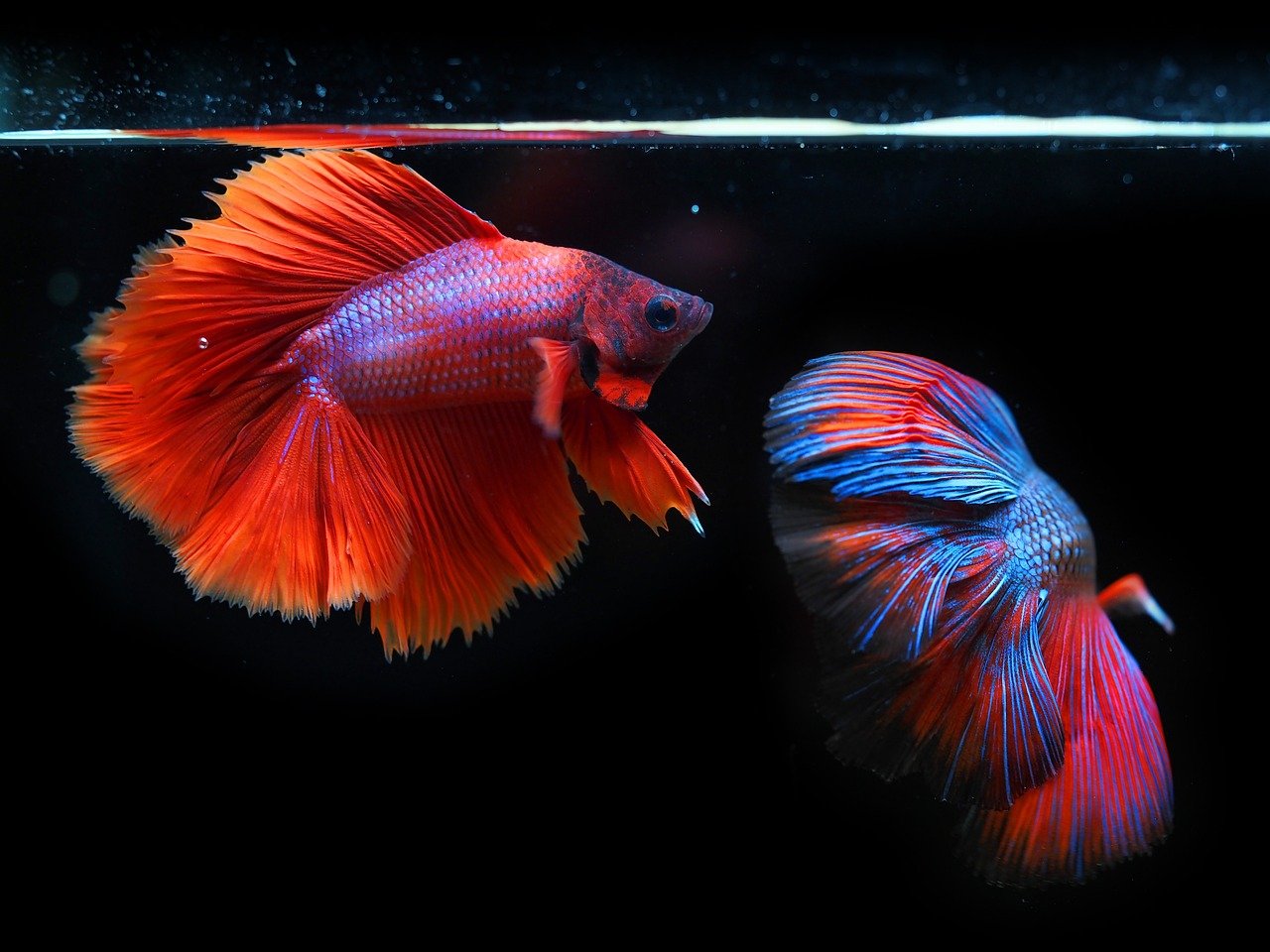
While Betta fish are social, they are also territorial. Overcrowding can lead to stress and aggression, shortening their lifespan. It’s best to house them alone or with compatible tank mates. If you decide to introduce other fish, ensure they are peaceful and won’t provoke your Betta. Imagine living in a house full of constant bickering—it’s stressful, and your Betta feels the same way. A harmonious tank environment is key to their well-being.
Maintaining a Consistent Routine
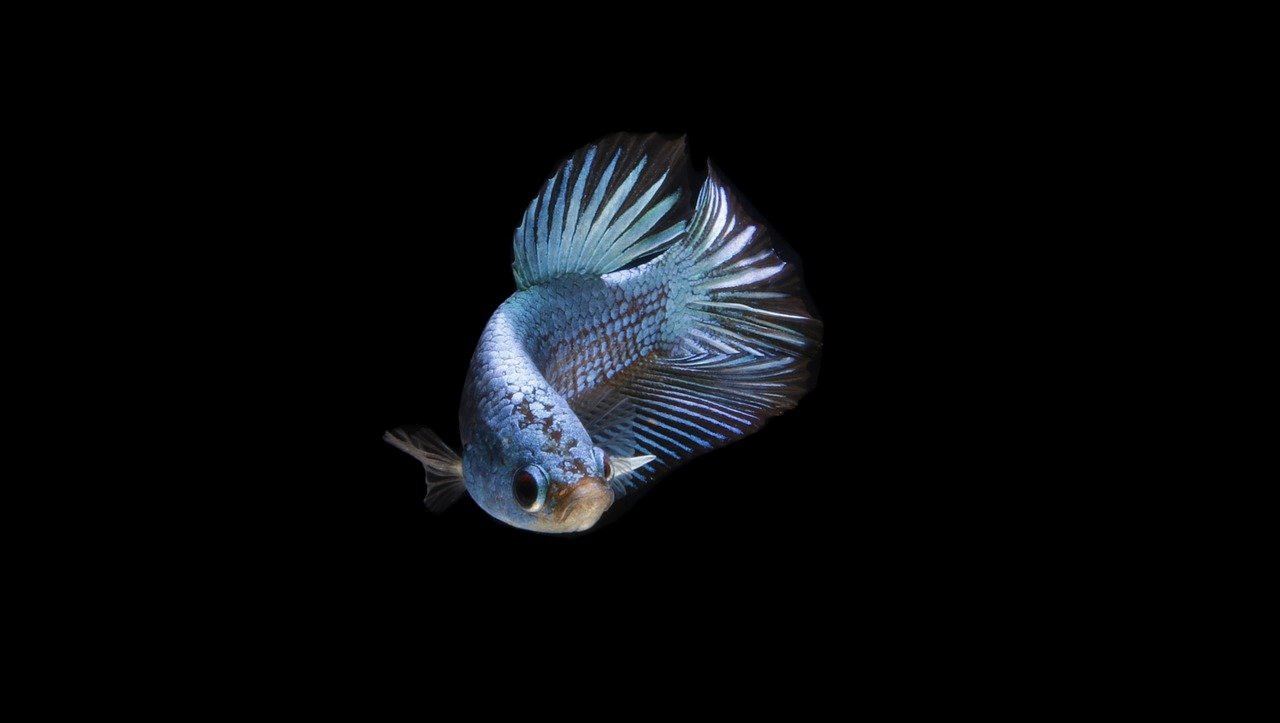
Routine is vital for Betta fish. Consistent feeding times, regular tank maintenance, and stable water conditions create a predictable environment that reduces stress. Just as humans thrive on routine, so do Betta fish. A stable routine ensures they remain healthy and content, allowing them to live their lives to the fullest. It’s like setting a schedule that keeps everything running smoothly.
The Emotional Connection
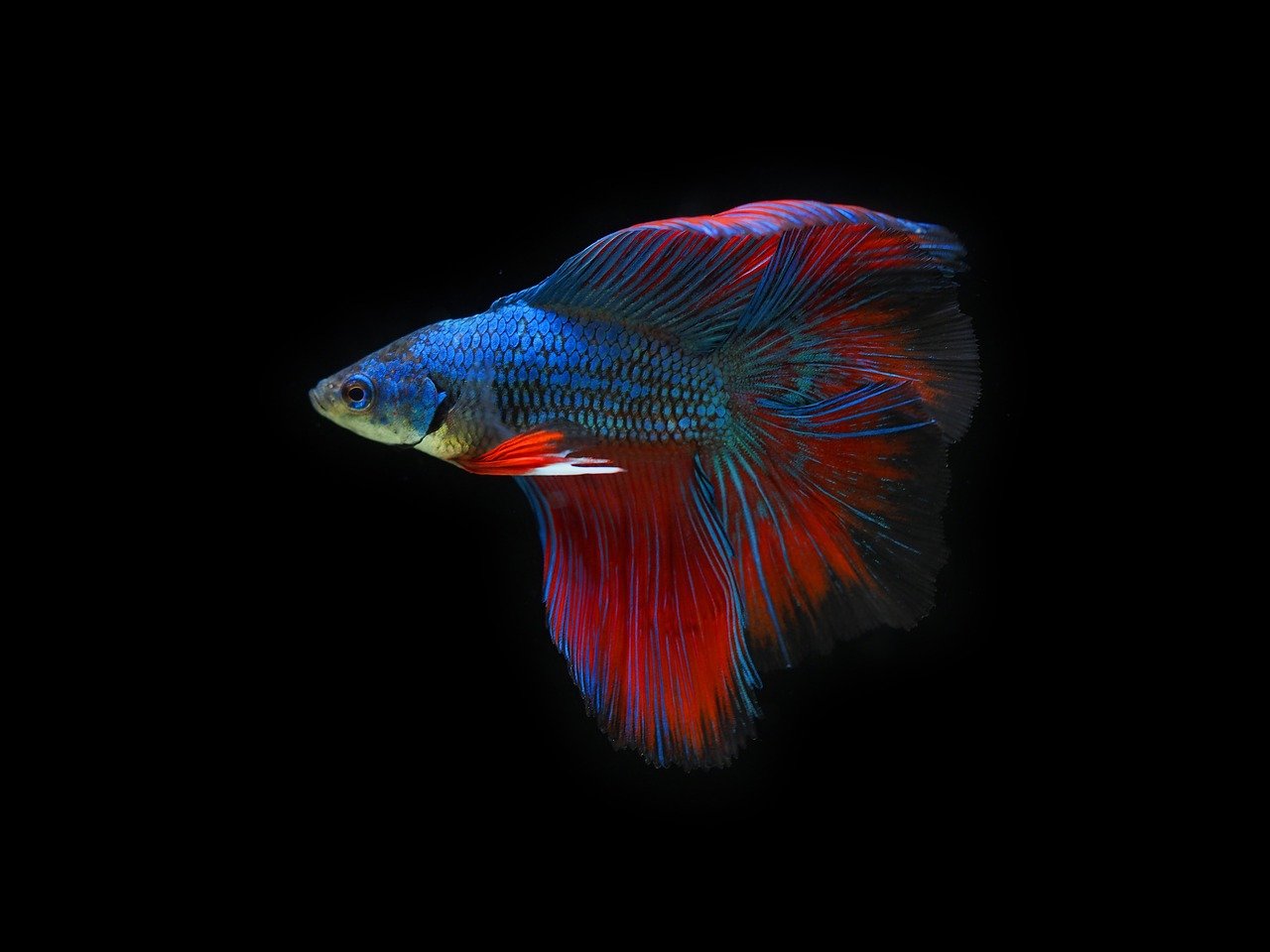
Forming an emotional bond with your Betta fish can significantly enhance their quality of life. Regular interaction, such as talking to them or gently tapping the tank, can strengthen this bond. They may not wag their tails like dogs, but Betta fish can recognize their owners and exhibit behaviors that show they feel secure and loved. This connection is not only rewarding for you but also adds to their overall happiness.
In conclusion, the lifespan of your Betta fish is a reflection of the care and attention you provide. By understanding their needs and creating a nurturing environment, you can enjoy the company of these beautiful creatures for many years. So, how well are you caring for your Betta fish?


