
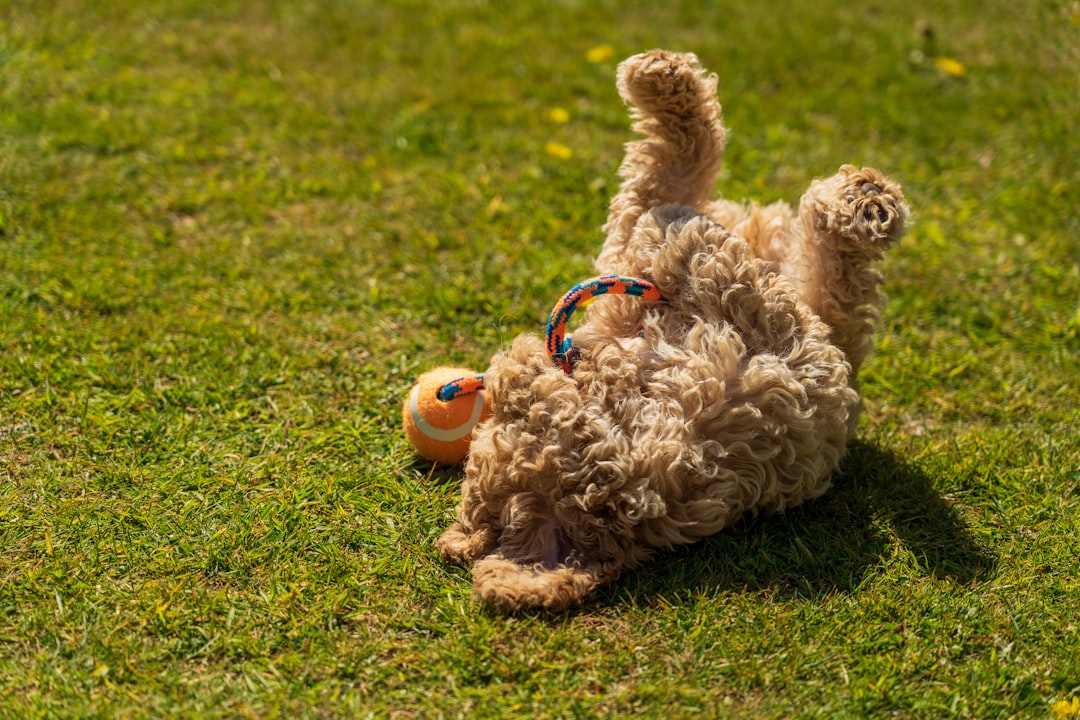
Have you ever caught your dog doing something that made you cringe, laugh, or even get a little frustrated? Maybe it’s the way they greet you with a wet nose right in your face or that strange habit of digging up your garden. Here’s a surprising truth: many of the quirky things dogs do are not just normal—they’re essential to their happiness and well-being. Imagine how you’d feel if someone tried to stop you from laughing, stretching, or even talking! That’s how your dog feels when you discourage their natural instincts. If you’ve ever wondered which behaviors you should simply accept (even if they drive you up the wall), this is for you. Discover the natural dog habits that deserve your understanding, and why letting these behaviors shine is a gift to your furry friend.
Scent Marking Their Territory

Dogs have an extraordinary sense of smell, and scent marking is their way of communicating. When your dog stops to sniff or even pee on every lamppost during your walk, it’s not just about relieving themselves. They’re reading messages left by other dogs and leaving their own “calling card.” This ritual is an essential part of their identity and social life, just like humans chatting at a coffee shop. Interrupting or rushing them through this process can actually make them feel anxious or misunderstood.
Instead of yanking the leash or hurrying them along, let your dog have those few extra moments to sniff and explore. It may seem like a small thing, but this habit helps your dog feel secure and connected to their surroundings. Remember, scent is their primary way of understanding the world, and each stop is like reading a new headline in their daily newspaper.
Digging in the Yard
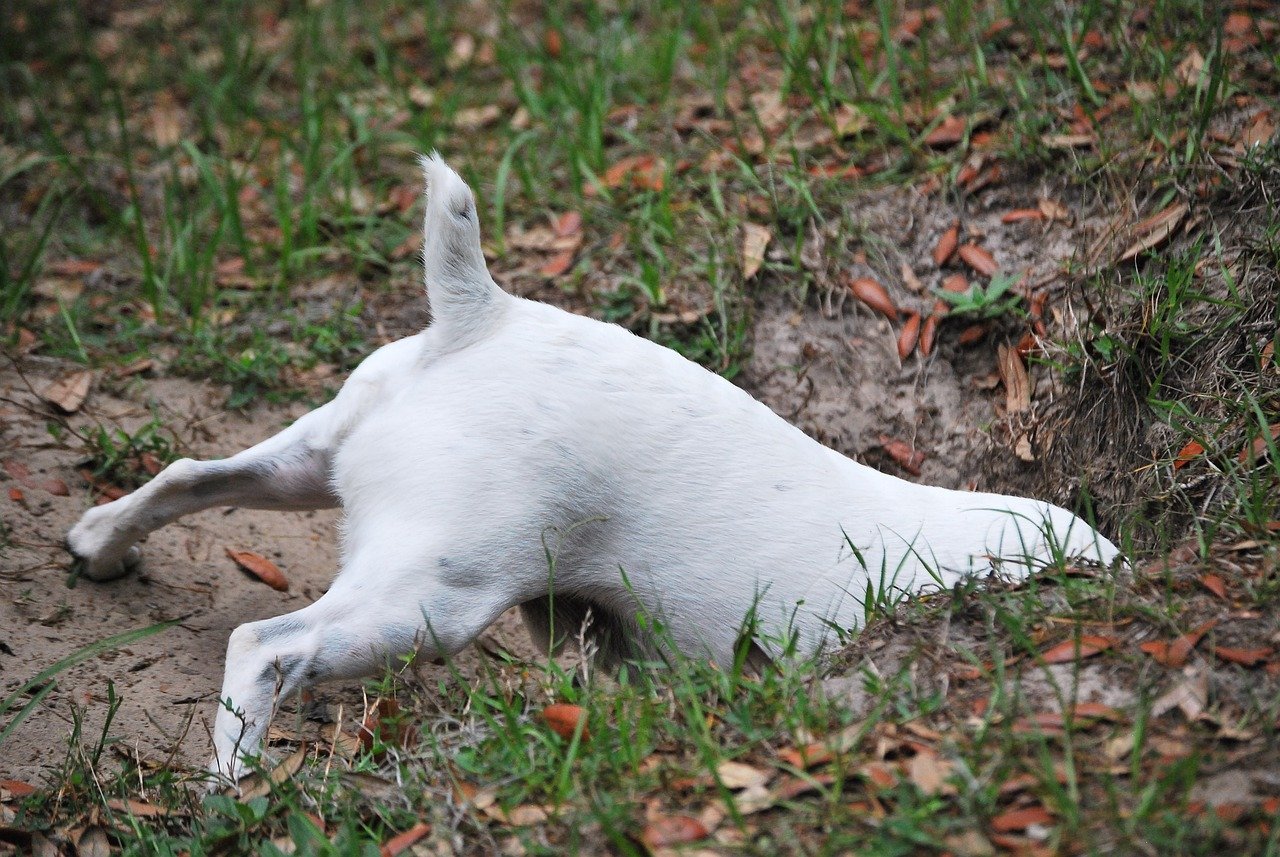
Digging can be one of the most exasperating habits for owners, especially if you cherish a tidy garden. But to your dog, digging is pure joy and instinct. Dogs dig for all kinds of reasons: to create a cool spot to lie in, to bury treasures like bones, or simply to burn off energy. In the wild, their ancestors dug for survival—hiding food, making beds, or seeking cooler ground. That urge is still alive in your pup.
Rather than scolding them, try channeling their digging energy into a specific corner or provide a sandbox just for them. This way, your garden can stay beautiful, and your dog can satisfy their natural need to dig. By allowing controlled digging, you’re letting your dog be a dog—and that’s a beautiful thing.
Barking at the Doorbell
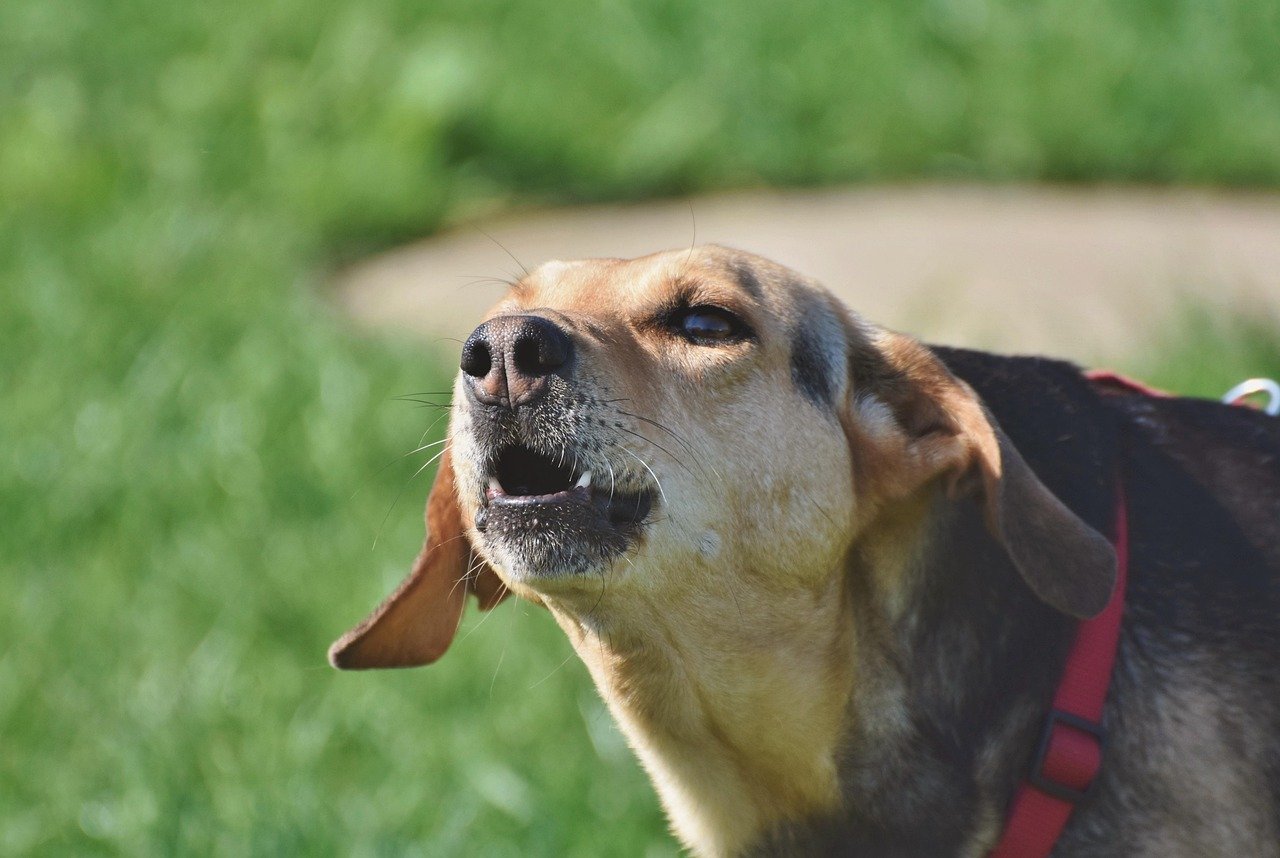
A sudden bark when someone rings the doorbell can be jarring, but barking is one of your dog’s core ways of protecting you and their home. It’s their version of saying, “Someone’s here!” or “I’m on the lookout!” This habit is rooted in their deep loyalty and desire to keep their family safe.
While excessive barking can be managed with training, punishing your dog for sounding the alarm can make them feel like they’re failing their most important job. Instead, try acknowledging their alert, then calmly reassure them. This lets them know you hear them and appreciate their vigilance, but that everything is under control.
Chewing on Objects
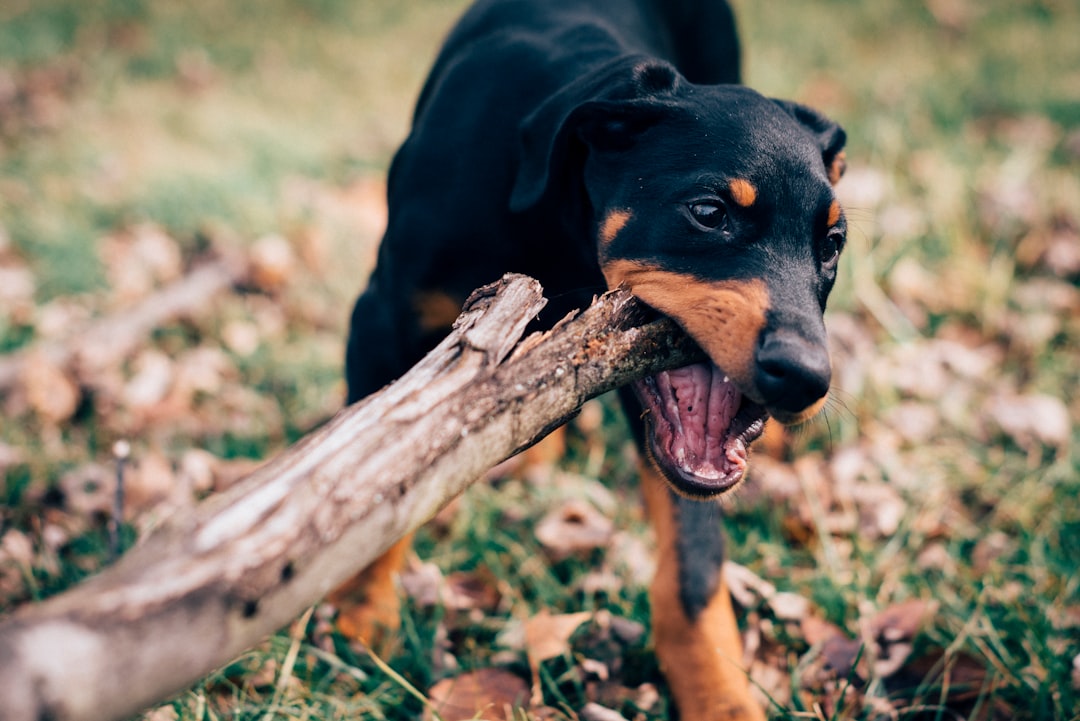
Chewing is a natural and vital behavior for dogs of all ages, not just puppies. It helps keep their teeth clean, relieves stress, and provides mental stimulation. Dogs explore the world with their mouths, much like toddlers do with their hands. When dogs chew, it can also help soothe anxiety and boredom, which is especially important if they’re left alone for periods during the day.
Rather than scolding your dog for chewing, offer them appropriate toys or bones. If they chew something they shouldn’t, gently redirect them. Remember, they’re not trying to be naughty—they’re simply following their instincts. Chewing is as essential to a dog’s happiness as playtime and cuddles.
Rolling in Smelly Things
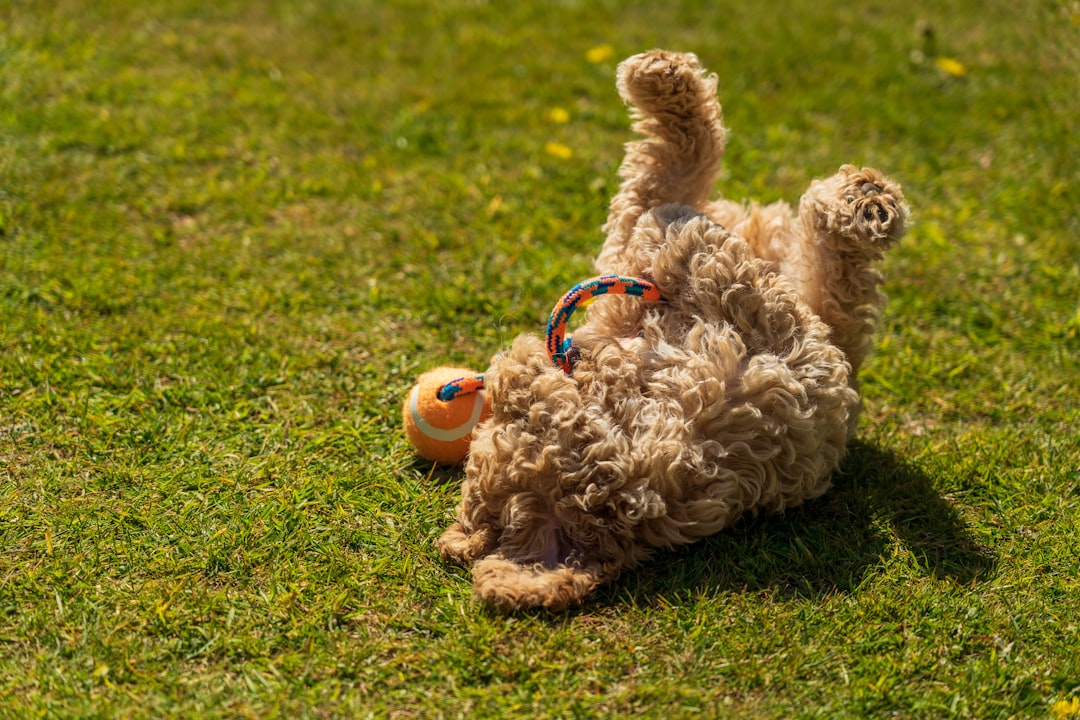
Few things are as bewildering as seeing your dog joyfully roll in something foul-smelling. To humans, it’s gross, but to dogs, it’s instinctive and deeply satisfying. This behavior likely comes from their ancestors, who would roll in strong scents to mask their own and sneak up on prey. It’s also a way for dogs to bring interesting smells back to their pack.
Instead of reacting with anger or disgust, remember that your dog is just following their natural urges. A bath will fix the mess, but scolding them can create confusion and stress. Rolling in smells is simply part of their doggy DNA.
Chasing Small Animals
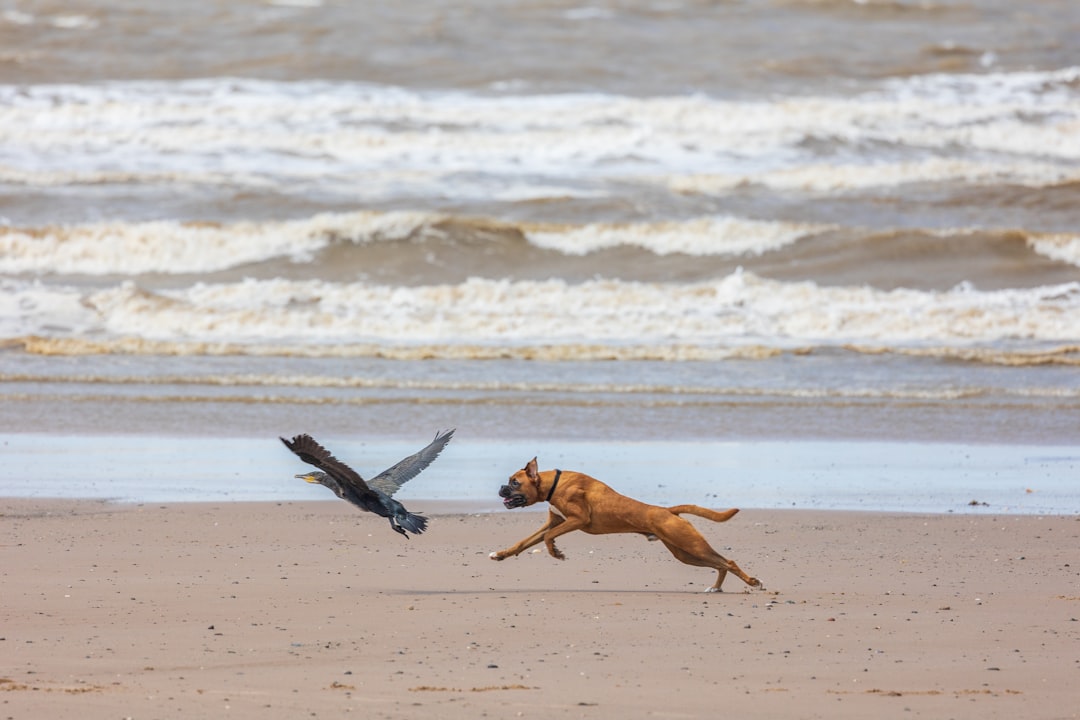
It’s almost impossible to suppress the thrill when a dog spots a squirrel or a bird. Chasing is an instinct that goes back to their wolf ancestors, who relied on the chase for survival. This urge to pursue moving objects is hardwired, providing both mental and physical stimulation.
While it’s important to keep your dog (and wildlife) safe by using leashes or secure fences, don’t be angry when your dog tries to dart after a squirrel. Instead, understand their need to chase and offer alternatives, like playing fetch or using chase toys. This keeps their senses sharp and their spirits high.
Circling Before Lying Down
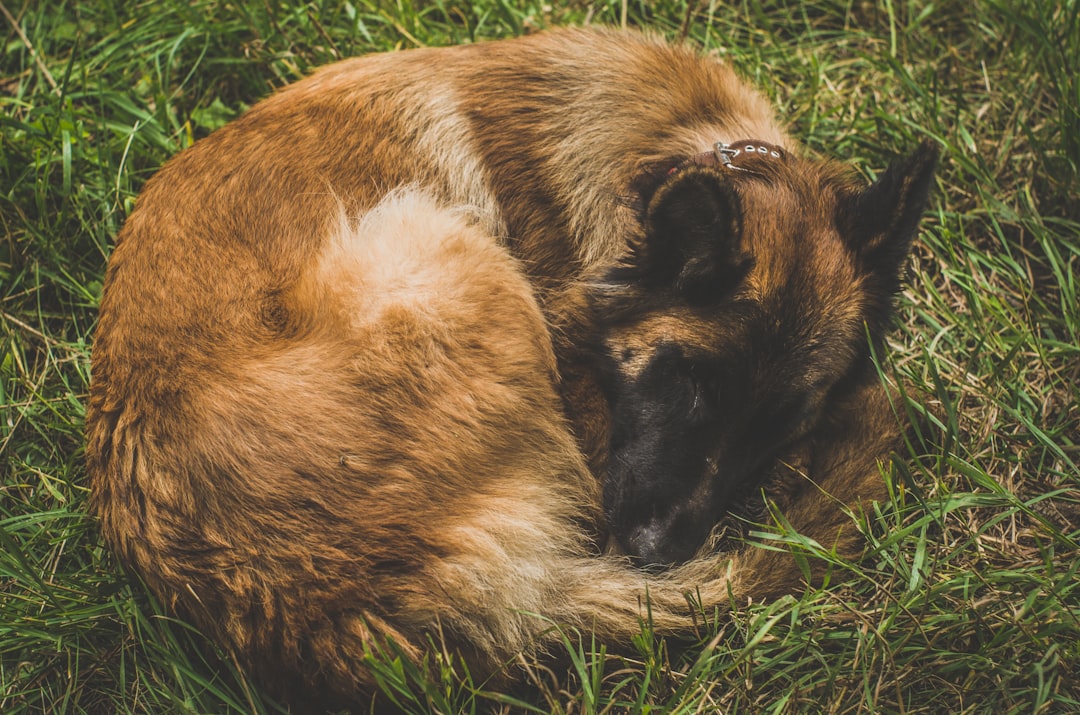
Have you ever noticed your dog turning in circles before settling down to sleep? This seemingly odd ritual actually has ancient roots. Wild dogs would circle to flatten grass, check for danger, and make a comfortable bed. Circling also helps them find the most restful position, reducing pressure on their joints.
Even though your dog now has a cozy bed, this habit remains. It’s a reassuring routine, helping your dog feel secure and ready for rest. Let them spin as many times as they need—it’s their way of making any spot feel like home.
Licking Themselves and Others
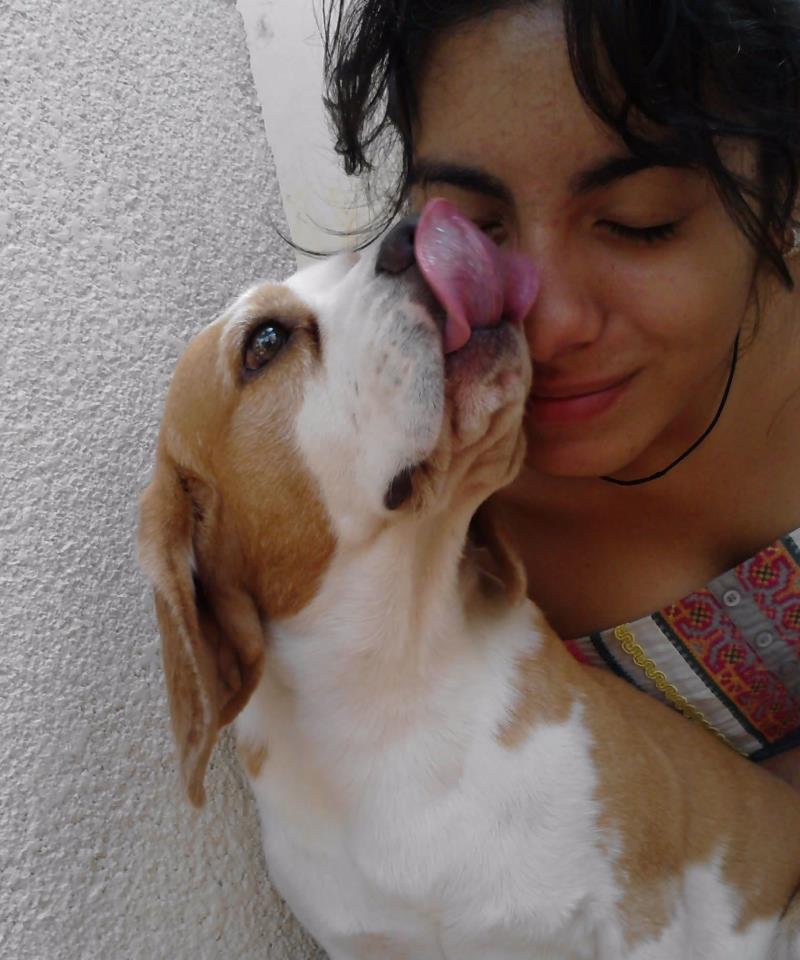
Licking is much more than grooming for dogs. It’s a way to show affection, seek comfort, and even communicate their feelings. When your dog licks you, it might be a sign of love, a request for attention, or simply a soothing action. Among dogs, licking is also a vital part of social bonding.
Discouraging licking can make your dog feel rejected or anxious. If the licking gets out of hand, gently redirect them but never punish this instinctive form of communication. Accepting the odd wet kiss is a small price for the trust and affection your dog is showing you.
Leaning or Sitting on Your Feet
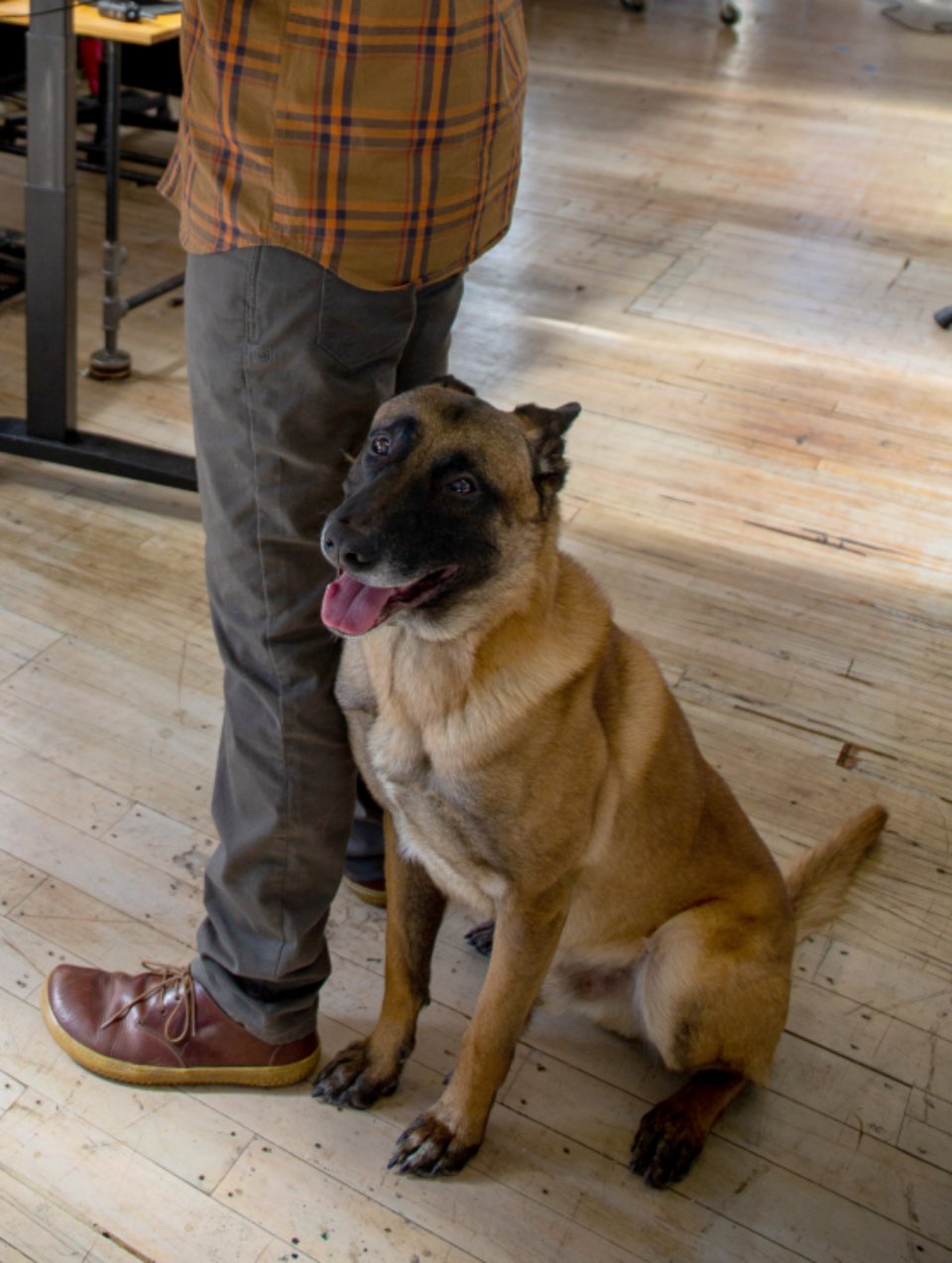
Does your dog love to lean against you or sit on your feet, even when it’s not exactly comfortable for you? While it might seem like a quirky or clingy habit, this behavior is rooted in love and loyalty. Dogs are pack animals, and physical closeness to their human “pack” gives them a sense of safety and belonging.
Instead of pushing your dog away, enjoy these moments of closeness. Your dog is telling you, “You’re my favorite person.” It’s a special gesture of trust and affection, and letting them stay close will only strengthen your bond.
Sniffing Private Areas
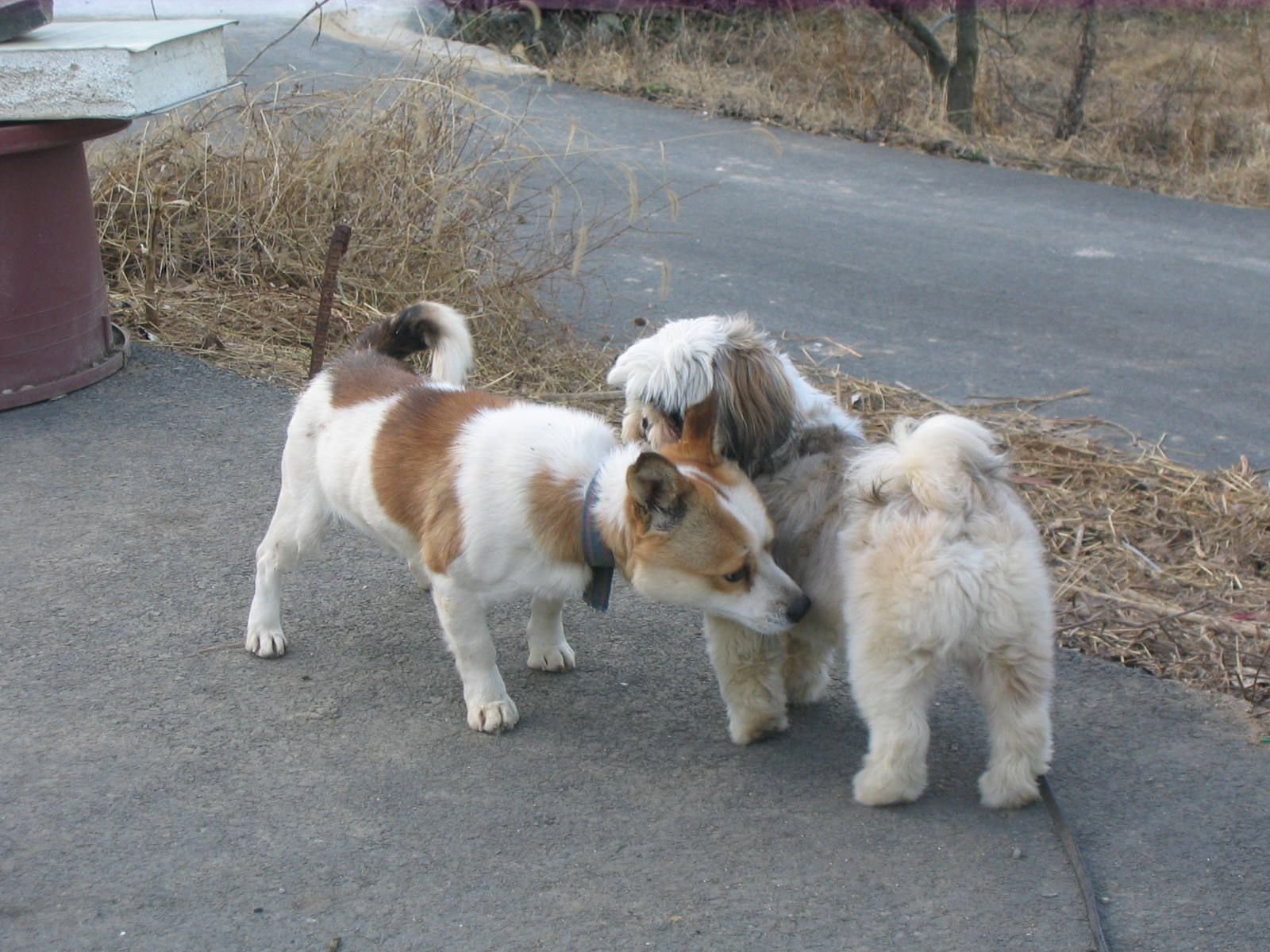
Few dog habits are as embarrassing as when they greet guests by sniffing their private areas. As humans, we might blush, but for dogs, sniffing is the ultimate handshake. This is how they collect important information about new friends—gender, mood, health, and more.
Instead of feeling mortified or scolding your dog, gently redirect their attention if needed, but understand it’s not meant to be rude. Sniffing is their way of saying, “Hello, who are you?” Let your dog be themselves and remember: in the dog world, this is just good manners.
Each of these habits is a window into your dog’s mind and heart. Letting them express their true selves is one of the greatest gifts you can give. After all, wouldn’t you want someone to accept all the little things that make you, you?


