

Have you ever looked into the wise, wrinkled face of a senior bulldog and felt a surge of love mixed with worry? As our loyal companions age, their needs change in surprising and sometimes heart-wrenching ways. The good news? With the right care, your older bulldog can enjoy golden years filled with comfort, joy, and that signature bulldog charm. Whether your bulldog is slowing down, facing new health issues, or just needs extra snuggles, every moment matters. Here’s how to give your beloved senior bulldog the happiest, healthiest life possible.
Senior Bulldogs might be slowing down, but they’ve still got tons of love to give. Taking care of them means paying attention to their comfort, keeping up with vet checkups, and making small tweaks to their daily routine. Think soft beds, joint-friendly walks, and a little extra TLC. These loyal companions deserve to feel safe, happy, and loved in their golden years. With just a bit of effort, you can help your bulldog age gracefully and stay their sweet, goofy self.
Understanding the Senior Bulldog’s Unique Needs
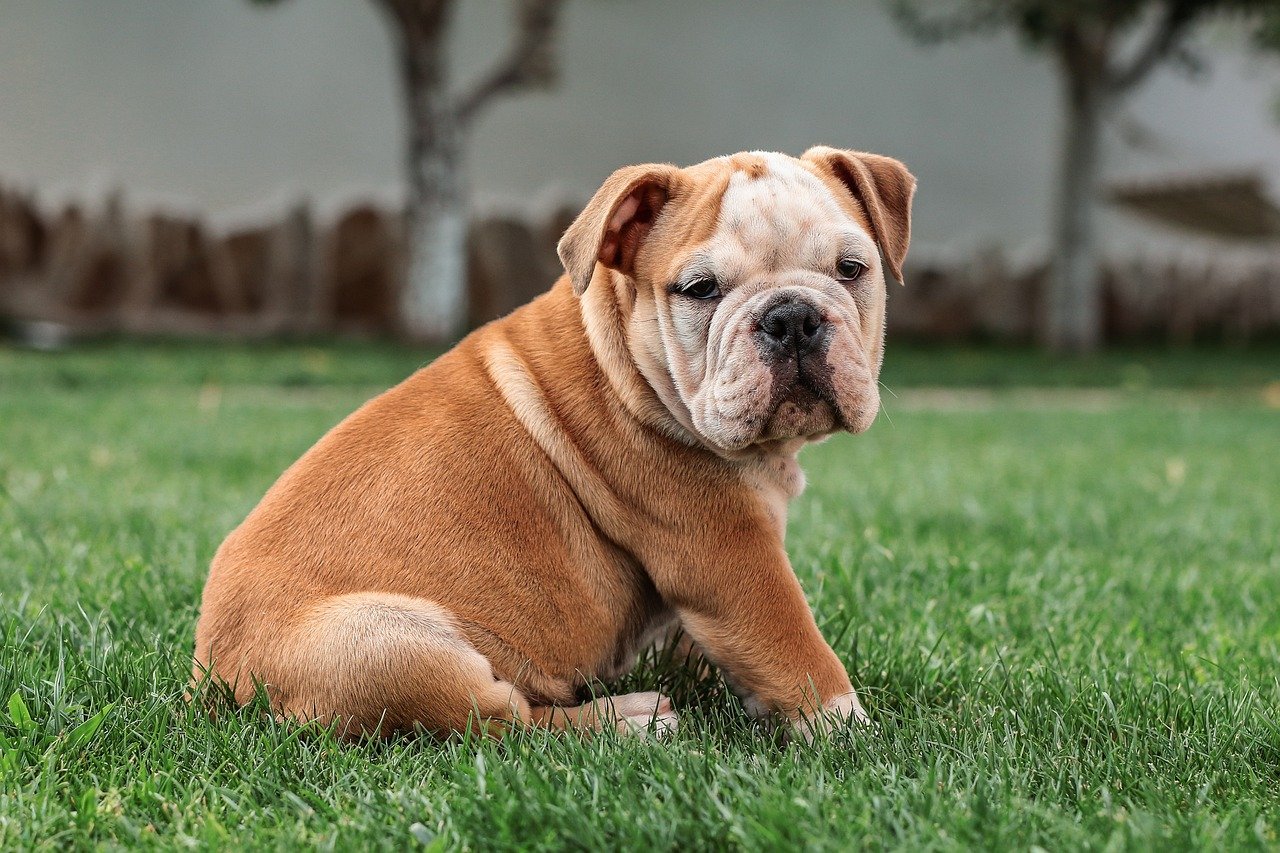
Aging bulldogs are not just older versions of their youthful selves—they’re wonderfully unique, with special requirements. As bulldogs reach their senior years, usually around 7 or 8 years old, their bodies slow down, and their energy levels dip. You might notice more naps, a bit of grumpiness, or a reluctance to play. Joint stiffness, hearing loss, and vision changes are common, making it vital to watch for even small shifts in behavior. Think of your bulldog as a wise elder: gentle, loving, but in need of extra patience and care. Recognizing these changes early helps you adapt your routine, creating a safer and more comfortable environment for your furry friend.
Nutrition Tailored for Senior Bulldogs
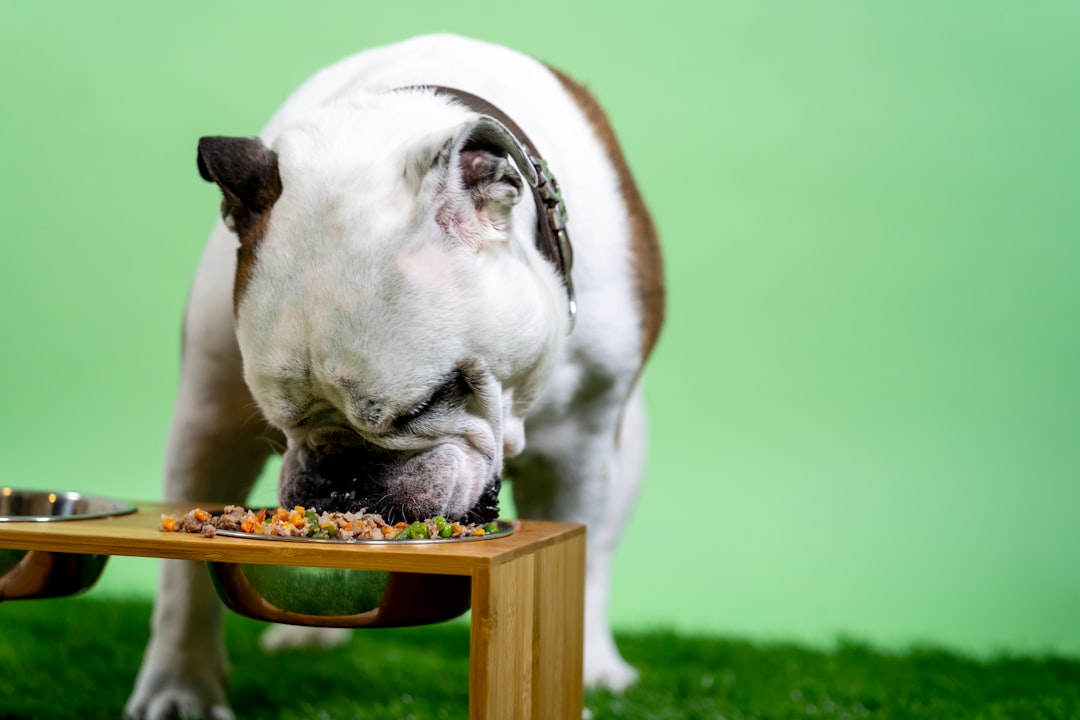
Feeding a senior bulldog isn’t as simple as tossing kibble in a bowl. Older bulldogs often face weight gain due to slower metabolisms, yet they still need essential nutrients to support their aging bodies. Choose high-quality, senior-specific dog food that is easy to chew and digest, and watch portion sizes closely. Adding supplements like glucosamine can ease joint pain, while omega-3 fatty acids support brain health and reduce inflammation. Avoid giving too many treats, even when those big eyes beg for more! If possible, consult your vet for a personalized nutrition plan, especially if your bulldog has health concerns such as kidney or heart issues.
Gentle Exercise and Movement
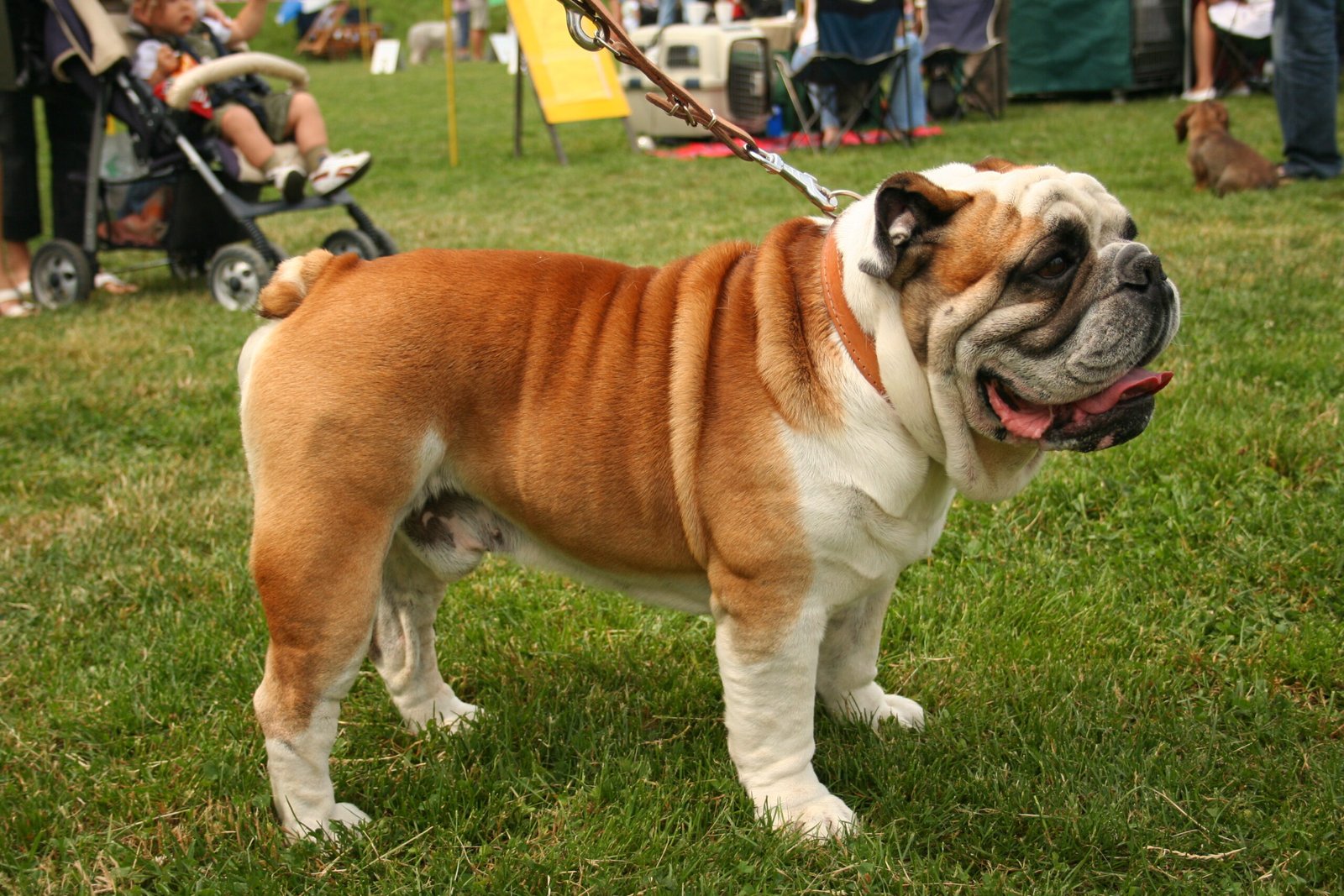
While puppies thrive on endless zoomies, senior bulldogs prefer a gentler approach. Regular, low-impact walks help keep joints flexible and maintain a healthy weight. Short strolls around the block or a few minutes of indoor play with a favorite toy are often enough. Avoid strenuous activities that could strain their bodies—jumping, running, or rough play can do more harm than good. If your bulldog shows any signs of pain or fatigue, cut the exercise short and let them rest. Think of exercise for seniors as a light, daily stretch rather than an athletic event.
Keeping Up With Veterinary Care
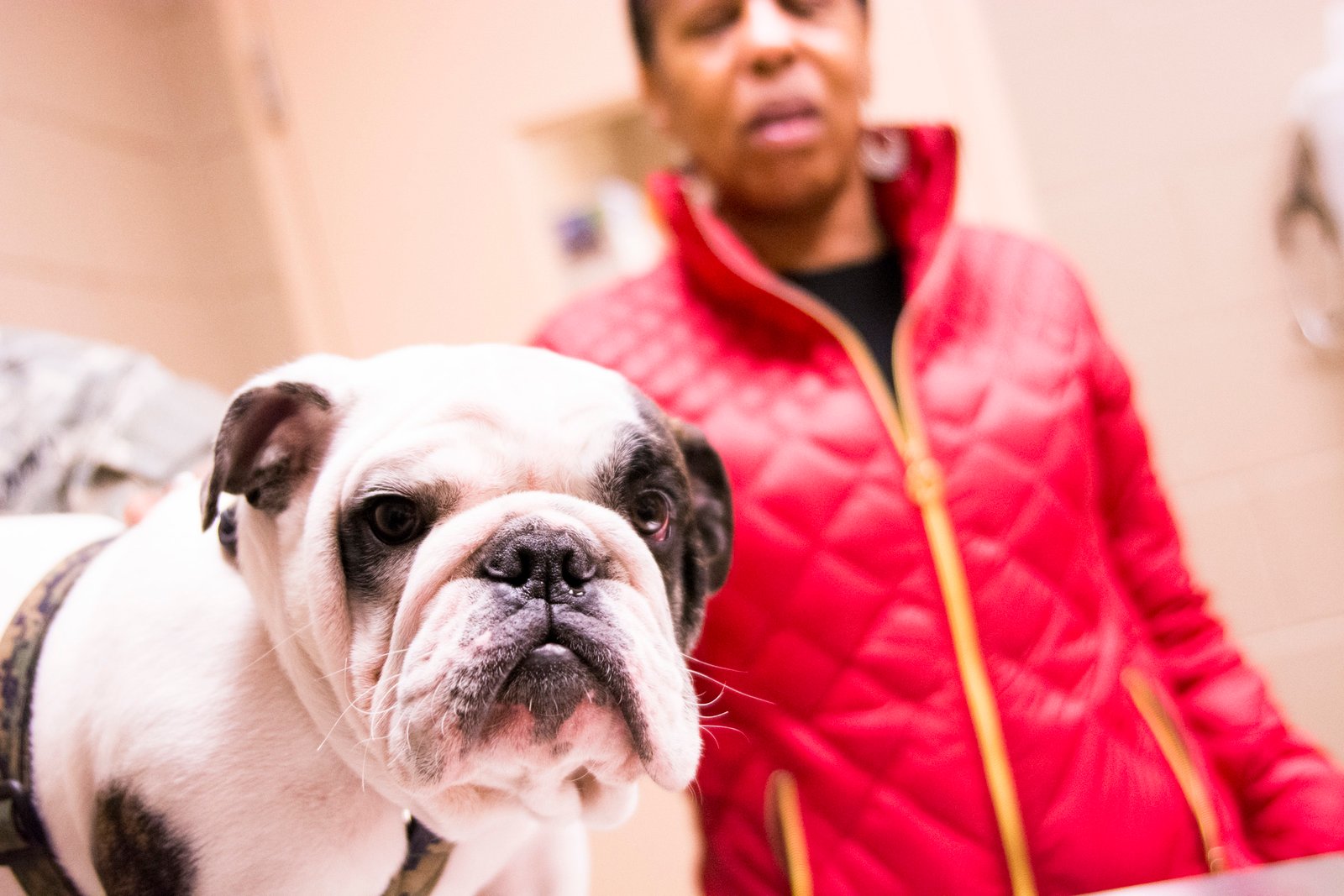
Aging bulldogs need more frequent check-ups to catch health issues early—think of it as preventive maintenance. Schedule at least two vet visits a year, even if your dog seems healthy. Regular bloodwork, dental checks, and screenings for common bulldog ailments like arthritis, heart disease, and cancer are crucial. Early detection can make all the difference in treatment and quality of life. Don’t hesitate to ask your vet about any changes in your dog’s appetite, energy, or behavior. Your bulldog can’t speak, but you can be their voice and advocate.
Managing Pain and Mobility Issues

Senior bulldogs are prone to arthritis and hip problems, making mobility a real challenge. Watch for limping, reluctance to climb stairs, or trouble getting up from a nap—these are signs your dog may be in pain. Soft, orthopedic beds cushion their joints and provide relief. Ramps or pet stairs make it easier to access favorite spots without risking injury. Gentle massages, warm compresses, and prescribed pain medications can also help. Remember, a comfortable bulldog is a happy bulldog, so don’t overlook the small adjustments that can make a big difference.
Adapting Your Home for Safety and Comfort

Just like baby-proofing a house, “senior-proofing” your home ensures your bulldog stays safe. Remove tripping hazards like loose rugs and keep food and water bowls at an easy-to-reach height. Place non-slip mats on slippery floors to prevent falls. If your dog’s vision is fading, keep furniture in the same spots to avoid confusion. A cozy, quiet corner with a soft bed can become a safe haven when the world feels too loud or overwhelming. Little changes show your bulldog just how much you care.
Dental Care for Senior Bulldogs
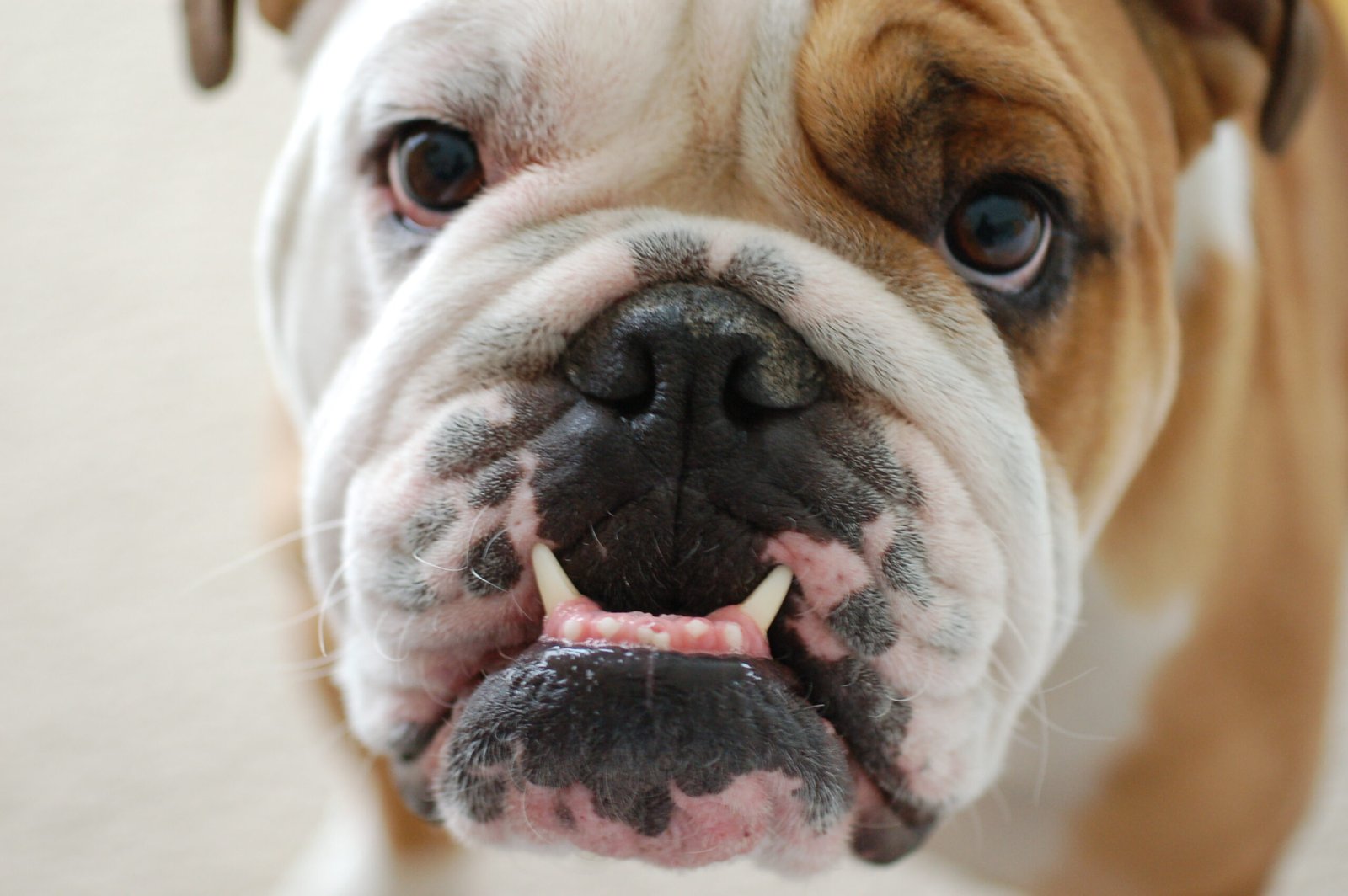
Dental health often declines with age, and bulldogs are especially prone to gum disease. Bad breath, drooling, and difficulty eating can signal dental trouble. Brush your bulldog’s teeth regularly with dog-safe toothpaste, and offer dental chews that help clean their teeth as they gnaw. Professional cleanings at the vet may be necessary to remove tartar and prevent painful infections. Good dental care isn’t just about fresh breath; it can actually add years to your bulldog’s life by preventing serious health complications.
Keeping Their Minds Sharp
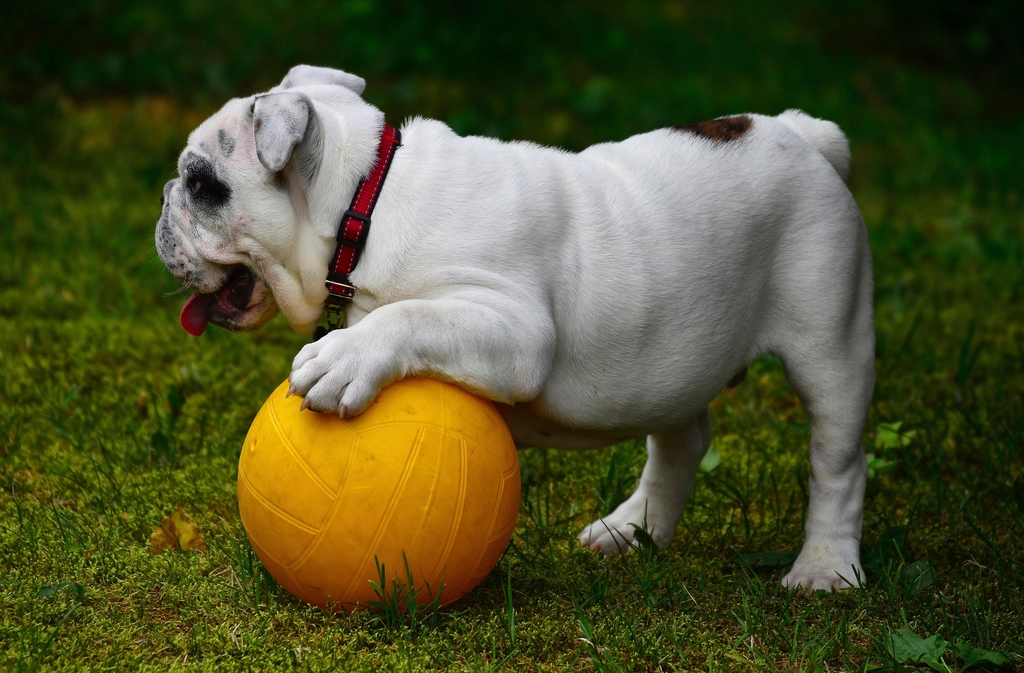
Don’t underestimate the power of mental stimulation. Senior bulldogs may seem content to nap all day, but their brains crave activity. Puzzle toys, gentle games, and short training sessions keep their minds alert. Teach them new tricks or revisit old favorites—bulldogs love the attention and the challenge. Even a simple walk in a new park offers fresh scents and sights to explore. Keeping your bulldog engaged helps prevent cognitive decline and brings a spark of joy to their daily routine.
Showering Them With Love and Attention
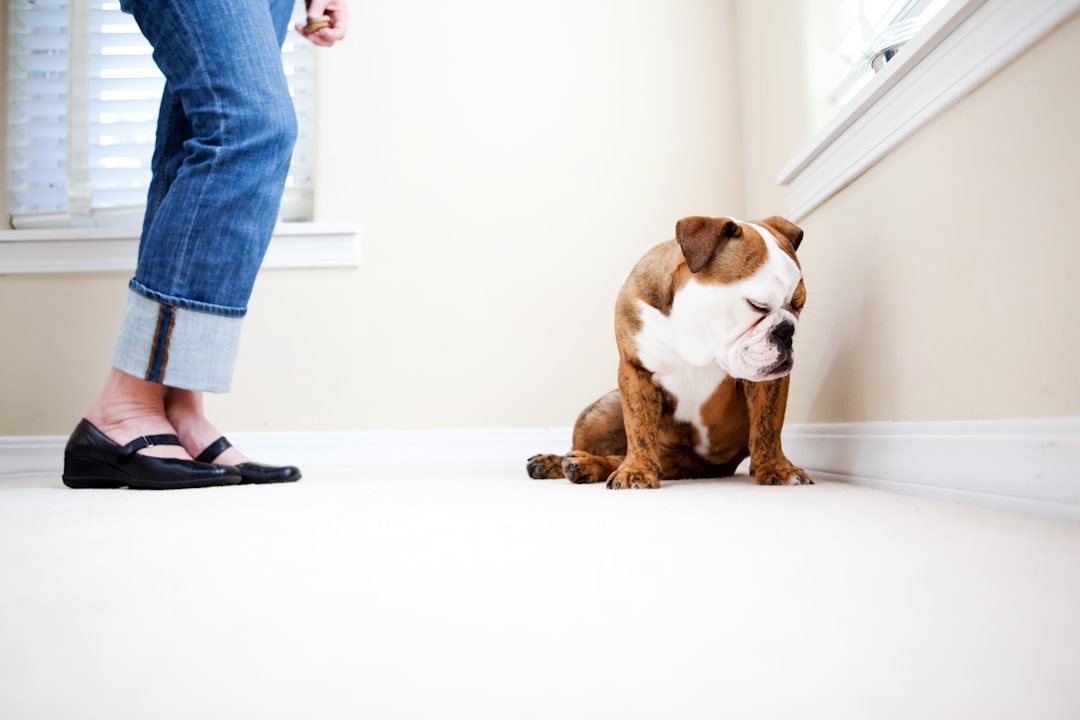
Above all, your senior bulldog needs your love more than ever. Regular cuddles, soft words, and gentle petting remind them they’re cherished, even as their bodies change. Older dogs can become anxious or depressed if they feel ignored or left out, so make time for special moments together. Let them nap beside you on the couch, or simply sit quietly and share the warmth of your presence. Your bulldog may not chase balls like before, but the love in their eyes is as strong as ever.
Knowing When to Seek Help
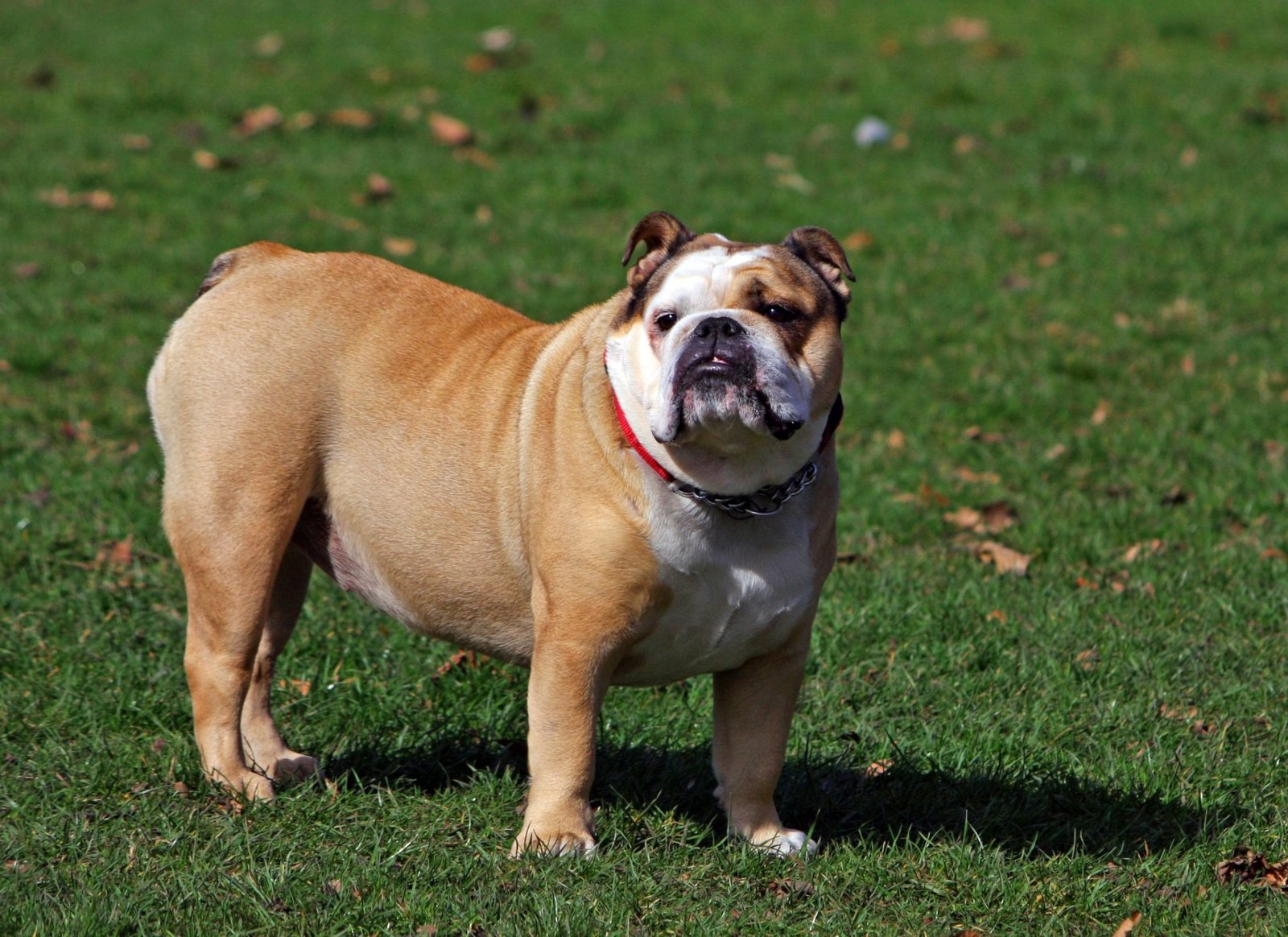
Sometimes, despite your best efforts, your bulldog may struggle with serious health issues. Signs like persistent vomiting, severe pain, sudden weight loss, or confusion require immediate veterinary attention. Trust your instincts—if something feels wrong, don’t delay asking for help. Your bulldog depends on you to notice when they’re suffering, and timely intervention can sometimes work wonders. Remember, you’re not alone; your vet and fellow dog lovers understand what you’re going through and can offer support.
Caring for your senior Bulldog is really about making their golden years as comfy and joyful as possible. A few simple changes and a lot of love can go a long way in keeping them healthy and content. They’ve been your loyal sidekick for years—now it’s your turn to be theirs. With patience, attention, and plenty of snuggles, you’ll help them enjoy every step of the journey. Would you have guessed just how much love and care goes into making a senior bulldog’s golden years truly golden?


