
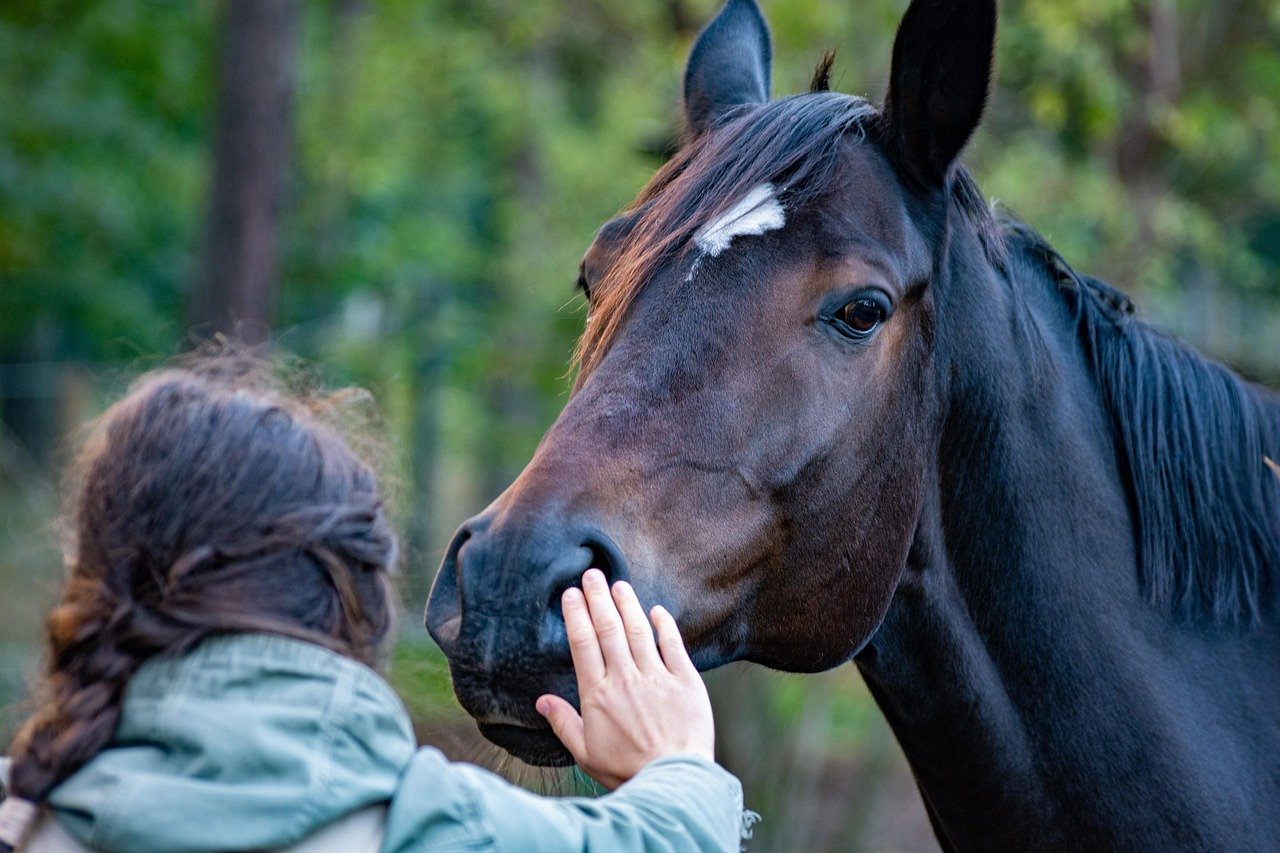
Have you ever stood quietly beside a horse and felt like it just “knew” how you were feeling? That uncanny sense of connection, as if these majestic animals can peer right into your soul, isn’t just a horse lover’s fantasy—it’s a reality grounded in science and centuries of human experience. Horses, with their gentle eyes and steady presence, have a remarkable ability to tune into our emotions, sometimes even before we’re fully aware of them ourselves. This mysterious empathy sets horses apart in the animal kingdom and makes the bond between horse and human truly extraordinary. Let’s step into the paddock and discover how and why horses seem to understand us on such a deep level.
The Silent Language of Horses
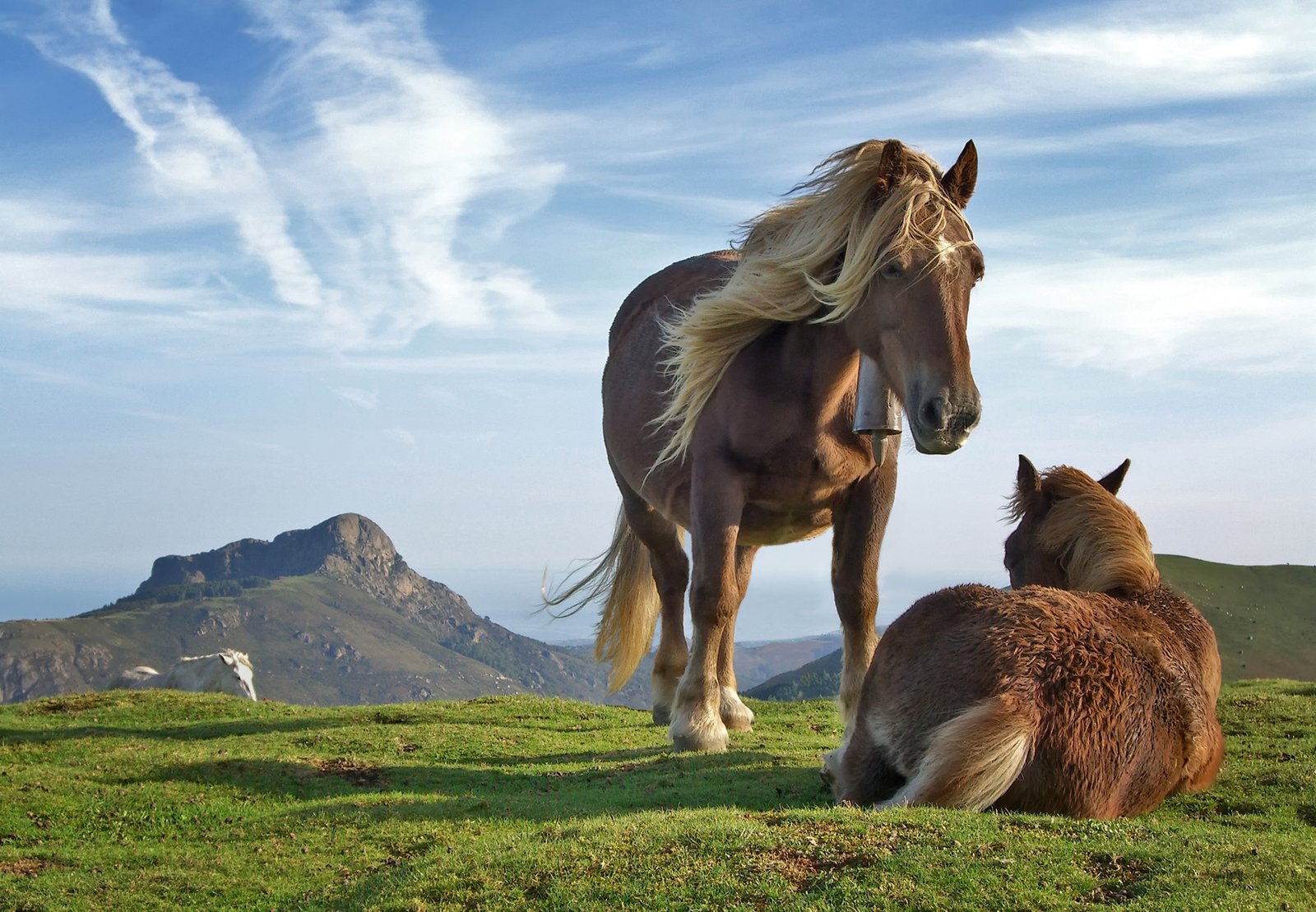
There’s a quiet wisdom in the way a horse watches us—ears flicking, eyes soft, body still. They read us not through words, but through breath, body language, and energy. Long before we speak, they sense what we feel.
Horses communicate with each other—and with us—without words. Their language is made up of subtle cues: a twitch of the ear, a swish of the tail, or a gentle shift in weight. To the untrained eye, these signals might seem insignificant, but for horses, they are part of a complex dialogue. When humans enter the paddock, horses immediately start reading these silent signals, picking up on everything from posture to breathing. This ability to interpret body language allows horses to sense when we’re anxious, excited, or calm, often before we even speak. For horse lovers, learning to “listen” back to this silent language can transform a simple ride into a deeply meaningful partnership.
Reading Human Emotions: More Than Instinct
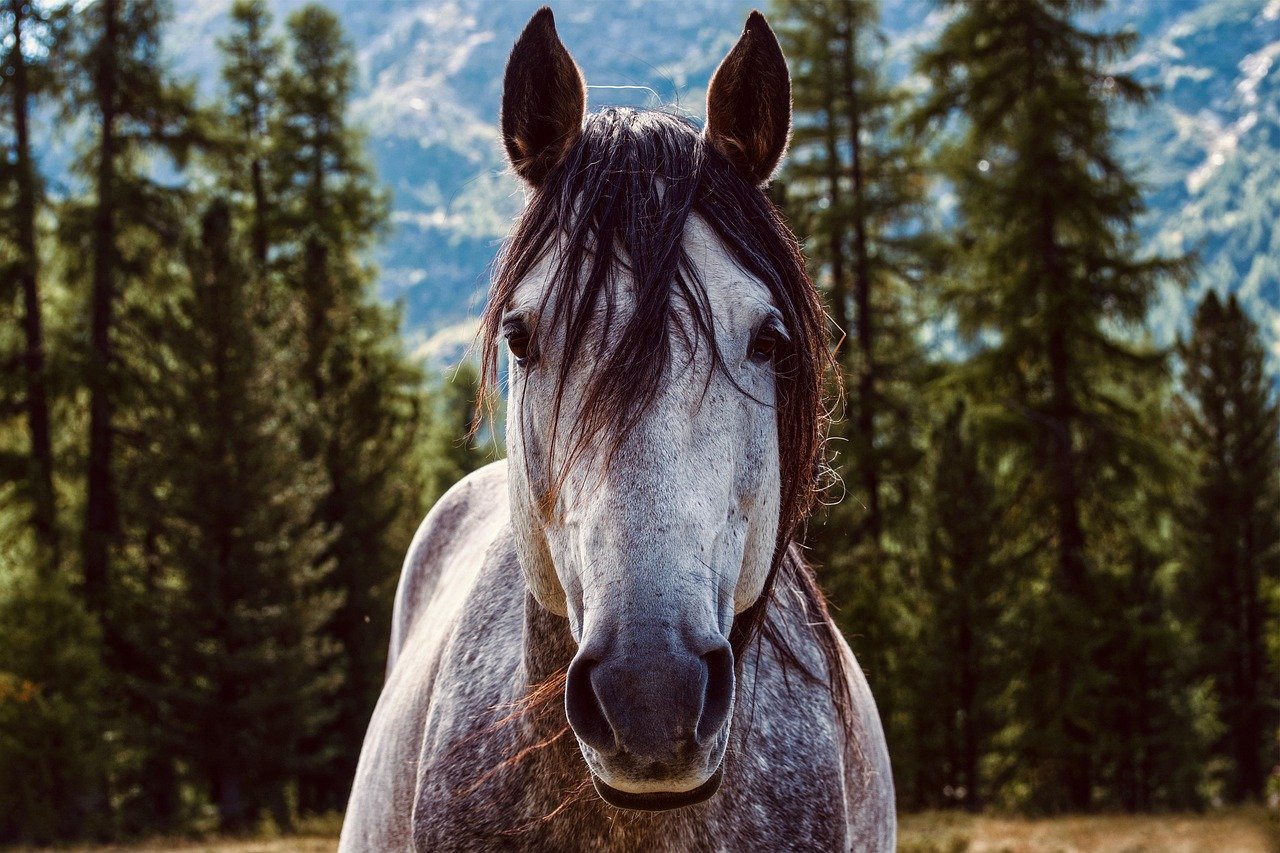
It’s astonishing just how sensitive horses are to human emotions. Studies have shown that horses can distinguish between happy and angry facial expressions, responding differently to each. They seem to sense our moods through more than just sight—they pick up changes in our voice, heartbeat, and even the way we move. This isn’t just instinct; it’s a highly developed survival skill. In the wild, a horse’s life depends on detecting tiny changes in the environment. When we’re around, we become part of that environment, and horses naturally tune into our emotional state, responding with trust or caution depending on what they sense.
Mirror to Our Mood: The Horse’s Emotional Reflection
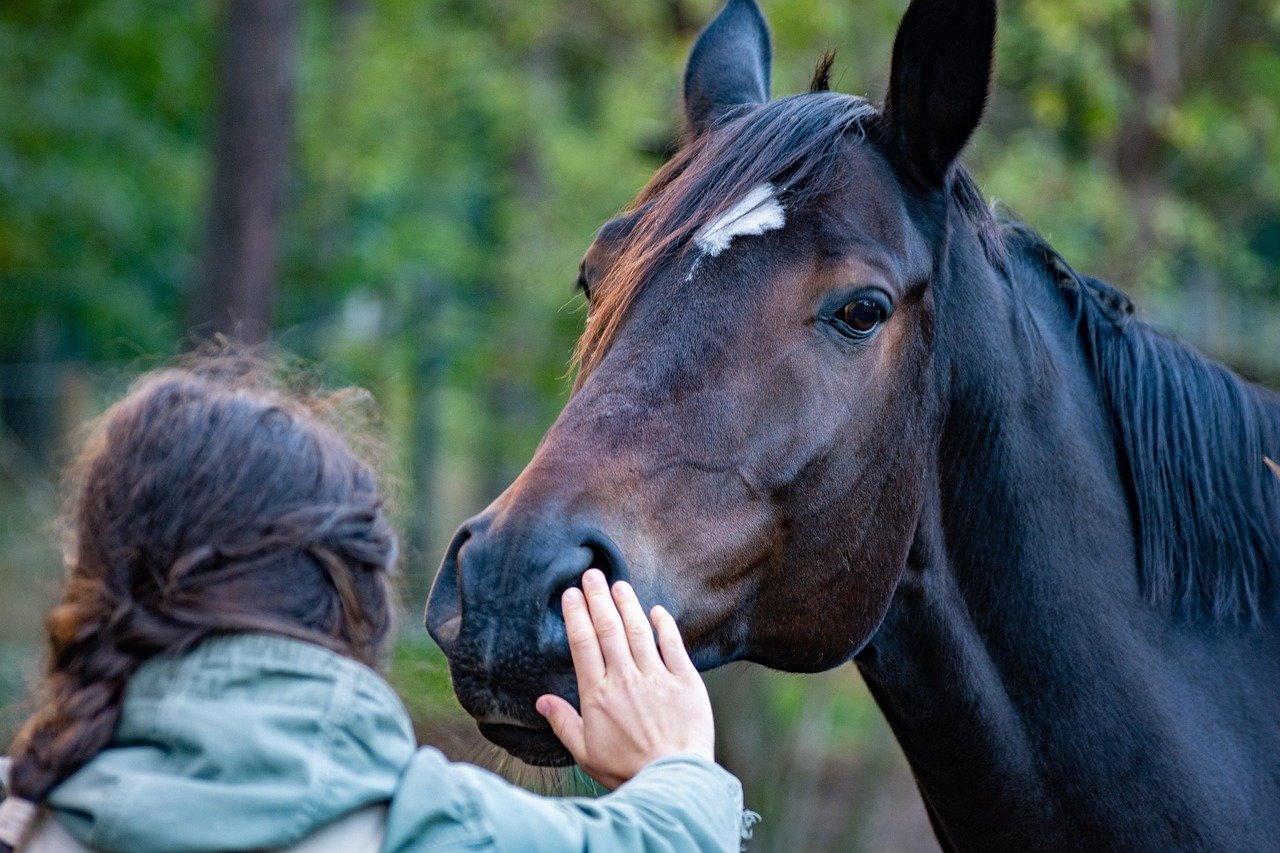
Many riders and handlers have noticed that horses often “mirror” their emotional state. If you’re tense, your horse might become jittery or stubborn. If you’re relaxed and confident, your horse is more likely to be calm and cooperative. This emotional reflection isn’t magic—it’s empathy in action. Horses seem to act like living mirrors, reflecting our feelings right back at us. This feedback loop can be both enlightening and humbling. It encourages us to become more aware of our own emotions, as our horses will pick up on and react to every nuance.
The Power of Presence: How Horses Respond to Authenticity
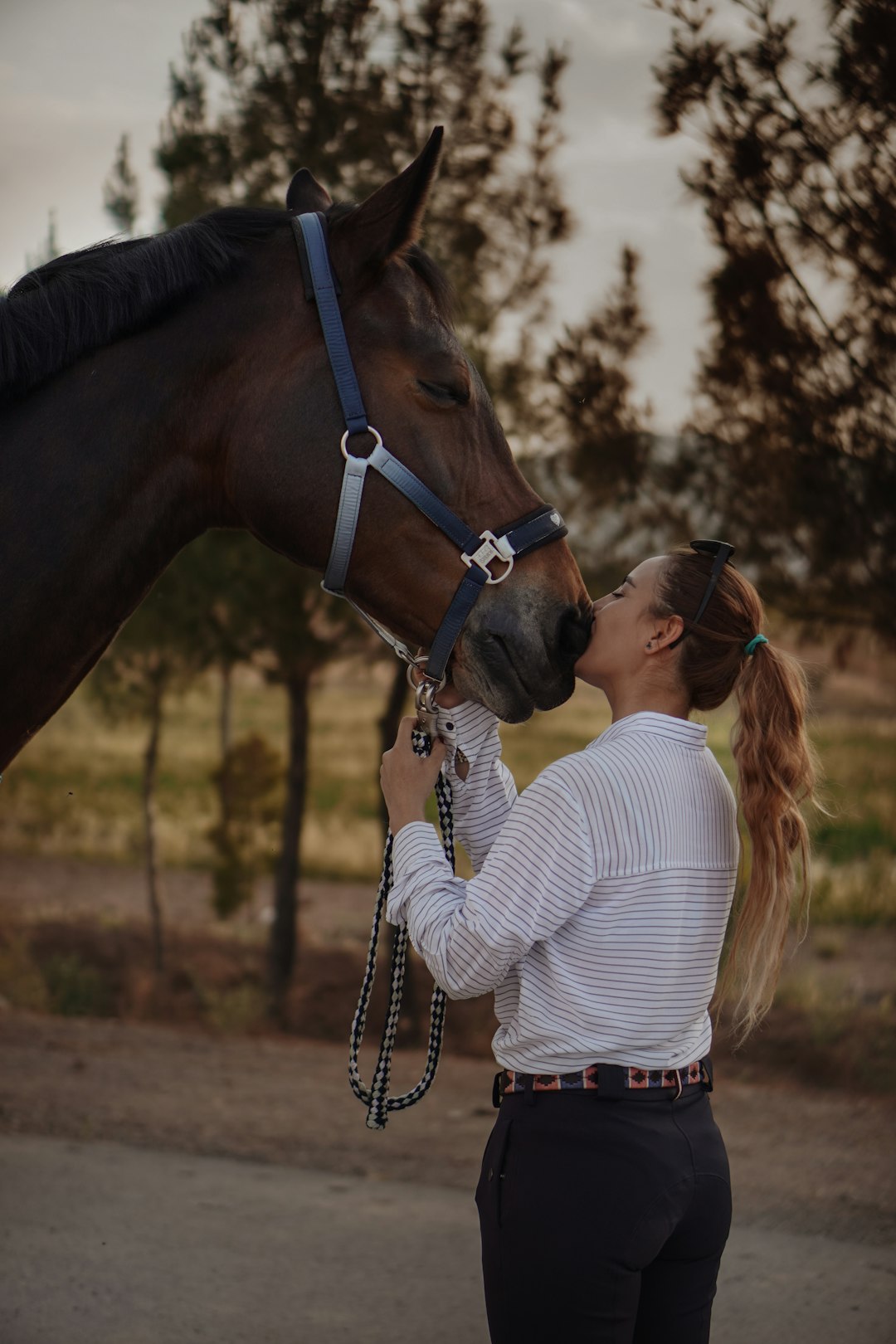
Horses are remarkable judges of character, but even more so, they’re experts at detecting authenticity. They can spot a false front a mile away. When you’re with a horse, pretending to be calm when you’re actually nervous rarely works. Horses respond best when we’re truly present and honest about how we feel. This demand for authenticity can be healing—many people find that spending time with horses helps them peel away the layers of stress and pretense that build up in daily life. The horse’s gentle insistence on truth encourages us to show up as our real selves.
Therapeutic Partners: Horses in Healing and Growth
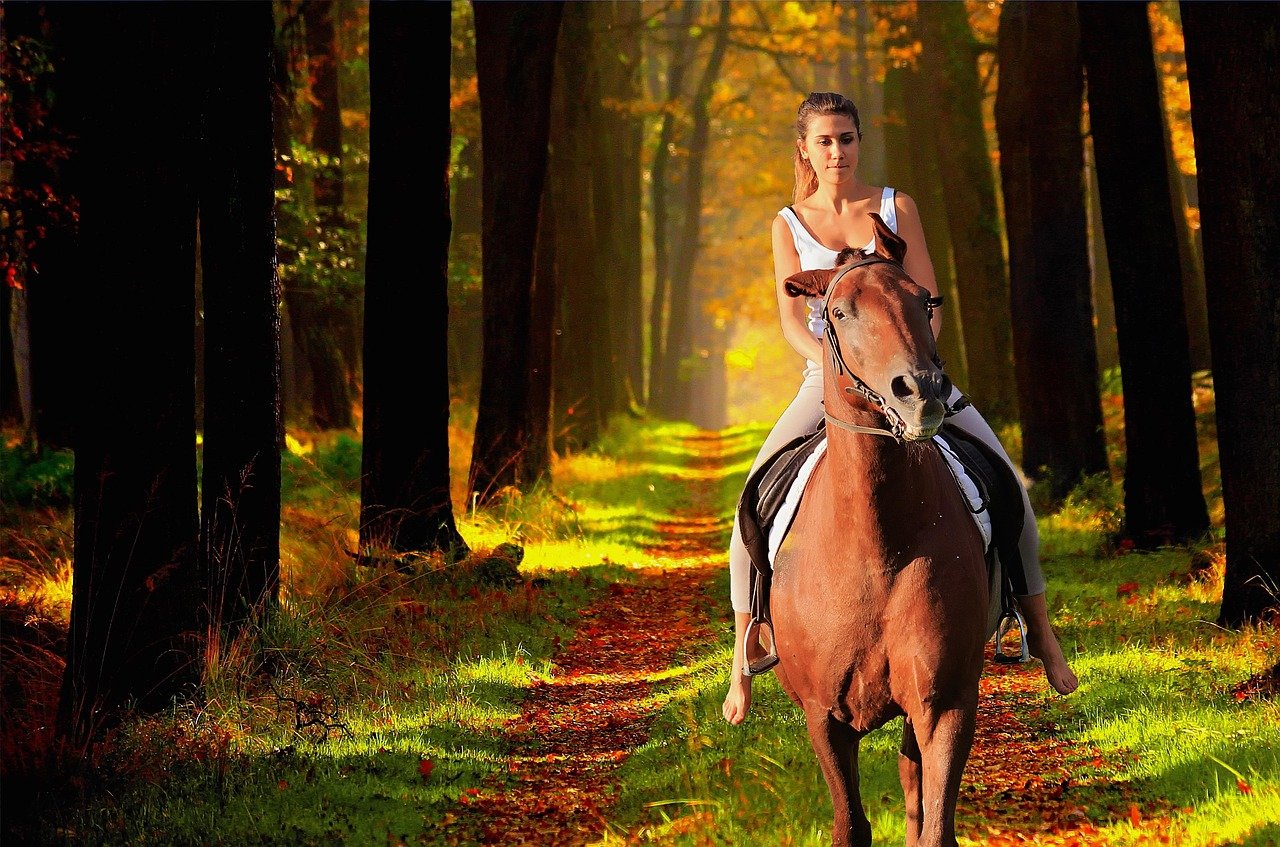
The empathy of horses isn’t just a beautiful trait—it’s the foundation of powerful therapeutic programs. Equine-assisted therapy is increasingly used to help people struggling with anxiety, trauma, grief, and more. Horses don’t judge or criticize; instead, they offer a safe space where emotions can surface and heal. Their intuitive responses help people recognize patterns in their own behavior and build trust, sometimes for the first time. This unique partnership between horse and human has changed countless lives, offering hope, healing, and a sense of belonging.
The Science Behind Equine Empathy
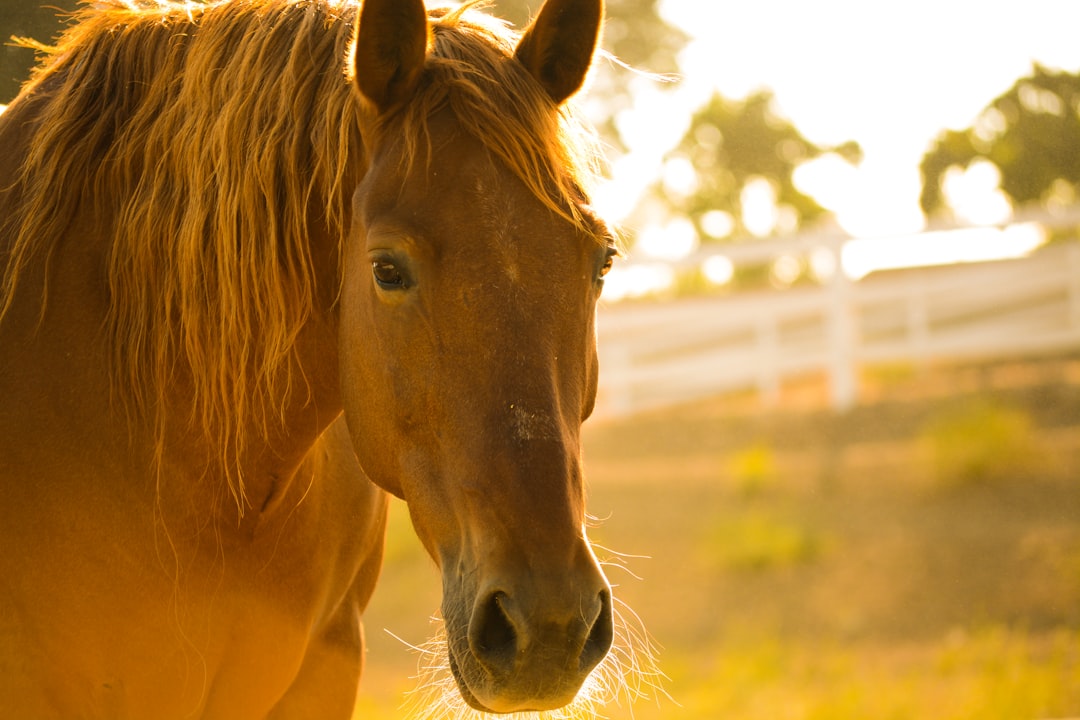
What makes horses such skilled emotional readers? Scientists believe it’s a combination of their highly developed senses and their status as prey animals. Horses have evolved to notice even the slightest changes in their surroundings, including human emotions. Their large eyes and sensitive hearing pick up on visual and auditory cues, while their ability to sense heartbeats and detect pheromones adds another layer of perception. Recent studies even suggest that horses’ heart rates can sync with those of nearby humans, deepening the sense of connection and understanding.
Building Trust: The Foundation of the Horse-Human Bond
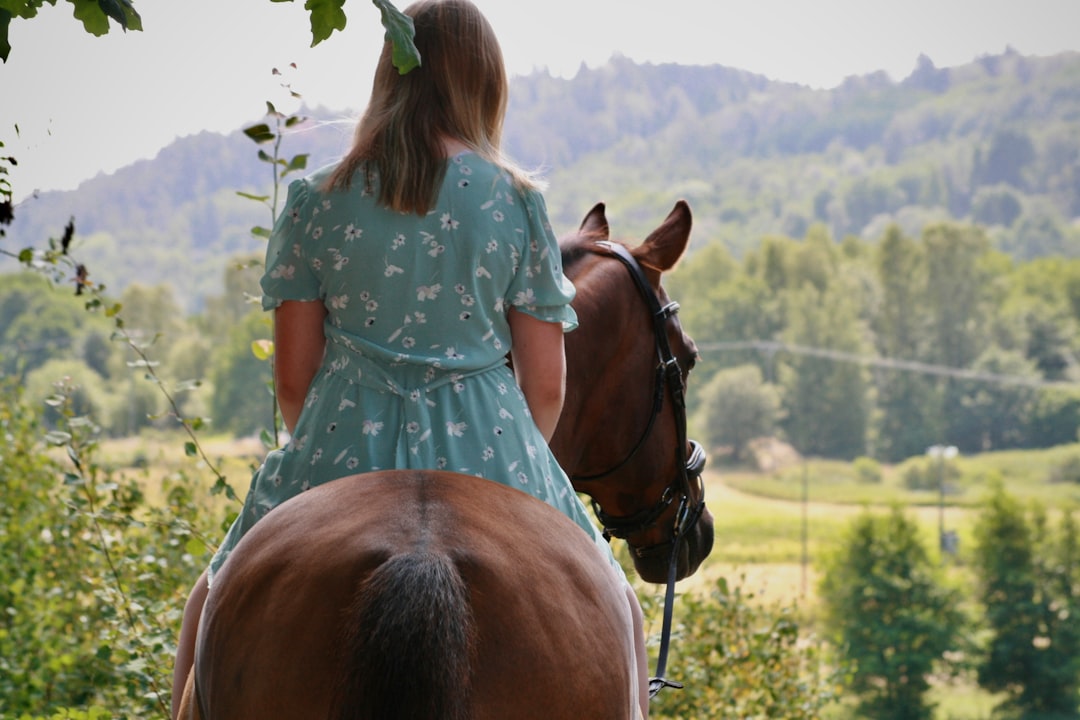
Trust is at the heart of every successful relationship with a horse. Unlike dogs, who may love us unconditionally, horses need to feel safe before they let their guard down. This trust is built slowly, through consistent actions, gentle touch, and clear communication. When a horse senses that you’re trustworthy and reliable, it will begin to bond with you in a way that feels almost magical. That moment when a horse chooses to follow you, nuzzle your hand, or simply stand quietly by your side is a testament to the deep trust you’ve earned.
Stories from the Paddock: Real-Life Examples of Equine Empathy
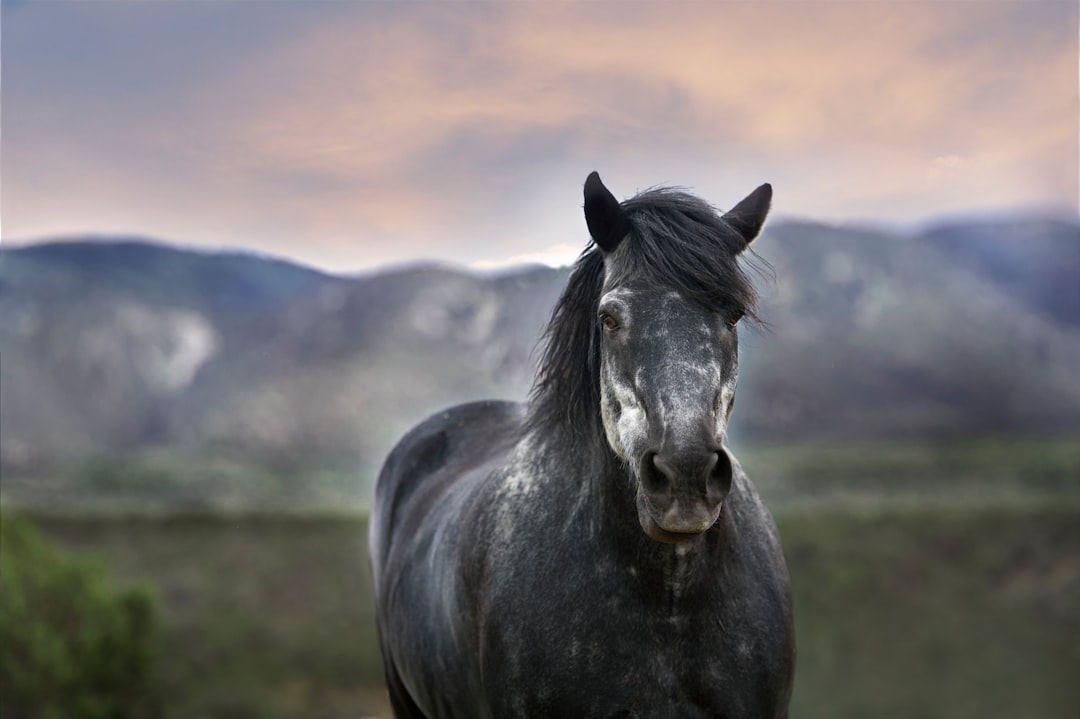
Ask any horse owner and you’ll hear stories that sound almost unbelievable—horses comforting people during tough times, sensing illness before anyone else, or offering support in moments of fear. One rider recalls her horse gently nudging her after a difficult day, as if to say, “I’m here.” Another tells of a horse refusing to leave the side of a grieving owner, offering silent companionship when words wouldn’t do. These stories, while deeply personal, are echoed by horse lovers around the world and highlight the profound empathy that horses bring to our lives.
Lessons from the Herd: What Horses Teach Us About Ourselves
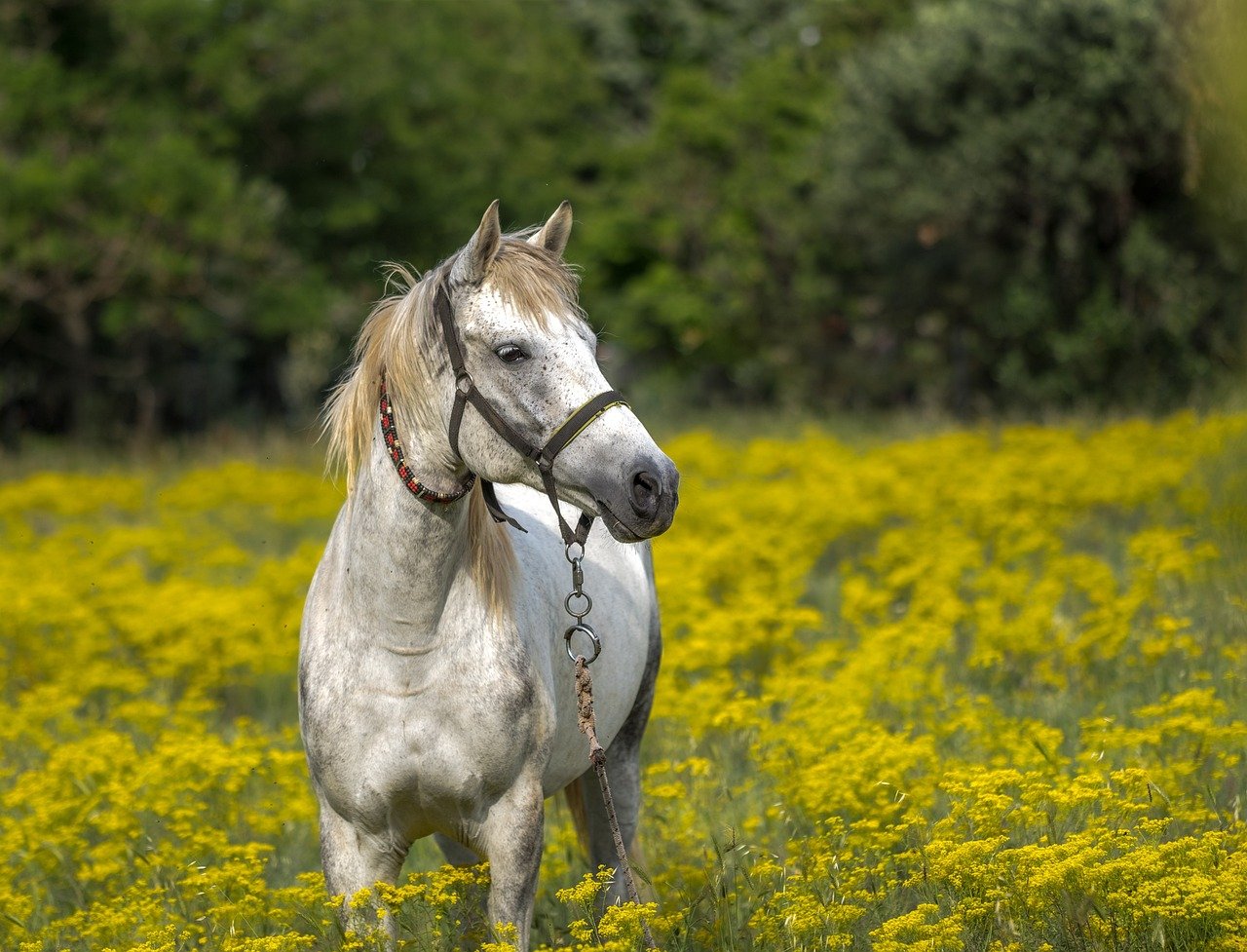
Spending time with horses isn’t just about riding or training—it’s about learning. Horses teach us patience, resilience, and the importance of living in the moment. They remind us that communication is about more than words and that listening is just as important as speaking. By watching how horses interact with each other and with us, we learn about boundaries, respect, and the power of presence. Many people find that the lessons they learn in the paddock carry over into their everyday lives, making them better friends, partners, and leaders.
The bond between horse and human is a living thing, constantly growing and changing. To keep this connection strong, it’s important to spend time together—grooming, walking, or simply sharing quiet moments in the paddock. Being attentive to your horse’s needs and emotions helps foster trust and understanding. Remember, horses don’t care about titles or trophies; what matters most to them is the quality of your presence. The more you invest in your relationship, the deeper and more rewarding it becomes. What would you have guessed about the way horses understand us?


